Patricia Bath
Patricia Bath — an illustrated science story, set in Global. 10 illustrated pages, free to read on Wonder Science.

Page 1
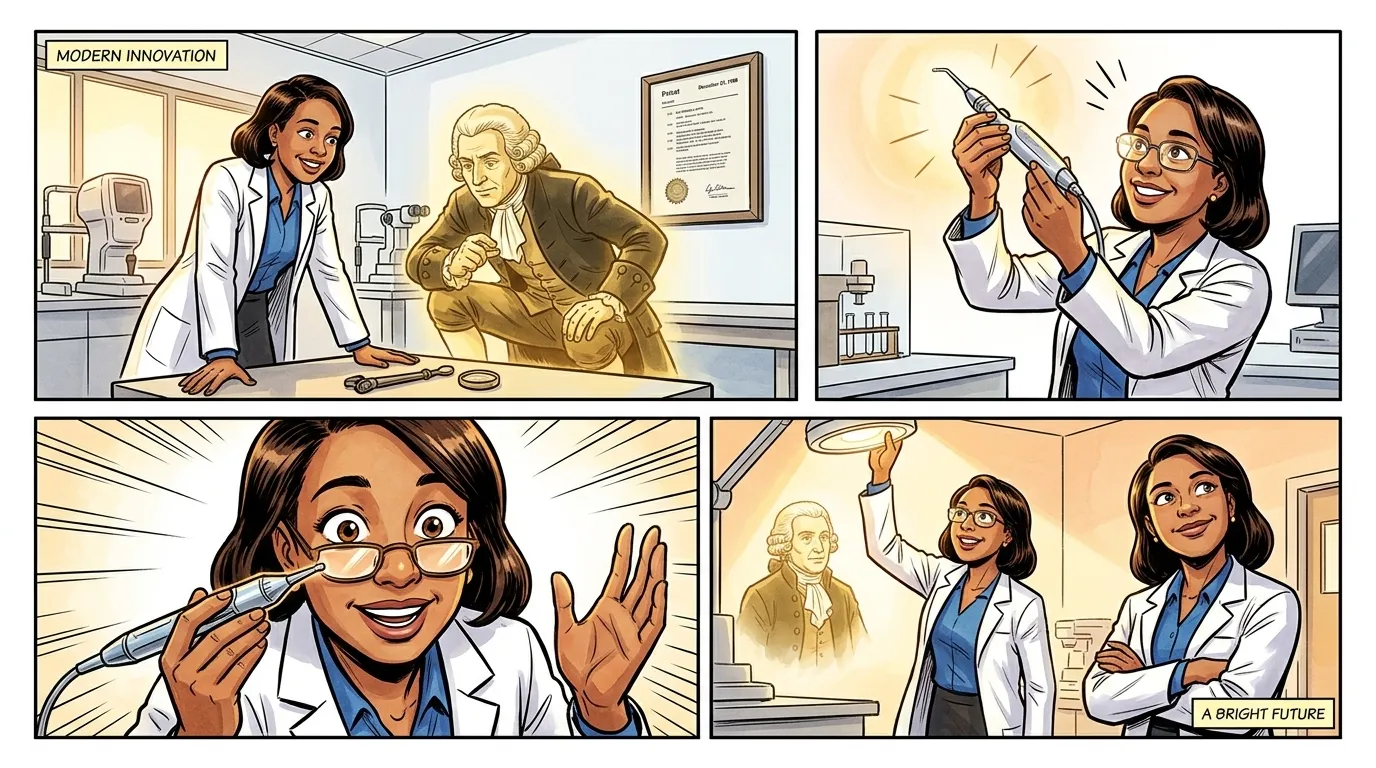
In the annals of medical innovation, few breakthroughs have had as profound an impact on human perception as the restoration of sight. December 22, 1988, marked a pivotal moment in ophthalmology, when Dr. Patricia Bath secured a patent for a revolutionary device: the Laserphaco Probe. This groundbreaking invention would fundamentally transform the surgical approach to cataracts, a leading cause of blindness worldwide, offering unprecedented precision and hope where opaque vision once prevailed. Dr. Bath's work did not merely improve a surgical technique; it offered a new paradigm for ocular health, extending the reach of advanced care to millions.
Page 2
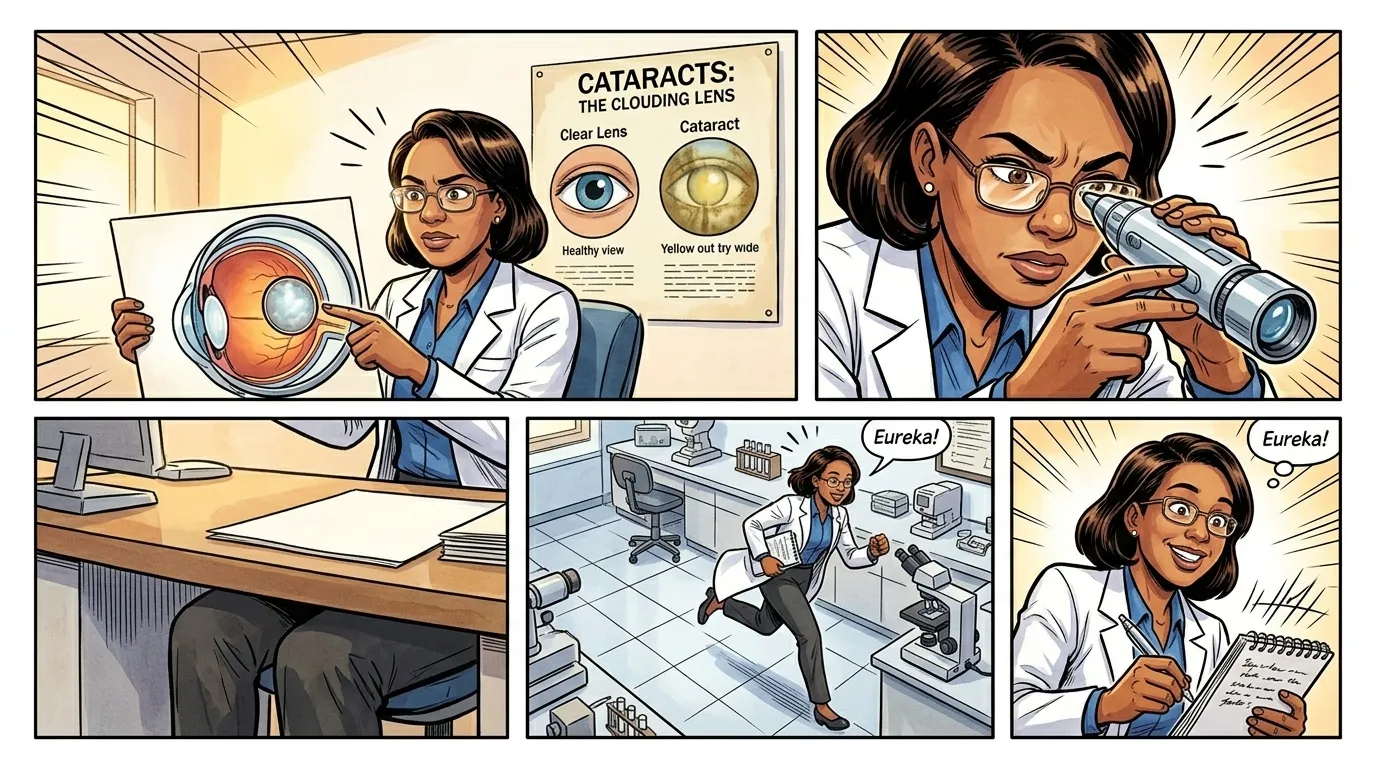
Before Dr. Bath's invention, the challenge of cataracts remained immense. A cataract is not a growth on the eye, but a progressive clouding of the natural lens, obstructing light's passage to the retina. This internal obscuration often develops with age, transforming clear vision into a blurry, yellowish haze, akin to looking through a dirty window. Globally, cataracts are responsible for approximately half of all blindness, affecting tens of millions and significantly diminishing quality of life. The problem was not just visual impairment, but a profound loss of independence and opportunity for those afflicted.
Page 3
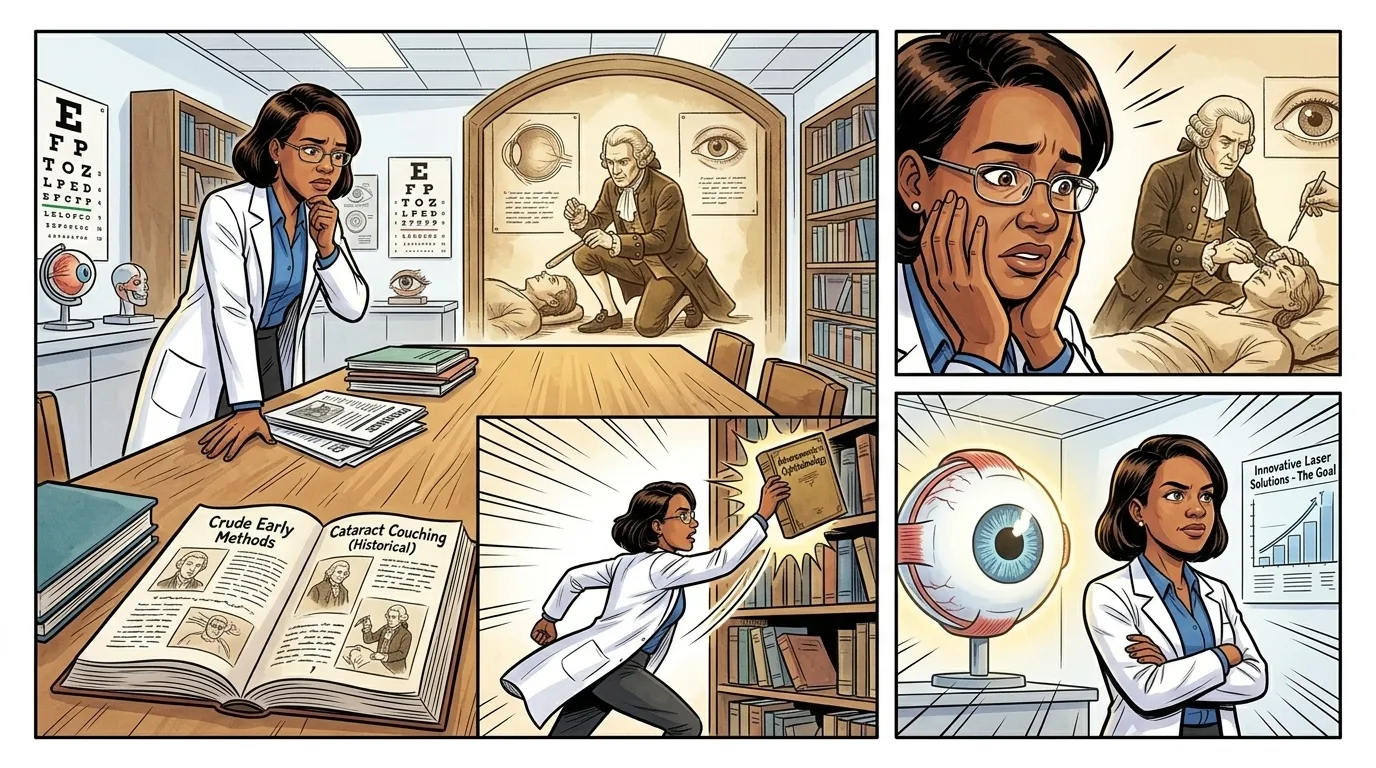
For centuries, cataract removal involved methods that, by modern standards, appear crude and often perilous. Early techniques, dating back to ancient India, included 'couching,' where a sharp instrument would push the clouded lens out of the line of sight, often leading to severe complications or complete blindness. By the 18th century, pioneering surgeons like Jacques Daviel introduced lens extraction, but these methods were traumatic, requiring large incisions and relying on manual manipulation of the diseased lens. Even into the 20th century, surgical approaches primarily involved blunt force or cryoextraction, posing significant risks of corneal damage, infection, and prolonged recovery.
Page 4
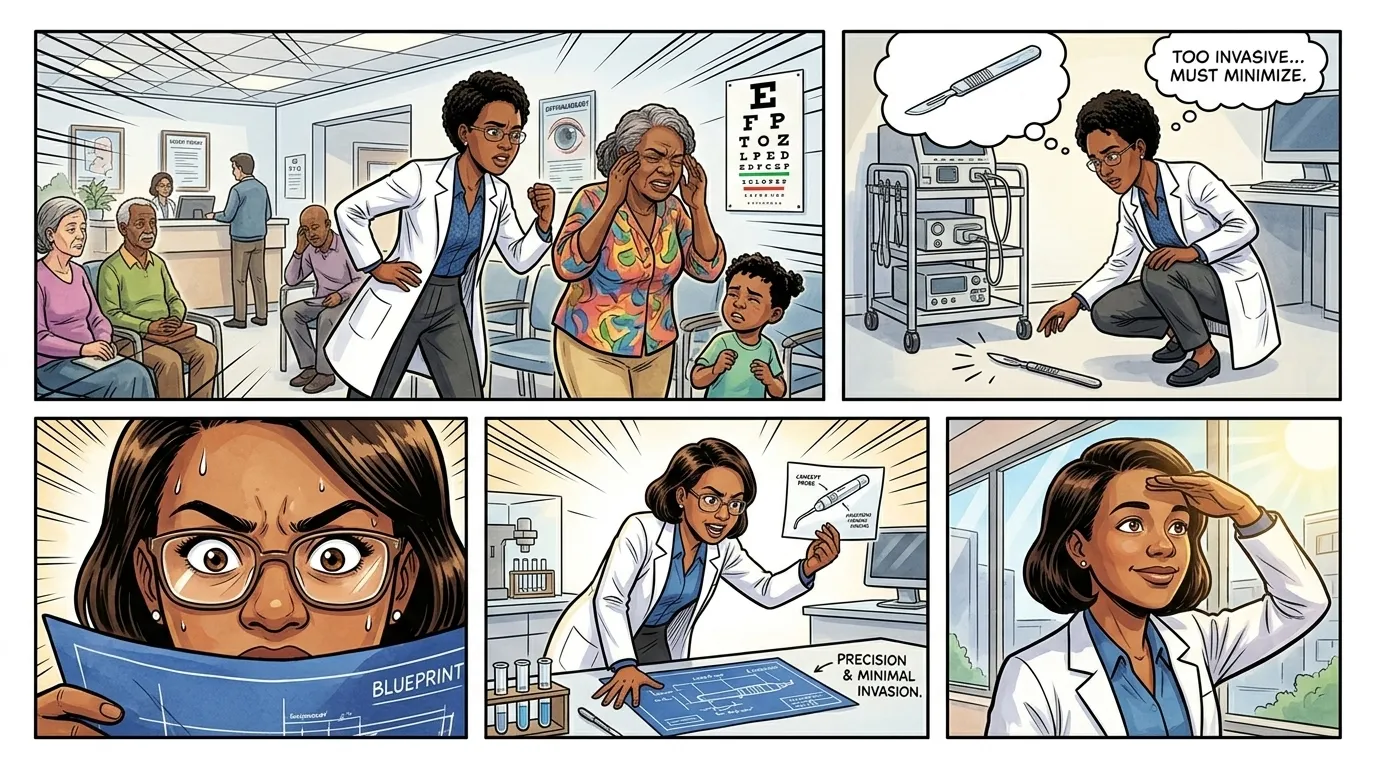
Dr. Bath recognized the inherent limitations and dangers of these traditional methods. Graduating from Howard University College of Medicine and becoming the first African American woman to complete a residency in ophthalmology at New York University, she witnessed firsthand the profound disparity in eye care. Her clinical experience, particularly observing the disproportionately high rates of blindness among African Americans and other underserved communities, fueled her resolve for a safer, more effective solution. The challenge was to develop a method that could precisely remove the cataract with minimal invasion, thereby reducing trauma and enhancing recovery, especially for those in remote areas without access to specialized equipment.
Page 5
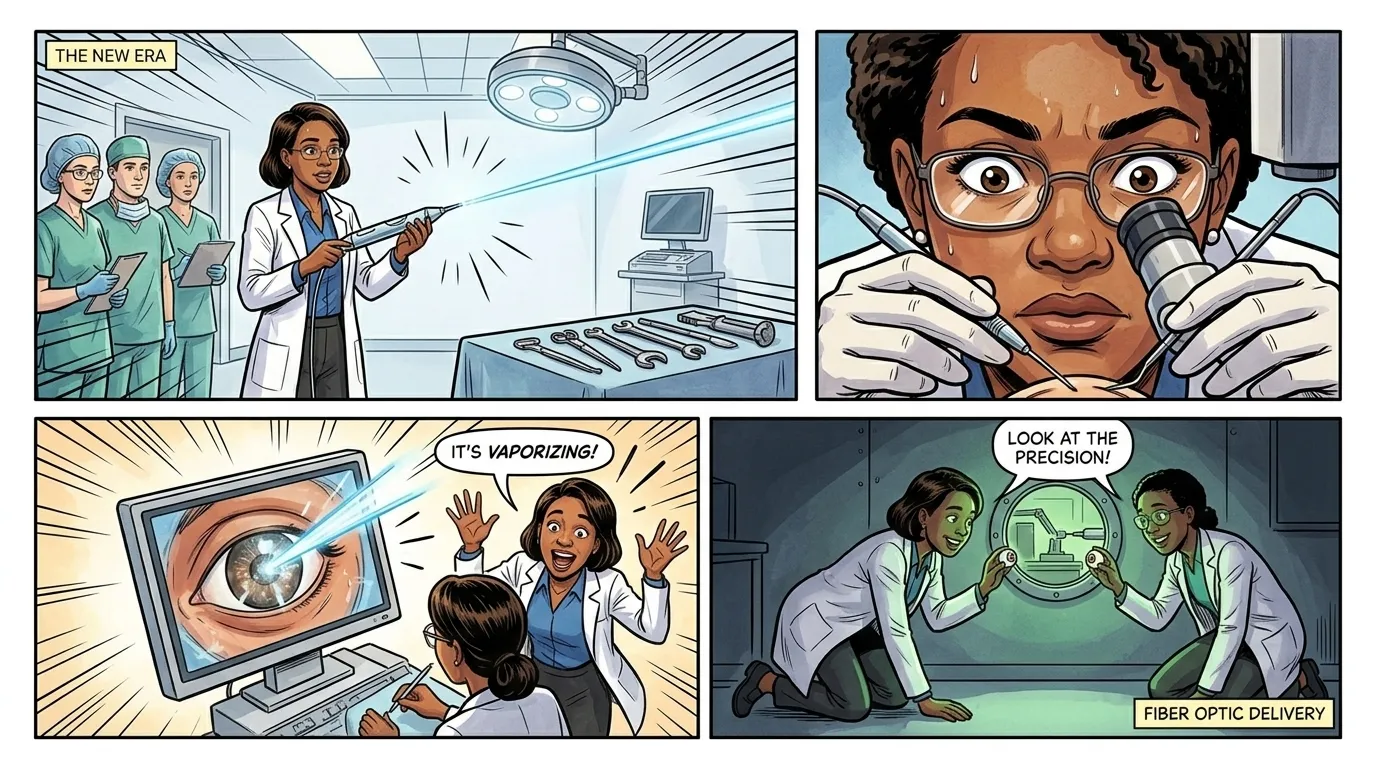
Dr. Bath's Laserphaco Probe represented a seismic shift, moving from mechanical brute force to the precise power of light. The core innovation lay in its ability to utilize a laser to vaporize cataracts. Unlike previous methods, this process was extremely gentle and controlled, allowing surgeons to make a much smaller incision. The probe's ingenious design included a miniature fiber optic cable that delivered precise laser energy directly to the cataract. This targeted approach minimized damage to surrounding ocular tissues, a critical improvement that reduced complications and accelerated healing for patients.
Page 6
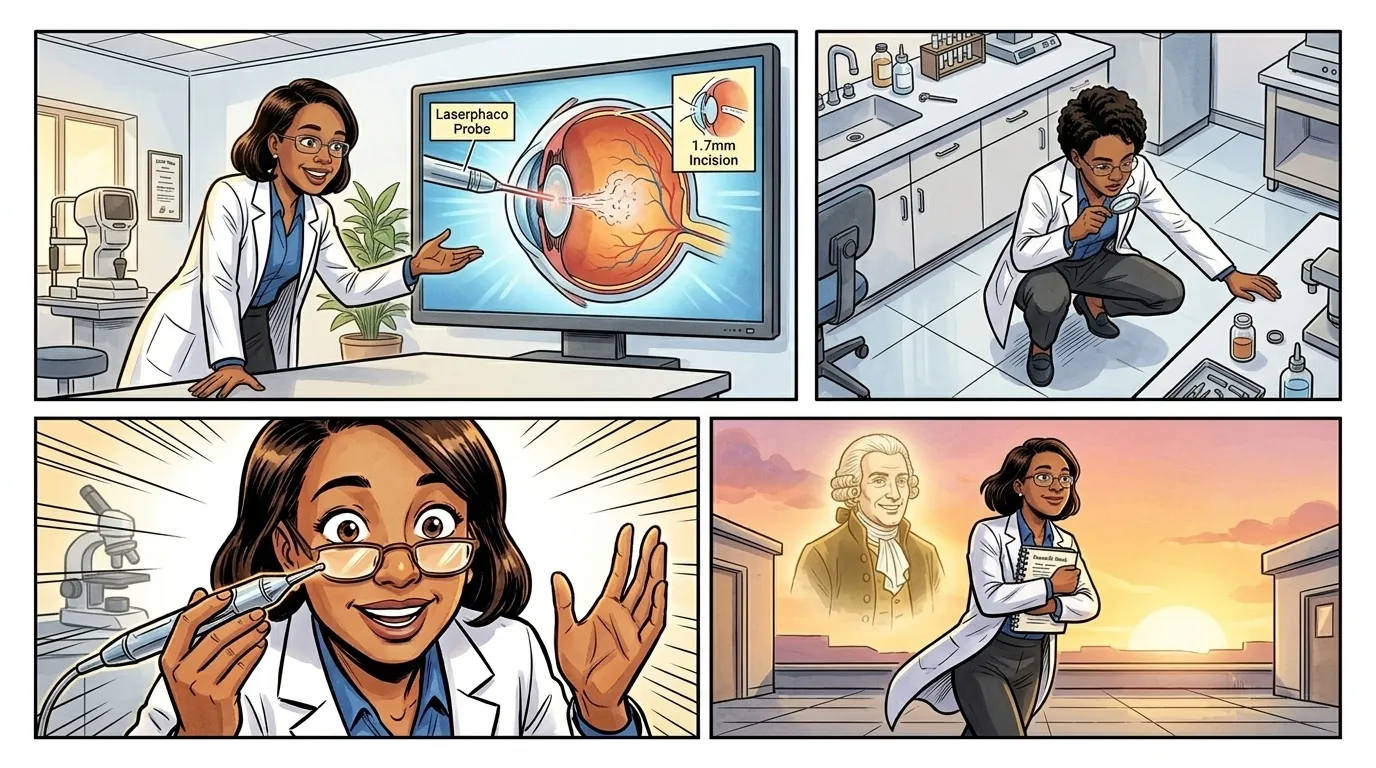
The functional elegance of the Laserphaco Probe stemmed from its dual action: photoablation and aspiration. First, pulsed laser energy, specifically from a YAG laser, was directed through the fiber optic, carefully adjusted to vaporize cataract tissue without thermal damage to the delicate eye structures. This laser energy broke down the hardened proteins of the cataract into a microscopic mist. Concurrently, a gentle suction mechanism within the probe aspirated these vaporized particles, effectively clearing the optical pathway. This precise, two-step process allowed for the complete removal of the cataract through an incision as small as 1.7 millimeters, reducing surgical invasiveness dramatically.
Page 7
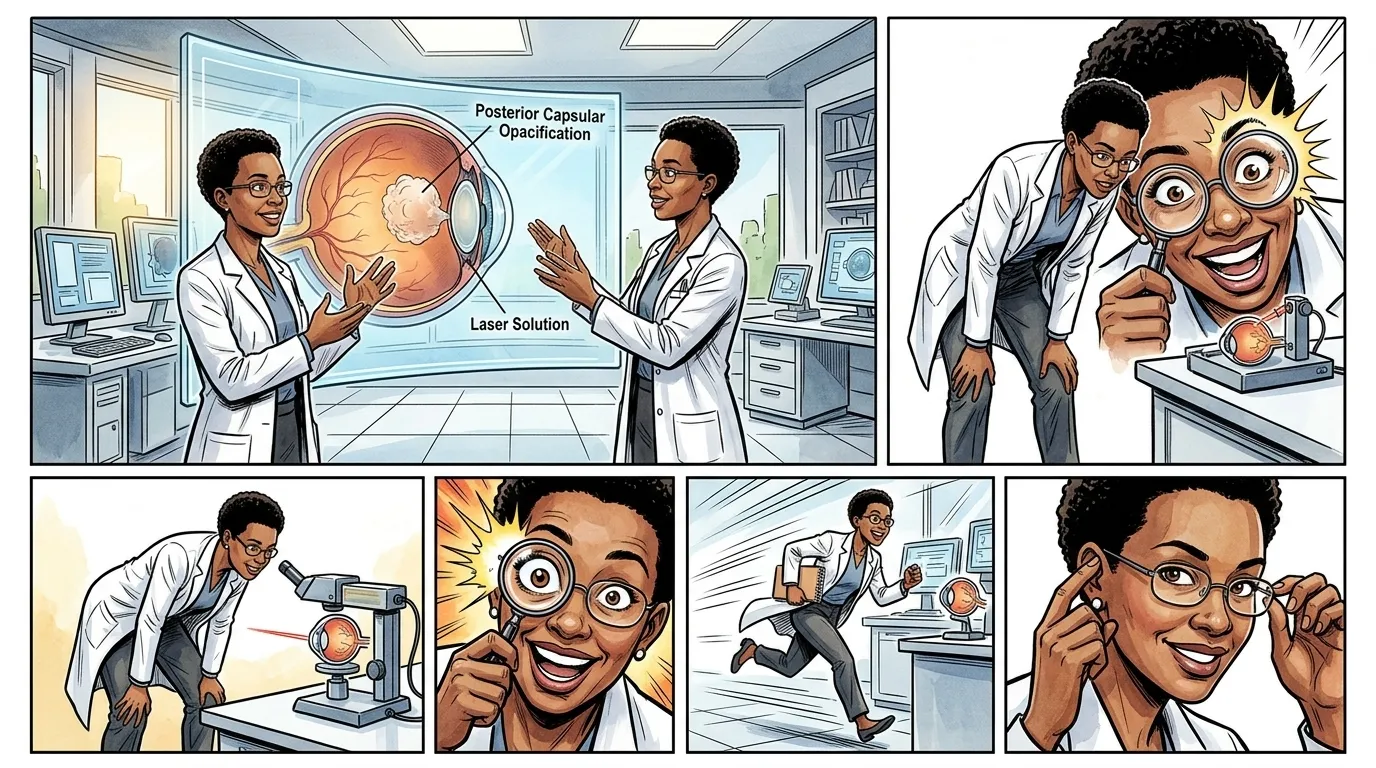
The development and patenting of the Laserphaco Probe in 1988 was not merely a personal triumph but a testament to relentless dedication. Dr. Bath's inventive spirit was not confined to hardware; she also developed a method for using laser technology to remove the secondary membrane that often forms behind the lens implant, known as a posterior capsular opacification. This further solidified her reputation as a visionary in ophthalmic surgery. Her work underscored the potential of laser technology to perform intricate, delicate procedures with unmatched control and efficacy, setting a new standard for surgical intervention and outcomes in eye care.
Page 8

The impact of the Laserphaco Probe extended far beyond the operating room. By enabling less invasive, more precise cataract removal, it significantly improved patient outcomes, especially for individuals in low-resource settings. Dr. Bath co-founded the American Institute for the Prevention of Blindness in 1978, long before her major patent, driven by her belief in universal access to eye care. Her work with the institute focused on providing ophthalmic services to underserved populations worldwide, taking her to clinics and hospitals across Africa, Asia, and Europe. The probe became a beacon of hope, enabling surgeons to tackle previously inoperable cases and restore sight to millions who might otherwise have remained blind.
Page 9
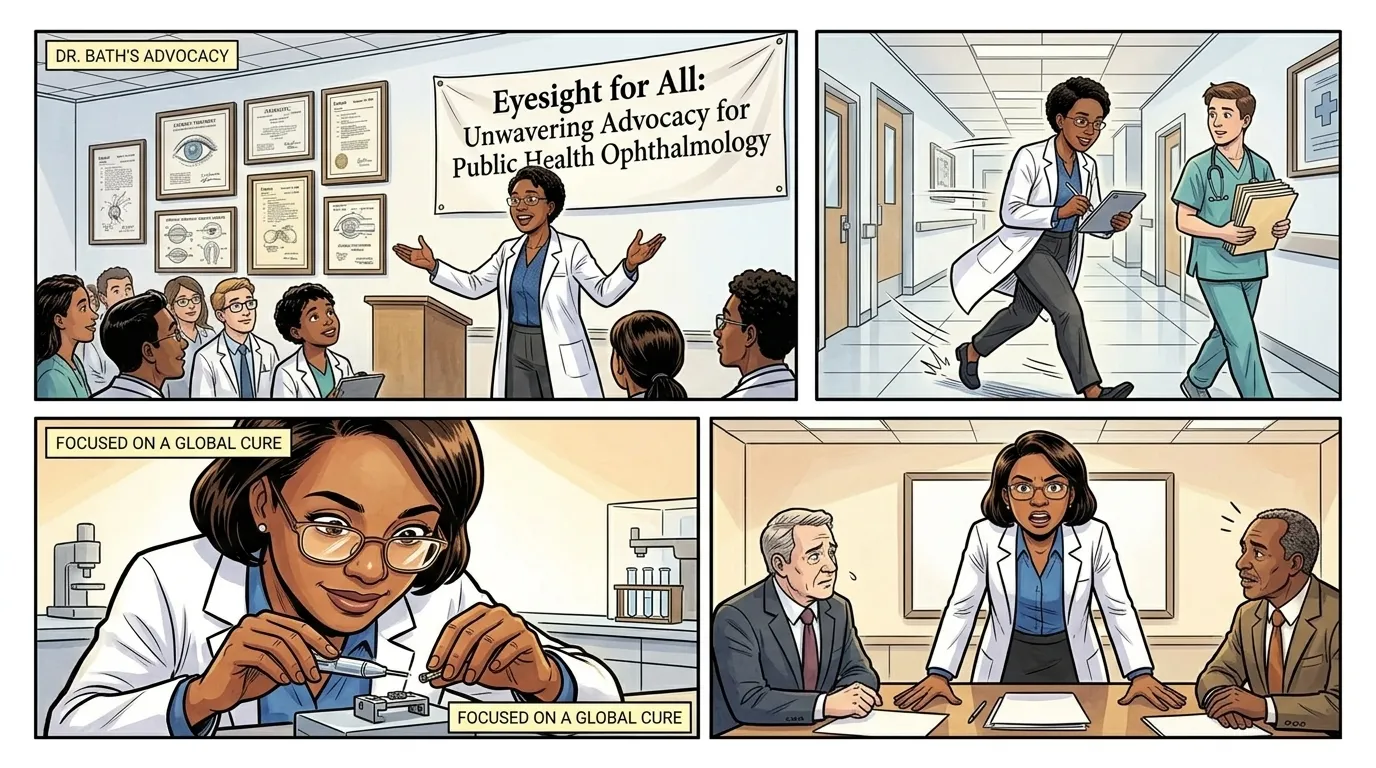
Dr. Bath held five patents related to cataract treatment and surgical instruments, cementing her place as a prolific inventor. Beyond the technical innovations, her profound contributions lay in her unwavering advocacy for public health ophthalmology. She challenged systemic barriers to care, demonstrating how accessible, high-quality eye treatment could transform communities. Her patented work not only offered advanced surgical tools but also inspired a generation of medical professionals to prioritize both scientific advancement and humanitarian outreach. Her persistent pursuit of 'eyesight for all' became a guiding principle, influencing how medical technology could serve broader societal needs.
Page 10

Patricia Bath's journey was one of relentless determination, breaking barriers not only in science but also in society. As the first African American woman physician to receive a medical patent, she carved a path for countless others in STEM. Her legacy extends beyond the technical brilliance of the Laserphaco Probe, encompassing her dedication to preventive medicine, her fight against health disparities, and her unwavering belief in universal eye care. Her contributions fundamentally reshaped cataract surgery, offering precision, reducing trauma, and, most importantly, giving the priceless gift of sight back to millions globally. Dr. Bath's life stands as a powerful testament to the transformative power of innovation, compassion, and a resolute vision for a better future.
About this story
- Location: Global
- Audience: general readers
Questions and answers
Read Wonder Science on your phone
Wonder Science is available on Android. Get Wonder Science on Google Play.