Peter Medawar
Peter Medawar — an illustrated science story, set in Global. 10 illustrated pages, free to read on Wonder Science.
Page 1
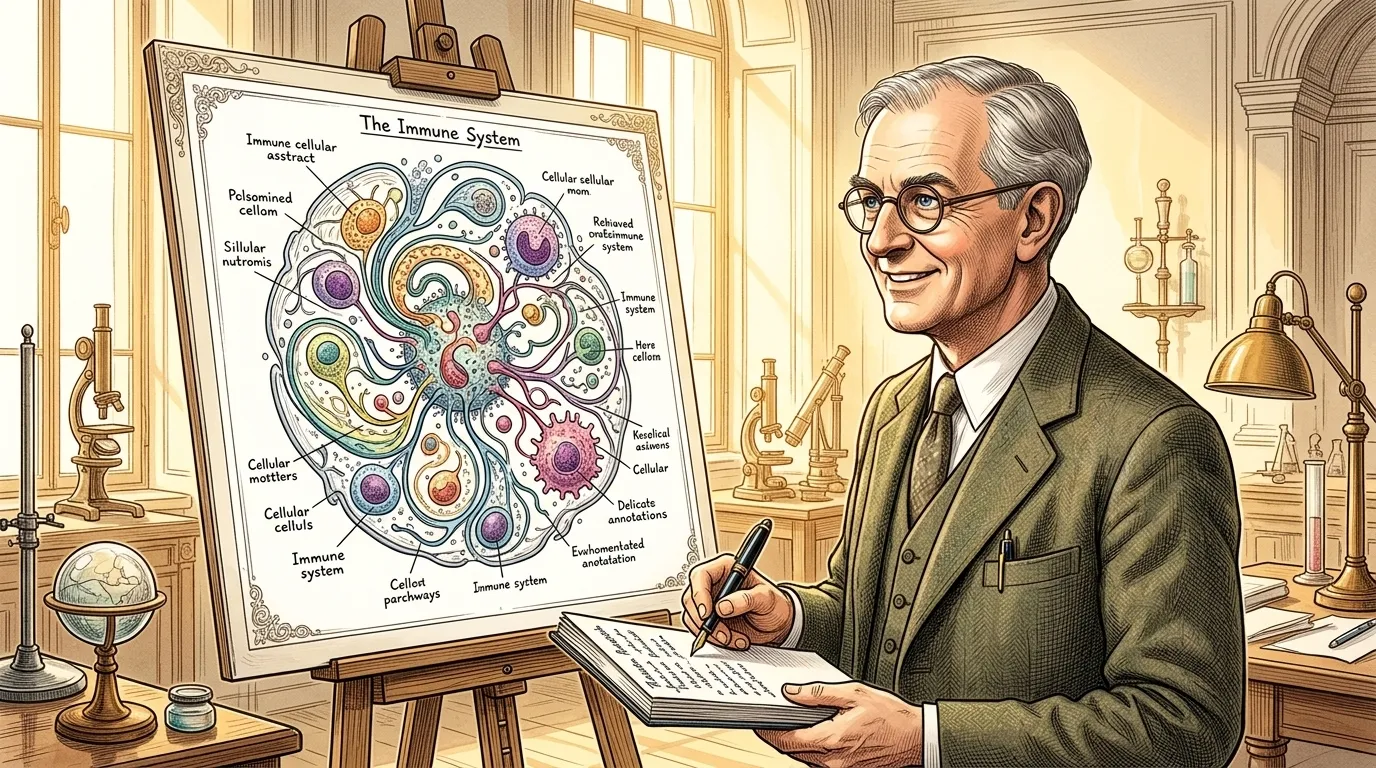
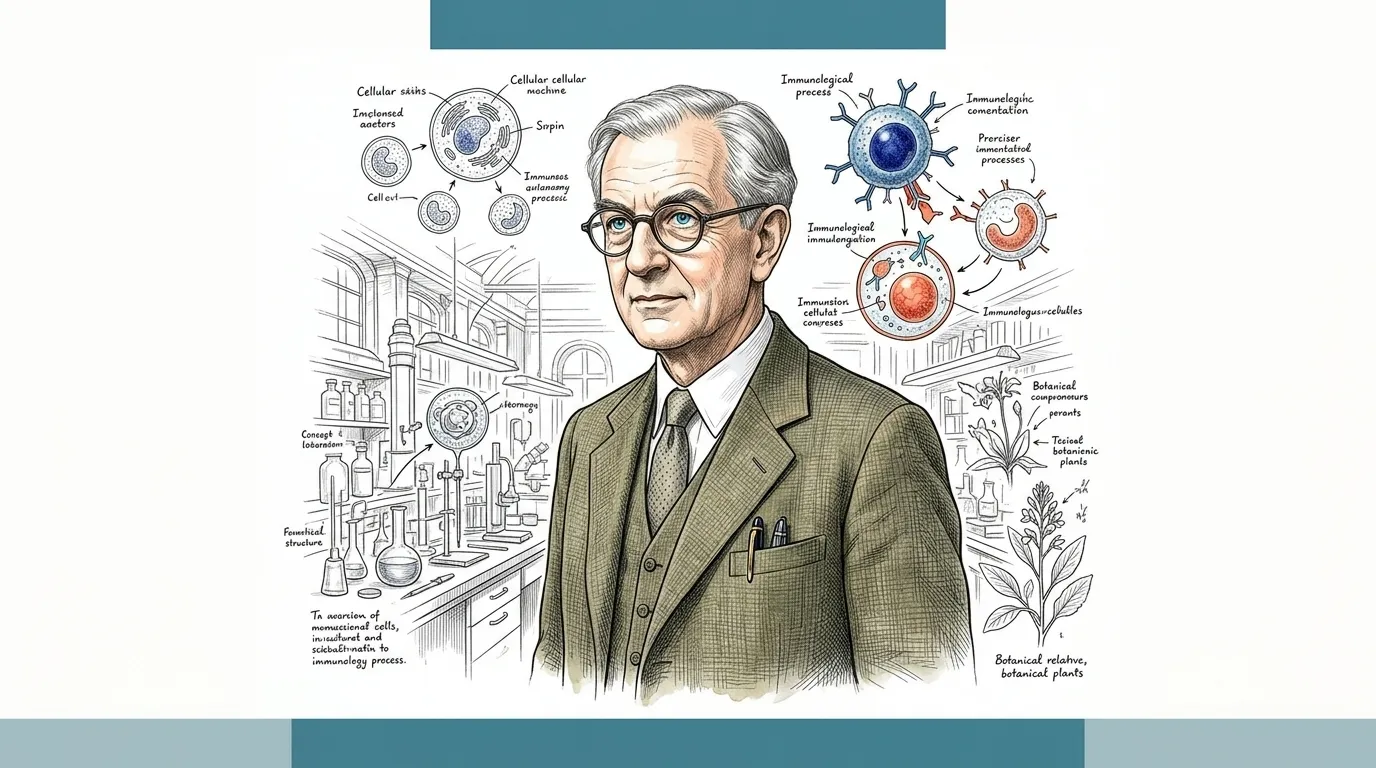
In the annals of medical science, few challenges loomed larger than the body's fierce resistance to foreign tissue. For centuries, the dream of transplanting organs to save lives remained a distant fantasy, repeatedly thwarted by an invisible, yet implacable, biological barrier. This was the landscape of medicine when Sir Peter Medawar, a brilliant zoologist turned immunologist, embarked on a quest that would fundamentally redefine our understanding of the immune system.
Page 2
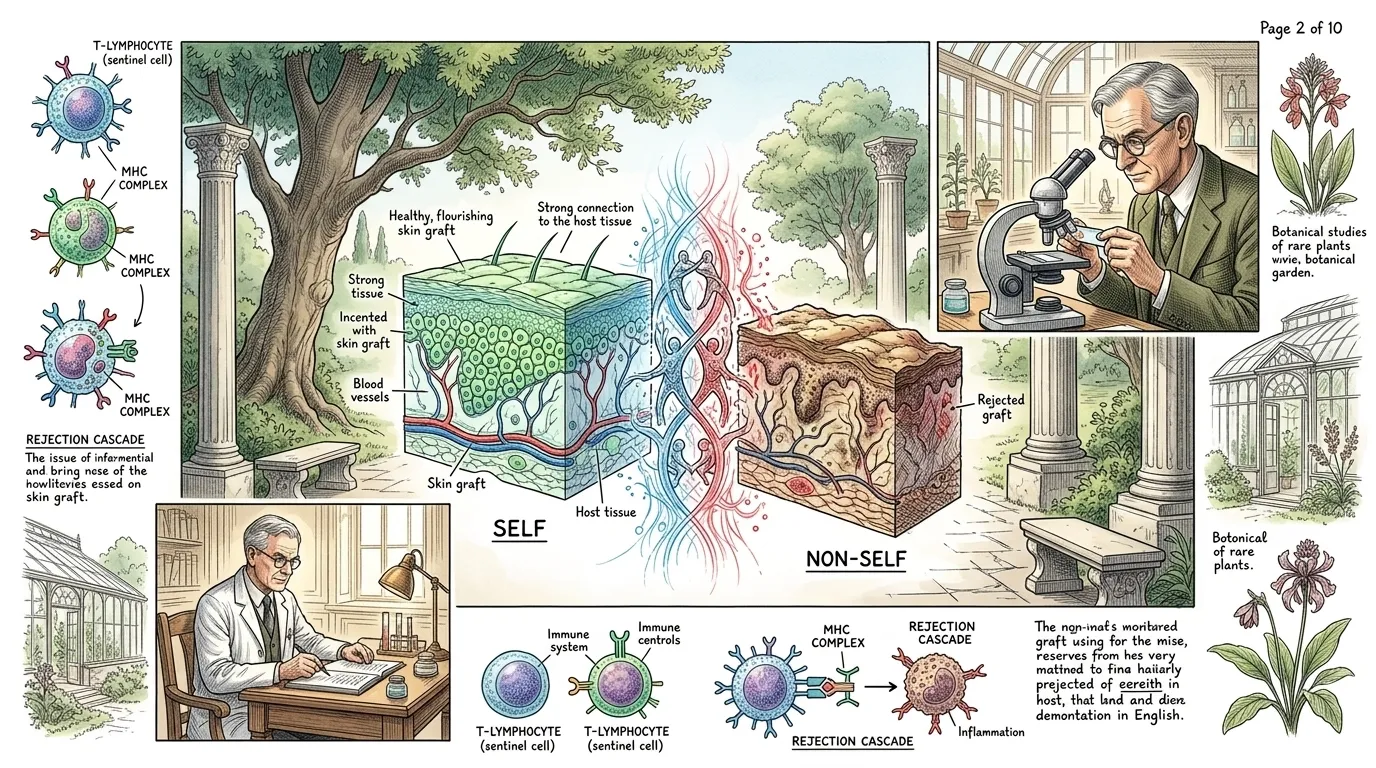
The problem was stark: a patient's own skin could be grafted onto their body with success, yet skin from another individual, even a close relative, would inevitably be recognized as 'non-self' and violently rejected. This phenomenon, known as allograft rejection, was a profound mystery. It spoke to an intrinsic intelligence within the body, a sentinel system vigilant against invaders, yet tragically indiscriminate in distinguishing life-saving tissue from pathogens.
Page 3
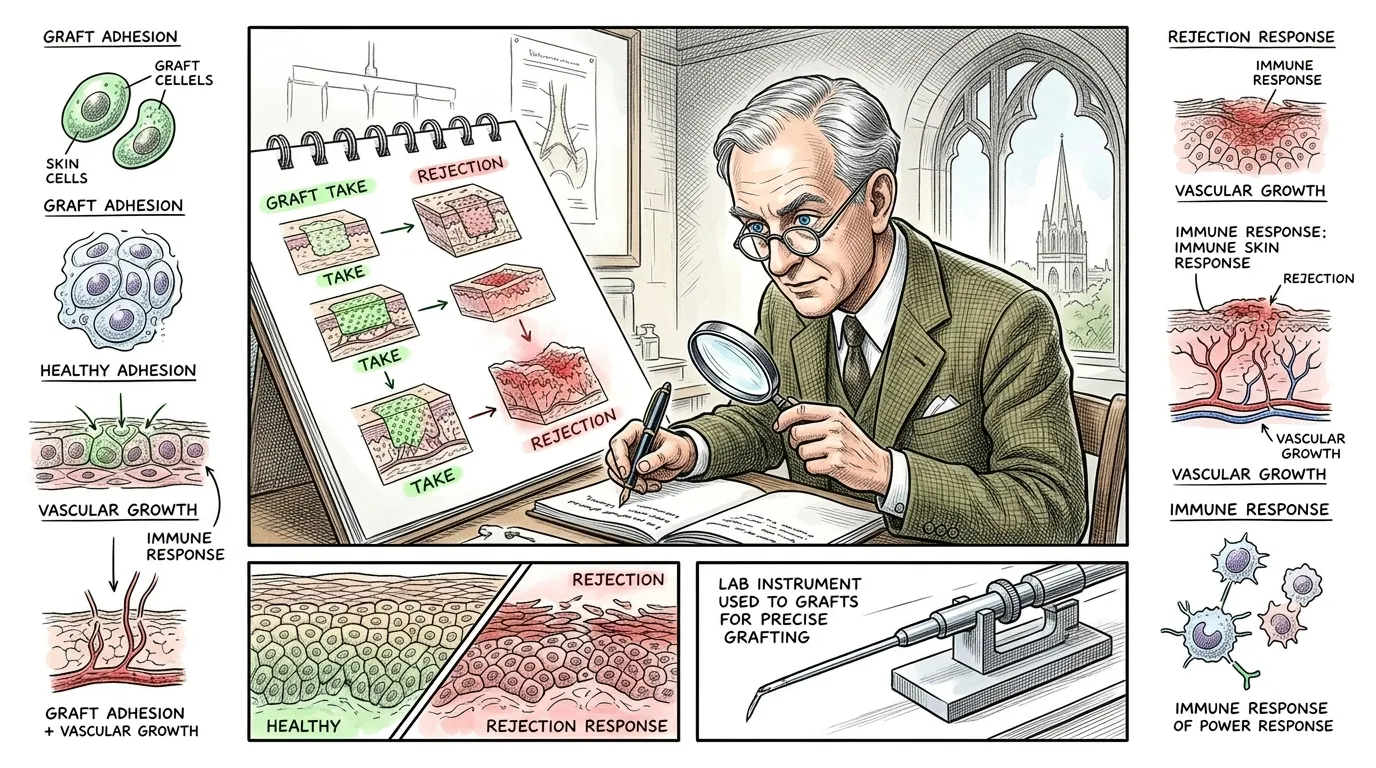
Before Medawar, some scientists speculated about the immune system's role, but concrete evidence was scarce. World War II inadvertently provided a crucial impetus. Pilots and soldiers suffering severe burns required skin grafts, often from unrelated donors. These grafts would temporarily 'take' but eventually wither and die, revealing a delayed, yet potent, immune response. It was during this period, at Oxford, that Peter Medawar began his systematic investigation into the biological basis of this rejection.
Page 4
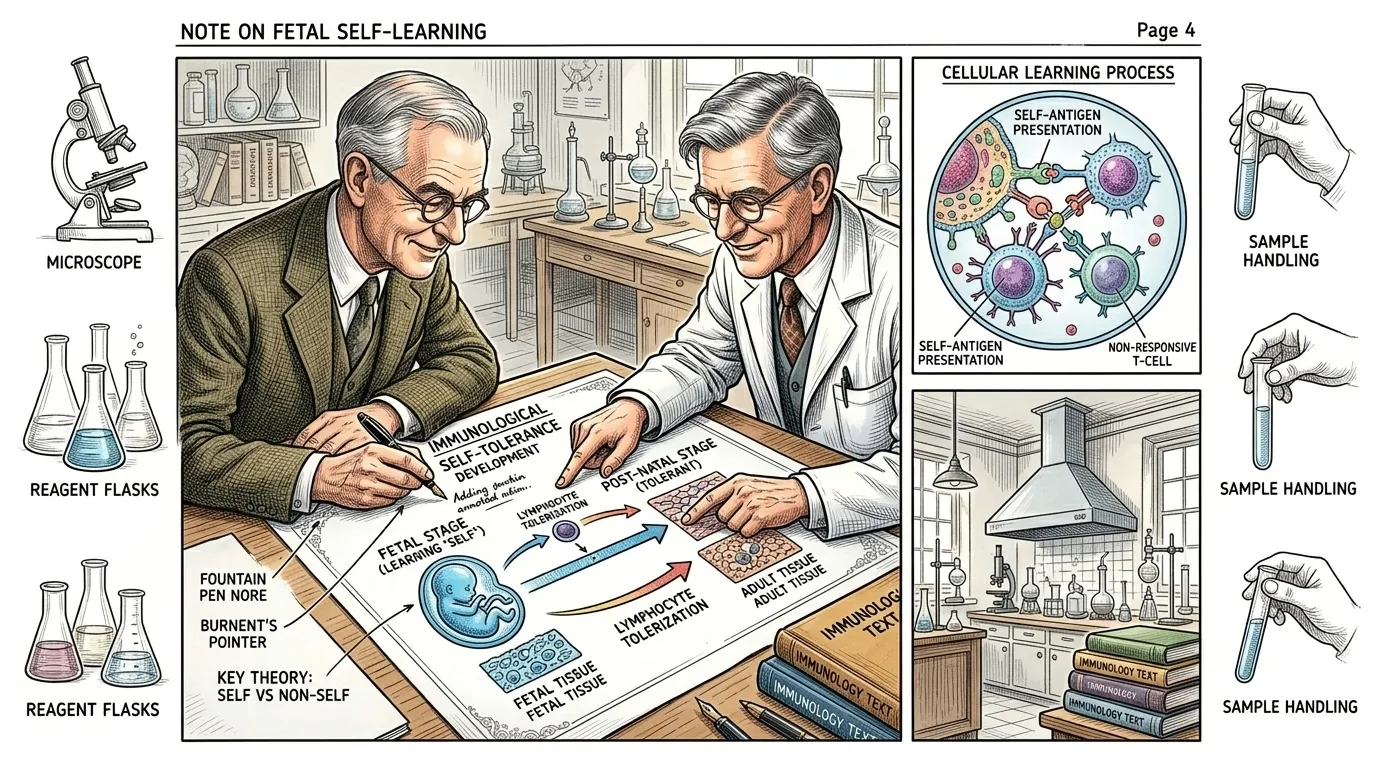
Medawar, alongside Frank Macfarlane Burnet, developed the concept of 'immunological self-tolerance,' proposing that the immune system learns to distinguish 'self' from 'non-self' during fetal development. This critical developmental window dictates what the body will accept for life. Any foreign cells introduced after this period would be flagged as threats, triggering rejection. This theory was elegant, but demanded rigorous proof.
Page 5
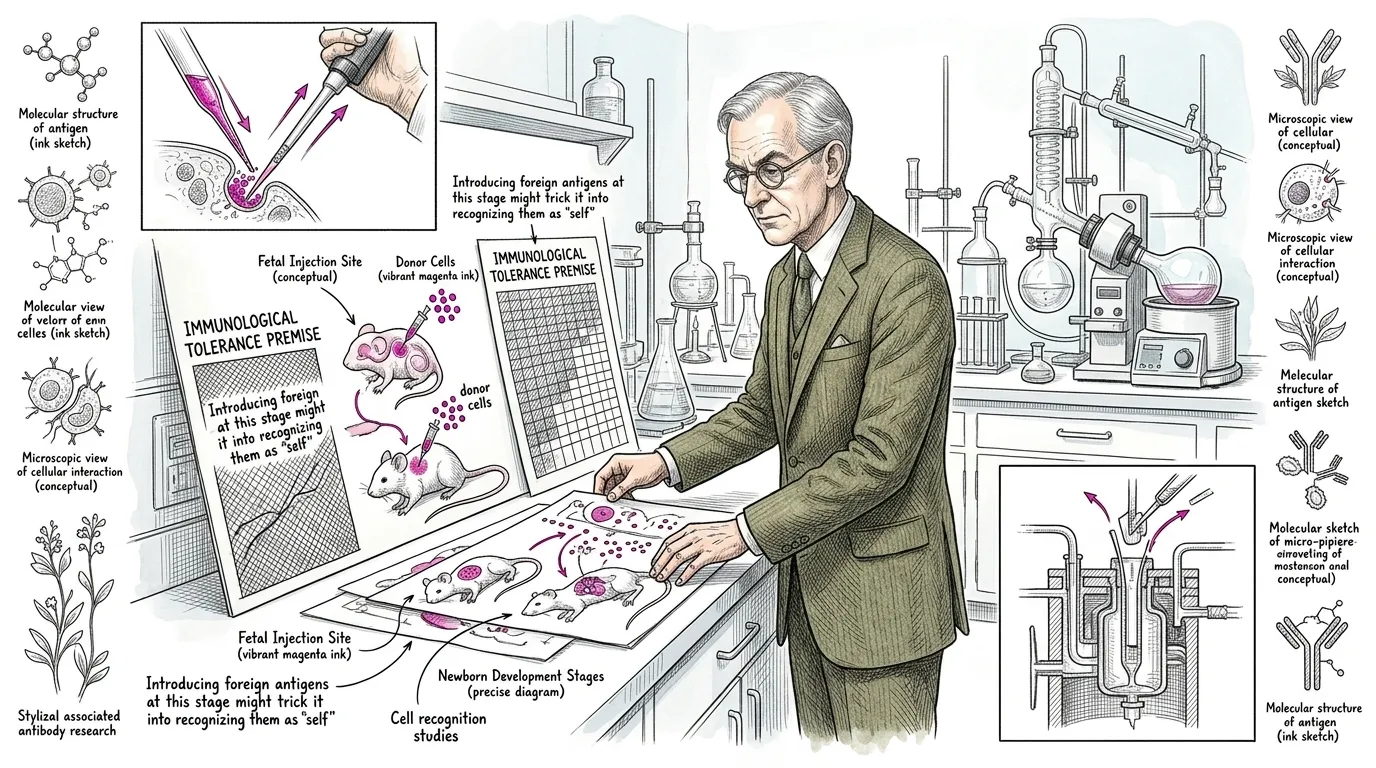
To test their hypothesis, Medawar conducted groundbreaking experiments involving mice. He injected fetal and newborn mice with cells from genetically distinct 'donor' mice. The premise was revolutionary: if the immune system was truly 'educated' during early development, then introducing foreign antigens at this stage might trick it into recognizing them as 'self.' The results, published in 1953, were nothing short of astonishing, validating the theory of acquired immunological tolerance.
Page 6
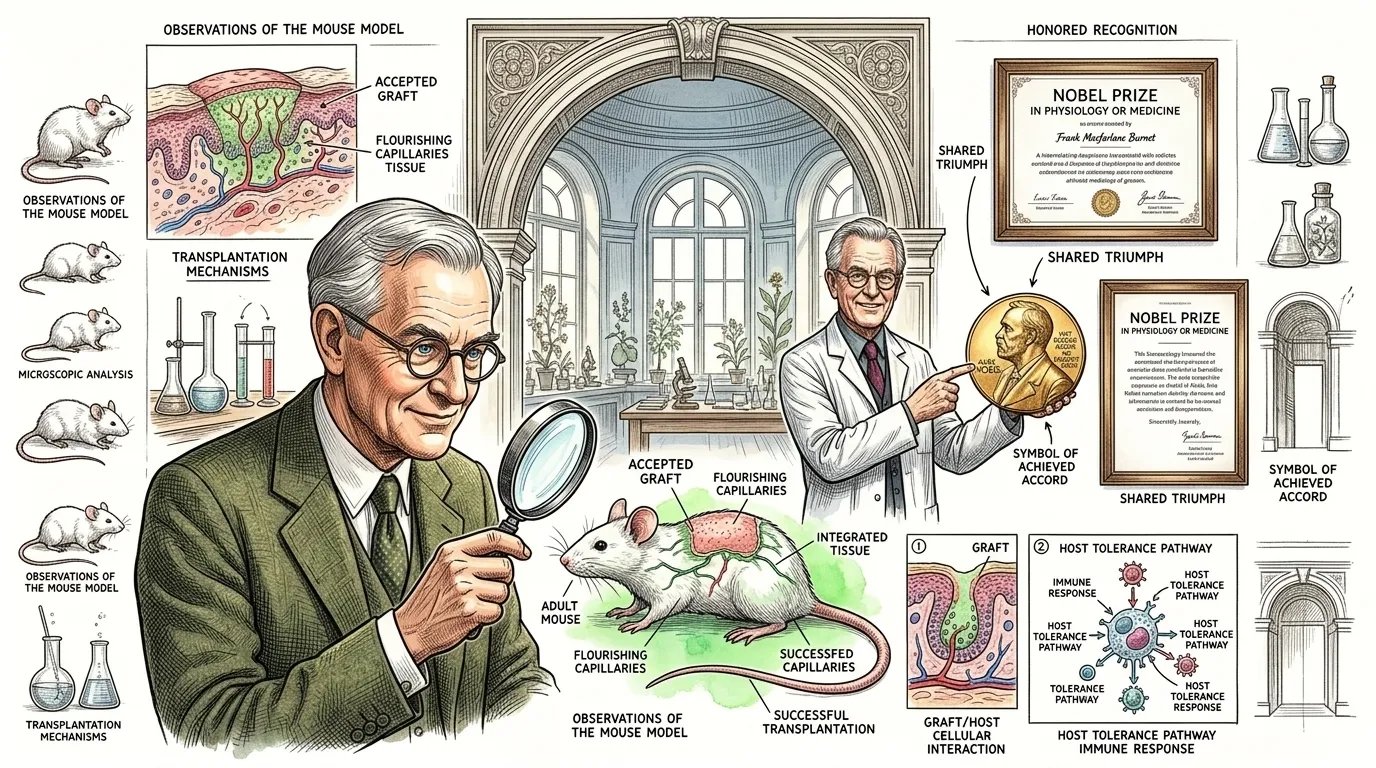
Years later, when these now-adult mice received skin grafts from their original donors, a miraculous event occurred: the grafts were accepted, flourishing as if they were the mice's own tissue. This demonstrated that the immune system could indeed be 'taught' to tolerate foreign material, a state Medawar called 'acquired immunological tolerance.' It shattered the prevailing dogma that immune rejection was an immutable biological law. This discovery, along with Burnet's theoretical contributions, earned them the 1960 Nobel Prize in Physiology or Medicine.
Page 7
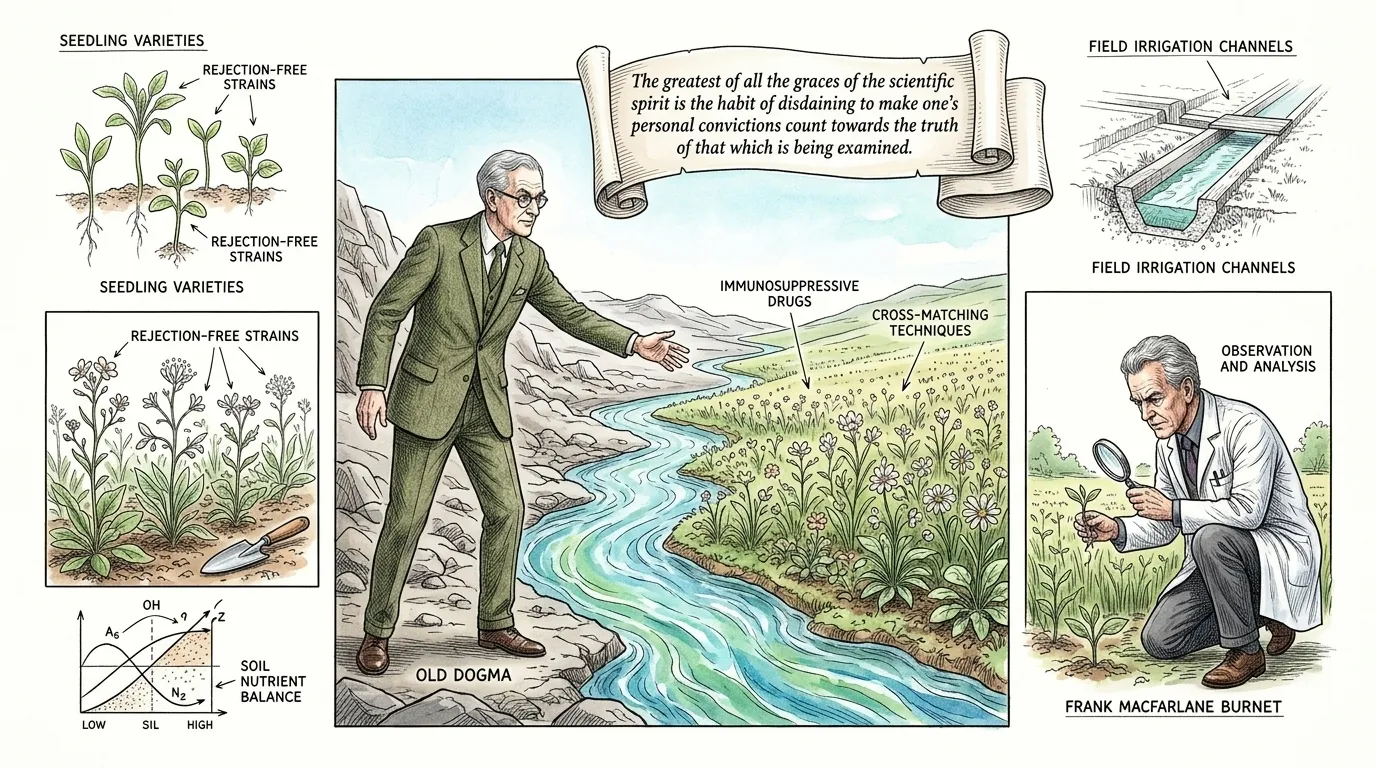
Medawar's findings provided the crucial theoretical framework that would transform transplantation medicine. While direct clinical application of inducing tolerance in humans proved more complex, his work illuminated the precise immunological mechanisms at play. It shifted the entire field from a battle against rejection to a nuanced understanding of immune modulation, paving the way for the development of immunosuppressive drugs and more effective cross-matching techniques.
""The greatest of all the graces of the scientific spirit is the habit of disdaining to make one's personal convictions count towards the truth of that which is being examined.""
Page 8
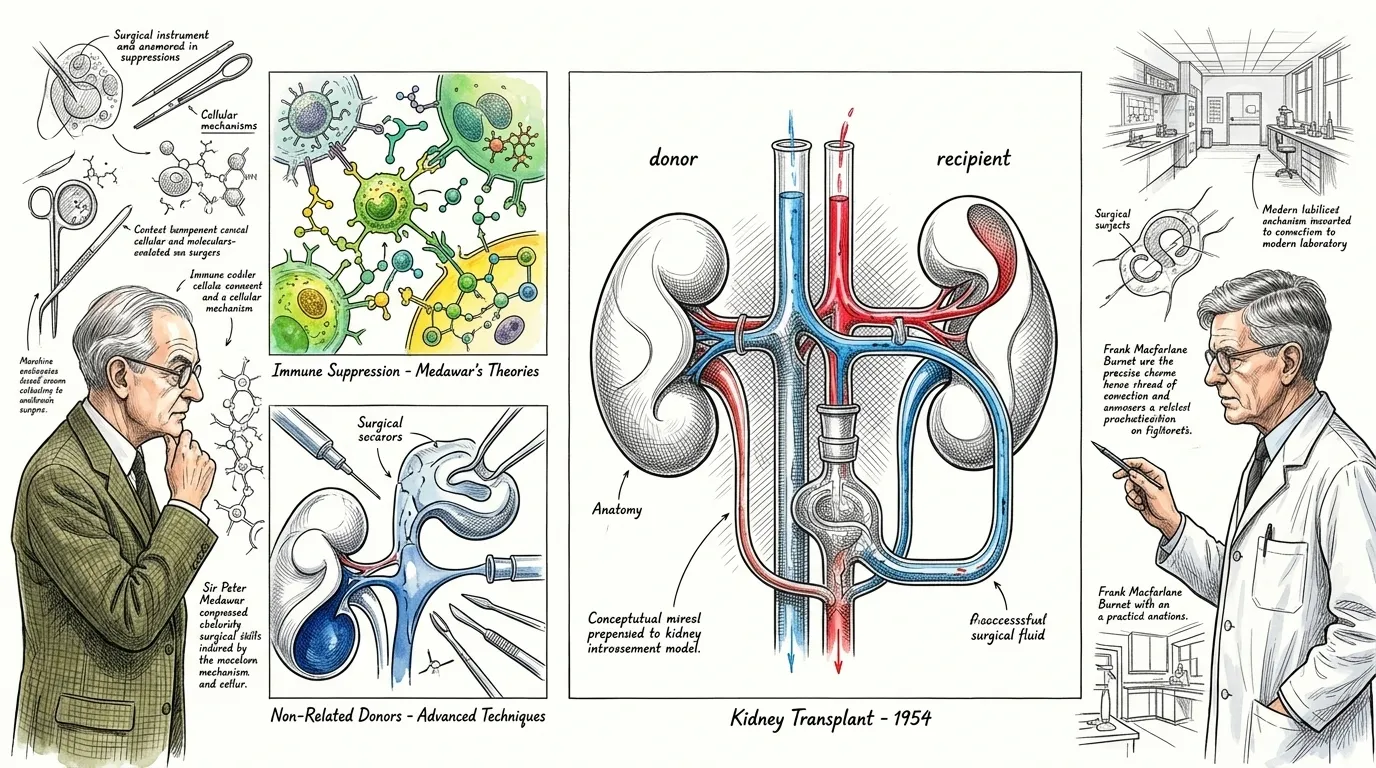
The profound insights from Medawar's laboratory had immediate implications for clinical practice. Armed with a deeper understanding of immunological tolerance, researchers could now design strategies to suppress the immune response, making organ transplantation a viable, albeit challenging, reality. The first successful kidney transplant in 1954, though between identical twins, soon evolved to include non-related donors, thanks to advancing techniques rooted in Medawar's fundamental immunology.
Page 9
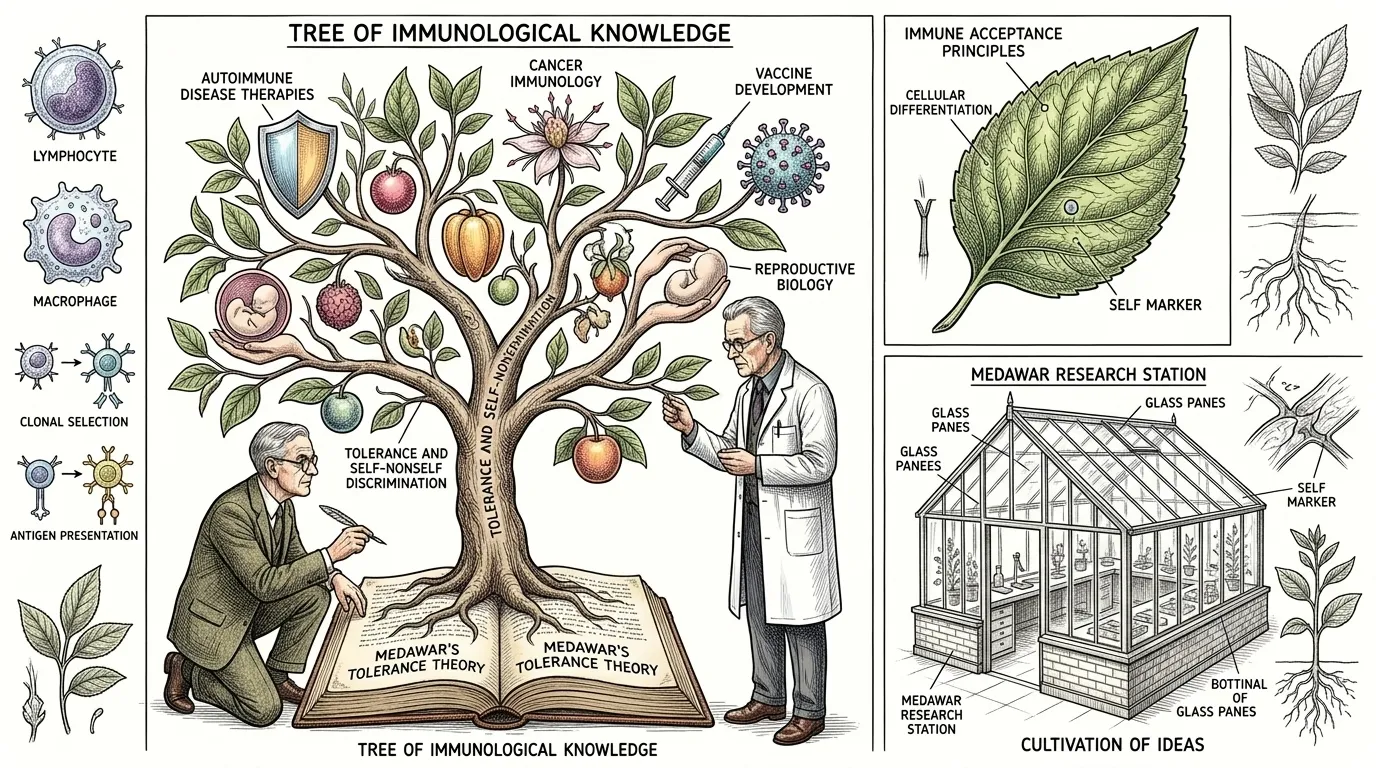
Medawar's legacy extends far beyond organ transplantation. His elucidation of immune tolerance underpins therapies for autoimmune diseases, where the body mistakenly attacks its own tissues. It informed research into cancer immunology, vaccine development, and even reproductive biology, influencing how we understand the maternal immune system's tolerance of a fetus. His contributions established immunology as a distinct and vital field, forever changing medicine's approach to the body's defenses.
Page 10
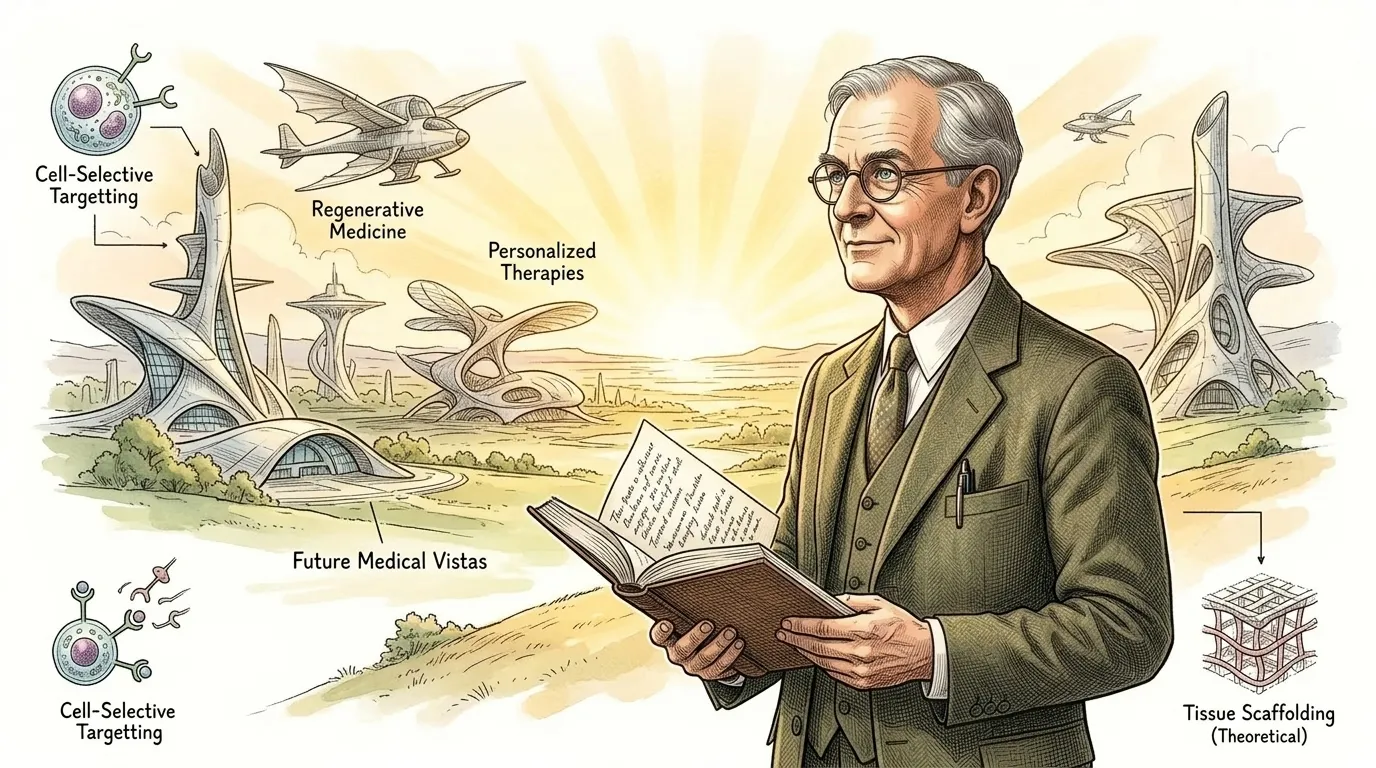
Sir Peter Medawar was not merely a discoverer; he was a profound thinker and eloquent communicator about science itself. His work on immunological tolerance demystified one of biology's most complex processes, transforming medical practice and inspiring generations of researchers. His insights continue to guide contemporary efforts in regenerative medicine and personalized therapies, ensuring his monumental contributions endure as pillars of modern biology and medicine.
About this story
- Location: Global
- Audience: general readers
Questions and answers
Read Wonder Science on your phone
Wonder Science is available on Android. Get Wonder Science on Google Play.