Rene Laennec
Rene Laennec — an illustrated science story, set in Global. 10 illustrated pages, free to read on Wonder Science.
Page 1
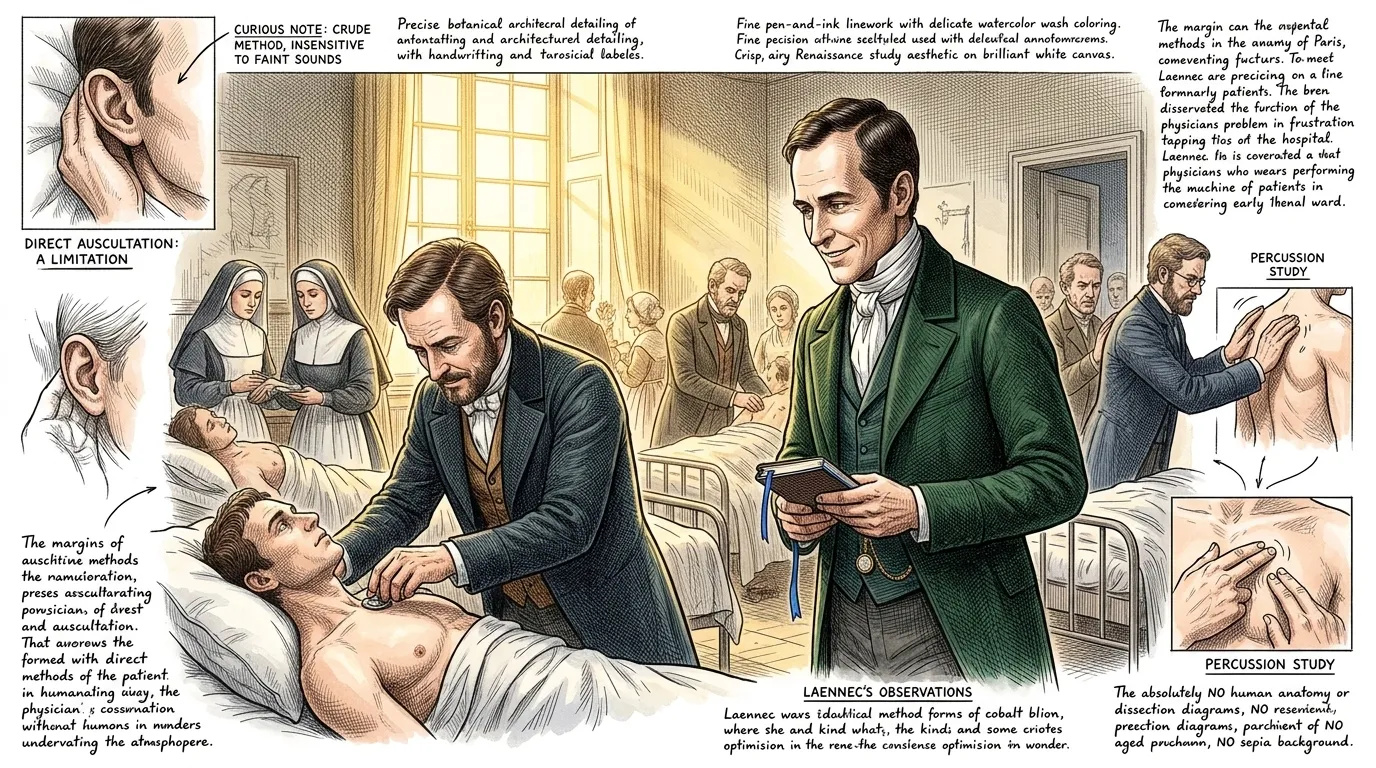
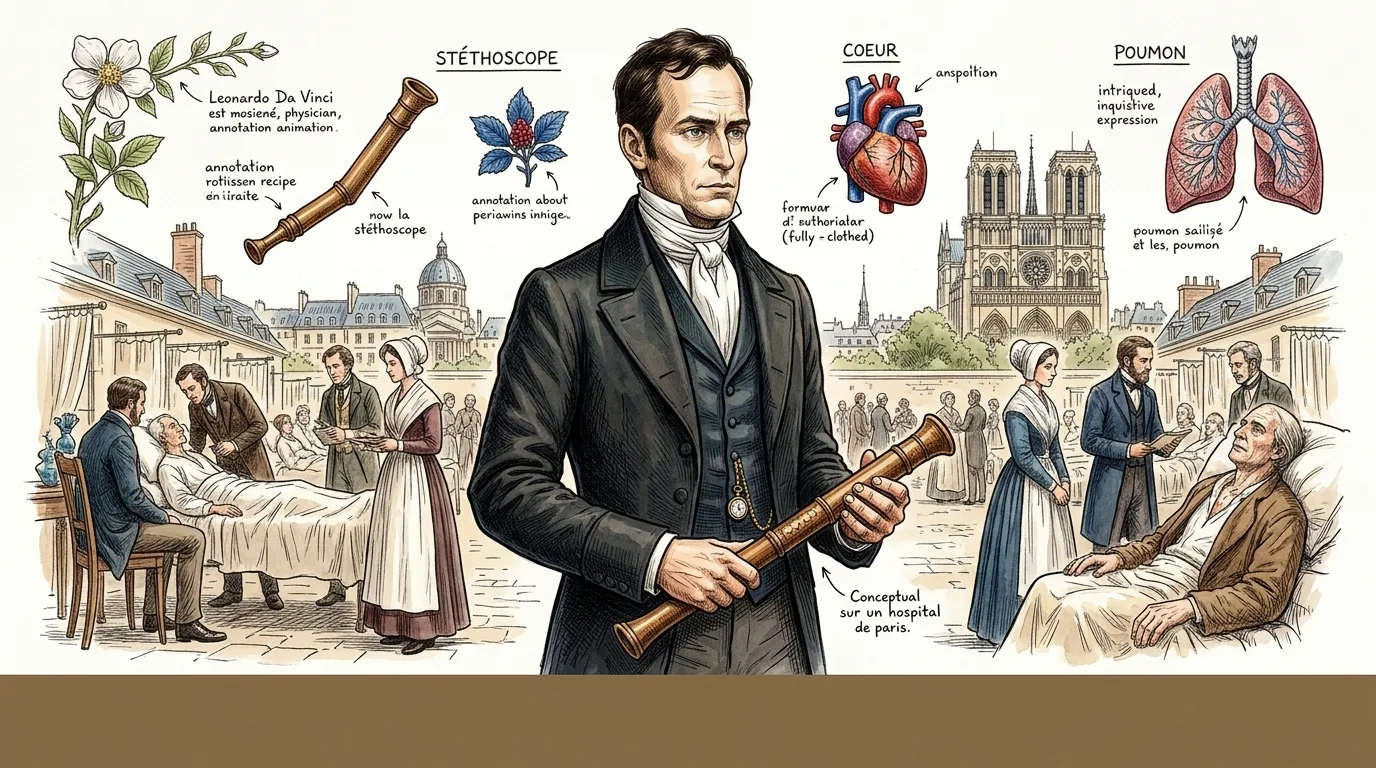
In the bustling, often unsanitary hospitals of early 19th-century Paris, medical diagnosis remained largely an art of educated guesswork. Physicians relied on direct palpation, visual inspection, and percussing the chest with their fingers, methods that yielded limited and often ambiguous insights into the internal workings of the body. Auscultation, the act of listening to internal sounds, was crude, often involving placing an ear directly on a patient's chest – an intimate and frequently impractical approach, especially with female patients or those with significant body mass. This fundamental challenge hindered accurate diagnosis, leaving countless ailments misunderstood and untreatable. It was within this context, fraught with diagnostic limitations and societal conventions, that a young French physician, René Laennec, would conceive of a simple yet revolutionary solution, forever altering the landscape of clinical medicine.
Page 2
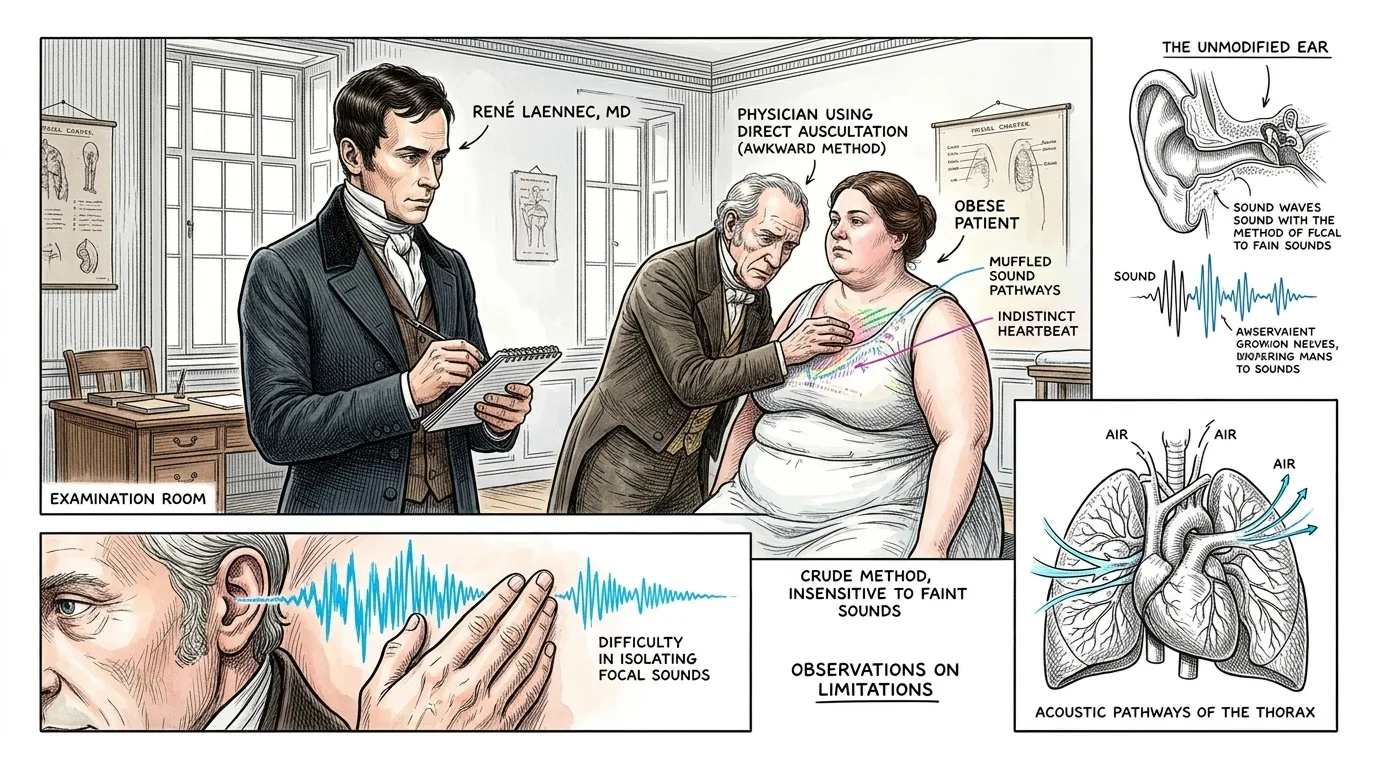
Before Laennec's breakthrough, the art of physical examination struggled against inherent limitations. Direct auscultation, pressing the ear to the chest, was not only socially awkward, particularly when examining women, but also physically challenging with corpulent patients. More critically, it often failed to transmit internal sounds with sufficient clarity or distinction to reveal specific pathologies. Sounds were muffled, indistinct, and easily confounded by external noise. Percussion, tapping the chest to infer underlying conditions, provided some clues but lacked the precision needed for differential diagnosis. The internal world of the human body remained largely a mystery, with symptoms often generalized, making it nearly impossible to pinpoint the exact location or nature of diseases affecting the heart and lungs. Physicians often found themselves guessing, limited by their senses.
Page 3
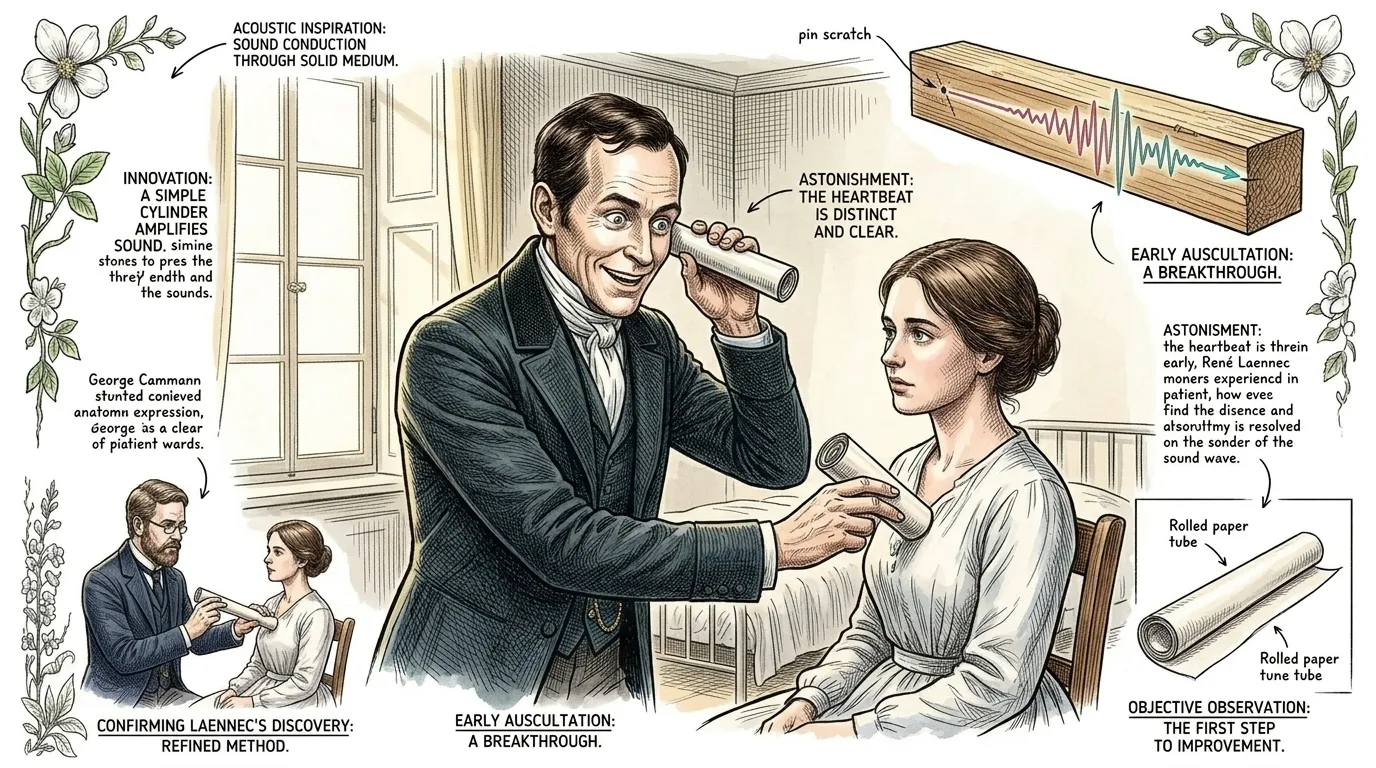
Laennec's moment of insight arrived in 1816, while examining a young woman suffering from heart disease. The standard practice of placing his ear directly on her chest was made difficult by her build and the constraints of decorum. Frustrated by the inability to hear her heart sounds clearly, he recalled a simple acoustic phenomenon: how the scratch of a pin on one end of a wooden beam could be distinctly heard at the other. In a flash of inspiration, he rolled a sheet of paper into a tight cylinder and placed one end on the patient's chest and the other to his ear. The effect was immediate and astonishing: the heart sounds were amplified, clearer, and more distinct than he had ever heard them, bypassing the limitations of direct contact and revealing an entirely new auditory world within the human body.
Page 4
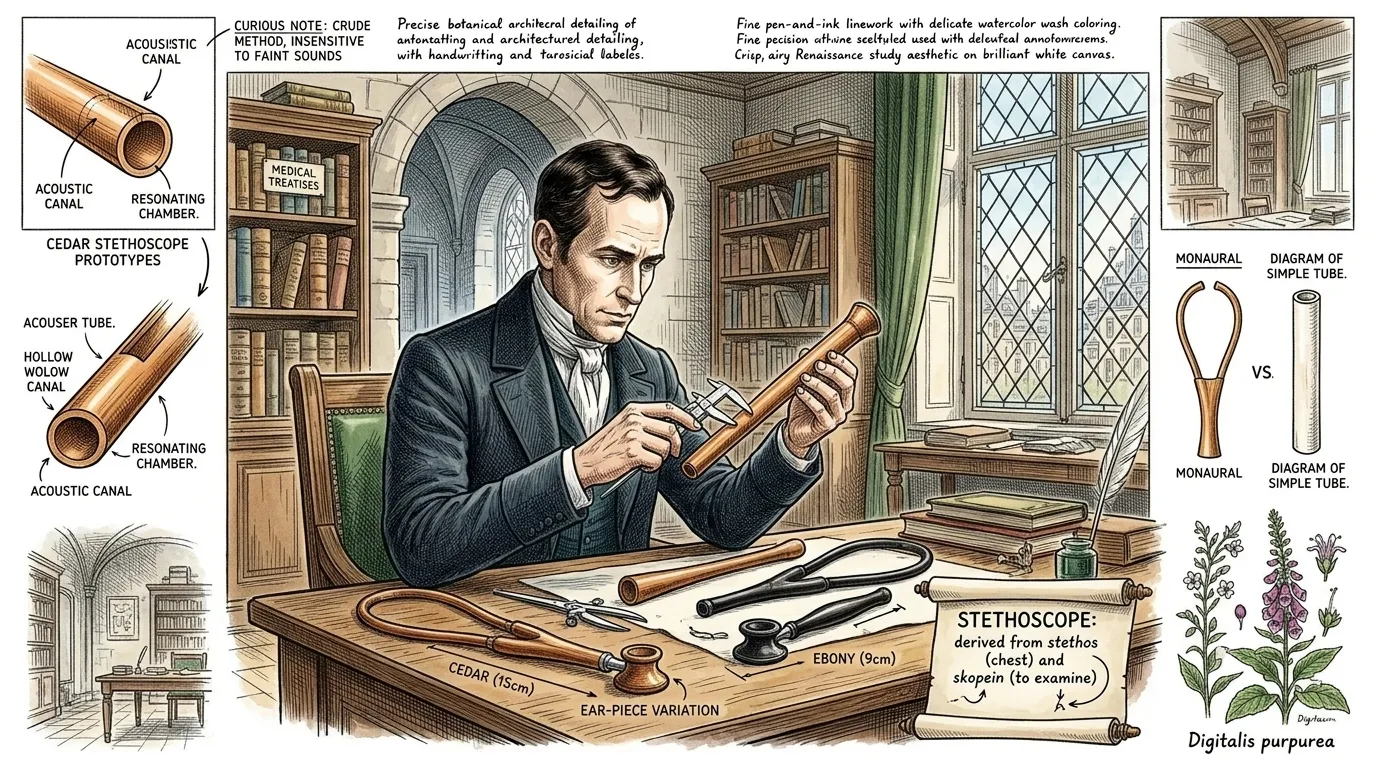
Laennec immediately understood the profound implications of his improvised instrument. He spent the next three years meticulously refining his 'stethoscope'—a term he coined from the Greek 'stethos' (chest) and 'skopein' (to examine). His initial paper cylinder soon evolved into a more robust, hollow wooden tube, typically made of cedar or ebony, about a foot long and an inch and a half in diameter. These early monaural stethoscopes were often in two or three detachable pieces for portability. Laennec experimented with different materials, shapes, and sizes, driven by the scientific imperative to optimize sound transmission and clarity. This iterative design process laid the foundation for an instrument that would transform a physician's ability to 'look' inside the living body, marking a pivotal shift from relying on external signs to interpreting internal physiological acoustics.
Page 5
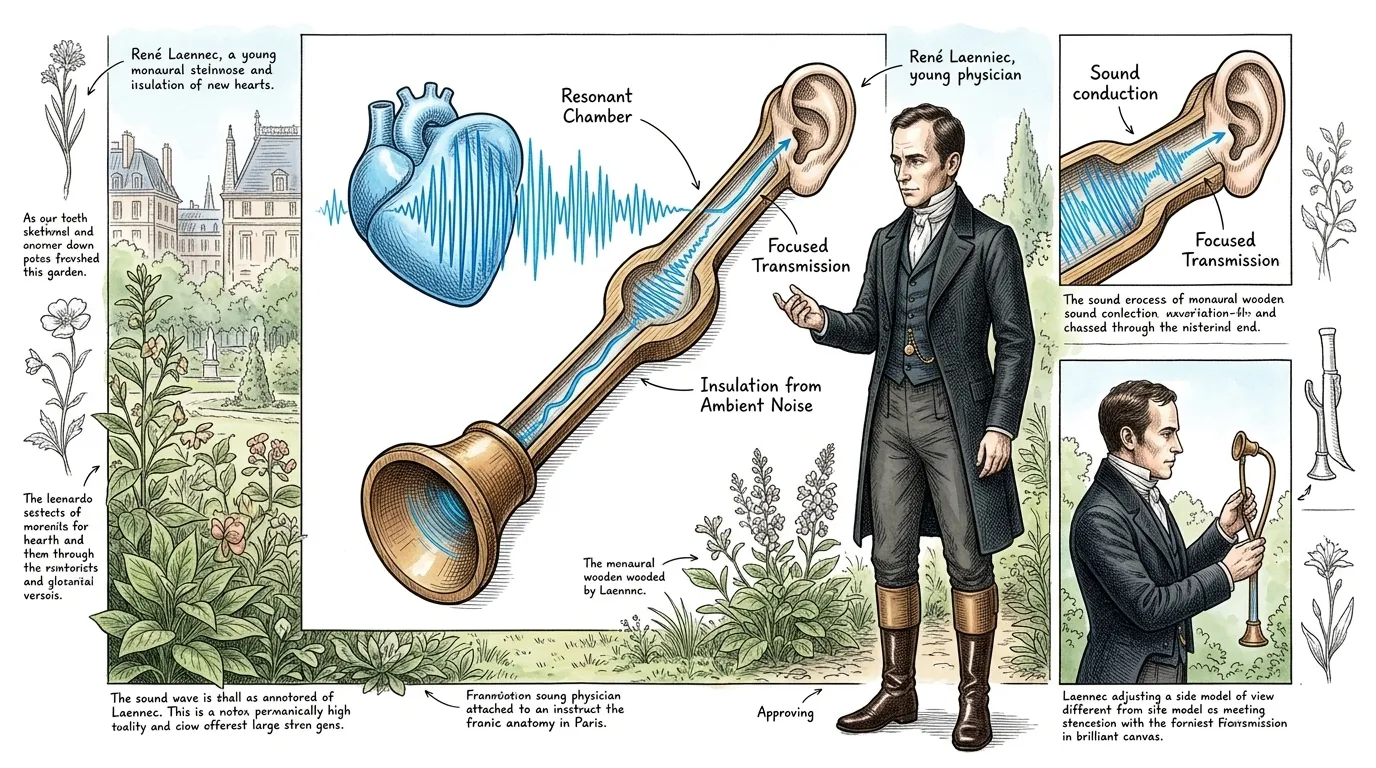
The stethoscope's genius lies in its simple yet effective application of acoustic principles. It functions as a resonant chamber that collects and transmits faint internal body sounds, amplifying them and channeling them directly to the listener's ear, while simultaneously insulating against extraneous ambient noise. Sound, generated by the movement of fluids and tissues within the body—such as the rhythmic contractions of the heart or the passage of air through the lungs—travels as vibrations. These vibrations are concentrated by the stethoscope's narrow tube, preventing their dissipation into the surrounding air. This focused transmission allows the physician to discern subtle changes in pitch, intensity, and rhythm that signify underlying physiological processes or pathological conditions, effectively turning an indistinct murmur into a diagnosable clue.
Page 6
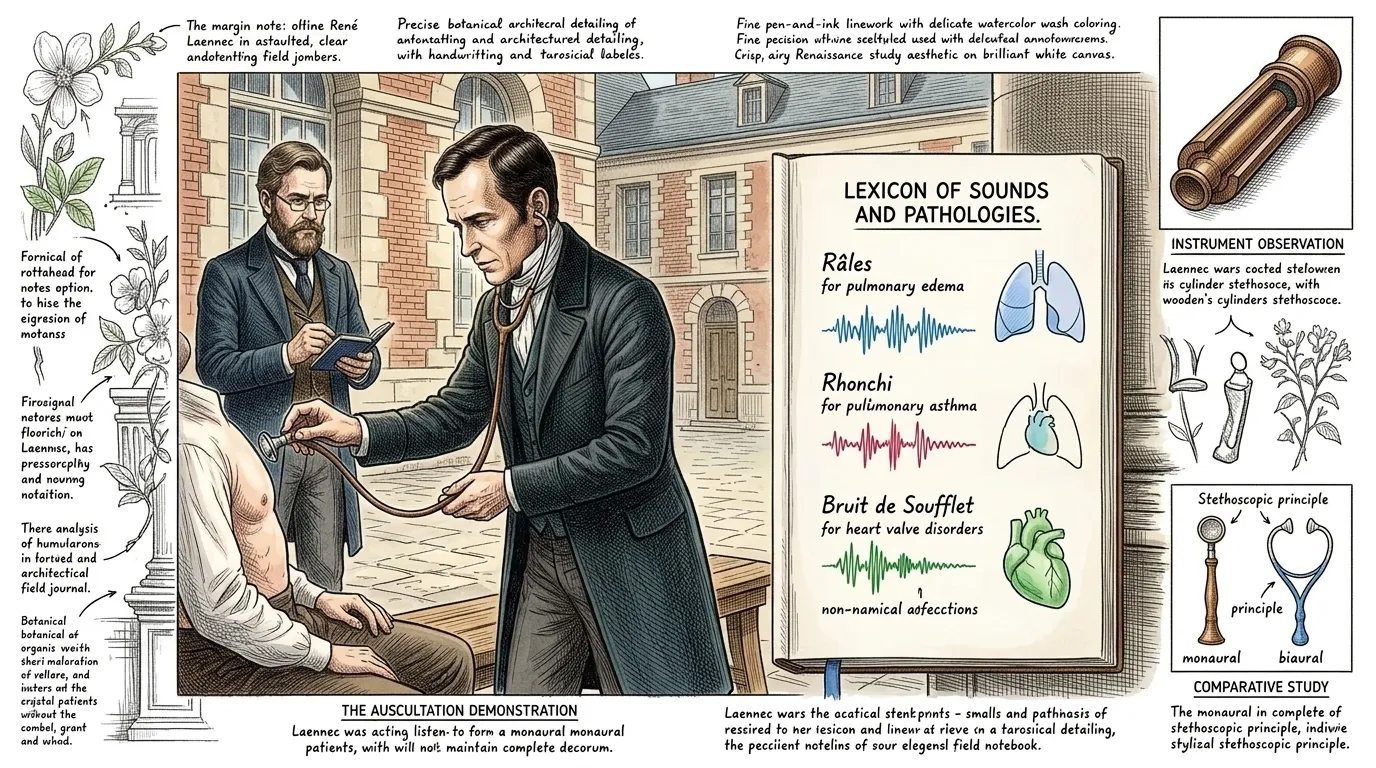
With his new instrument, Laennec systematically explored the 'symphony' of internal body sounds, meticulously correlating distinct acoustic patterns with specific diseases. He meticulously documented sounds like 'râles' (crackles) for pulmonary edema or bronchitis, 'rhonchi' (wheezes) for asthma, and the unique 'bruit de soufflet' (blowing sound) for certain heart valve disorders. This was not mere listening; it was an act of translation. For the first time, physicians could identify the characteristic sounds of pneumonia, pleurisy, tuberculosis, and various cardiac conditions with unprecedented accuracy. Laennec's work essentially created a new lexicon for physical diagnosis, enabling a precise, non-invasive method to differentiate conditions that had previously been indistinguishable based on external symptoms alone.
Page 7
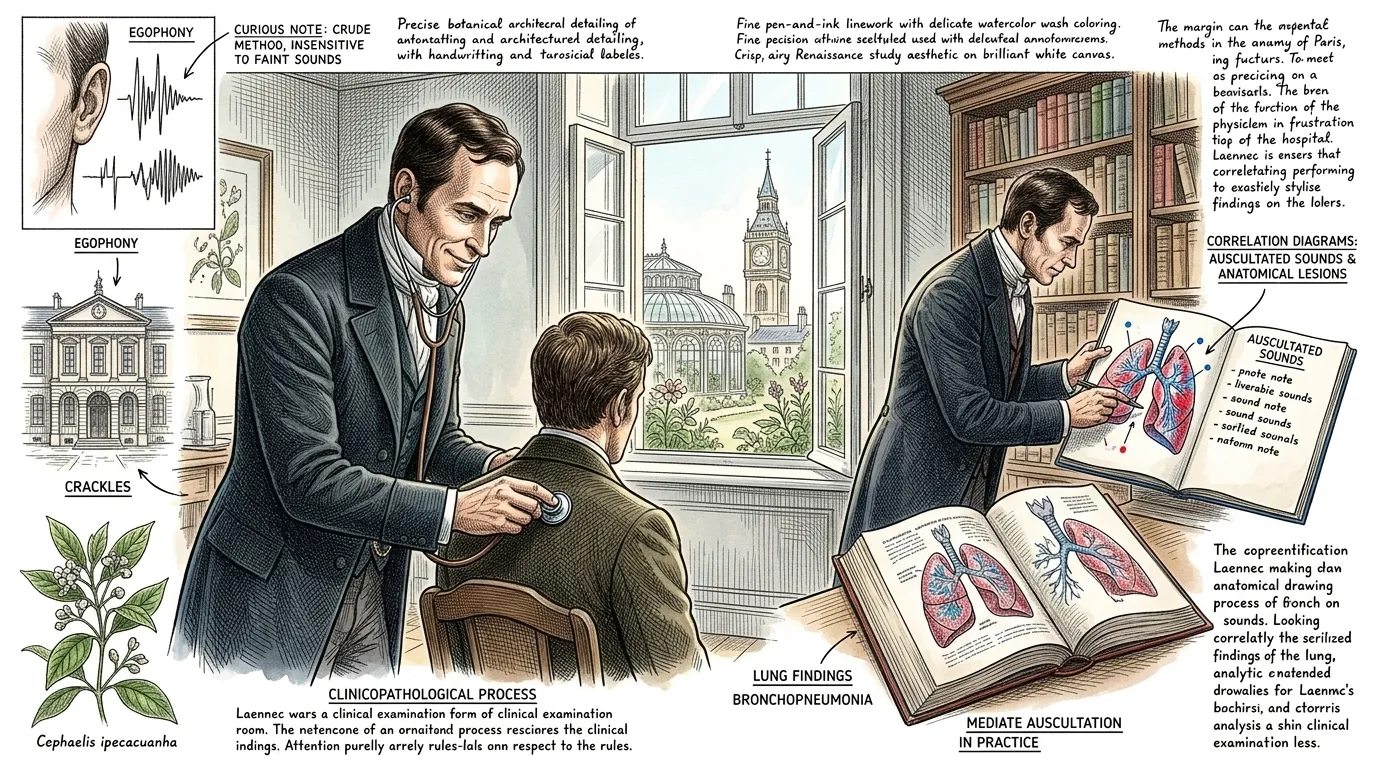
Laennec's genius extended beyond invention; he was a pioneer in clinicopathological correlation. His method involved not only listening to patients with his stethoscope during life but also conducting thorough post-mortem examinations after their deaths. This rigorous approach allowed him to visually inspect the diseased organs and directly correlate the specific sounds he had heard with the actual structural changes in the lungs, heart, or other affected tissues. This painstaking validation process transformed auscultation from an interesting novelty into an indispensable diagnostic tool. By consistently linking acoustic signs to verifiable anatomical lesions, Laennec established a new scientific rigor in medicine, moving diagnosis from subjective interpretation to objective, evidence-based understanding, a methodology that remains a cornerstone of medical practice today.
Page 8
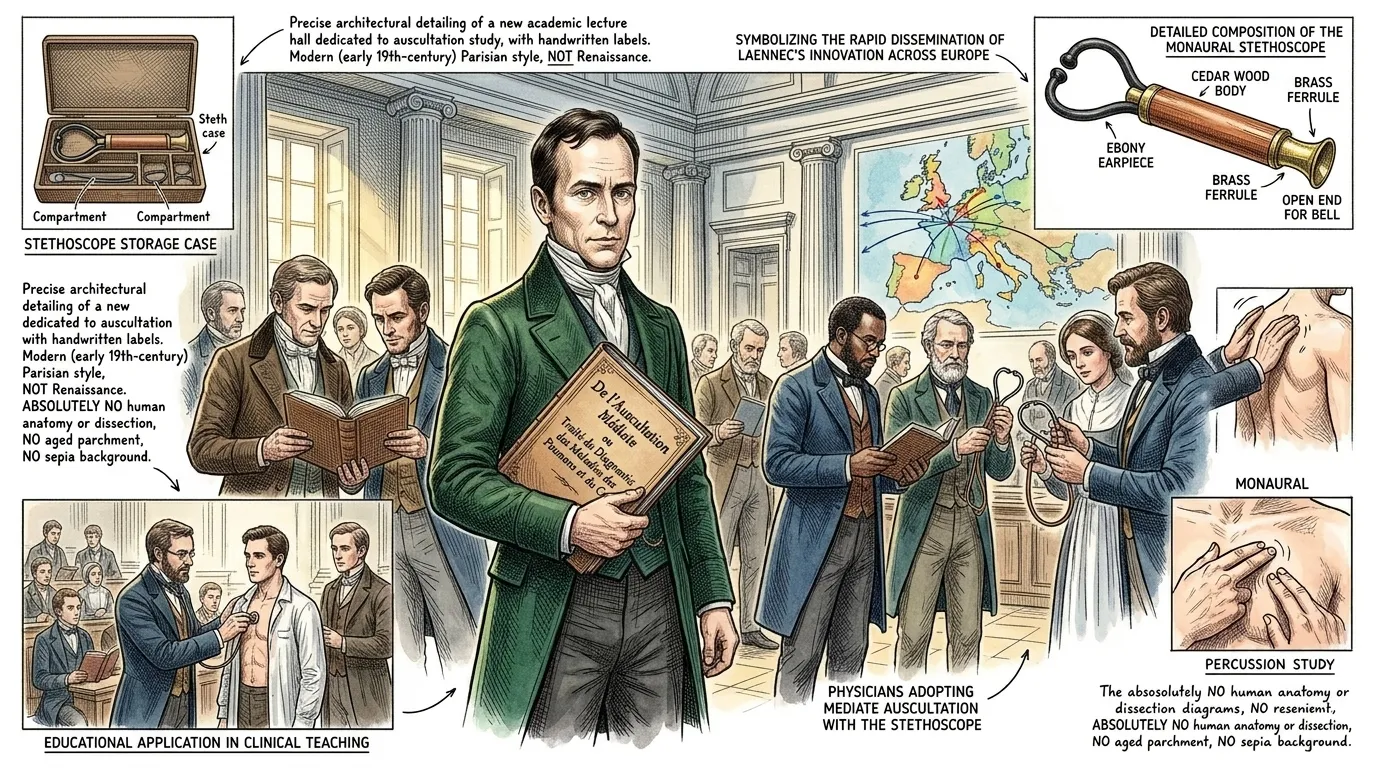
Laennec published his seminal work, 'De l'Auscultation Médiate ou Traité du Diagnostic des Maladies des Poumons et du Coeur,' in 1819. This detailed treatise not only introduced the stethoscope but also meticulously described the sounds associated with various diseases, providing a comprehensive guide for its use. The impact was profound and immediate. Physicians across Europe and subsequently the world began to adopt the instrument, recognizing its unparalleled ability to improve diagnostic accuracy. The stethoscope rapidly became an iconic symbol of the medical profession, fundamentally changing how doctors interacted with and understood their patients' internal health. It ushered in an era where the unseen world within the body became audible and, therefore, diagnosable, paving the way for more targeted treatments and a scientific approach to clinical practice.
Page 9
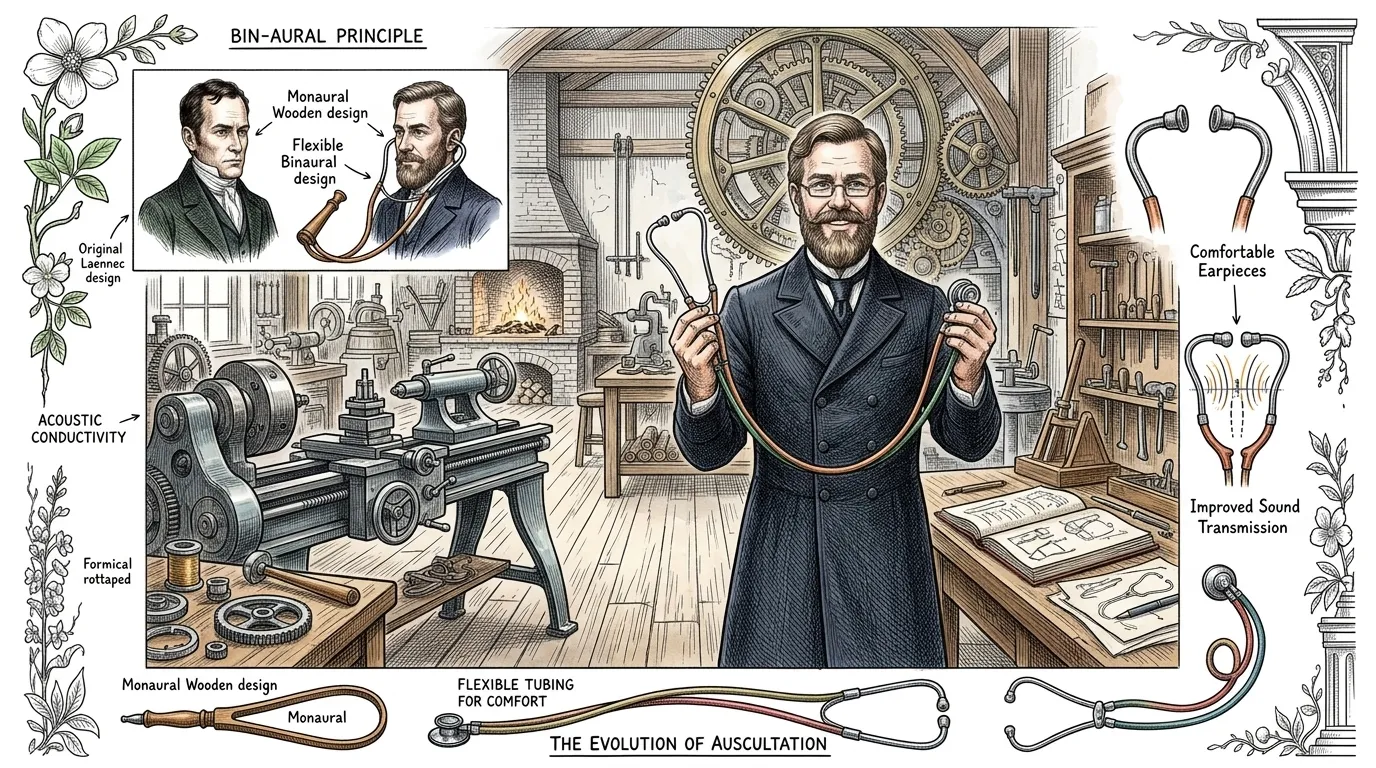
While Laennec's monaural stethoscope was a revolutionary step, the instrument continued to evolve. The most significant advancement came in 1851 with George Cammann's invention of the binaural stethoscope, featuring flexible tubing and earpieces for both ears. This design dramatically improved sound transmission and comfort, quickly becoming the standard. Further innovations in materials, acoustics, and diaphragm/bell combinations have refined its capabilities, making it even more adept at distinguishing subtle nuances in heart, lung, and bowel sounds. From its simple wooden origins to modern electronic stethoscopes capable of amplifying and recording sounds, the core principle remains Laennec's genius: extending human perception to understand the body's internal acoustic signals. This continuous evolution underscores its foundational role in medicine.
Page 10
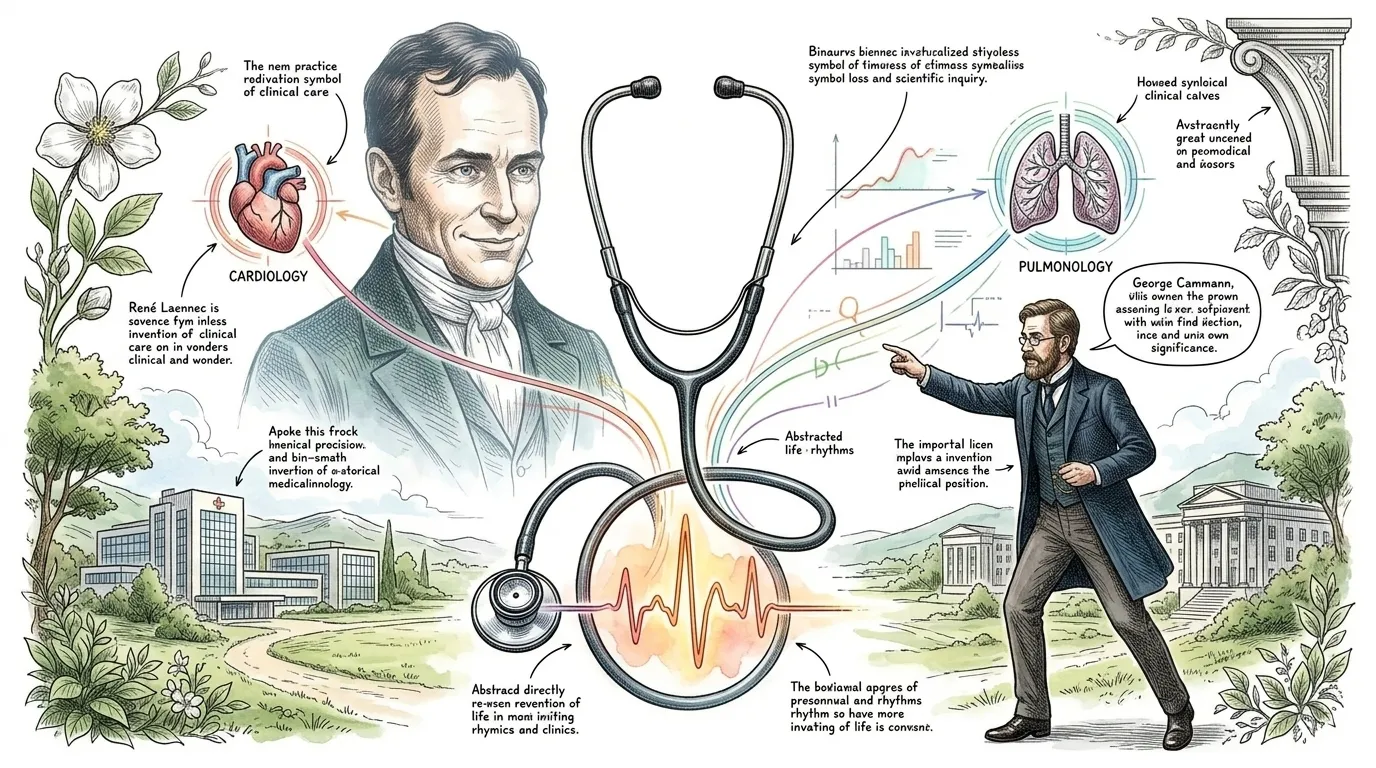
René Laennec's invention of the stethoscope and his meticulous work in correlating auscultation findings with pathology laid an indelible foundation for modern physical diagnosis. His efforts transformed medicine from an often-superficial observation of external symptoms to a deeper, non-invasive exploration of internal physiological processes. This shift not only empowered physicians with unprecedented diagnostic clarity but also spurred the development of specialized fields like cardiology and pulmonology. The stethoscope, an elegant testament to human ingenuity, remains an indispensable tool globally, symbolizing clinical care and scientific inquiry. It continues to connect doctors to the fundamental rhythms of life, reminding us how a simple observation, thoughtfully pursued, can revolutionize an entire discipline and profoundly impact public health for centuries to come.
About this story
- Location: Global
- Audience: general readers
Questions and answers
Read Wonder Science on your phone
Wonder Science is available on Android. Get Wonder Science on Google Play.