Robert Koch
Robert Koch — an illustrated science story, set in Global. 10 illustrated pages, free to read on Wonder Science.
Page 1
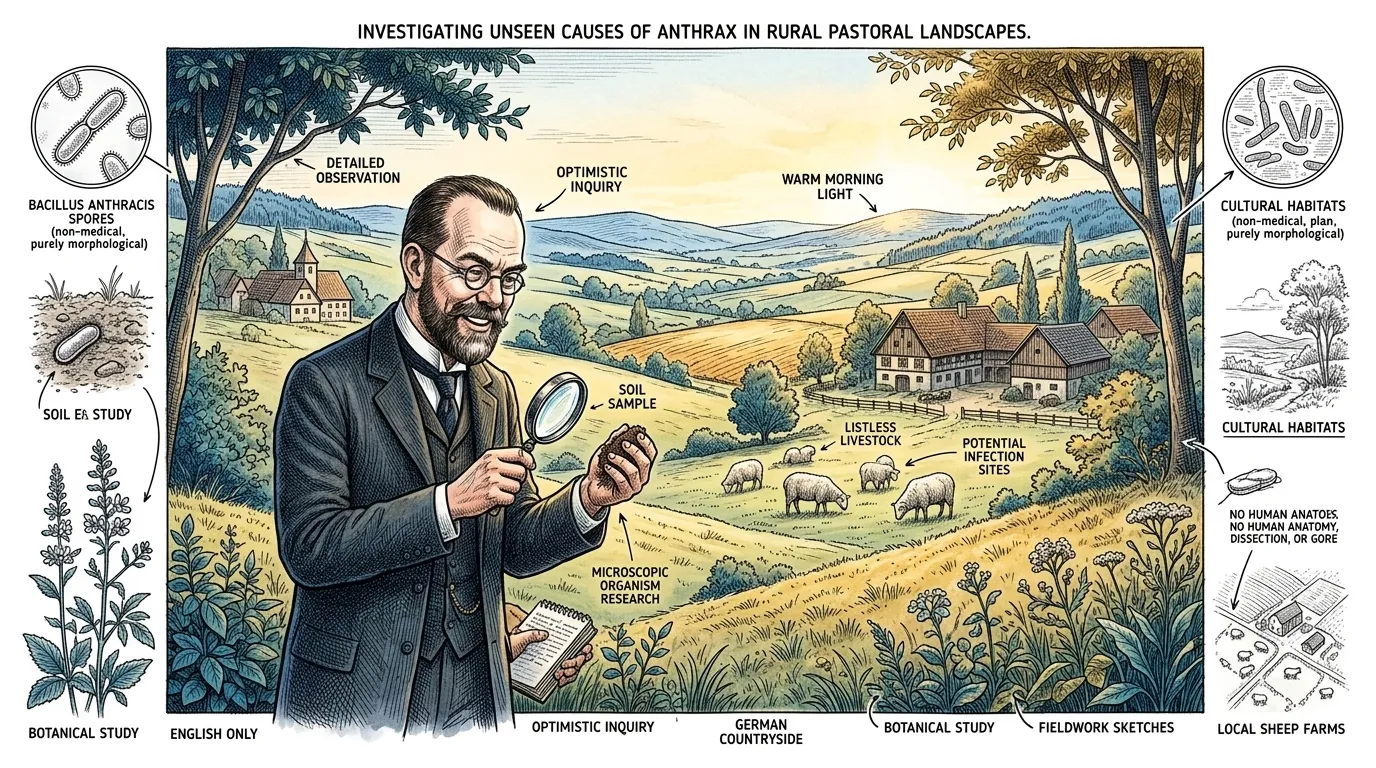
In the late 19th century, epidemics ravaged communities with terrifying speed and mystery. Diseases like anthrax decimated livestock, crippling rural economies and leaving farmers bewildered. Despite the tireless efforts of physicians, the underlying causes remained obscure, often attributed to 'bad air' or divine wrath. It was within this climate of medical uncertainty that a district physician in Wollstein, Germany, began a methodical quest to unveil the unseen architects of suffering, forever changing our understanding of disease.
Page 2
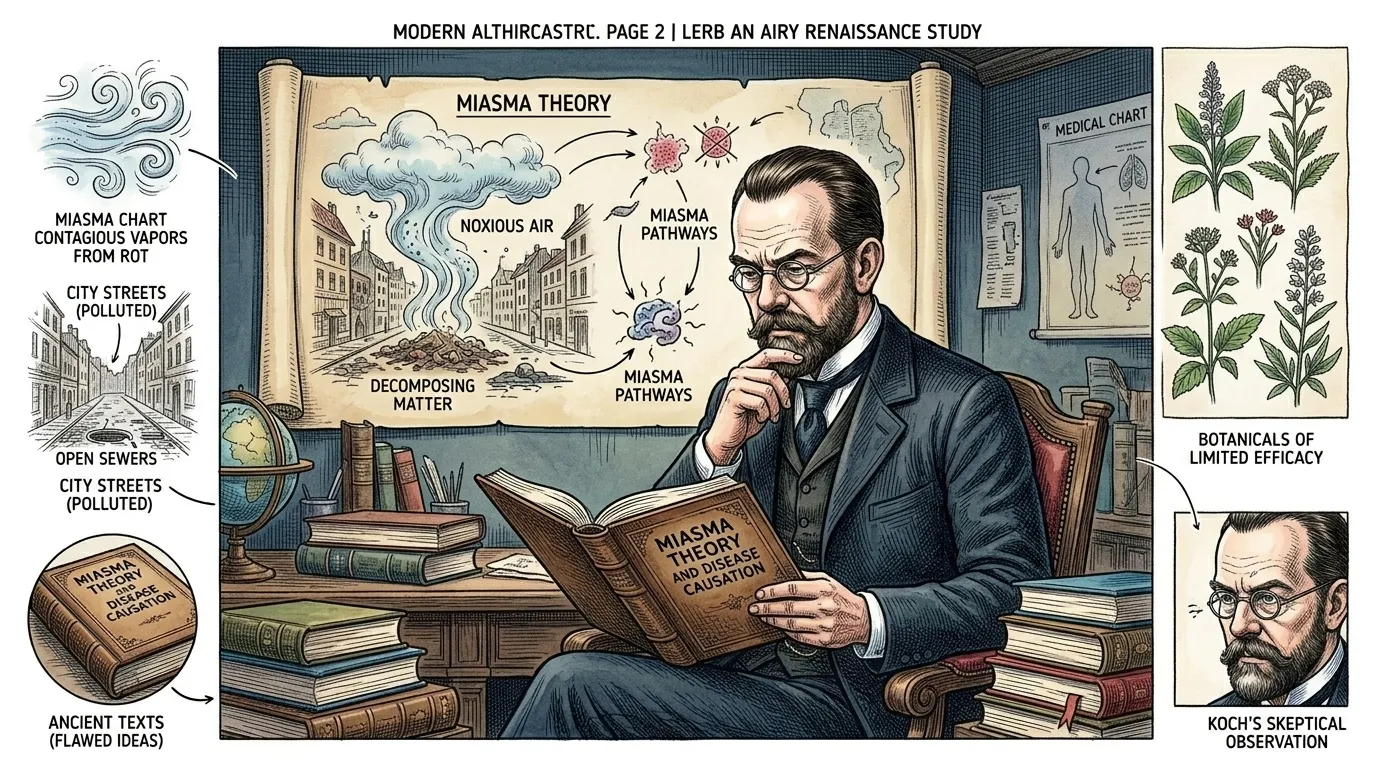
Before Robert Koch's groundbreaking work, medical understanding of disease causation was fragmented and often erroneous. The dominant 'Miasma Theory' proposed that diseases like cholera and the Black Death arose from noxious air, 'miasmas,' emanating from decomposing matter and poor sanitation. While conditions like overcrowding and filth were indeed correlated with disease, the precise mechanism remained shrouded in conjecture, leading to ineffective prevention and treatment strategies. Physicians grappled with syndromes, not specific pathogens.
Page 3
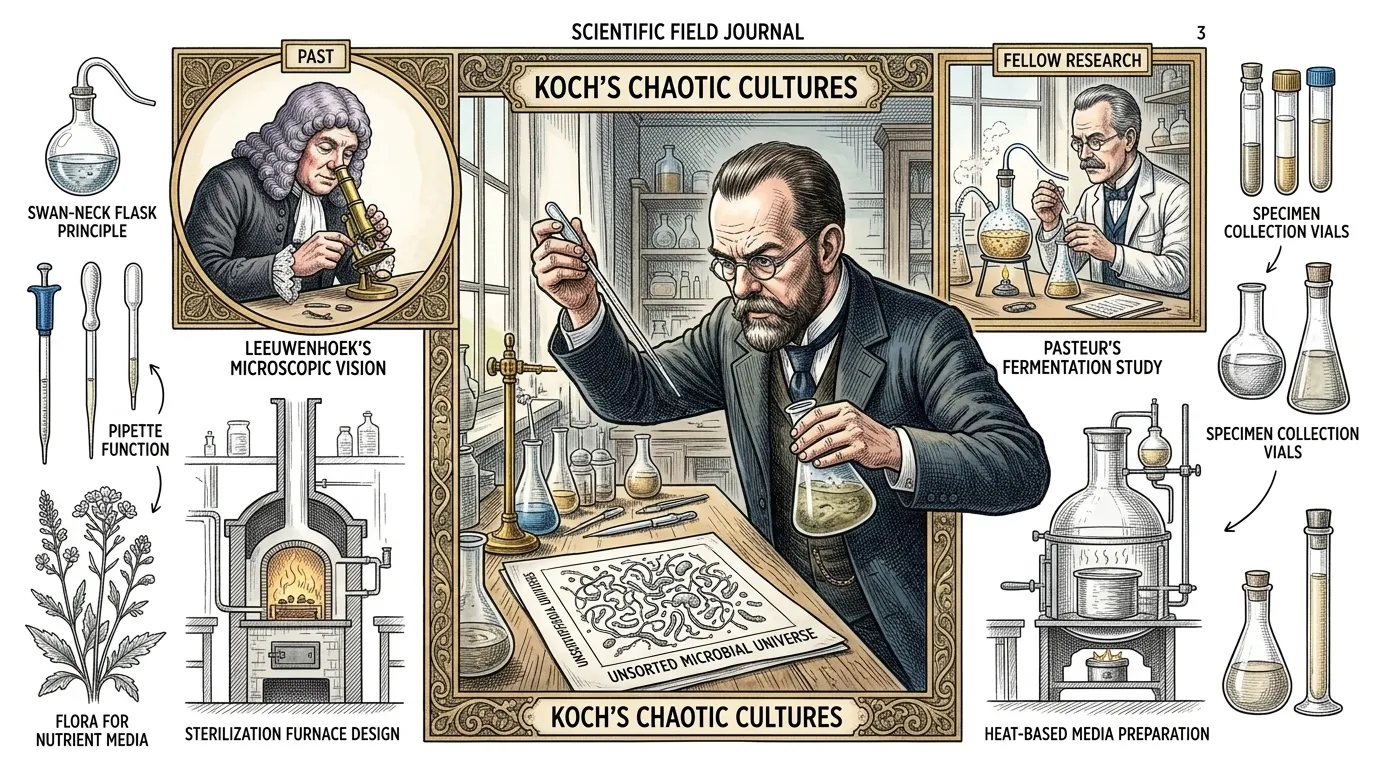
The challenge for scientists like Koch was immense: to move beyond correlation and establish definitive causation. Microbes had been observed by Antonie van Leeuwenhoek centuries earlier, and Louis Pasteur had demonstrated that fermentation was caused by living organisms. However, linking a specific, microscopic organism to a specific disease in a complex host required methods that simply did not exist. Early attempts to culture bacteria often resulted in a chaotic, indistinguishable mix of organisms, making it impossible to identify a single culprit.
Page 4
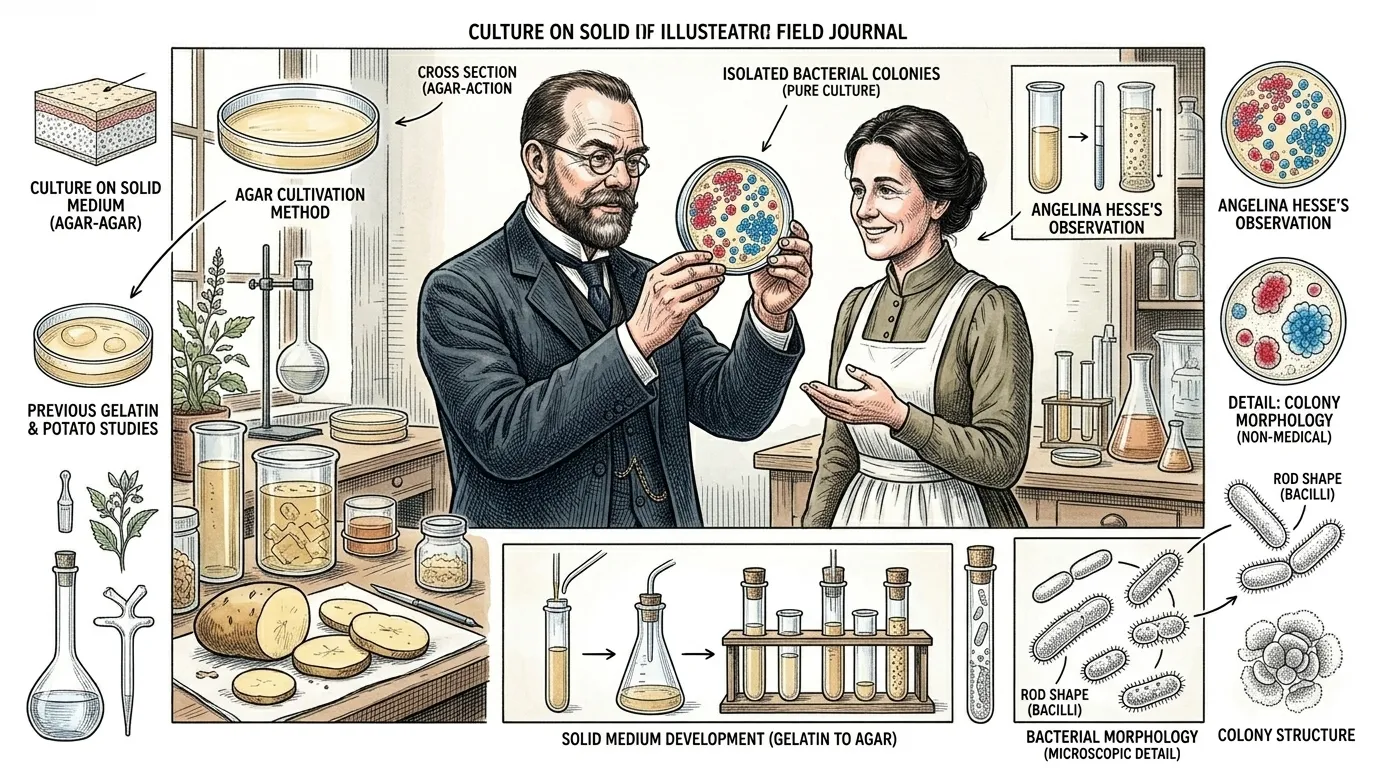
Koch's genius lay not just in observation, but in methodological innovation. Recognizing the futility of liquid cultures for isolation, he pioneered the use of solid media. Initially, he experimented with sterilized potato slices, then gelatin, and most famously, agar-agar — a seaweed extract suggested by Angelina Hesse. This simple yet revolutionary shift allowed individual bacteria to form distinct colonies, creating 'pure cultures' where a single type of microorganism could be studied in isolation. It was a pivotal step towards proving the germ theory of disease.
Page 5
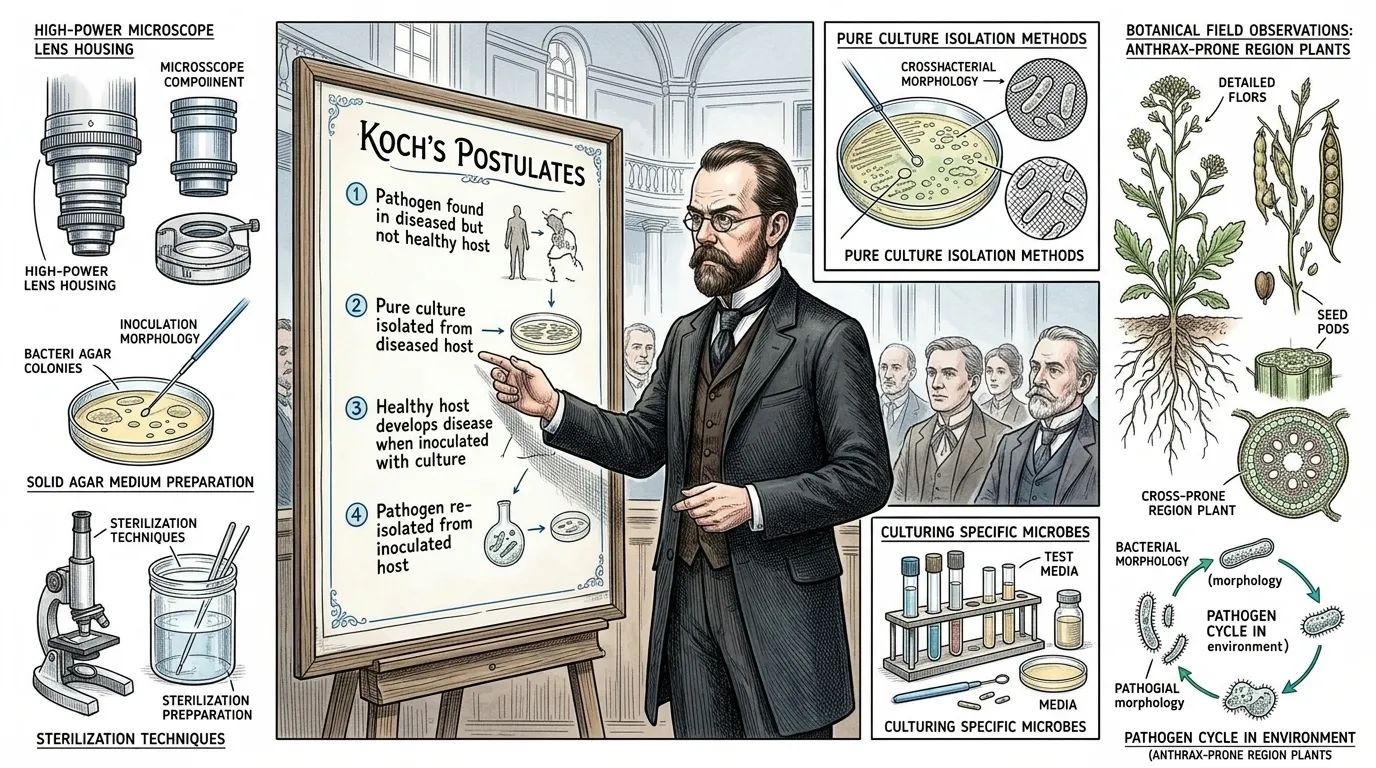
With the ability to isolate and cultivate pure cultures, Koch formalized a set of four criteria, now known as Koch's Postulates, to rigorously prove that a specific microorganism causes a specific disease. Published in 1884, these postulates transformed epidemiology and infectious disease research into an exacting science. No longer could vague correlations suffice; a microbial agent had to meet all four conditions to be unequivocally declared the cause of an illness. This scientific framework remains fundamentally relevant in microbiology today.
Page 6
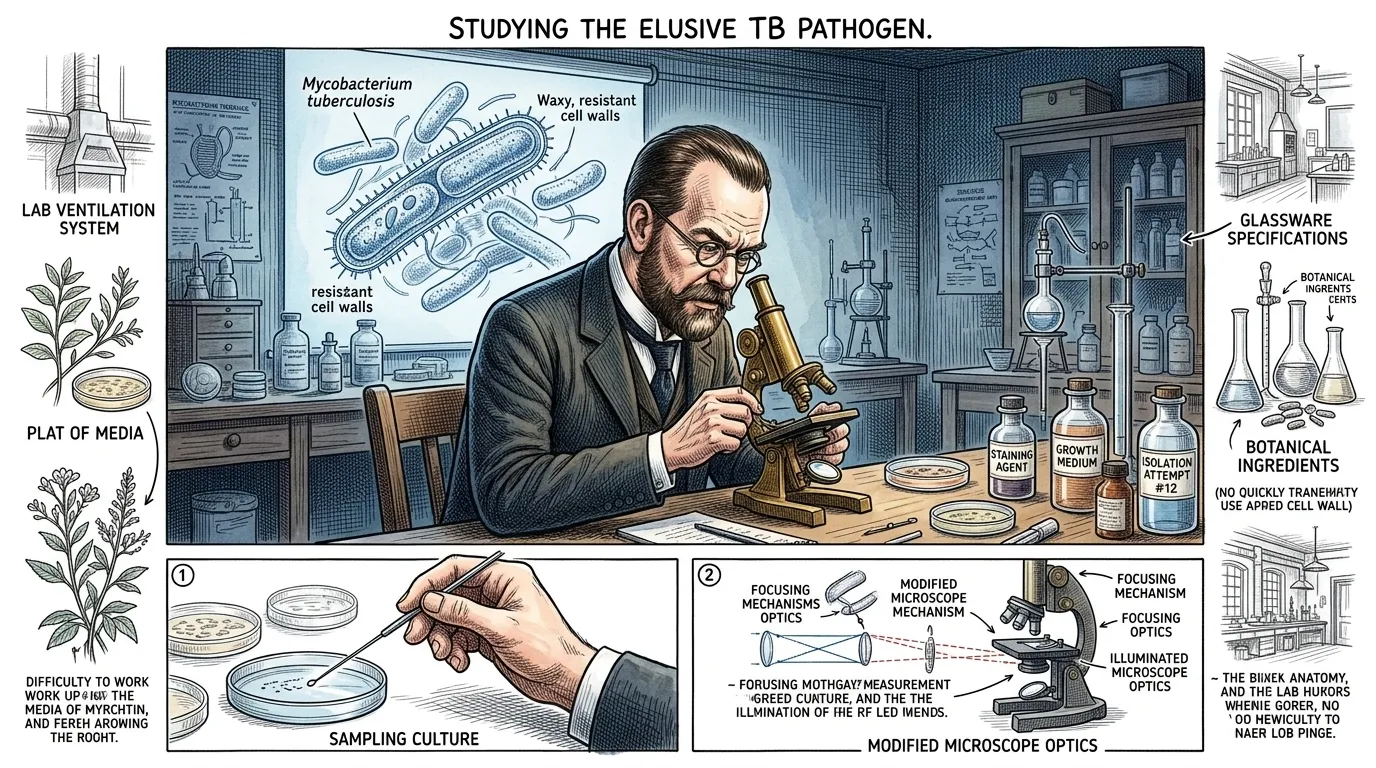
Armed with his postulates and novel techniques, Koch turned his attention to tuberculosis, a devastating disease then known as the 'White Plague.' It was the leading cause of death in Europe, claiming lives across all social strata. Despite its widespread impact, the causative agent remained elusive. The disease's slow progression and the peculiar properties of its suspected pathogen posed significant challenges to isolation and culture, testing the limits of Koch's meticulous methodology and patience.
Page 7
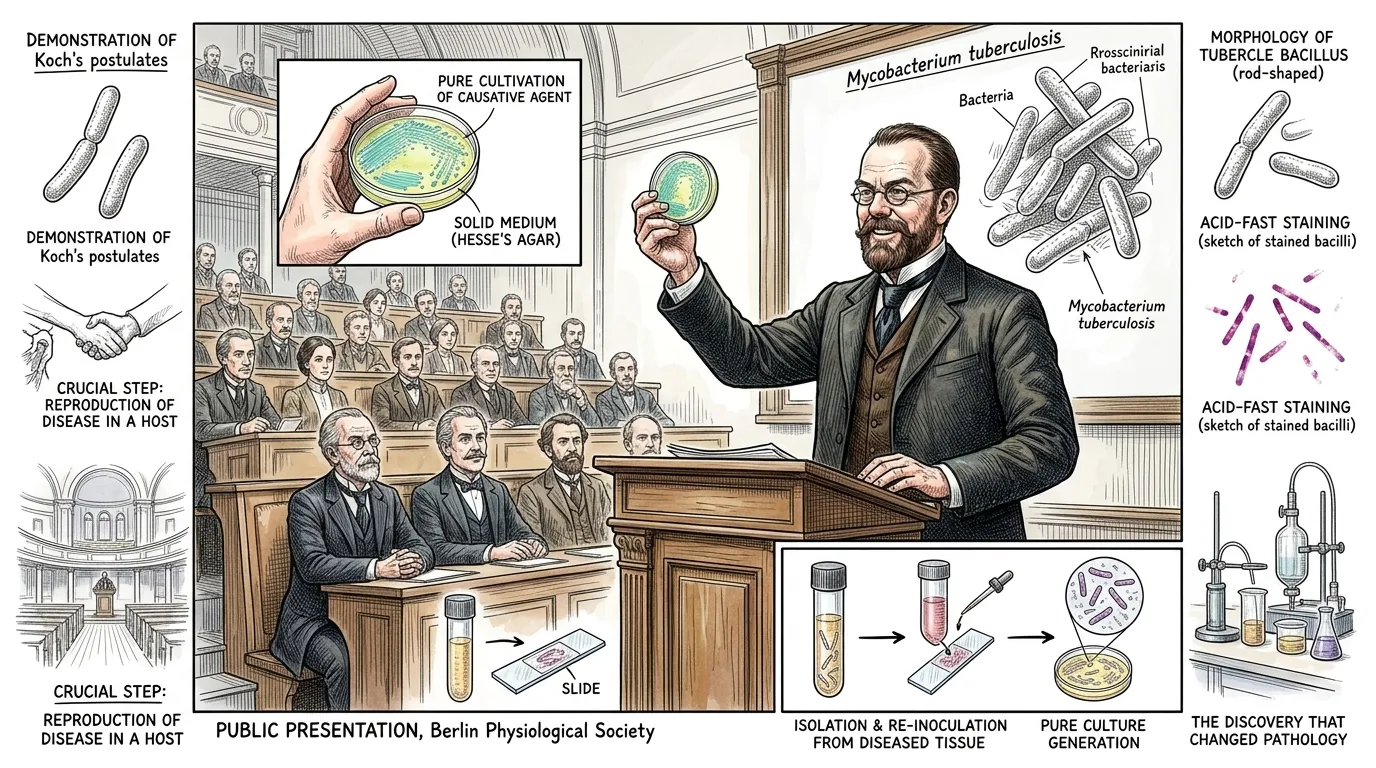
After years of relentless experimentation, including developing new staining methods and observing cultures for unprecedented durations, Koch finally achieved a breakthrough. On March 24, 1882, he announced his discovery to the Berlin Physiological Society: he had successfully isolated and cultured Mycobacterium tuberculosis, definitively proving it to be the cause of tuberculosis. This monumental achievement not only identified the culprit behind the White Plague but also validated his postulates and inaugurated a new era of targeted disease control.
Page 8
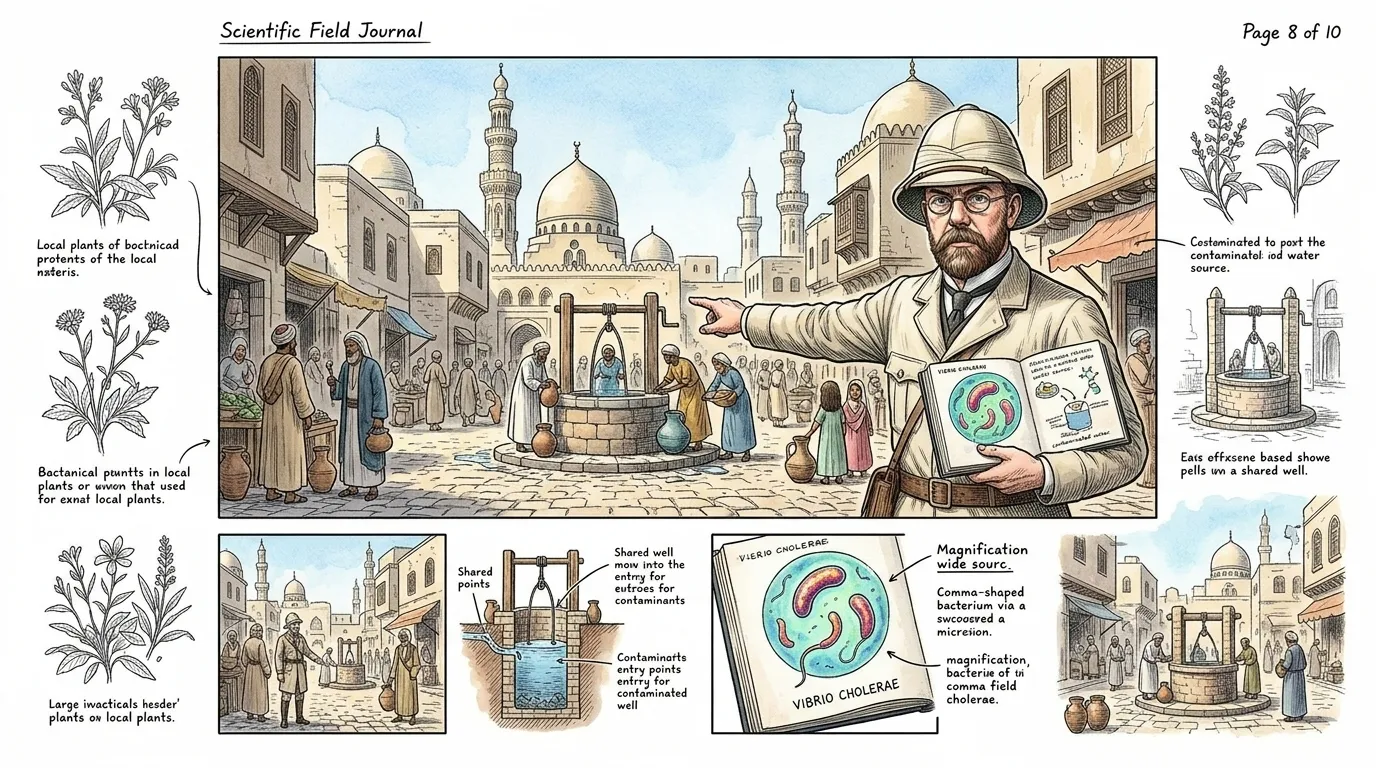
Koch's successes extended beyond tuberculosis. In 1883, he led a German expedition to Egypt and India to investigate cholera, another devastating pandemic disease. Despite skepticism and challenging conditions, his team quickly identified the comma-shaped bacterium Vibrio cholerae as the causative agent. This discovery was critical for public health, shifting focus from vague 'bad air' to contaminated water and food, enabling the implementation of effective sanitation measures that saved countless lives globally.
Page 9
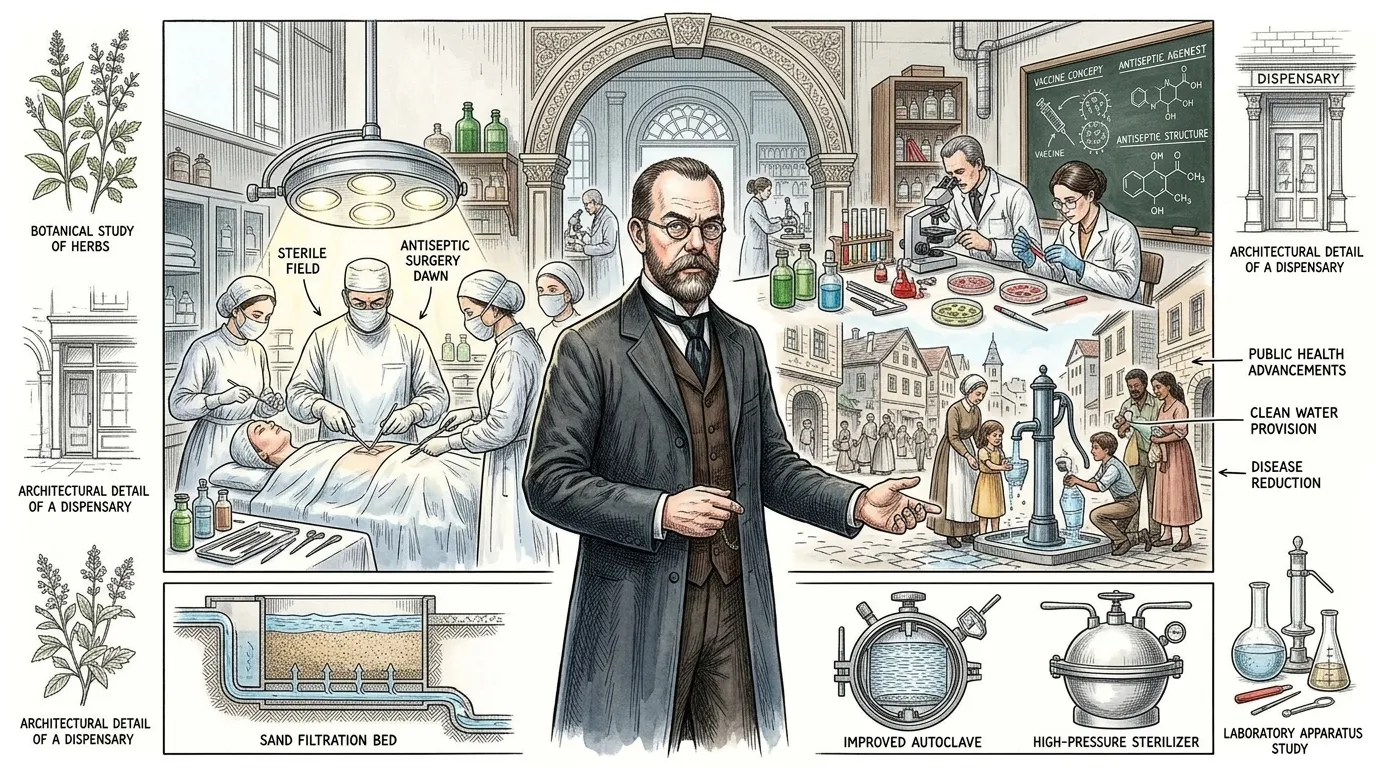
Koch's work catalyzed the field of bacteriology, transforming medicine from an art of observation into a science of precise identification. His methods provided the critical framework for understanding and combating infectious diseases, paving the way for targeted vaccines, effective antiseptics in surgery, and public health initiatives focused on hygiene and sanitation. The era of empirical treatments began to yield to a scientific understanding of disease mechanisms, fundamentally altering how medicine was practiced and diseases prevented across the globe.
Page 10
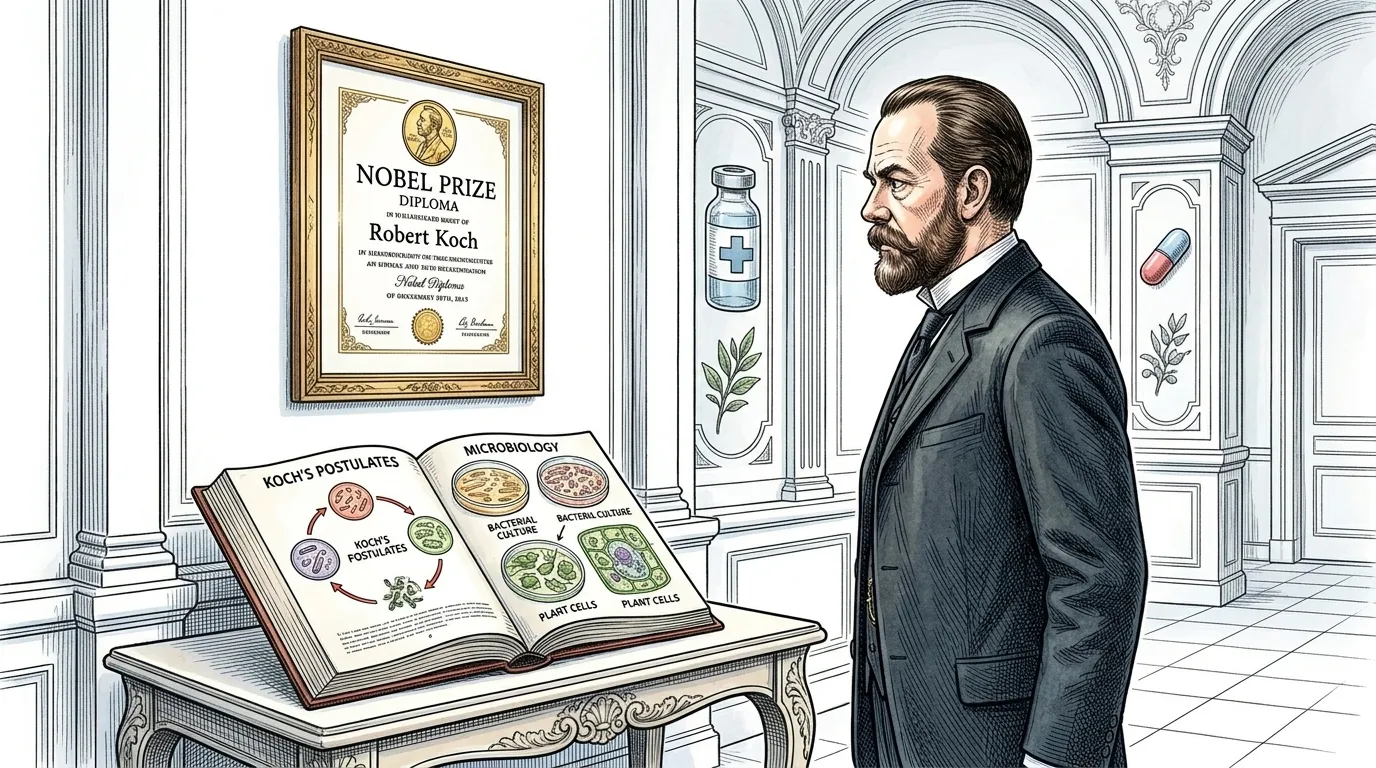
Robert Koch's legacy is immense and enduring. His rigorous methodologies and definitive discoveries in microbiology earned him the Nobel Prize in Physiology or Medicine in 1905 and cemented his place as a father of modern bacteriology. His postulates continue to guide disease investigation, and his techniques remain foundational to microbiology. While some of his later ventures, like the tuberculin 'cure,' faced challenges, his pioneering work laid the indispensable groundwork for understanding infectious agents, developing vaccines and antibiotics, and revolutionizing public health, ultimately saving countless lives and shaping contemporary biology and medicine.
About this story
- Location: Global
- Audience: general readers
Read Wonder Science on your phone
Wonder Science is available on Android. Get Wonder Science on Google Play.