Roderick MacKinnon
Roderick MacKinnon — an illustrated science story, set in Global. 10 illustrated pages, free to read on Wonder Science.
Page 1
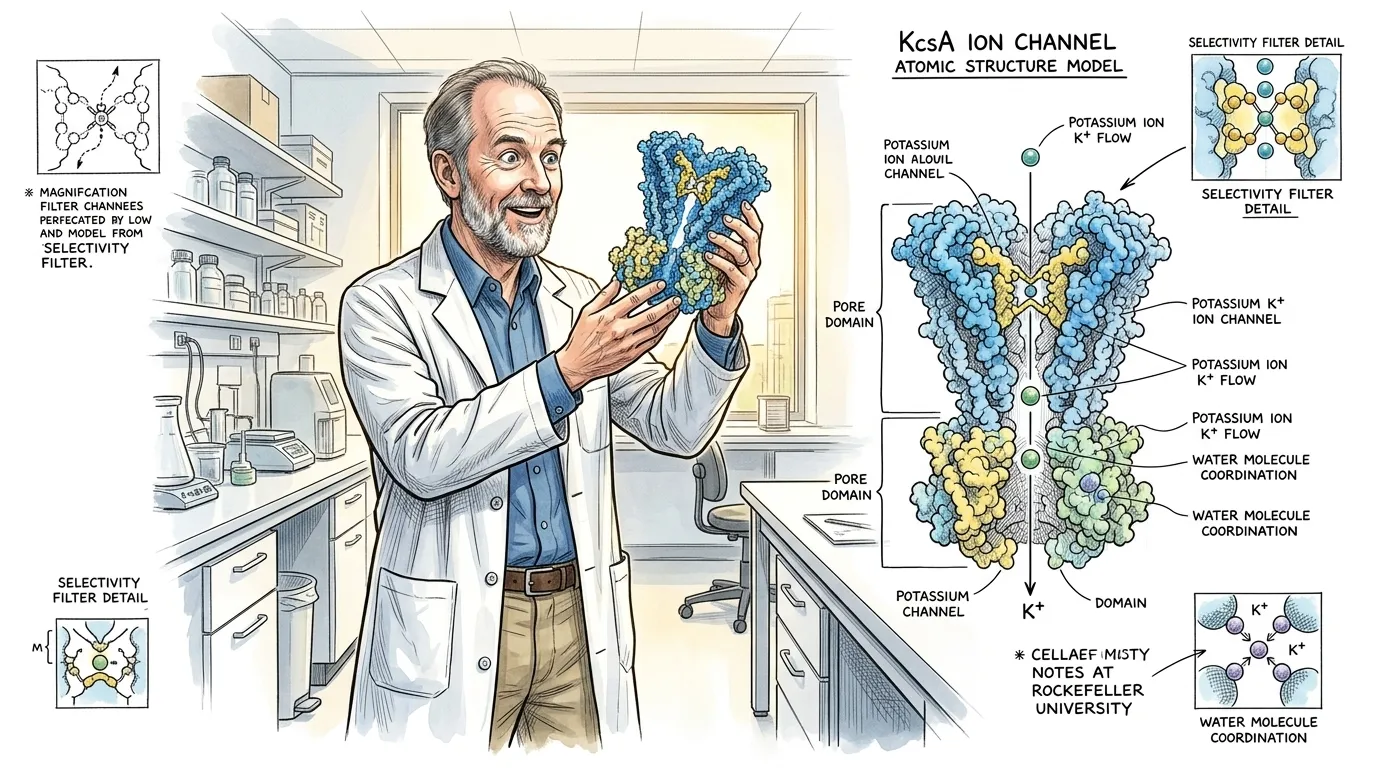
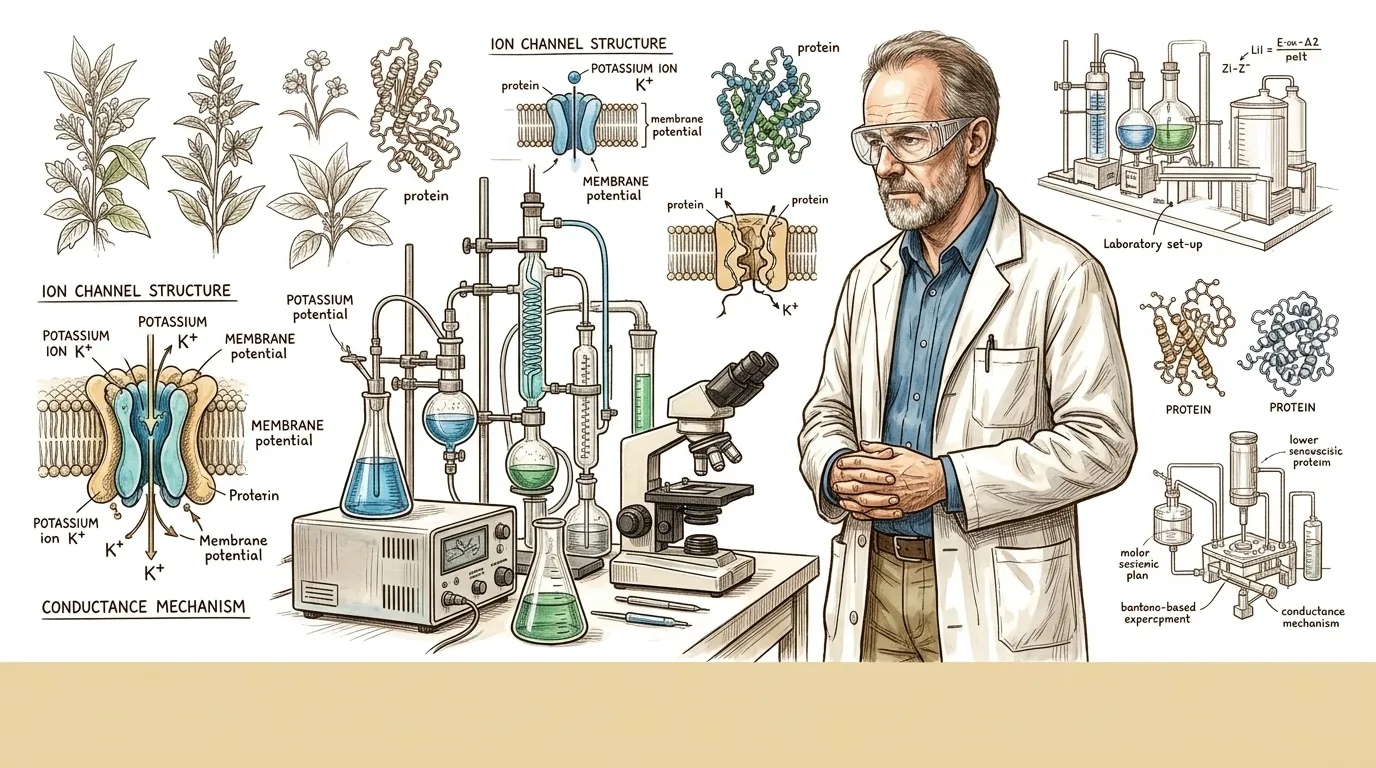
In 2003, the scientific world turned its attention to Rockefeller University, where Roderick MacKinnon's groundbreaking work had unlocked one of life's most profound secrets. His pioneering research culminated in the determination of the atomic structure of a potassium ion channel. This singular achievement provided an unprecedented glimpse into the intricate molecular machinery that underpins every heartbeat, every thought, and every muscle contraction. It was a discovery that not only earned him the Nobel Prize in Chemistry but fundamentally reshaped our understanding of cellular electricity.
Page 2
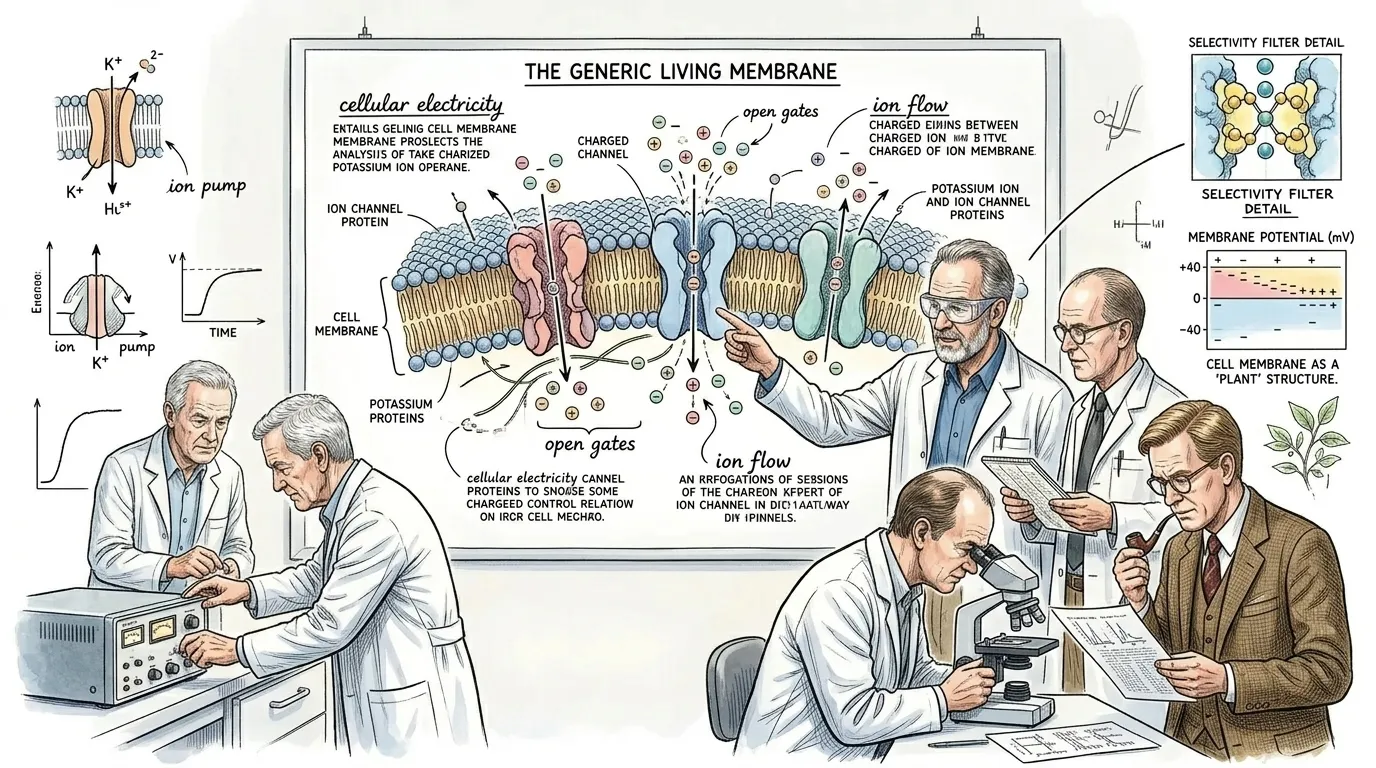
Every living cell, from the simplest bacterium to the most complex neuron, maintains a delicate electrical balance across its membrane. This invisible electrical potential is fundamental to life, driving processes as diverse as nutrient uptake and signal transmission. At the heart of this cellular electricity are ion channels: specialized protein pores embedded within the cell membrane that regulate the flow of charged ions. Without these minuscule gates, the intricate symphony of cellular communication would simply cease.
Page 3
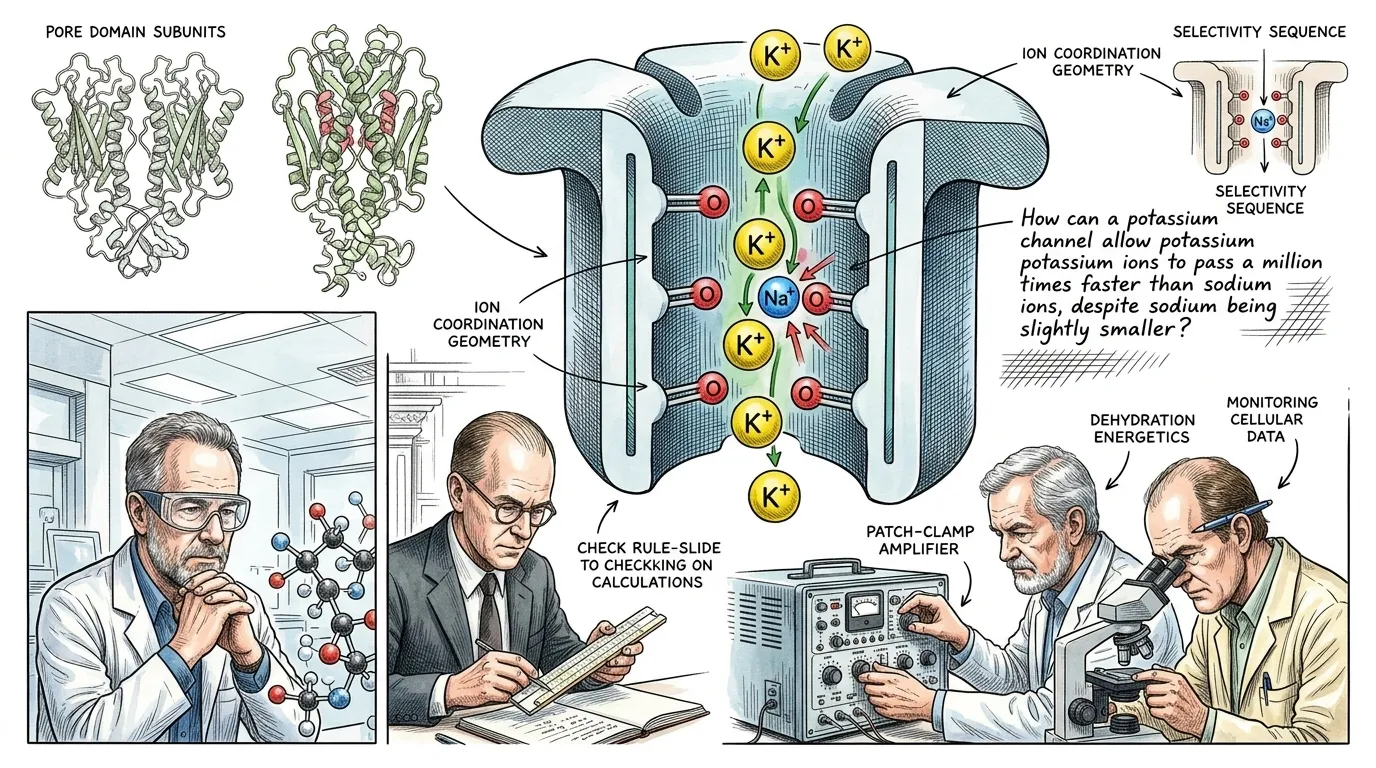
For decades, one of the most perplexing mysteries in biology was the extraordinary selectivity of these ion channels. How could a potassium channel, for instance, allow potassium ions to pass through a million times faster than sodium ions, despite sodium being slightly smaller? Moreover, this discrimination occurs with unparalleled speed, moving millions of ions per second. Understanding this precise atomic-level recognition was paramount to comprehending nerve impulses, as well as the mechanisms behind numerous diseases.
Page 4
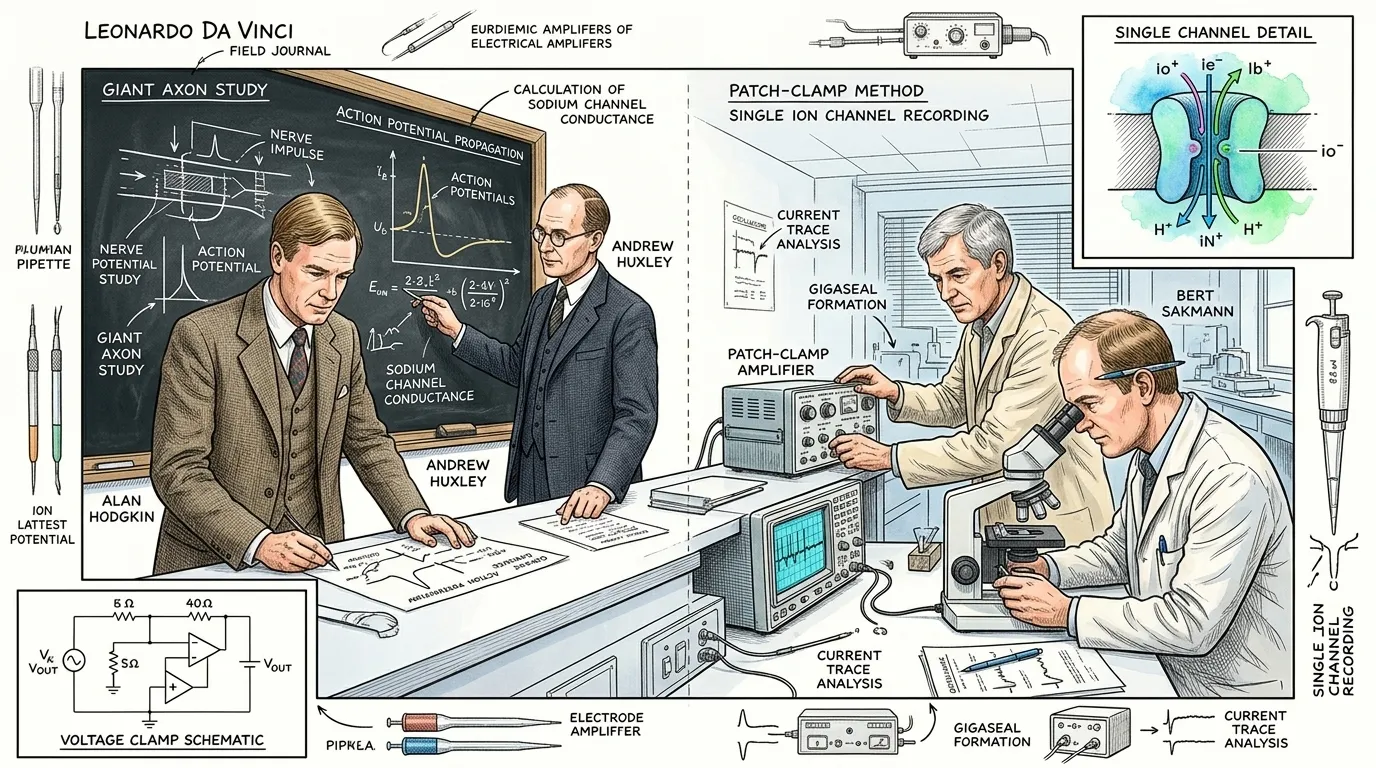
Pioneering work by scientists like Alan Hodgkin and Andrew Huxley in the mid-20th century elucidated the electrical basis of nerve impulses, demonstrating how ion movements across membranes create action potentials. Later, the development of the 'patch-clamp' technique by Erwin Neher and Bert Sakmann in the 1970s allowed researchers to measure the tiny electrical currents flowing through a single ion channel. These breakthroughs revealed functional aspects, but the atomic architecture—the true 'how'—remained stubbornly hidden, demanding a structural solution.
Page 5
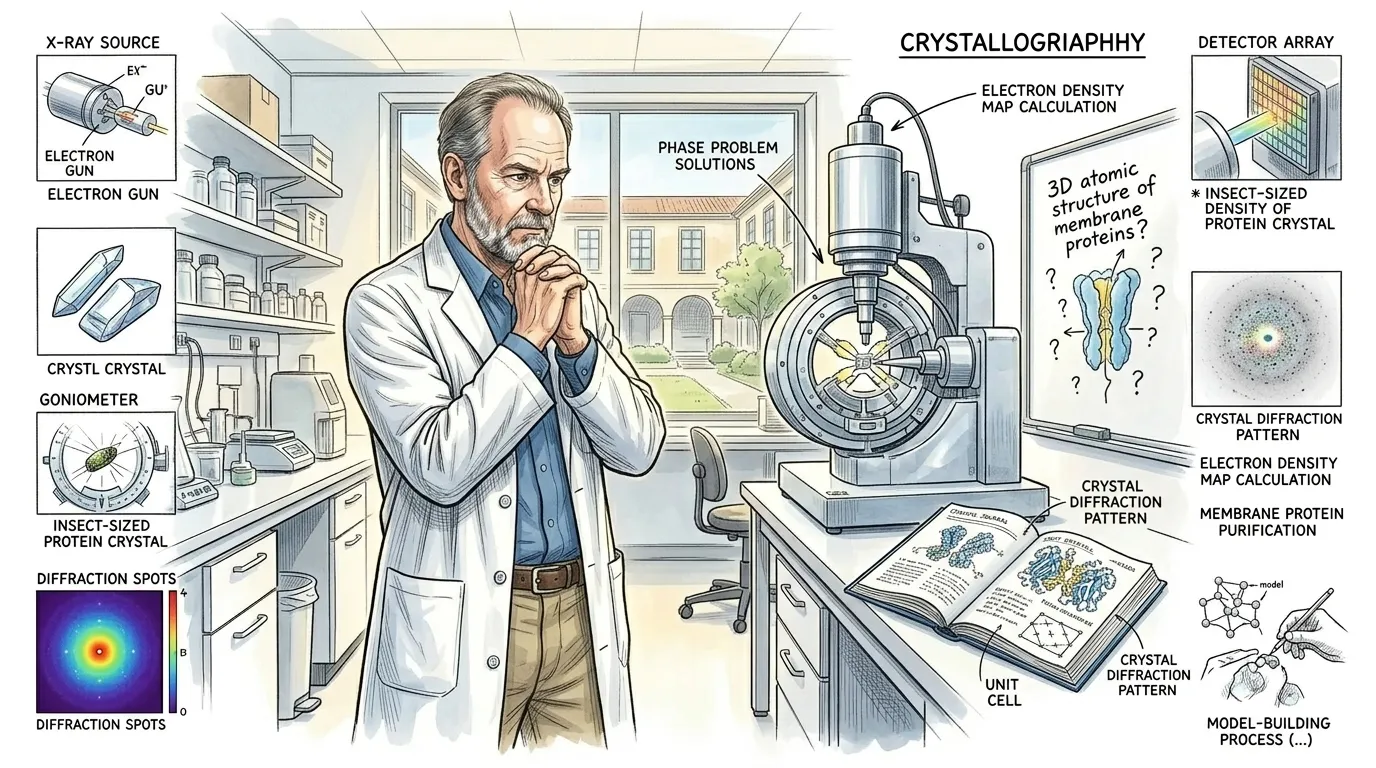
Roderick MacKinnon, initially trained as a medical doctor, felt a profound pull towards fundamental biological questions. He realized that the crucial missing piece in understanding ion channel function was their three-dimensional atomic structure. Abandoning a promising clinical career, he committed himself to biophysics, specifically to the daunting challenge of using X-ray crystallography to visualize these elusive membrane proteins. This was a path fraught with difficulty, as crystallizing such delicate and flexible proteins was considered an almost impossible feat at the time, a true leap of faith into the molecular unknown.
Page 6
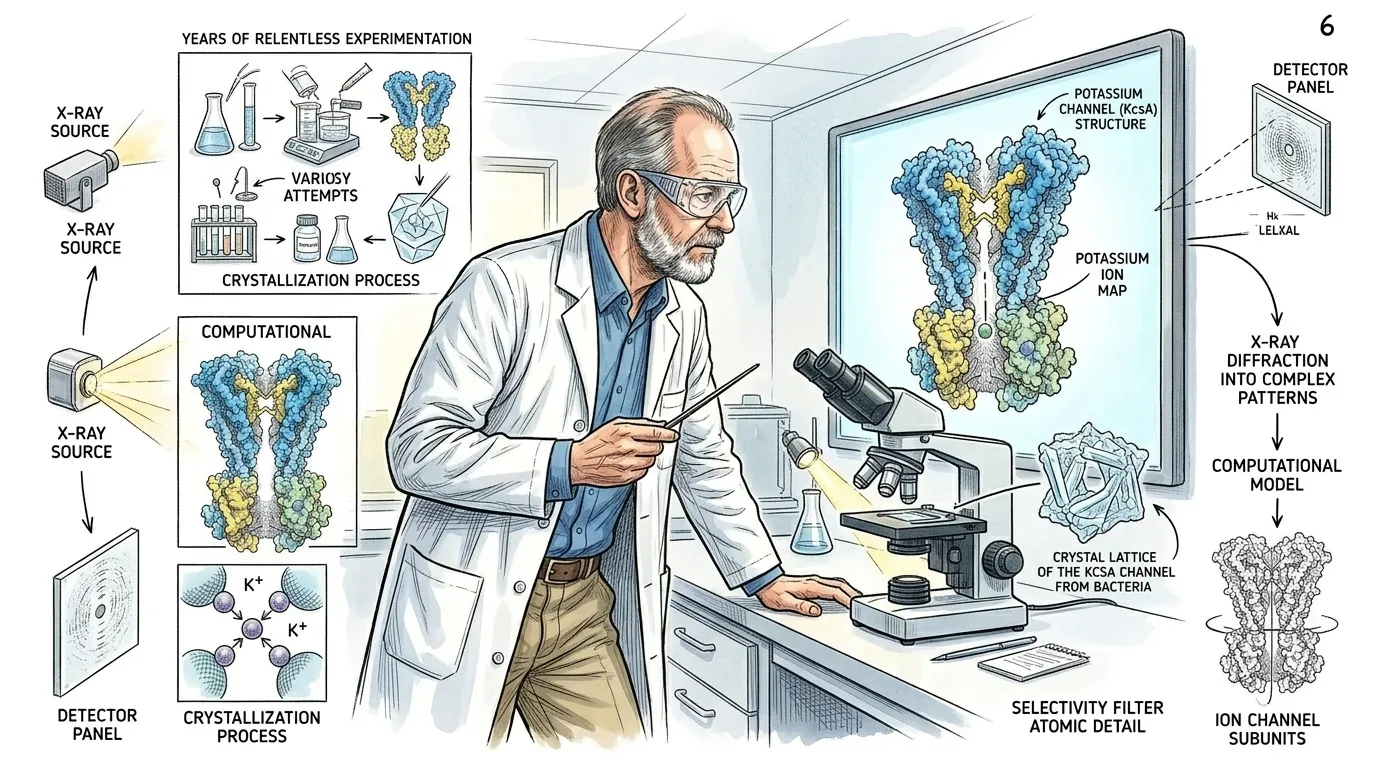
The sheer difficulty lay in obtaining pure, stable crystals of the ion channel protein, a prerequisite for X-ray crystallography. After years of relentless experimentation, MacKinnon's team achieved what many deemed impossible: they successfully crystallized a potassium ion channel from bacteria. By firing X-rays at these crystals and analyzing the diffraction patterns, they could compute a three-dimensional atomic map. This map, published in 1998, provided the first-ever high-resolution image of an ion channel, revealing its elegant, intricate architecture and, crucially, how it could perform its selective function.
Page 7
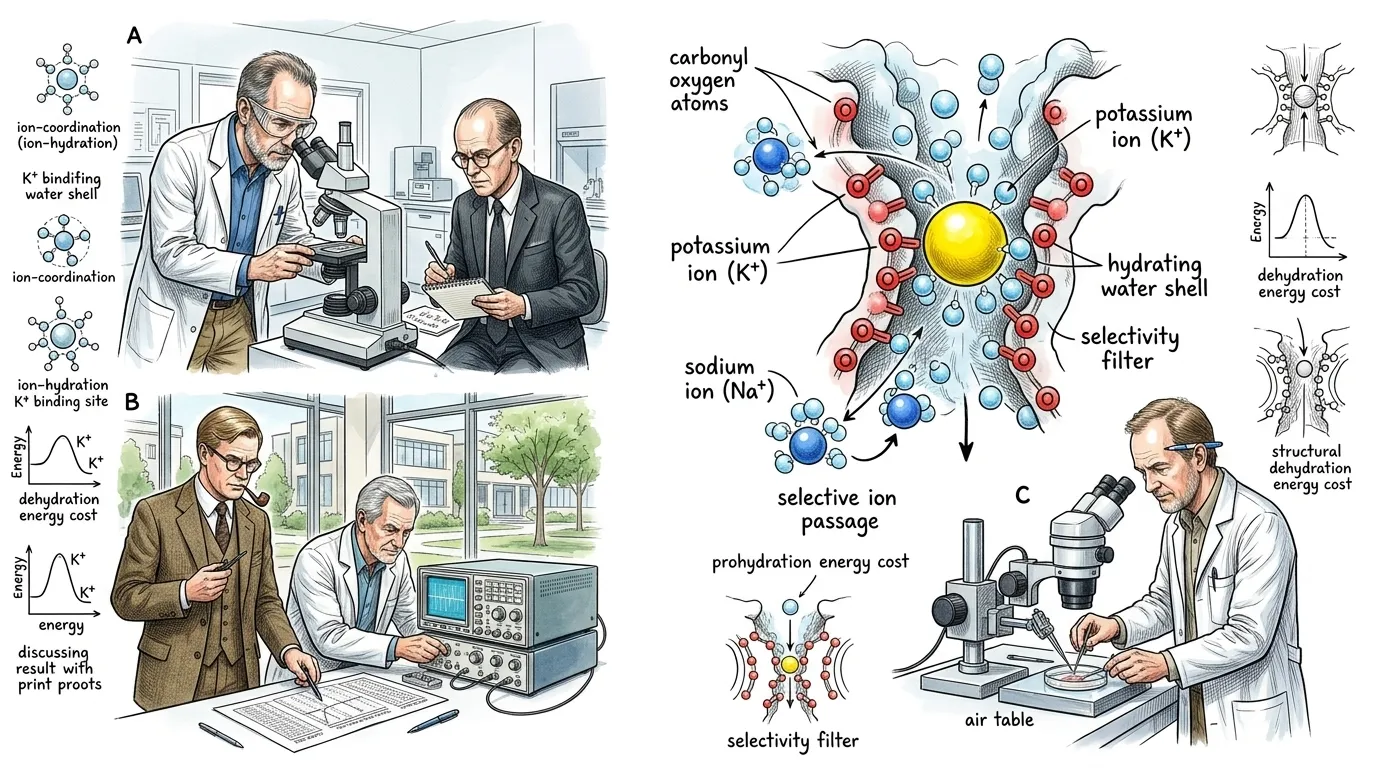
The potassium channel's atomic structure revealed its 'selectivity filter,' a narrow region lined with carbonyl oxygen atoms. These atoms are precisely spaced to mimic the energetic environment of water molecules surrounding a potassium ion. As potassium ions enter, they shed their hydrating water molecules, perfectly fitting into the filter and interacting with the carbonyl oxygens before passing through. Sodium ions, being smaller, cannot interact optimally with these oxygen atoms simultaneously; they are too small to 'pay the energetic cost' of shedding their water, thus effectively rejected. This elegant atomic design is a marvel of biophysical engineering.
Page 8
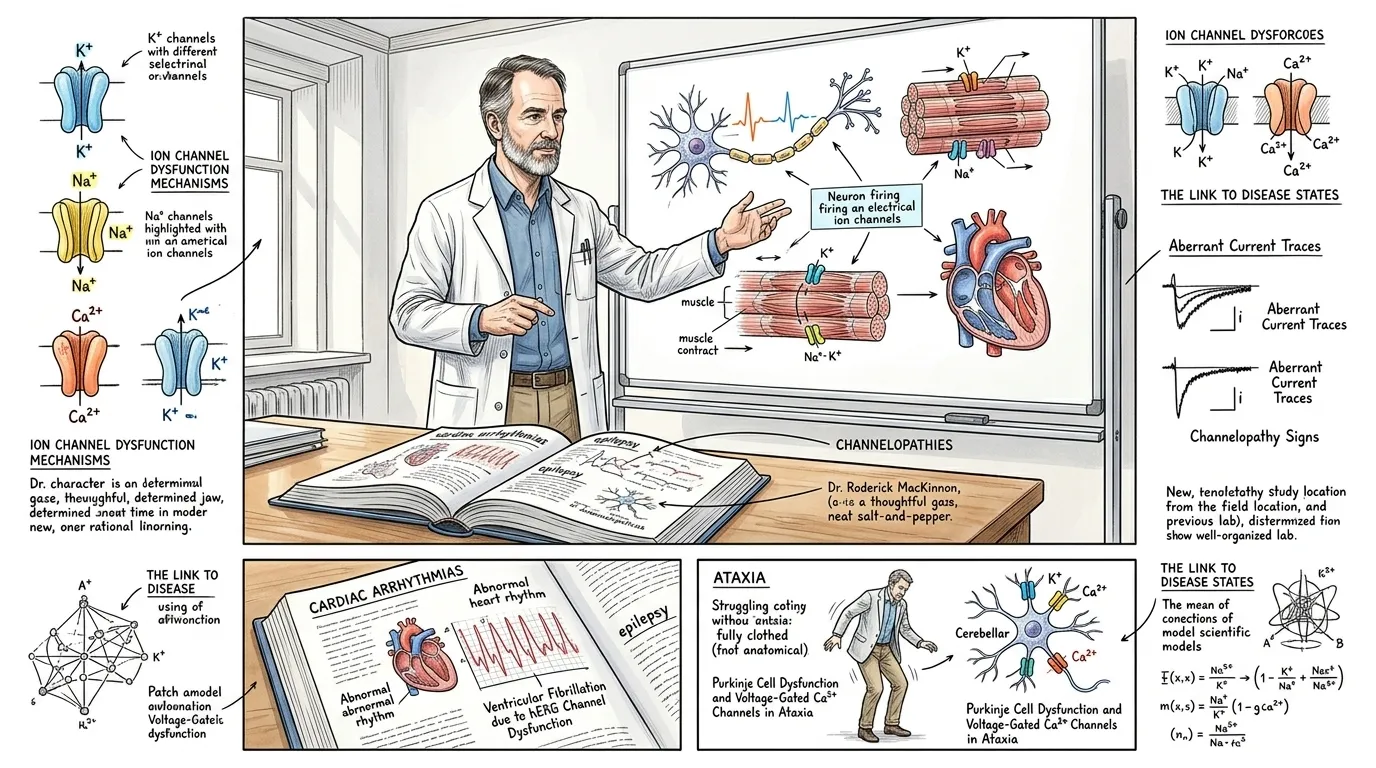
MacKinnon's work provided the definitive answer to the enigma of ion channel selectivity, profoundly advancing our understanding of neurological function. With this atomic blueprint, scientists could now comprehend how neurons generate and transmit electrical signals, how muscles contract, and how the heart maintains its rhythmic beat. The precise mechanics of these channels became clear, illustrating how their malfunction could disrupt the body's electrical harmony, leading to a spectrum of debilitating diseases, from cardiac arrhythmias to various forms of epilepsy and ataxia. The invisible machinery now had a face.
Page 9
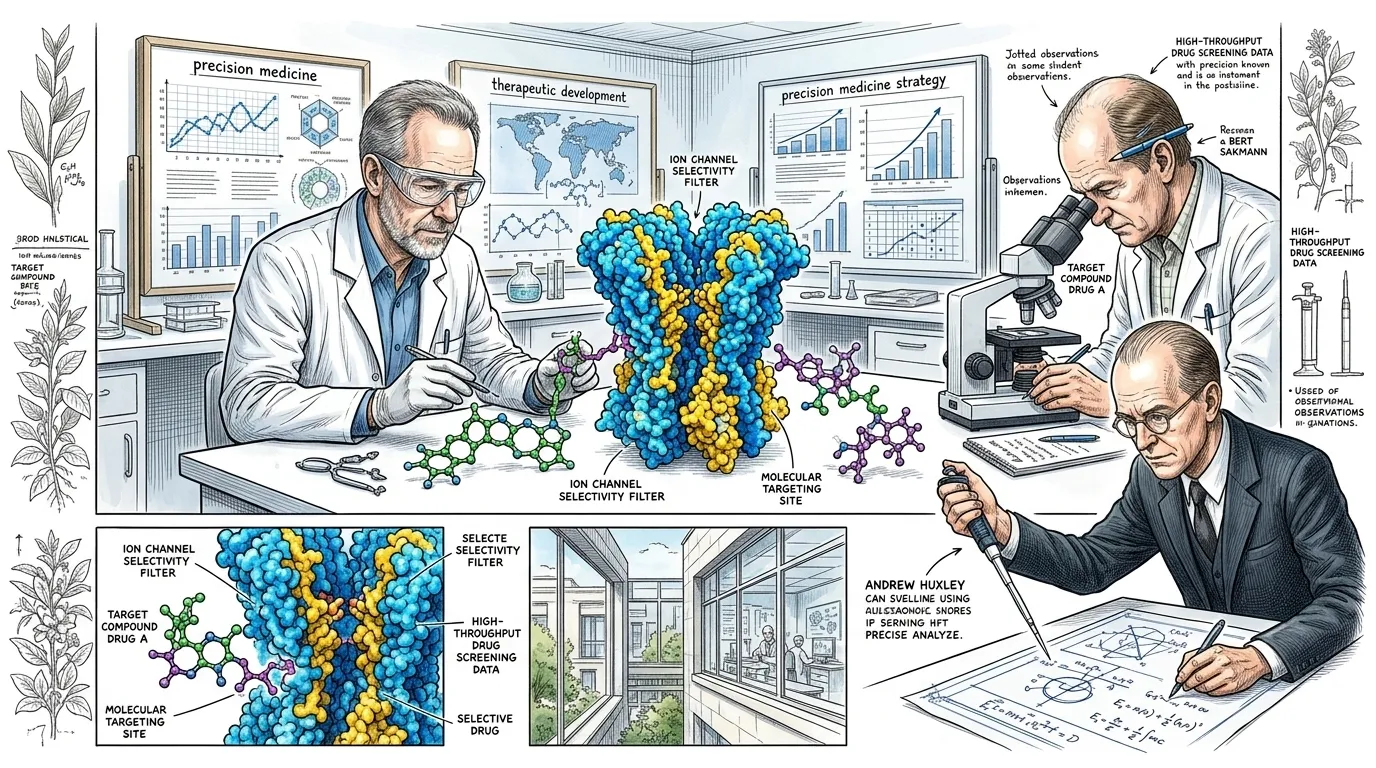
The atomic-level understanding of ion channels has opened unprecedented avenues for therapeutic development. Pharmaceutical companies can now design drugs to precisely target specific ion channels, modulating their activity to treat a range of conditions. Whether it's developing compounds to stabilize heart rhythms, alleviate chronic pain, or control epileptic seizures, the ability to 'tune' these molecular gates based on their exact structure has revolutionized pharmacology. It's a testament to fundamental science directly impacting human health, transforming treatment strategies that were once based on trial and error into precision medicine.
Page 10
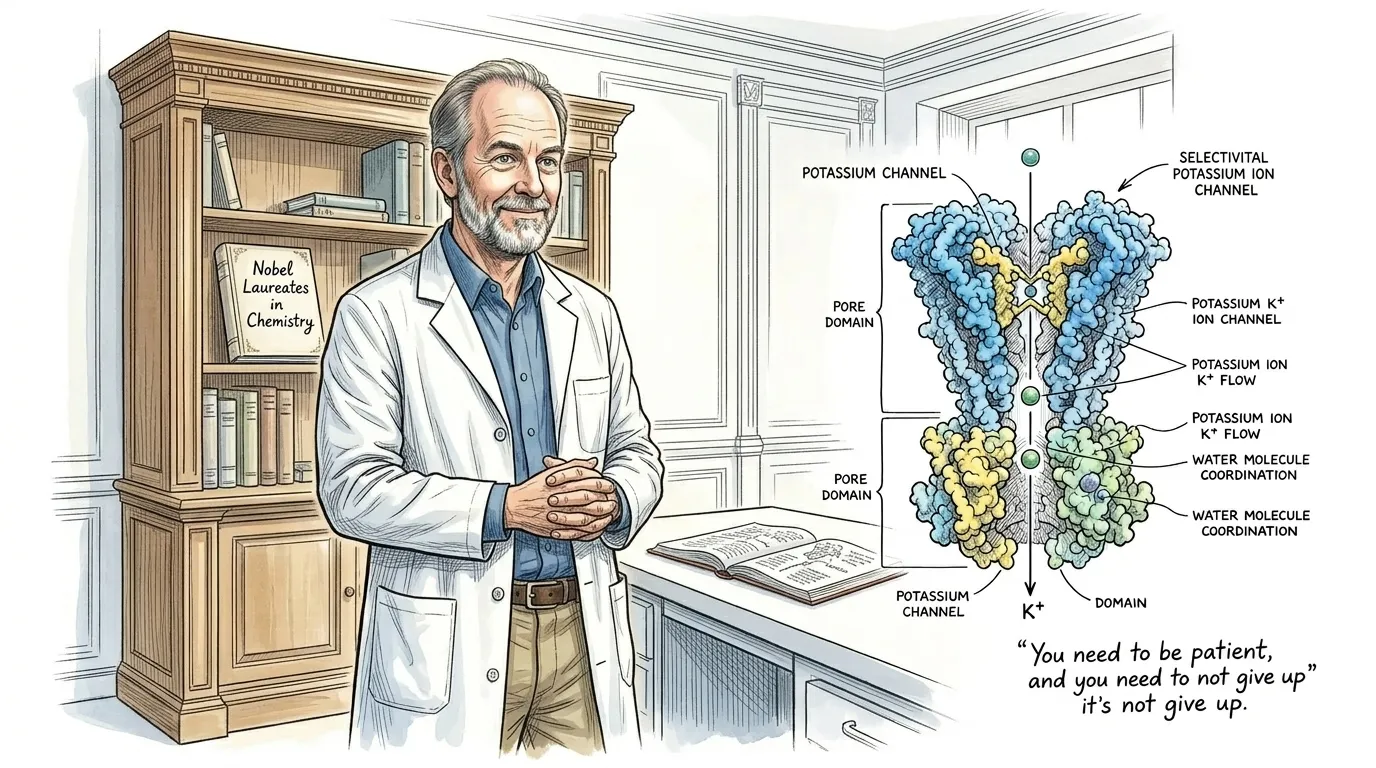
Roderick MacKinnon's Nobel-winning work on the potassium ion channel stands as a landmark achievement, providing the atomic roadmap to life's electrical impulses. His tenacity in tackling what seemed an insurmountable problem transformed a conceptual understanding into a concrete, observable reality. The study of 'channelopathies,' diseases arising from dysfunctional ion channels, continues to expand, driven by the structural insights his laboratory provided. As MacKinnon himself reflected, 'You need to be patient, and you need to not give up.' His legacy extends beyond a single protein structure; it illuminates the power of fundamental biophysical research to unlock the deepest mysteries of life, forever changing biology and medicine.
About this story
- Location: Global
- Audience: general readers
Read Wonder Science on your phone
Wonder Science is available on Android. Get Wonder Science on Google Play.