Subrahmanyan Chandrasekhar
Subrahmanyan Chandrasekhar — an illustrated science story, set in Global. 10 illustrated pages, free to read on Wonder Science.

Page 1
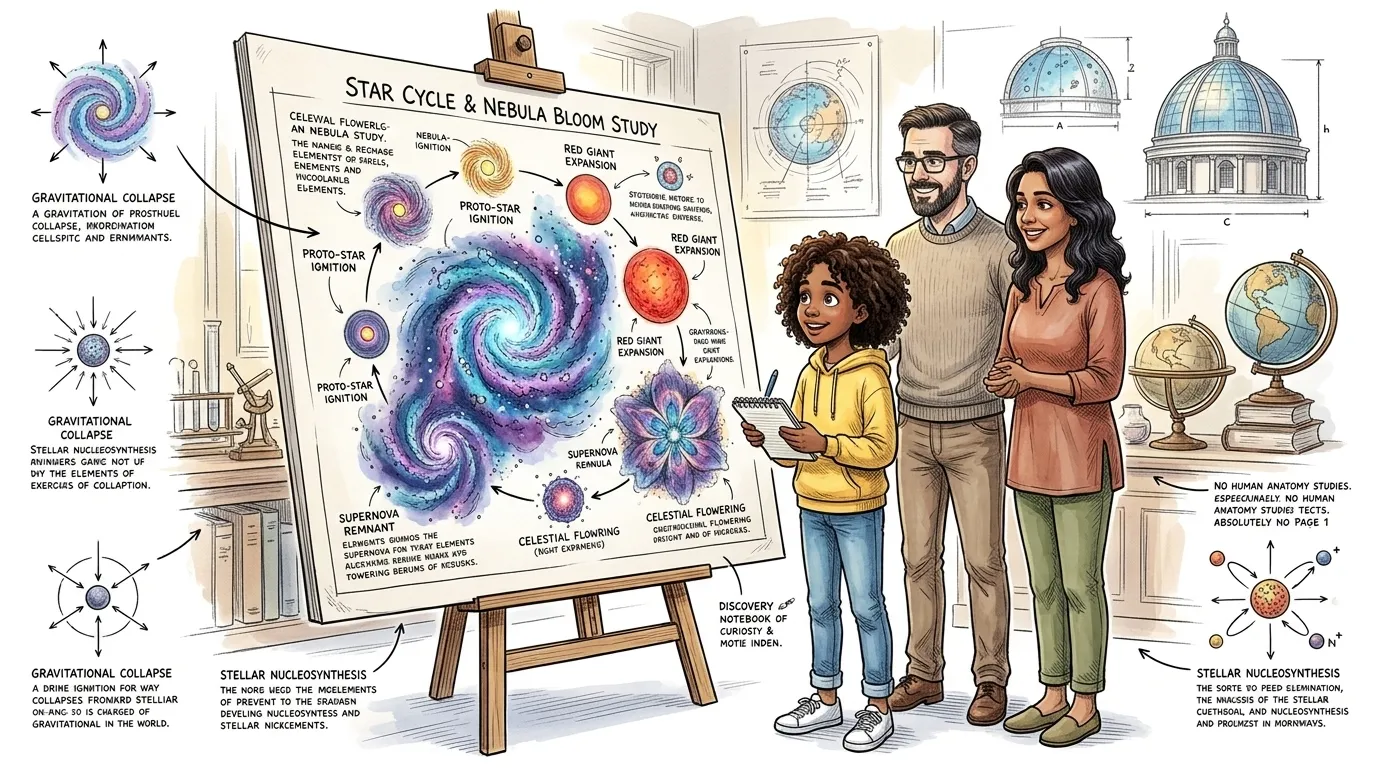
The cosmos swirls in a vibrant dance of light and gravity. Nebulae bloom like celestial flowers, and stars ignite with furious energy, a scene that Chandrasekhar sought to explain. This is the realm of astrophysics, where the life cycles of stars play out on an unimaginable scale. What forces dictate their birth, their evolution, and their ultimate fate? The answers, it turned out, lie in understanding the delicate balance within these cosmic furnaces.\n\n Fact: soundscape_tag: magical
Page 2
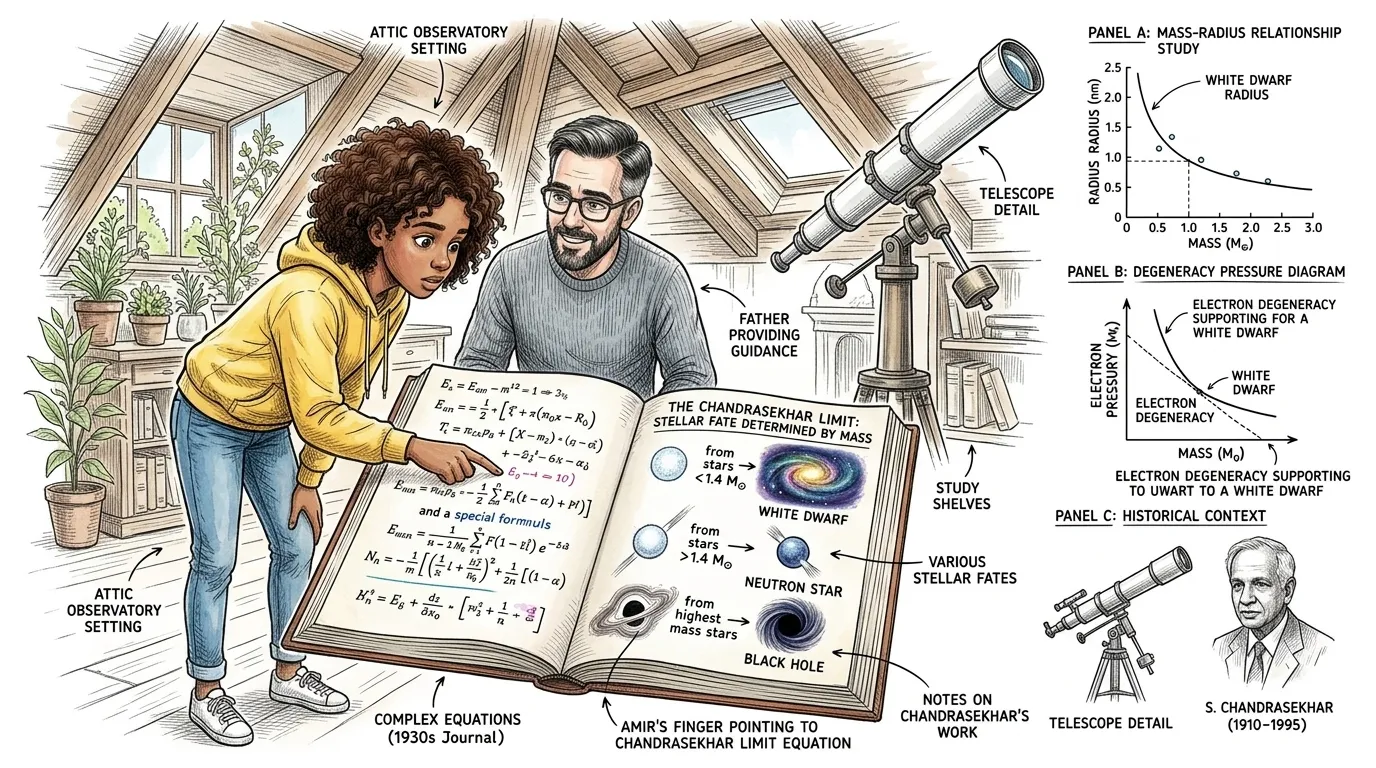
In the 1930s, Subrahmanyan Chandrasekhar, a young Indian astrophysicist, grappled with a perplexing question: What happens to stars when they run out of fuel? Classical physics suggested that stars could shrink indefinitely. Chandrasekhar's calculations, however, revealed a critical mass limit. He determined that stars exceeding this limit – now known as the Chandrasekhar Limit – could not support themselves against their own gravity. This limit marks a crucial dividing line in stellar evolution, determining whether a star will become a white dwarf, a neutron star, or a black hole. His work was initially met with skepticism from established physicists.\n\n Fact: soundscape_tag: quiet
Page 3

A pivotal moment arrived at a Royal Astronomical Society meeting in 1935. Arthur Eddington, a towering figure in astrophysics and one of the first scientists to confirm Einstein's theory of general relativity, publicly challenged Chandrasekhar's findings. Eddington argued that there must be a mechanism preventing stars from collapsing into black holes. This public rebuke, delivered with considerable authority, cast a shadow over Chandrasekhar's work. As Kai Wright once said, 'Difficulties mastered are opportunities won.'\n\n Fact: soundscape_tag: quiet
Page 4
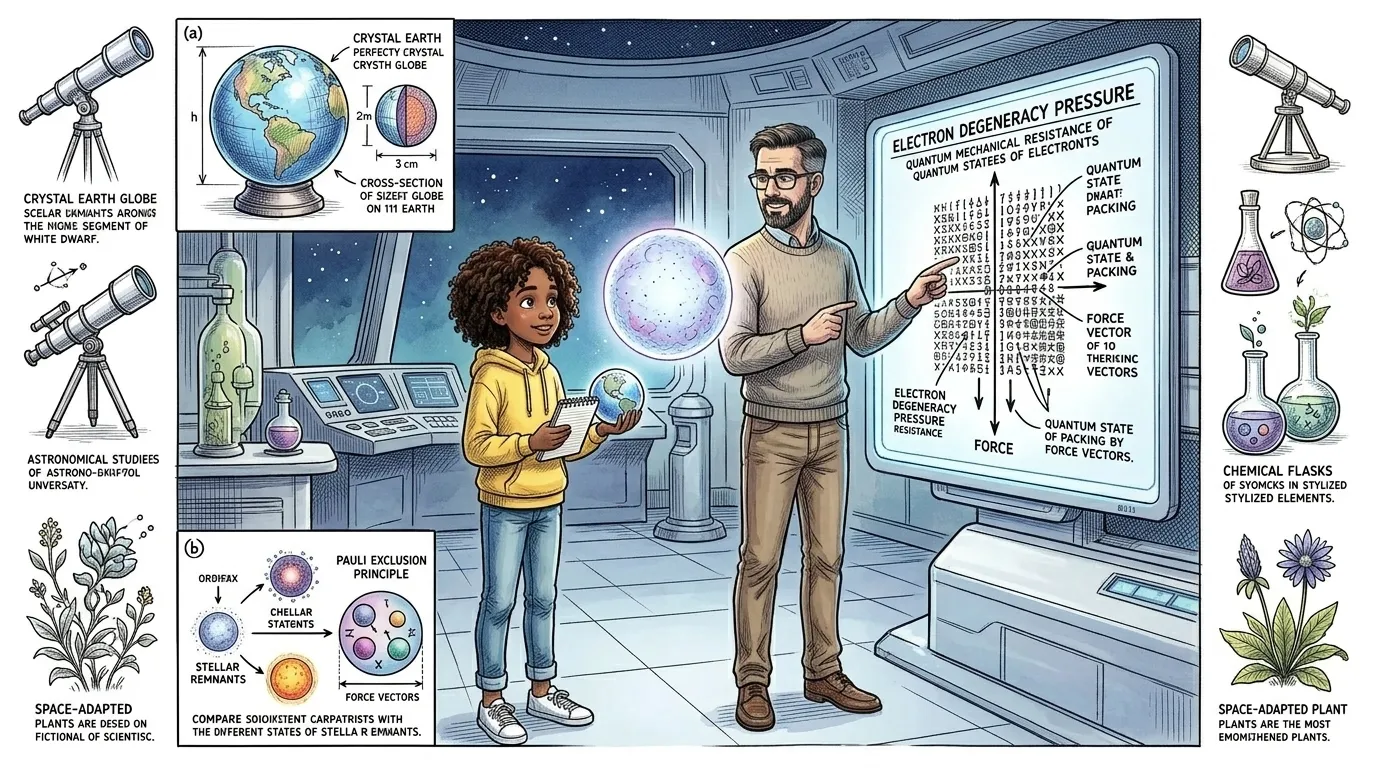
Despite the initial resistance, Chandrasekhar persevered. His calculations showed that stars below the limit would eventually become white dwarfs – dense, Earth-sized remnants of stars supported by electron degeneracy pressure. Imagine squeezing the mass of the sun into something the size of our planet. It's the quantum mechanical resistance of electrons packed so tightly that halts the collapse. This discovery illuminated the fate of countless stars, including our own Sun, billions of years from now. A fate far less dramatic than a black hole.\n\n Fact: soundscape_tag: magical
Page 5
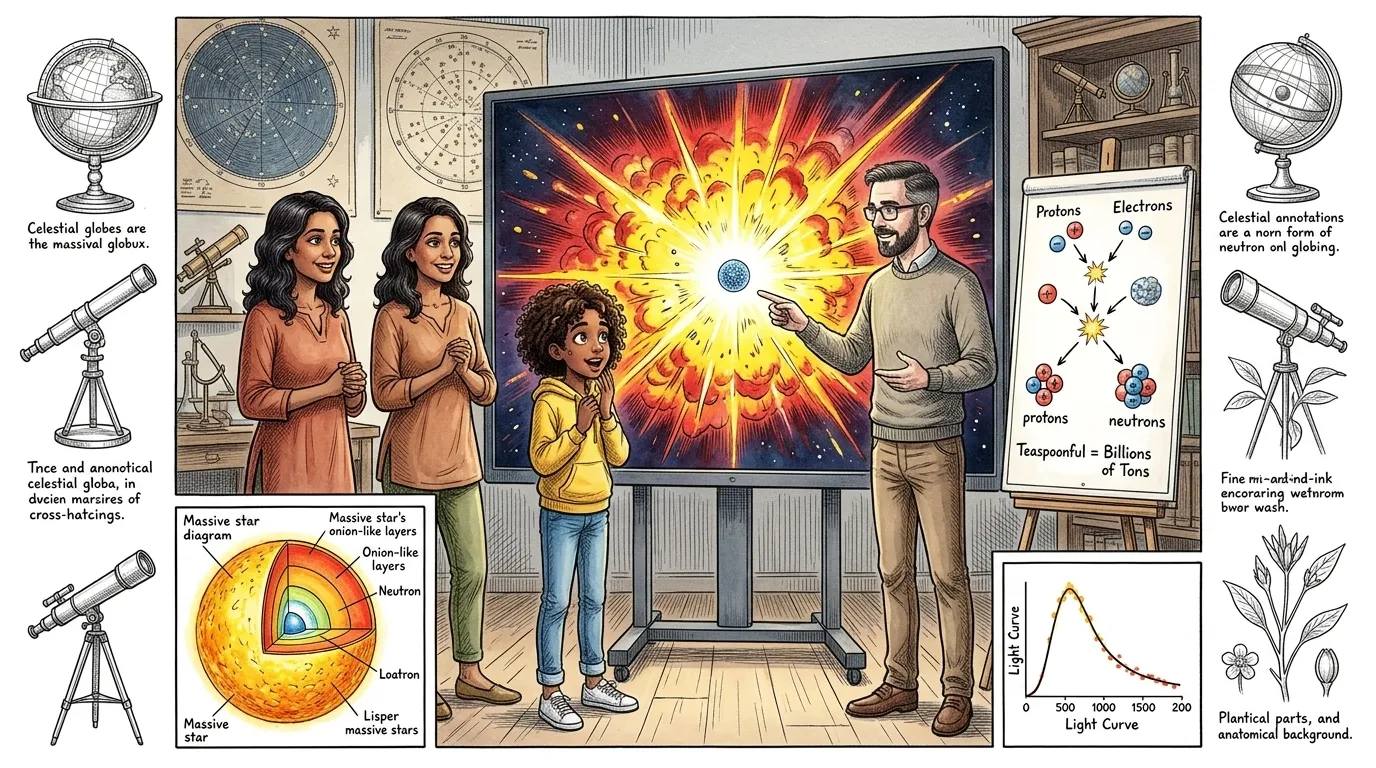
For stars exceeding the Chandrasekhar Limit, the story is far more violent. These massive stars collapse under their own gravity, triggering a cataclysmic supernova explosion. During this event, the core of the star implodes, crushing protons and electrons together to form neutrons. The resulting object is a neutron star, an incredibly dense object where a teaspoonful of matter would weigh billions of tons. This collapse releases tremendous energy, briefly outshining entire galaxies.\n\n Fact: soundscape_tag: magical
Page 6

If a star is massive enough, even neutron degeneracy pressure cannot halt the collapse. The star becomes a black hole, an object with gravity so intense that nothing, not even light, can escape. Though initially doubted, the existence of black holes has now been confirmed through direct observation, including the imaging of their 'shadows' – the distortion of light around their event horizons. This confirmation vindicated Chandrasekhar's earlier work and paved the way for a deeper understanding of these enigmatic objects.\n\n Fact: soundscape_tag: quiet
Page 7

In 1983, Subrahmanyan Chandrasekhar was awarded the Nobel Prize in Physics, jointly with William Fowler, for his theoretical studies of the physical processes of importance to the structure and evolution of stars. The prize recognized the profound impact of his work on astrophysics. It was a validation of his intellectual courage and perseverance in the face of initial skepticism. His work continues to inspire scientists to explore the mysteries of the cosmos.\n\n Fact: soundscape_tag: quiet
Page 8
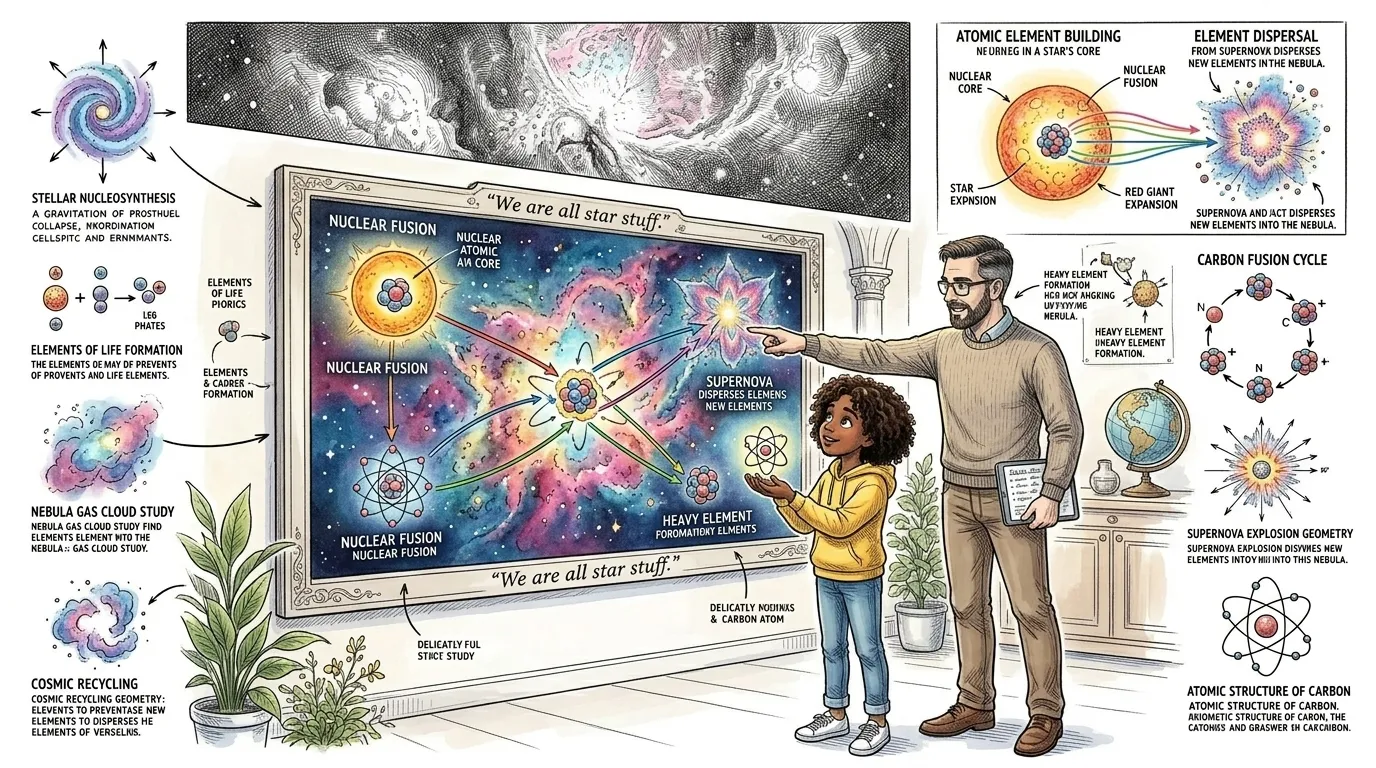
Chandrasekhar's work had implications beyond just stellar evolution. It helped to understand how heavier elements are forged in the cores of stars through nuclear fusion. William Fowler was recognized for his work with this concept and shared the Nobel Prize. These heavier elements, including the carbon in our bodies, are scattered throughout the universe by supernovae, eventually forming new stars and planets. As Carl Sagan famously stated, 'We are all star stuff.'\n\n Fact: soundscape_tag: magical
Page 9

Chandrasekhar's legacy extends beyond his specific discoveries. He exemplified the importance of independent thought and rigorous mathematical analysis in scientific inquiry. His journey from a young student traveling by ship from India to England to a Nobel laureate is a testament to the power of curiosity and perseverance. He taught generations of scientists to question assumptions and to explore the universe with an open mind. A light that cannot be diminished.\n\n Fact: soundscape_tag: quiet
Page 10
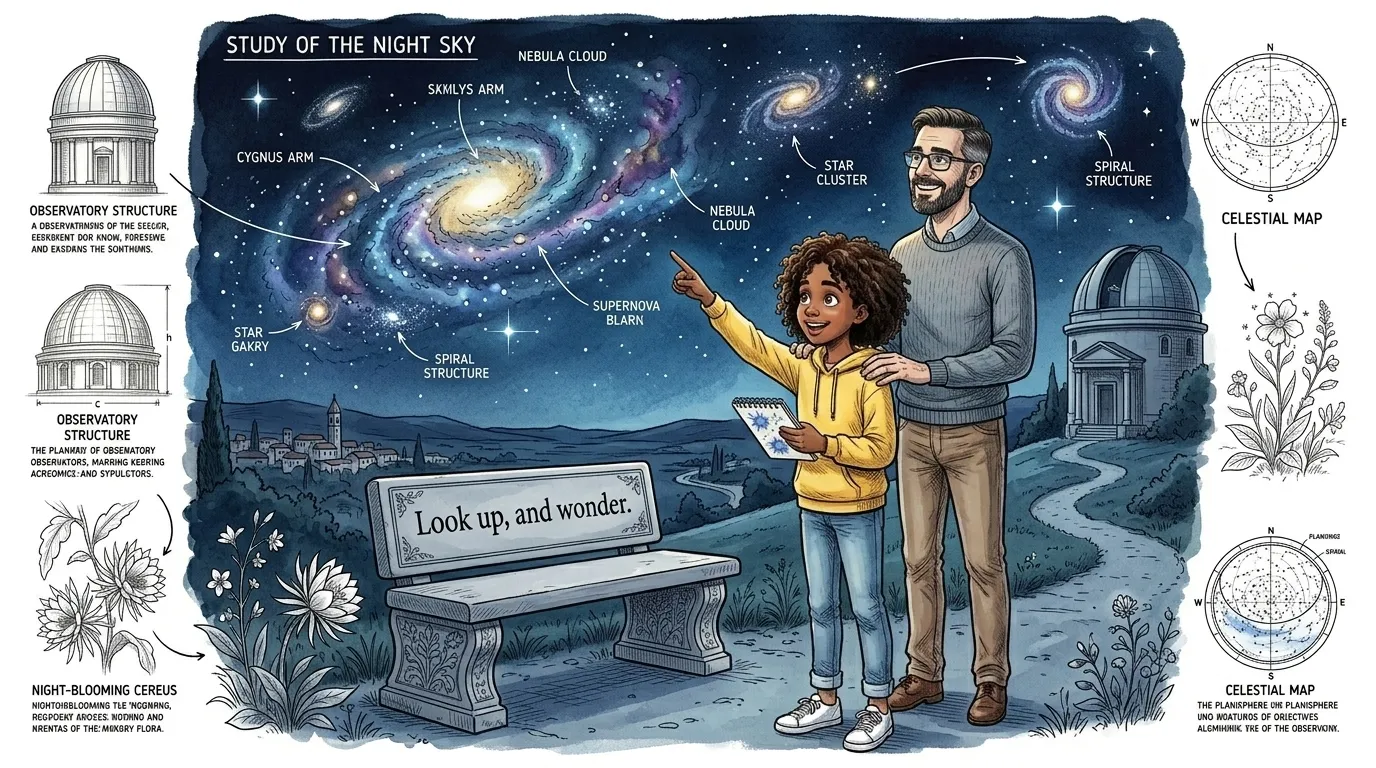
The universe is a vast and dynamic place, filled with wonders yet to be discovered. Subrahmanyan Chandrasekhar's work opened a window into the life cycles of stars, but many mysteries remain. What other exotic objects are hidden within the cosmos? What fundamental laws govern their behavior? The quest for knowledge continues, driven by the same curiosity and perseverance that defined Chandrasekhar's life and work. Look up, and wonder.\n\n Fact: soundscape_tag: quiet
About this story
- Location: Global
- Audience: kids (ages 6–12)
Read Wonder Science on your phone
Wonder Science is available on Android. Get Wonder Science on Google Play.