Svante Paabo
Svante Paabo — an illustrated science story, set in Global. 10 illustrated pages, free to read on Wonder Science.
Page 1
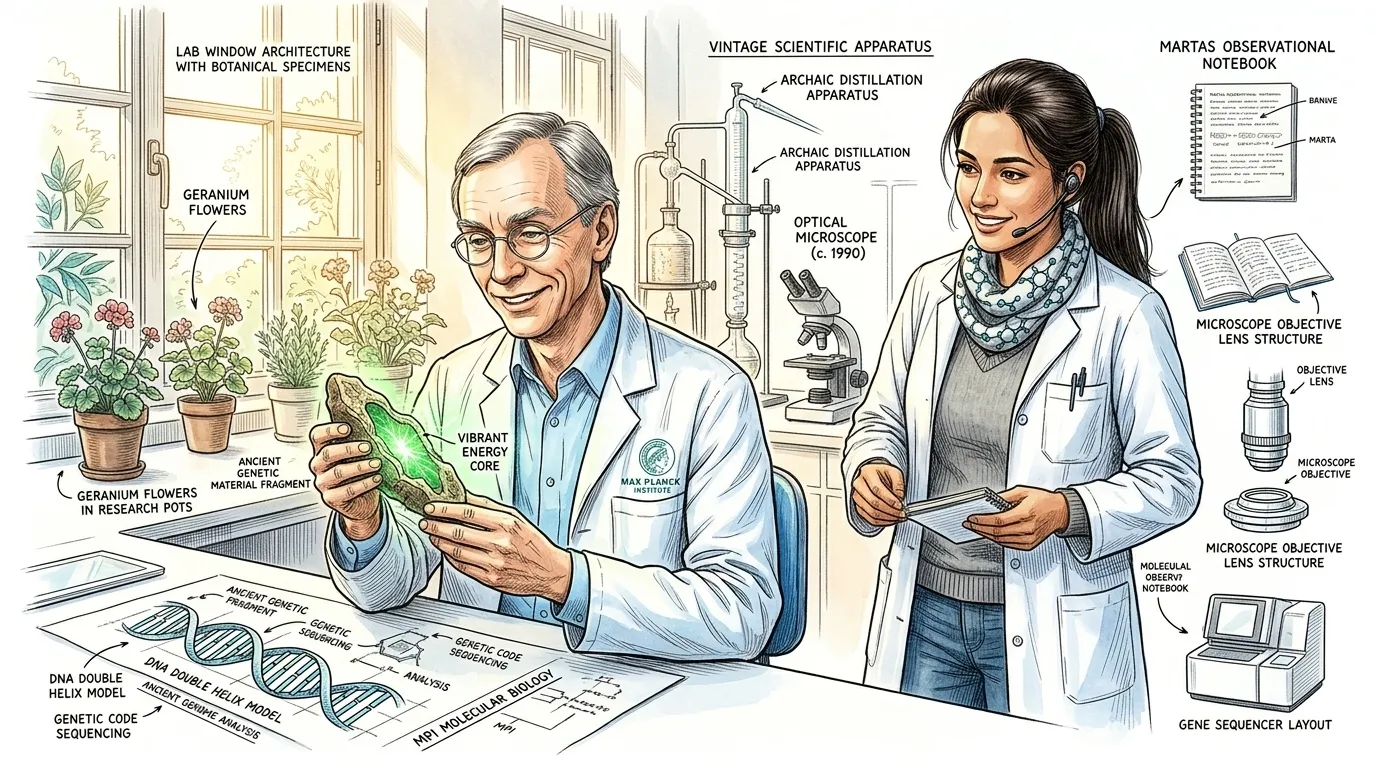
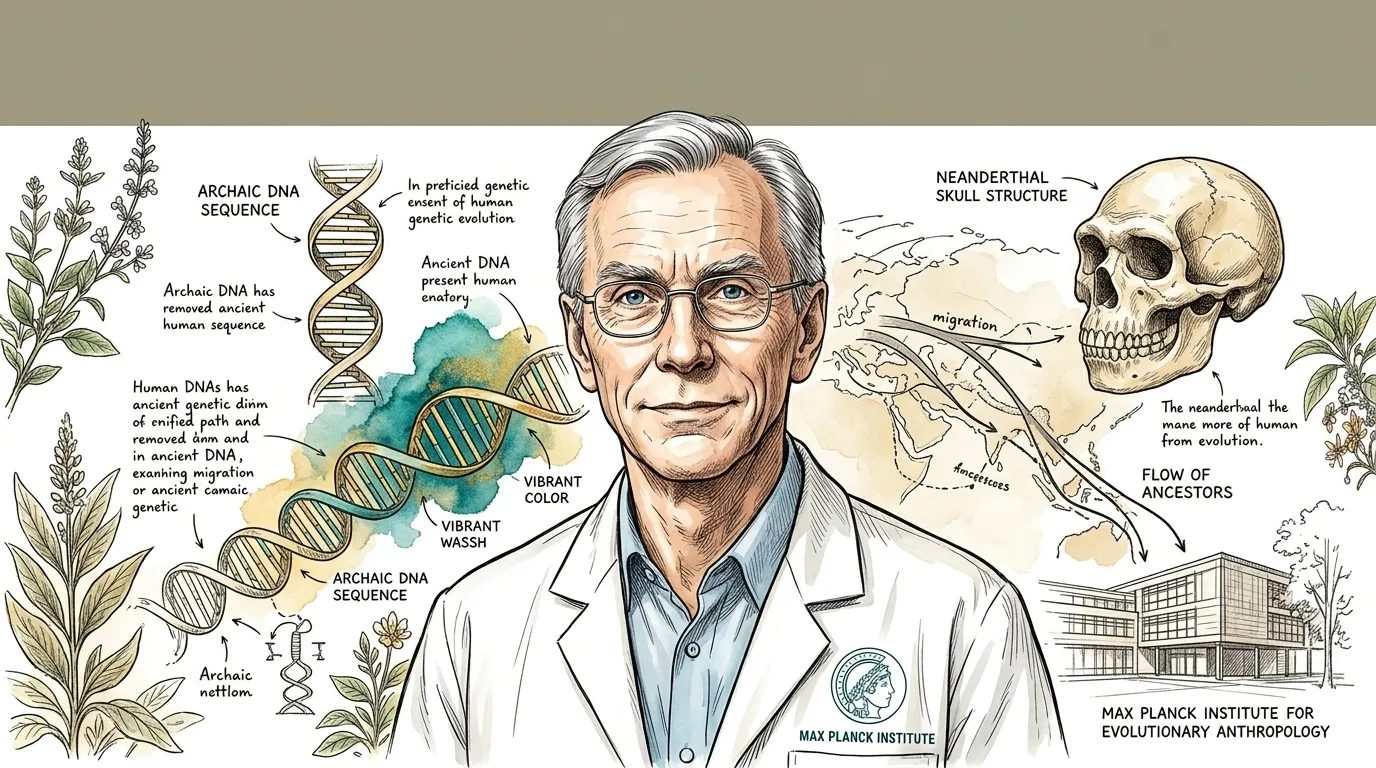
At the Max Planck Institute for Evolutionary Anthropology in Leipzig, Germany, a revolution in understanding human origins took root. Professor Svante Pääbo, a visionary geneticist, confronted what seemed an insurmountable challenge: to extract, sequence, and interpret the fragmented genetic code of archaic humans, specifically Neanderthals. This was more than mere academic curiosity; it was a quest to reclaim the lost chapters of our species' story, written in the very molecules of life, long buried in ancient bones. His work defied conventional wisdom, suggesting that the seemingly impossible task of deciphering ancient DNA was, in fact, within reach.
Page 2
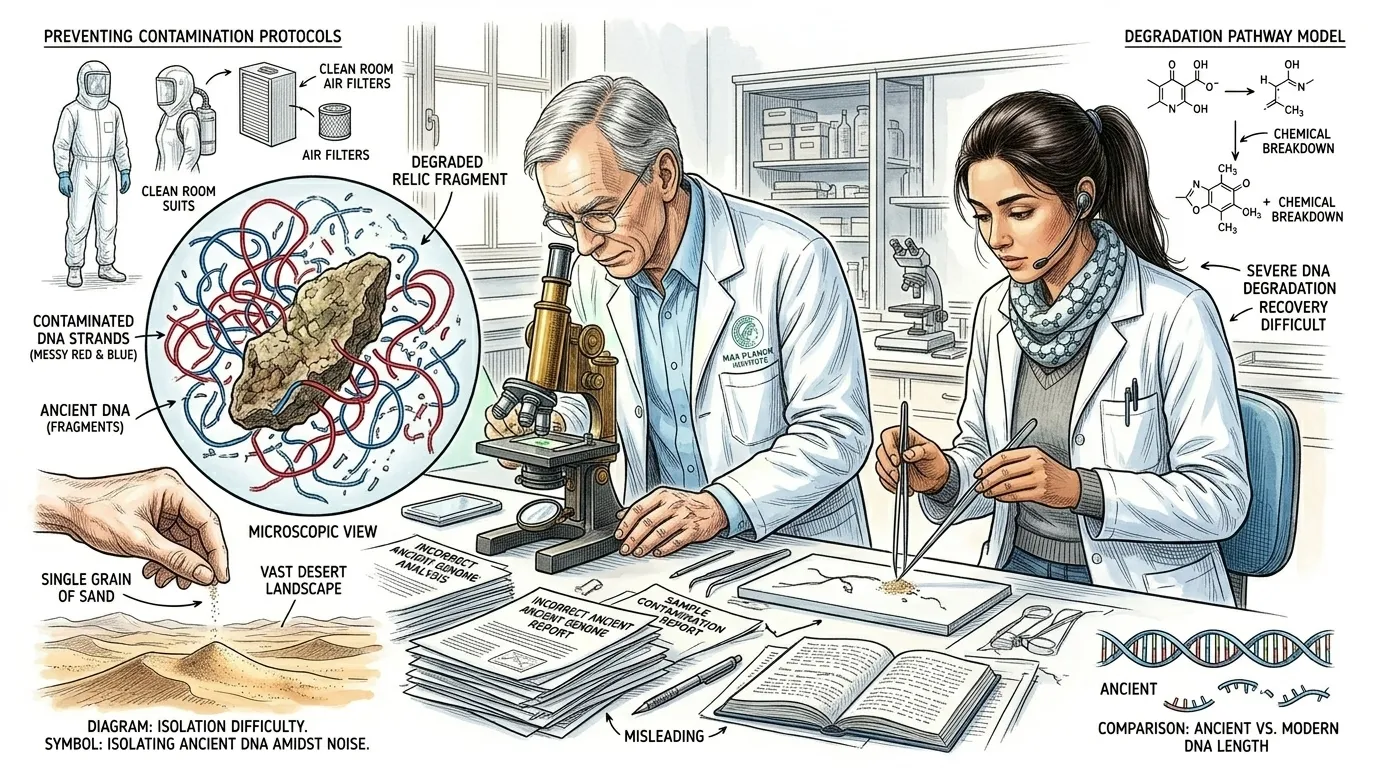
Before Pääbo's breakthroughs, ancient DNA research was fraught with peril. Samples were typically tiny, heavily degraded, and—most critically—overwhelmed by contamination from modern human DNA, bacteria, and fungi. Extracting usable genetic material from a 50,000-year-old bone was like trying to find a single grain of sand from a specific beach mixed into an entire desert. Early attempts often yielded misleading results, blurring the line between ancient truth and modern interference. The scientific community harbored deep skepticism, demanding rigorous proof that any ancient DNA signal wasn't merely a ghost of the present.
Page 3
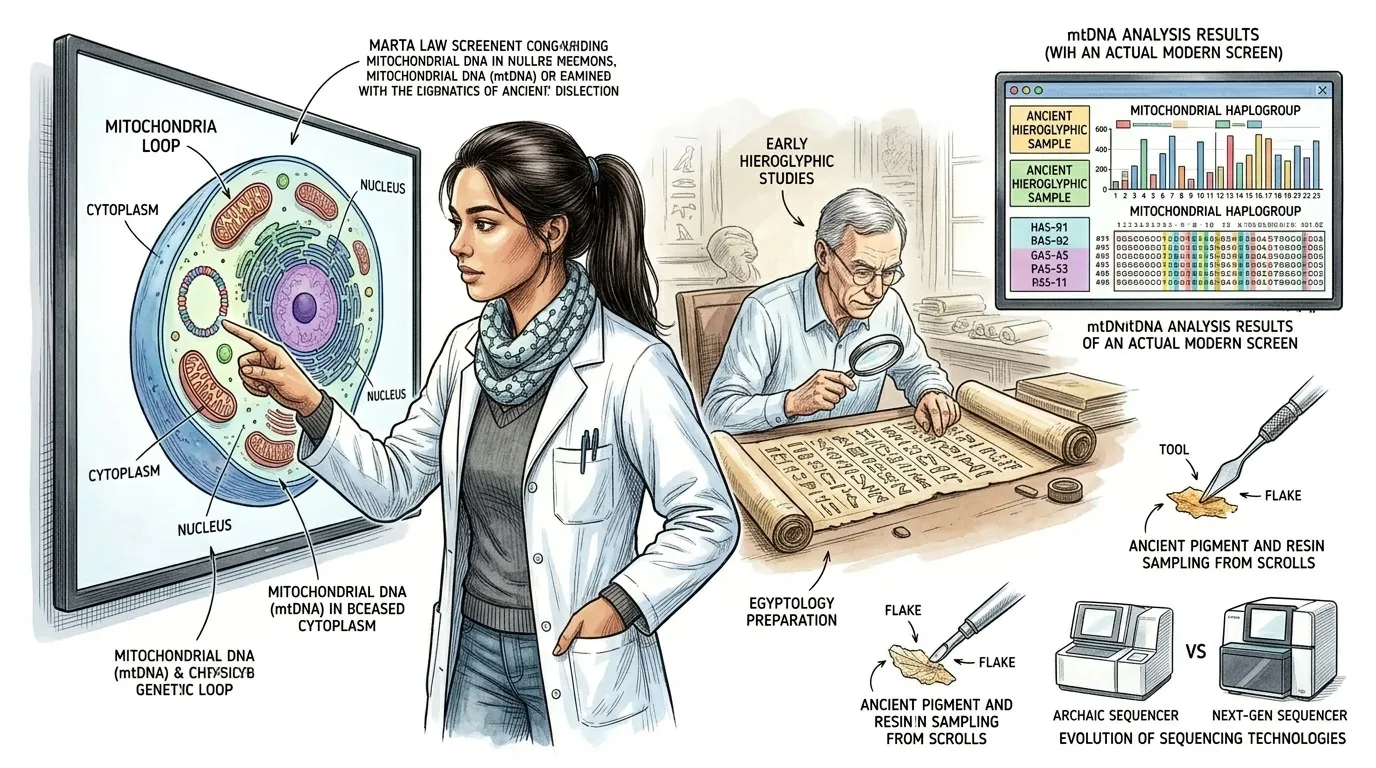
Pääbo's journey began not in the distant past, but in his studies of Egyptology, where he first grasped the potential of ancient biological material. He initially focused on sequencing mitochondrial DNA (mtDNA) from ancient human remains, a more manageable task due to mtDNA's abundance within cells compared to nuclear DNA. This initial success, published in 1997, confirmed the feasibility of retrieving authentic Neanderthal genetic material, a crucial first step. It was a molecular archaeology, painstakingly piecing together a timeline that stretched back hundreds of thousands of years, pushing the boundaries of what genetics could reveal.\n\n"'As Louis Pasteur once observed,' Marta muses, looking at a diagram, '"Chance favors the prepared mind." Pääbo's deep preparation, from Egyptology to molecular biology, positioned him to seize the opportunity presented by these ancient samples.'"
Page 4
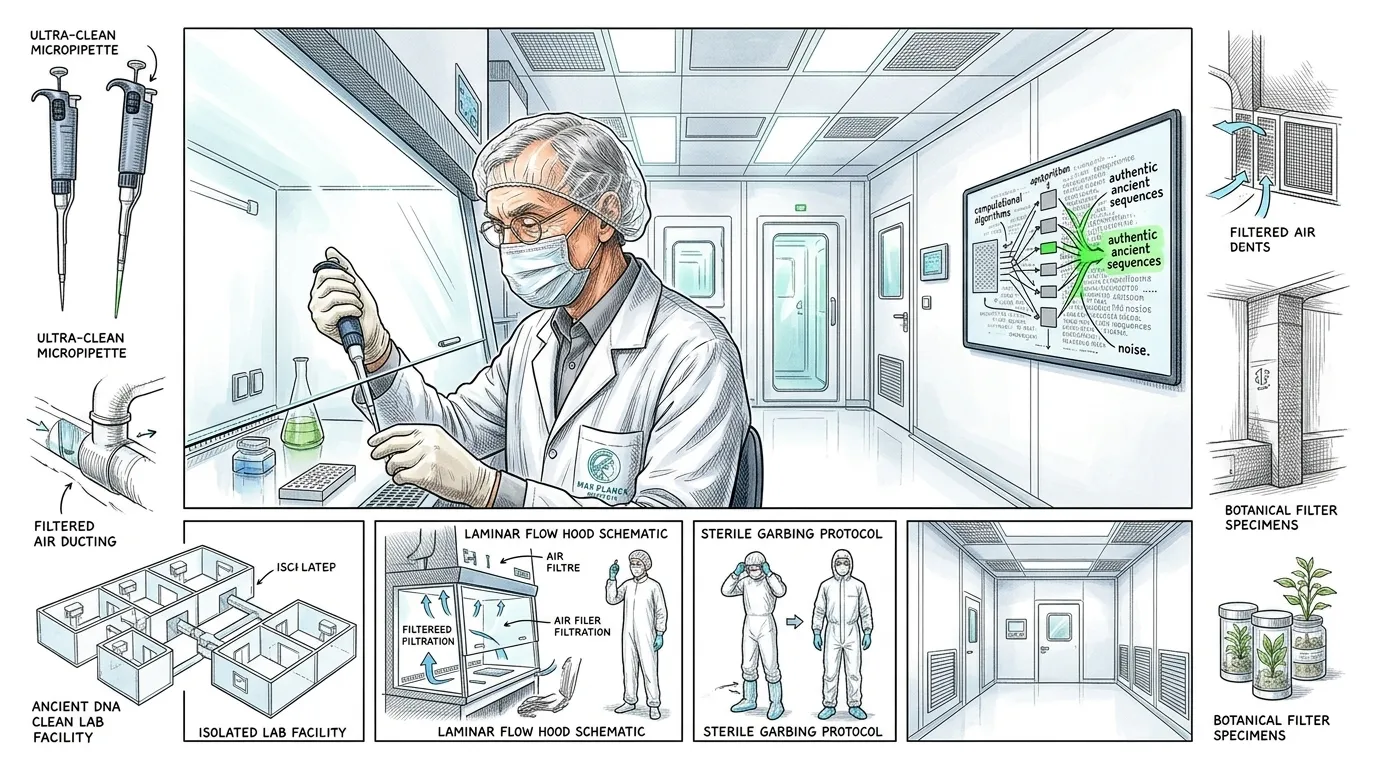
To overcome contamination, Pääbo and his team pioneered extreme sterile protocols, creating 'clean rooms' that rivaled those used in semiconductor manufacturing. Every tool, every surface, every researcher was meticulously decontaminated. This stringent approach minimized modern human DNA introduction, allowing the faint signals of ancient DNA to emerge. They also developed advanced computational methods to sift through vast amounts of data, identifying authentic ancient sequences amidst the noise. This methodological rigor became the gold standard for all future ancient DNA studies.
Page 5
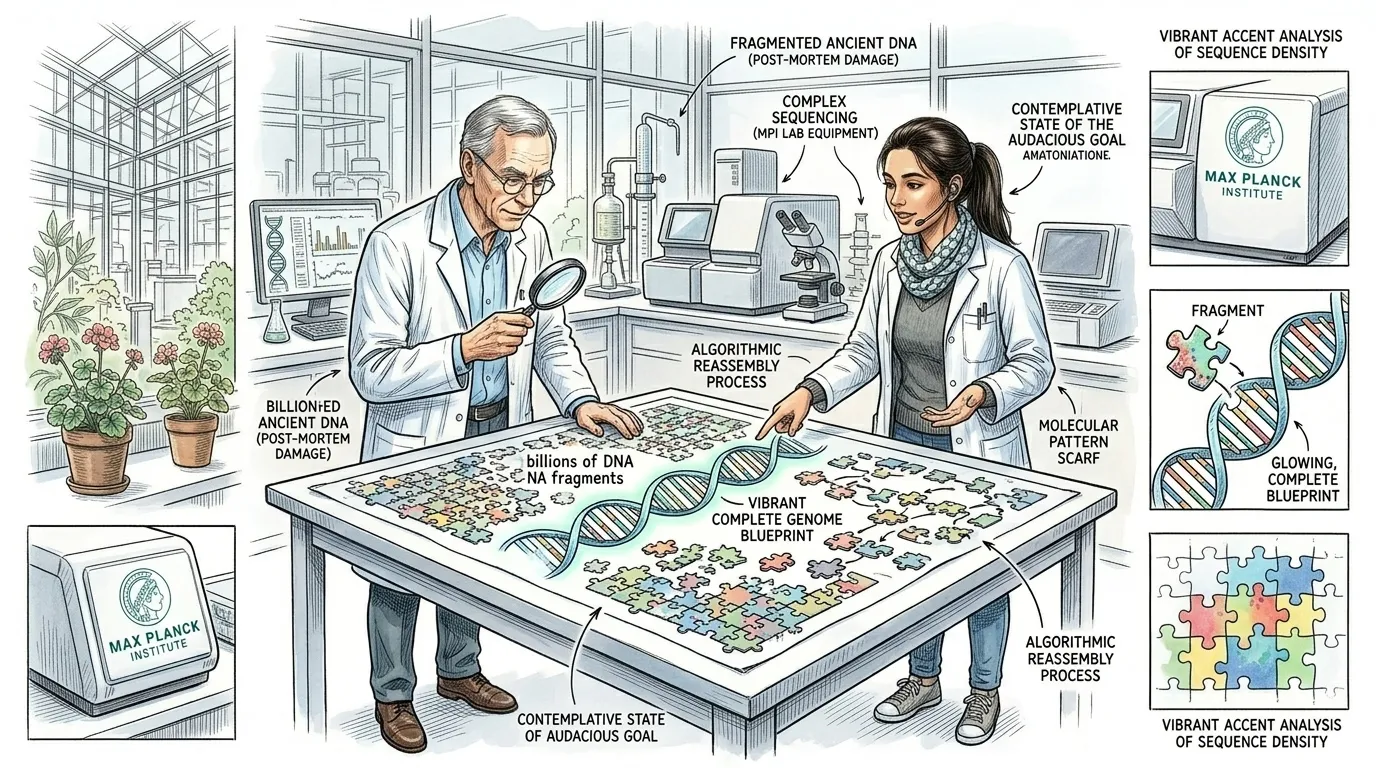
The audacious goal of sequencing the entire Neanderthal nuclear genome required an unprecedented leap. This massive undertaking, launched in 2006, involved processing billions of DNA fragments from just a few grams of bone powder. Each fragment was a tiny puzzle piece, often damaged or incomplete, demanding specialized algorithms to reassemble them into a coherent blueprint. This multi-year endeavor at the Max Planck Institute transformed paleogenomics from a niche field into a central discipline in human evolutionary studies, providing the first comprehensive look into the genetic makeup of an extinct hominin.
Page 6
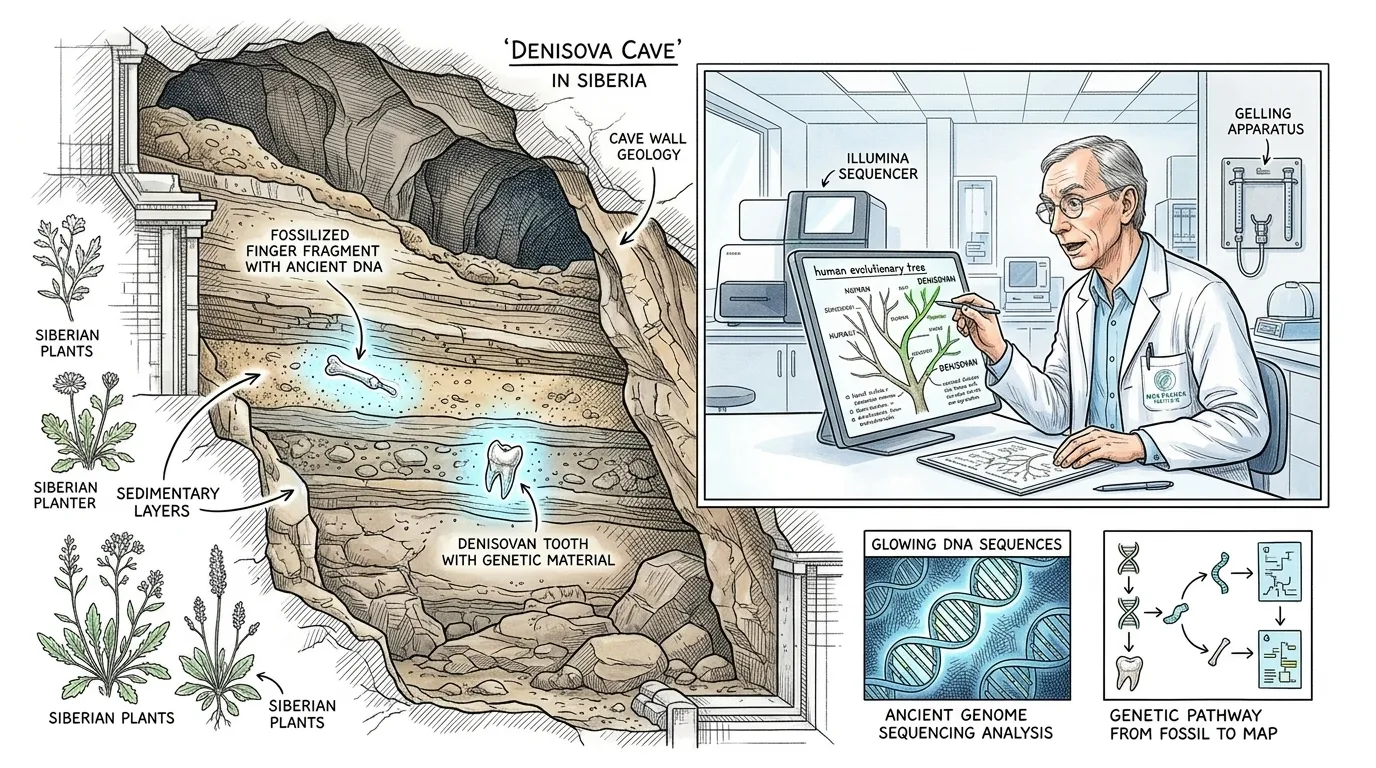
Just as the Neanderthal genome project neared completion, an unexpected discovery from a Siberian cave rewrote even more history. A tiny finger bone and a tooth from Denisova Cave yielded DNA unlike any known human or Neanderthal. Pääbo's team sequenced this 'Denisovan' genome, revealing a previously unknown archaic human group. This monumental finding, published in 2010, demonstrated that multiple hominin lineages coexisted and interacted across Eurasia, further complicating the tapestry of human ancestry. It was an entirely new branch on the human evolutionary tree, unveiled from a mere fragment of bone.
Page 7
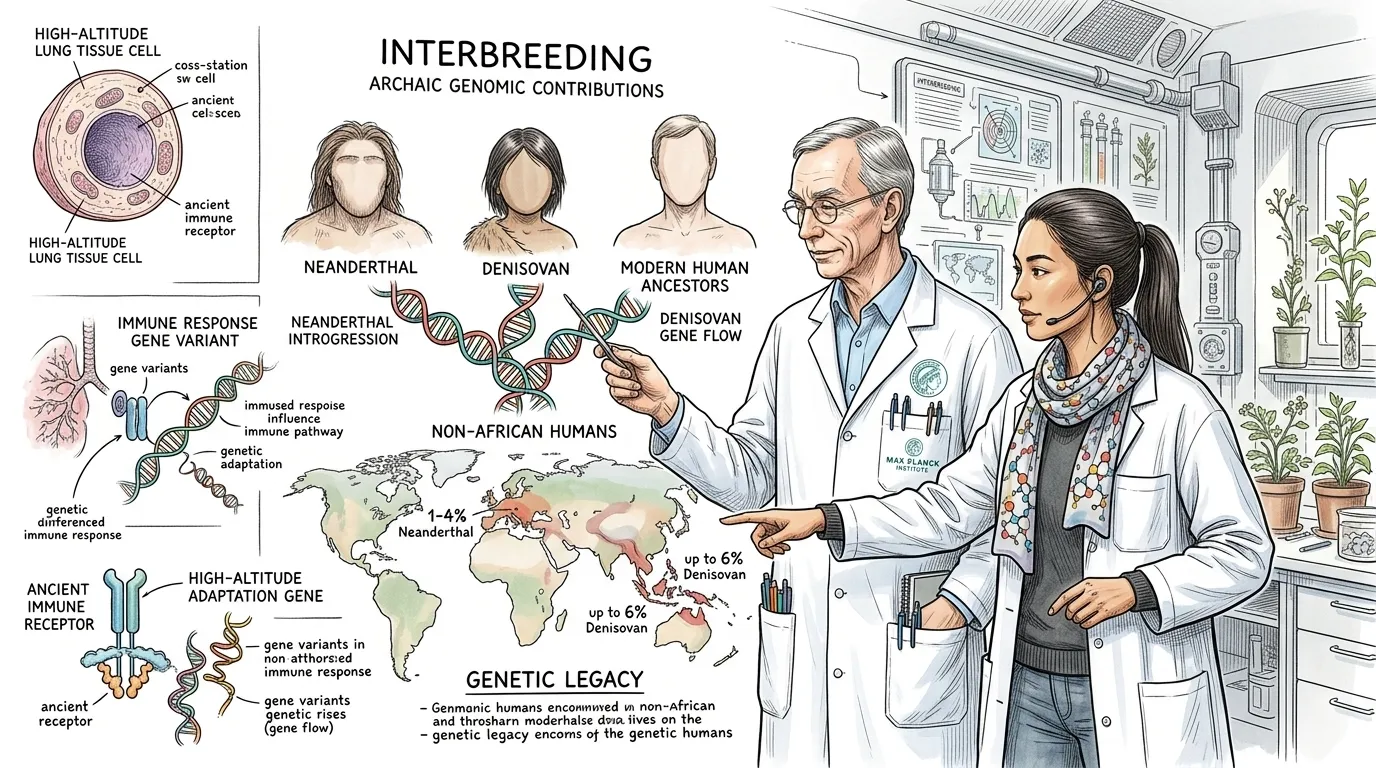
The full Neanderthal and Denisovan genomes delivered a profound revelation: our ancestors interbred. Modern non-African humans carry 1-4% Neanderthal DNA, while some populations in Asia and Oceania possess up to 6% Denisovan ancestry. This admixture signifies a much richer and more complex human story, challenging the previous linear model of human evolution. Pääbo's work not only sequenced ancient genomes but illuminated the genetic legacy of these encounters, influencing traits from immune response to high-altitude adaptation in living people today. The echoes of these ancient meetings still resonate within us.
Page 8
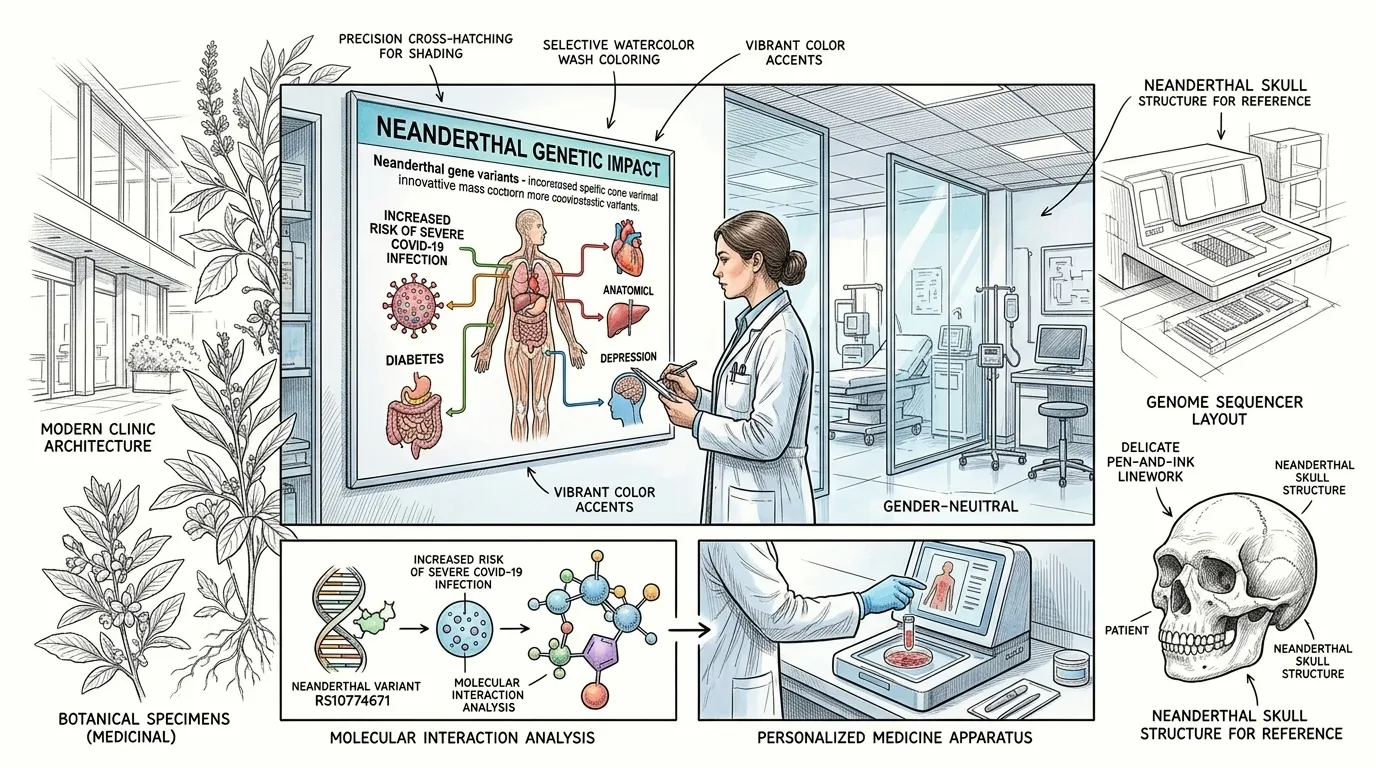
The implications of Pääbo's work extend far beyond anthropology into the realm of medicine and public health. By identifying specific Neanderthal and Denisovan gene variants that persist in modern humans, scientists can now investigate their impact on susceptibility to diseases. For instance, some Neanderthal gene variants have been linked to an increased risk of severe COVID-19 infection, while others might influence conditions like diabetes or depression. Understanding this genetic heritage provides critical insights into our predispositions to certain illnesses, guiding personalized medicine and public health strategies. This deep past directly informs our present health.
Page 9
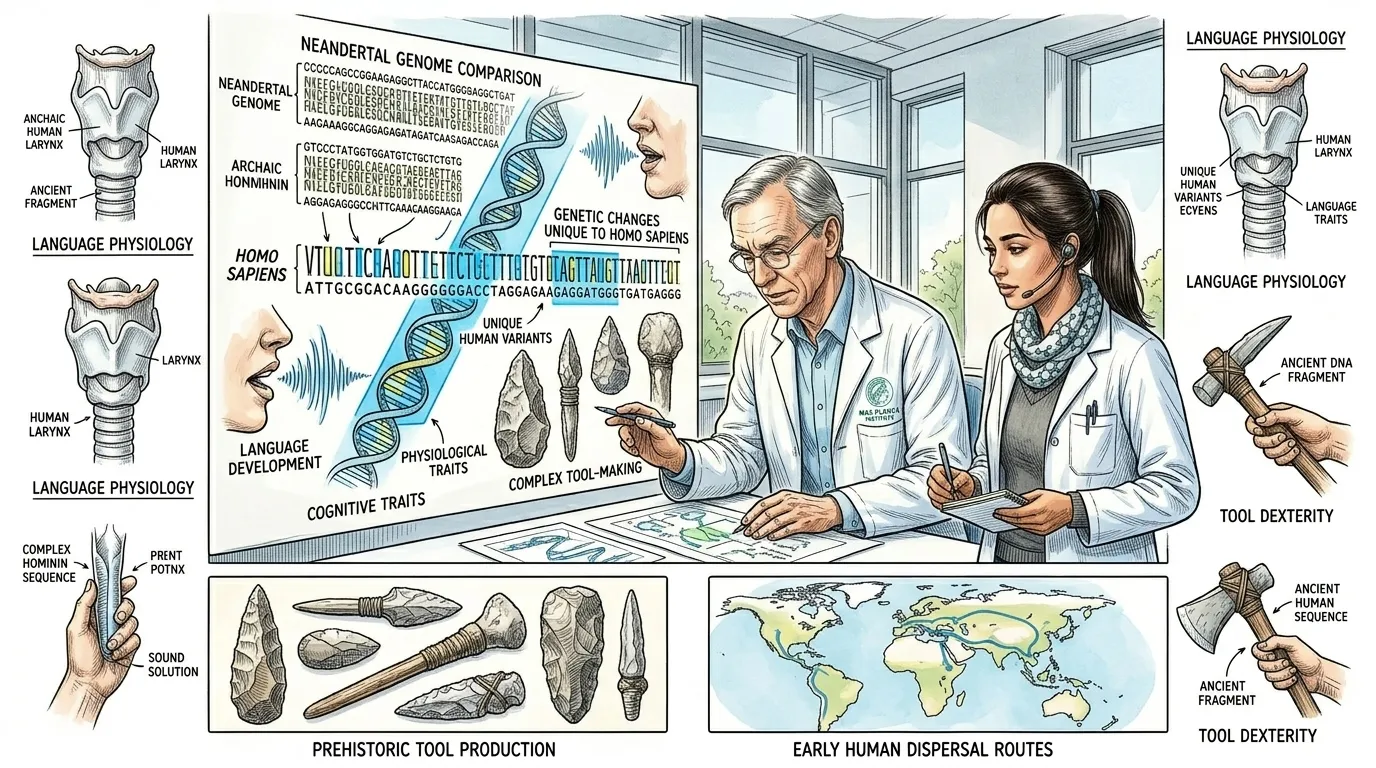
Beyond shared genes, Pääbo's research also highlighted what makes us uniquely human. By comparing the genomes of Neanderthals, Denisovans, and modern humans, scientists identified a mere handful of genetic changes unique to Homo sapiens that arose after our divergence from archaic hominins. These specific alterations are now the focus of intense investigation, as they likely underlie the cognitive and physiological traits that define our species. From language development to complex tool-making, the subtle shifts in our DNA hold clues to the emergence of modern human behavior and our unparalleled capacity for culture and innovation.
Page 10
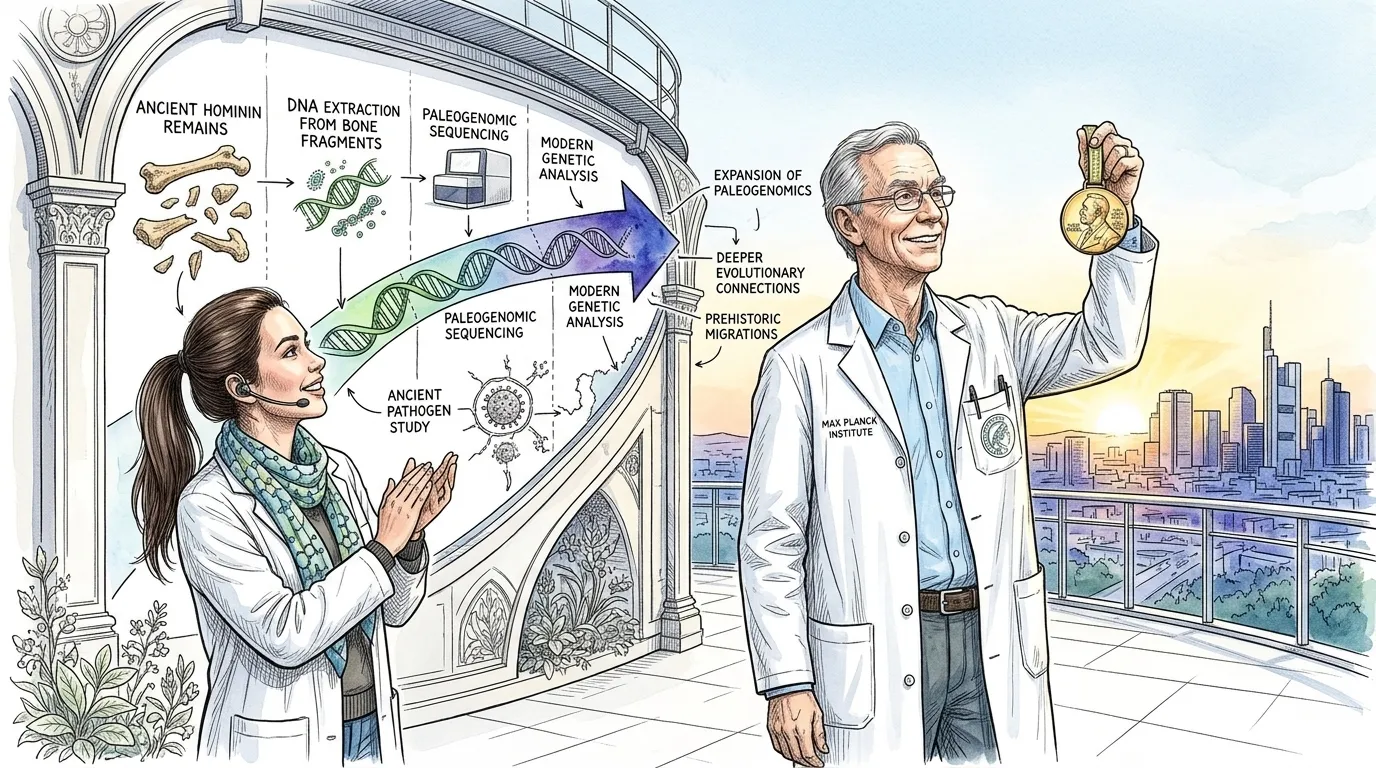
Svante Pääbo's pioneering work fundamentally reshaped our understanding of human history and evolution, earning him the Nobel Prize in Physiology or Medicine in 2022. His development of methods to extract, analyze, and interpret ancient DNA has not only allowed us to encounter our extinct relatives but has also opened a new field: paleogenomics. This field continues to expand, pushing the temporal limits of DNA preservation and applying ever more sophisticated techniques to reveal deeper evolutionary connections. From ancient pathogens to prehistoric migrations, the genetic echoes of the past continue to speak, guided by the foundational breakthroughs forged by Pääbo and his team, forever linking our present to a once-unreachable past.
About this story
- Location: Global
- Audience: general readers
Read Wonder Science on your phone
Wonder Science is available on Android. Get Wonder Science on Google Play.