Who were the pharaohs of Egypt in order?
Ancient Egypt's pharaohs ruled for over 3,000 years, a succession of kings and queens shaping one of history's great civilizations.
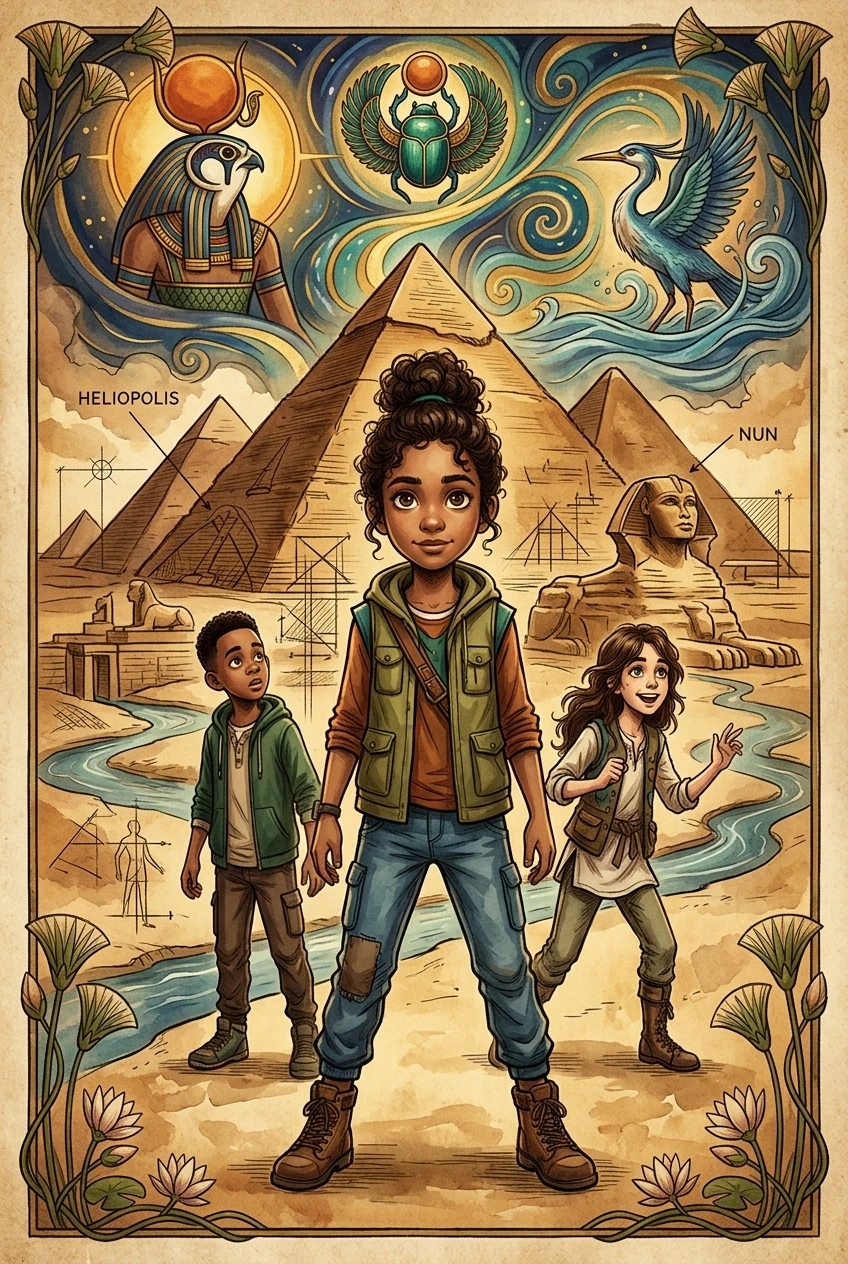
The pharaohs of Egypt were the rulers of ancient Egypt, a line of kings and queens who governed the land for over 3,000 years, from approximately 3100 BCE to 30 BCE. While listing every single pharaoh in precise order is a monumental task due to the sheer number and historical gaps, their reigns are typically grouped into dynasties and broader periods like the Old, Middle, and New Kingdoms, each marked by powerful and influential rulers who left lasting legacies.
- That pharaohs were always powerful, male kings.
- That there's a simple, unbroken list of pharaohs from start to finish.
- That all pharaohs built pyramids as their tombs.
- That Cleopatra was the last pharaoh of a long, purely Egyptian line.
Egypt is a land of paradoxes, where the dead are more alive than the living.
Pharaohs were not always powerful male kings
While many of Egypt's most famous pharaohs were indeed powerful men, the history of ancient Egypt also includes significant female rulers. Women like Sobekneferu, who reigned during the late Middle Kingdom, and Hatshepsut, a formidable New Kingdom pharaoh, held the full title and authority of pharaoh. Hatshepsut, in particular, often depicted herself with traditional male pharaonic regalia, asserting her divine right to rule. Our story Hatshepsut and the Voyage to Punt delves into her remarkable reign and achievements, including a famous trading expedition. There were also periods of weaker rule, civil unrest, or foreign domination where the pharaoh's power was diminished or shared, challenging the idea of an unbroken line of absolute male rulers.
The order of pharaohs is complex, with gaps and concurrent rules
The idea of a single, continuous list of pharaohs is appealing, but the reality is more intricate. Ancient Egyptian history is divided into over 30 dynasties, with periods of stability (like the Old, Middle, and New Kingdoms) interspersed with 'Intermediate Periods' marked by political fragmentation, civil war, and sometimes multiple rulers claiming the throne simultaneously. For example, during the Second Intermediate Period, there were Hyksos rulers in the North and native Egyptian pharaohs in the South. Early pharaohs like Narmer, credited with unifying Egypt, began a long line of rulers. Later, famous pharaohs like Ramesses II, subject of Ramesses II, and his son Seti I, featured in Seti I, ruled during the New Kingdom, a period of great imperial power. The discovery of the boy king Tutankhamun's tomb, as explored in Tutankhamun: The Tomb the Robbers Missed, revealed a pharaoh whose brief reign was part of a dynamic and sometimes turbulent 18th Dynasty. To explore more about the history of this fascinating civilization, you can visit Wonder Egypt.
Not all pharaohs built pyramids, and Cleopatra was not purely Egyptian
The iconic pyramids are primarily associated with the Old Kingdom, with pharaohs like Khufu, for whom Khufu is named, building the Great Pyramid of Giza. However, later pharaohs preferred different burial structures, such as rock-cut tombs in the Valley of the Kings. The pharaohs of the New Kingdom, including Akhenaten (Akhenaten) and Thutmose III (Thutmose III), were buried in elaborately decorated underground tombs. Even later, during the Ptolemaic Dynasty, the pharaohs adopted Greek and Roman burial customs. Cleopatra VII: The Last Pharaoh tells the story of the very last pharaoh of Egypt, Cleopatra VII. While she ruled Egypt, she was ethnically Greek, a descendant of Ptolemy I Soter, one of Alexander the Great's generals. Her dynasty, the Ptolemaic dynasty, ruled Egypt for nearly 300 years after Alexander's death, marking the final chapter of ancient Egyptian pharaonic rule before Roman annexation. The Battle of Kadesh, featured in The Battle of Kadesh, highlights a significant military conflict long before Cleopatra's time, demonstrating the long and varied military history under pharaonic rule.
What to remember about the pharaohs of Egypt
The pharaohs of Egypt represent a continuous, yet incredibly varied, line of rulers spanning millennia. Their reigns saw the construction of monumental architecture, periods of vast empire, and profound cultural and religious development. While the exact order of every single ruler can be complex and is still being refined by archaeologists and historians, understanding the major dynasties and the most influential pharaohs provides a clear picture of this enduring civilization. From the earliest unifiers to the last Greek-speaking queen, the pharaohs shaped Egypt's destiny.
Frequently Asked Questions
What was the role of a pharaoh in ancient Egypt?
The pharaoh was considered a divine ruler, a living god who served as the intermediary between the gods and the people. They were the supreme political, religious, and military leader, responsible for maintaining Ma'at (cosmic order and justice) and ensuring the prosperity of Egypt through religious rituals, lawmaking, and defense.
How long did the pharaonic period last?
The pharaonic period of ancient Egypt lasted for approximately 3,000 years, beginning with the unification of Upper and Lower Egypt around 3100 BCE and ending with the death of Cleopatra VII in 30 BCE, after which Egypt became a Roman province.
Were all pharaohs buried in pyramids?
No, not all pharaohs were buried in pyramids. The grand pyramids were primarily built during the Old Kingdom. Later pharaohs, especially during the New Kingdom, preferred elaborate rock-cut tombs in places like the Valley of the Kings, designed to be hidden and protected from tomb robbers.