Top 5 Wonder History Stories About Dramatic Turning Points
Five real, illustrated Wonder History stories about dramatic turning points — ranked, with a real cover and description for each, out of 20 in the category.
Wonder History currently has 20 illustrated stories filed under Dramatic Turning Points. These five are a real, representative starting point — not the whole shelf, but enough to know if the category is for you.
About Dramatic Turning Points
Most of history is gradual, which is exactly why historians pay special attention to the moments that weren't — a single decision, discovery or event after which the available path forward genuinely narrowed. A turning point is different from a merely important event: it's the specific moment historians can point to and say the range of what could plausibly happen next was permanently smaller than it was the day before.
Identifying a real turning point, rather than an event that simply felt dramatic at the time, is one of the harder judgment calls in historical writing — it requires knowing what actually followed, not just what people expected to follow, which is why the most reliable turning-point stories are written with the benefit of everything that came after already known.
The Five, Ranked
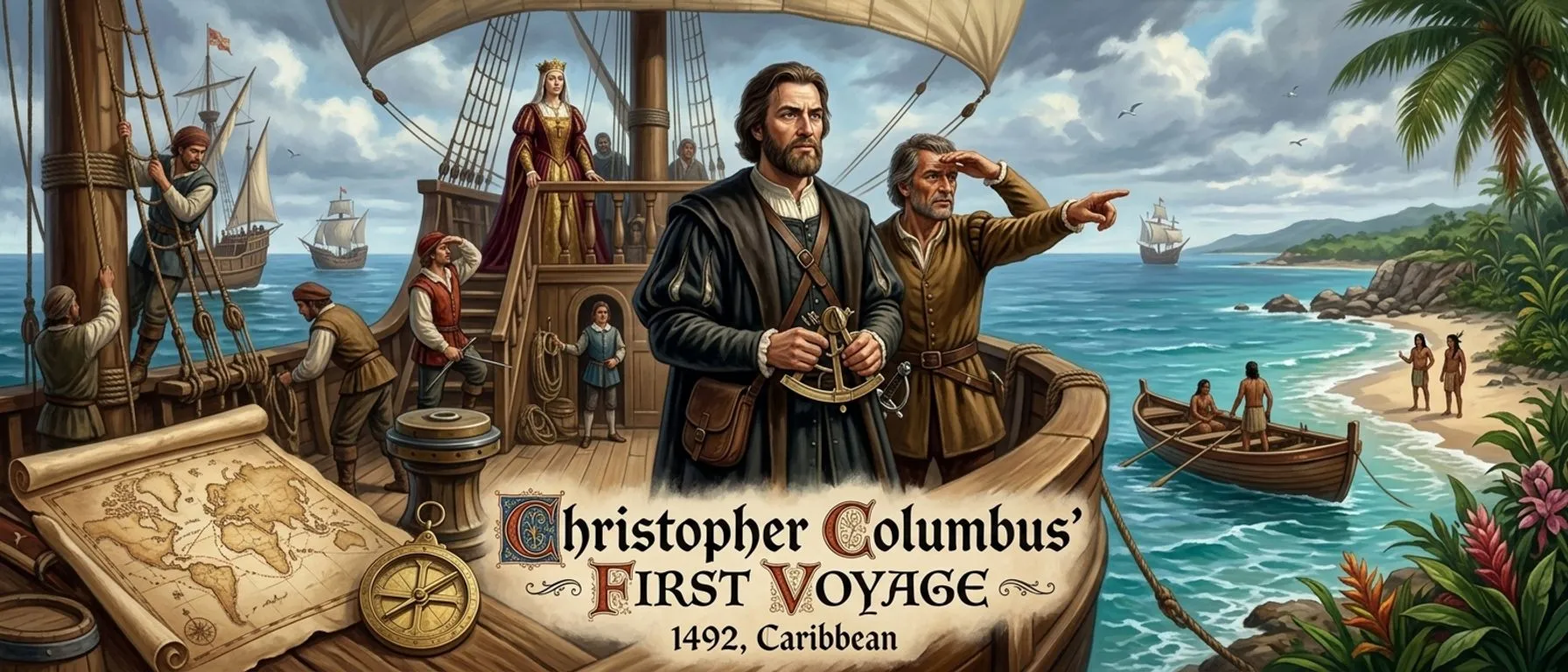
Christopher Columbus’ First Voyage — Caribbean (1492, Caribbean) →
Christopher Columbus’ First Voyage — Caribbean (1492, Caribbean) — an illustrated story from Wonder History, free to read.
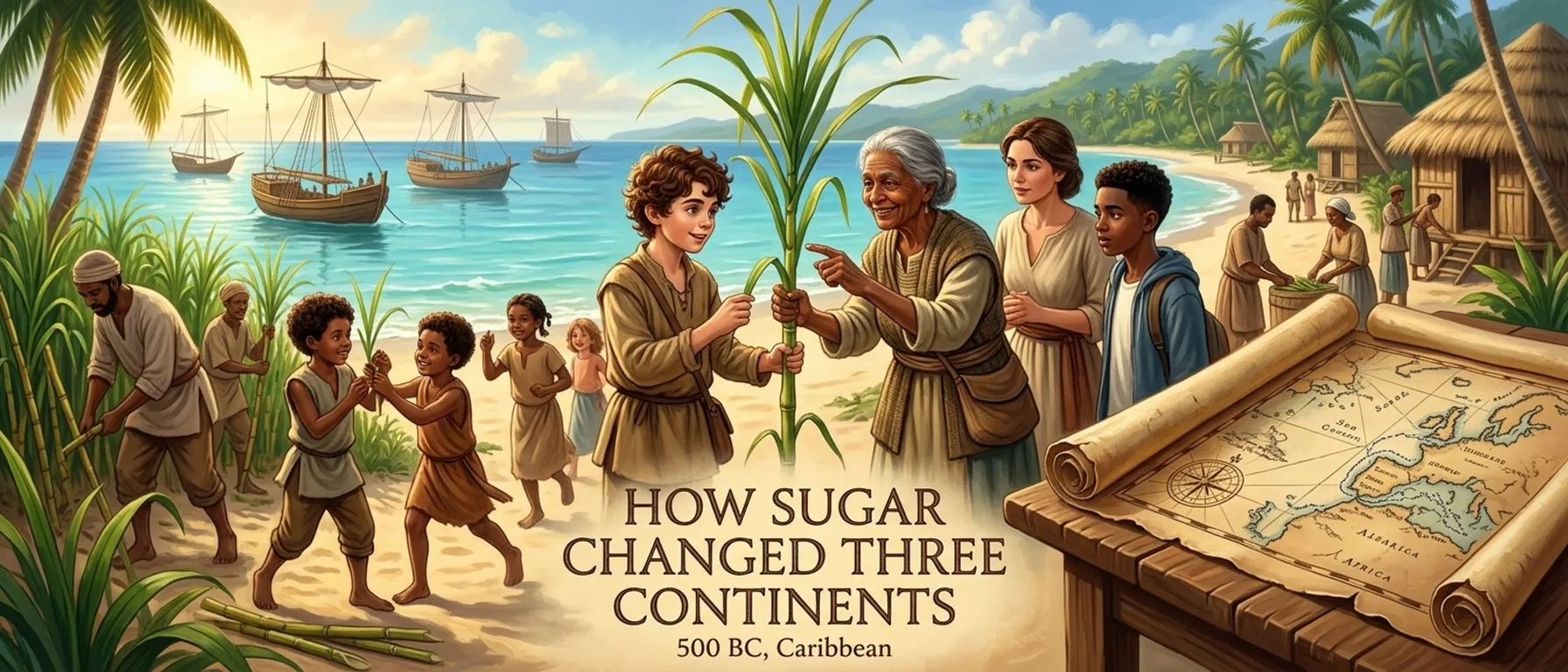
How Sugar Changed Three Continents (500 BC, Caribbean) →
How Sugar Changed Three Continents (500 BC, Caribbean) — an illustrated story from Wonder History, free to read.

The Discovery of the New World (1492, Europe) →
The Discovery of the New World (1492, Europe) — an illustrated story from Wonder History, free to read.

The First Public Water Systems (312 BC, Rome) →
The First Public Water Systems (312 BC, Rome) — an illustrated story from Wonder History, free to read.
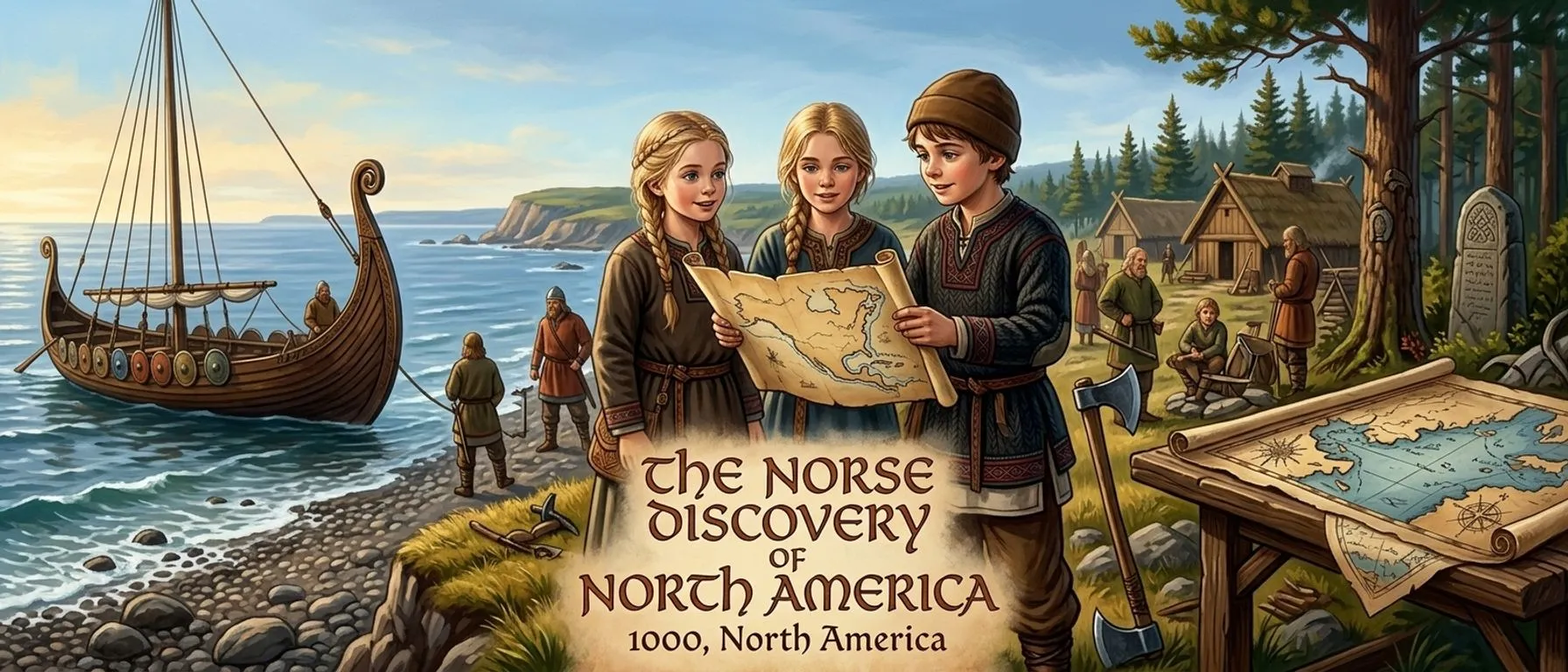
The Norse Discovery of North America (1000, North America) →
The Norse Discovery of North America (1000, North America) — an illustrated story from Wonder History, free to read.
Illustrated and narrated
Every one of these is a full illustrated story, not a summary — real page-by-page artwork with narrated audio built for the same page, in the same production pipeline used across all twelve WonderBooks libraries. Narration is measured-true for English today, with French, German, Spanish and Italian in production — every story's text is translated more broadly than that. See the FAQ below for the exact, current state rather than a blanket claim.
Frequently Asked Questions
What makes an event a "turning point" rather than just a big event?
A turning point is one where the range of realistic outcomes afterward was meaningfully narrower than before it happened — not simply an event that felt significant at the time.
Are these connected to other Wonder History categories?
Often, yes — a turning point frequently overlaps with a war, a treaty or an empire's decline covered elsewhere in the library.
Is each story historically accurate?
Yes — Wonder History's story-generation process requires full historical accuracy; no fictional or invented turning points are included.