Bread and Beer
Bread and Beer — an illustrated history story. 10 illustrated pages, free to read on Wonder Egypt.
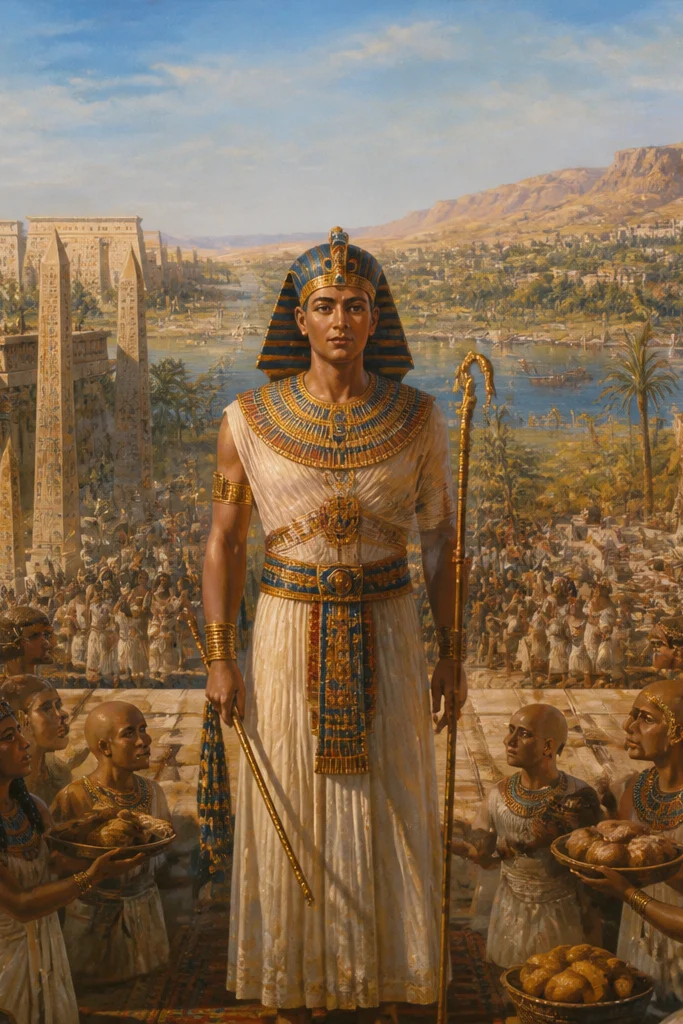
Page 1 — Bread and Beer: Sustenance of an Empire
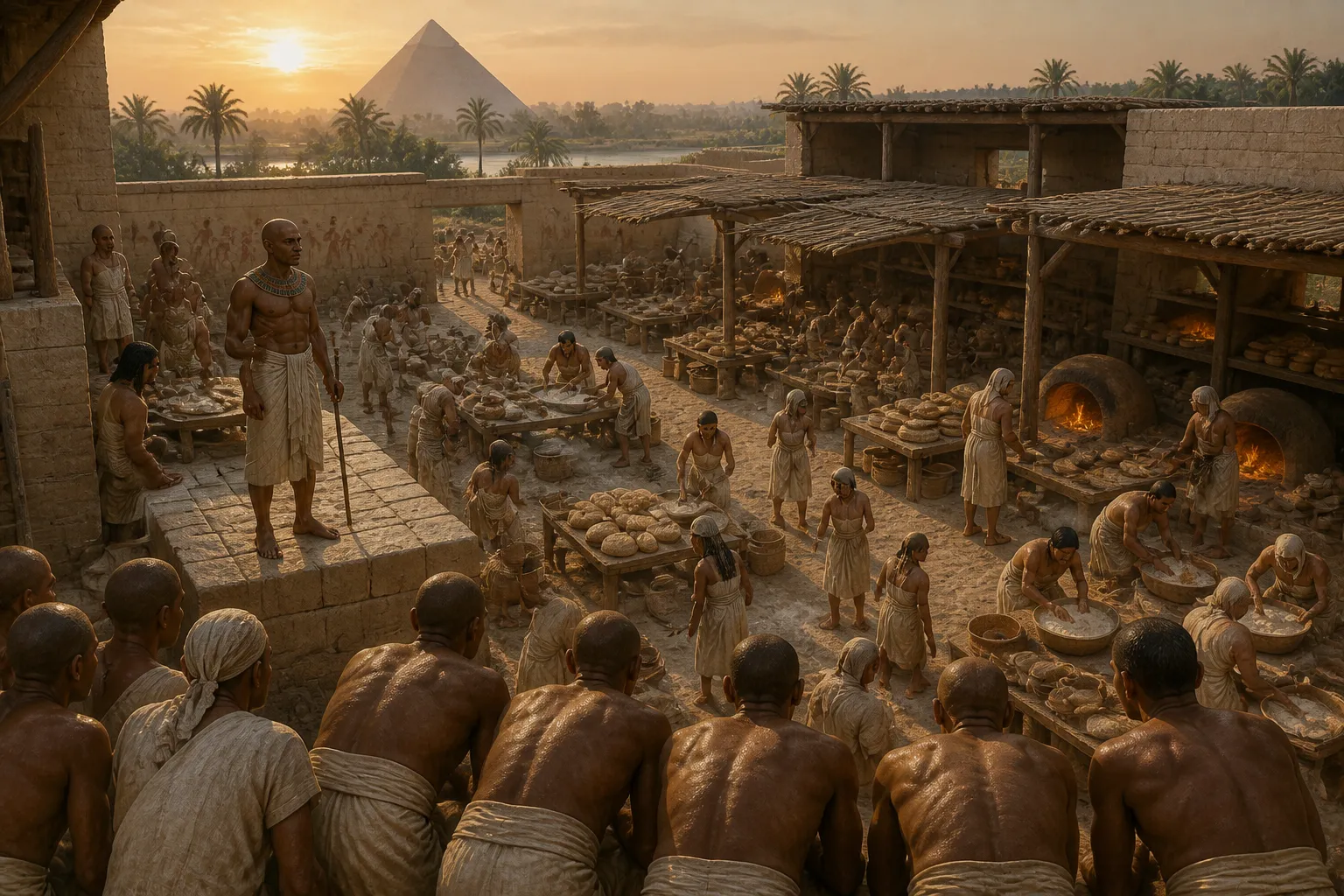
In ancient Egypt, from the grandeur of the Old Kingdom to the innovations of the New Kingdom, life was sustained by humble means. The land of the pharaohs, with its colossal temples and towering pyramids, thrived on bread and beer. These staples, crafted from the fertile harvests of the Nile, were not mere sustenance but vital currency. As the workers at Giza labored under the shadow of the great pyramids, their energy was fueled by the loaves and jars produced painstakingly each day. In Amarna, during Akhenaten's reign, the vision of a utopian society was no different as the daily grind of women at the quern filled the air with a rhythmic music, steeped in tradition as ancient as the desert sands.
Scribe Kenherkhepeshef remarked, 'Our debt to the loaves is engraved in every stone we raise.'
Page 2 — The Giza Bakery Gangs
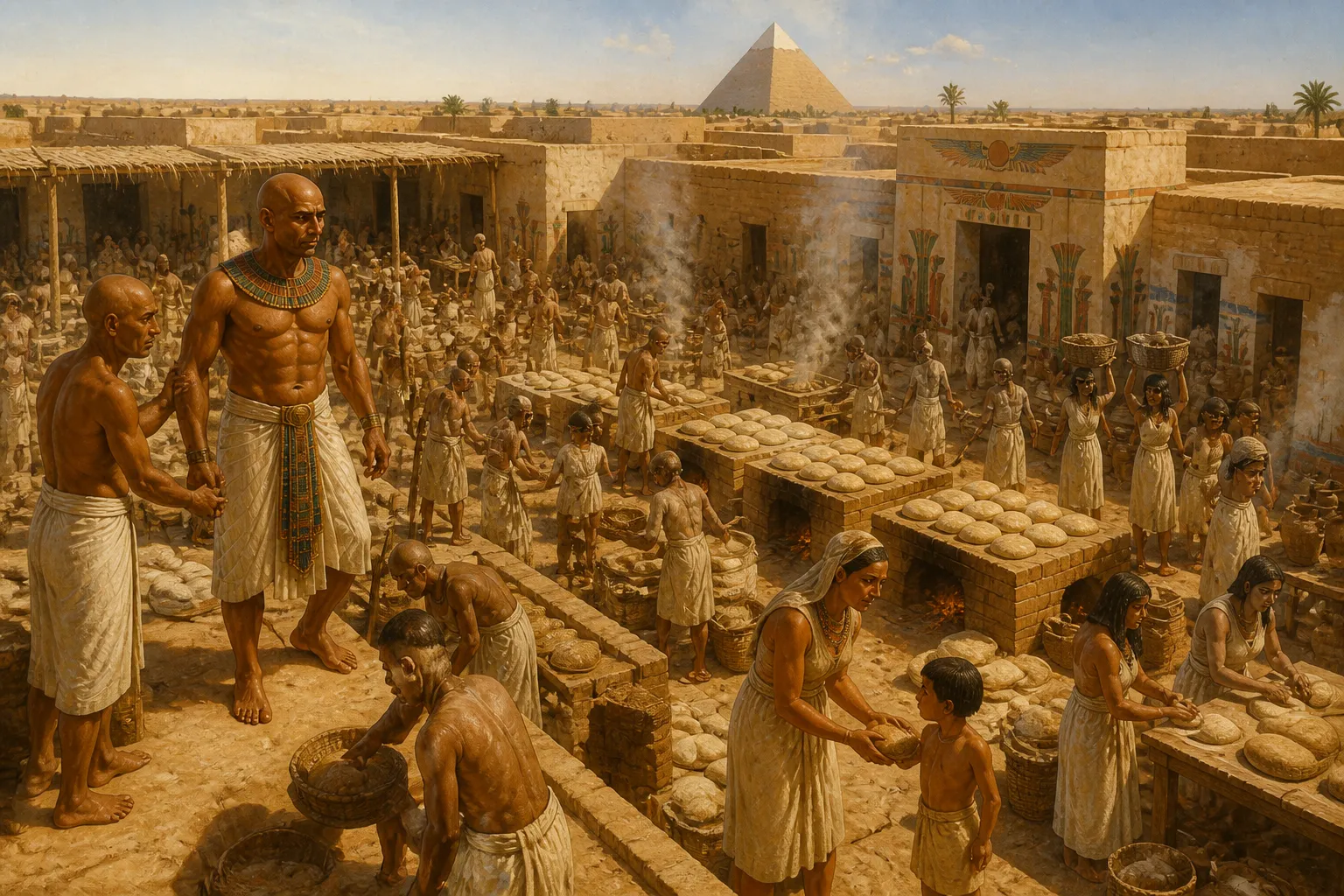
In the shadow of the pyramids, the bakeries of Giza hummed with ceaseless activity. These were no ordinary hearths; they were industrial complexes, essential to the pyramid construction's demands. Gangs of bakers, organized by overseers, worked tirelessly to produce a daily wage in the form of bread. Baked in their thousands, these loaves sustained the vast workforce whose efforts built Egypt's iconic edifices. As smoke drifted from the trenches where bread molds were fired, the air thickened with the smell of dough and ash, a sensory reminder of the connection between the unseen laborers and the monumental stones they nourished.
A foreman barked, 'Another thousand loaves before dusk! These stones do not raise themselves!'
Page 3 — The Women's Daily Grind
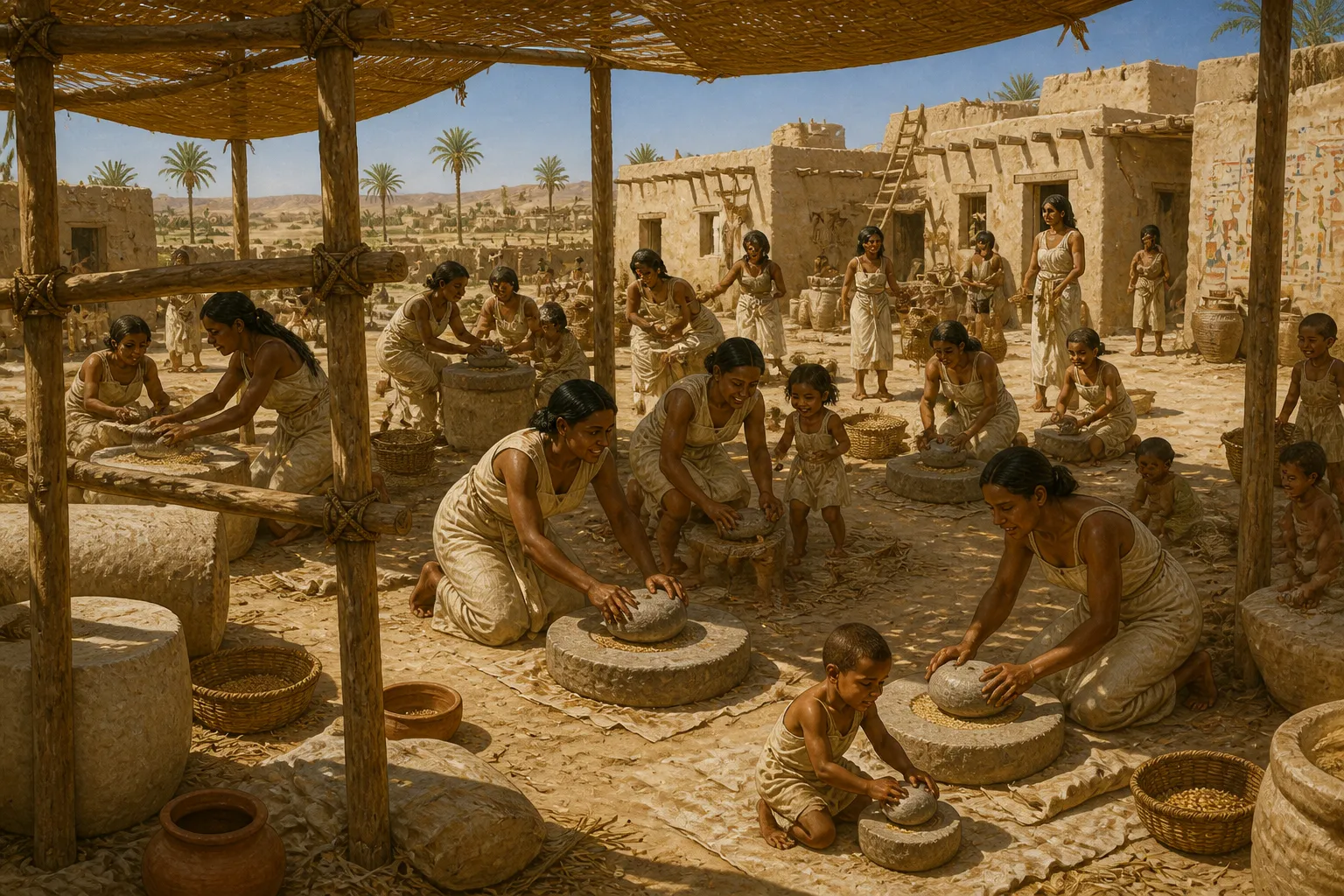
In the heart of Deir el-Medina, the clatter of quern stones formed a constant backdrop to daily life. Here, the women, resilient and diligent, were vital to bread production. Laboring at the saddle querns, they transformed emmer wheat into fine flour with each rhythmic pass of stone over stone. The grit infused into the flour was invisible to the eye but evident in the worn teeth of every excavated skull. As the sun beat down relentlessly, these women, clad in simple linen shifts, shared stories and laughter while their hands never ceased. Their dedication formed a foundation as monumental as the works they fed.
One woman chuckled, 'We grind our way into history, one loaf at a time.'
Page 4 — The Breweries of Amarna
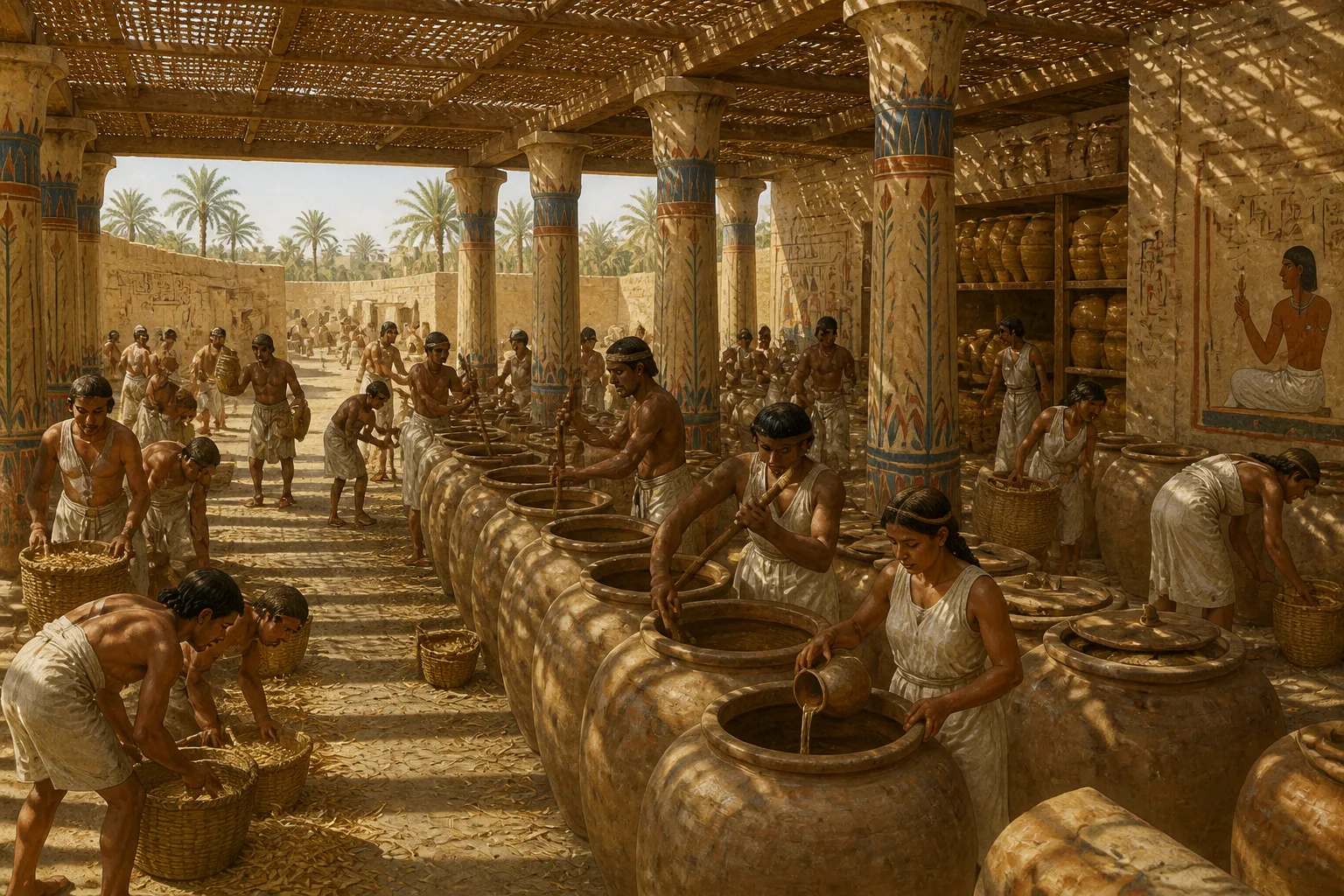
Amidst Akhenaten’s sunlit city of Amarna, breweries played a vital role in the societal machine. As the worship of Aten transformed religious landscapes, brewers transformed barley into robust beer, a staple of the daily diet. The skilled brewers, working in harmonious unison, mixed malt and water to ferment in massive jars, the aroma of barley mash mingling with the desert breeze. This beverage, both rich and nutritious, was crafted with precision. These brewers, both men and women, worked according to a shared purpose — sustaining a city built on visionary dreams and the promise of a new era.
A brewer remarked, 'The Aten sees our work; we brew life into this city.'
Page 5 — The Aftermath in Bone
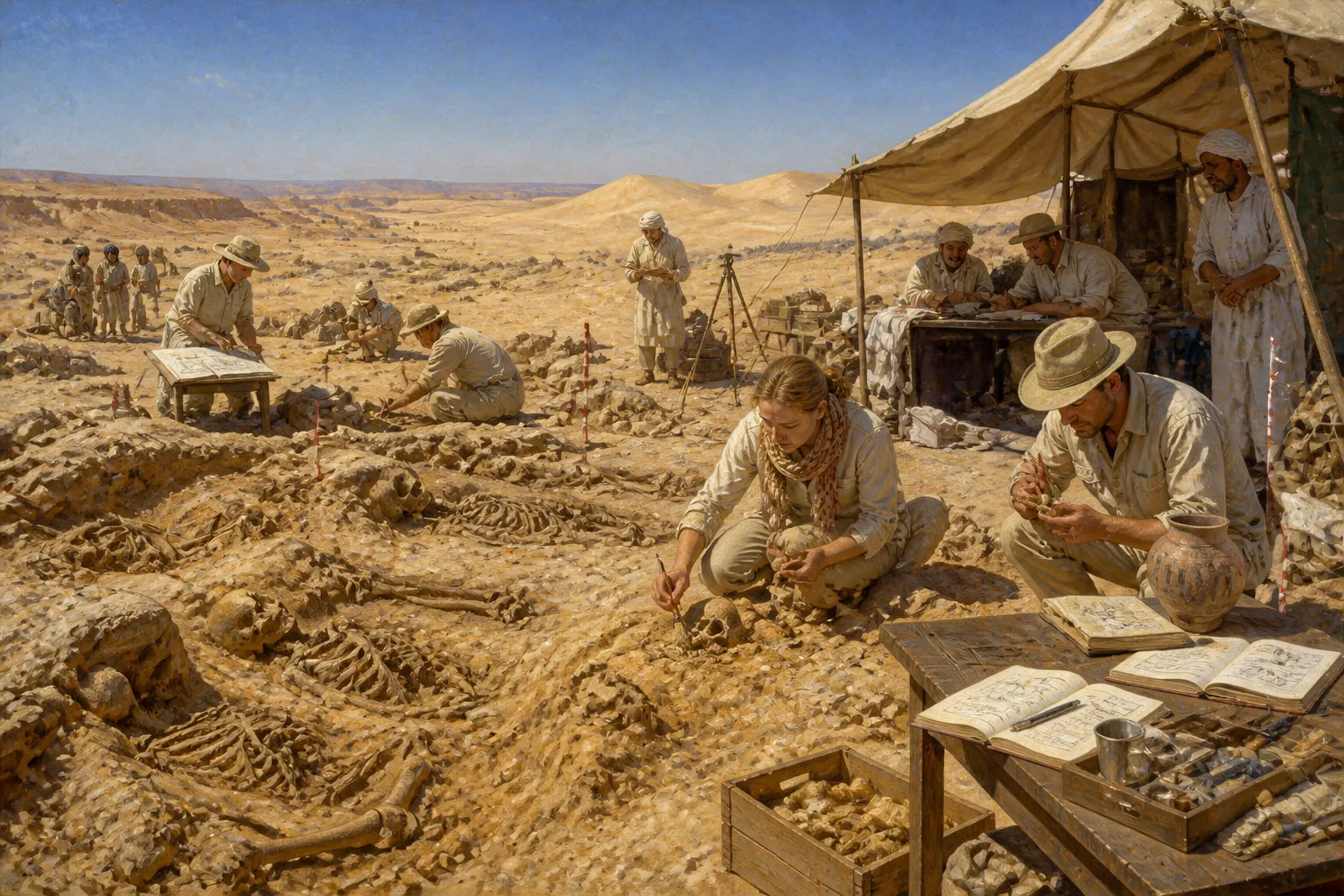
The legacy of Egypt’s bread and beer is etched in the very bones of its people. At an excavation site near Giza, archaeologists unearthing skeletons from both Giza and Deir el-Medina find jaws worn by grit and teeth ground to stubs. The bread consumed by ancient Egyptians was made from flour often mixed with sand and stone fragments, perhaps due to the grinding methods involving stone mills. This rough mixture caused significant dental wear, leading to pain and tooth loss. Yet, this sacrifice was endured as a necessity, ensuring survival in a land dominated by the ever-watchful eyes of its monumental pyramids and temples.
A scribe noted, 'Our diet feeds us yet leaves its mark deep beneath the flesh.'
Page 6 — Sustenance for Stonemasons
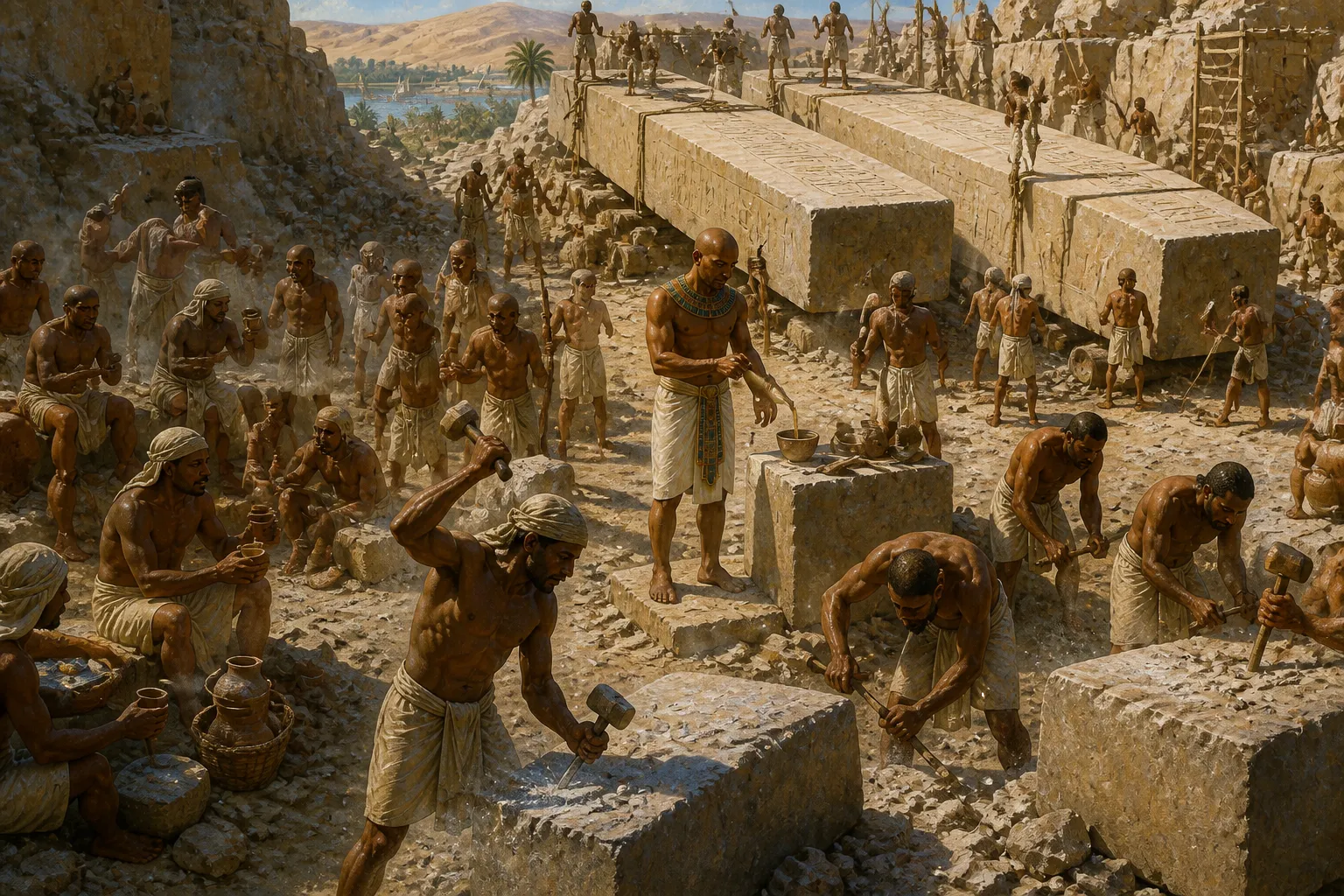
At the quarry face in Aswan, where the sun blazed overhead and the air was filled with the rhythmic clatter of chisels against stone, sustenance came from the humble loaf. Stonemasons, tasked with carving the colossal obelisks that would stand as eternal testaments to Pharaohs, relied on steady deliveries of bread and beer. During midday breaks, workers gathered in small groups, sharing meals that were as essential as the tools of their trade. Bread and beer were not mere indulgences; they were vital fuel, as indispensable as the very stones they shaped. Within this dusty landscape, life pulsed with the enduring rhythm of Egypt itself.
A stonecutter declared, 'Without bread, even granite yields more easily than the will.'
Page 7 — The Economy of Bread
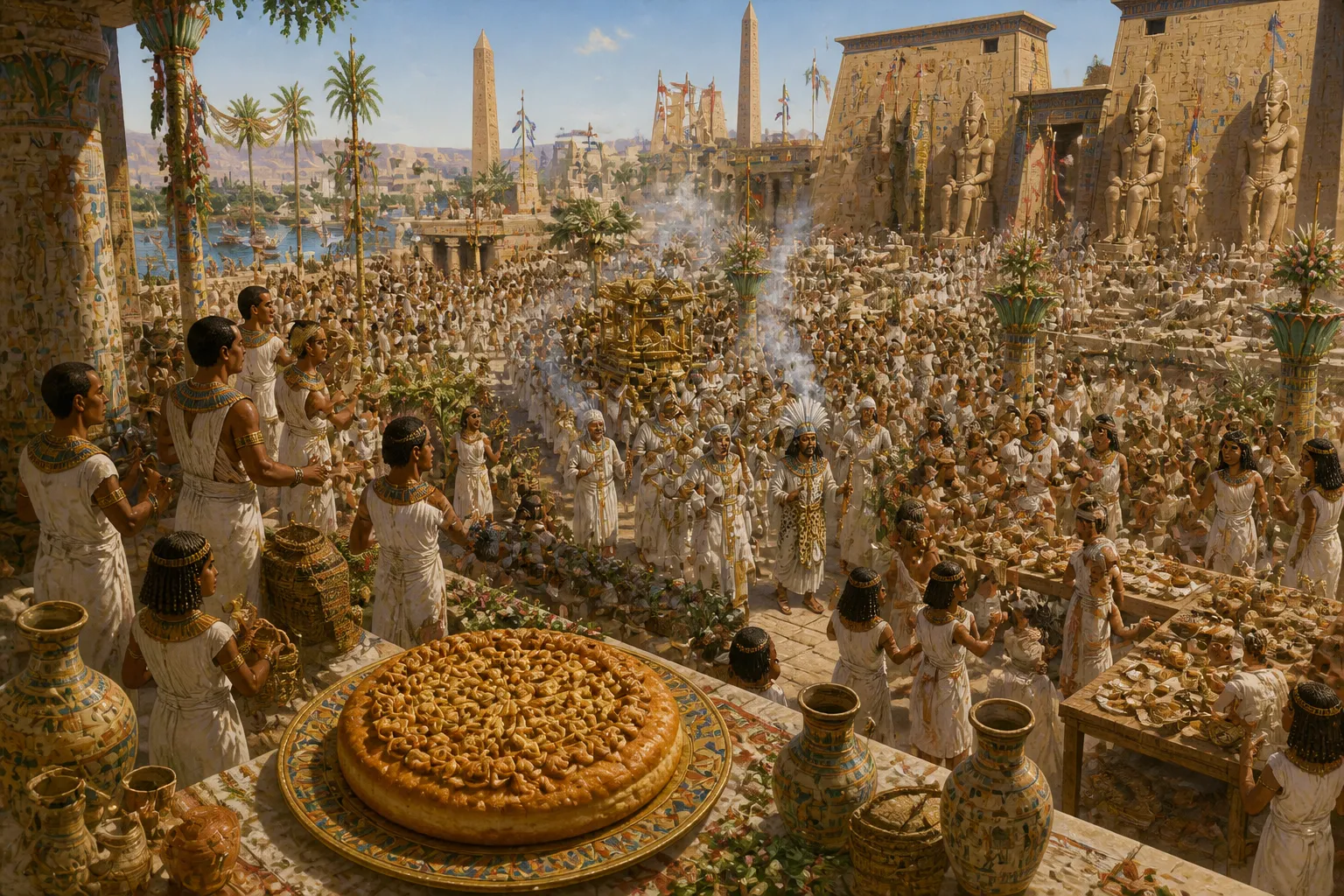
In the bustling markets of Thebes, the sounds of commerce filled the air as traders and merchants exchanged greetings amidst colorful stalls. Here, bread and beer acted as the currency of everyday life, less perishable than precious metals and more practical than coins. Traders offering wares from across the land of Egypt and beyond, often accepted loaves and jars in barter. Bread, crafted in countless shapes and flavors, wound its way into transactions, religious offerings, and even taxes. Among the cries of vendors and the jostling of buyers, the true wealth of Egypt was not counted in gold or grain, but in the loaves exchanged beneath the sun-drenched sky.
A merchant proclaimed, 'Bread is our true wealth — the measure of our lives.'
Page 8 — Nutritional Brew
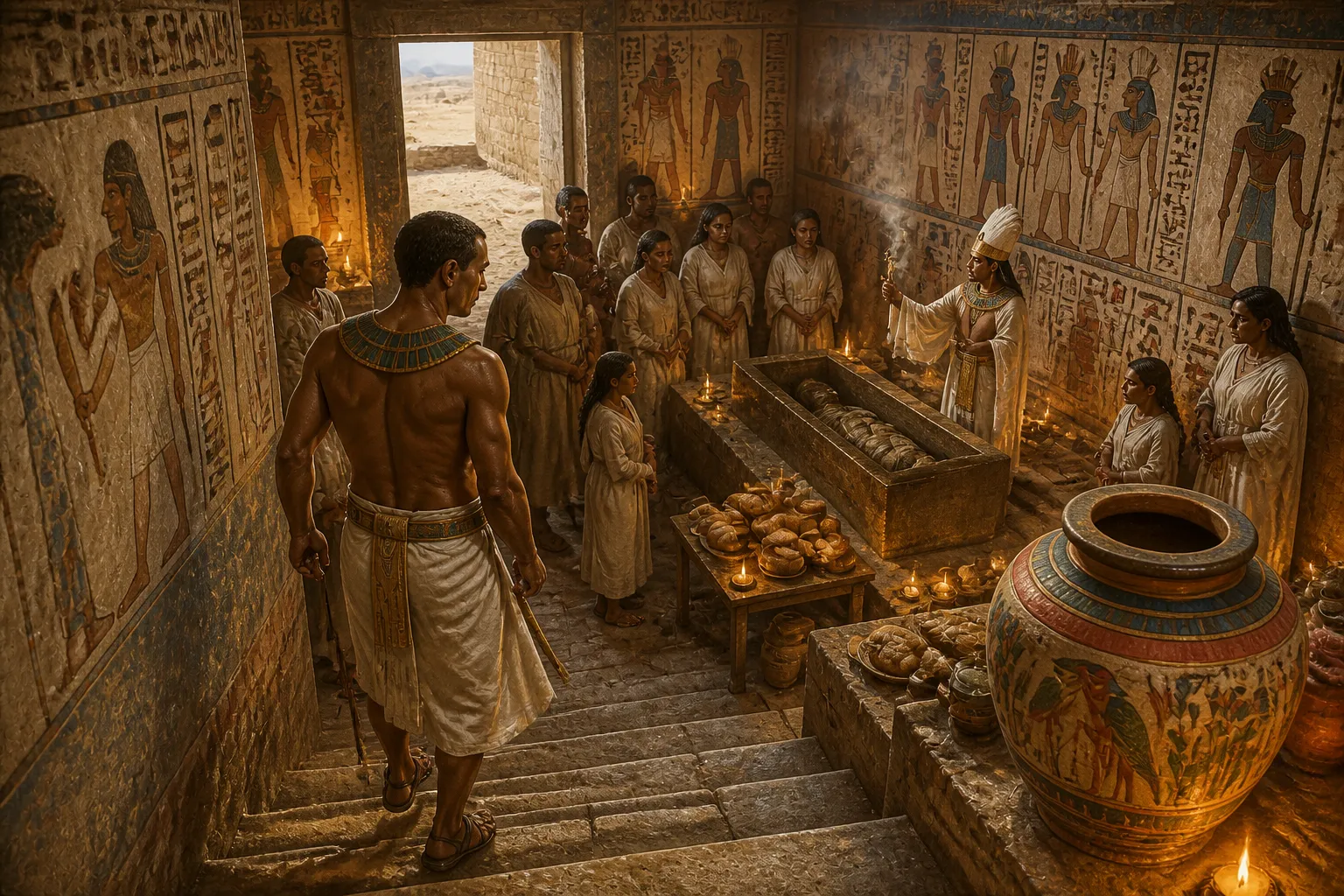
Beer, a cornerstone of the Egyptian diet, was far more than a mere refreshment; it was a crucial source of daily nutrition. Brewed with barley, the beverage was thick, featuring bits of grain that floated within. In the workmen's village of Amarna, where the demands of constructing grand edifices were relentless, beer was consumed daily, providing much-needed calories and nutrients. The brewers, skilled artisans in their own right, carefully adjusted flavors and strengths to meet the needs of their community. In each jar of this liquid bread, brewed with meticulous care and tradition, lay the sustenance for a civilization that left an indelible mark upon history.
A brewer advised, 'In each sip lies strength; drink and be renewed.'
Page 9 — The Ritual of Bread
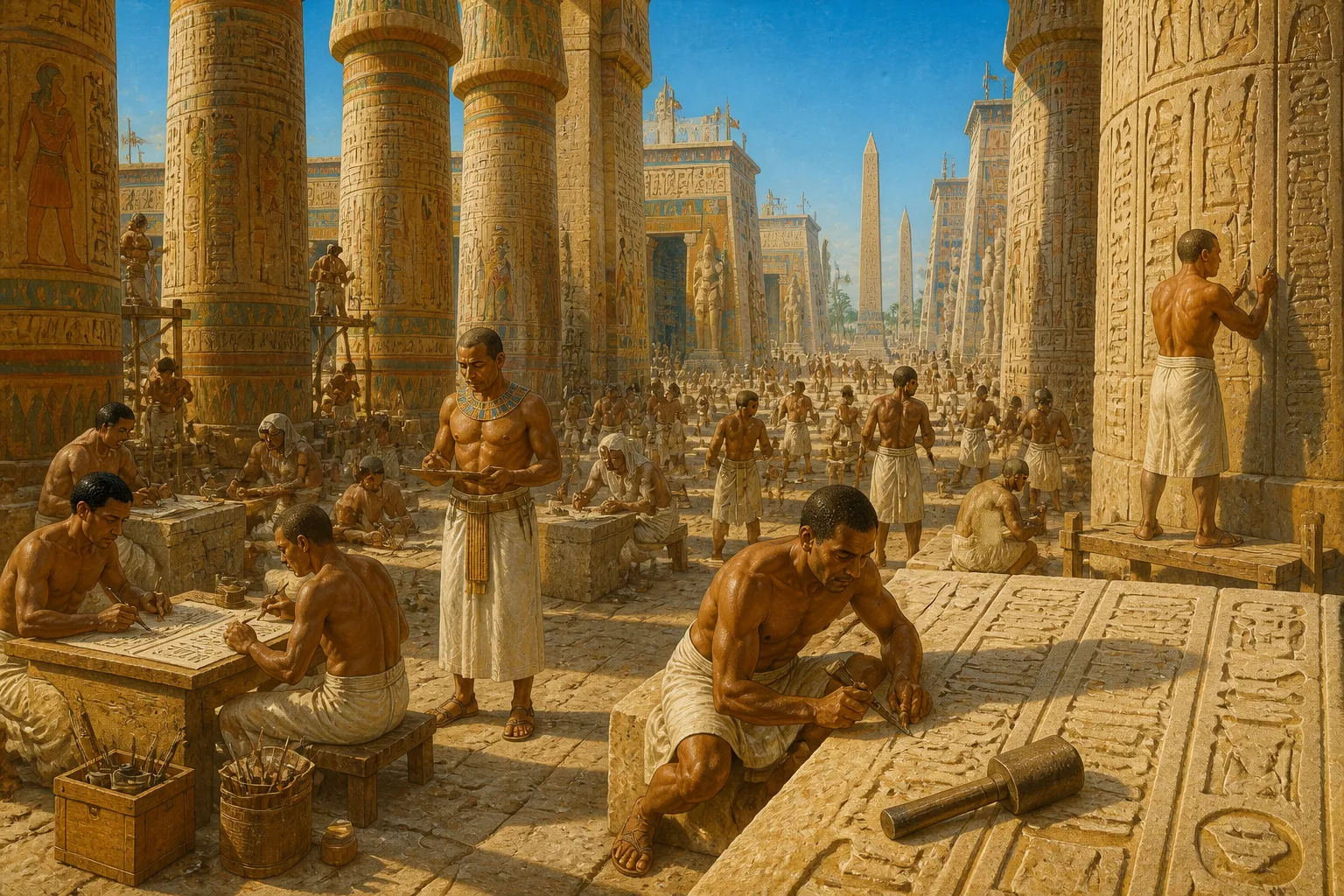
Bread held a place in the sacred rituals of Egypt, bridging the earthly and the divine with a profound symbolism. In the hallowed spaces of temples and the quietude of tombs, loaves were offered to gods and departed souls, serving as sustenance for the eternal journey. Clad in ceremonial linen, priests, in solemn and deliberate procession, placed bread beside offerings crafted from gold and stone, each piece imbued with care and devotion. Within the cool inner sanctum of Karnak, the air was thick with the scent of incense, as candles flickered and prayers rose reverently. Here, bread transcended its earthly form, becoming a vital link in the eternal chain of tradition that bound the living to the divine.
A high priest murmured, 'May the gods accept our offering, and grant us their favor.'
Page 10 — Legacy of Loaves
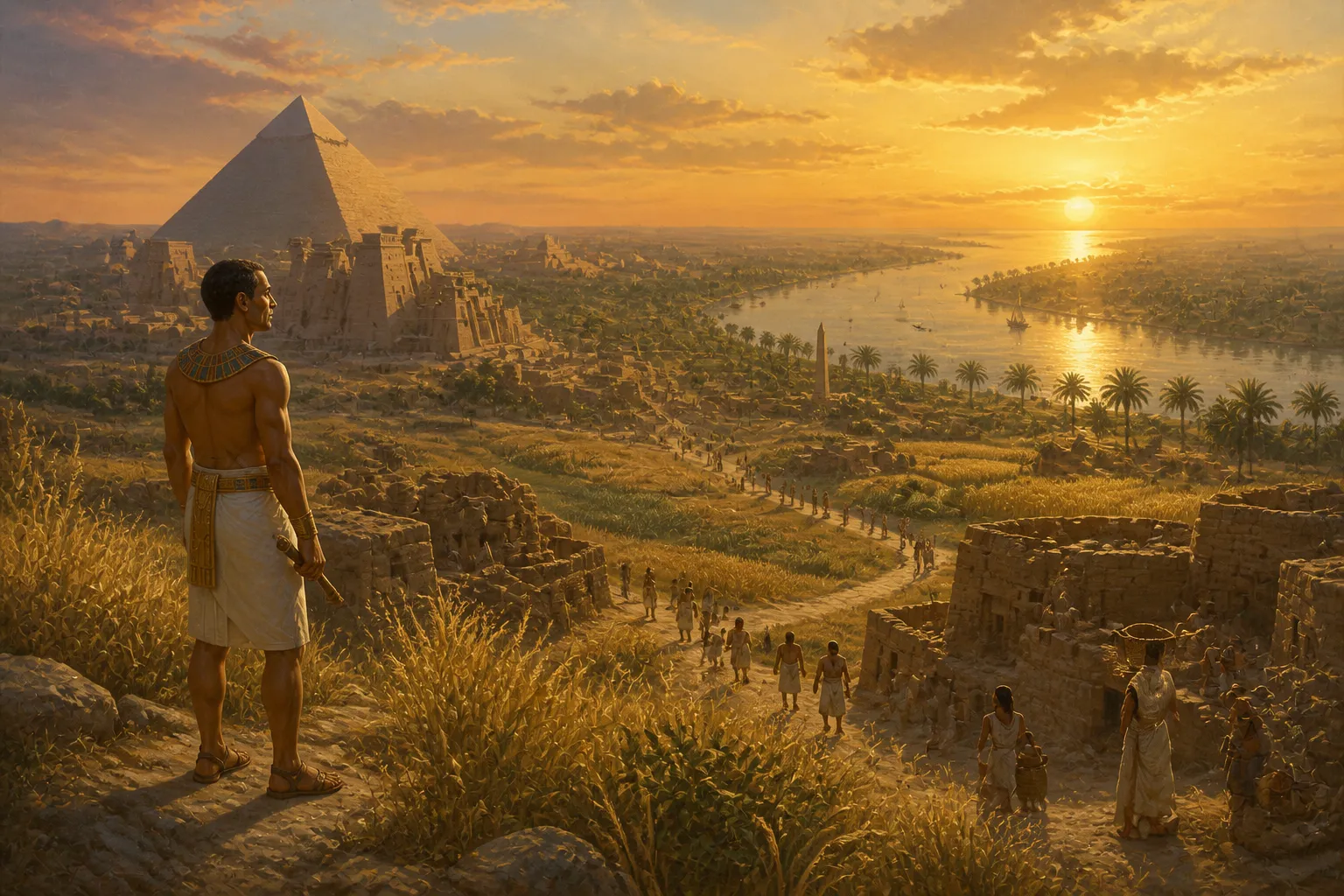
The legacy of bread and beer in Egypt is immortal, intricately woven into the very fabric of its enduring civilization. These staples, born of the fertile, Nile-fed fields, provided nourishment not only to bodies but also to the economy and the collective spirit. The routine of their production, etched in stone reliefs and inscribed on fragile papyrus, narrates tales of resilience and ingenuity. As Egypt's golden age faded into the annals of history, its culinary knowledge traversed continents and epochs. Every loaf, every jar, bears whispers of a bygone era when the simplest provisions sustained the mightiest of empires, echoing a time when humanity stood on the cusp of a grand civilization.
A surviving scribe's text reads, 'In every crumb, our past endures, unfading as the desert's breath.'
About this story
- Audience: general readers
Read Wonder Egypt on your phone
Wonder Egypt is available on Android. Get Wonder Egypt on Google Play.