The Abolition of Slavery in the British Empire — United Kingdom & Colonies (1833, United Kingdom & Colonies)
The Abolition of Slavery in the British Empire — United Kingdom & Colonies (1833, United Kingdom & Colonies) — an illustrated history story, featuring Thomas Clarkson, William Wilberforce, Lord Grey, set in United Kingdom & Colonies. 10 illustrated pages, free to read on Wonder History.
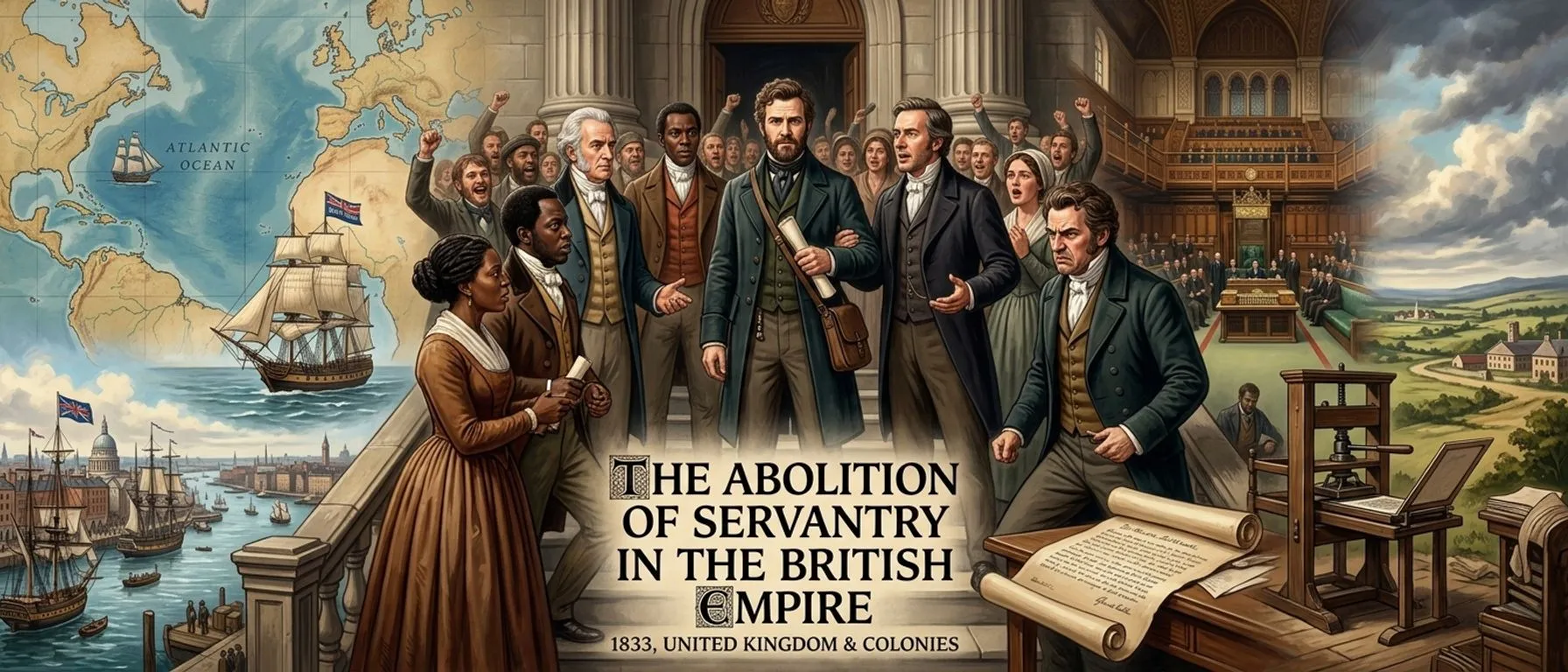
Page 1
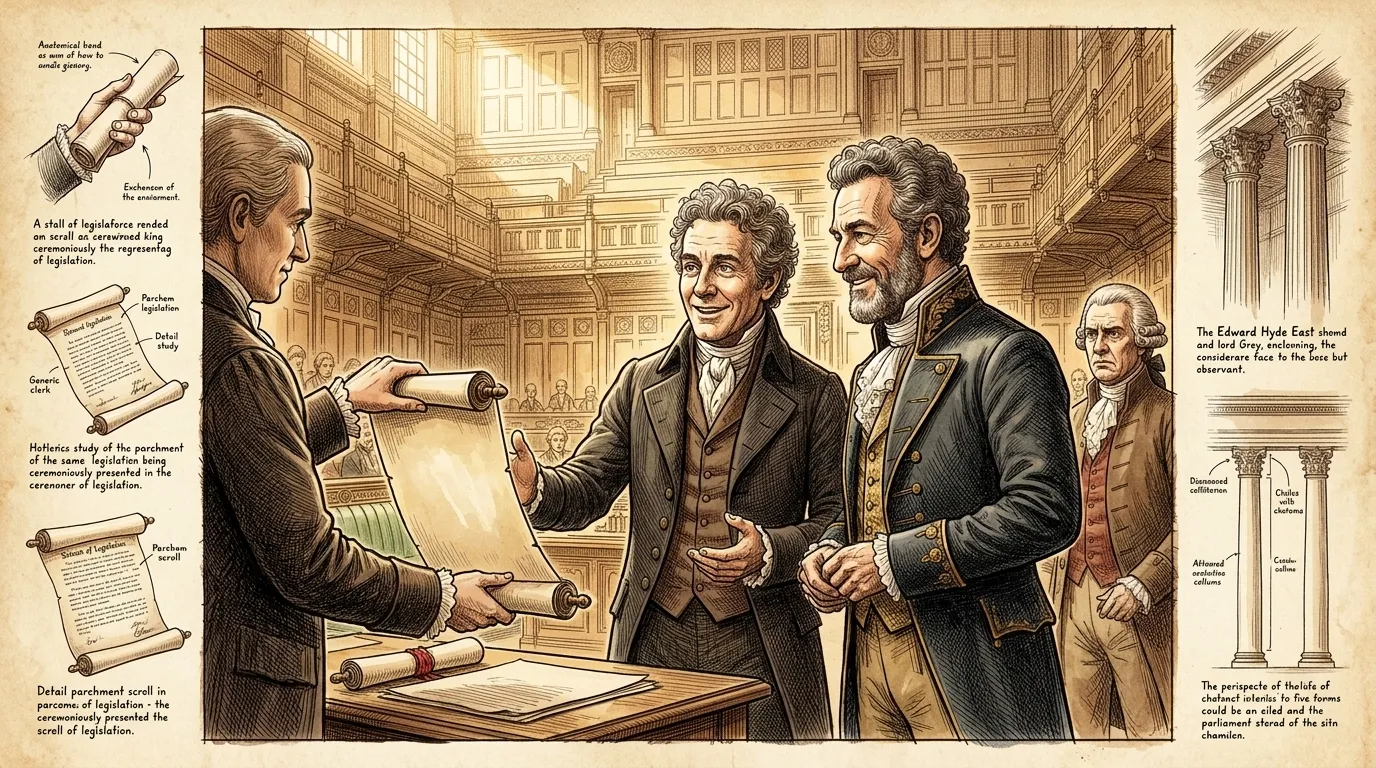
On August 28, 1833, the British Parliament, urged by figures like William Wilberforce, champion of abolition, and Lord Grey, who steered the bill, passed the Slavery Abolition Act. Even voices such as Edward Hyde East, a plantation owner and opponent, could not stop the tide. It was a moment of change, but the journey began long before this victory.
Page 2
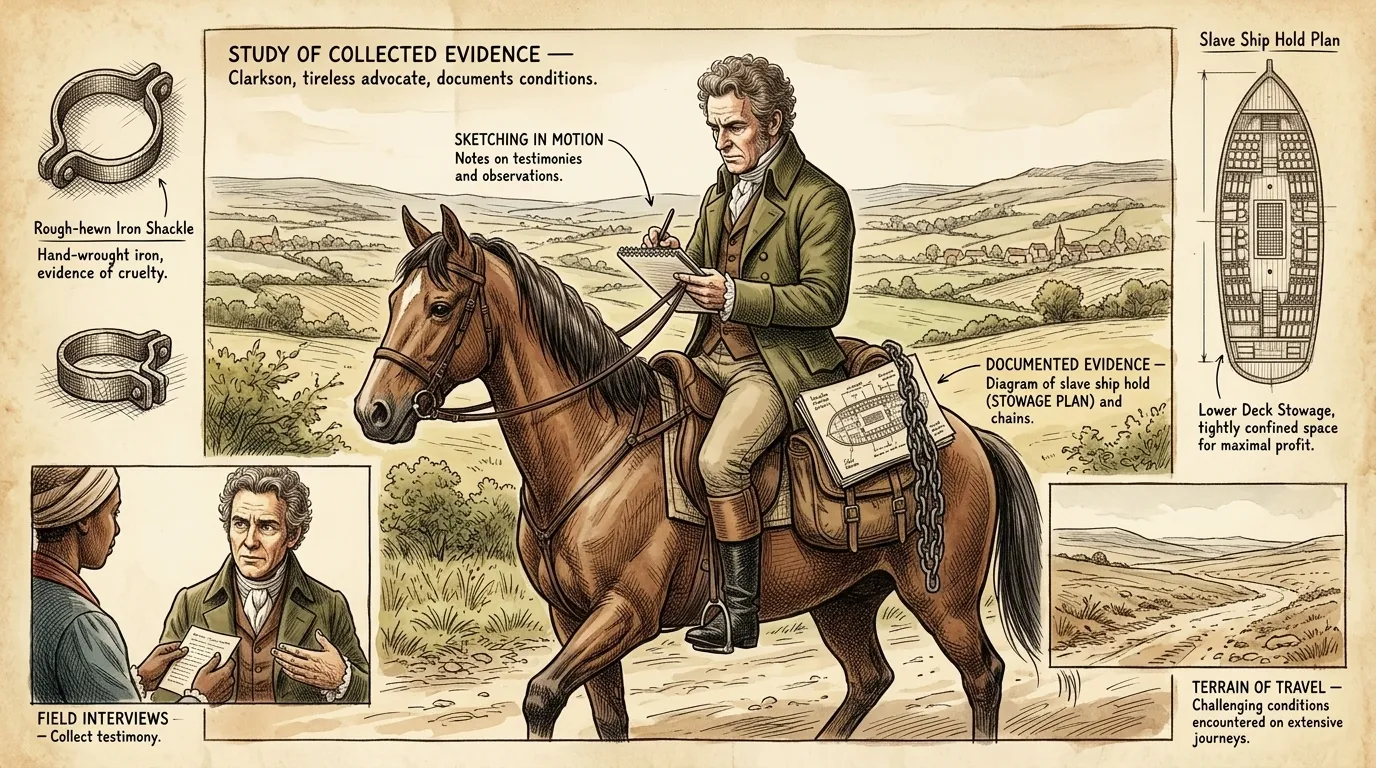
Thomas Clarkson, a young man with burning conviction, rode tirelessly across England in the late 1780s. He collected evidence of the slave trade's horrors. 'I was determined to devote myself to the cause of the abolition of the slave trade,' he declared. It was a lonely road, but Clarkson pressed on.
Page 3
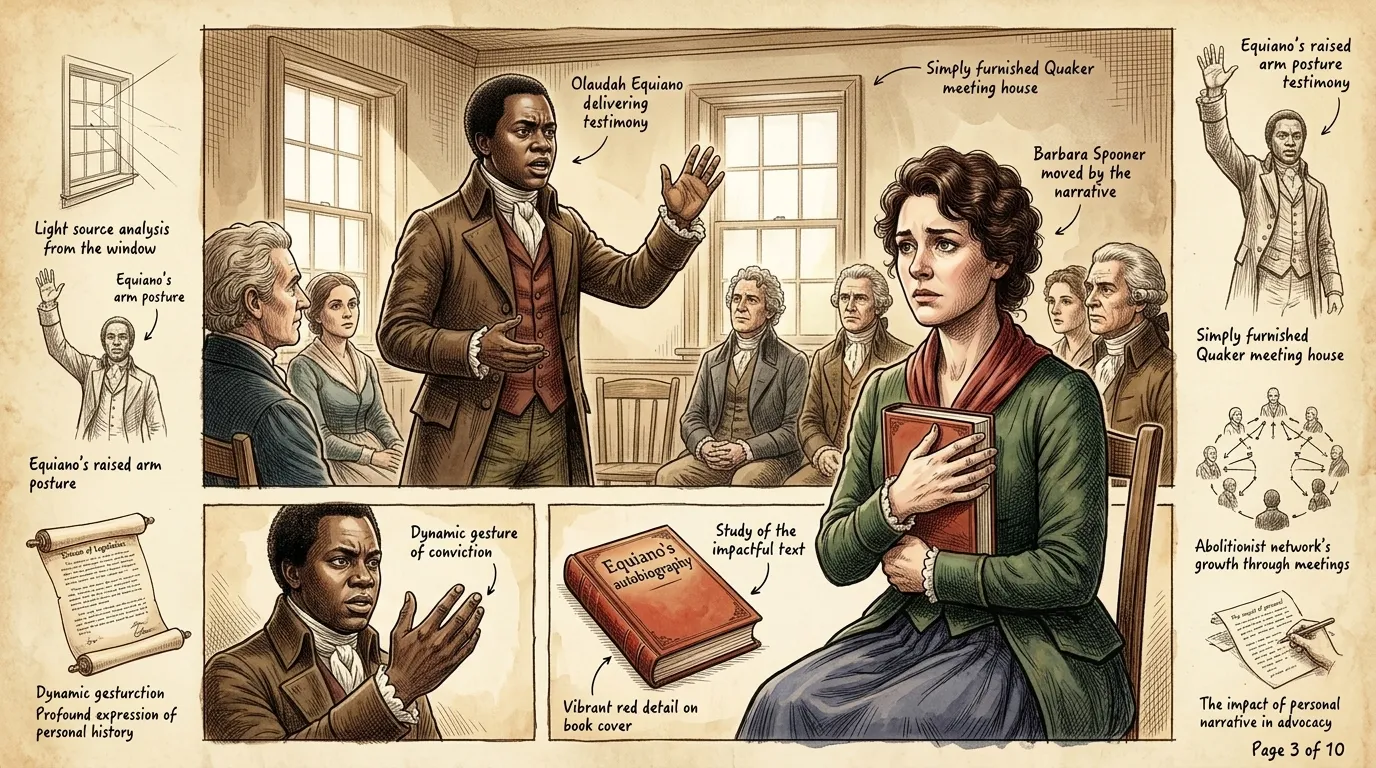
Olaudah Equiano's autobiography resonated deeply with Barbara Spooner. She invited him to speak at her abolitionist meetings. 'If there are no devils,' she heard him say, 'it is because they are all in the slave ships.' Spooner knew she had to do more to amplify Equiano's powerful words.
Page 4
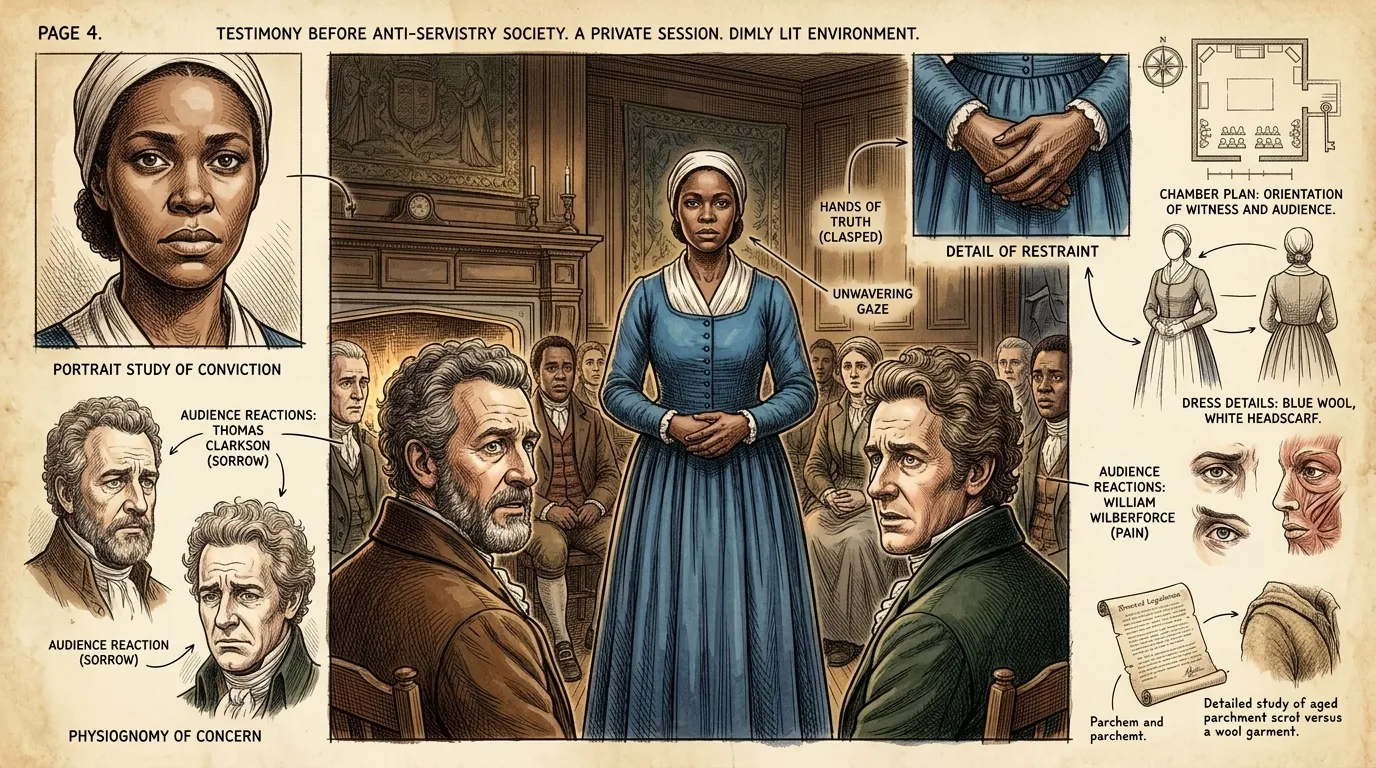
Mary Prince, a former slave, risked everything to tell her story. In 1829, she testified before the Anti-Slavery Society. 'To be free is sweet,' she declared, 'but slavery is bitter, bitter bad.' The horrors she described stunned those who listened.
Page 5
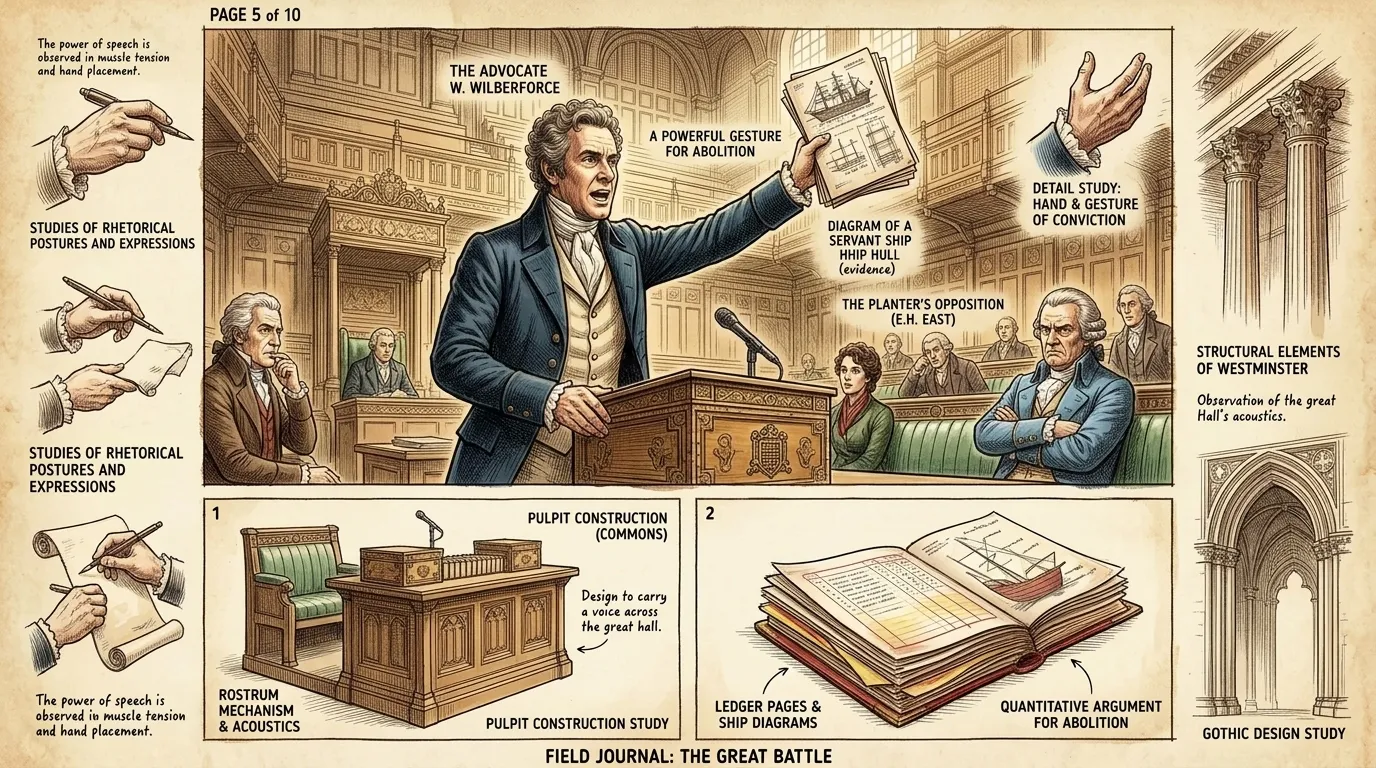
William Wilberforce spent decades battling in Parliament. Year after year, he presented evidence. He faced fierce opposition from plantation owners and those profiting from the trade. 'You may choose to look the other way,' Wilberforce thundered, 'but you can never say again that you did not know.'
Page 6
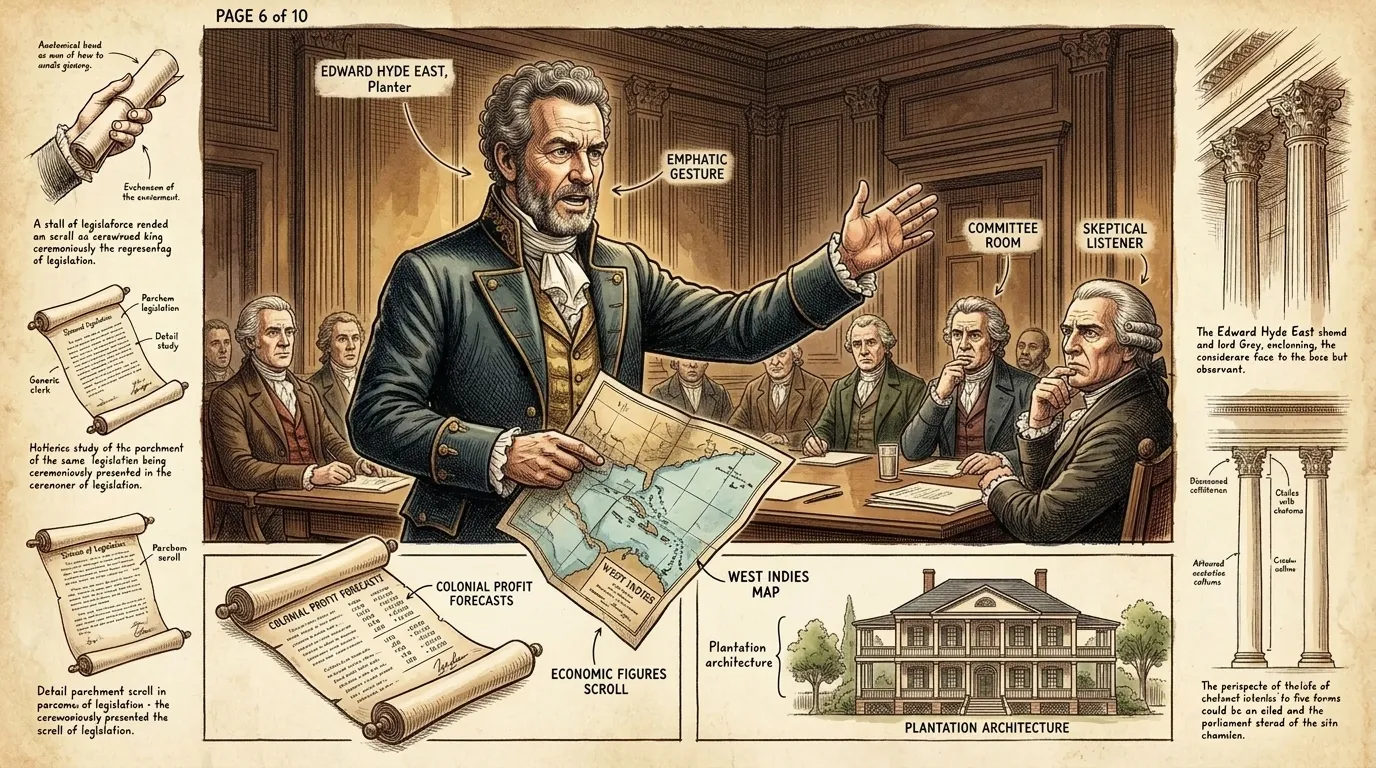
Edward Hyde East, representing the West India lobby, used every argument he could to defend slavery. He argued it was essential for the British economy and the livelihood of planters. 'It is an evil,' he conceded, 'but a necessary one.' But the tide was turning against him.
Page 7
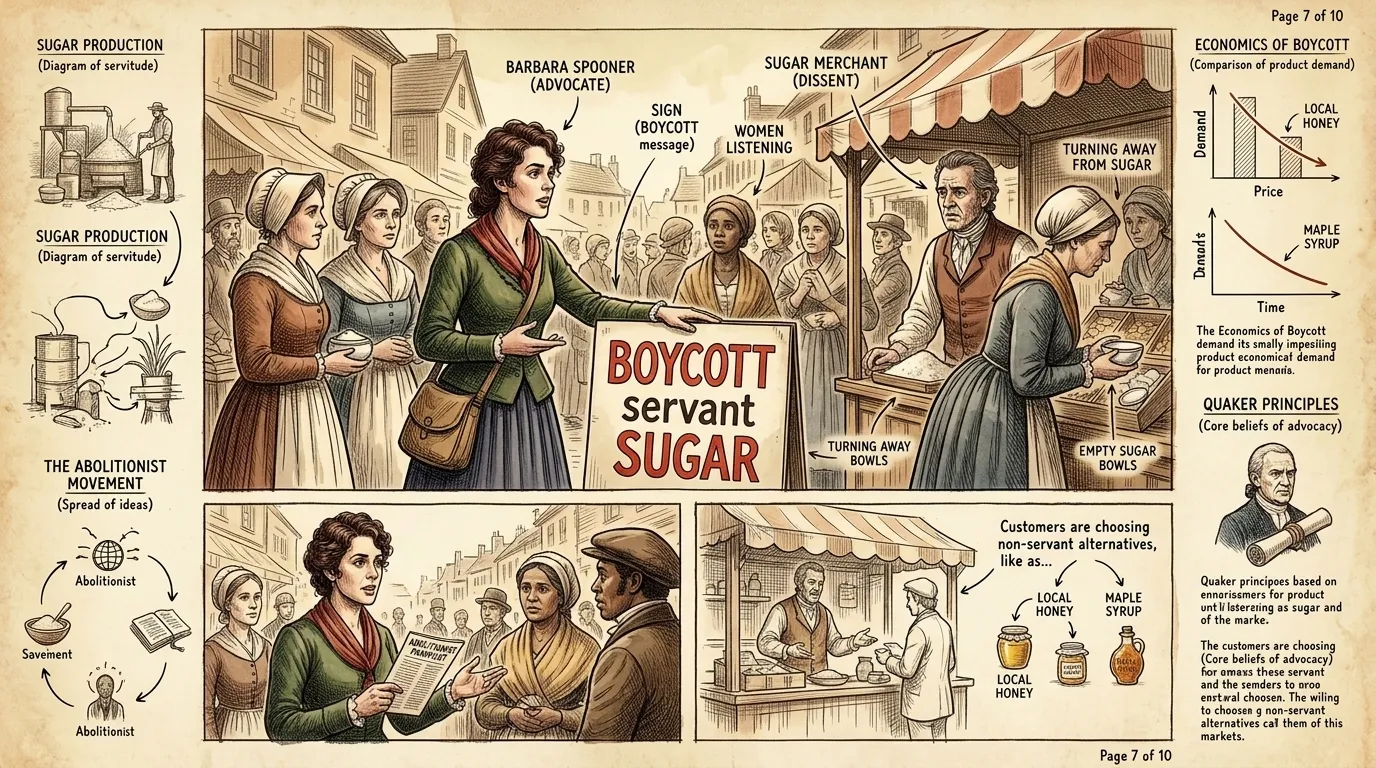
Barbara Spooner organized boycotts of sugar produced by slave labor. People across Britain refused to buy it. 'We must show with our actions,' she urged, 'that we will not profit from the suffering of others.' It was a small act, but its impact was growing.
Page 8
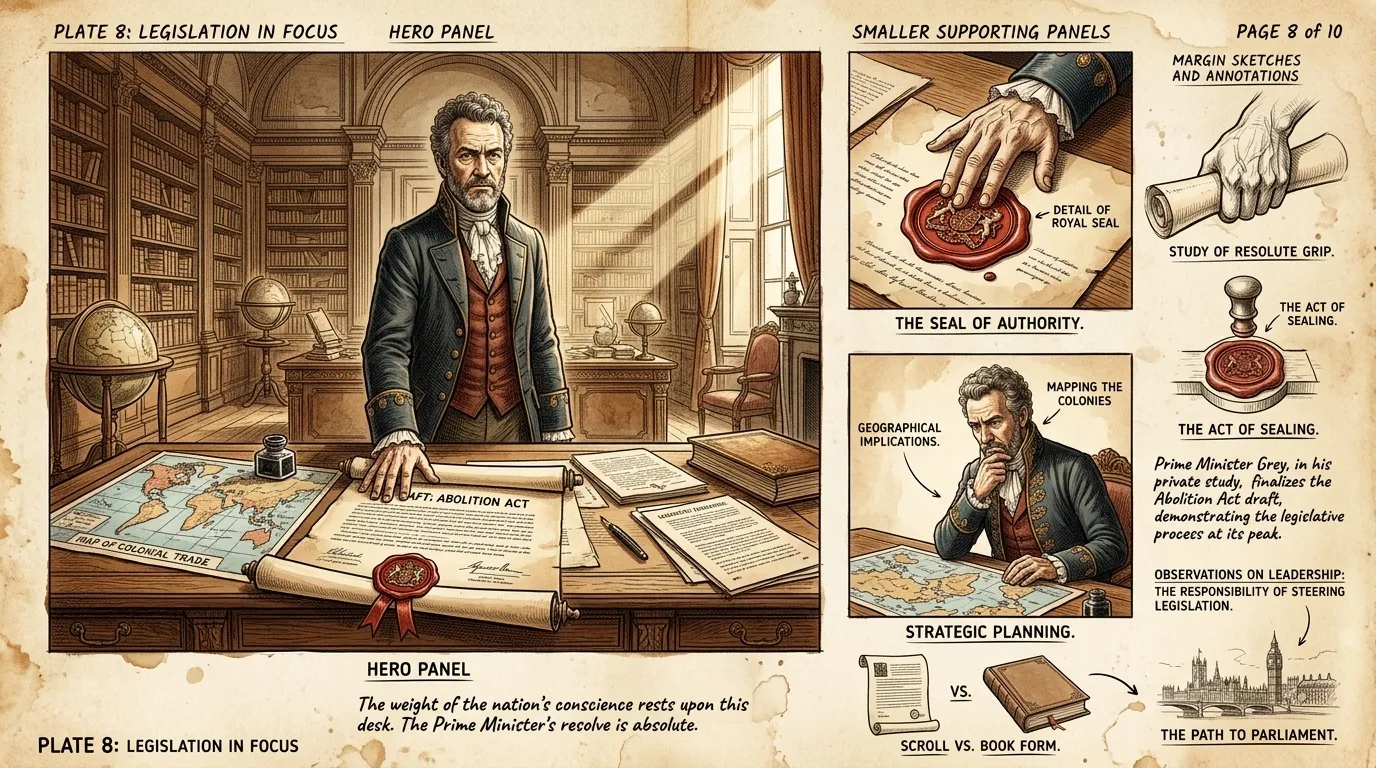
Lord Grey, the Prime Minister, took up the cause in 1833, determined to finally pass the Abolition Act. 'We must not be intimidated,' he said, 'by the clamor of private interests.' He knew the fight would be difficult, but he was resolved.
Page 9
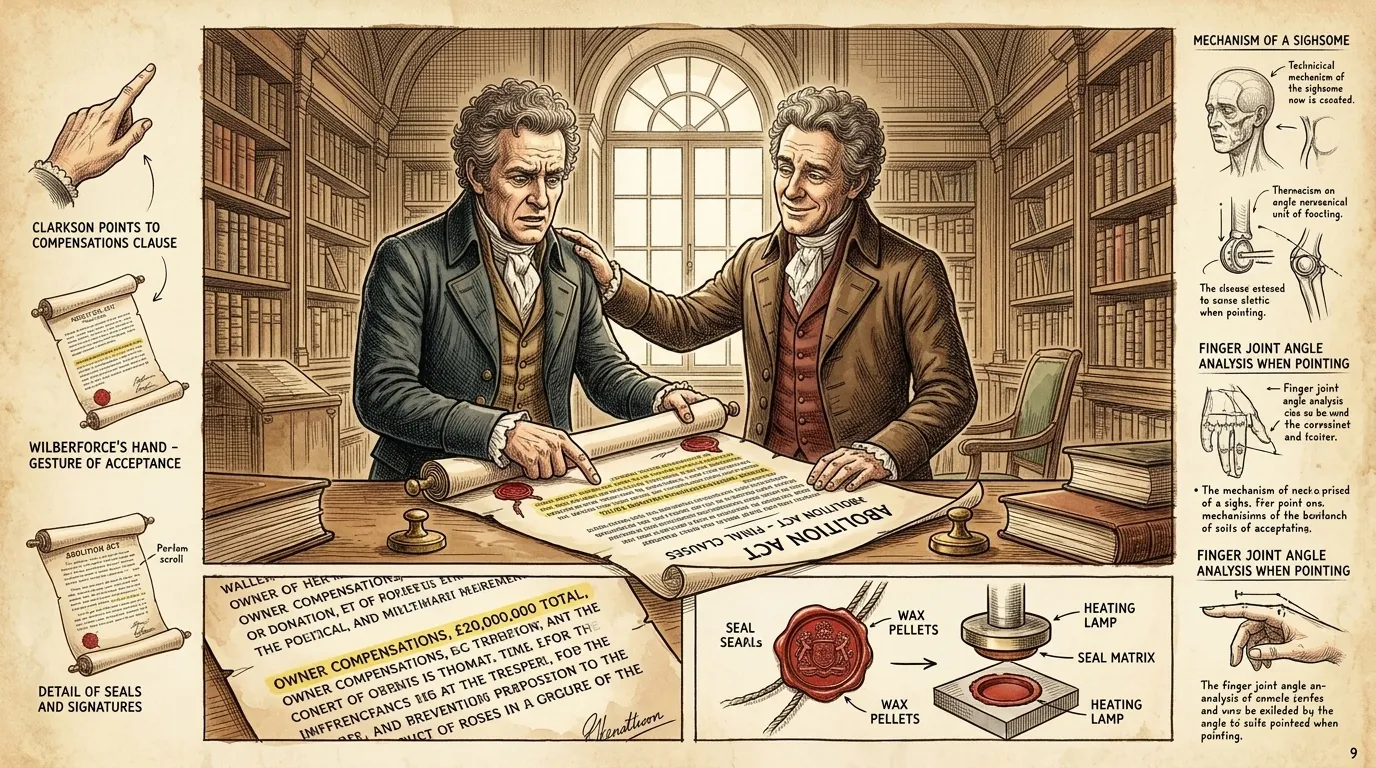
On August 28, 1833, the Slavery Abolition Act was passed, but it included compensation for slave owners. Clarkson was dismayed, but Wilberforce saw it as a crucial step. 'As Edmund Burke said,' Wilberforce sighed, 'all that is necessary for the triumph of evil is that good men do nothing.' At least something had been done.
Page 10
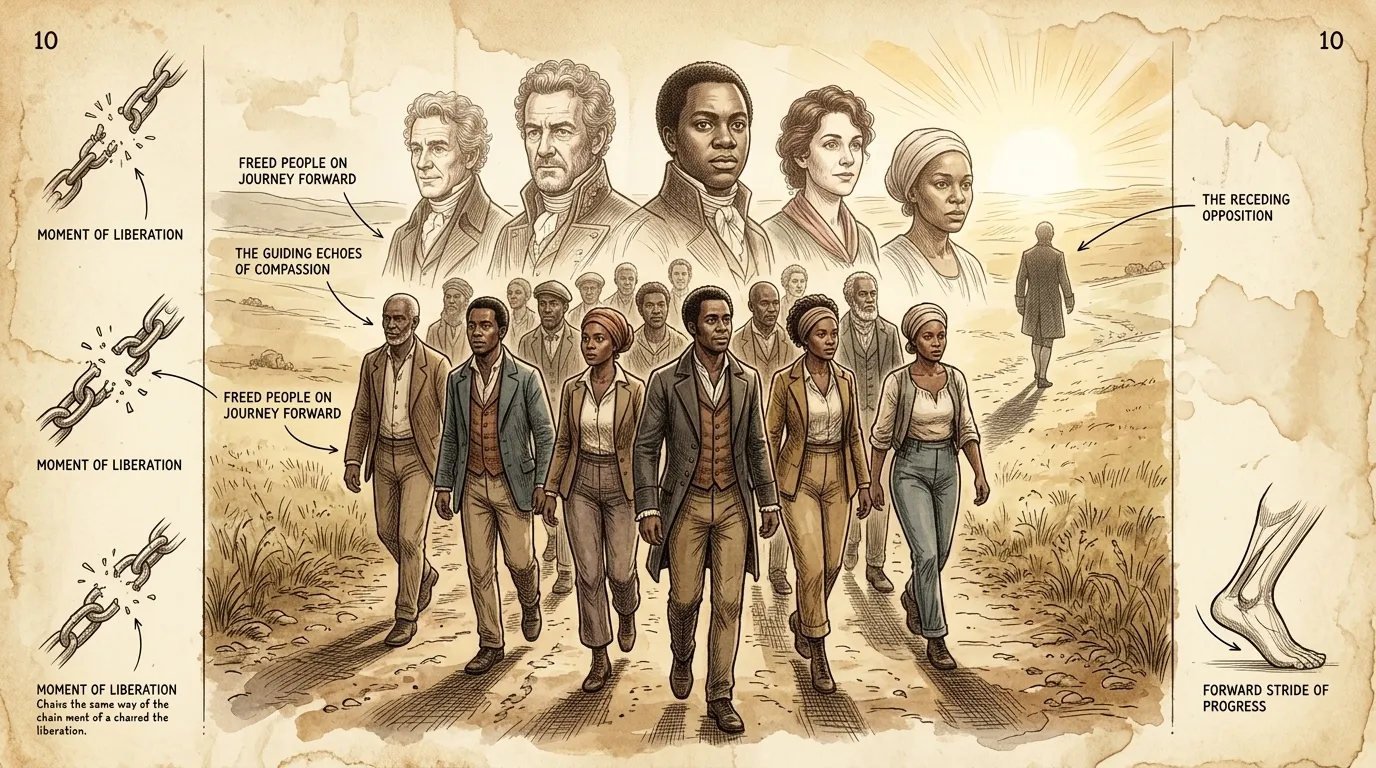
The Act freed enslaved people in most British colonies, but it was only a beginning. Generations would continue to fight for full equality. The echoes of Clarkson, Wilberforce, Equiano, Spooner, East, and Prince still resound today in the ongoing struggle for justice.
About this story
- Historical figures: Thomas Clarkson, William Wilberforce, Lord Grey
- Location: United Kingdom & Colonies
- Period: Modern
- Audience: general readers
Questions and answers
Read Wonder History on your phone
Wonder History is available on Android. Get Wonder History on Google Play.
More Wonder History stories
- The Age of Exploration — Global (Europe, Americas, Africa, Asia) (1492, Global)
- The American Civil War — United States (1863, United States)
- The American Declaration of Independence — USA (1776, USA)
- The American Revolution (1775–1783, North America)
- The Assassination of Archduke Franz Ferdinand (1914, Hungary)
- The Assassination of Julius Caesar (44 BC) - Italy (44 BC, Italy)