The French Revolution (1789, France)
The French Revolution (1789, France) — an illustrated history story, featuring Louis XVI, Marie Antoinette, Maximilien Robespierre, set in France. 10 illustrated pages, free to read on Wonder History.
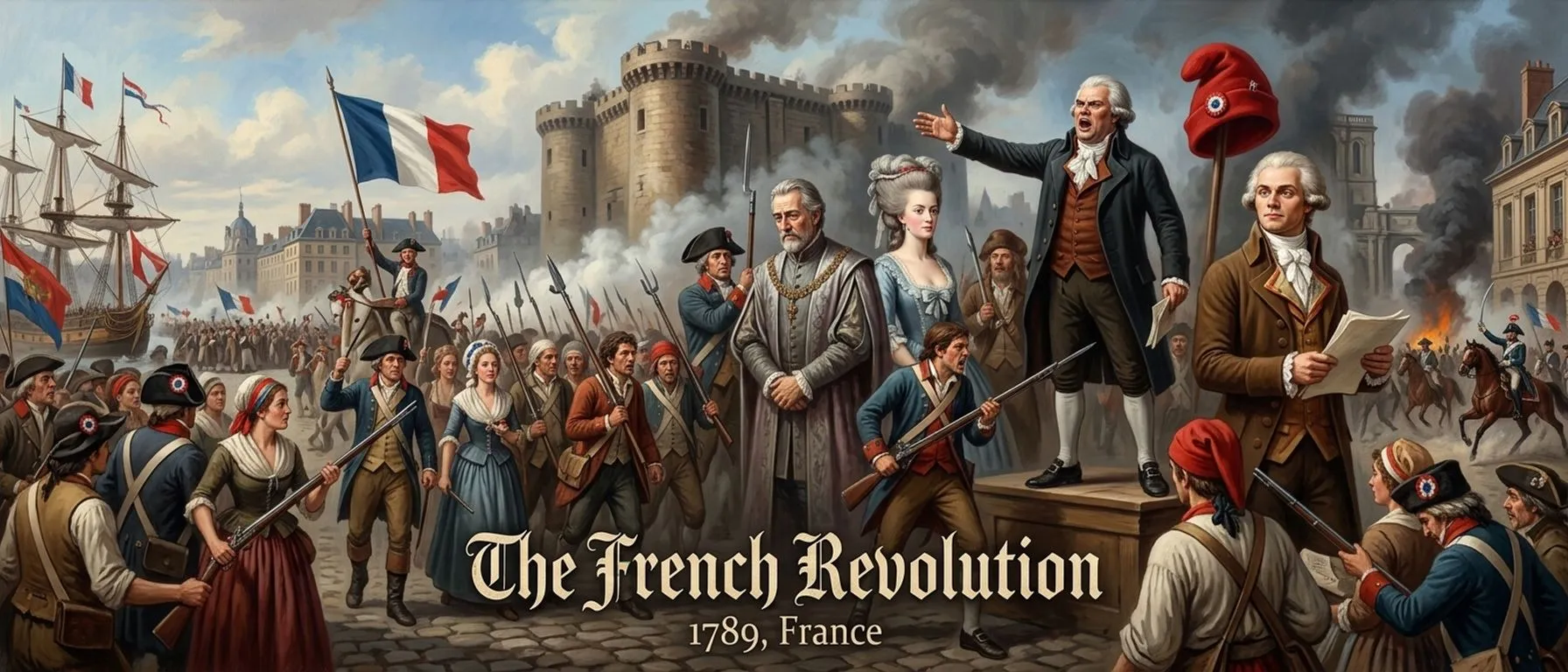
Page 1
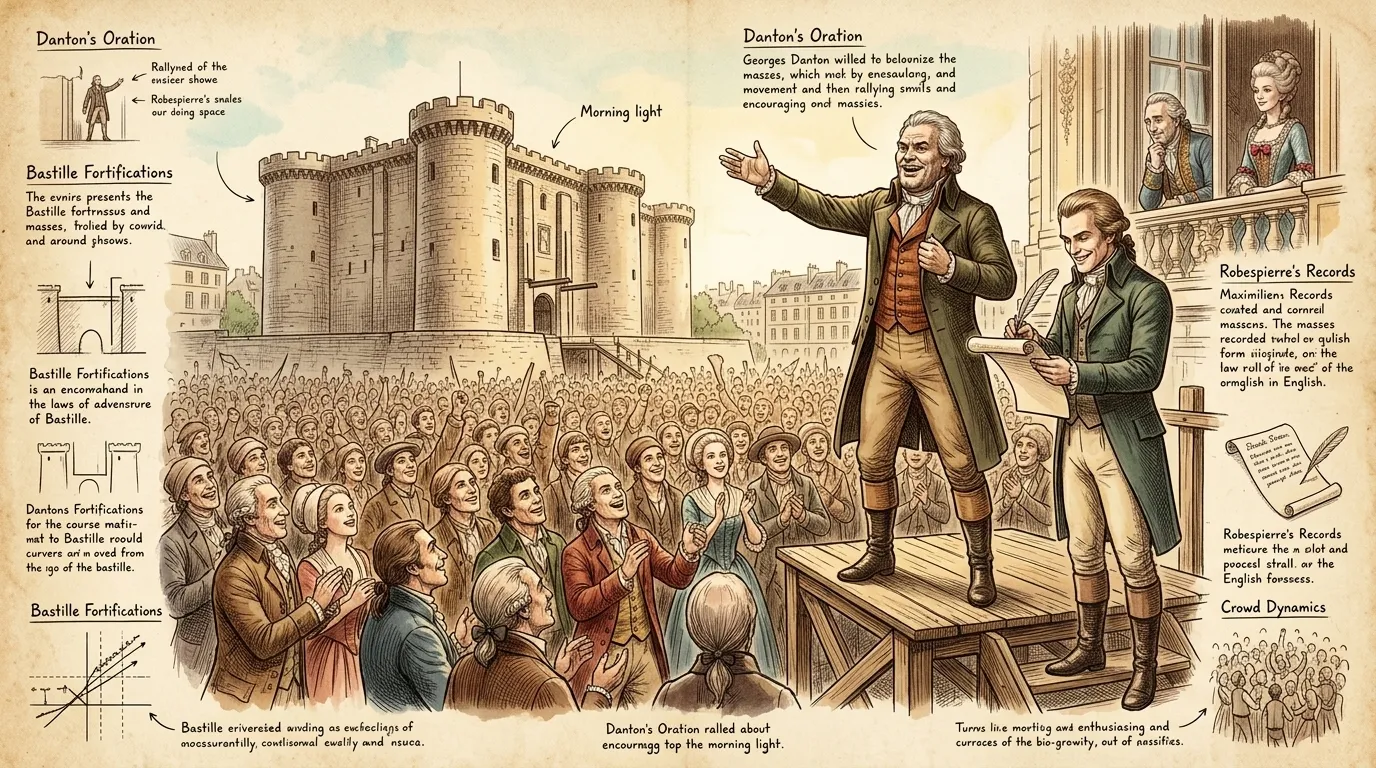
On July 14, 1789, a multitude surged toward the Bastille. King Louis XVI, indecisive and detached, watched from afar. Marie Antoinette, his queen, remained aloof. Maximilien Robespierre, the zealous lawyer, fueled the flames of revolution. Georges Danton, the booming orator, rallied the masses. But how did France arrive at this moment, teetering on the edge of chaos?
Page 2
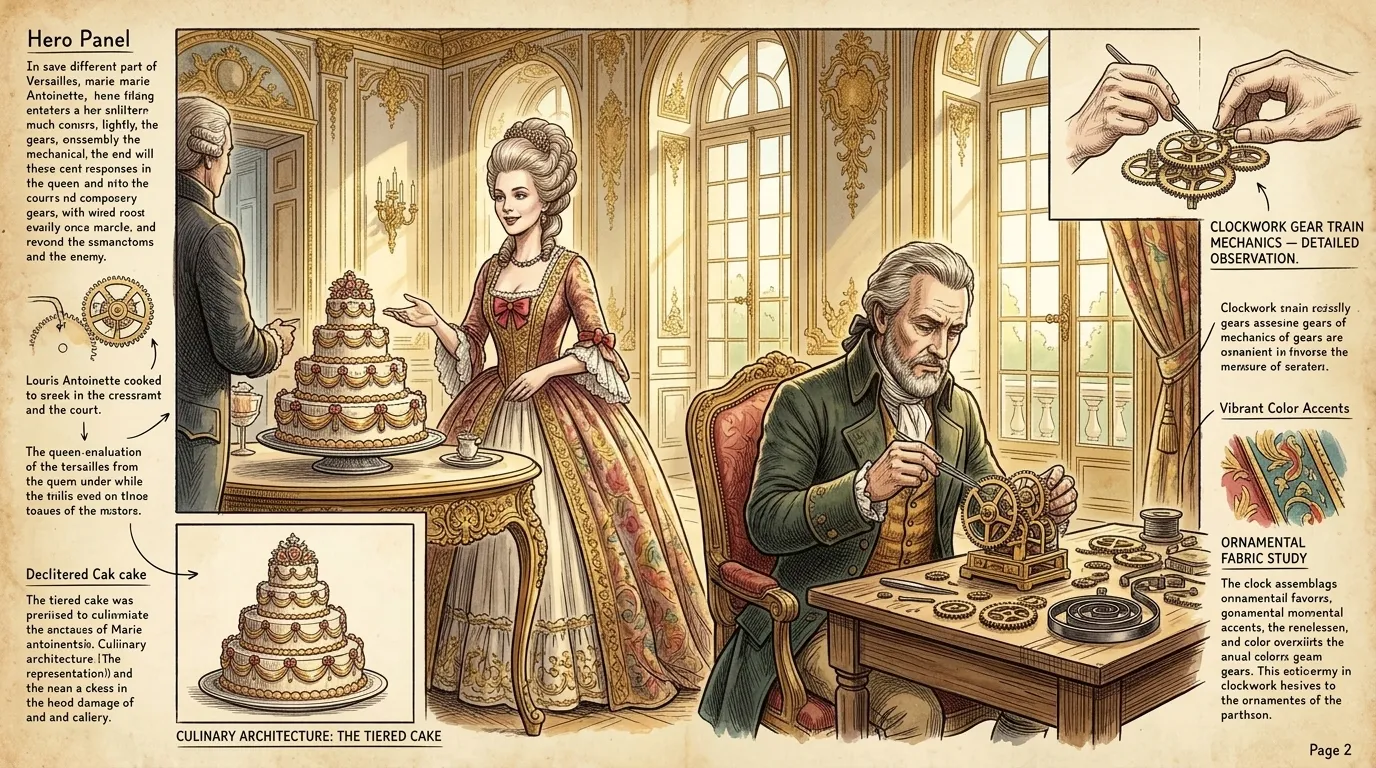
Versailles, a world away from Paris, shimmered with gilded excess. "Let them eat cake," Marie Antoinette supposedly remarked when told the people had no bread. Louis XVI obsessed over clock making, seemingly blind to the growing unrest. The extravagance of the court only deepened the chasm between the monarchy and the people.
Page 3
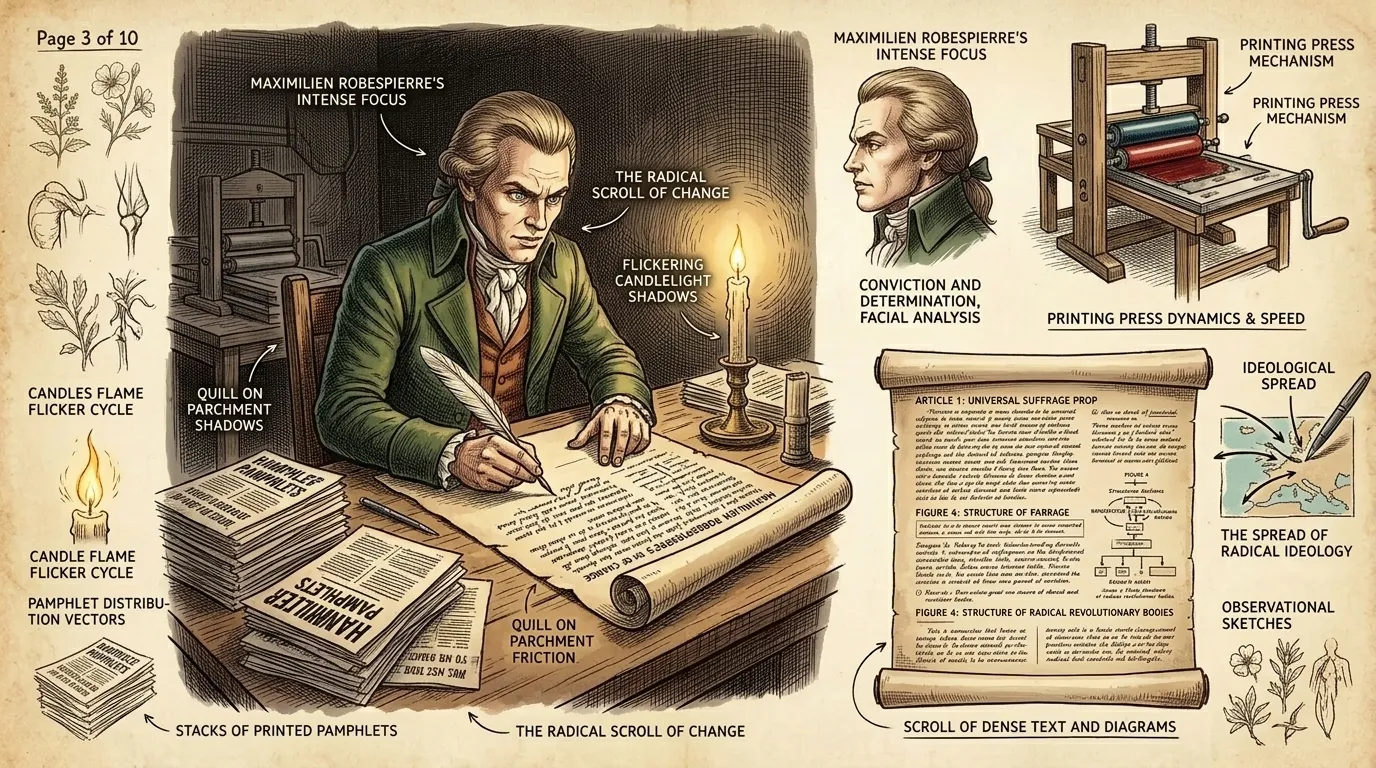
Across Paris, pamphlets circulated, spreading revolutionary ideas. Robespierre, a lawyer from Arras, scribbled furiously, preparing his next speech. "The basis of all law is reason!" he declared, his quill scratching against the parchment. He believed that France needed a complete transformation.
Page 4
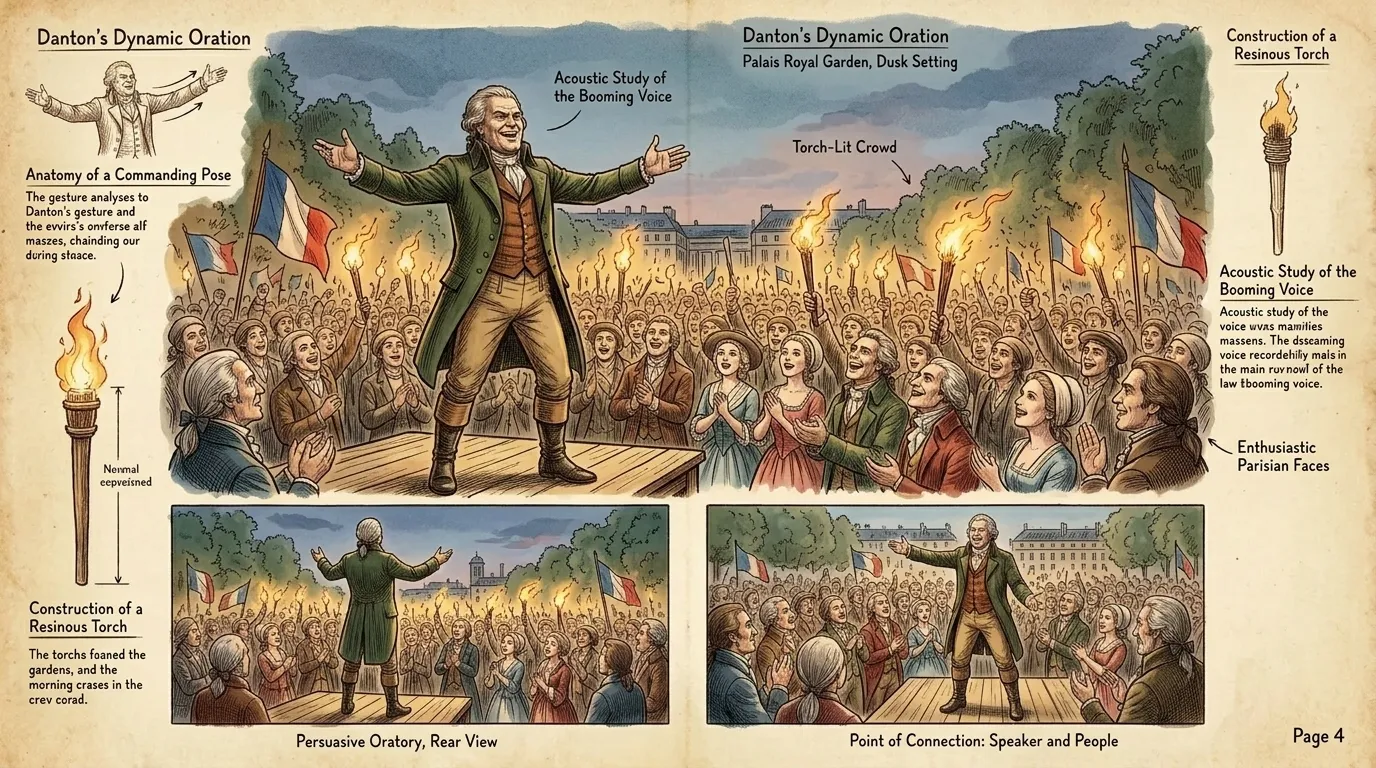
"The Estates-General must convene!" Danton thundered in the Palais Royal gardens. He addressed a crowd of eager Parisians. "The King must listen to the voice of the people!" He called for reform, for justice, for an end to the old order. The crowd roared in agreement, their faces illuminated by torchlight.
Page 5
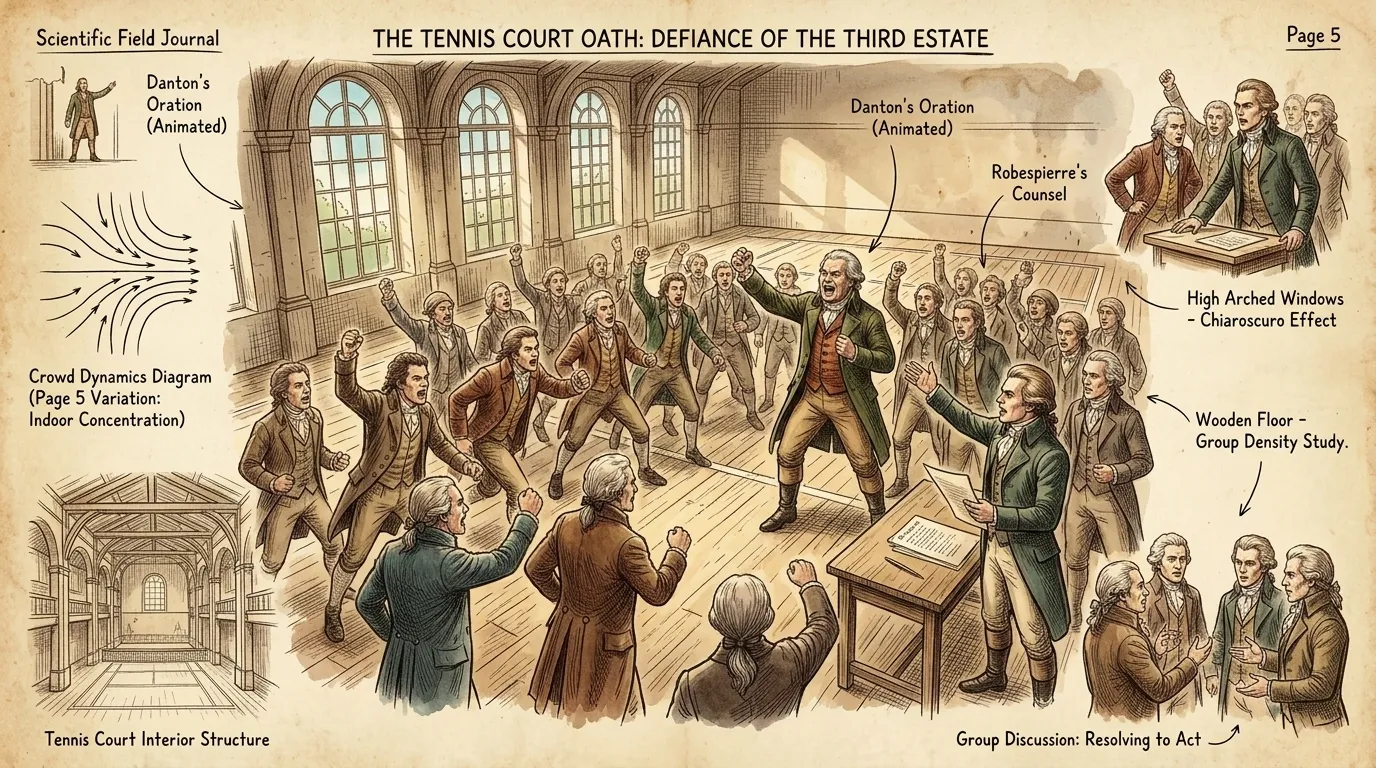
The Third Estate, representing the common people, declared itself the National Assembly. "Where is our meeting hall?" demanded Honoré Mirabeau. They found themselves locked out of their usual chamber. They gathered at the Tennis Court, defiant and resolute.
Page 6
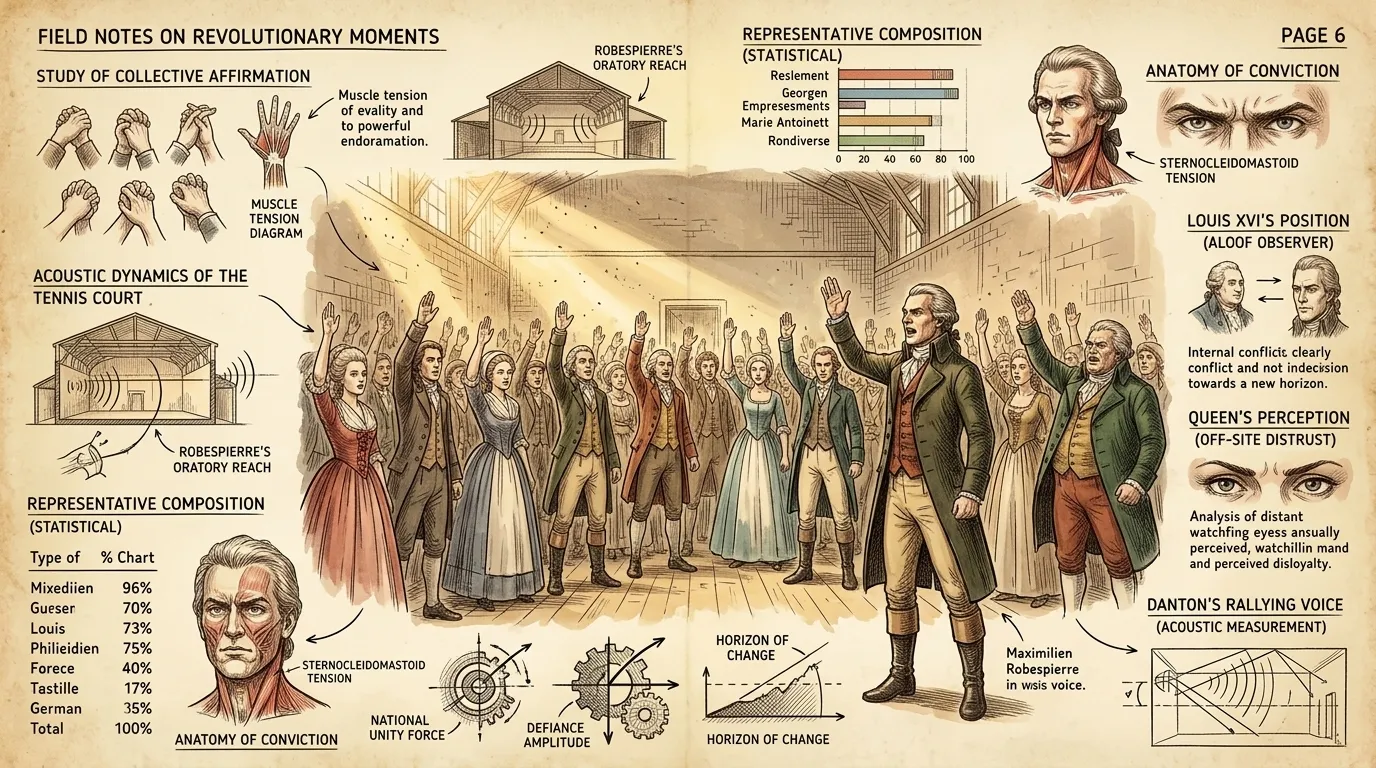
"We shall not leave until we have a constitution!" Jean-Sylvain Bailly proclaimed to the assembled representatives. The Tennis Court Oath was sworn. Each man raised his hand, pledging to create a new France. The King's authority was openly challenged.
Page 7
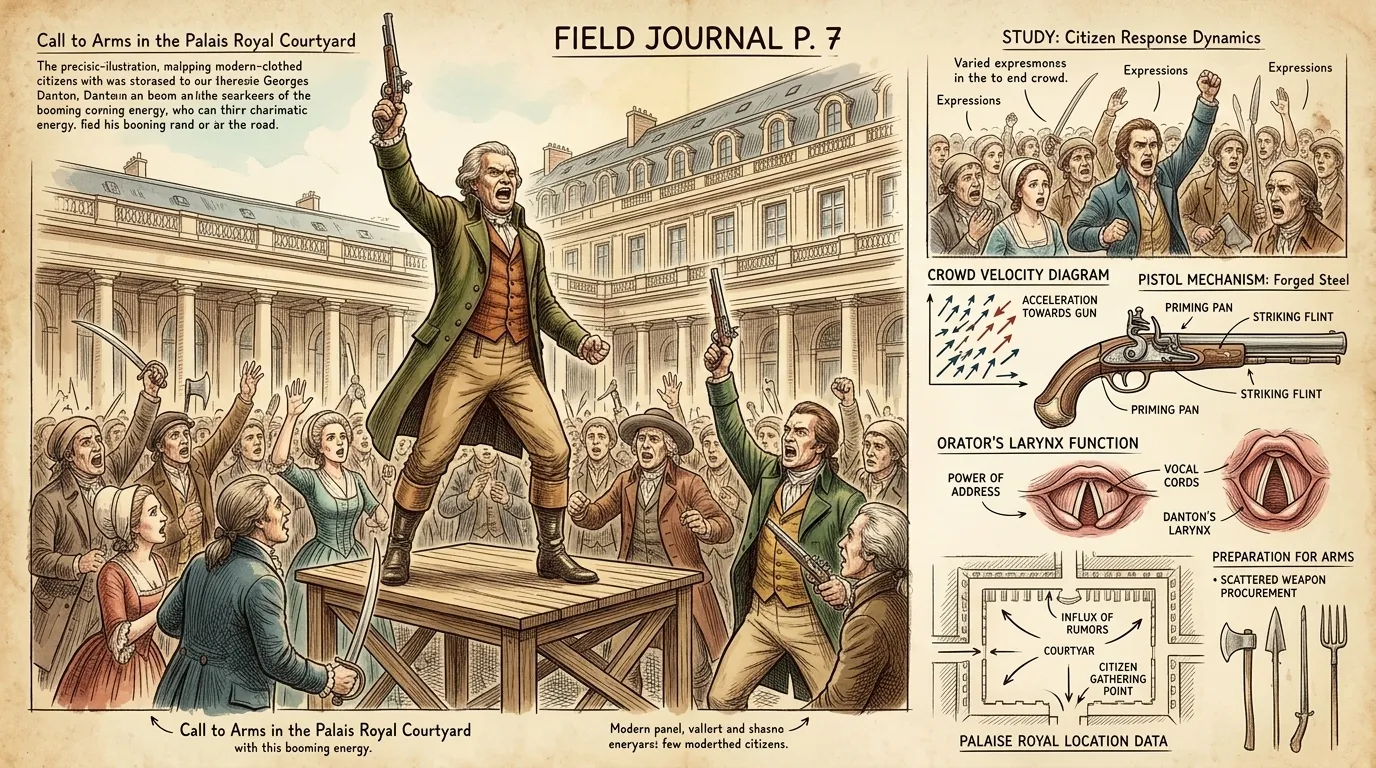
Rumors of royal troops massing outside Paris ignited fear. "They plan to dissolve the Assembly!" Camille Desmoulins cried out in the Palais Royal. "To arms, citizens!" He brandished a pistol, urging the people to defend themselves. The revolution was about to turn violent.
Page 8
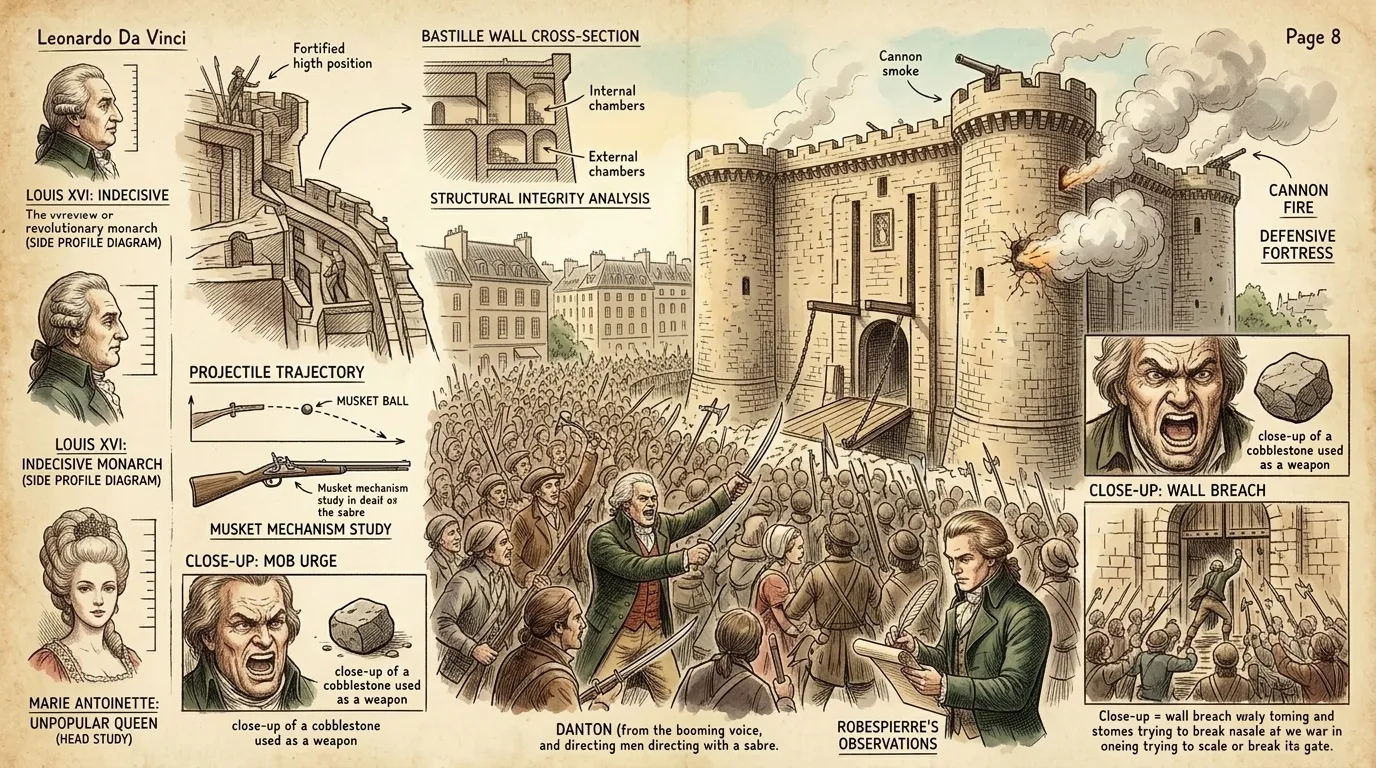
On July 14th, the mob descended on the Bastille. The fortress, a symbol of royal tyranny, was to be their prize. "Liberty, Equality, Fraternity, or Death," echoed through the streets. The battle raged, the fate of France hanging in the balance.
Page 9
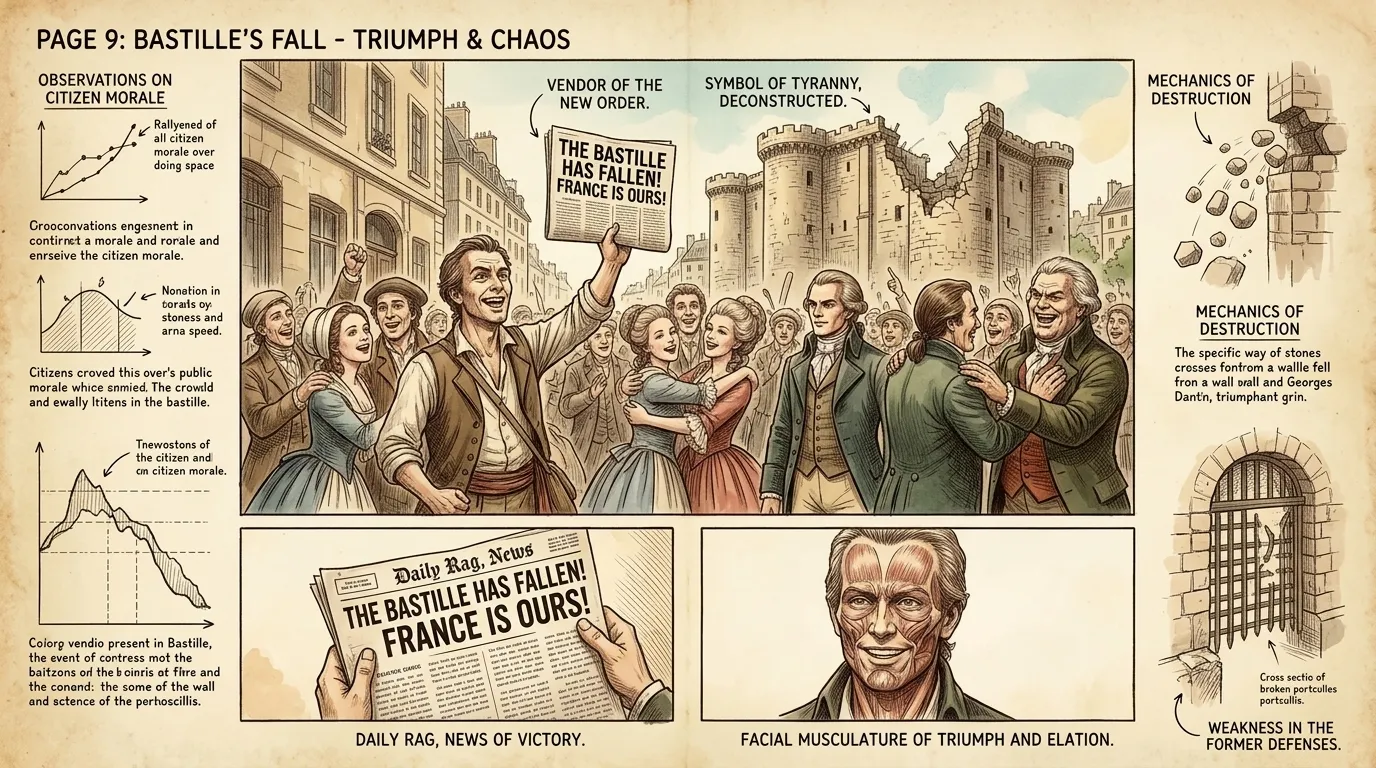
After hours of fighting, the Bastille fell. News spread like wildfire. "The King is powerless!" shrieked a street vendor. "France is ours!" As Leonardo da Vinci said, 'I have been impressed with the urgency of doing. Knowing is not enough; we must apply.' It was time to apply their freedom.
Page 10
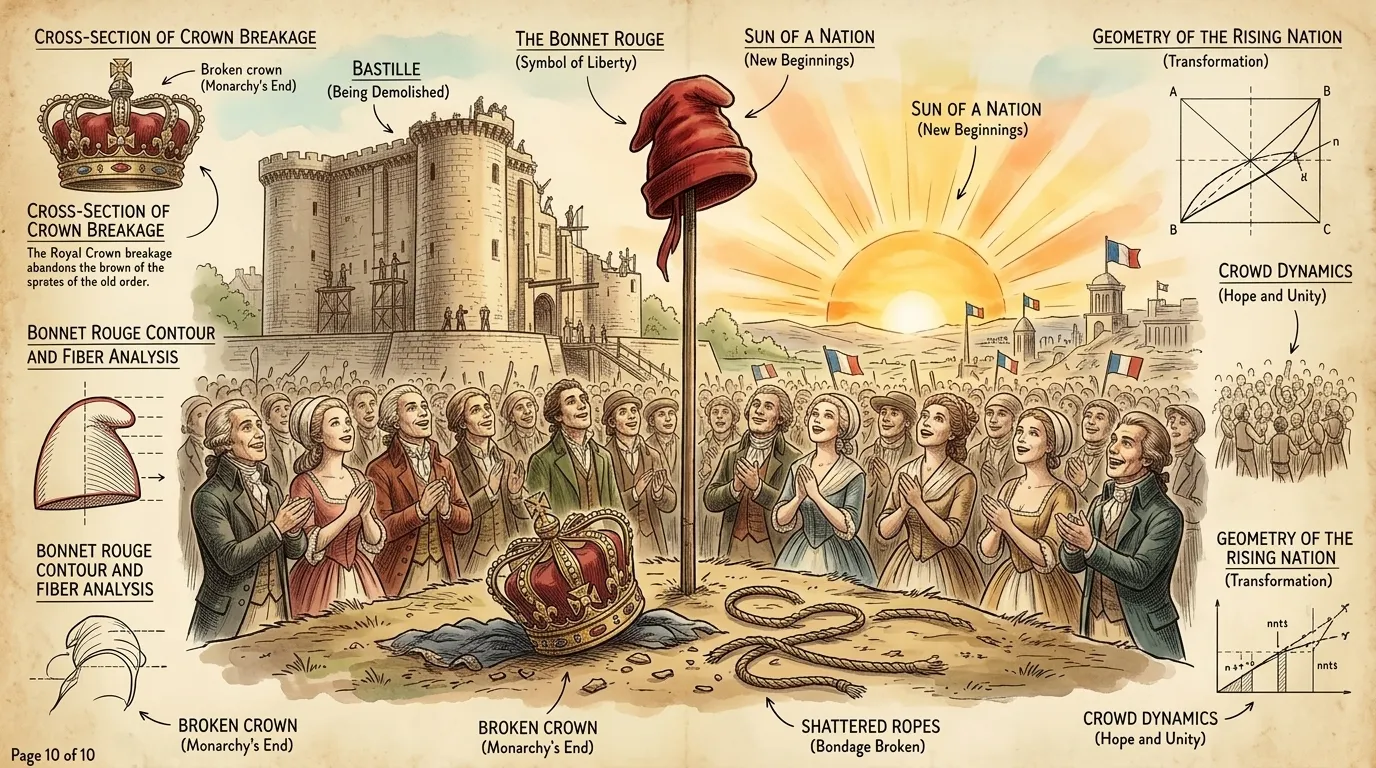
France would never be the same. Though the revolution descended into terror, the ideals of liberty, equality, and fraternity endured. The old order was gone, replaced by a nation struggling to define itself. But the spirit of revolution had been unleashed, forever changing the course of history.
About this story
- Historical figures: Louis XVI, Marie Antoinette, Maximilien Robespierre
- Location: France
- Period: Early Modern
- Audience: general readers
Questions and answers
Questions and answers about The French Revolution (1789, France)
Read Wonder History on your phone
Wonder History is available on Android and iPhone and iPad. Get Wonder History on Google Play · Get Wonder History on the App Store.