Artificial Heart
Artificial Heart — an illustrated inventions story, set in Global. 10 illustrated pages, free to read on Wonder Inventions.
Page 1
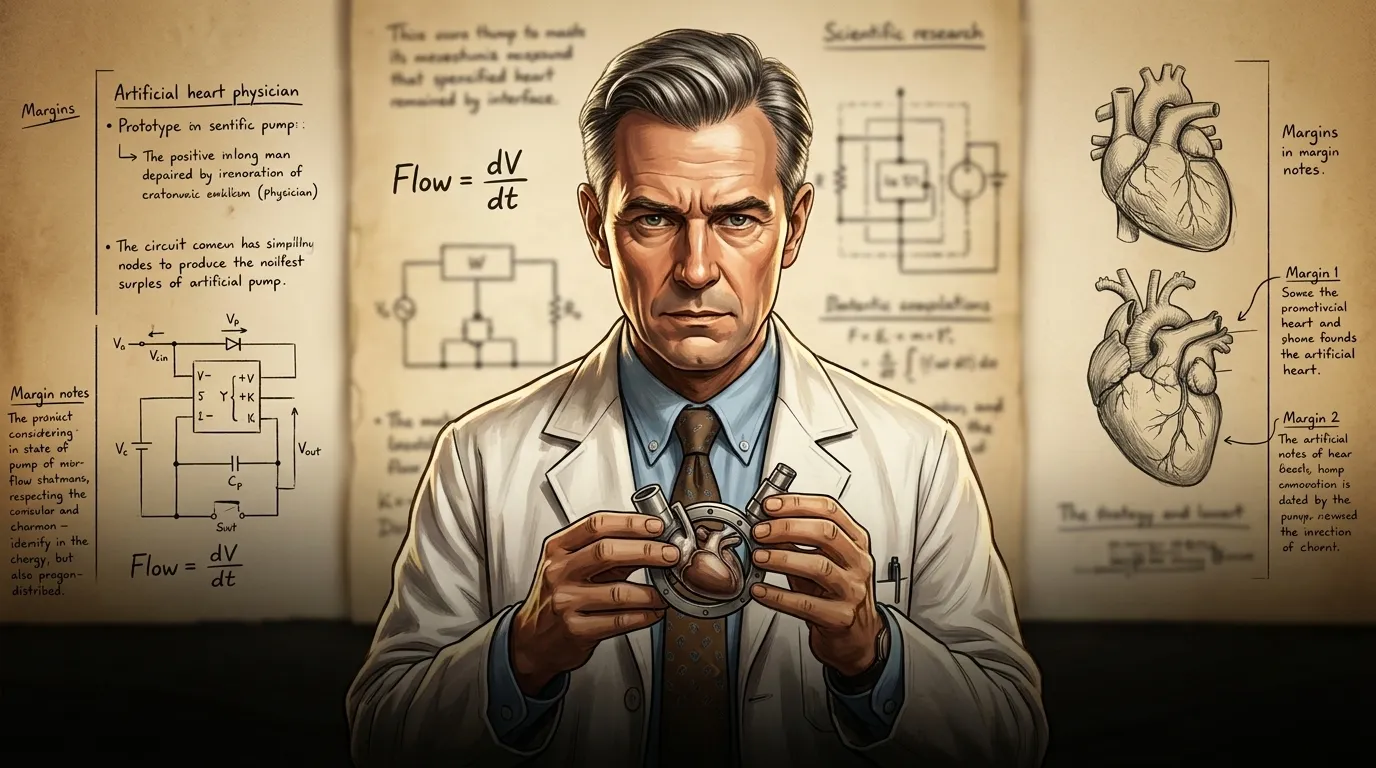
For centuries, a failing heart meant a swift and often agonizing end. By the mid-20th century, advanced surgical techniques could repair some cardiac issues, but for those with irreversible, end-stage heart disease, the prognosis remained bleak. The demand for donor hearts far outstripped supply, leaving countless patients without hope. The medical community faced an insurmountable challenge: how could they replace the most vital organ in the human body?
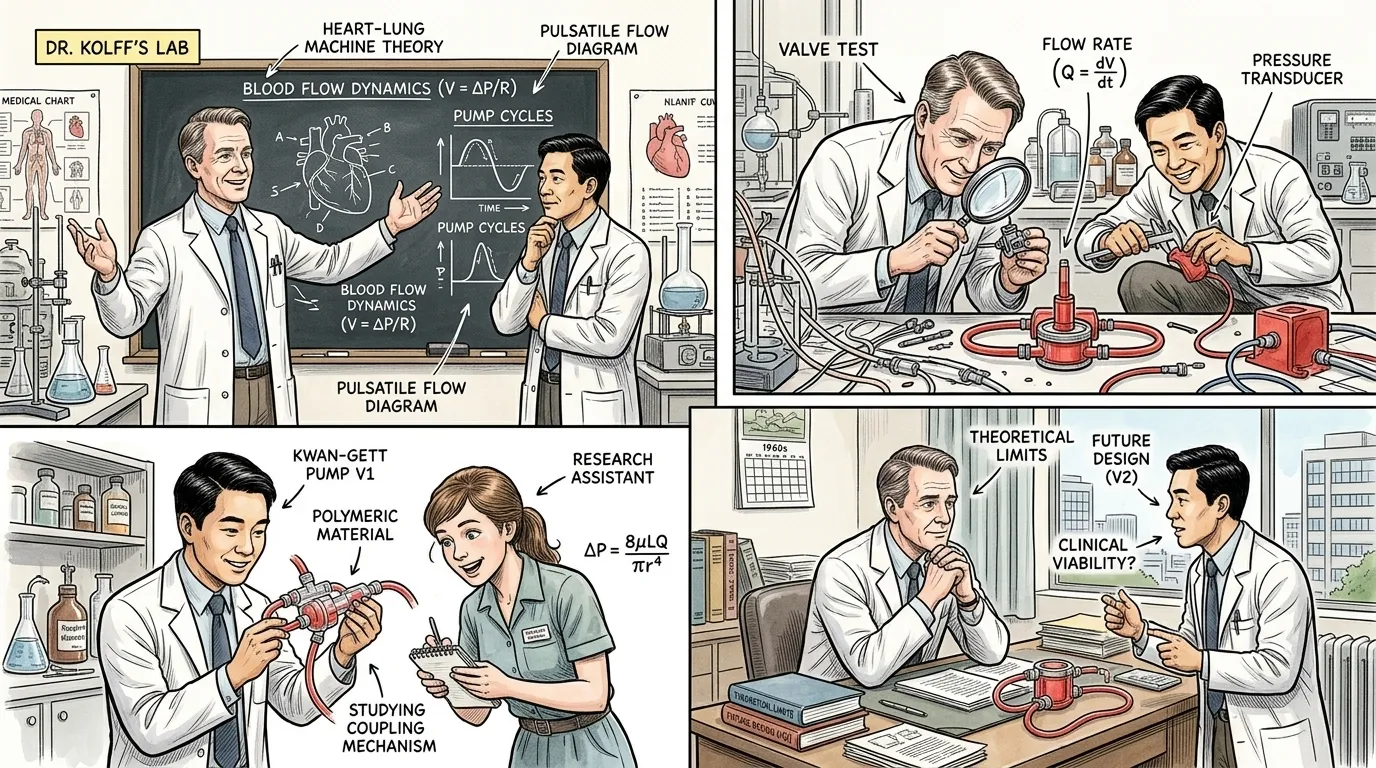
""The human heart is an engineering marvel," mused Dr. Willem Kolff, a pioneering artificial organ researcher, to his colleague, Dr. Clifford Kwan-Gett, in his laboratory. "Its intricate dance of chambers, valves, and muscle—a delicate balance of fluid dynamics and biology—is incredibly complex. We're not just trying to pump blood; we're trying to mimic life itself." Dr. Kwan-Gett nodded gravely, examining a prototype blood pump. "And the materials, Willem. How do we create surfaces that blood won't reject, that won't cause catastrophic clots or infections? That's the core problem.""
Page 2
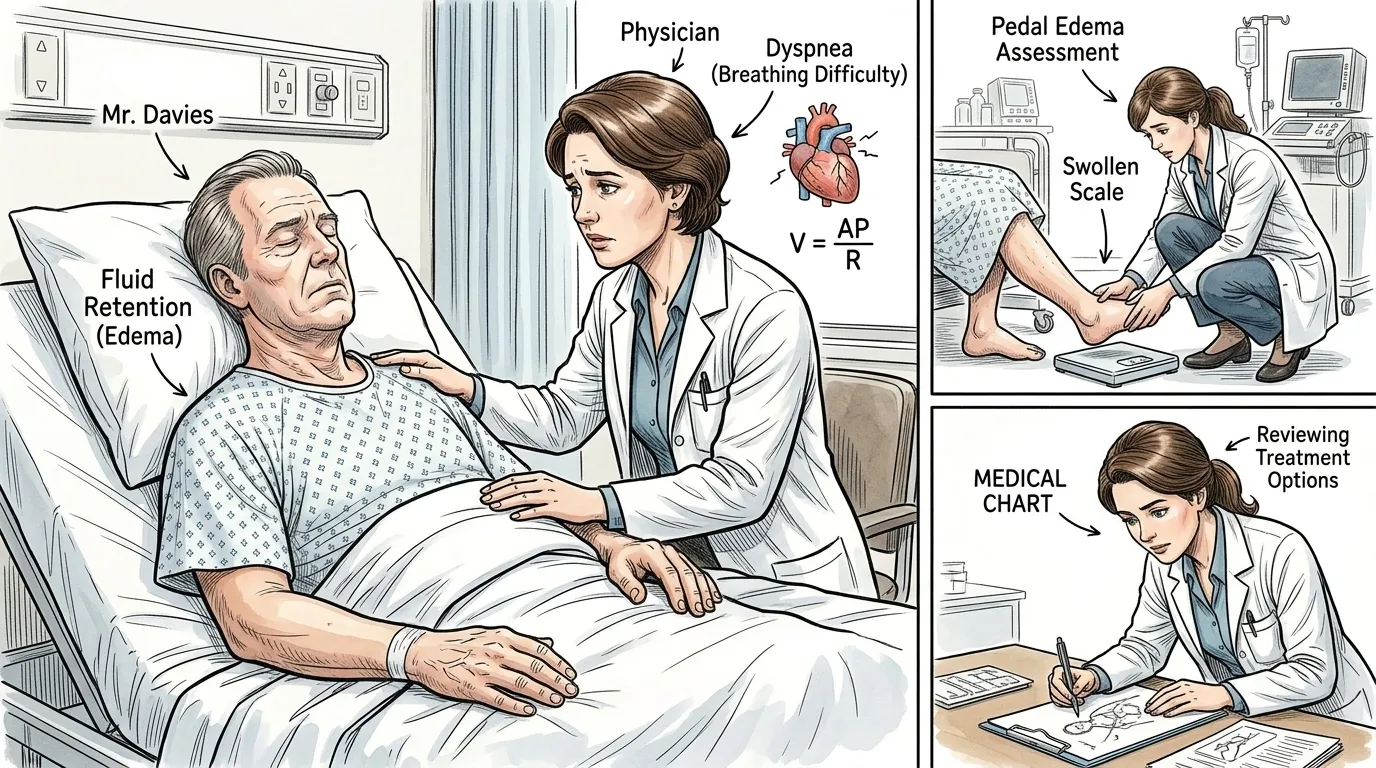
Before the advent of cardiac transplantation and artificial heart technology, patients with severe heart failure faced a relentlessly declining quality of life. Their hearts, weakened and enlarged, struggled to pump enough oxygenated blood to the body, leading to chronic fatigue, shortness of breath, and swelling. Life became a daily struggle for breath, a slow confinement to bed as vital organs began to suffer from inadequate blood flow. There were no long-term solutions, only managing symptoms.
""Each day feels like I'm running a marathon, even just walking to the window," a patient with visible fluid retention remarked to his concerned physician in a sterile hospital room, his voice strained. The physician, a woman in her late 40s with a kind but somber expression, placed a hand on his arm. "Your heart is working so hard, Mr. Davies. We're doing everything we can with medication, but... we've reached the limits of what traditional therapies can achieve. We need something more, something revolutionary, to truly give you back your life." The patient sighed, closing his eyes, the weight of his condition evident. "I just want to breathe easily again.""
Page 3
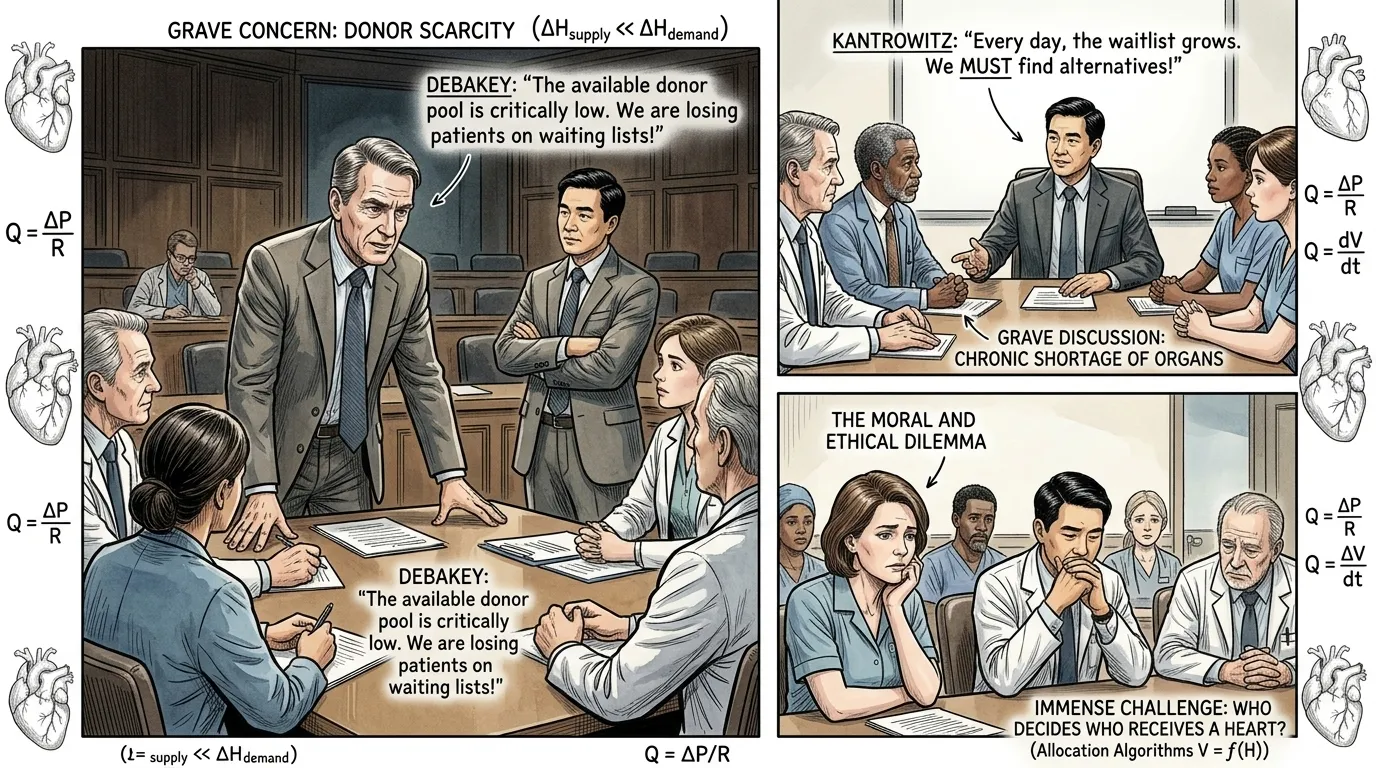
Medical advancements in the early to mid-20th century, from antibiotics to open-heart surgery, transformed many areas of healthcare. Yet, when a patient's own heart muscle was fundamentally destroyed, science hit a wall. Heart transplantation, while revolutionary, was severely limited by the scarcity of suitable donor organs and the formidable challenge of preventing immune rejection. A mechanical substitute, an 'artificial heart,' became the elusive dream, the only conceivable answer for thousands. The complexity of making a device both functional and biocompatible remained a daunting scientific frontier.
""The demand for donor hearts is a constant, crushing burden," Dr. Michael DeBakey, a renowned cardiac surgeon, confided to a group of colleagues during a tense medical conference in the late 1960s. "For every patient who might benefit from a transplant, there are a hundred more on the waiting list, their time running out. We simply don't have enough viable organs." Another surgeon, Dr. Adrian Kantrowitz, added, "And even when we do find a match, the lifelong struggle with immunosuppression, the risk of rejection... it's a temporary reprieve, not a cure. We must find an alternative. As the great Roman philosopher Seneca once observed, 'It is not because things are difficult that we do not dare; it is because we do not dare that they are difficult.' We must dare to create a mechanical heart, despite the difficulties of biocompatibility.""
Page 4
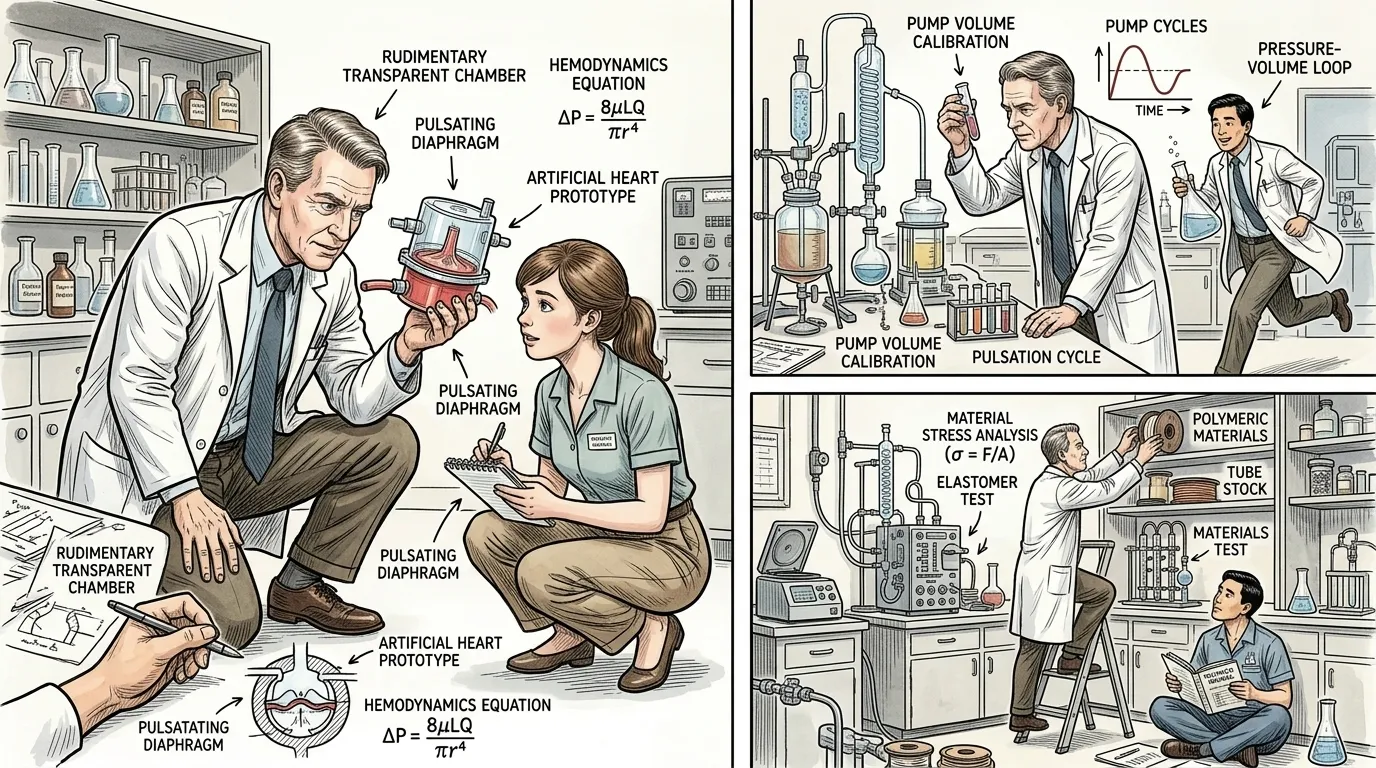
The concept of an artificial heart wasn't born in a single eureka moment but evolved through decades of relentless experimentation. Dutch physician Willem Kolff, already famous for inventing the artificial kidney during World War II, turned his prodigious mind to the heart in the 1950s. He believed that if he could replace kidney function mechanically, the heart, too, could be replicated. His early work was rudimentary, often involving simple, air-driven pumps and rudimentary materials, laying the groundwork for future breakthroughs.
""Our initial attempts were crude, yes, but essential for understanding the forces involved," Dr. Kolff explained to a young research assistant in his bustling laboratory, gesturing towards a clunky, transparent plastic chamber. "We learned invaluable lessons about the pressure, the volume, the sheer mechanics of blood circulation. This basic pump, for example, uses compressed air to push on a flexible membrane, mimicking a ventricle's contraction." The assistant, a keen woman with her hair tied back, scribbled notes furiously. "So, the air essentially squeezes the blood out?" she asked. "Precisely," Kolff confirmed, "but the challenge isn't just pumping; it's doing so without damaging the delicate blood cells.""
Page 5
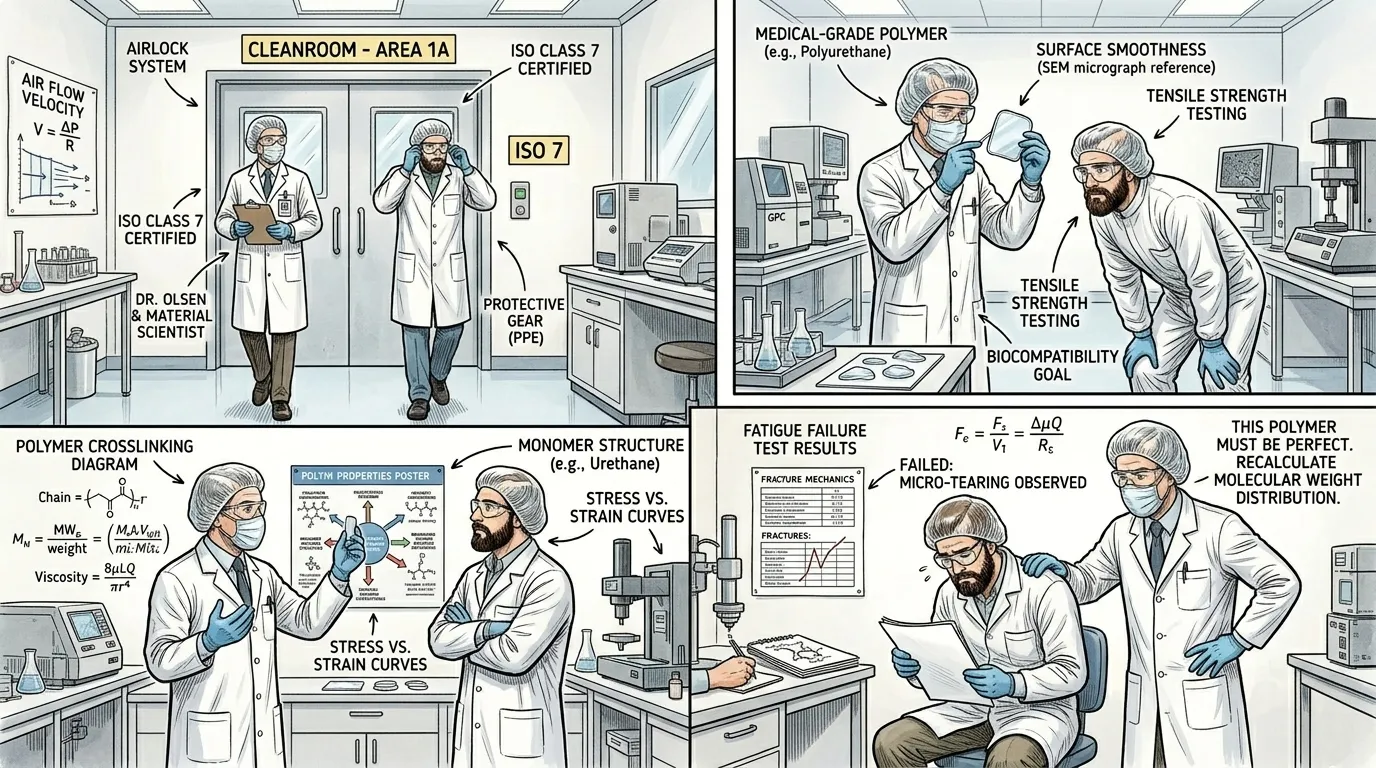
The journey to a functional artificial heart was fraught with engineering and biological hurdles. Beyond simply creating a pump, inventors had to contend with the human body's hostile reaction to foreign materials. Blood cells would clot upon contact with most plastics and metals, leading to dangerous blockages. Materials also needed to be durable enough to withstand millions of cycles of pumping without degrading, yet flexible enough to mimic natural heart action. The solutions required innovation in both material science and biomechanical engineering.
""The problem isn't just making it pump, it's making it live inside a body," Dr. Don Olsen, a bioengineer collaborating with Dr. Kolff, stressed to a team of material scientists in a cleanroom, holding up a small, smooth sample of medical-grade plastic. "We need a surface that's completely inert, one that the body accepts as its own. Every rough edge, every chemical impurity, can trigger a catastrophic immune response or blood clot formation." A material scientist, a man with a thick beard and safety glasses, replied, "We've tested countless polymers—silicones, polyurethanes. The ideal combination of flexibility, durability, and biocompatibility remains elusive, but we're getting closer. We're experimenting with novel surface coatings that might trick the blood into thinking it's still in a natural vessel.""
Page 6
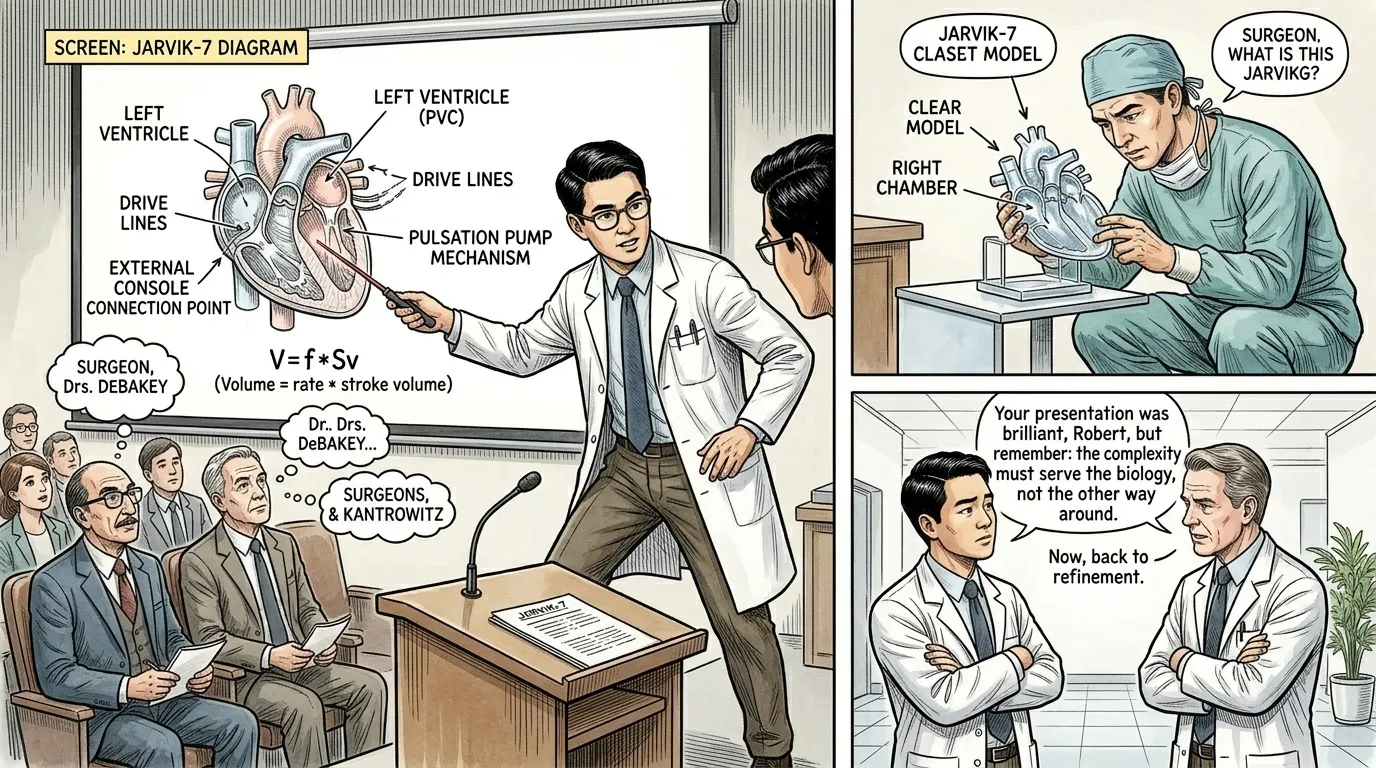
Decades of conceptual work culminated in the Jarvik-7, designed by Robert Jarvik at the University of Utah while working under Willem Kolff. Building on earlier designs, the Jarvik-7 was a bi-ventricular pulsatile pump designed to replace both lower chambers of the human heart. Its innovation lay in its simplified design, using air pressure to actuate flexible diaphragms, and its choice of materials – a combination of smooth polyurethane and a specific type of fabric that allowed tissue ingrowth, attempting to mitigate the clotting problem.
""The critical insight was simplifying the pumping mechanism," Dr. Robert Jarvik, a determined young engineer with glasses and dark hair, explained to a group of surgeons, pointing to a detailed diagram of the Jarvik-7. "Each ventricle uses an air-driven diaphragm that pushes blood out, then retracts to draw it in. It mimics the natural pulsatile flow of the heart. The real challenge was refining the materials to achieve durability without provoking the body's defenses." A surgeon, examining a clear plastic model, asked, "And the air is supplied externally?" "Precisely," Jarvik confirmed, "through tubes connected to a large external console. It's not ideal, but it's a necessary compromise for early long-term support.""
Page 7
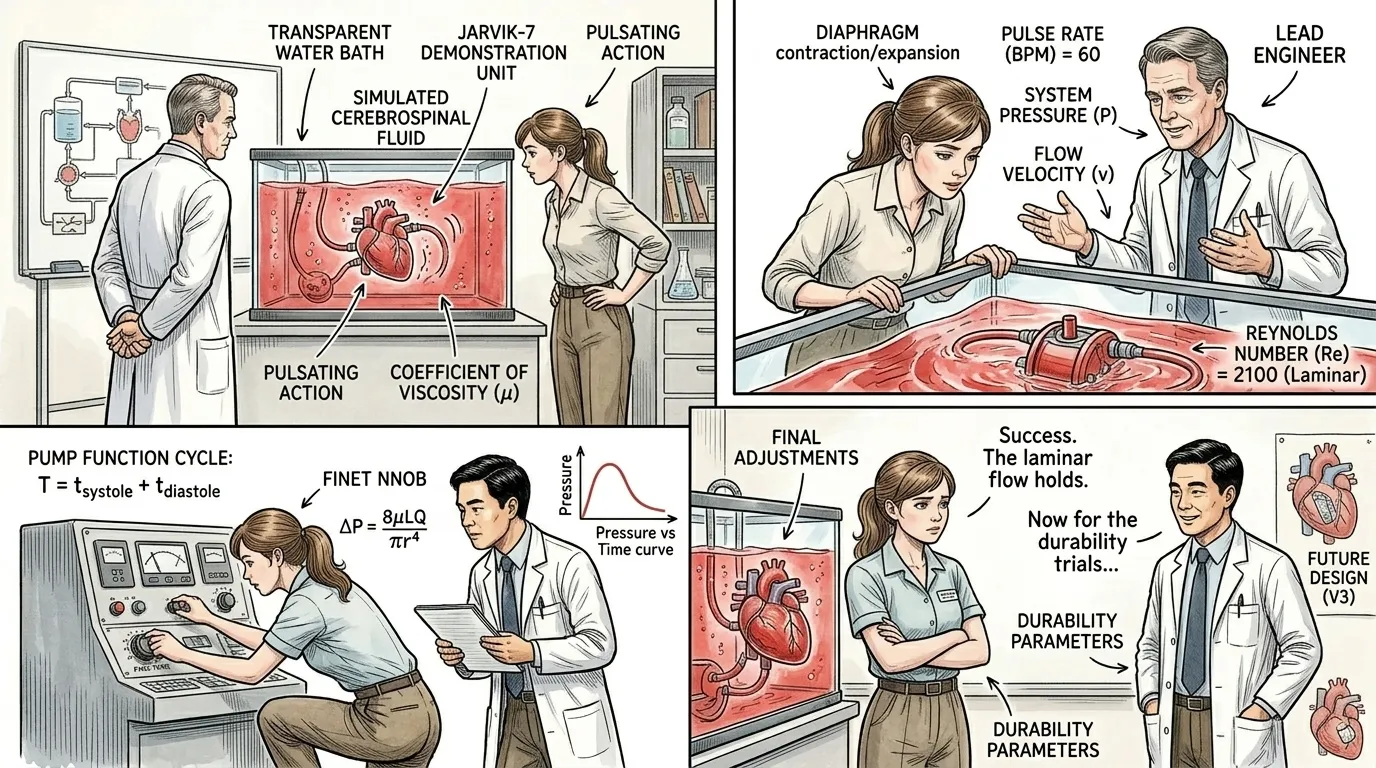
The Jarvik-7 functioned as a total artificial heart, designed to take over the full pumping responsibility. It consisted of two main components, one for the left ventricle and one for the right. Each component housed a flexible polyurethane diaphragm separating the blood chamber from an air chamber. External air pressure, controlled by a large console, was cyclically delivered to the air chambers. This pressure forced the diaphragms inwards, expelling blood from the heart into the arterial system. When the pressure was released, the diaphragms recoiled, allowing blood to flow back into the device from the body's venous system, replicating the heart's natural pumping cycle.
""Observe the precise mechanics," a lead biomedical engineer instructed a new technician, as they stood before an operational Jarvik-7 demonstration unit. The unit, immersed in a transparent tank of simulated blood, visibly pulsed. "Compressed air, supplied by the console, enters this inlet, pushing the diaphragm inward. This action, synchronized with the opposite ventricle, forces blood into the aorta and pulmonary artery." The technician, a young woman with a neat ponytail, watched intently. "And then the air is vented?" "Exactly," the engineer confirmed. "The diaphragm relaxes, and inflow valves open, drawing blood back in. This rhythm, roughly 70 beats per minute, sustains circulation. We monitor pressure and flow rates constantly to ensure optimal performance.""
Page 8
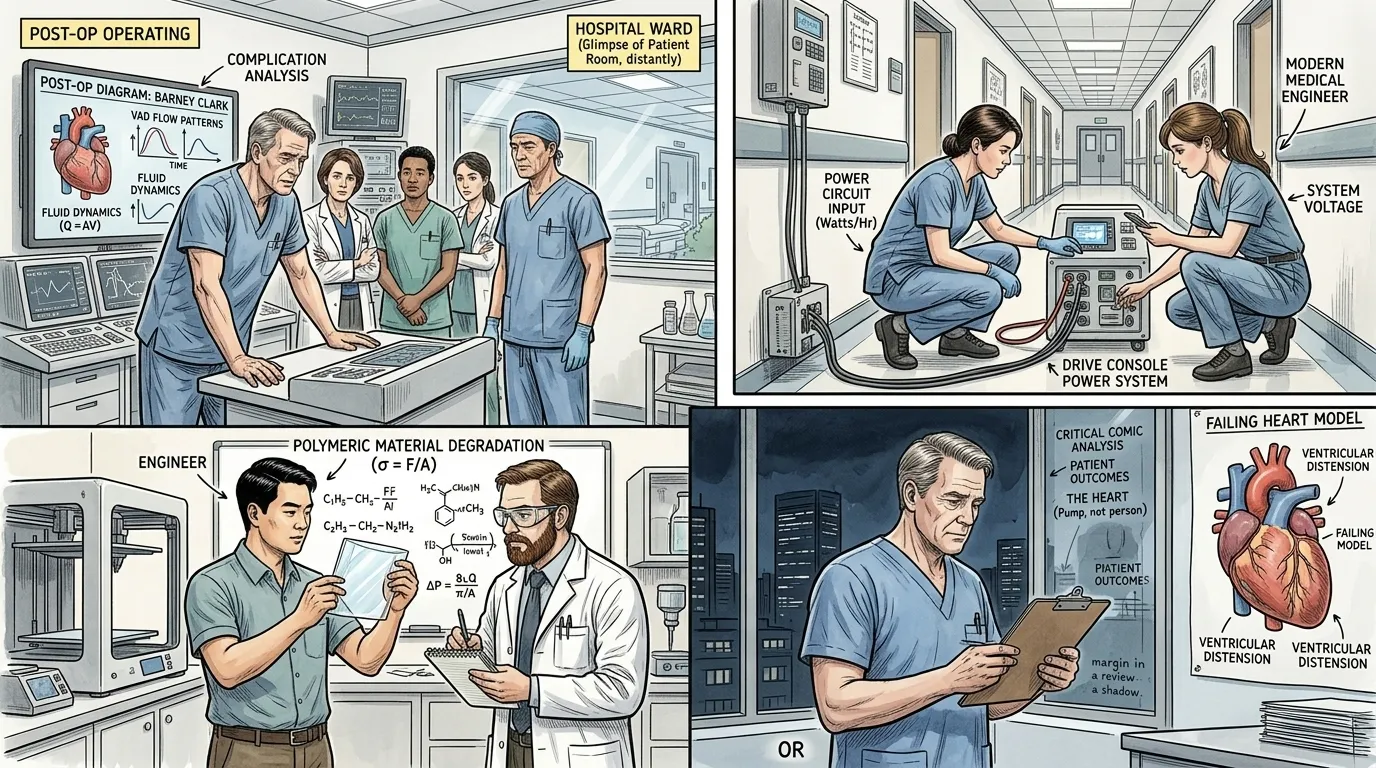
On December 2, 1982, in a monumental medical event, Dr. William DeVries implanted the Jarvik-7 into Barney Clark, a 61-year-old retired dentist, at the University of Utah Medical Center. Clark, suffering from severe cardiomyopathy, was given mere days to live. The surgery, lasting seven hours, was a technical success, marking the first time a human life was sustained by a permanent artificial heart. However, the victory was short-lived, as critical challenges emerged, notably severe blood clots and infections, leading to a series of strokes and organ failures. Clark survived 112 days, a testament to human resilience and the device's potential, but also a stark reminder of the immense biological hurdles. This profound experience taught the medical community that merely pumping blood was insufficient; the interface between machine and biology was paramount.
""The surgery itself was flawless, a triumph of engineering and surgical skill," Dr. William DeVries, the lead surgeon, recounted to a somber medical team gathered post-operatively, his face etched with fatigue. "Barney Clark's heart was failing, but now, the Jarvik-7 is pumping. Yet, as we discussed early in our research, the body's reaction to foreign materials remains our greatest adversary. We are seeing early signs of thromboembolism, despite aggressive anticoagulation. The delicate balance of biology and mechanism that Kolff and Kwan-Gett spoke of, that challenge of making surfaces blood-compatible, is proving incredibly difficult." Another surgeon added, "Indeed, the complications are stark. As Hippocrates, the father of medicine, stated, 'Art is long, life is short, opportunity fleeting, experiment perilous, judgment difficult.' We have seized the opportunity, but the perilous experiment continues to teach us hard lessons about the body's intricate defenses.""
Page 9
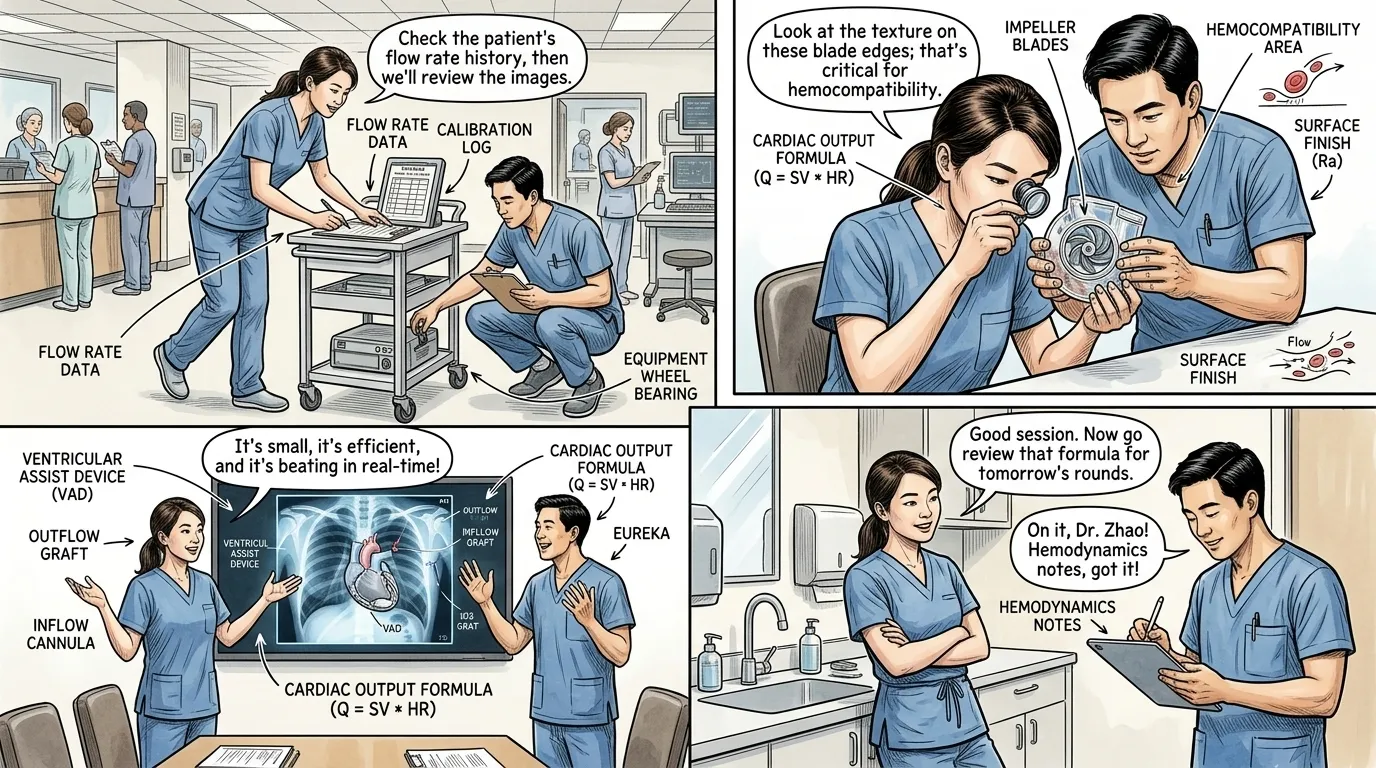
The Jarvik-7, while groundbreaking, eventually faced restrictions due to its high complication rates. However, its legacy spurred intense research. The focus shifted from total artificial hearts to Ventricular Assist Devices (VADs), smaller pumps that assist a failing heart rather than replacing it entirely. These devices, first for temporary support and then for long-term use, allowed patients to live for years while awaiting a transplant, or even as a permanent 'destination therapy.' Technological advancements in materials, miniaturization, and continuous-flow designs dramatically improved outcomes, offering unprecedented mobility and quality of life.
""The evolution from total replacement to assistive devices was a pivotal moment," Dr. Emily Zhao, a leading cardiac surgeon, explained to her resident in a modern clinic. "VADs are game-changers. Instead of replacing the entire heart, we augment its function. Look at this patient's X-ray," she gestured to a digital image on a screen showing a small, implanted device. "The HeartMate II, a continuous-flow pump, dramatically improves quality of life. Patients can leave the hospital, return home, and live for years. The miniaturization, the improved biocompatibility of the materials—it's astounding compared to the early Jarvik-7 designs." The resident, a young man with a focused expression, nodded. "So, less invasive, less risk?" Dr. Zhao confirmed, "Precisely, and a far better quality of life. These devices are buying patients invaluable time.""
Page 10
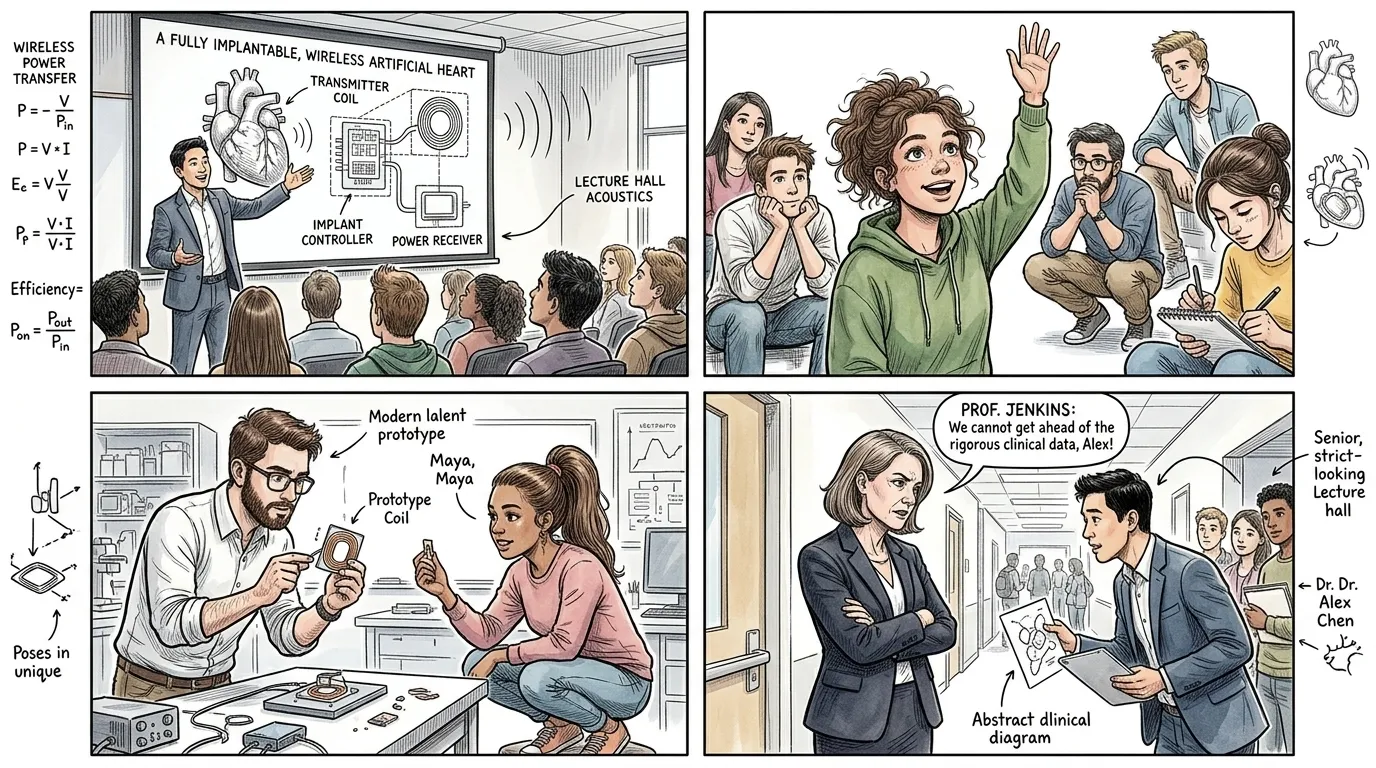
The journey of the artificial heart, from early, experimental prototypes to sophisticated, implantable devices, reflects humanity's relentless pursuit of overcoming disease. While challenges remain, including the need for even more durable and perfectly biocompatible materials, and systems that are fully implantable without external connections, the artificial heart and its progeny, the VADs, have transformed the landscape of cardiac care. Millions of lives have been extended, and quality of life dramatically improved. The initial daring vision of Willem Kolff and his successors continues to beat strong, promising a future where a failing heart no longer signifies an inevitable end.
""We've come so far, yet the path ahead is still exciting," a leading biomedical engineer, Dr. Alex Chen, enthusiastically stated during a university lecture, showing a slide with a concept for a fully implantable, wireless artificial heart. "Imagine a future where a failing heart can be replaced seamlessly, without bulky external equipment. We're working on self-powering units, advanced bio-coatings that prevent any clotting, and even regenerative medicine to potentially regrow cardiac tissue. The human spirit, in its ingenuity, continues to push boundaries." A student raised a hand. "So the goal is a heart that's indistinguishable from a natural one?" Dr. Chen smiled. "That, or even better. We seek not just to mimic, but to truly extend and enhance life. The artificial heart is more than a machine; it is a testament to perseverance and innovation.""
About this story
- Location: Global
- Audience: general readers
Questions and answers
Read Wonder Inventions on your phone
Wonder Inventions is available on Android. Get Wonder Inventions on Google Play.