Autonomous Vehicle System
Autonomous Vehicle System — an illustrated inventions story, set in Global. 10 illustrated pages, free to read on Wonder Inventions.

Page 1
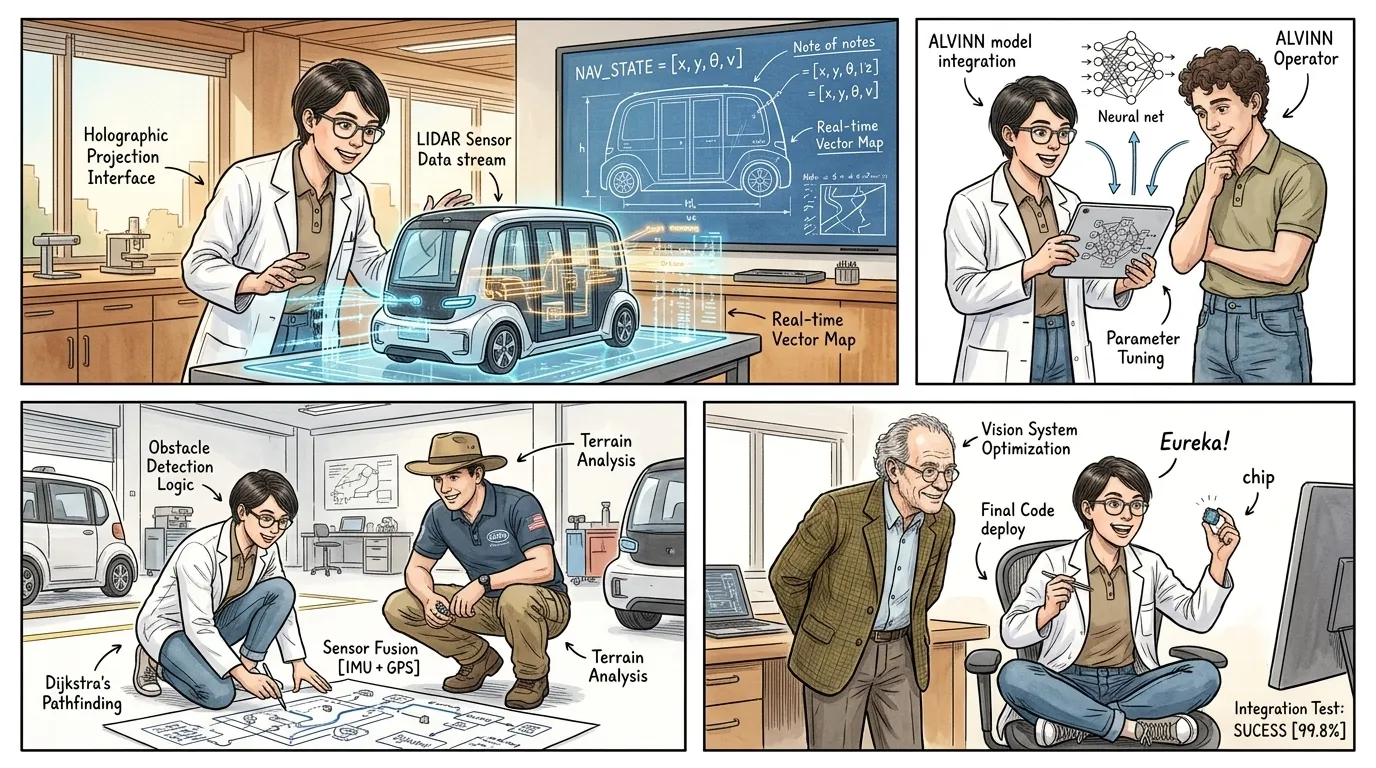
Human fallibility at the wheel has long been a profound challenge, defining an era of road hazards and inefficiencies. Yet, for decades, visionaries have conceived of a radical solution: vehicles that navigate themselves, promising a future of unprecedented safety and streamlined efficiency. This ambitious concept, once confined to science fiction, has steadily moved from theoretical diagrams to tangible engineering reality, driven by a relentless pursuit of smarter mobility.
Page 2
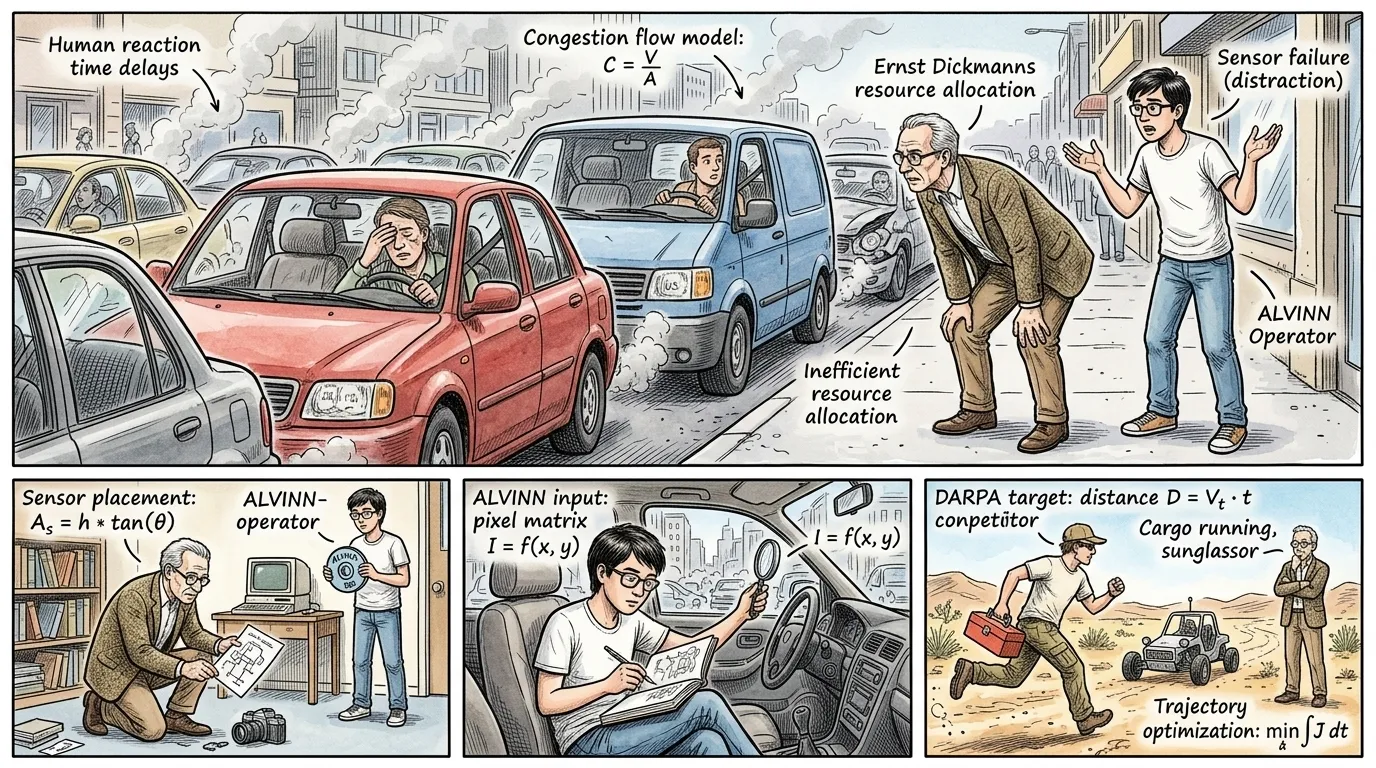
Before the advent of advanced automation, global transportation systems relied exclusively on human vigilance and decision-making. This dependence brought with it significant limitations: pervasive traffic congestion, detrimental environmental impact from inefficient driving, and, most critically, a devastating toll of accidents. Human factors such as fatigue, distraction, and delayed reaction times made every journey a potential risk, underscoring the urgent need for a more reliable alternative.
Page 3
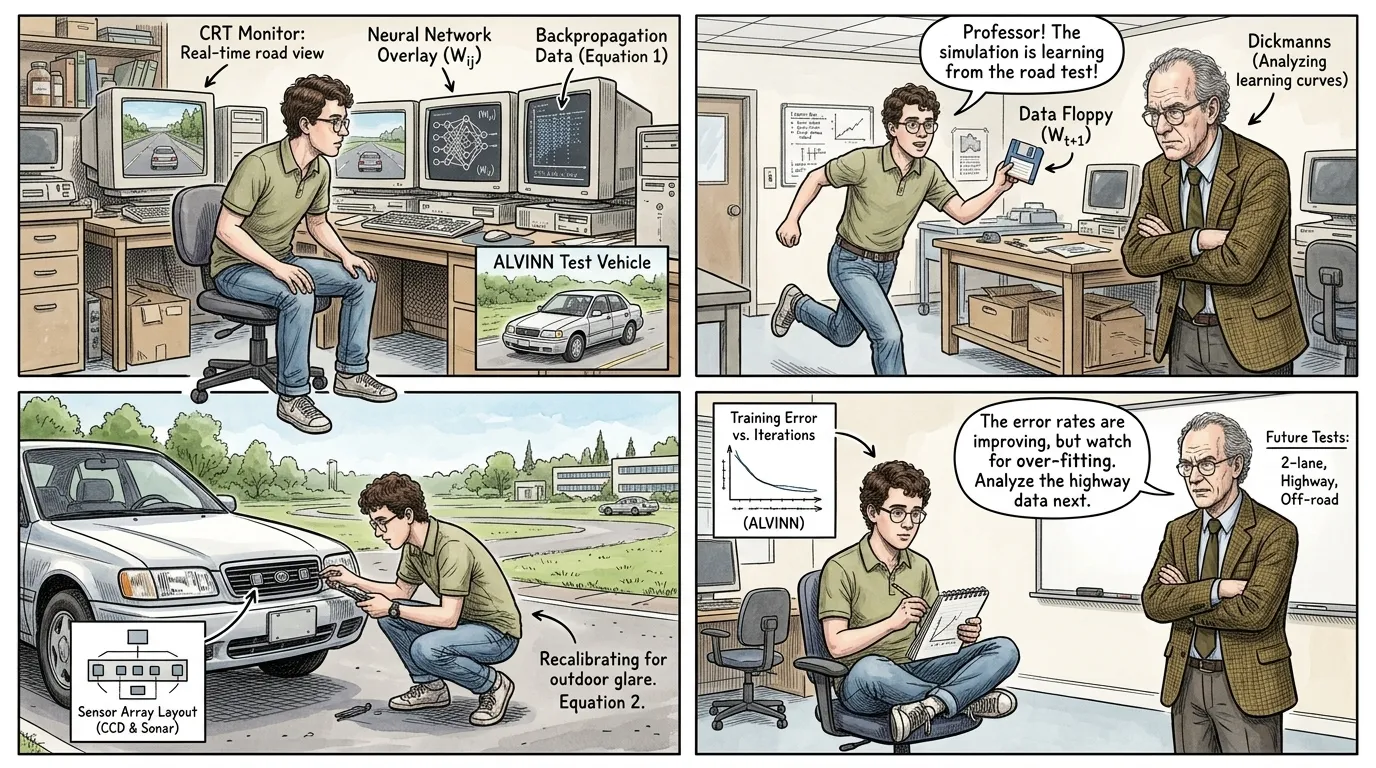
The foundational work towards true autonomous driving systems began not with a singular inventor, but through the collaborative efforts of dedicated research teams across the globe. In the late 1980s and early 1990s, Carnegie Mellon University's ALVINN (Autonomous Land Vehicle In a Neural Network) project marked a pivotal early milestone. This groundbreaking initiative demonstrated a vehicle's capacity to learn driving behaviors by observing human operators, a crucial step in the development of adaptive autonomous systems.
Page 4
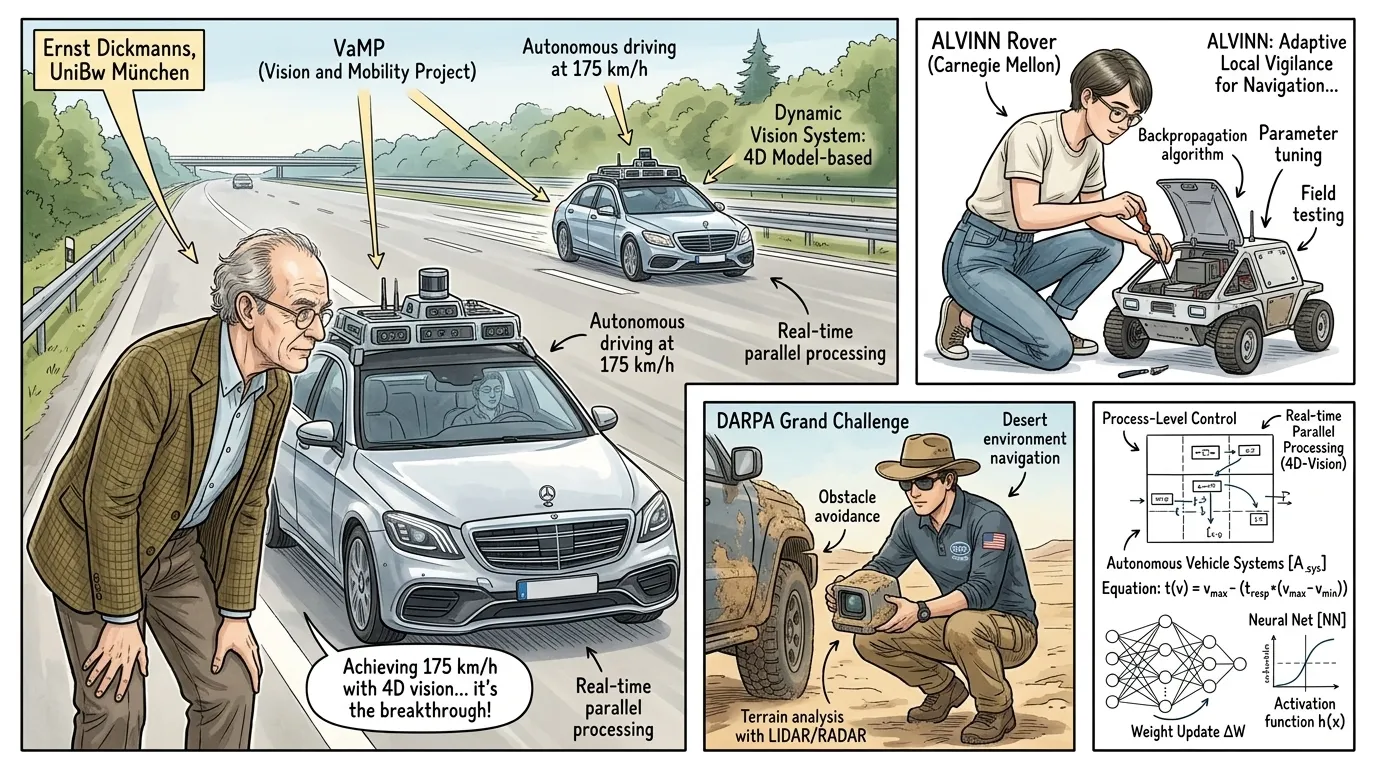
Concurrently in Germany, Professor Ernst Dickmanns and his team at Bundeswehr University Munich achieved a profound leap in autonomous vehicle technology with their VaMP (Versuchsfahrzeug für Autonome Mobilität und Pfadplanung) project. By the early 1990s, the VaMP, a heavily modified Mercedes-Benz, astounded the world by demonstrating the ability to navigate ordinary German autobahns at speeds up to 175 km/h, autonomously changing lanes and reacting to traffic. This was accomplished through pioneering dynamic vision systems and robust real-time parallel processing.
Page 5
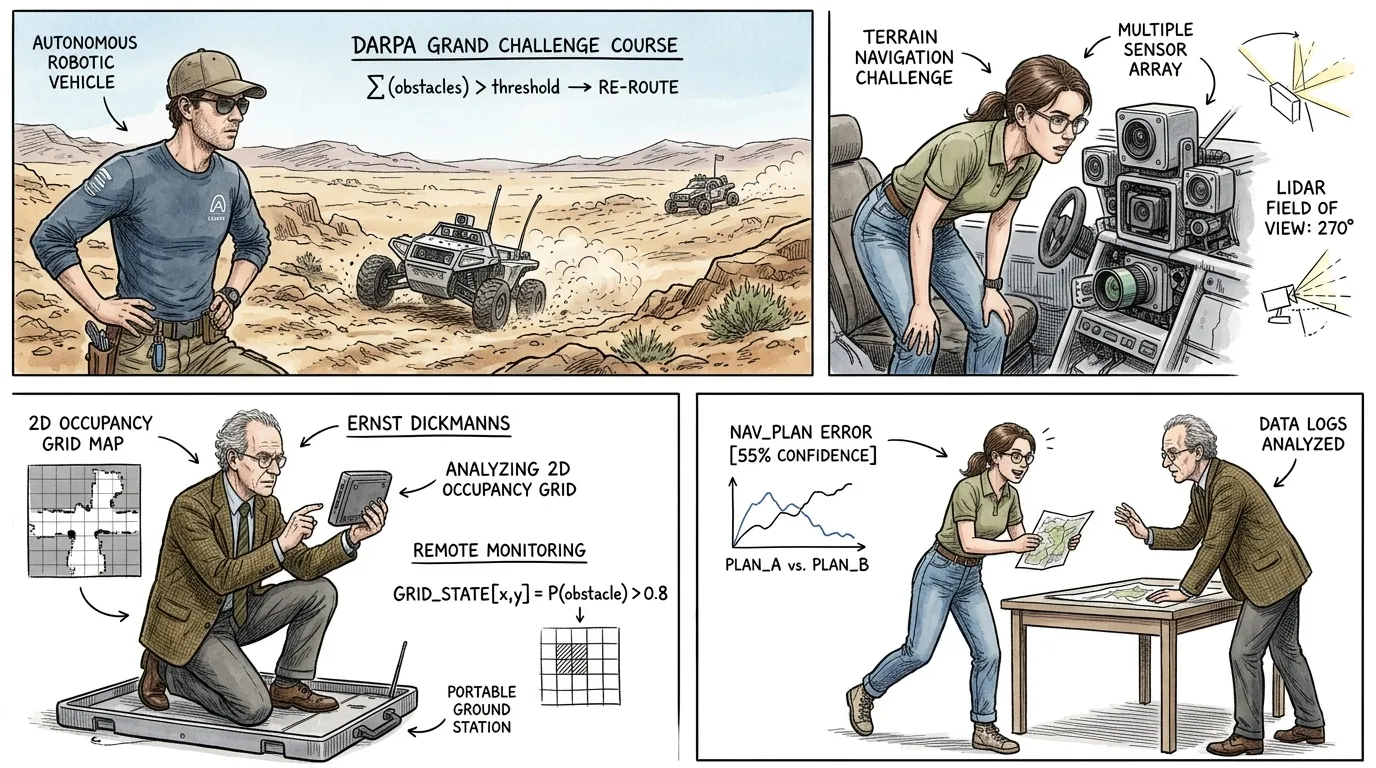
The U.S. Defense Advanced Research Projects Agency (DARPA) dramatically accelerated autonomous vehicle research in the mid-2000s with its series of Grand Challenges. These unprecedented competitions tasked university and private sector teams with developing vehicles capable of navigating unmapped desert terrains and complex urban environments entirely without human intervention. The challenges served as a powerful catalyst, driving intense innovation in sensor technology, artificial intelligence, and robust software engineering, fundamentally transforming autonomous driving into a high-stakes global race.
Page 6
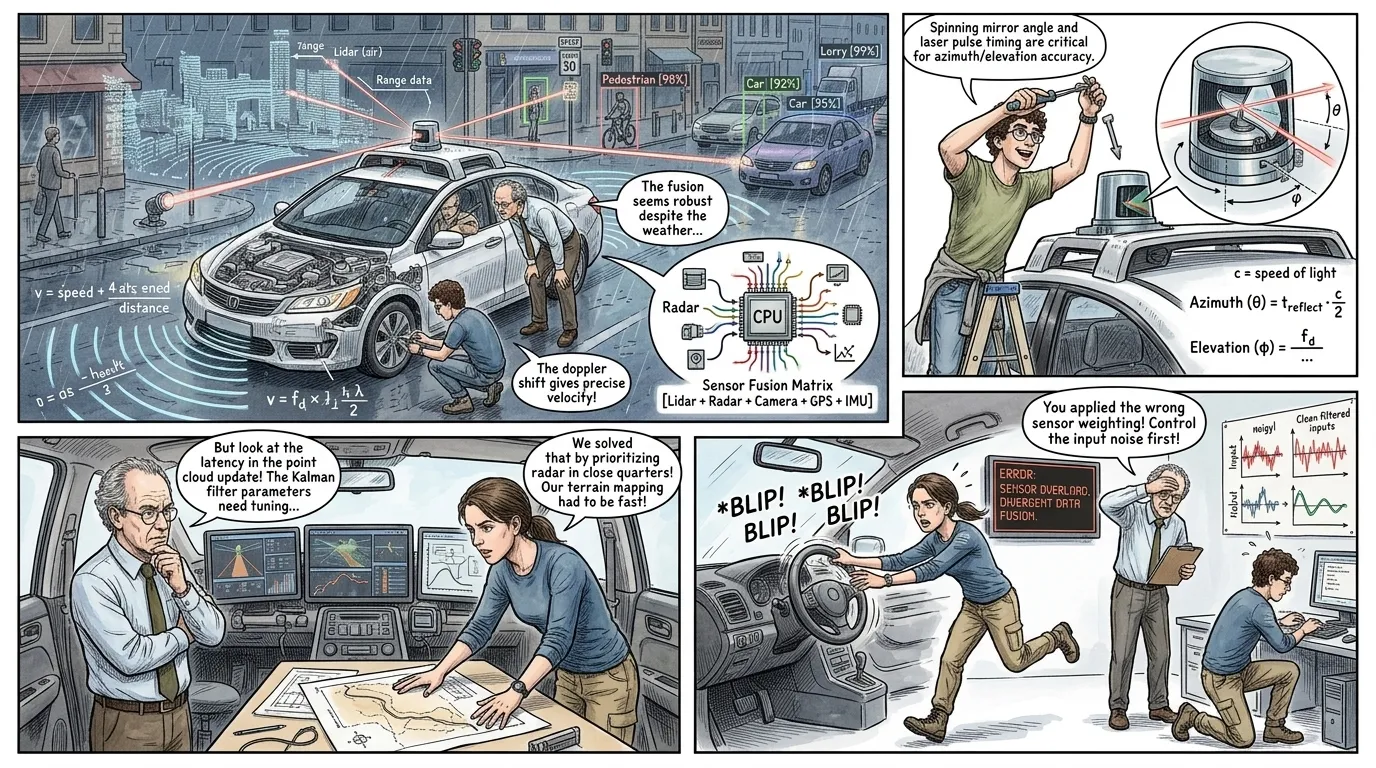
A modern autonomous vehicle's fundamental ability to comprehend its surroundings is achieved through an intricate symphony of advanced sensors. Lidar systems generate highly accurate 3D point cloud maps, while radar reliably detects object speed and distance, even through adverse weather conditions. Concurrently, high-resolution cameras provide rich visual data, interpreting traffic signals, road signs, and performing detailed object classification. The seamless fusion of this diverse sensor data creates a comprehensive, real-time understanding of the dynamic environment.
Page 7
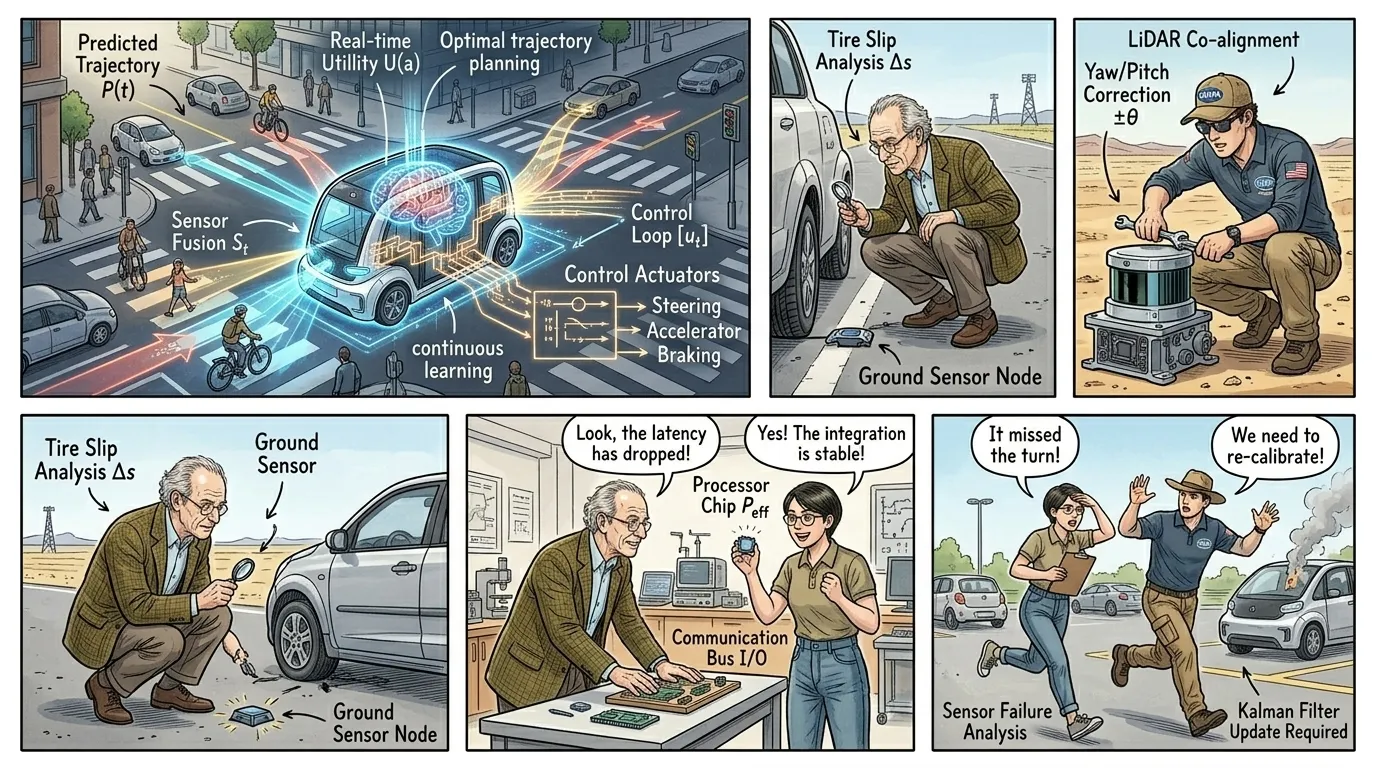
Beyond merely perceiving data, an autonomous vehicle's intelligence lies in its sophisticated algorithms that interpret the perceived environment, predict the movements of other road users, and make safe, efficient driving decisions. This computational 'brain' meticulously plans optimal trajectories, navigates complex intersections, and precisely commands the vehicle's actuators for steering, acceleration, and braking. Through continuous learning and real-time computation, the system maintains a dynamic awareness, ensuring smooth and responsive operation.
Page 8
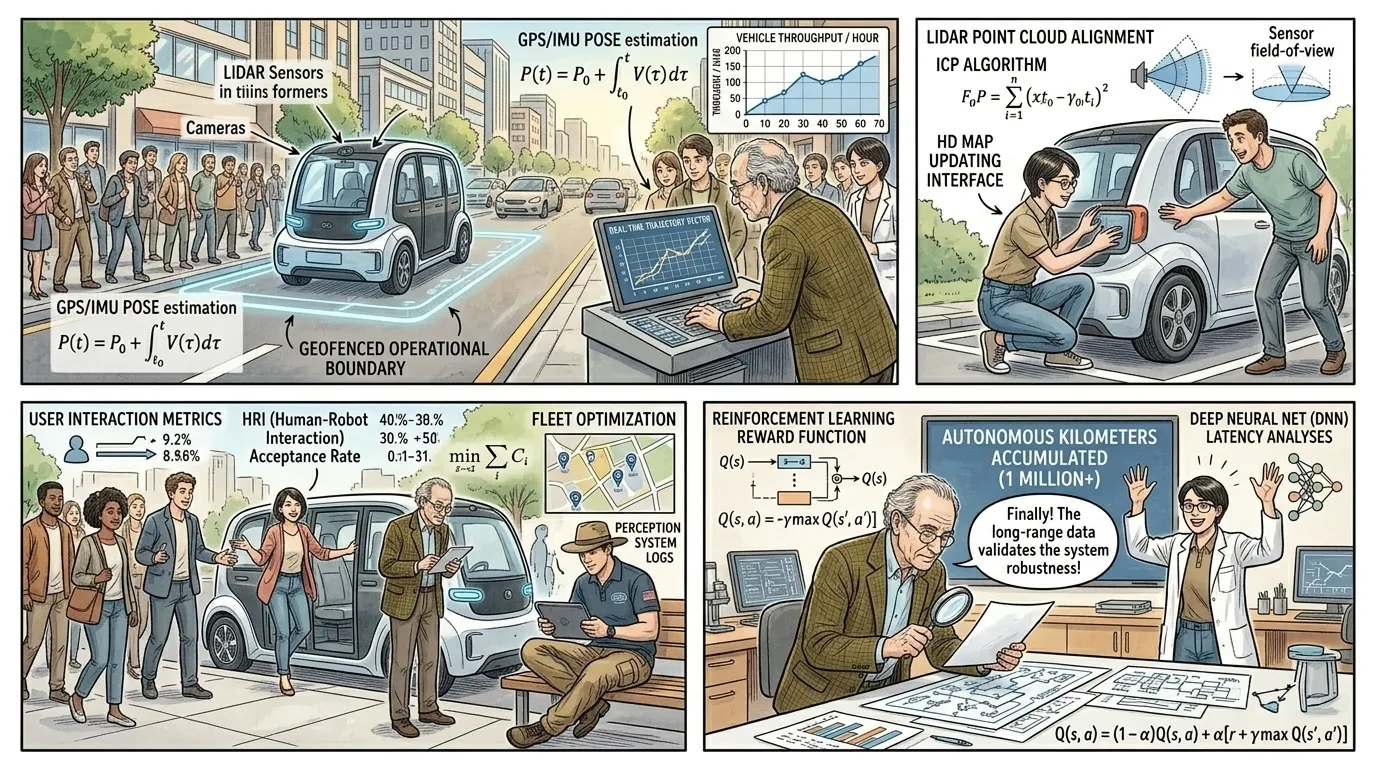
The 2010s marked a pivotal era as commercial entities ventured beyond research labs into the realm of public autonomous vehicle deployment. Companies like Waymo began operating fully driverless ride-hailing services in carefully geofenced areas, gathering millions of miles of invaluable real-world data. These early public trials served as a critical phase, introducing society to the practical potential of driverless mobility while simultaneously highlighting the persistent technical and societal challenges of integrating such advanced systems.
Page 9
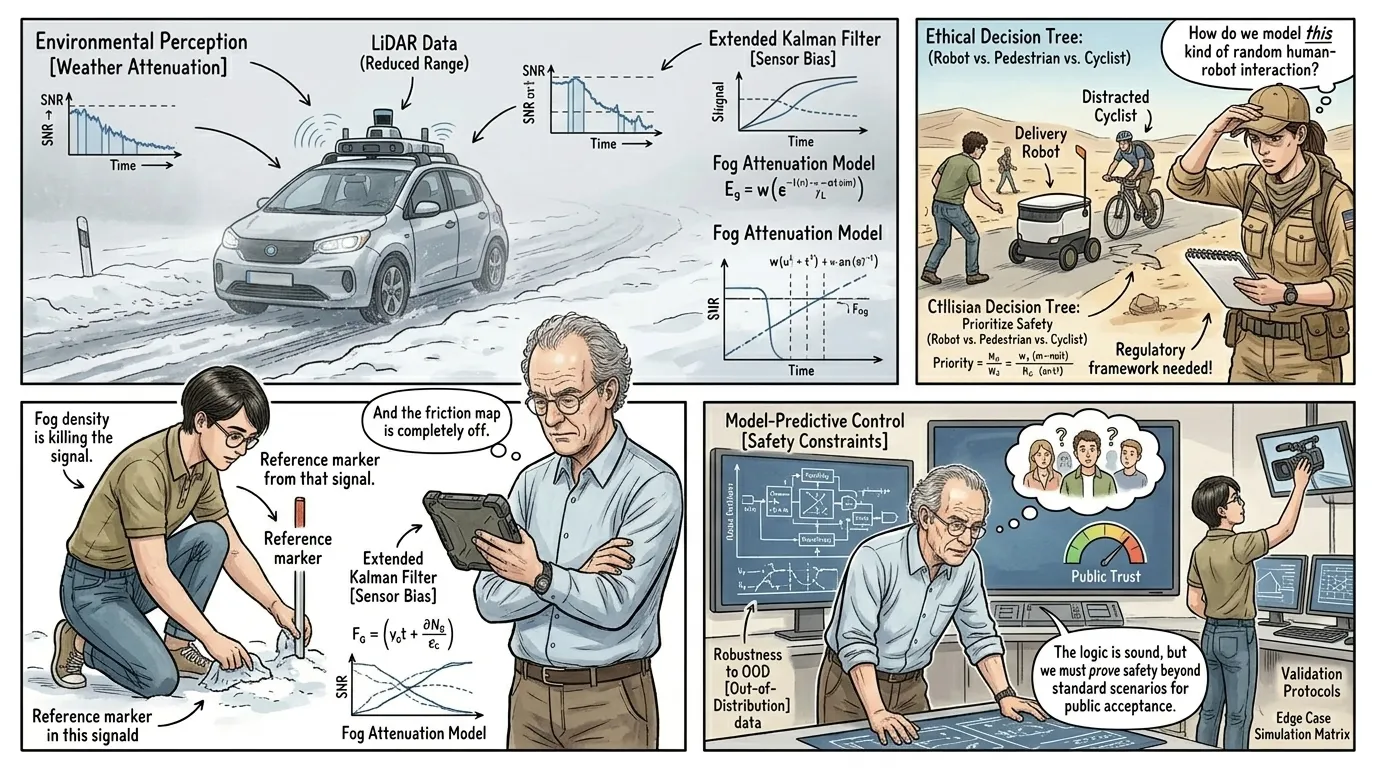
Despite significant progress, the journey towards widespread autonomous vehicle integration faces formidable challenges. Extreme weather conditions, highly complex 'edge cases' – unusual and unpredictable scenarios – and the profound ethical dilemmas surrounding accident responsibility continue to demand intensive research. Building public trust and establishing robust, adaptive regulatory frameworks are paramount for seamless integration, pushing developers to continually enhance AI robustness and implement sophisticated fail-safe mechanisms for all operational domains.
Page 10
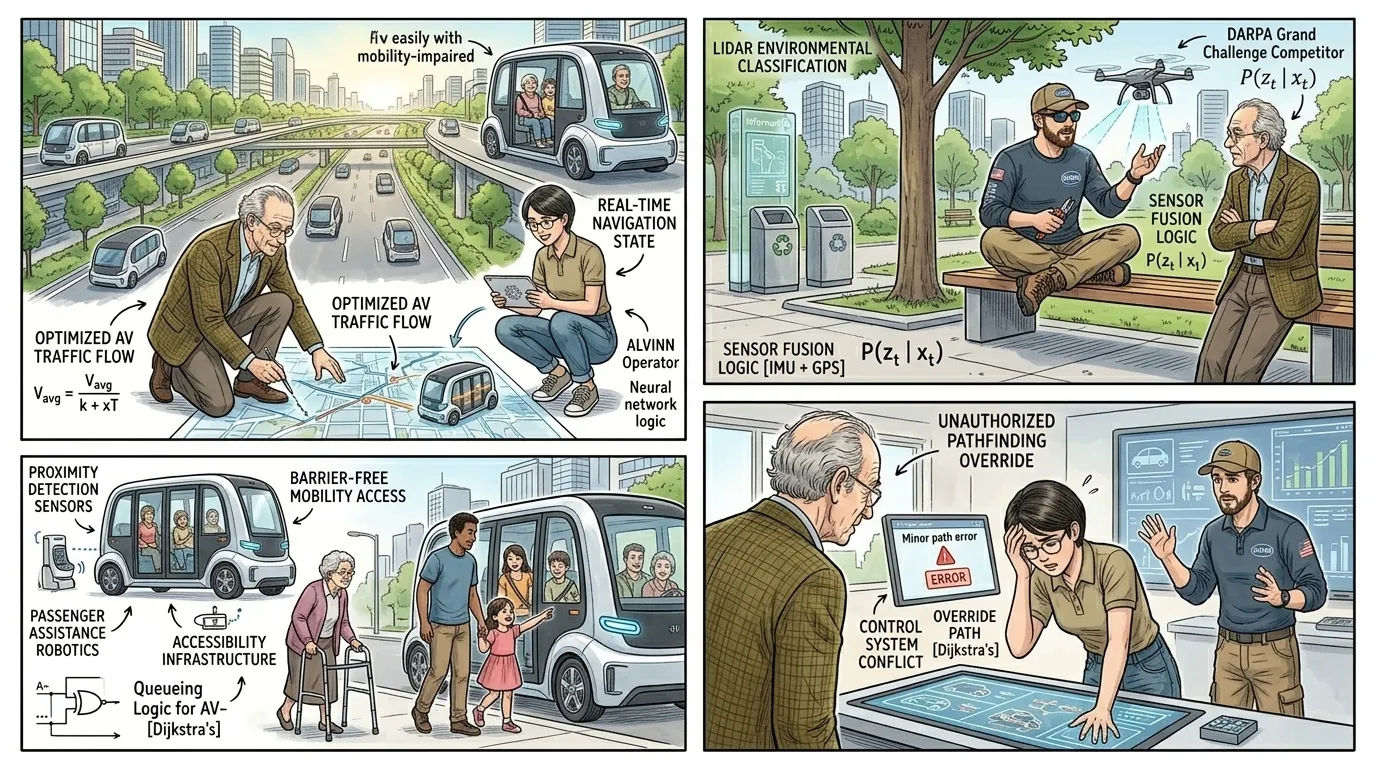
The long-term impact of autonomous vehicle systems promises a profound and far-reaching transformation in global transportation, urban planning, and daily human life. From dramatically enhanced road safety and significantly reduced traffic congestion to greatly increased accessibility for diverse populations and revolutionary new logistical efficiencies, the fully autonomous future is poised to fundamentally redefine how we perceive and experience mobility, liberating human time and potentially saving millions of lives through accident prevention.
About this story
- Location: Global
- Audience: general readers
Questions and answers
Read Wonder Inventions on your phone
Wonder Inventions is available on Android. Get Wonder Inventions on Google Play.