Blood Pressure Cuff
Blood Pressure Cuff — an illustrated inventions story, set in Global. 10 illustrated pages, free to read on Wonder Inventions.

Page 1
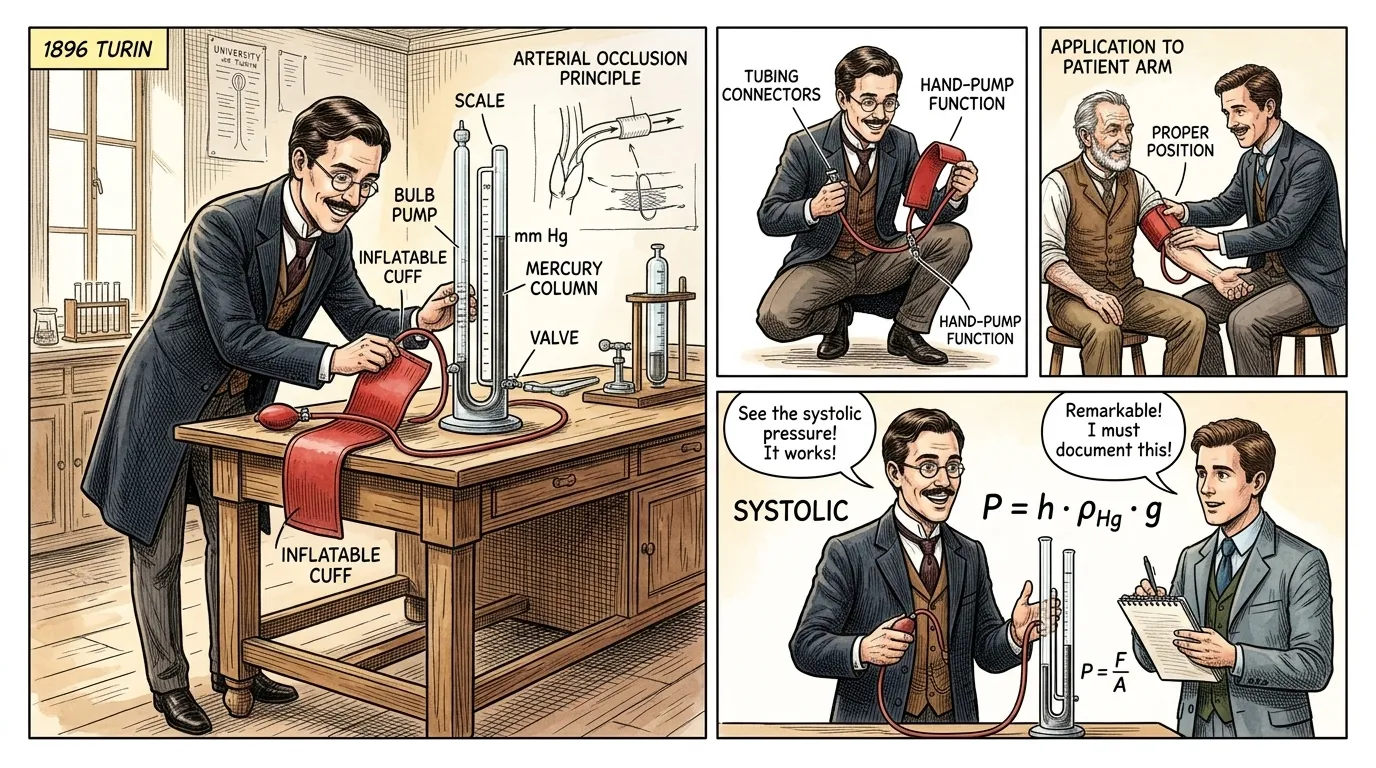
For centuries, the internal dynamics of the human circulatory system remained largely a mystery, with physicians relying on crude palpation to gauge the vital force within arteries. The ability to precisely measure blood pressure, a cornerstone of modern diagnostics, awaited a breakthrough in instrumentation.
This era-defining innovation, the Blood Pressure Cuff, emerged from the dedicated work of Italian physician Scipione Riva-Rocci in 1896, fundamentally transforming medical practice by offering a non-invasive window into cardiovascular health.
"'Observing the pulse with mere fingers yields only a qualitative sense,' Riva-Rocci explained, gesturing to his initial prototype. 'We require a quantitative measure, a way to truly gauge the heart's forceful ebb and flow to understand disease more deeply.'"
Page 2
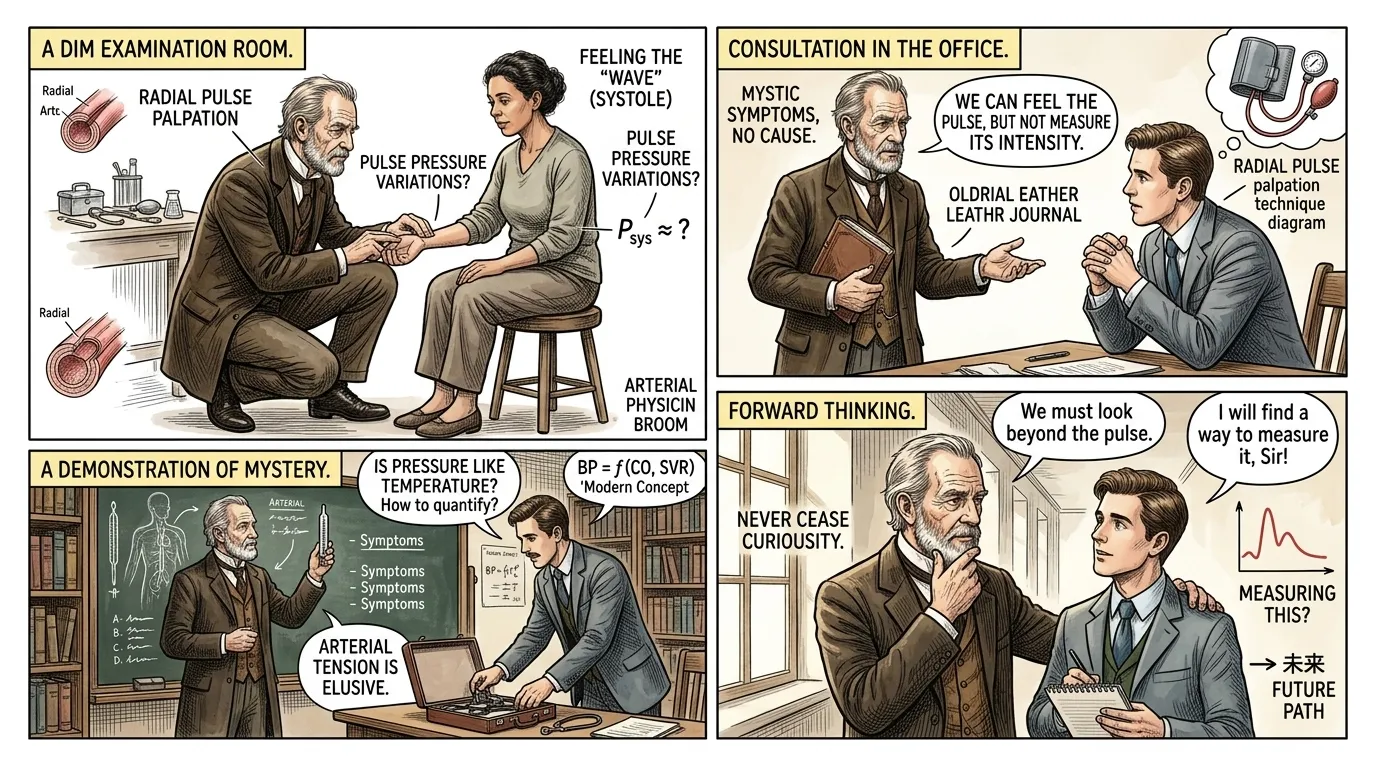
Before reliable blood pressure measurement, conditions like hypertension, often termed the 'silent killer,' went undiagnosed until severe organ damage manifested. Physicians were largely powerless against a disease they could not accurately quantify or track, leading to an array of debilitating symptoms and premature deaths.
Early attempts at indirect measurement were fraught with inaccuracy or impracticality, offering little beyond qualitative estimation, frustrating medical professionals dedicated to understanding and treating cardiovascular ailments.
"'We can feel the strong thrumming, yes,' remarked a grizzled physician, palpating a patient's wrist with concern, 'but without a precise number, how do we know if it is merely robust, or dangerously elevated?' He turned to a younger colleague. 'As the great physician Hippocrates once said, 'The physician must be able to tell the antecedents, know the present, and foretell the future.' But how can we foretell without true insight into these vital signs?'"
Page 3
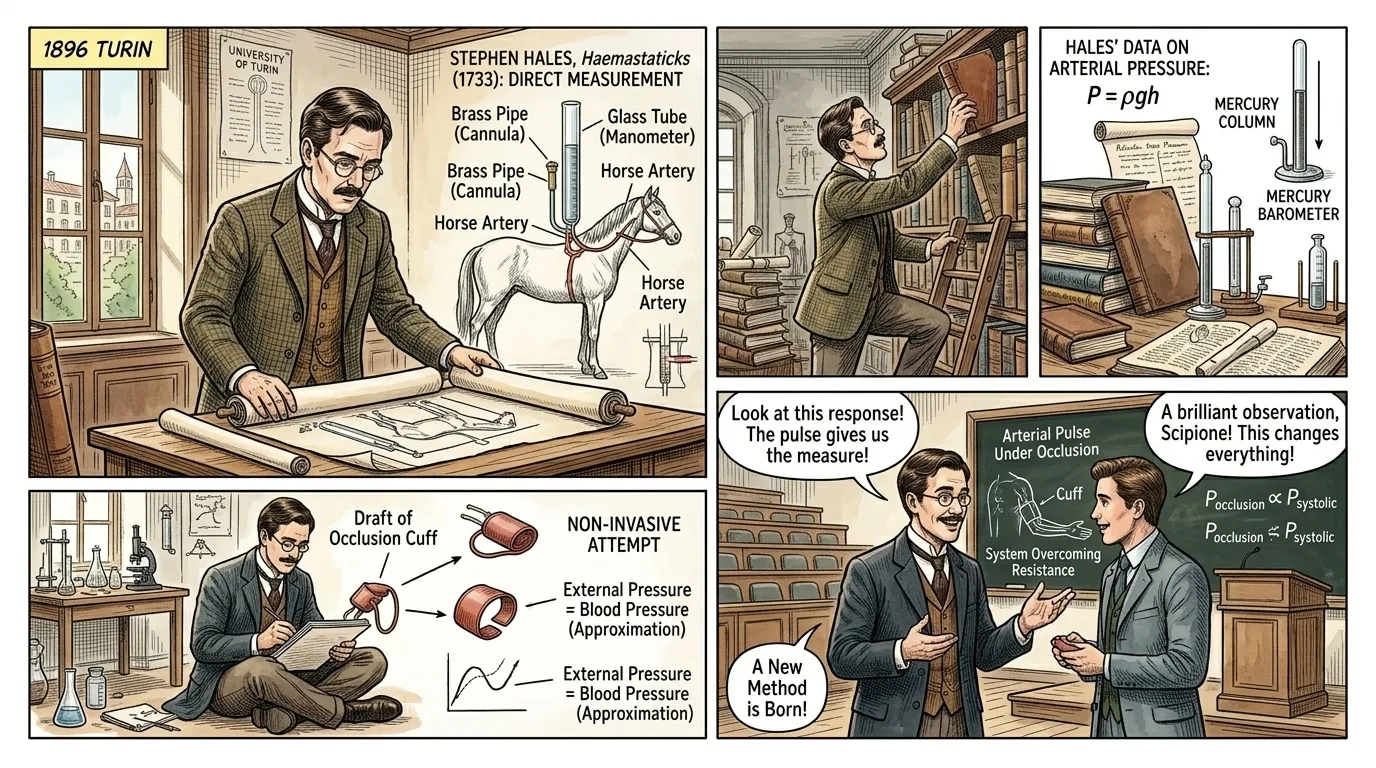
The earliest known direct measurement of blood pressure was conducted by Stephen Hales in 1733, involving a brass pipe inserted into a horse's artery connected to a nine-foot glass tube. While groundbreaking, this invasive method was obviously unsuitable for human clinical application.
Over a century later, Étienne-Jules Marey's sphygmograph provided a graphical record of the pulse wave, but it measured pulse pressure, not the absolute arterial pressure, still leaving a critical gap in diagnostic capability.
"'Hales' work, though crude and dangerous, proved that arterial pressure was measurable,' observed a medical historian, pointing to an intricate diagram of Hales' experiment. 'The challenge lay in translating this invasive insight into a safe, reliable, and indirect method for human patients, a problem that plagued medicine for nearly two centuries, demanding innovative solutions beyond mere direct observation.'"
Page 4
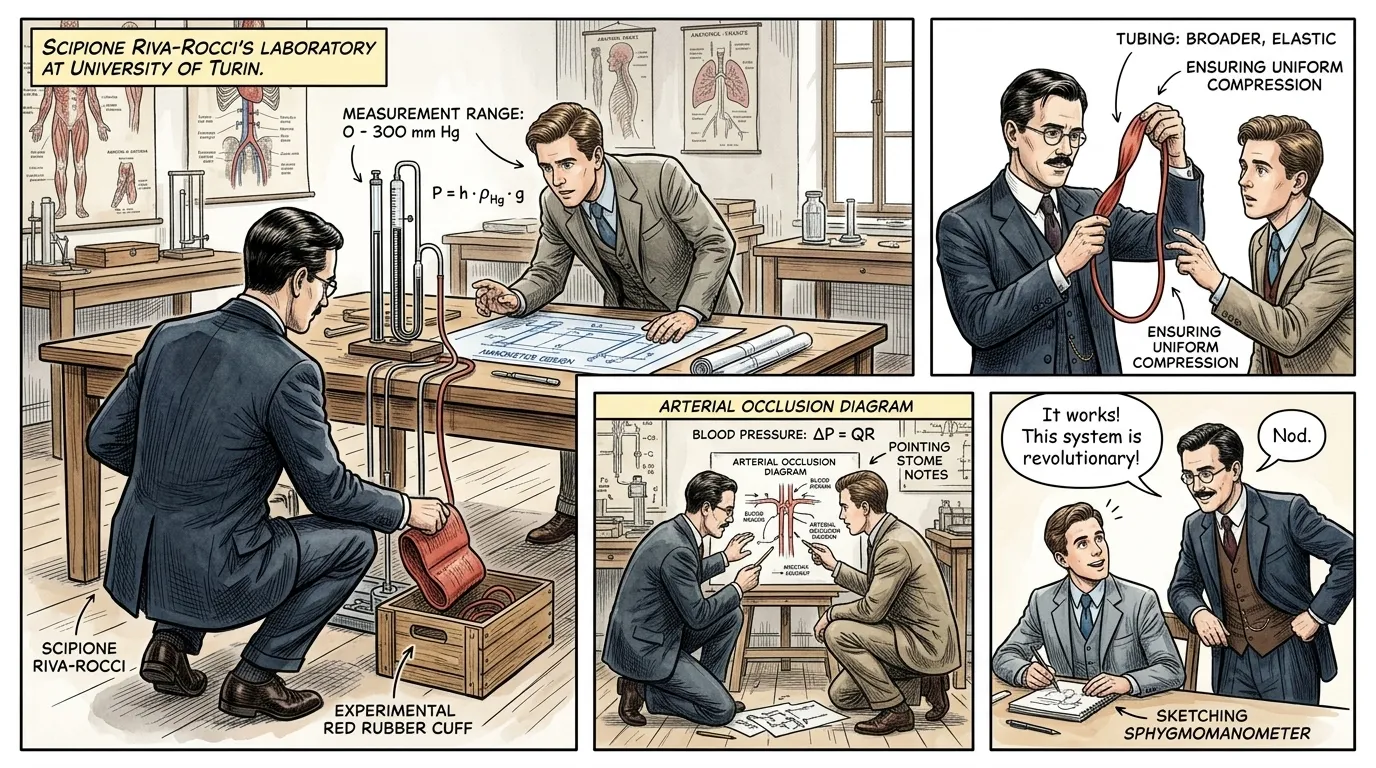
Scipione Riva-Rocci, working at the University of Turin, recognized the need for a method to temporarily halt arterial blood flow from outside the body, allowing for pressure readings at specific points of occlusion and release. His insight was to employ a broad, inflatable rubber cuff, unlike previous narrow cuffs that caused discomfort and inaccurate readings.
This cuff, when inflated, would apply uniform pressure around the limb, effectively compressing the brachial artery against the bone, a critical design choice that ensured repeatable and medically relevant measurements.
"'The key was uniform compression,' Riva-Rocci emphasized to a younger assistant, holding up a section of the rubber tubing. 'A narrow band merely pinches the skin, distorting the reading. A broad cuff, inflated evenly, allows us to mimic the complete cessation of flow without discomfort or danger, thereby giving us a clear point of systolic pressure return.'"
Page 5
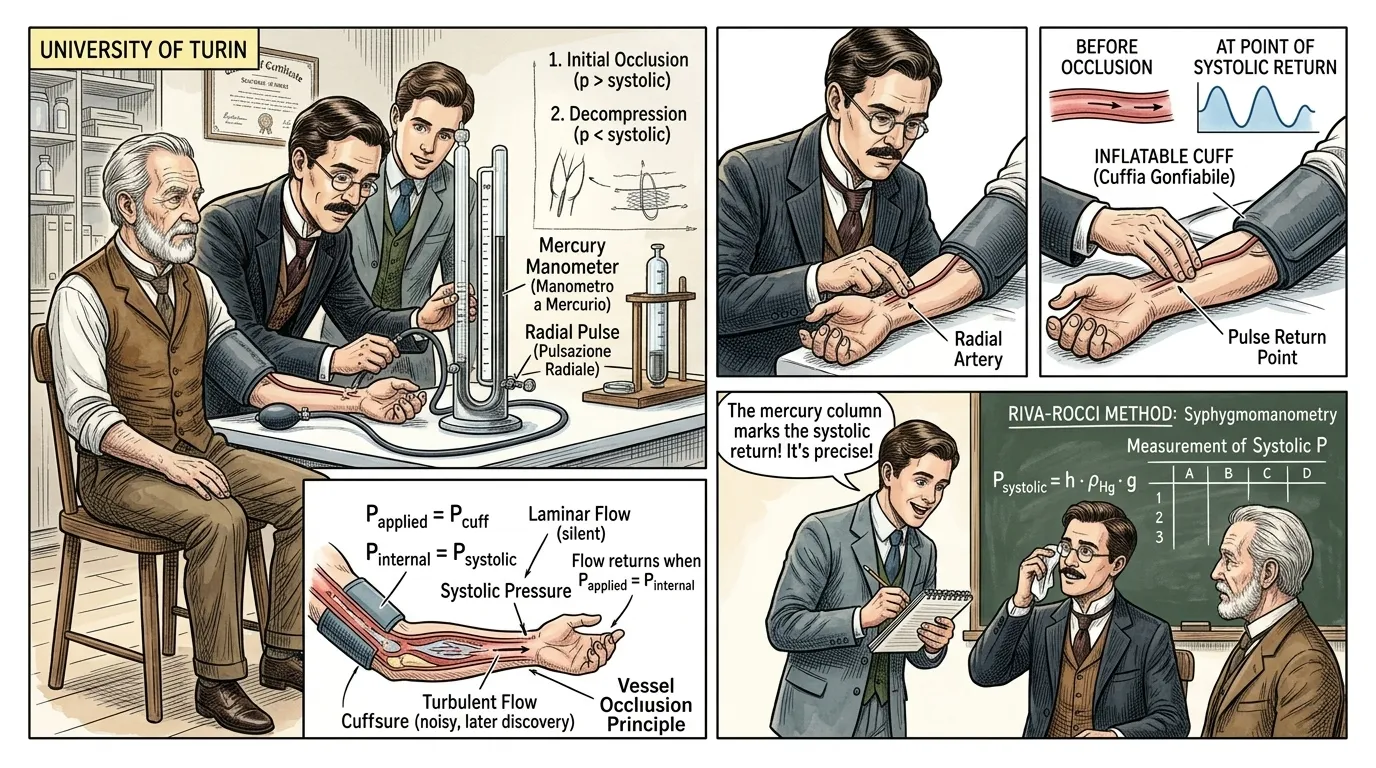
Riva-Rocci's method centered on palpation: after inflating the cuff to occlude the brachial artery, the physician would then slowly deflate it while simultaneously feeling the patient's radial pulse. The mercury column's reading at the exact moment the radial pulse returned indicated the systolic pressure.
This was the first reliable, non-invasive means to measure systolic pressure, providing doctors with a crucial diagnostic tool for the first time, even if it couldn't yet capture the full picture of arterial pressure dynamics.
"'Observe the radial artery here,' Riva-Rocci instructed his assistant, his fingers gently resting on a patient's wrist while the cuff on the upper arm slowly deflated. 'When the faintest thrum is felt, that is our point of maximum pressure exerted by the heart's contraction. The manometer registers that exact, critical systolic value.'"
Page 6
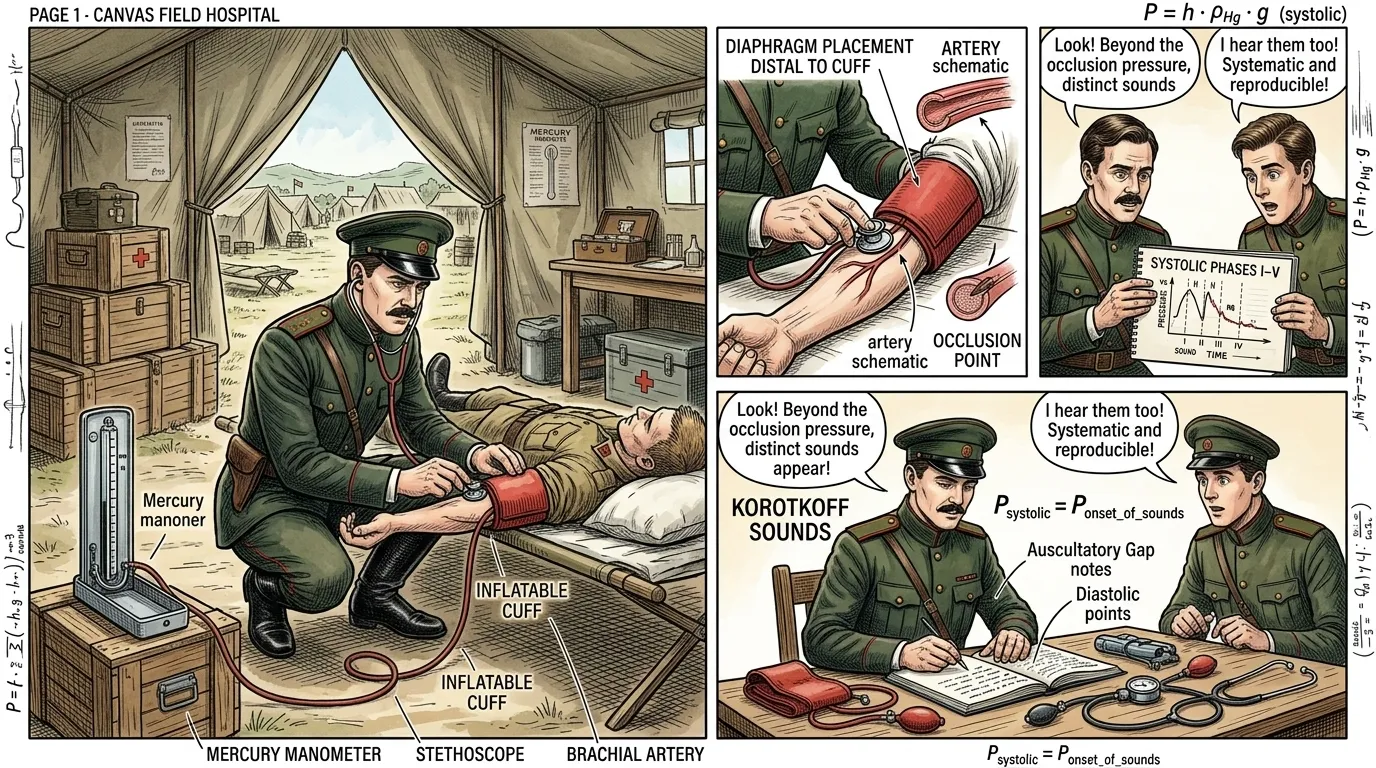
The Riva-Rocci method provided only systolic pressure. A decade later, in 1905, Russian physician Nikolai Korotkoff made a profound discovery while serving in the Russo-Japanese War: by listening with a stethoscope over the brachial artery distal to the cuff during deflation, distinct sounds could be heard.
These 'Korotkoff sounds,' as they became known, allowed for the determination of both systolic and, crucially, diastolic pressures, completing the picture of arterial dynamics and setting the standard for modern blood pressure measurement.
"'The sounds are unmistakable,' Korotkoff explained to a fellow military surgeon, his ear pressed to the stethoscope diaphragm over a patient's arm. 'As the cuff deflates, the sudden surge of blood through the constricted artery creates a sharp tapping – that is our systolic. But listen closely, and the muffling, then disappearance, reveals the pressure when the heart is at rest.'"
Page 7
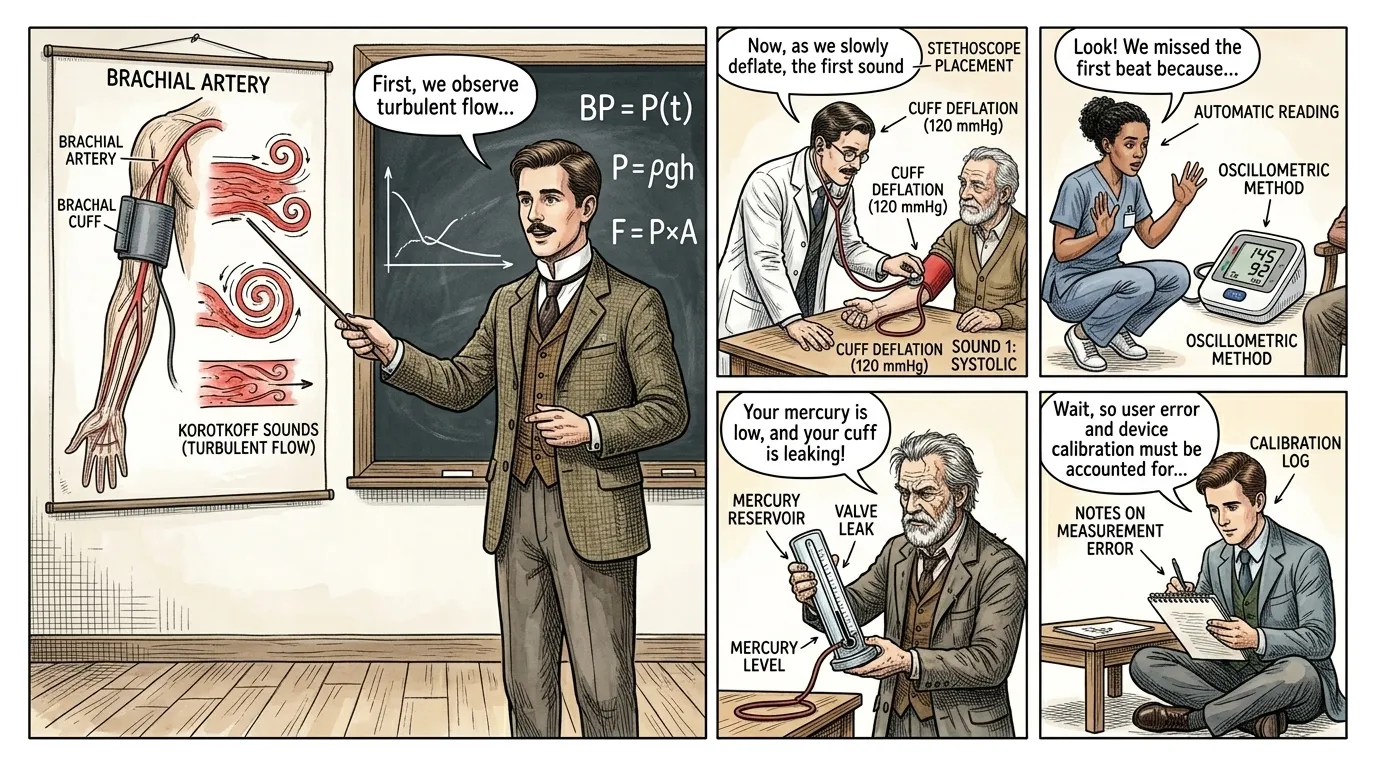
The operation of the modern blood pressure cuff relies on these Korotkoff sounds. The cuff is inflated above systolic pressure, completely occluding the artery. As pressure is slowly released, the first tapping sound (Phase I) signals systolic pressure, as blood begins to forcefully push through the opening.
As the cuff deflates further, the sounds change: becoming louder, then muffled (Phases II-IV), until they completely disappear (Phase V), marking the diastolic pressure when blood flow becomes smooth and unobstructed again, offering a full hemodynamic profile.
"'The rhythmic tapping indicates turbulent flow past the cuff,' a medical lecturer articulated, gesturing with a pointer at a large anatomical chart depicting the brachial artery and a blood pressure cuff. 'It's the arterial wall's vibration under this turbulent, pulsatile flow that generates these distinct sounds, a physiological symphony revealing the heart's pressure cycle.'"
Page 8
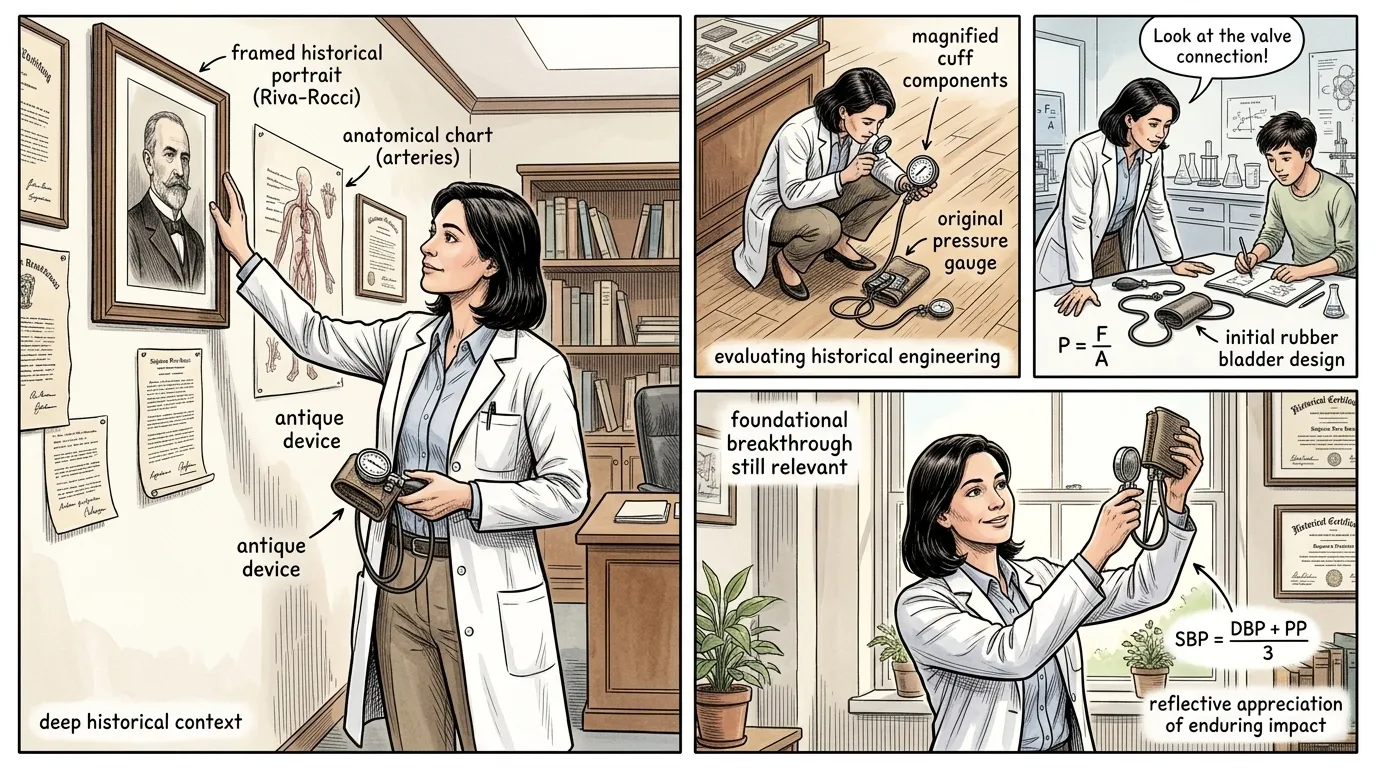
The combination of Riva-Rocci's cuff and Korotkoff's auscultatory method quickly made the sphygmomanometer an indispensable tool in medical practice globally. Its non-invasive nature and precision allowed for routine blood pressure measurement, transforming how physicians diagnosed and managed cardiovascular diseases.
From hospital wards to general practitioners' offices, the blood pressure cuff became a symbol of modern medical assessment, moving beyond mere academic curiosity to practical application in safeguarding public health.
"'This simple cuff, in conjunction with the stethoscope, truly revolutionized our understanding of the cardiovascular system,' a modern cardiologist reflected, holding an antique sphygmomanometer. 'It moved us from educated guesses to precise diagnostics. As Louis Pasteur famously asserted, 'Science knows no country, because knowledge belongs to humanity, and is the torch which illuminates the world.' The sphygmomanometer embodies that universal illumination in medicine.'"
Page 9
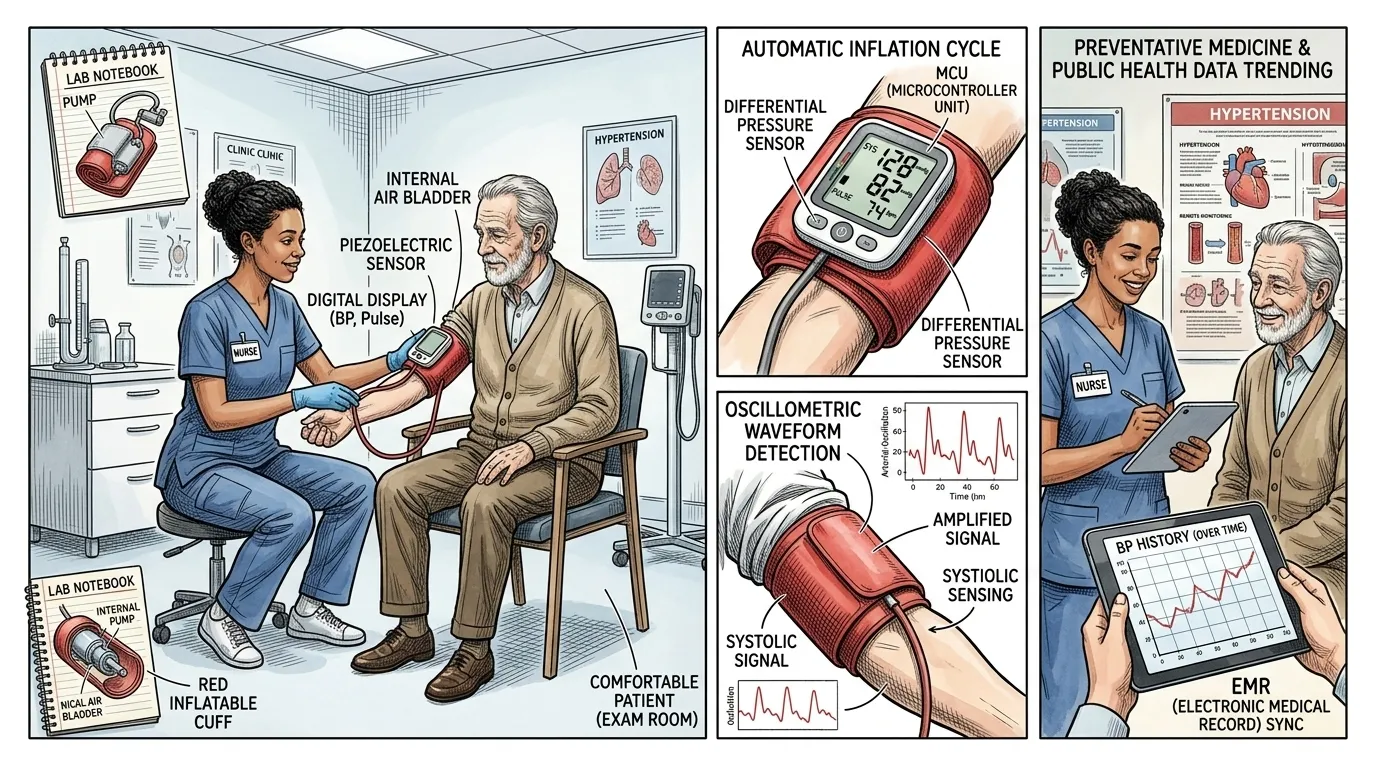
The continuous evolution of the blood pressure cuff extended its reach beyond the clinic, moving into homes and making self-monitoring a vital component of personal health management. Digital versions, simpler to use and requiring less training, empower individuals to track their own readings.
This accessibility is particularly crucial for managing chronic conditions like hypertension, allowing patients and their doctors to monitor effectiveness of treatments and make timely adjustments, fostering a proactive approach to well-being.
"'Regular home monitoring has become an invaluable asset,' explained a public health nurse to an older patient, demonstrating a modern automatic cuff. 'It provides a much fuller picture than occasional clinic readings, catching fluctuations and empowering you to participate actively in your health journey, turning data into actionable insights for better control.'"
Page 10
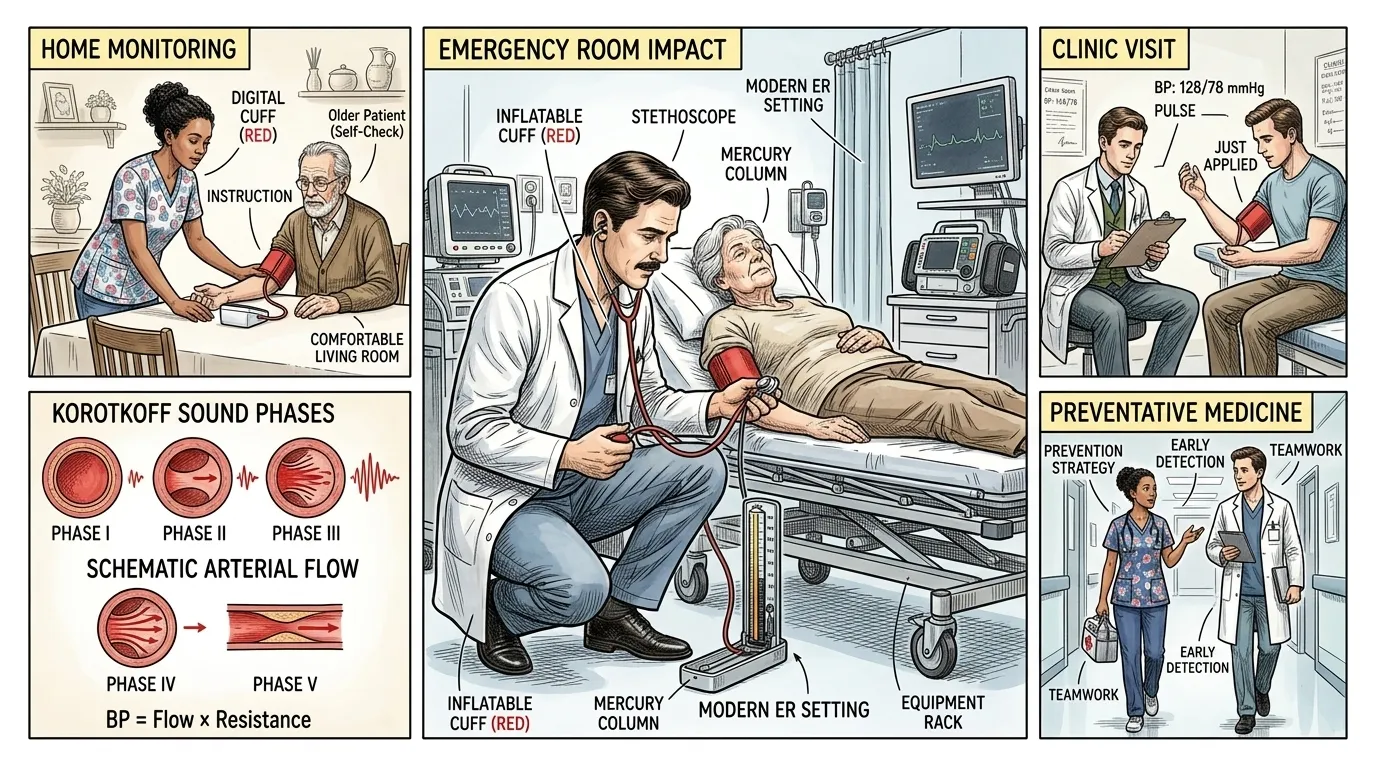
The blood pressure cuff, refined over more than a century, remains an indispensable tool, a simple yet profoundly impactful invention that underpins much of cardiovascular medicine. It enables early detection of hypertension, guiding treatment and preventing countless strokes, heart attacks, and kidney diseases.
Its legacy is a testament to the power of precise, non-invasive measurement, transforming the understanding and management of one of humanity's most prevalent health challenges and continuing to save lives every day, from emergency rooms to routine check-ups.
"No dialogue on this page; visual impact montage."
About this story
- Location: Global
- Audience: general readers
Questions and answers
Read Wonder Inventions on your phone
Wonder Inventions is available on Android. Get Wonder Inventions on Google Play.