Caravel
Caravel — an illustrated inventions story, set in Global. 10 illustrated pages, free to read on Wonder Inventions.
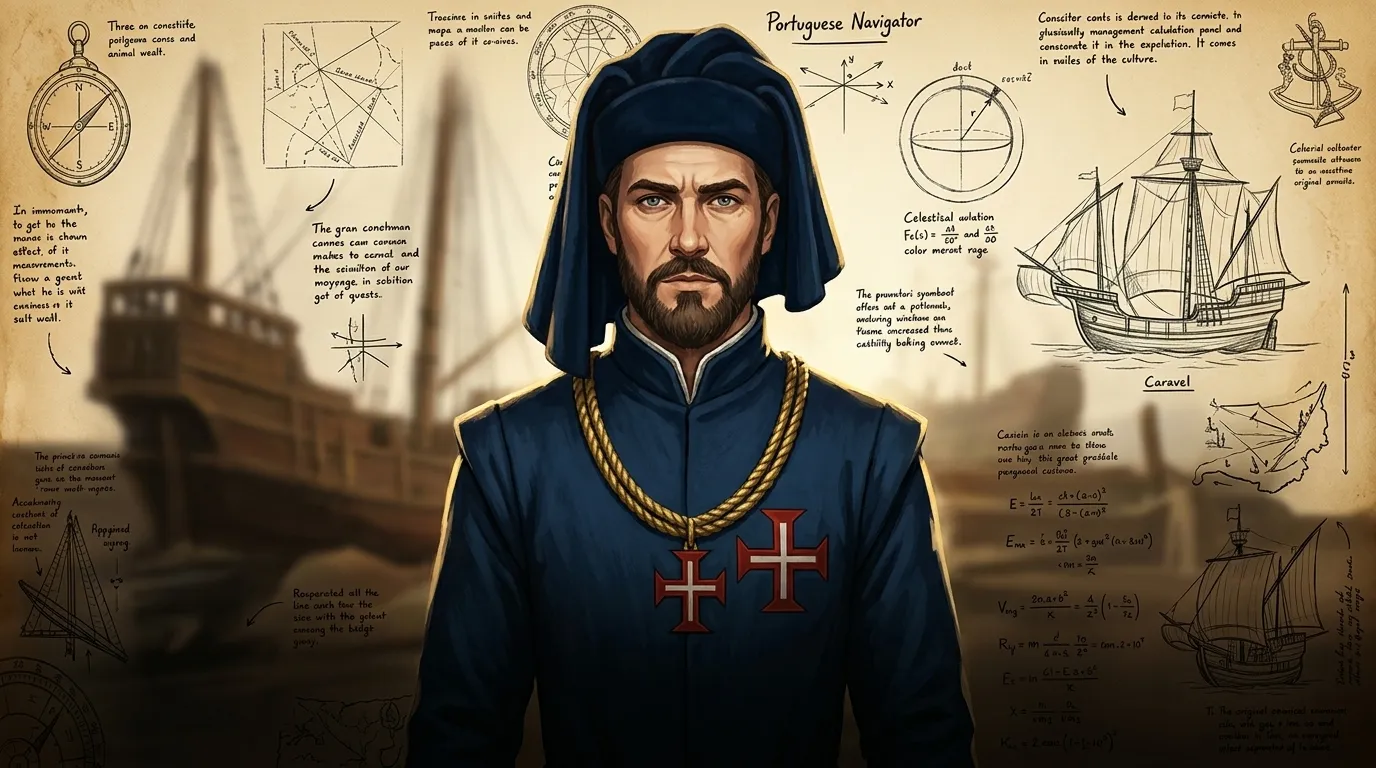
Page 1
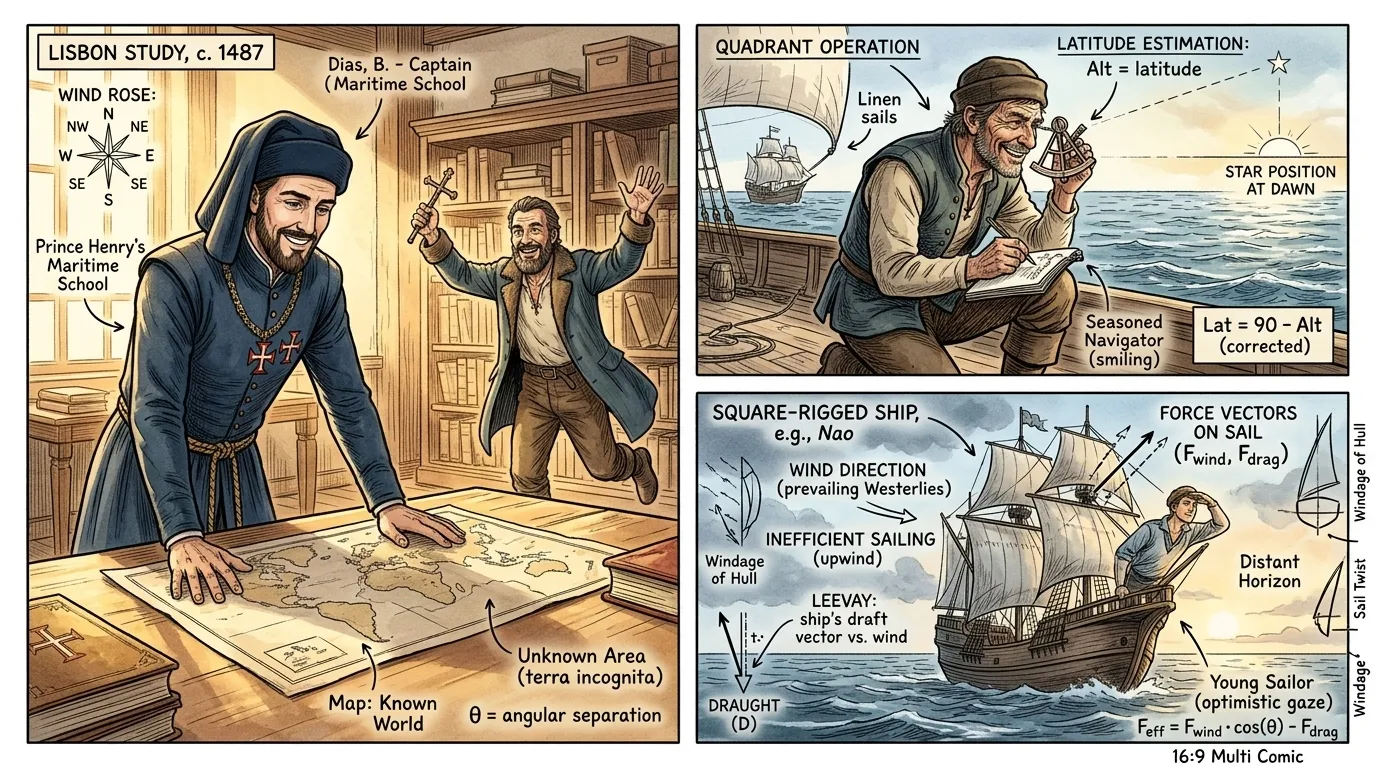
For centuries, European maritime endeavors were constrained by the limitations of their vessels. Heavy, square-rigged ships, while capable of carrying substantial cargo, struggled against prevailing winds, forcing long, arduous detours or outright impassability of certain routes. This fundamental aerodynamic inefficiency severely hampered ambitions for distant exploration and the establishment of new trade networks across vast, uncharted oceans. The desire for a ship that could not only brave the open sea but also navigate complex coastlines and sail against the wind became an urgent imperative for expanding horizons.
Page 2
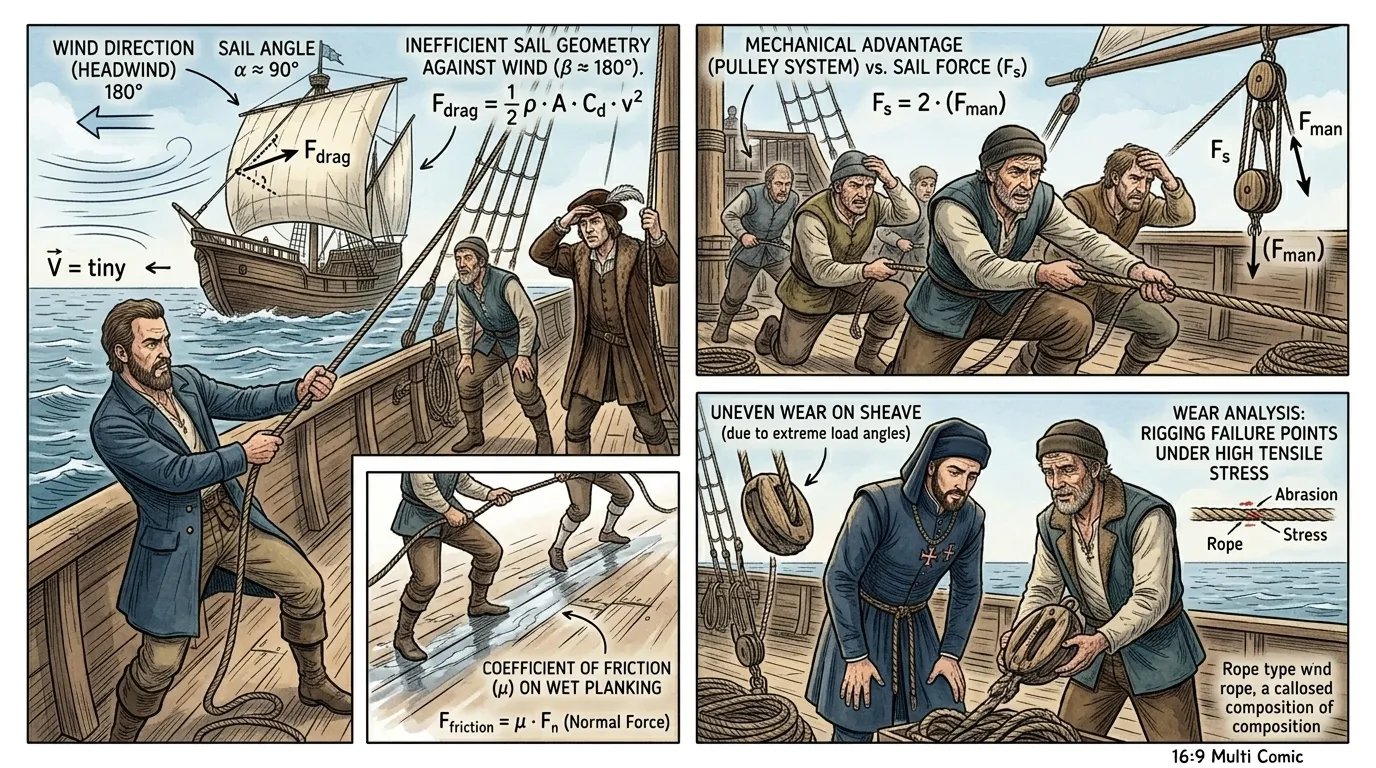
Before the Caravel, the dominant vessel type for ocean travel was the 'cog' or 'round ship.' These robust, high-sided ships featured a single mast with a large, square sail, highly efficient for sailing with the wind. However, their design presented significant limitations: sailing into a headwind was nearly impossible, requiring sailors to either wait for favorable winds for weeks or tack laboriously at extreme angles, losing much ground. This constraint meant that voyages were dictated by predictable wind patterns, making exploratory journeys into unknown, variable wind zones exceptionally perilous and impractical. The sheer physical effort required to maneuver these ships was also immense, demanding large crews and limiting their long-range versatility.
Page 3
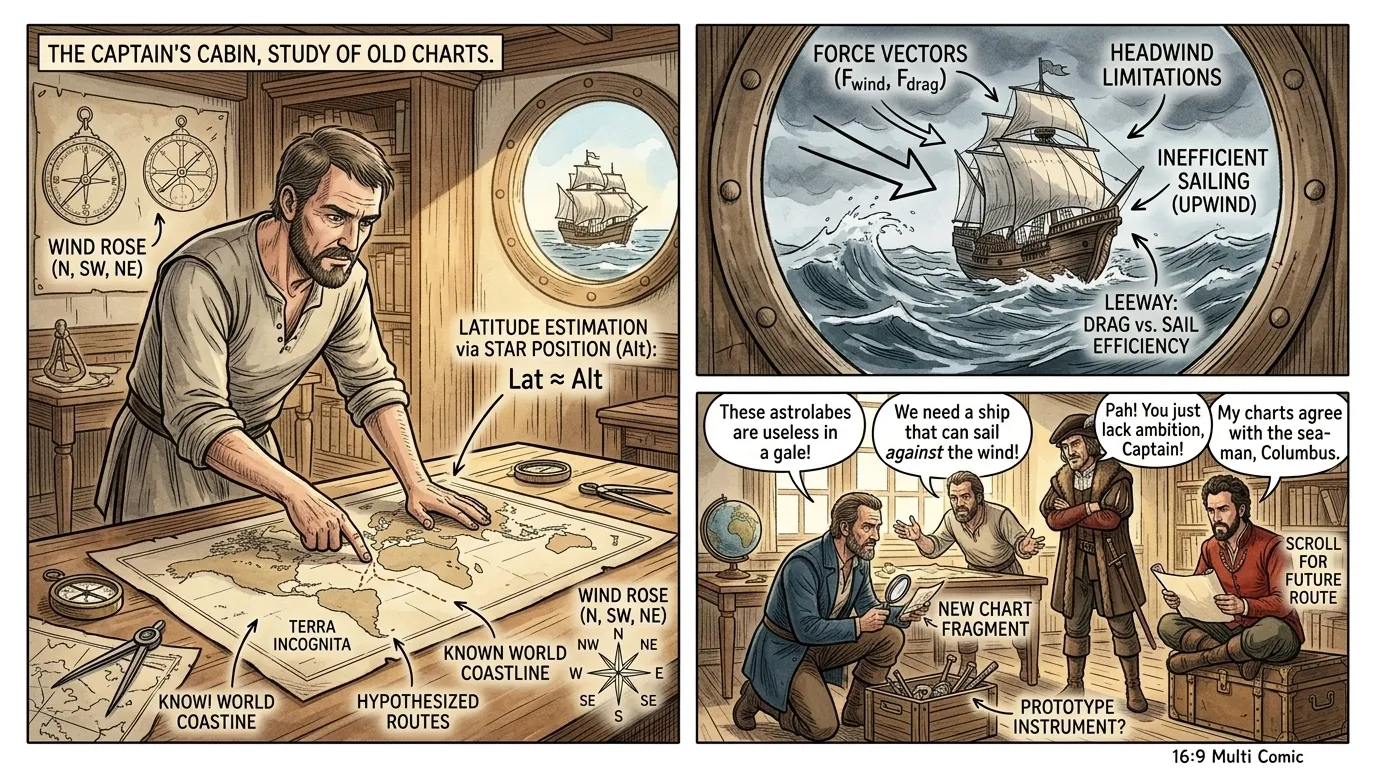
The inability of existing ship designs to effectively 'beat to windward' — to sail at an angle into the wind and still make forward progress — created an enormous obstacle to systematic ocean exploration. Maps of the era were rudimentary, relying heavily on coastal knowledge. Venturing too far from shore meant confronting unpredictable currents and winds with ships unsuited for diverse conditions. The problem was not merely one of speed, but of control and adaptability; a vessel was needed that could perform equally well in a range of wind directions, not just with the wind directly astern. This technical challenge formed the critical barrier to unlocking new maritime routes and expanding geographical knowledge.
Page 4
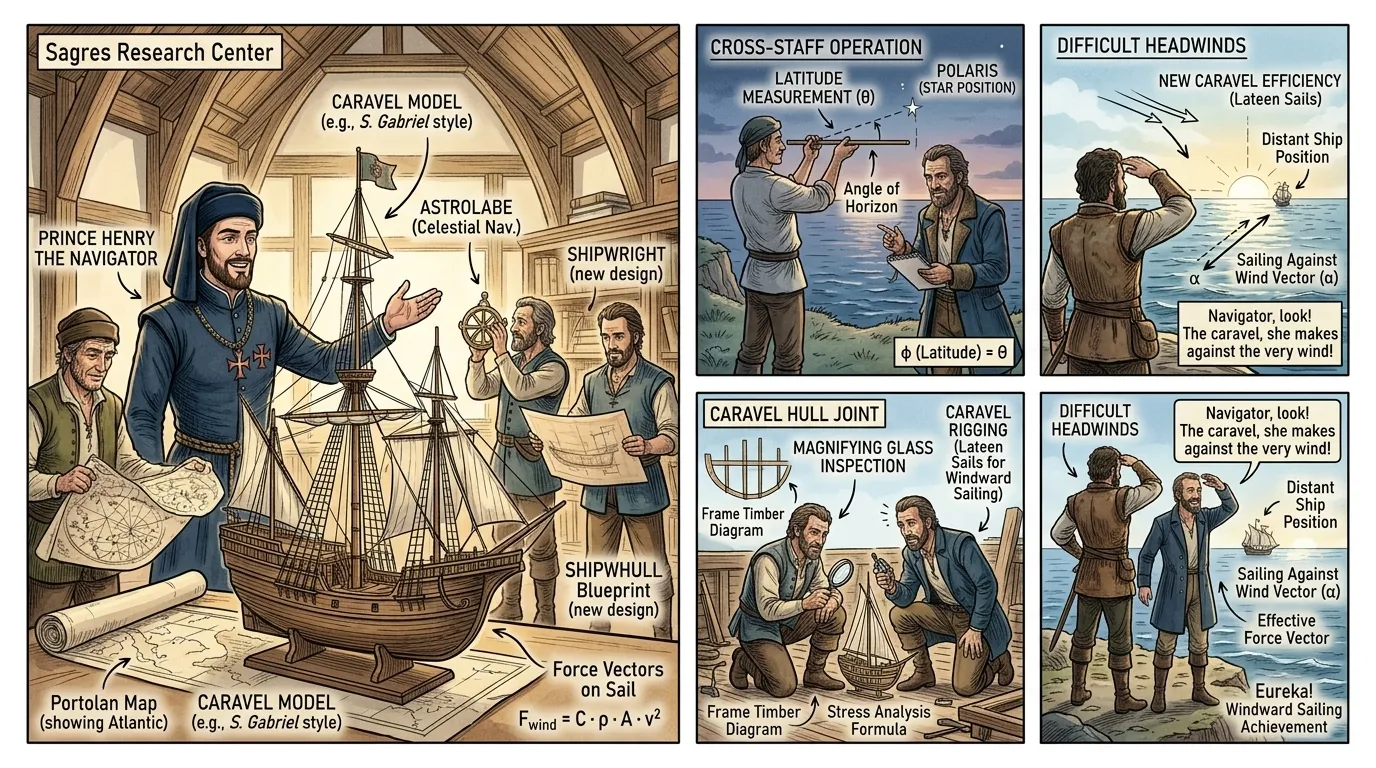
Prince Henry the Navigator, a pivotal figure in Portuguese history, became the driving force behind overcoming these maritime limitations. From his base in Sagres, he established a center for nautical research and shipbuilding, gathering cartographers, astronomers, and shipwrights. His motivation was multifaceted: to find new trade routes to West Africa, circumventing overland Sahara routes controlled by Muslim traders, to expand Christian influence, and purely for the pursuit of geographical knowledge. He understood that achieving these goals required a radical rethinking of ship design, one that combined the best elements of existing European and Mediterranean shipbuilding with new, innovative features.
Page 5
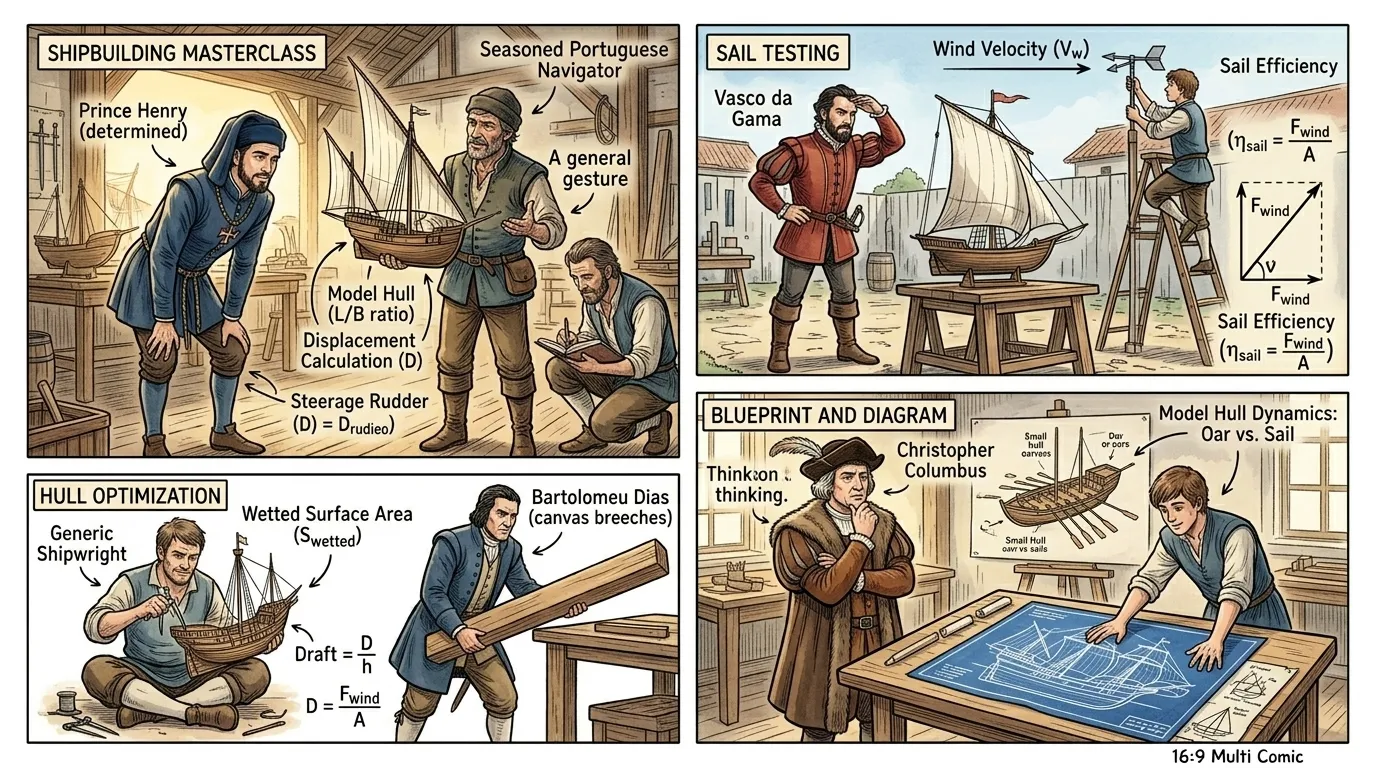
The early years at Sagres involved extensive experimentation. Shipwrights, under Henry's patronage, meticulously studied existing vessel types from across the Mediterranean and Atlantic, seeking attributes that could be adapted for ocean exploration. They experimented with different hull shapes, keel depths, and rudder placements, but the most significant challenge remained the sail configuration. Square sails offered power with the wind but no dexterity. Galley-style oars provided maneuverability but were impractical for long oceanic voyages. The ideal solution required a sail that could harness wind from various angles, providing both speed and unprecedented directional control. This pursuit of agility would define the Caravel's eventual success.
Page 6
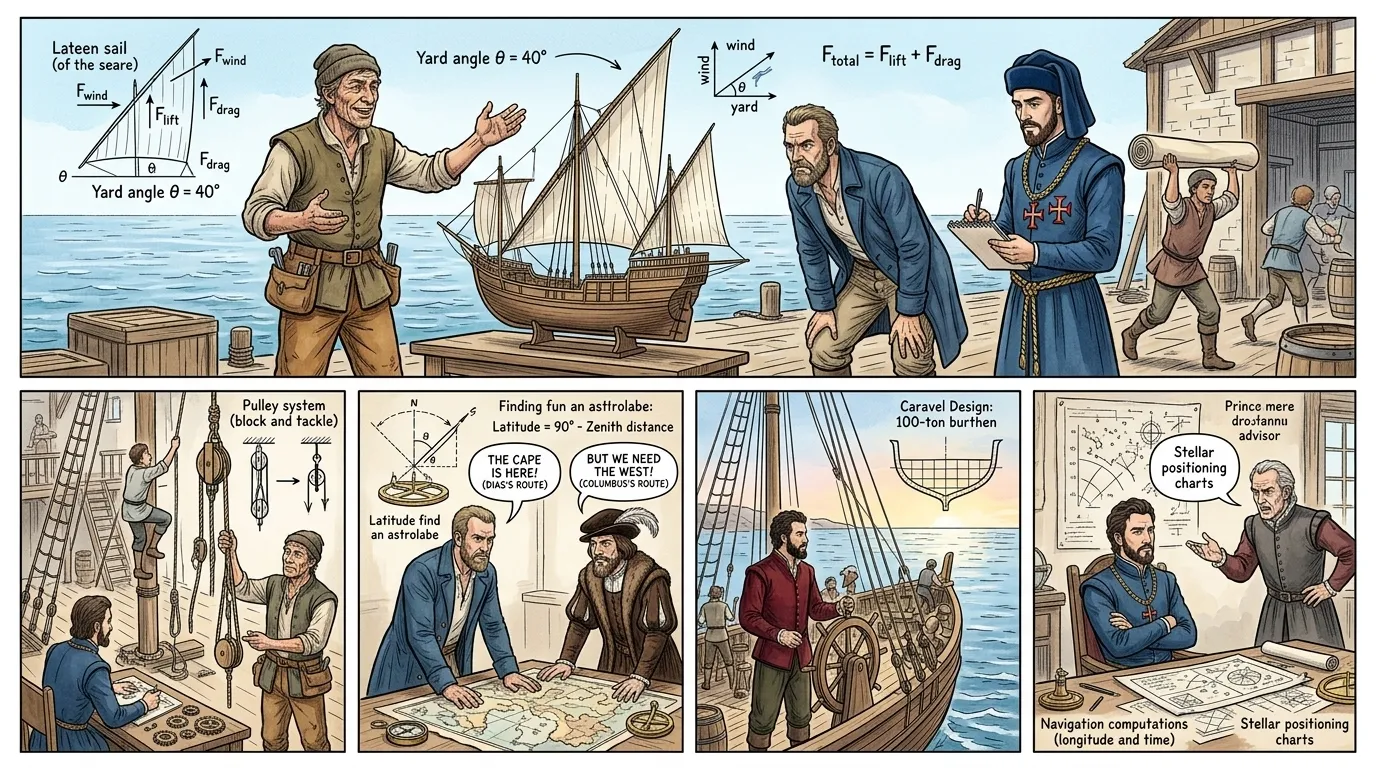
The breakthrough came with the adaptation of the 'lateen' sail, a triangular or quadrangular fore-and-aft sail design long used by Arab dhows in the Indian Ocean and North African coastlines. Unlike the square sail, which could only be pushed by the wind, the lateen sail acted more like an airplane wing, generating 'lift' from the wind flowing across both its surfaces. Mounted obliquely to the mast, it allowed a ship to 'tack' — to zig-zag against the wind's direction — and effectively sail much closer to a headwind. This fundamental shift in sail technology meant that a Caravel was no longer passively propelled but actively 'pulled' through the water, offering unprecedented freedom of movement.
"A seasoned Portuguese navigator, a man with a weathered face and keen eyes, points to the rigging of a new Caravel model. He remarks, "This lateen sail, adapted from the designs of the ancients, is our true key. As the Roman philosopher Seneca once observed, 'Every new beginning comes from some other beginning's end.' Our traditional ships could not carry us further into the unknown, but this new sail harnesses the wind in ways we only dreamed of, marking the end of one era and the start of a vastly expanded world for Portugal.""
Page 7
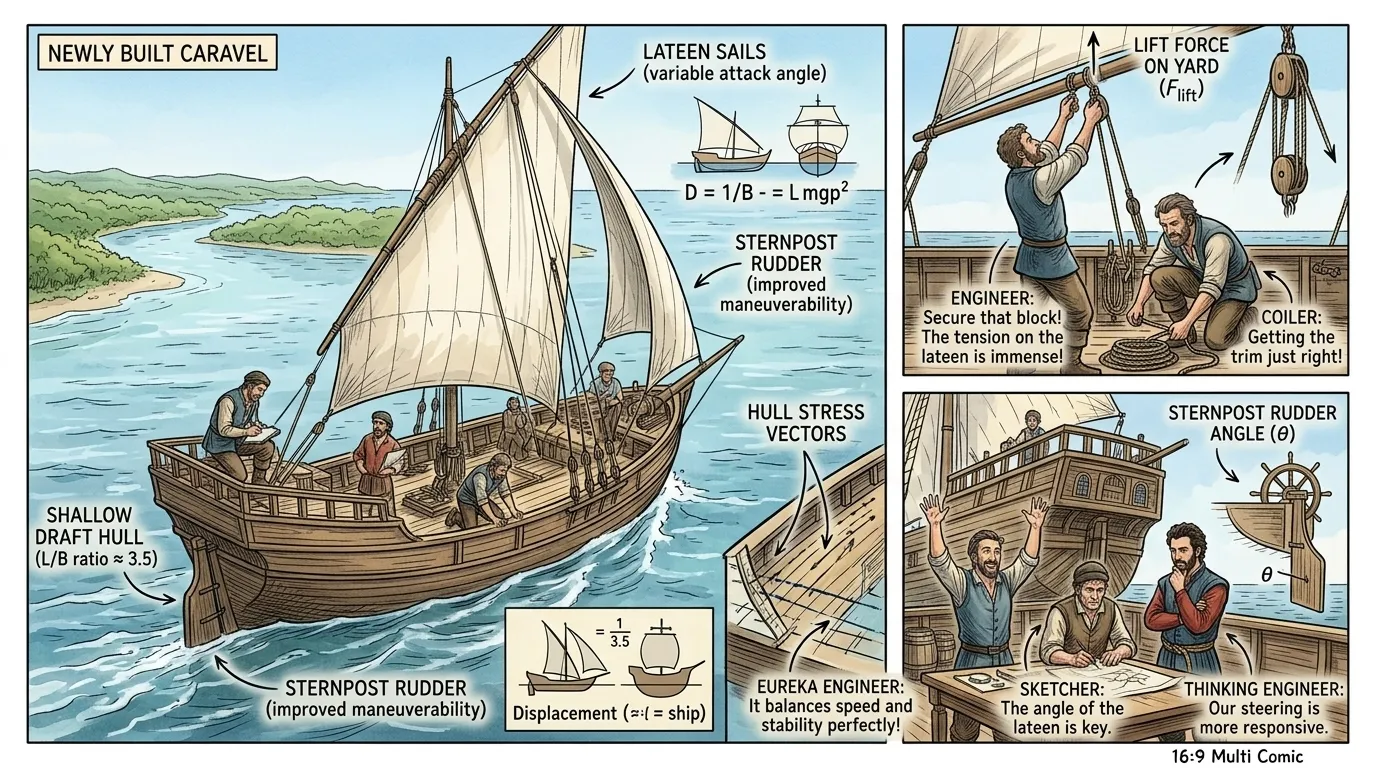
Beyond the revolutionary lateen sail, the Caravel's hull design was equally critical. Its slender, shallow-draft hull allowed it to navigate treacherous coastal waters and rivers, while its robust construction provided the stability needed for open ocean voyages. Unlike heavier ships, the Caravel was relatively light, contributing to its speed and maneuverability. A distinctive high stern offered protection from large waves, and the sternpost rudder, a common European innovation, provided precise steering. These combined features created a vessel that was fast, highly agile, and resilient – perfectly suited for long-distance exploration into unpredictable environments. It was an engineering marvel that balanced seemingly contradictory requirements for maritime excellence.
Page 8
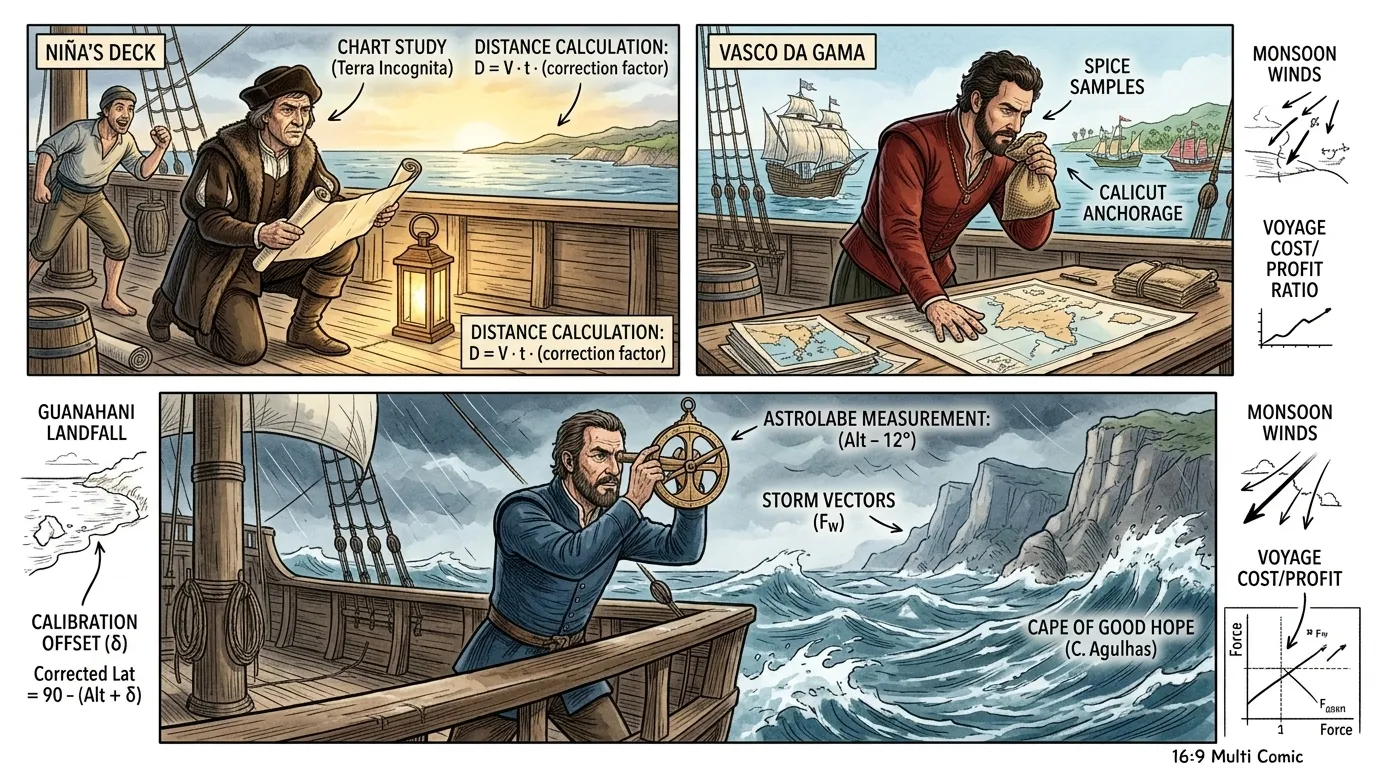
With the Caravel, Portuguese explorers embarked on unprecedented voyages. Bartolomeu Dias famously rounded the Cape of Good Hope in 1488, opening the sea route to Asia. Christopher Columbus utilized a Caravel (the Niña) during his first transatlantic voyage in 1492, demonstrating its capability for sustained open-ocean travel. Vasco da Gama completed the first sea voyage from Europe to India between 1497 and 1499, fundamentally reshaping global trade and geopolitics. The Caravel's versatility and unique sailing capabilities allowed these explorers to push beyond known limits, navigating against prevailing winds and currents in ways previously impossible. The knowledge gained from these expeditions, directly enabled by the Caravel, dramatically altered the world map and human understanding of global geography.
Page 9
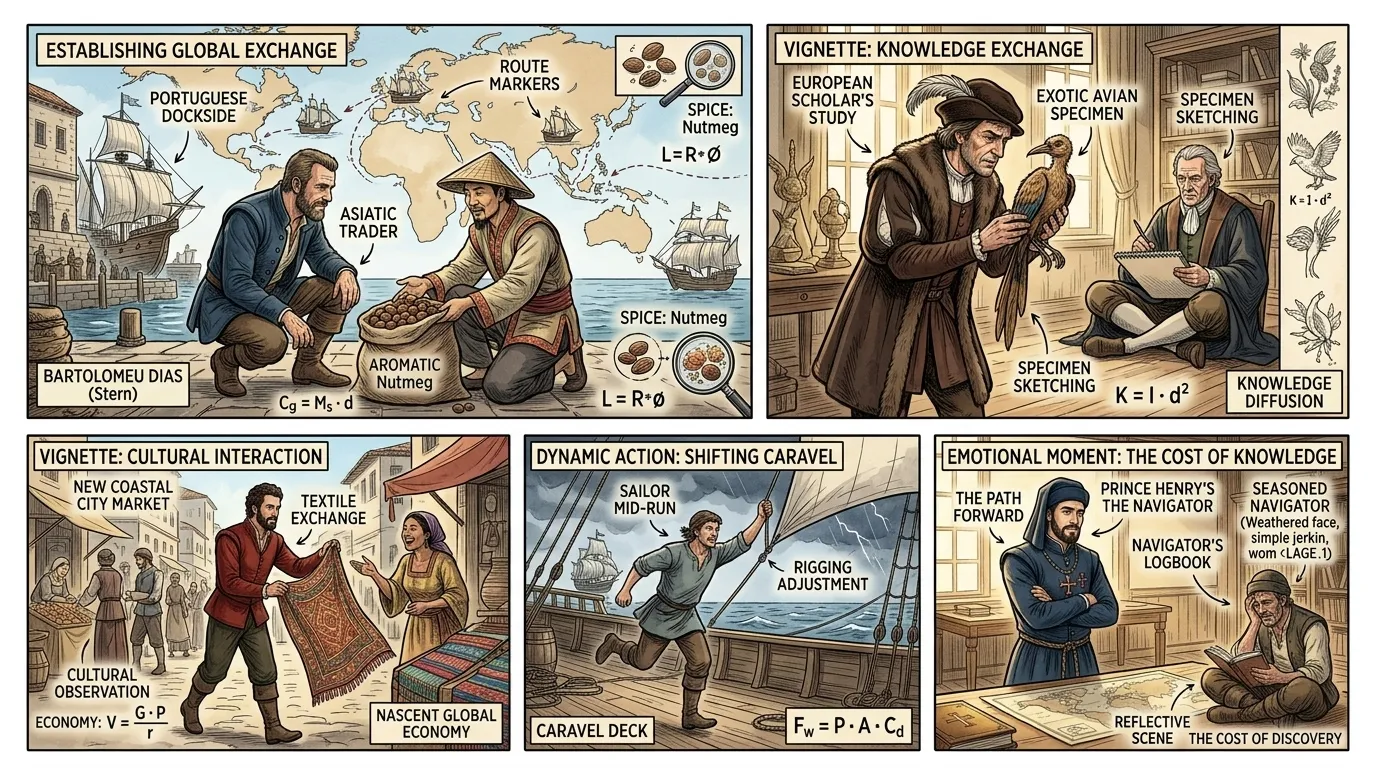
The Caravel, and the Age of Discovery it spearheaded, irrevocably changed the course of human history. New trade routes linked continents, leading to an unprecedented exchange of goods, ideas, cultures, and unfortunately, diseases. The influx of new resources and markets fueled nascent global economies. Kingdoms that embraced maritime exploration, notably Portugal and Spain, rose to become dominant world powers. The Caravel's design principles, particularly the efficiency of fore-and-aft sails, influenced subsequent ship design for centuries, laying the foundation for faster, more versatile vessels that would further facilitate global commerce and imperial expansion. It was a catalyst for the first truly globalized era.
Page 10
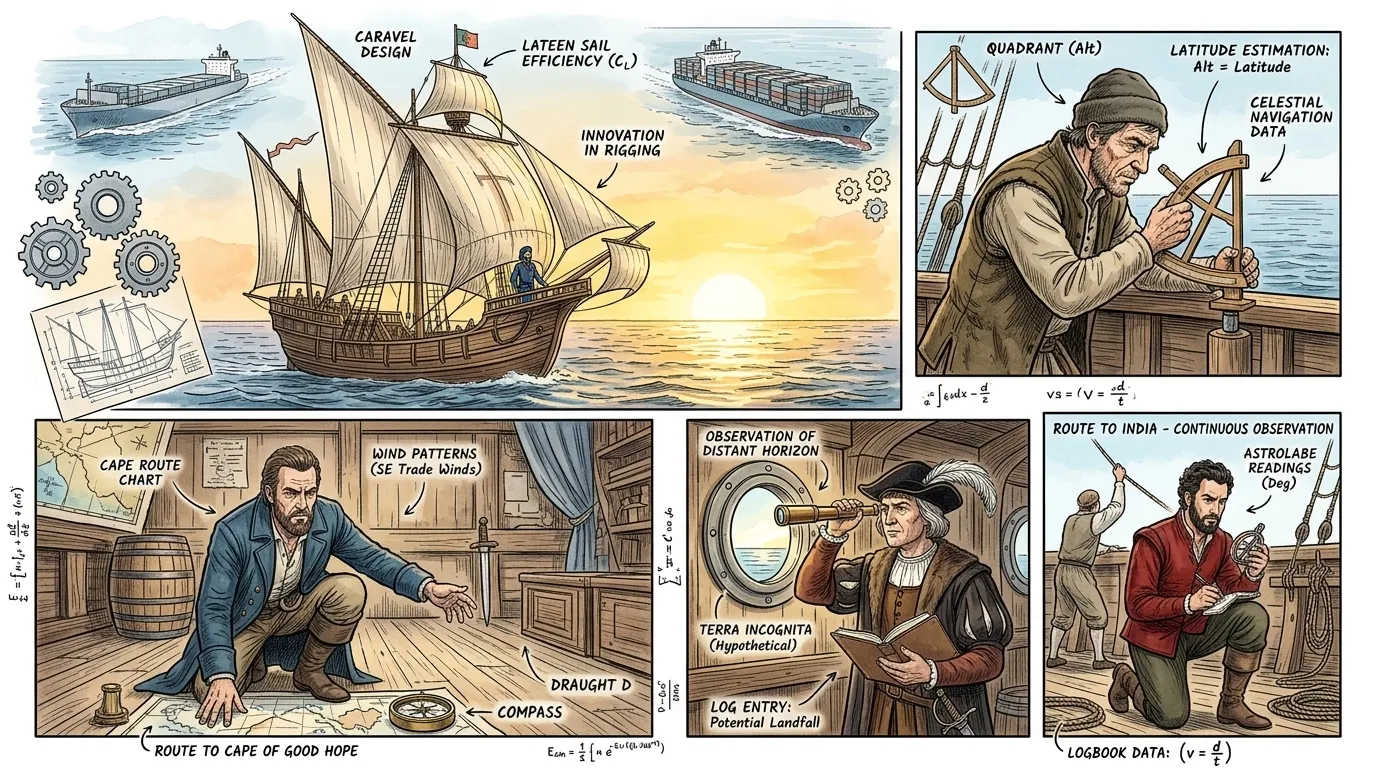
The Caravel's legacy extends far beyond its operational lifetime. It was the crucial transitional vessel that proved the viability of long-distance ocean travel using sail power alone, fundamentally altering humanity's perception of the world. Its innovative blend of speed, shallow draft, and most importantly, its upwind sailing capability, set a new standard for maritime technology. The spirit of innovation embedded in its design, the willingness to combine disparate technologies to solve a profound problem, continues to resonate in modern engineering. From enabling global trade to shaping geopolitical landscapes, the Caravel stands as a testament to human ingenuity and the enduring quest to explore the unknown.
About this story
- Location: Global
- Audience: general readers
Questions and answers
Read Wonder Inventions on your phone
Wonder Inventions is available on Android. Get Wonder Inventions on Google Play.