Hybrid Vehicle
Hybrid Vehicle — an illustrated inventions story, set in Global. 10 illustrated pages, free to read on Wonder Inventions.
Page 1
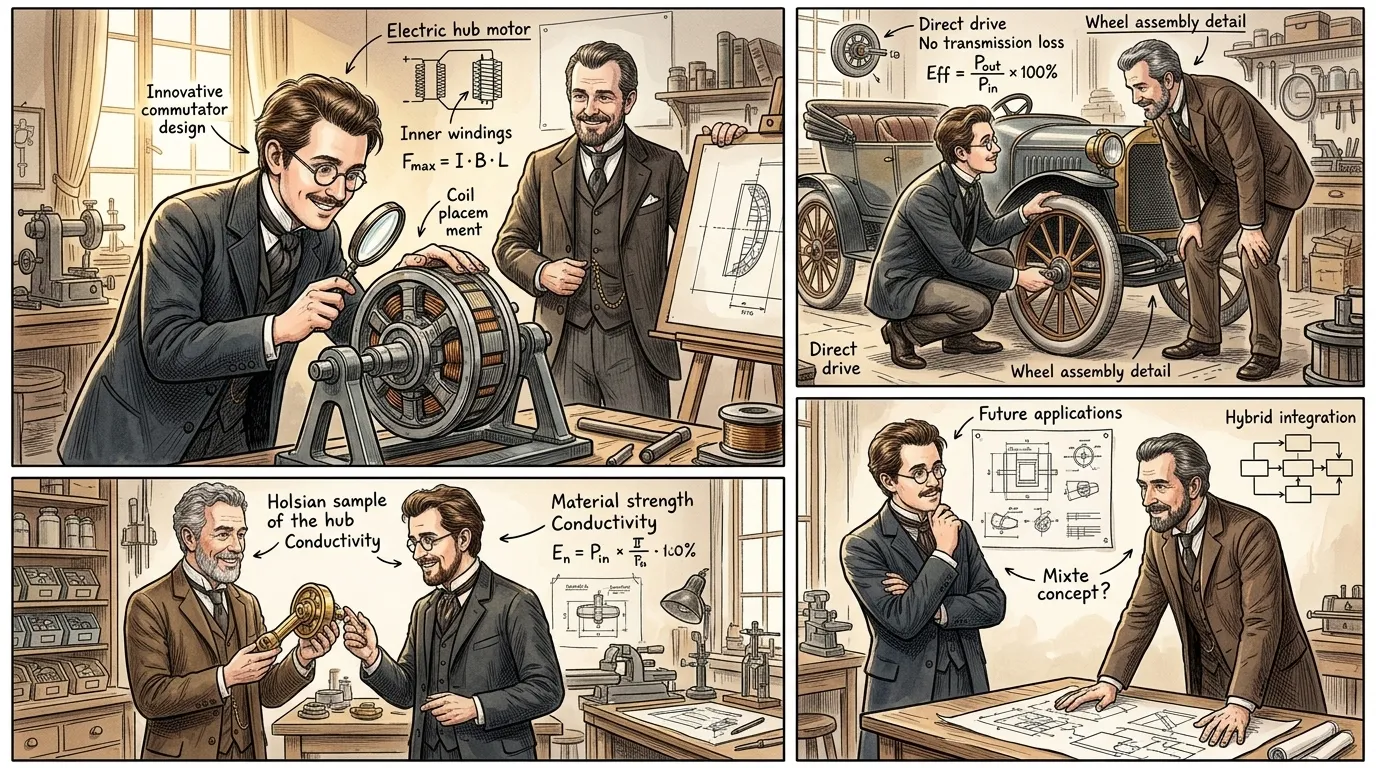
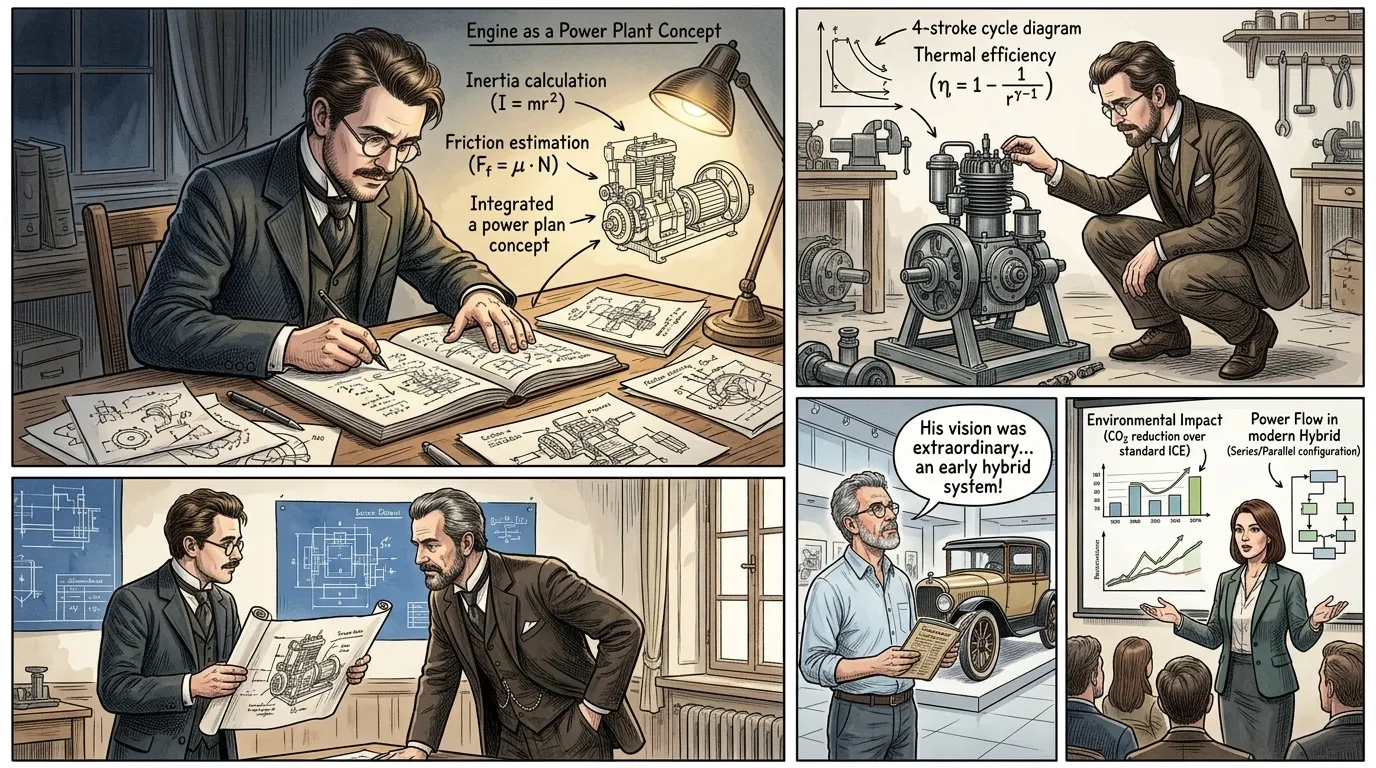
At the turn of the 20th century, the burgeoning automotive world grappled with profound limitations in propulsion technology.
""The electric motor offers such quiet power," remarked Ferdinand Porsche, observing his wheel-hub design. "But its range is a crippling restriction, Herr Lohner.""
Page 2
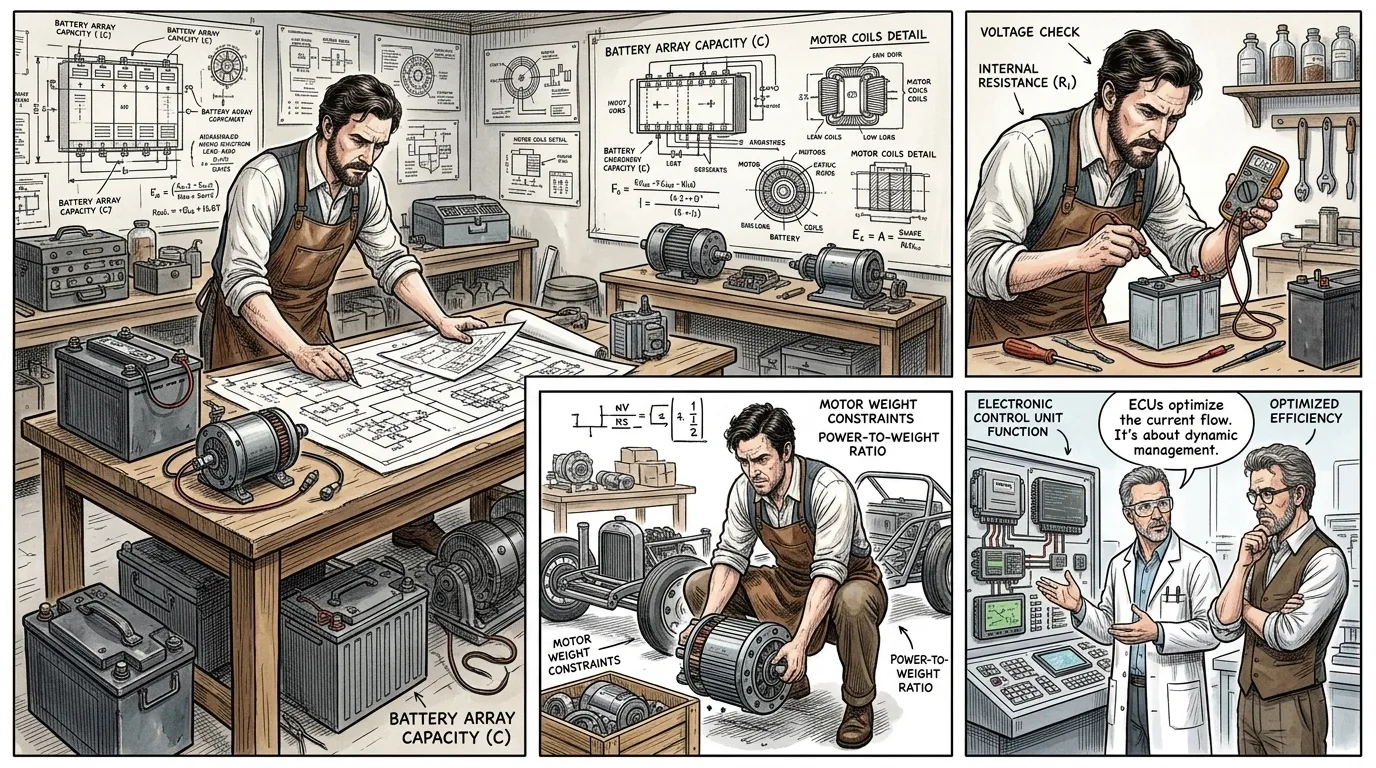
Early electric vehicles, though smooth and clean, were tethered by their heavy, energy-dense lead-acid batteries, offering meager range and long charging times.
""Our pure electrics are marvelous for short city trips, yet beyond that, they are impractical," an engineer stated, poring over schematics. "And conventional gasoline engines, while powerful, lose so much energy as heat, especially when braking. We waste power with every stop!""
Page 3
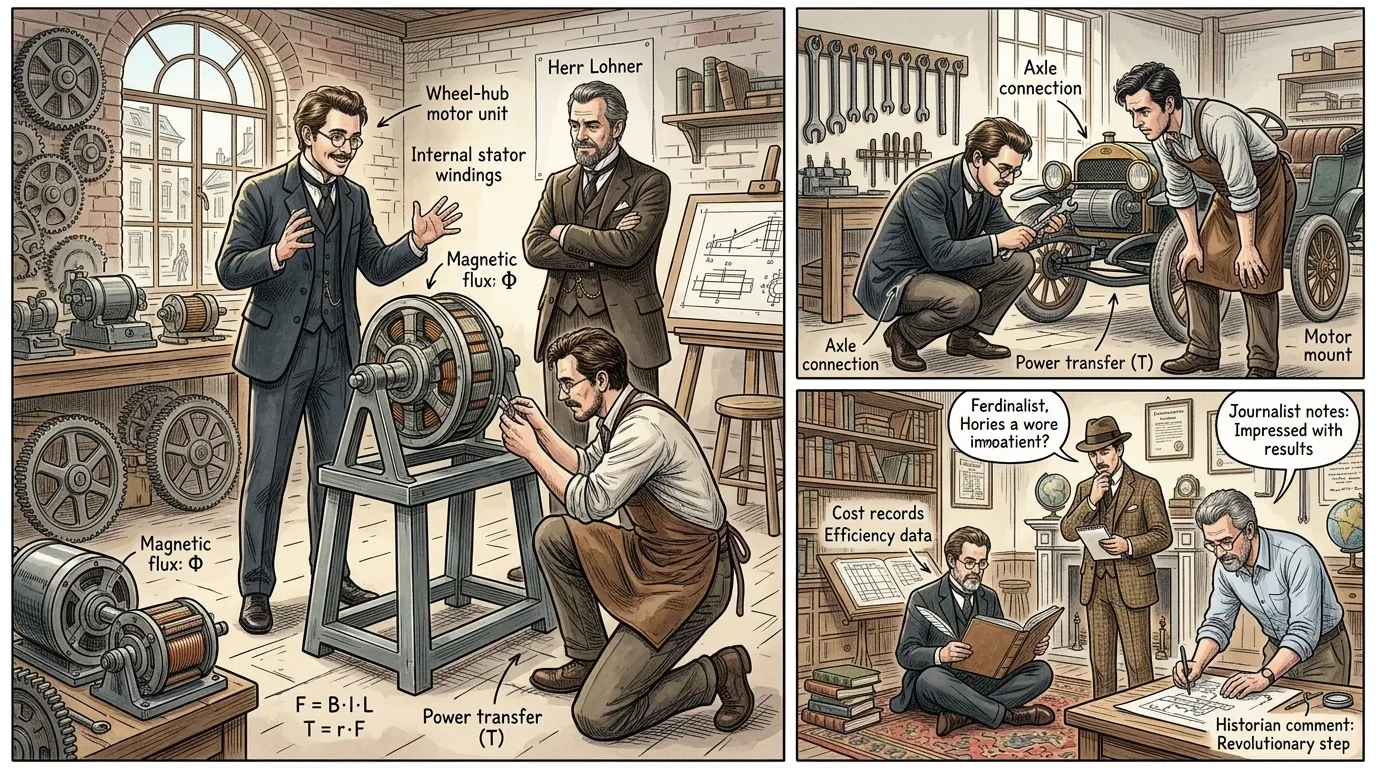
Ferdinand Porsche's initial foray into automotive design was purely electric, showcasing his innovative wheel-hub motors, a significant step forward in direct drive technology.
""The direct drive eliminates complex transmissions," Porsche explained to his team, gesturing towards a prototype wheel-hub motor. "But without a better energy source, we simply replace one problem with another. As Leonardo da Vinci once said, 'Simplicity is the ultimate sophistication,' but the energy problem is far from simple.""
Page 4
The limitations spurred Porsche toward a radical departure: integrating a small gasoline engine not for direct propulsion, but to generate electricity.
""What if the engine's sole purpose was to keep our batteries charged, or directly power the motors when needed?" Porsche pondered, sketching furiously. "It would run at its most efficient speed constantly, rather than constantly varying. This engine becomes merely a power plant.""
Page 5
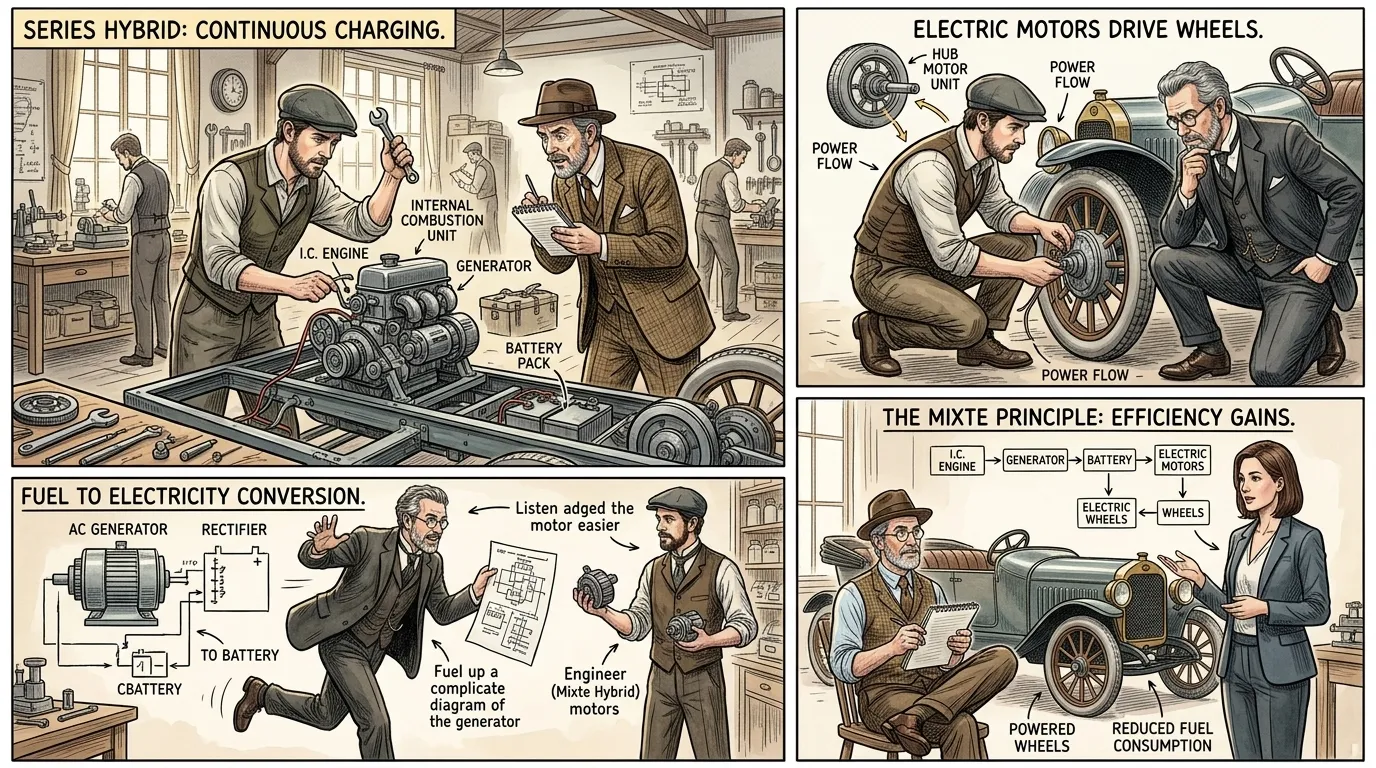
This bold vision materialized as the Lohner-Porsche Mixte Hybrid in 1900, pioneering the series hybrid configuration.
""This small engine, precisely chosen, will never directly drive the wheels," an engineer explained, pointing to the compact internal combustion unit within the Mixte chassis. "Its consistent speed powers the generator, giving us continuous electric energy. It's a mobile power station.""
Page 6
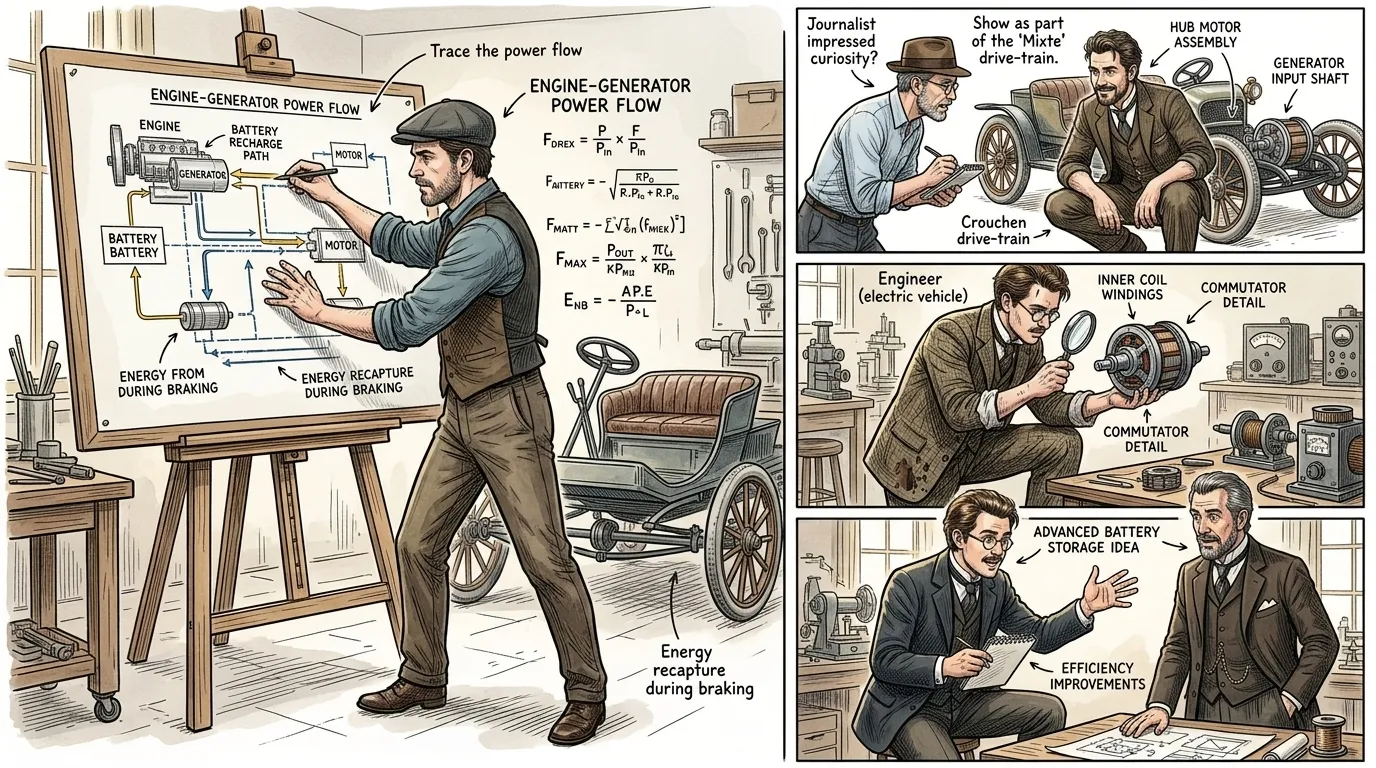
The genius of the series hybrid lies in its ability to decouple the internal combustion engine from direct propulsion, allowing both power sources to operate optimally.
""When accelerating, both battery and generator supply power to the motors," an engineer elaborated, tracing a diagram. "During steady cruising, the engine runs efficiently to power the generator and recharge the battery. And critically, our batteries absorb the energy wasted during braking.""
Page 7
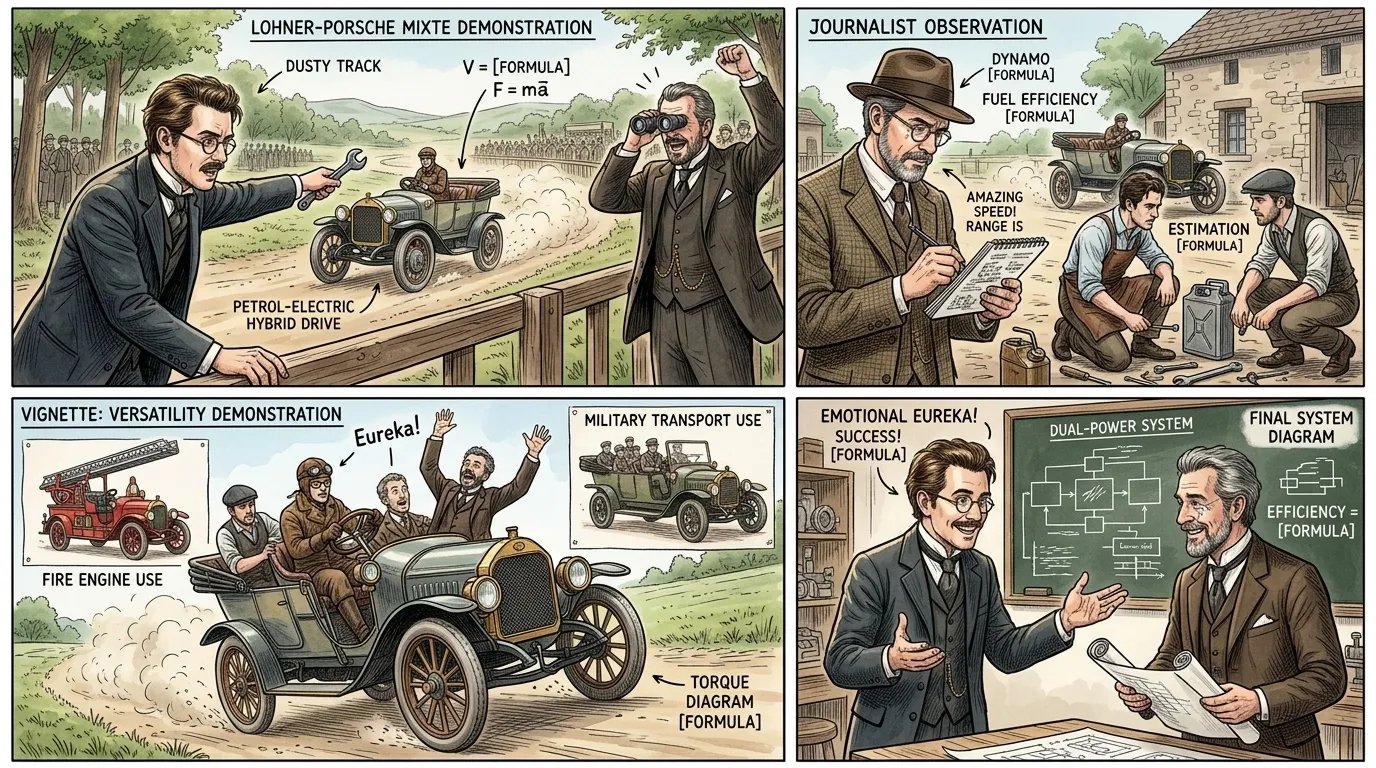
Though complex and expensive to produce, the Mixte Hybrid proved its superiority, excelling in performance and range.
""The Mixte achieved speeds of up to 58 kilometers per hour, unheard of for its time for such range," a journalist noted, observing a demonstration. "It even served as a fire engine and, in one remarkable instance, was converted for military use. 'Success is not final, failure is not fatal: it is the courage to continue that counts,' Winston Churchill would later say – a principle Porsche clearly embodied.""
Page 8
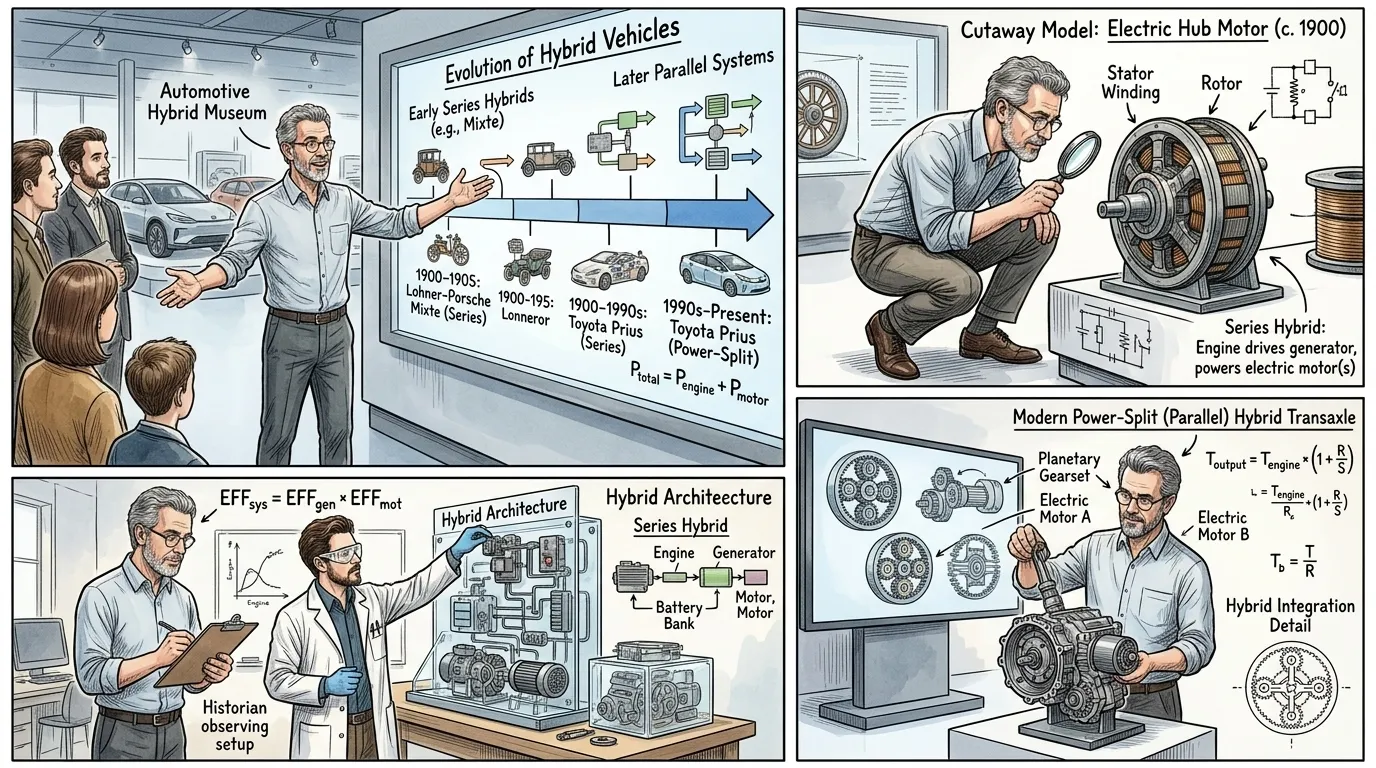
While the series hybrid was pioneering, subsequent decades introduced other configurations, each optimizing different aspects of efficiency and performance.
""The early Mixte highlighted the potential, but engineering continued," a modern automotive historian explained. "Later, parallel hybrids allowed both engine and motor to directly drive the wheels, offering flexibility. Then came the power-split systems, like Toyota's, blending the best of both worlds, perfecting regenerative braking, and truly embracing that initial idea of energy recapture.""
Page 9
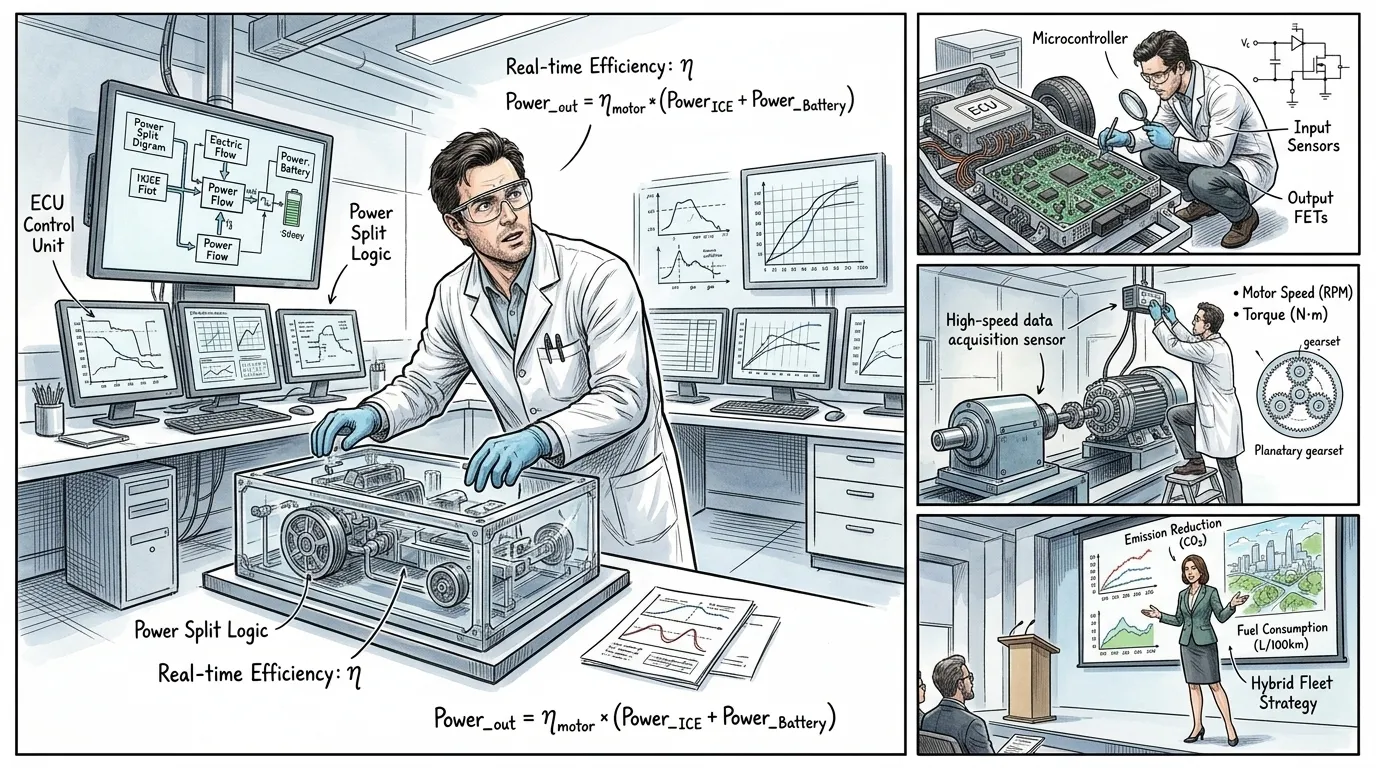
Modern hybrid vehicles rely on advanced electronic control units (ECUs) to orchestrate a complex ballet of power delivery, fuel optimization, and battery management.
""Today's ECUs make decisions thousands of times per second," an automotive engineer with short, dark hair and wearing a clean lab coat clarified, gesturing at a sophisticated control panel. "They determine when to run on electric power, when to engage the engine, when to recharge, and how to maximize regenerative braking, ensuring a seamless experience for the driver while prioritizing efficiency. It's a continuous optimization loop.""
Page 10
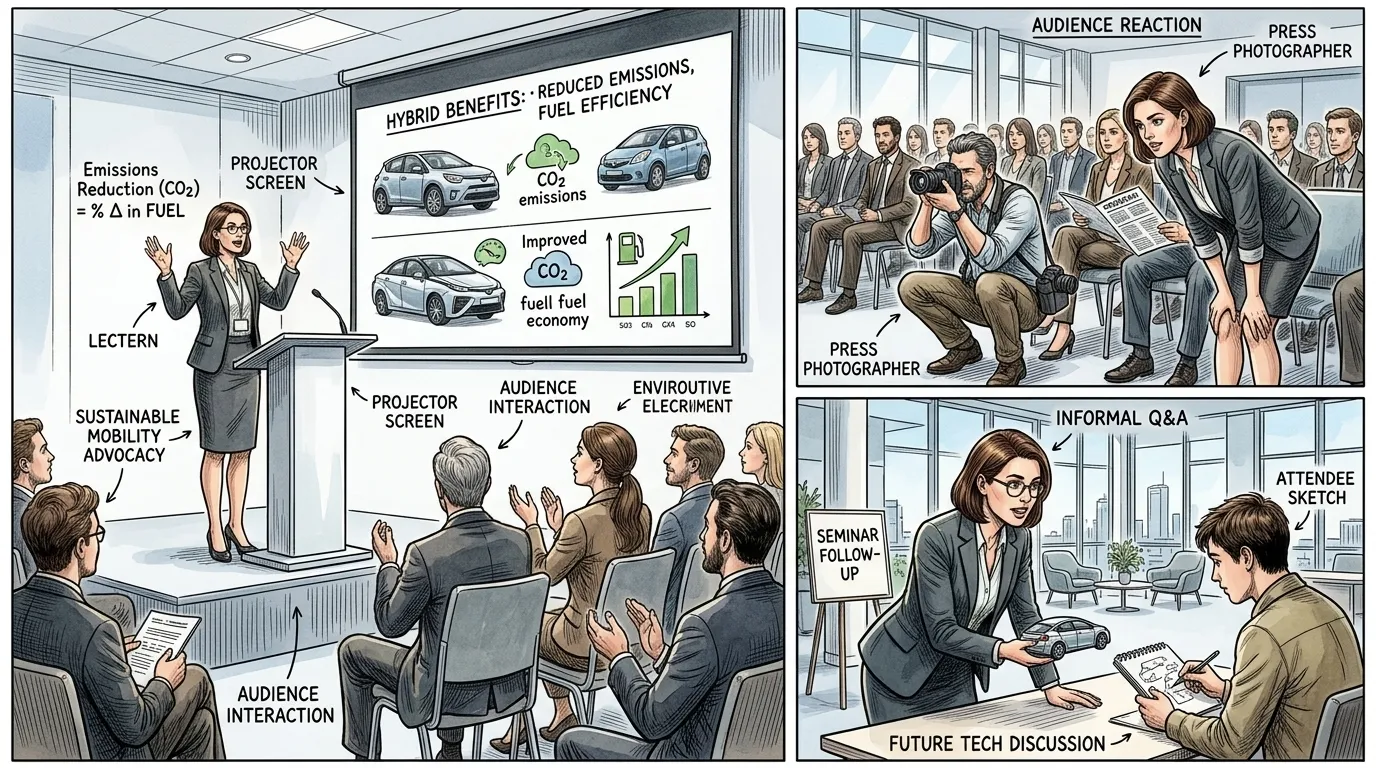
Ferdinand Porsche's bold experiment in 1900 laid the groundwork for a technology that now profoundly impacts global transportation and environmental sustainability.
""From luxury tourers to commonplace city cars and commercial fleets, the hybrid principle drastically reduces emissions and fuel consumption," a female environmental consultant, dressed in smart business attire, explained during a public seminar. "It's a foundational step towards a truly sustainable transport future. The vision of a more efficient drive persists.""
About this story
- Location: Global
- Audience: general readers
Questions and answers
Read Wonder Inventions on your phone
Wonder Inventions is available on Android. Get Wonder Inventions on Google Play.