Smart Speaker
Smart Speaker — an illustrated inventions story, set in Global. 10 illustrated pages, free to read on Wonder Inventions.
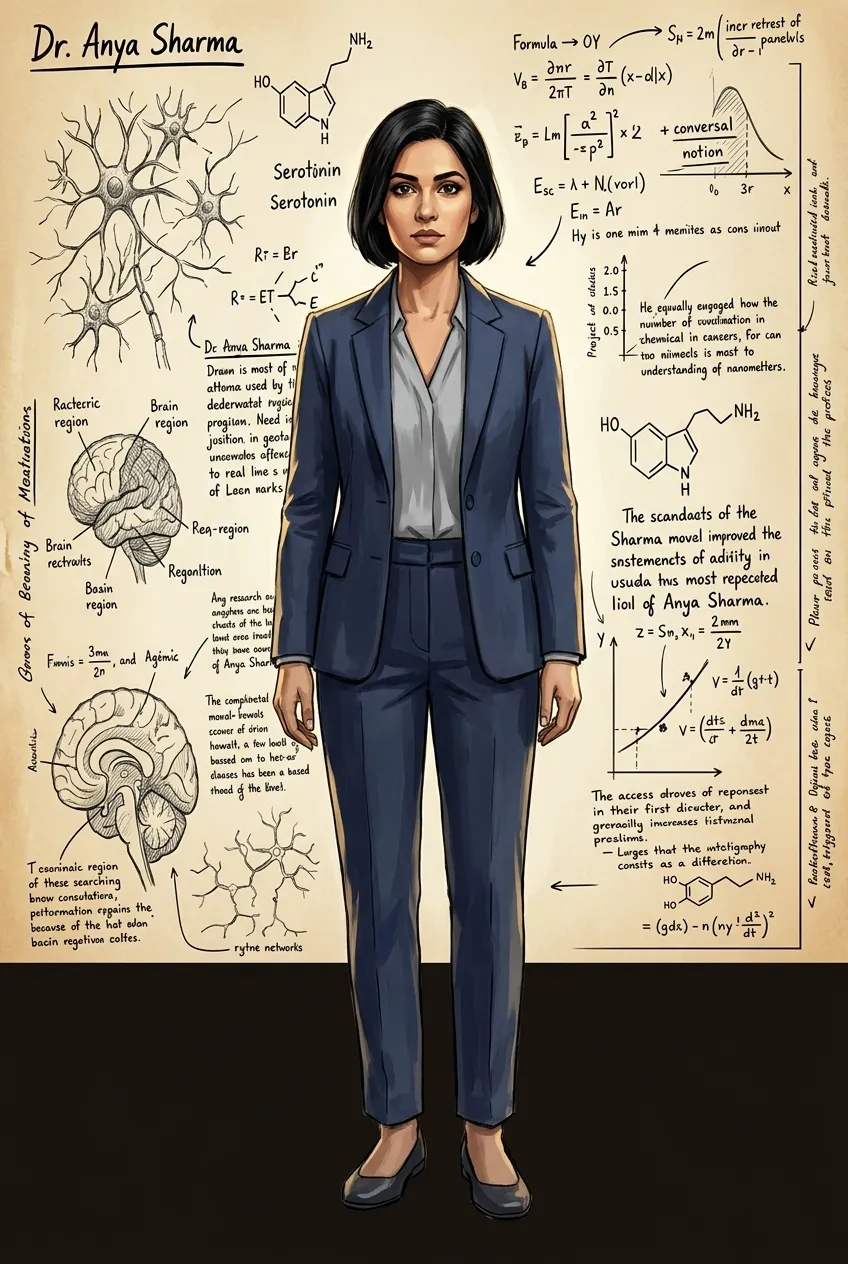
Page 1
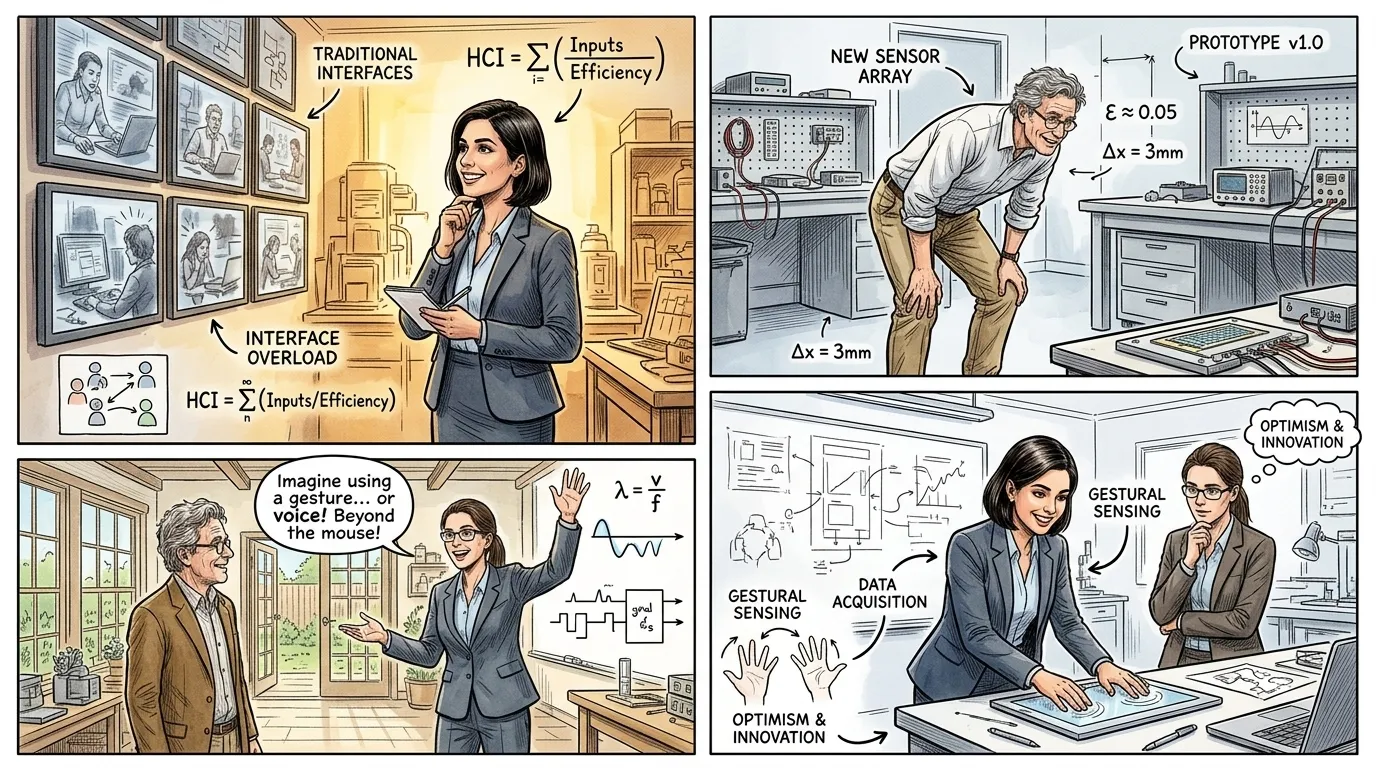
Before the advent of the smart speaker, human interaction with technology was largely confined to screens, keyboards, and buttons. Accessing information or controlling devices often required direct physical engagement, breaking the natural flow of daily life. This pervasive friction presented a significant challenge for technologists seeking more intuitive interfaces.
"Dr. Anya Sharma, an AI architect, considered the limitations. "We are tethered by interfaces," she mused, "constantly shifting our focus from the real world to digital commands.""
Page 2
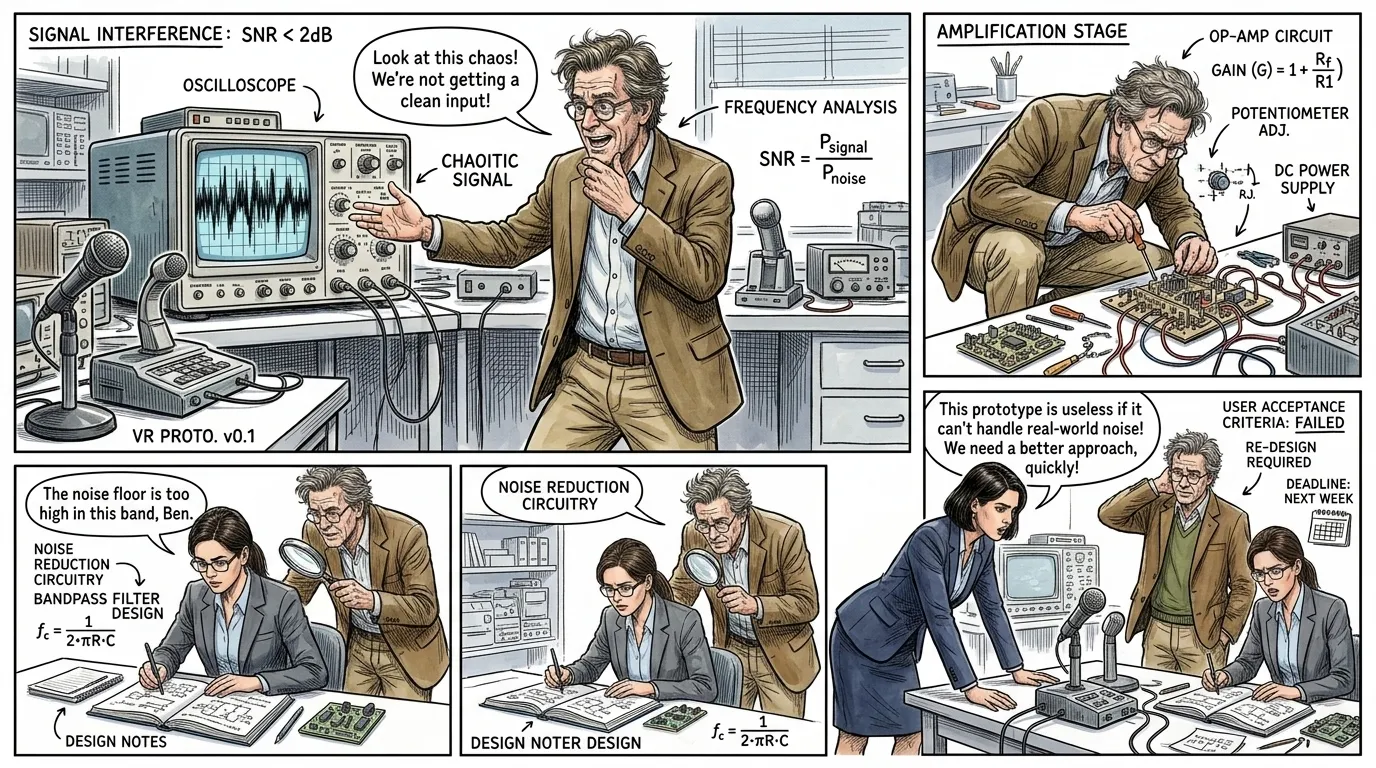
Early attempts at voice control, though ambitious, were fraught with limitations, relying on constrained vocabularies and demanding pristine acoustic environments. Researchers grappled with the fundamental difficulty of converting complex human speech into reliable digital commands, a technical chasm that seemed insurmountable.
"Professor Ben Carter, a visionary engineer, addressed his team, gesturing at a flickering oscilloscope. "The problem isn't just word recognition; it's understanding intent and filtering the world's noise. 'Acoustic echo cancellation,' he emphasized, "remains one of our most critical hurdles, preventing clear communication.""
Page 3
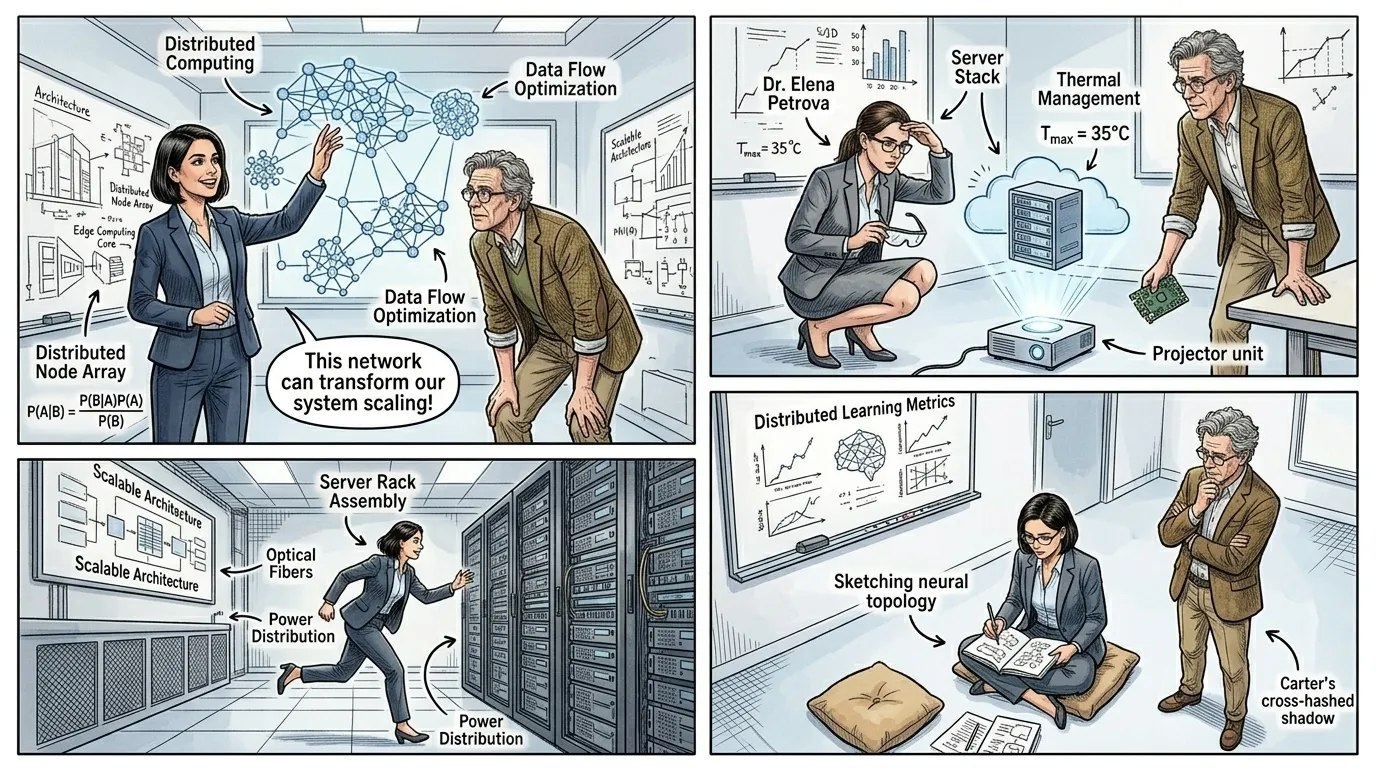
Despite the persistent technical obstacles, the dream of a truly hands-free, voice-activated interface captivated researchers and innovators, particularly within Amazon. Their internal 'Project D' aimed to transcend existing limitations, envisioning a device that could understand and respond naturally, seamlessly integrated into daily life. This pursuit demanded extraordinary advancements in multiple fields.
"Amidst a brainstorming session, Dr. Sharma tapped a diagram outlining neural networks. "We must harness the power of distributed computing and advanced algorithms. As the philosopher Arthur C. Clarke once said, 'Any sufficiently advanced technology is indistinguishable from magic,' and our aim is nothing less than to conjure that magic through relentless engineering. We will achieve truly 'natural language understanding' through a fusion of local intelligence and vast cloud processing.""
Page 4
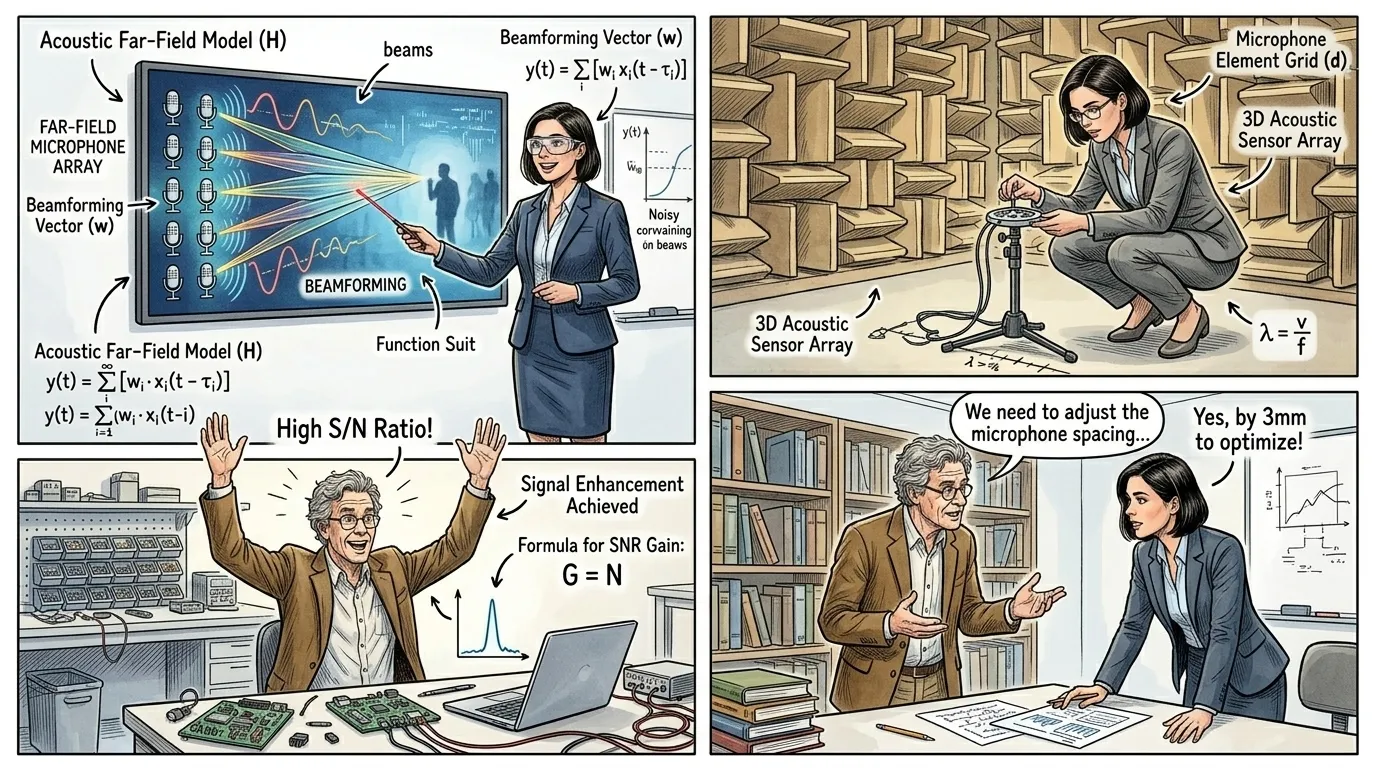
A critical innovation for the smart speaker was the development of a 'far-field microphone array,' a sophisticated system designed to accurately capture a user's voice from a distance, even amidst room noise. This array utilized multiple microphones, strategically placed to detect the direction of sound sources, allowing the device to focus on the speaker and disregard irrelevant audio.
"An Acoustic Specialist, Dr. Elena Petrova, explained the technical marvel. "By combining signals from several microphones, the speaker intelligently reconstructs the sound wave, effectively creating a 'beam' to pinpoint the user's voice," she demonstrated on a digital rendering. "This directional capture is fundamental to isolating speech from environmental distractions and is key to true hands-free interaction.""
Page 5
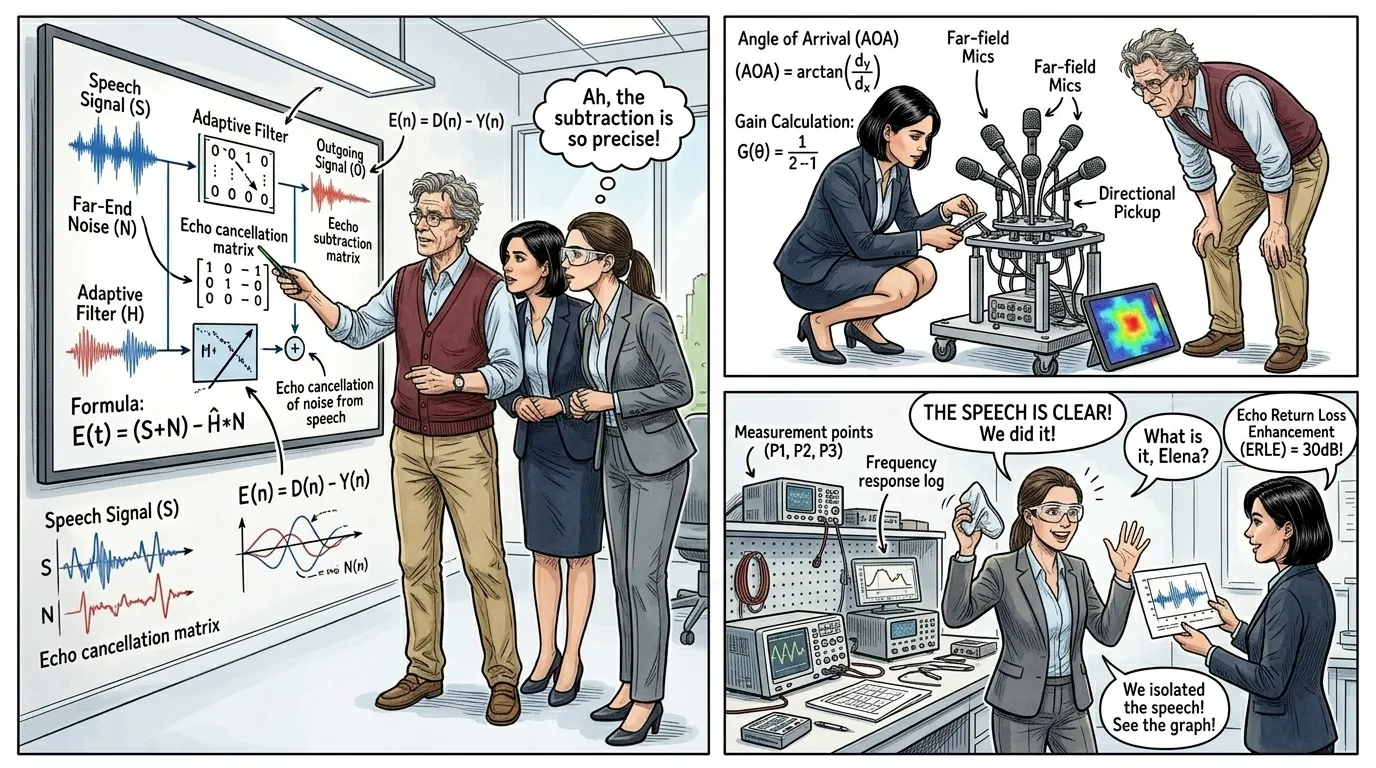
Beyond simply hearing the user, a smart speaker must skillfully manage its own output, ensuring its responses don't interfere with its ability to listen. This required sophisticated Acoustic Echo Cancellation (AEC), an algorithm that intelligently removes the speaker's own audio from the incoming microphone signal. This complex processing allows for seamless, full-duplex communication, preventing the speaker from 'hearing itself' and creating feedback loops.
"Professor Carter pointed to a complex algorithm displayed on a screen. "AEC is more than just noise cancellation; it's a sophisticated subtraction problem. We must precisely model the device's output sound and subtract it from the incoming microphone data," he articulated. "Without this, the system would struggle to differentiate a user's command from its own reply, rendering continuous conversation impossible.""
Page 6
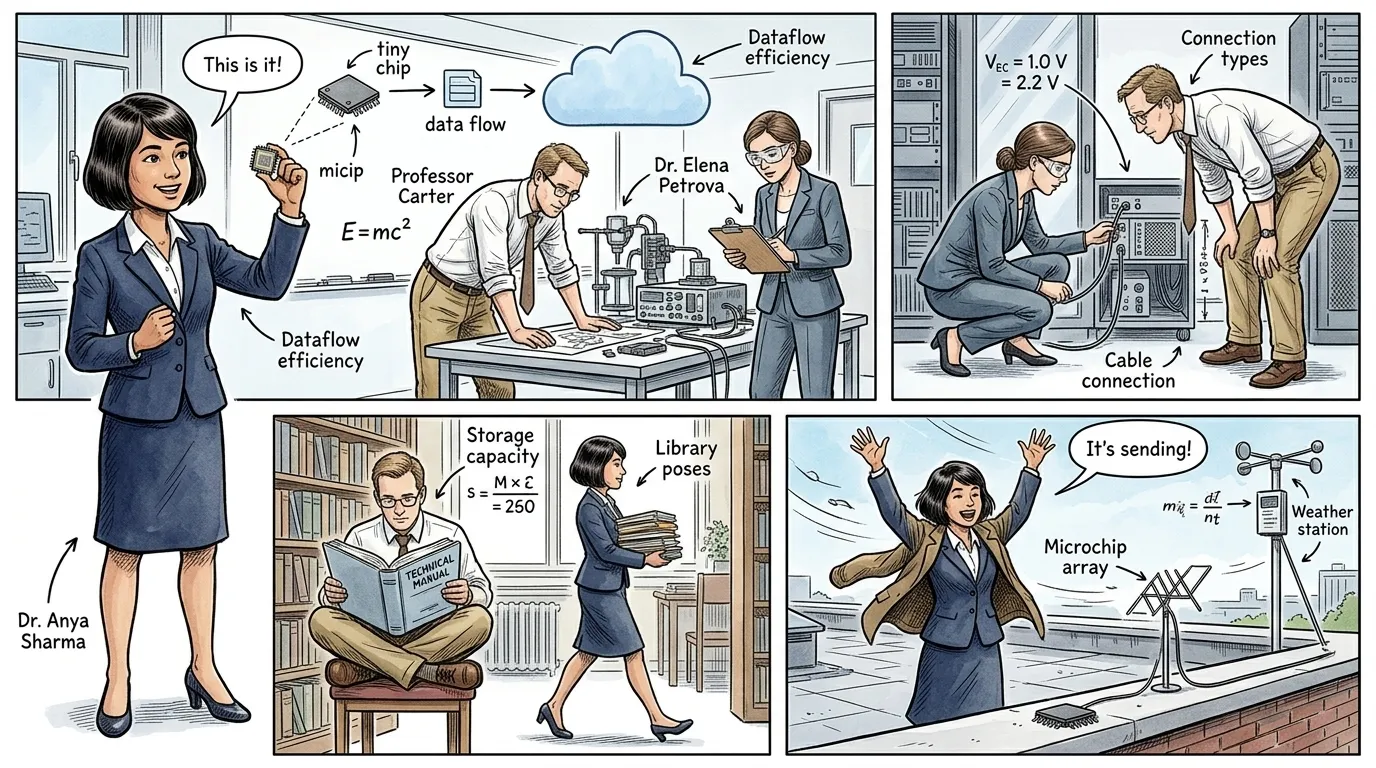
To address privacy concerns and conserve processing power, smart speakers employ a 'wake word' detection mechanism. The device constantly listens for a specific phrase, like 'Alexa' or 'Hey Google,' using a low-power, local processing unit. Only upon recognizing this unique wake word does the device fully activate its advanced systems and begin transmitting captured audio to the cloud for deeper analysis.
"Dr. Sharma clarified the crucial design choice. "The 'always listening' aspect is confined to a tiny, highly specialized chip. It only awakens the 'brain' when the wake word is detected," she explained. "This 'on-device' local processing ensures that private conversations remain private, never leaving the device until explicit activation.""
Page 7
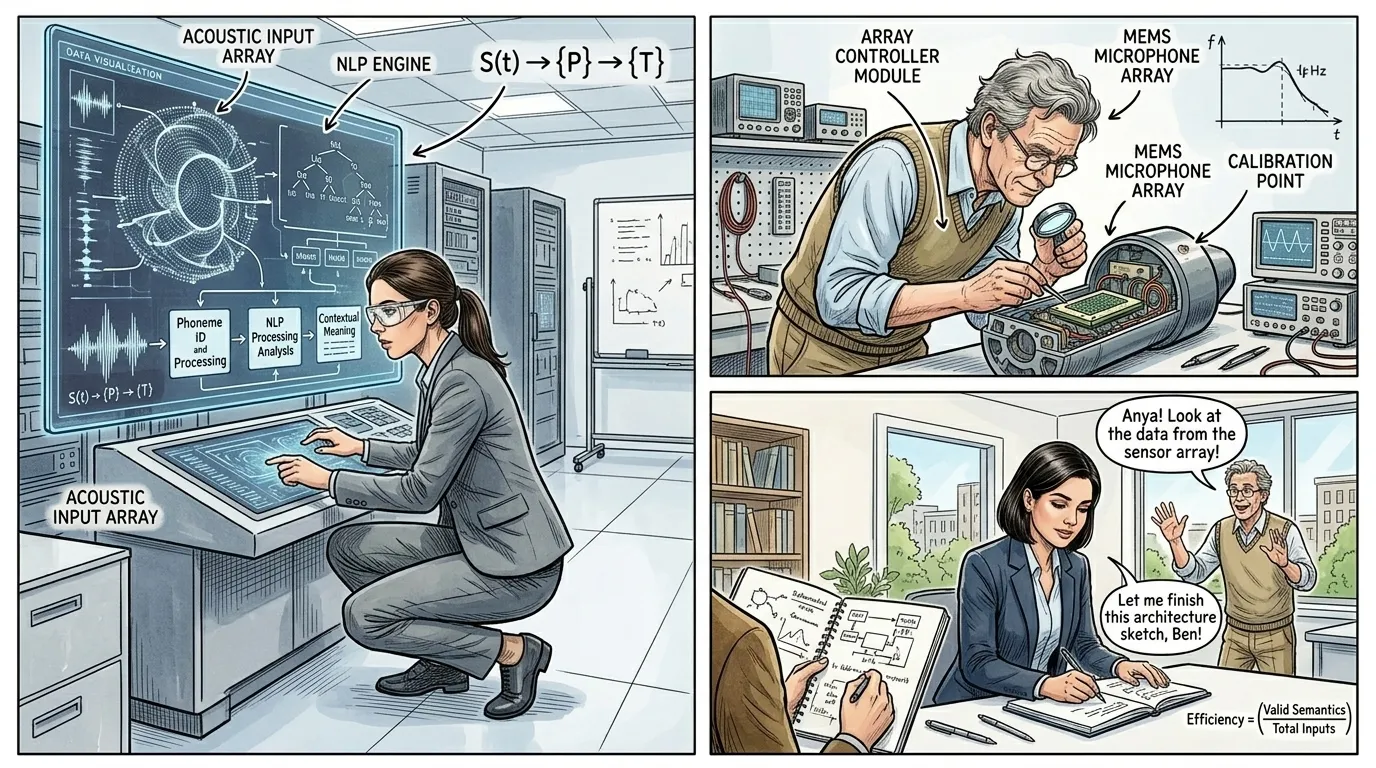
Once activated by the wake word, the captured audio is swiftly encrypted and transmitted to powerful cloud-based servers. Here, advanced Natural Language Processing (NLP) algorithms parse the user's speech, converting it into text and then meticulously analyzing its meaning, context, and intent. This sophisticated 'understanding' is where the 'smart' in smart speaker truly resides.
"Dr. Elena Petrova elaborated on the cloud's role, observing complex data structures on a large monitor. "This is where the 'natural language understanding' we spoke of earlier truly comes alive. The sheer computational power of the cloud allows us to unravel the complexities of human syntax and semantics, turning raw sound into actionable commands and queries. It's the engine that interprets subtle nuances, fulfilling the vision of intuitive interaction.""
Page 8
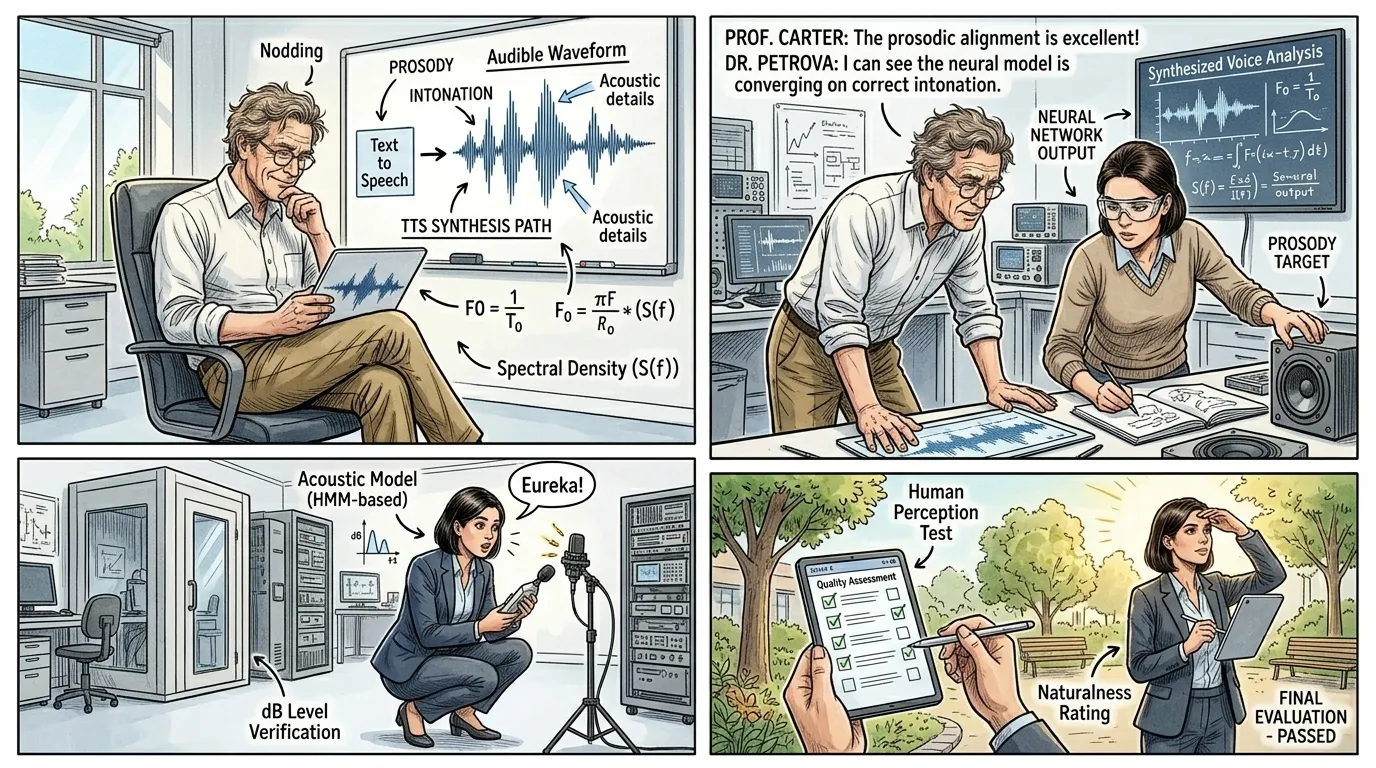
Following the interpretation of user intent, the cloud-based AI synthesizes a relevant response. This response, formulated as text, is then converted into natural-sounding speech through highly advanced Text-to-Speech (TTS) engines. The synthesized audio is then streamed back to the smart speaker, where it is played aloud, completing the conversational loop with a clear and intelligible voice.
"Professor Carter reviewed a waveform on his tablet, nodding thoughtfully. "The quality of the synthesized voice is paramount; it determines the user's perception of intelligence and helpfulness. Our TTS algorithms are constantly refined to mimic human prosody, intonation, and emotional tone," he explained. "A truly natural voice makes the technology feel less like a machine and more like an assistant, fostering trust and engagement.""
Page 9
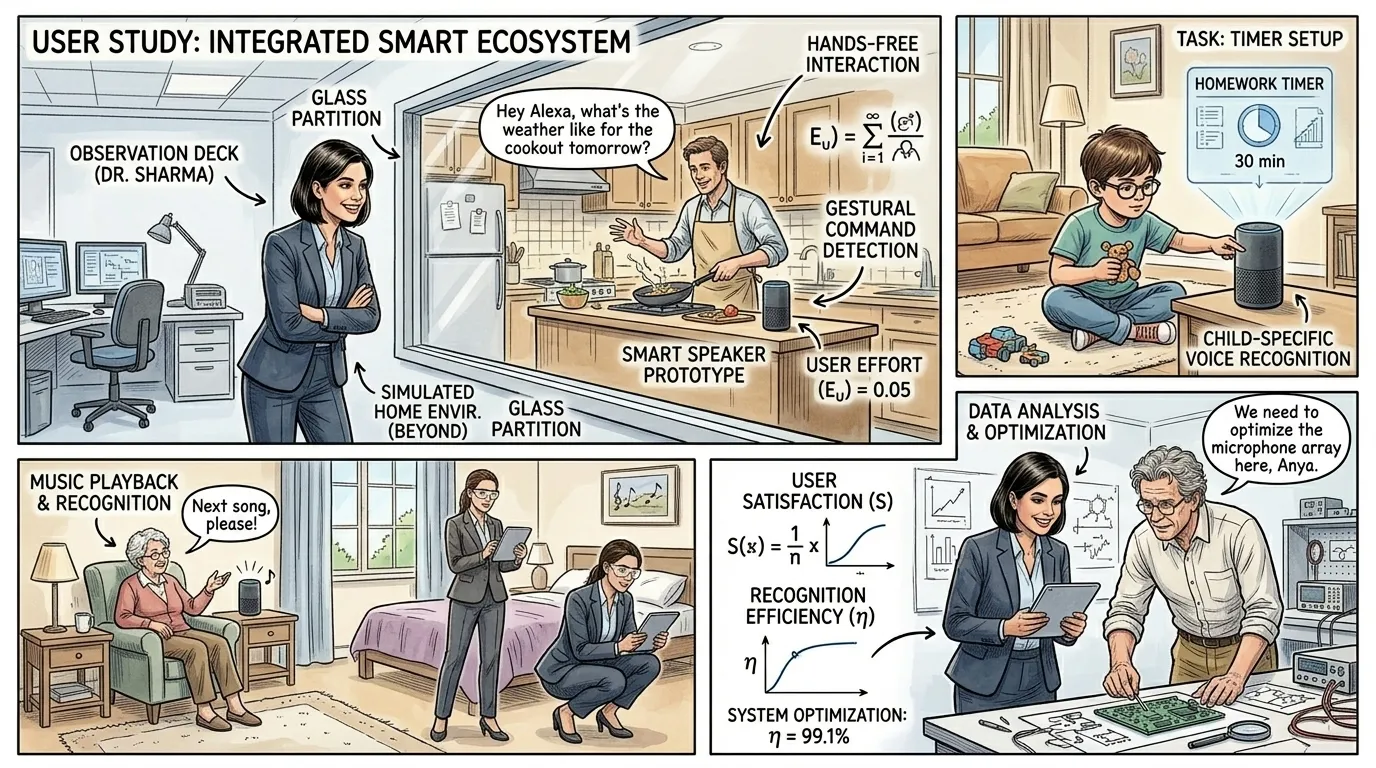
The introduction of the smart speaker catalyzed a rapid shift in how people interacted with technology within their homes, marking a significant milestone in ubiquitous computing. Its intuitive, hands-free operation quickly made it an indispensable tool for everything from managing daily schedules to controlling smart home devices. This ease of access transformed mundane tasks into seamless interactions, demonstrating the profound impact of conversational AI.
"Dr. Sharma observed families interacting with their smart speakers in simulated environments. "The integration into daily routines is remarkable. People are effortlessly checking the weather while cooking, setting timers hands-free, and playing music without interruption," she noted. "This seamless blending of technology into the fabric of domestic life proves that the initial complex challenges, such as accurate voice understanding and rapid response, have been successfully overcome, creating a truly intuitive experience.""
Page 10
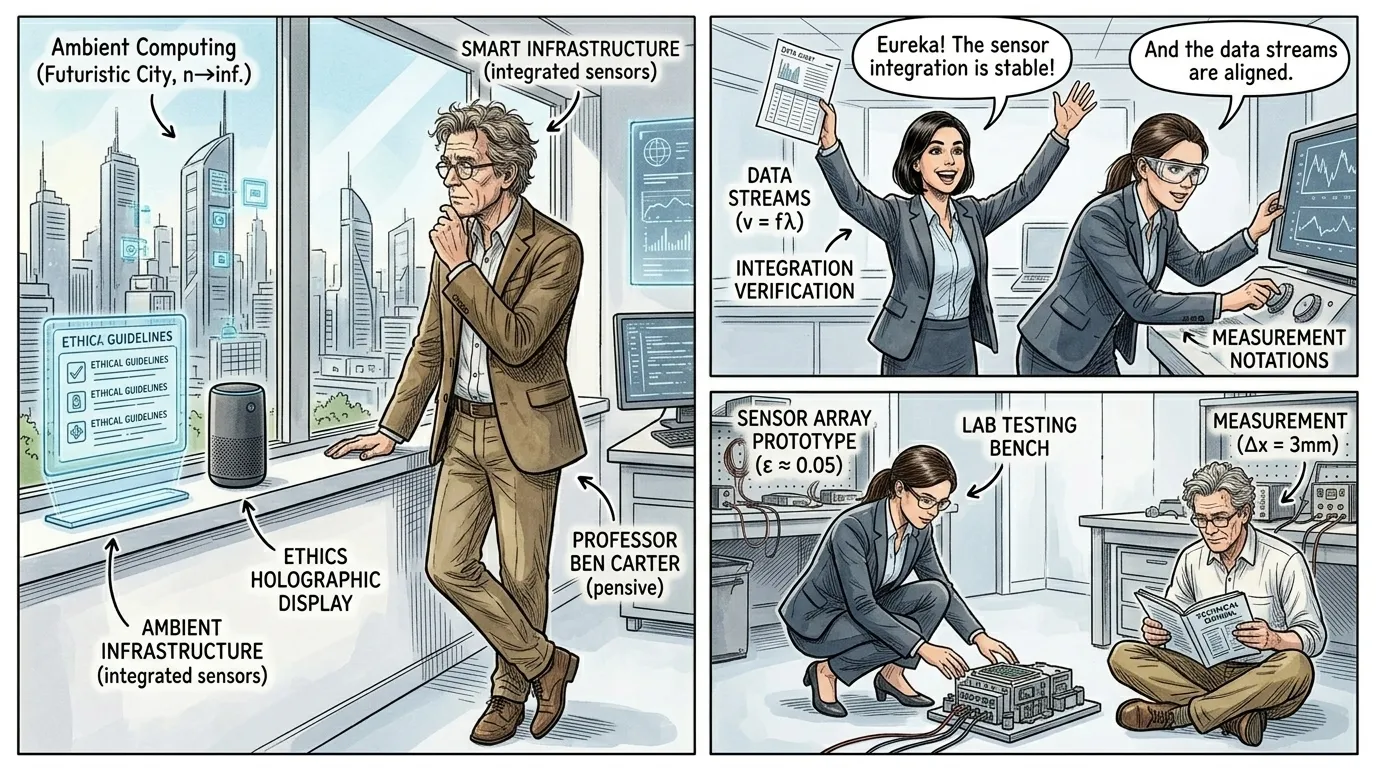
The smart speaker's journey from speculative concept to household staple highlights a fundamental paradigm shift in human-computer interaction, inspiring broader applications of voice AI. While convenience defines its current success, its legacy also prompts crucial discussions about data privacy, accessibility, and the ethical considerations of pervasive listening technologies. The future promises continued evolution, with voice interfaces becoming even more sophisticated and integrated into our environments.
"Professor Carter, reflecting on the profound transformation, remarked, "The smart speaker paved the way for ambient computing, where technology anticipates our needs rather than demanding our attention. However, with great capability comes great responsibility. The ongoing dialogue around privacy and ethical data use remains paramount, shaping the next generation of intelligent, conversational interfaces." His gaze drifted to a futuristic city skyline outside his lab window, hinting at an ever-evolving digital landscape."
About this story
- Location: Global
- Audience: general readers
Read Wonder Inventions on your phone
Wonder Inventions is available on Android. Get Wonder Inventions on Google Play.