Abraham Lincoln
Abraham Lincoln — an illustrated biography story, set in Global. 10 illustrated pages, free to read on Wonder People.
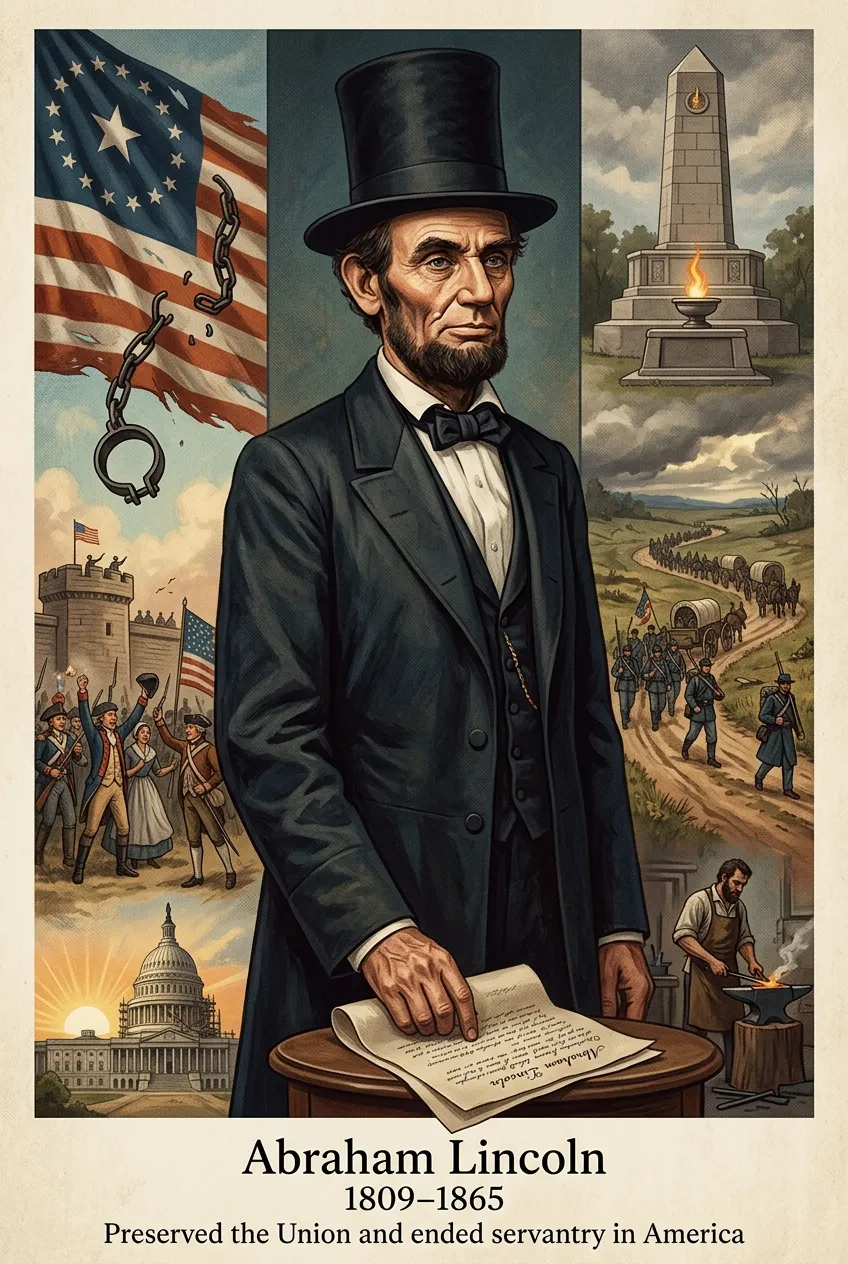
Page 1
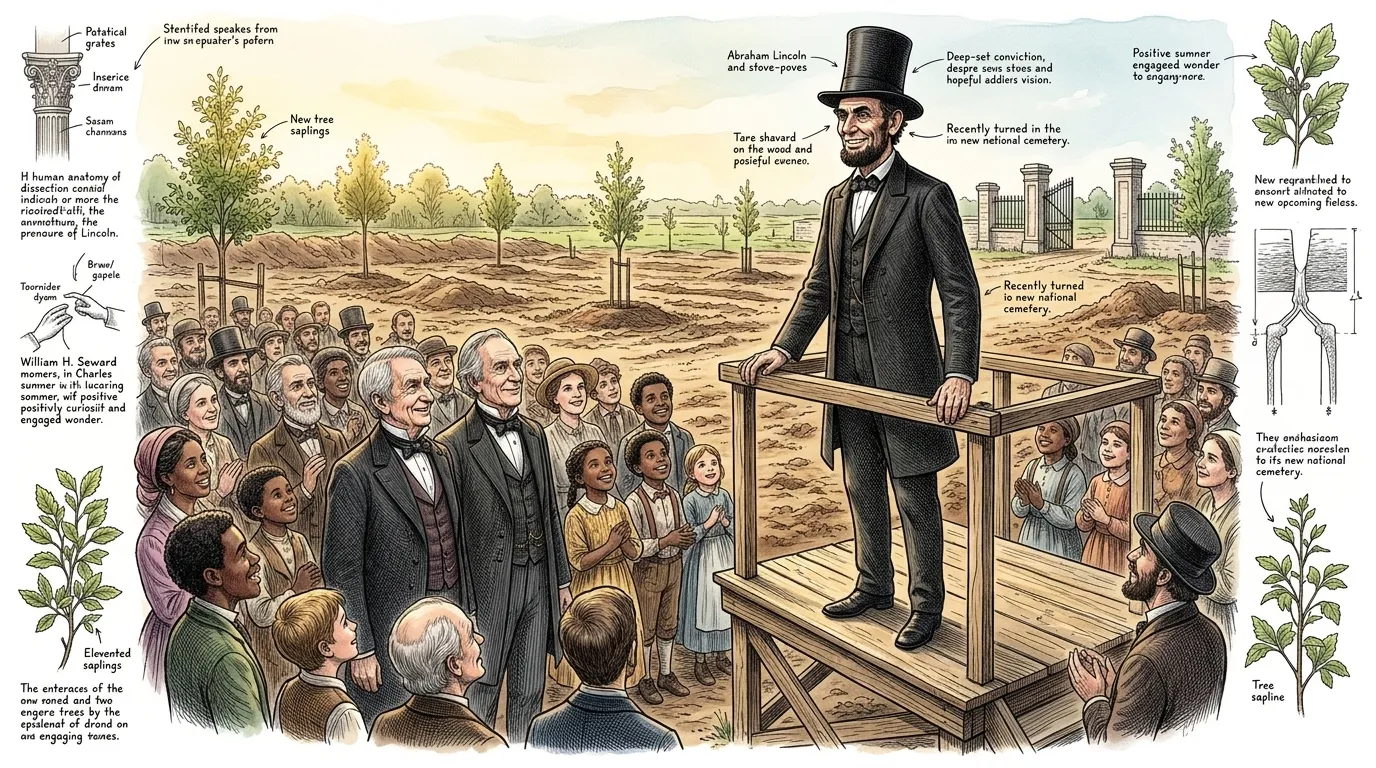
At Gettysburg, Pennsylvania, in November 1863, amidst the raw earth of a new national cemetery, Abraham Lincoln delivered 272 words that redefined a nation's struggle. Before a solemn crowd of 15,000, including Secretary of State William H. Seward and Senator Charles Sumner, he articulated a new birth of freedom, consecrating the sacrifice of 51,000 casualties and refocusing the Union's purpose. His voice, clear and unyielding, called the American experiment to a higher ideal of equality, shifting the very meaning of the war from preservation to liberation. In that moment, he transcended the battlefield, laying the moral foundation for a reunified future.
Page 2
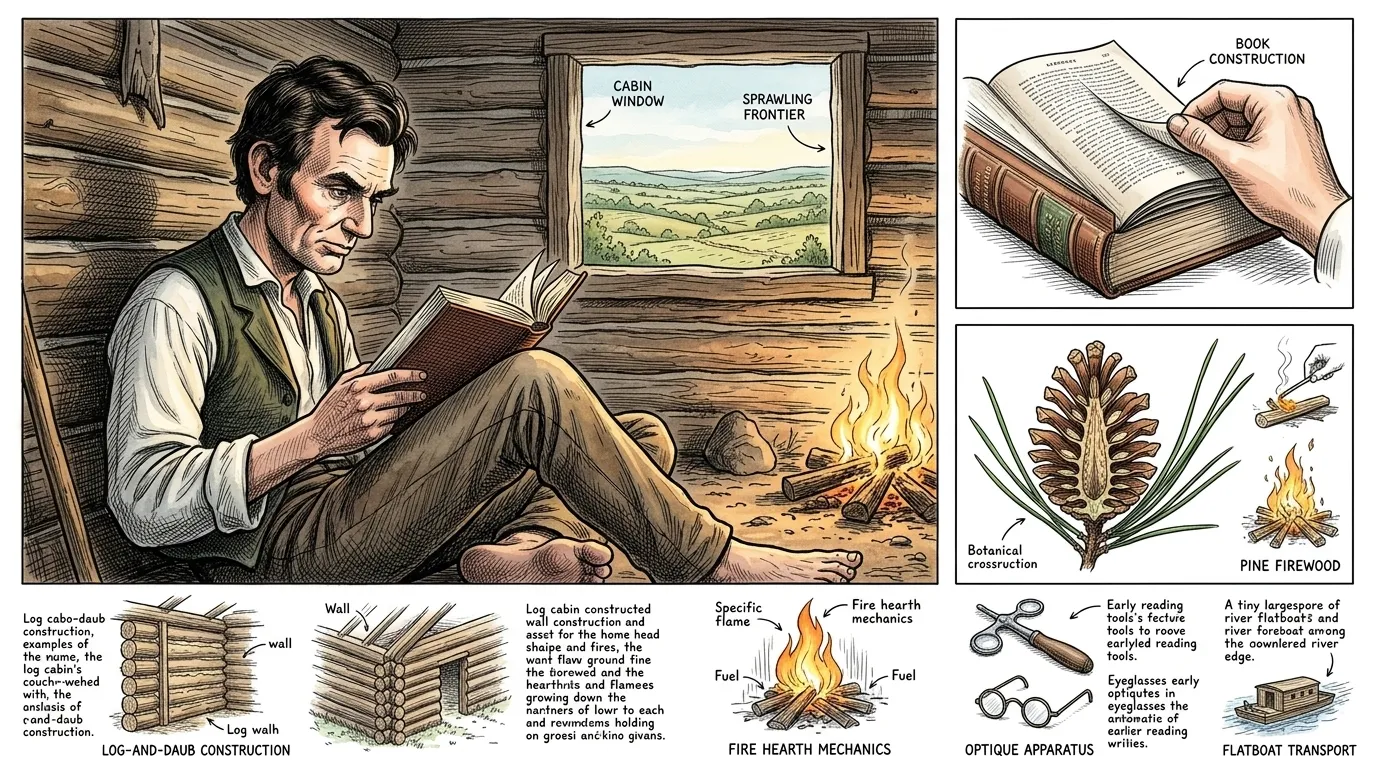
Abraham Lincoln's life began in a rudimentary log cabin in Hodgenville, Kentucky, in 1809, far from the halls of power he would eventually command. Raised in poverty, his early years were marked by the relentless toil of frontier life, moving to Indiana as a boy where he sharpened his mind on borrowed books by firelight. This raw, untamed landscape, demanding self-reliance and observation, forged a pragmatism and keen intellect that would define his future. The constraints of his origin became the forge of his extraordinary will.
Page 3
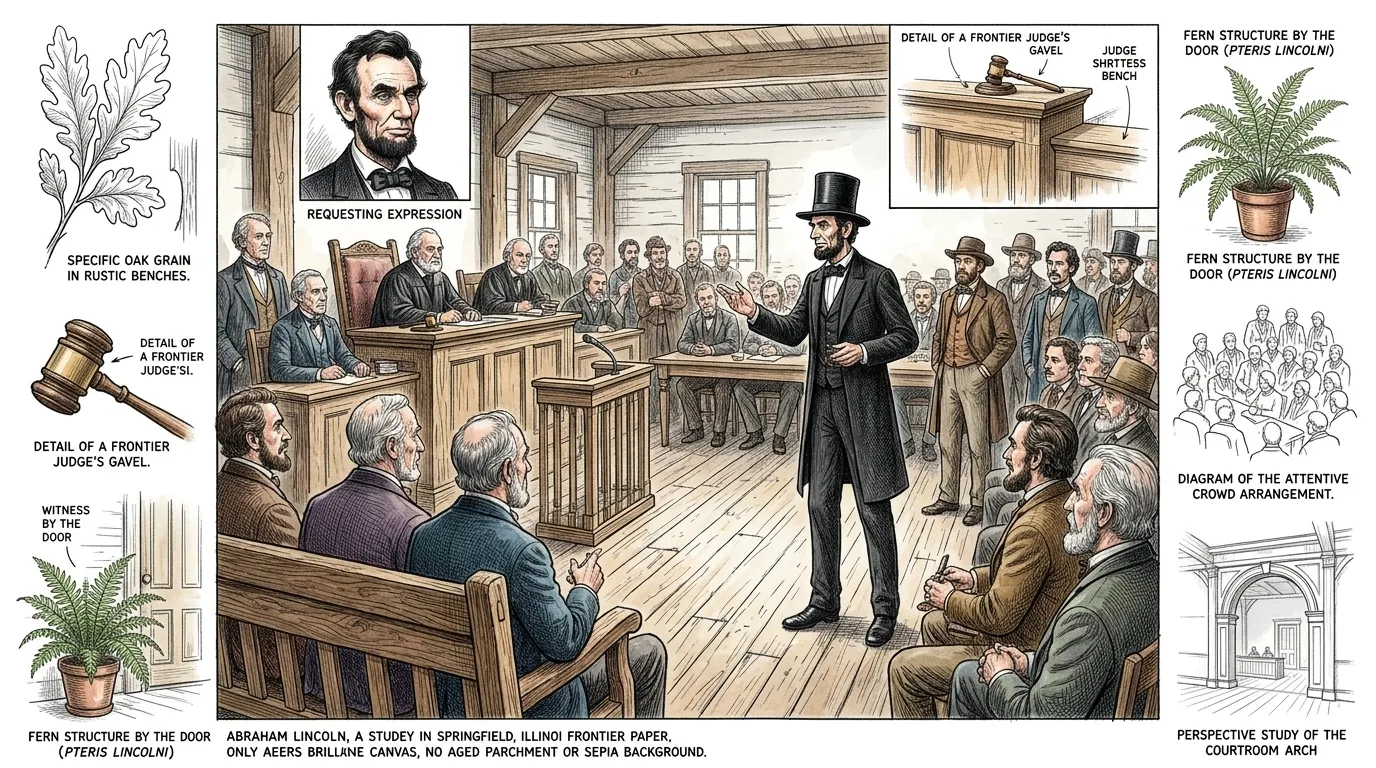
In Springfield, Illinois, by the mid-1830s, Abraham Lincoln honed his legal acumen, traveling the Eighth Judicial Circuit to argue cases across the frontier. His profound understanding of human nature and a clear, persuasive speaking style quickly established his reputation among judges, lawyers, and the common people. Through these demanding circuit court debates and political rallies, he built a network of influence, demonstrating an uncommon ability to connect with ordinary citizens and sway opinions. This intensive period of legal and political engagement sharpened his strategic mind, preparing him for the larger battle ahead.
Page 4
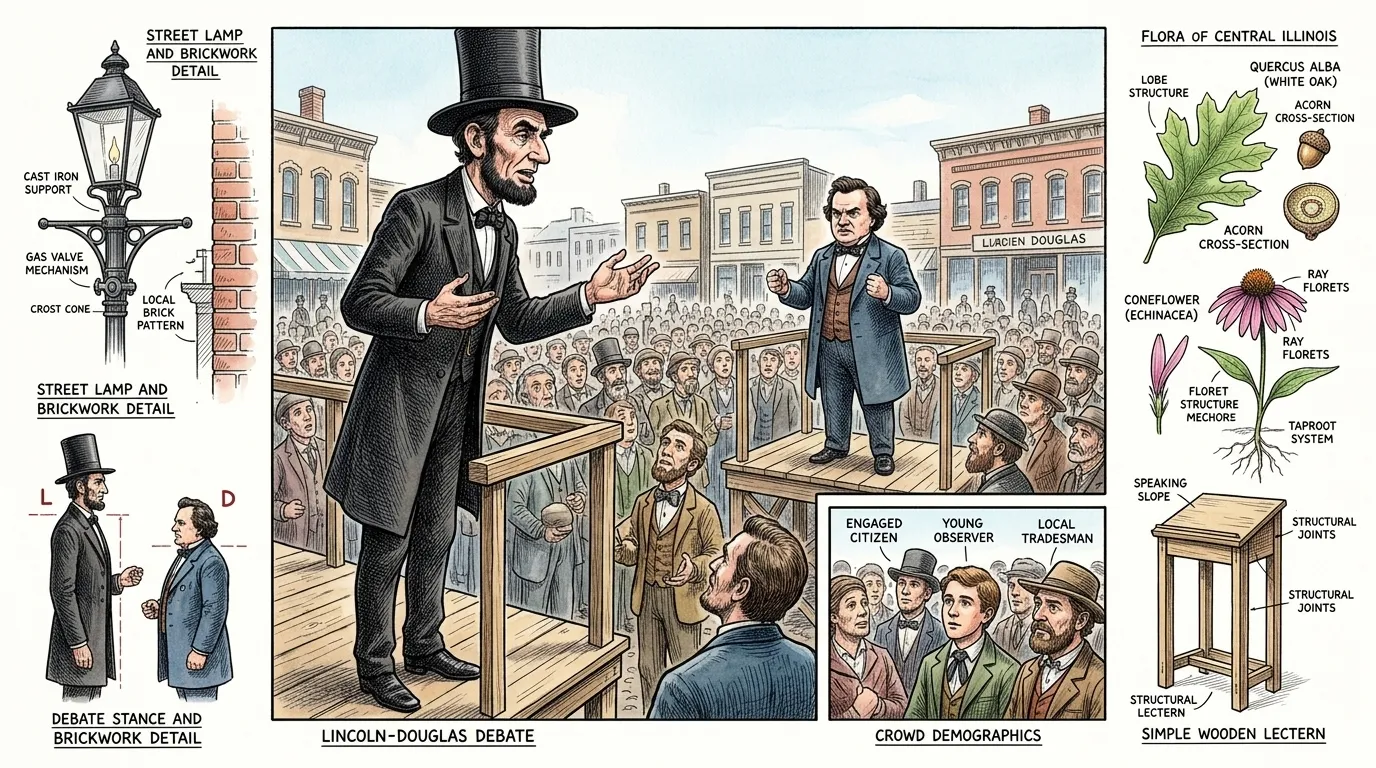
As the national crisis over slavery intensified, Abraham Lincoln emerged as a formidable opponent to its expansion, challenging Senator Stephen Douglas in a series of historic debates in 1858. In crowded town squares and open fields across Illinois, Lincoln forcefully articulated his moral opposition to slavery, framing it as a profound threat to the nation's founding principles. Though he lost the Senate race, his powerful arguments resonated deeply, elevating his national profile and galvanizing anti-slavery sentiment across the free states. He was no longer merely a regional politician; his voice had become a national force.
Page 5
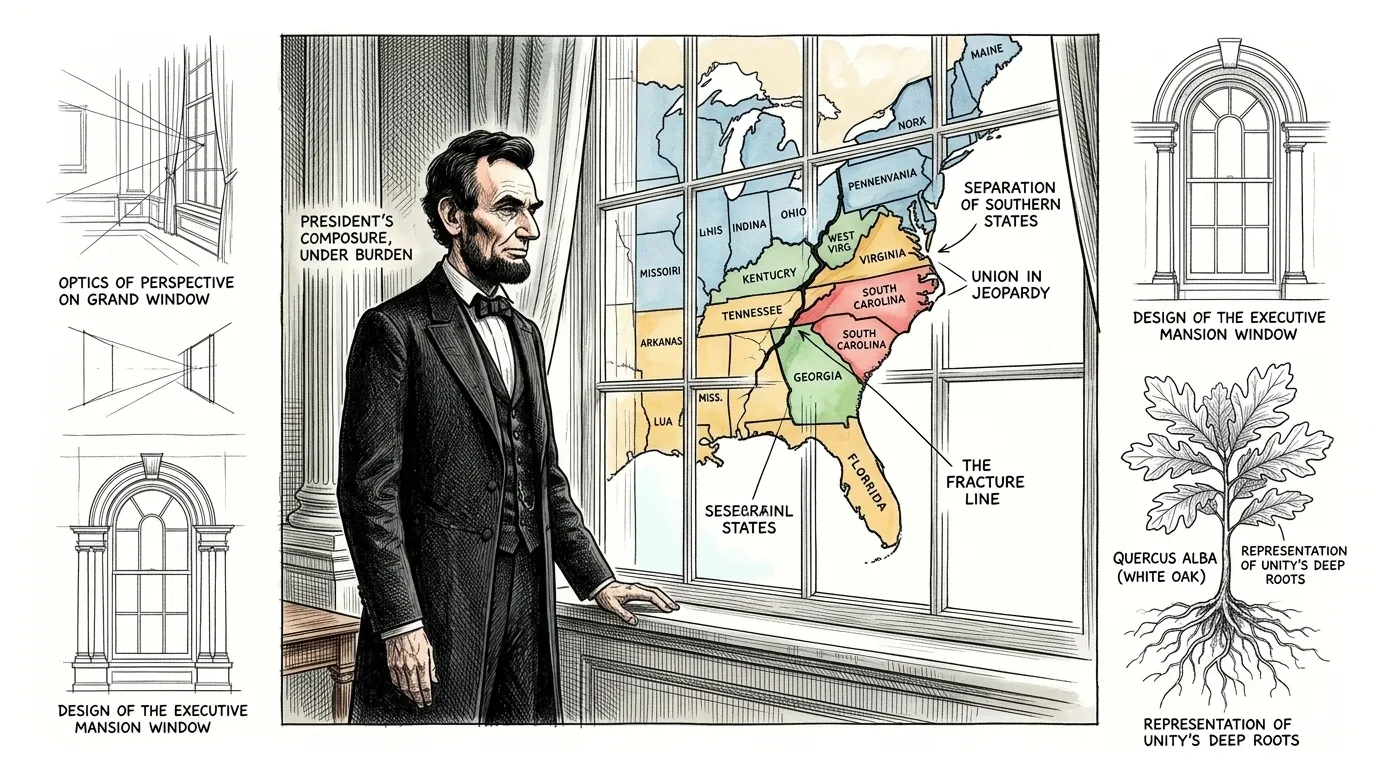
In 1860, Abraham Lincoln's relentless articulation of the anti-slavery cause propelled him to the presidency, a victory that shattered the political landscape and ignited the secession crisis. His election, achieved without a single Southern electoral vote, was a clear signal to the slaveholding states of an irreversible shift in national power. He faced a nation fracturing, with Southern states declaring their independence and seizing federal property. His ascension to the highest office instantly plunged the United States into its most profound existential crisis, forcing a choice between union and dissolution.
Page 6
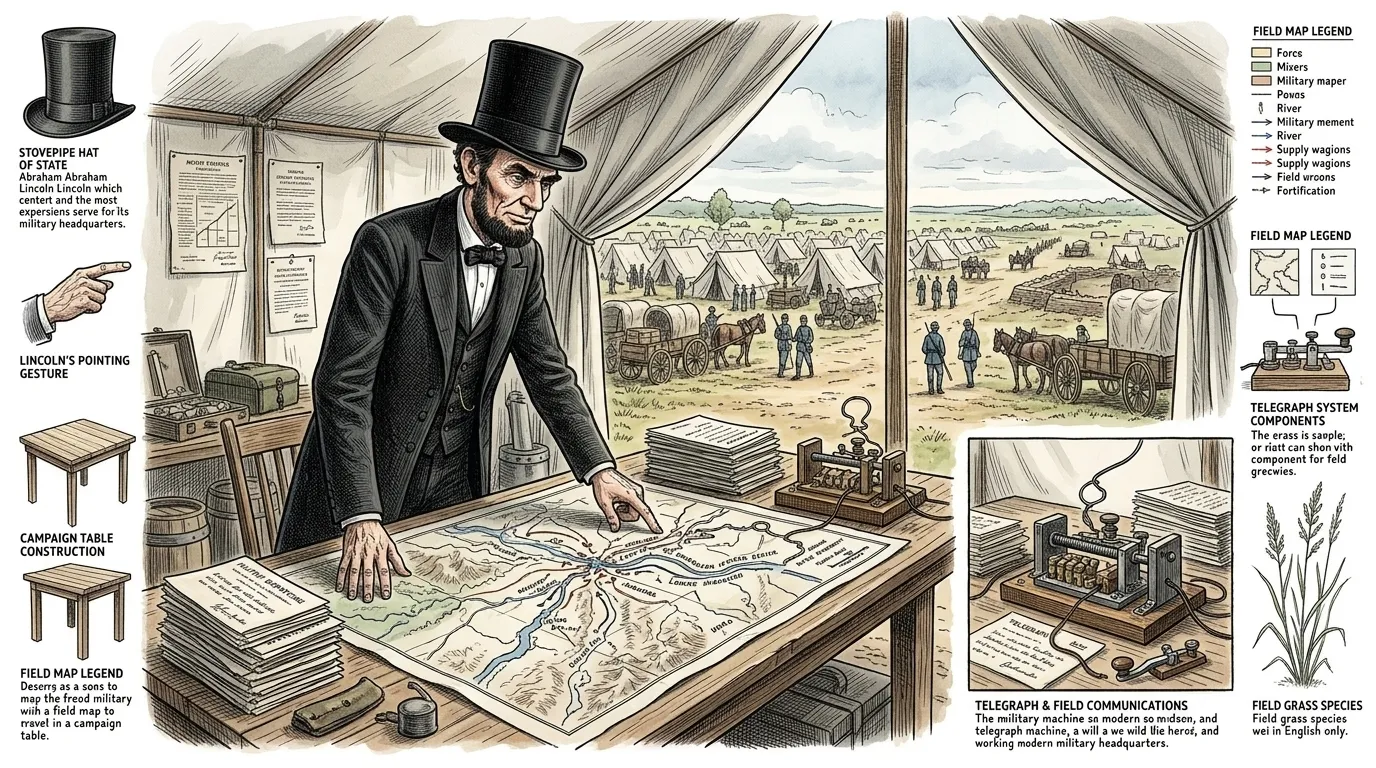
The attack on Fort Sumter in April 1861 thrust Abraham Lincoln into the unprecedented role of wartime commander-in-chief, facing a rebellion of eleven Southern states. He immediately called for 75,000 volunteers, mobilizing a nation unprepared for the scale of the conflict. Lincoln made critical strategic decisions, navigating immense military and political pressures while learning the intricacies of warfare. He held the Union together through sheer force of will, making unpopular choices and replacing generals until he found those capable of victory. His leadership during these early, desperate years forged the path toward preserving the Union.
Page 7
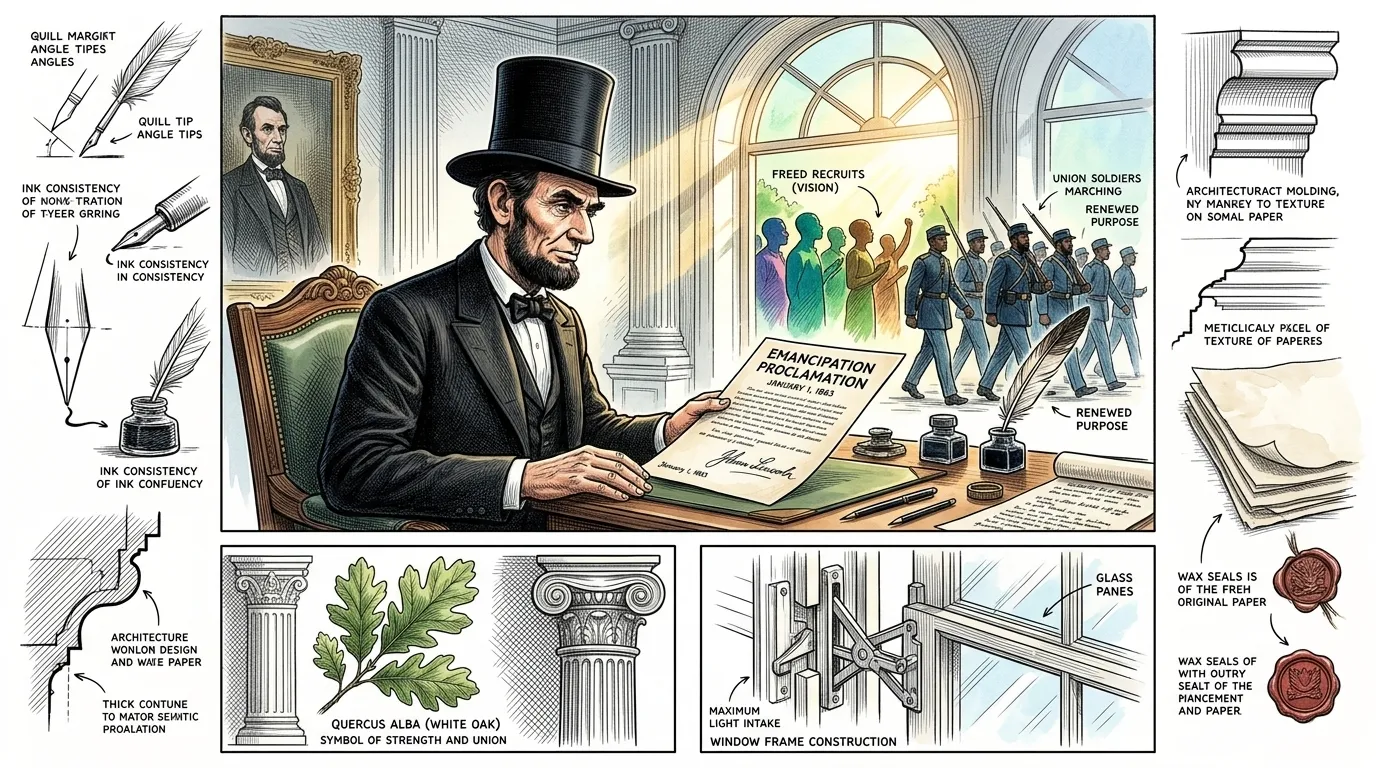
On January 1, 1863, Abraham Lincoln issued the Emancipation Proclamation, a transformative executive order that declared millions of enslaved people in Confederate states forever free. This decisive act fundamentally altered the character of the Civil War, shifting its moral objective from merely preserving the Union to actively ending slavery. It inspired enslaved individuals to seek freedom and bolstered the Union cause with new resolve, inviting Black soldiers into the Union Army. This proclamation was a profound assertion of presidential power, a strategic blow against the Confederacy, and a moral declaration that resonated across the globe.
Page 8
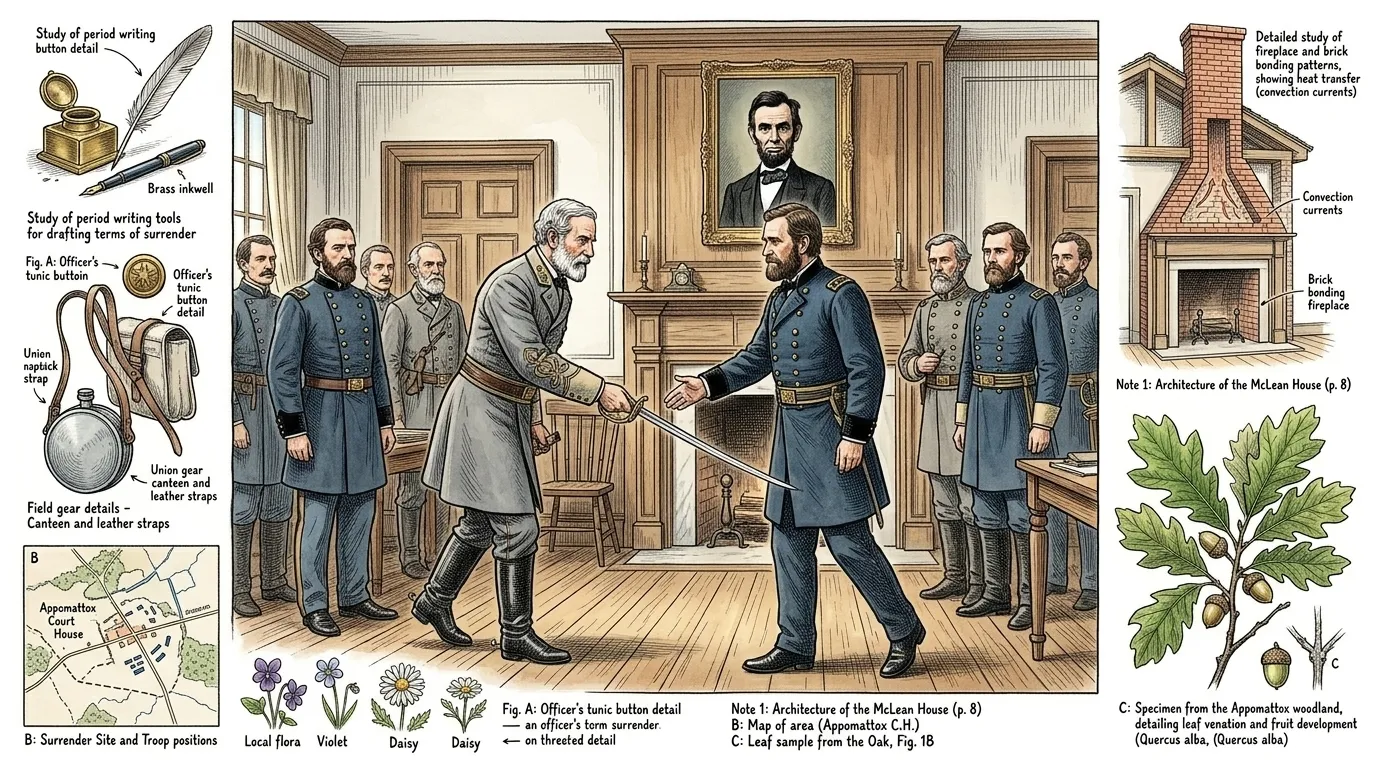
The surrender of Confederate General Robert E. Lee to Union General Ulysses S. Grant at Appomattox Court House in April 1865 marked the effective end of the Civil War, validating Abraham Lincoln's unwavering commitment to the Union. His vision of a reunified nation, preserved through four years of brutal conflict, was finally realized. This moment represented the culmination of immense sacrifice and strategic leadership, bringing an end to the nation's bloodiest chapter. The immediate impact was relief and hope, as the long, devastating conflict concluded under his steadfast command.
Page 9
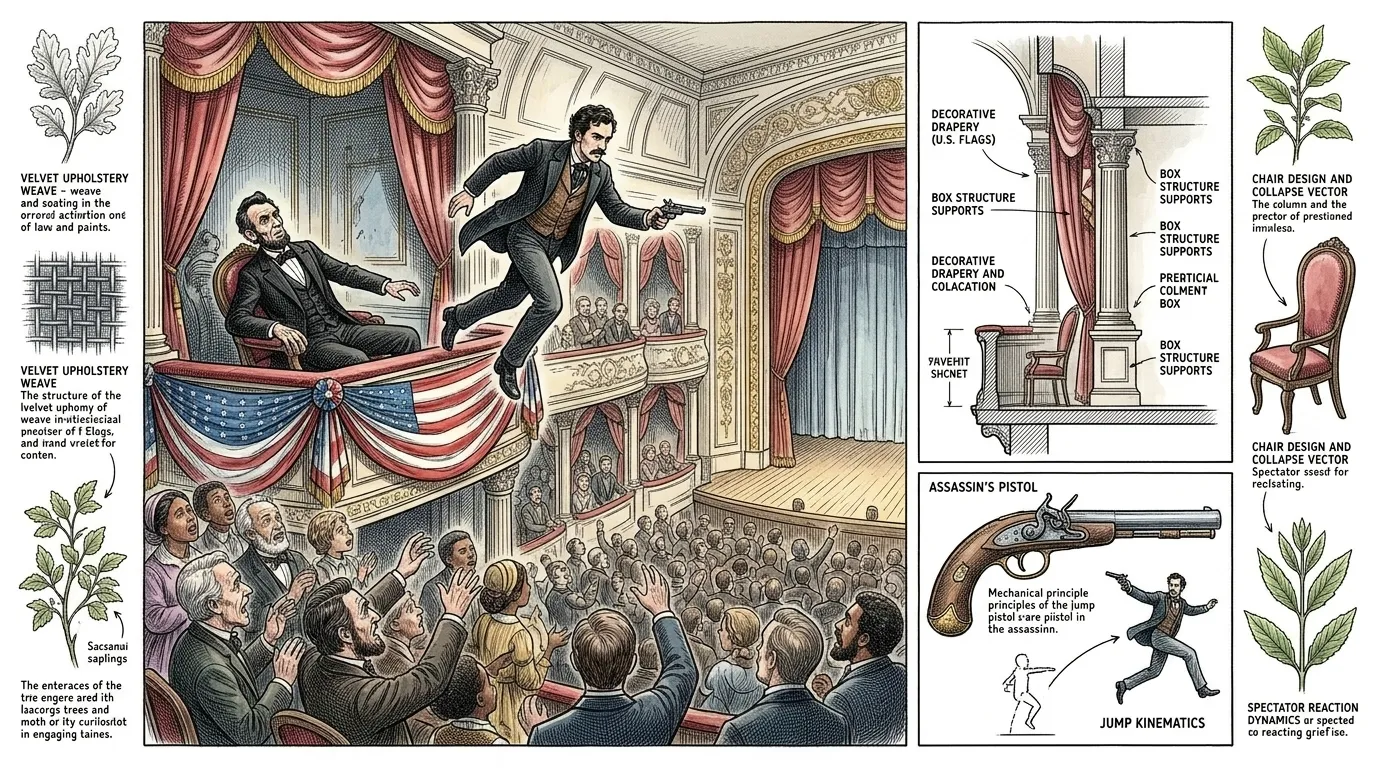
Just days after the Union's victory, on April 14, 1865, Abraham Lincoln was assassinated by John Wilkes Booth at Ford's Theatre in Washington, D.C. The sudden, violent loss of their revered leader plunged the newly reunified nation into profound grief and uncertainty. His death underscored the immense personal cost of the war, transforming him from a controversial wartime president into a martyred symbol of unity and emancipation. The nation's mourning processions stretched for miles, a testament to the depth of public sorrow and the enduring impact of his leadership.
Page 10
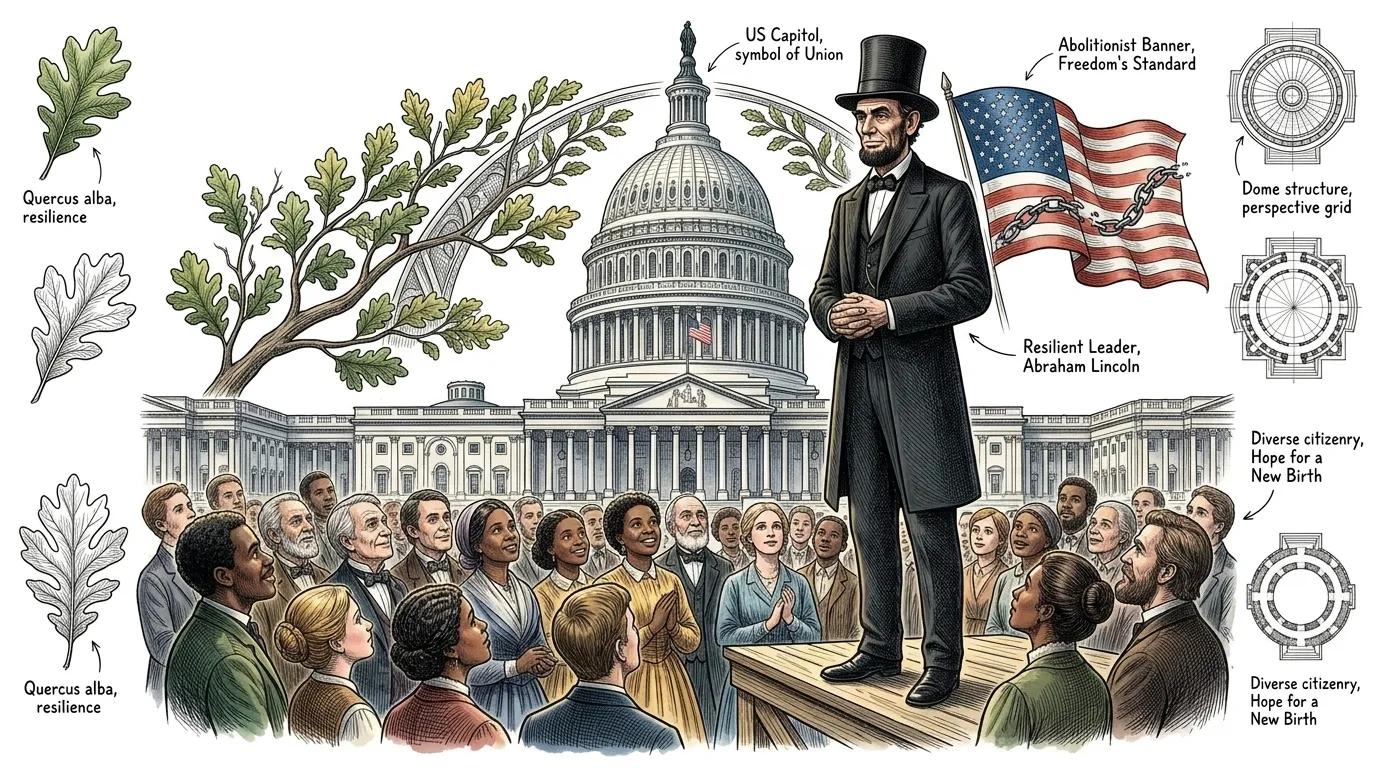
Abraham Lincoln's legacy transcends his era, shaping the American identity and inspiring generations worldwide. He preserved the Union, abolished slavery, and articulated a vision of government 'of the people, by the people, for the people.' His unwavering commitment to democratic ideals, his profound moral courage, and his leadership through the nation's darkest hour solidified his place as a transformational figure. His image stands as a timeless embodiment of justice, resilience, and the enduring struggle for equality.
About this story
- Location: Global
- Audience: general readers
Questions and answers
Read Wonder People on your phone
Wonder People is available on Android. Get Wonder People on Google Play.