Alfred Nobel
Alfred Nobel — an illustrated biography story, set in Global. 10 illustrated pages, free to read on Wonder People.
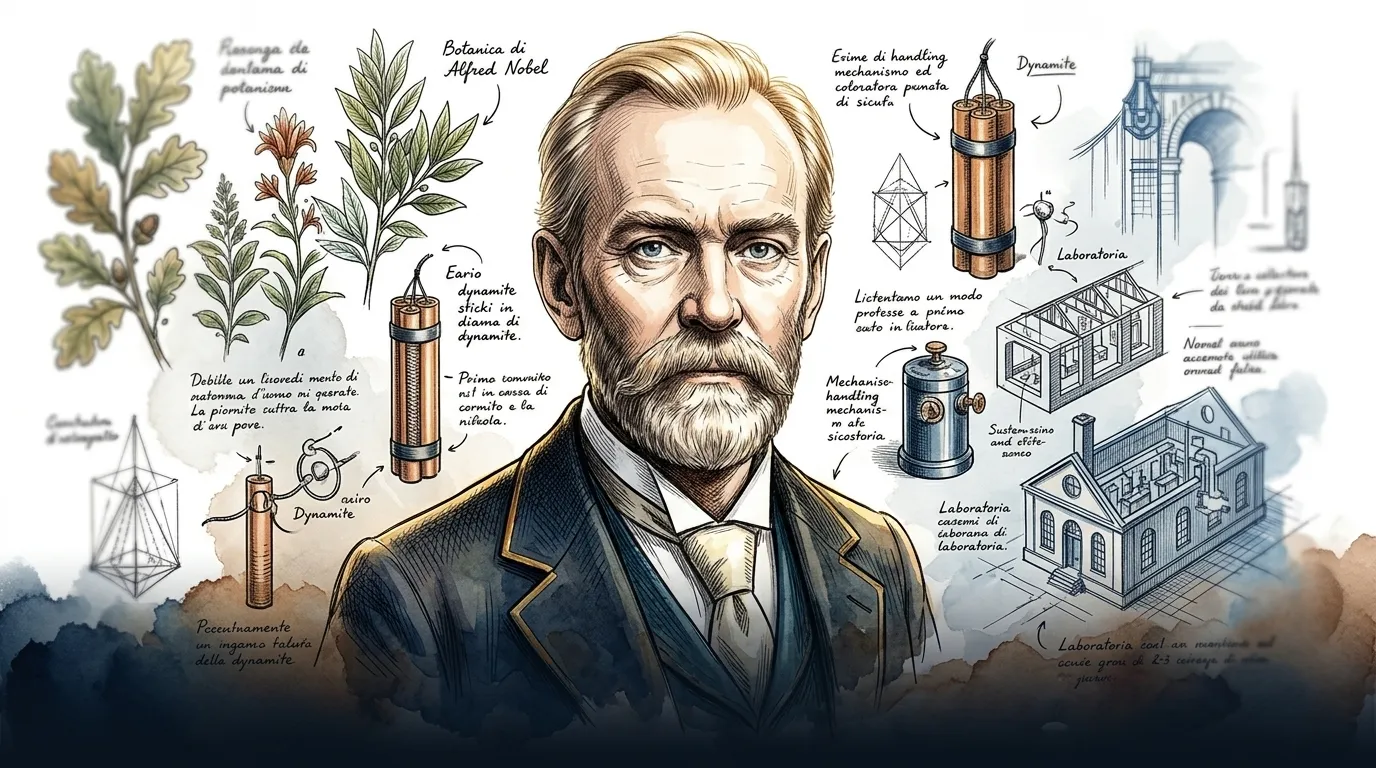
Page 1
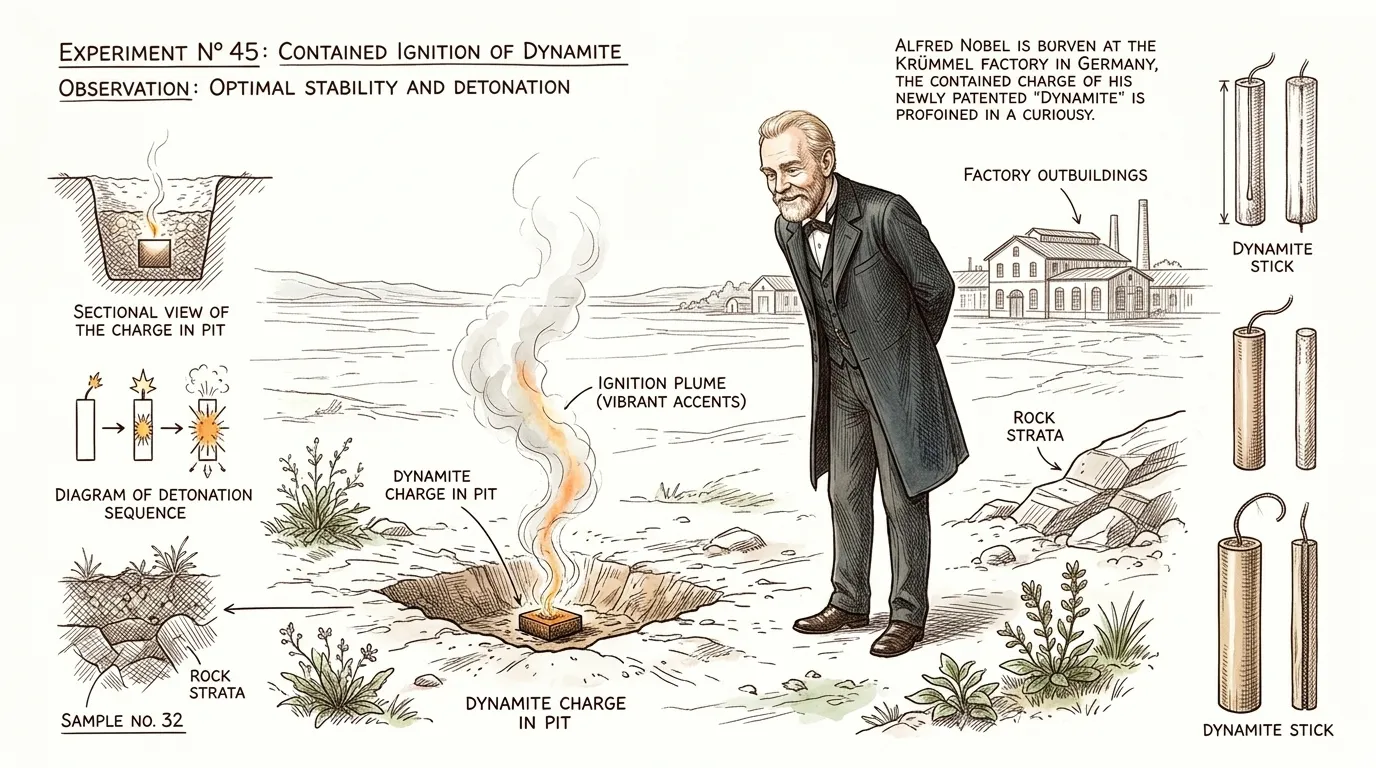
At the Krümmel factory in Germany, in 1867, Alfred Nobel stood on a barren testing ground, overseeing a crucial demonstration. Before him, a small charge of his newly patented 'Dynamite' was set to ignite. This groundbreaking compound, a stabilized form of nitroglycerin, promised to revolutionize engineering and warfare, a power he alone had mastered. The world would soon feel the earth move under its feet, reshaping continents and industries at his command, marking a turning point for excavation and destruction alike.
Page 2
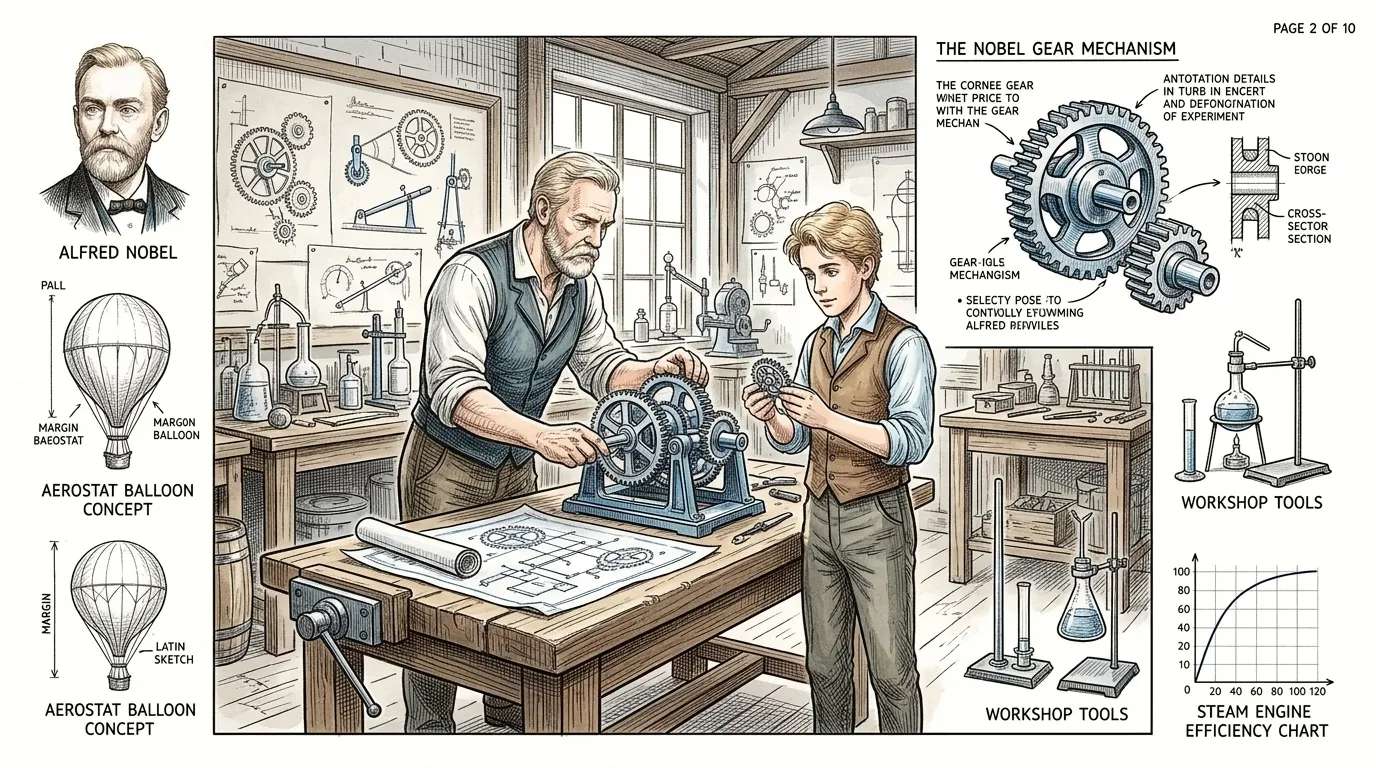
Alfred Nobel's intellectual lineage began in Stockholm, Sweden, in 1833, but truly forged in the bustling industrial workshops of St. Petersburg, Russia. His father, Immanuel Nobel, an accomplished inventor and engineer, immersed young Alfred in the world of explosives and mechanics. Surrounded by blueprints, machinery, and the volatile science of the era, Alfred inherited not just a name, but a restless curiosity and an unyielding drive to conquer the intractable challenges of material science, particularly the power of explosive force. It was here, amidst the grind of gears and the scent of chemicals, that his life's trajectory was set.
Page 3
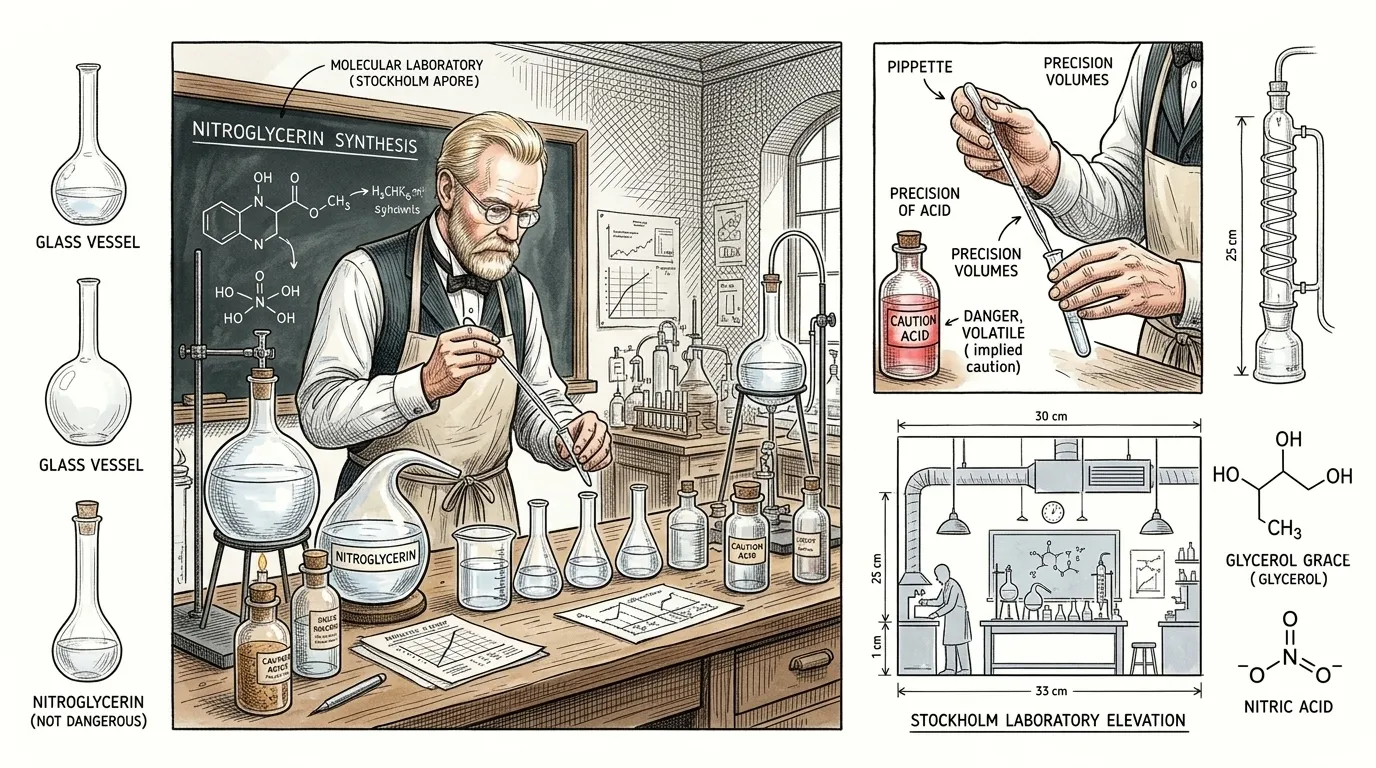
Returning to Sweden in 1863, Alfred Nobel intensified his experiments with nitroglycerin, a liquid explosive known for its immense power and extreme instability. His Stockholm laboratory became a site of relentless, dangerous inquiry. The goal was to harness its destructive potential for construction, but the cost was dire: repeated, catastrophic explosions, culminating in the tragic death of his younger brother, Emil, and four others in 1864. This devastating event solidified Nobel's resolve, not to abandon his quest, but to find a way to tame the volatile compound, driven by the profound personal loss and the clear industrial need.
Page 4
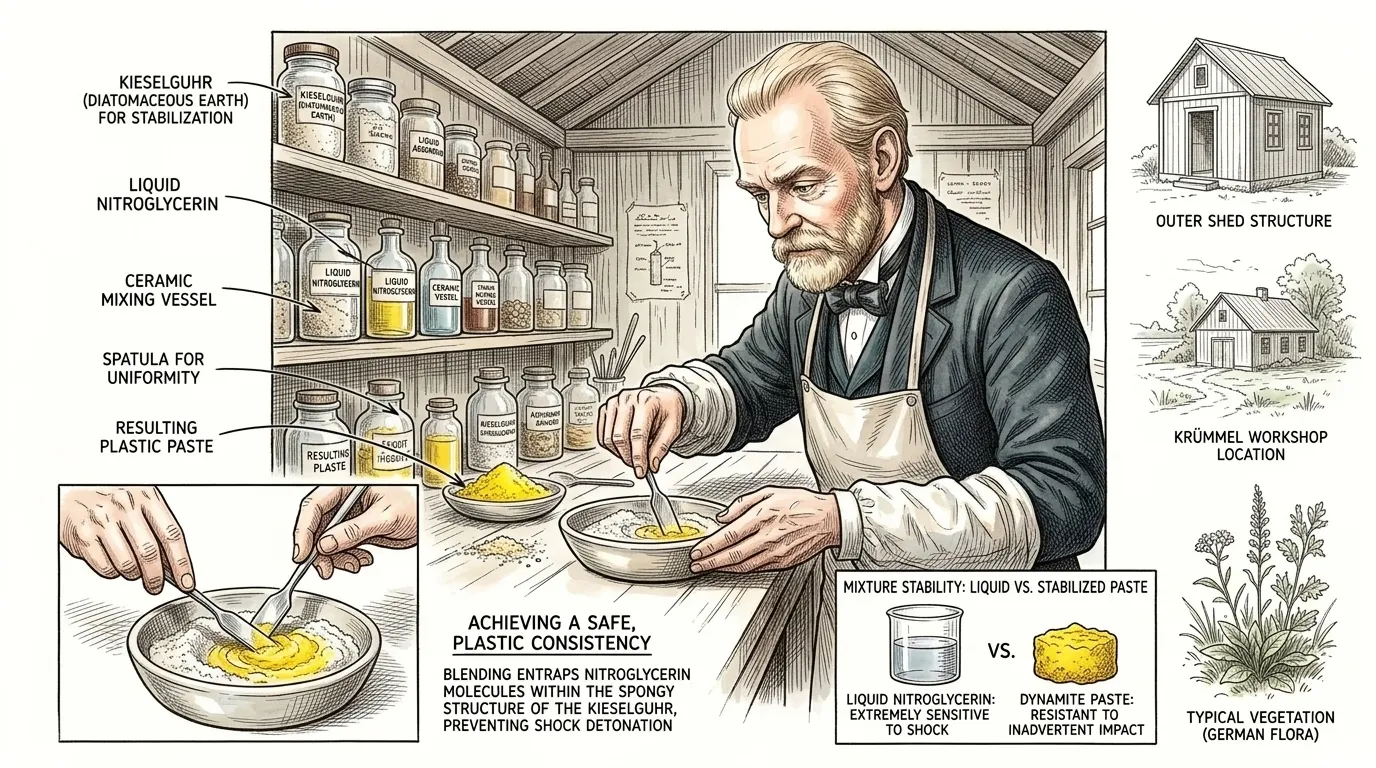
Through painstaking experimentation, Alfred Nobel discovered that kieselguhr, a porous diatomaceous earth, could absorb nitroglycerin, transforming the treacherous liquid into a manageable paste. In a small, improvised laboratory shed in Krümmel, Germany, in 1866, he meticulously mixed the inert powder with the volatile oil. This simple, yet ingenious act, yielded a stable, plastic explosive that could be safely handled and transported. It was a pivotal moment, shifting the course of industrial blasting and marking the true birth of what he would patent as dynamite, a controlled force where once there was only chaos.
Page 5
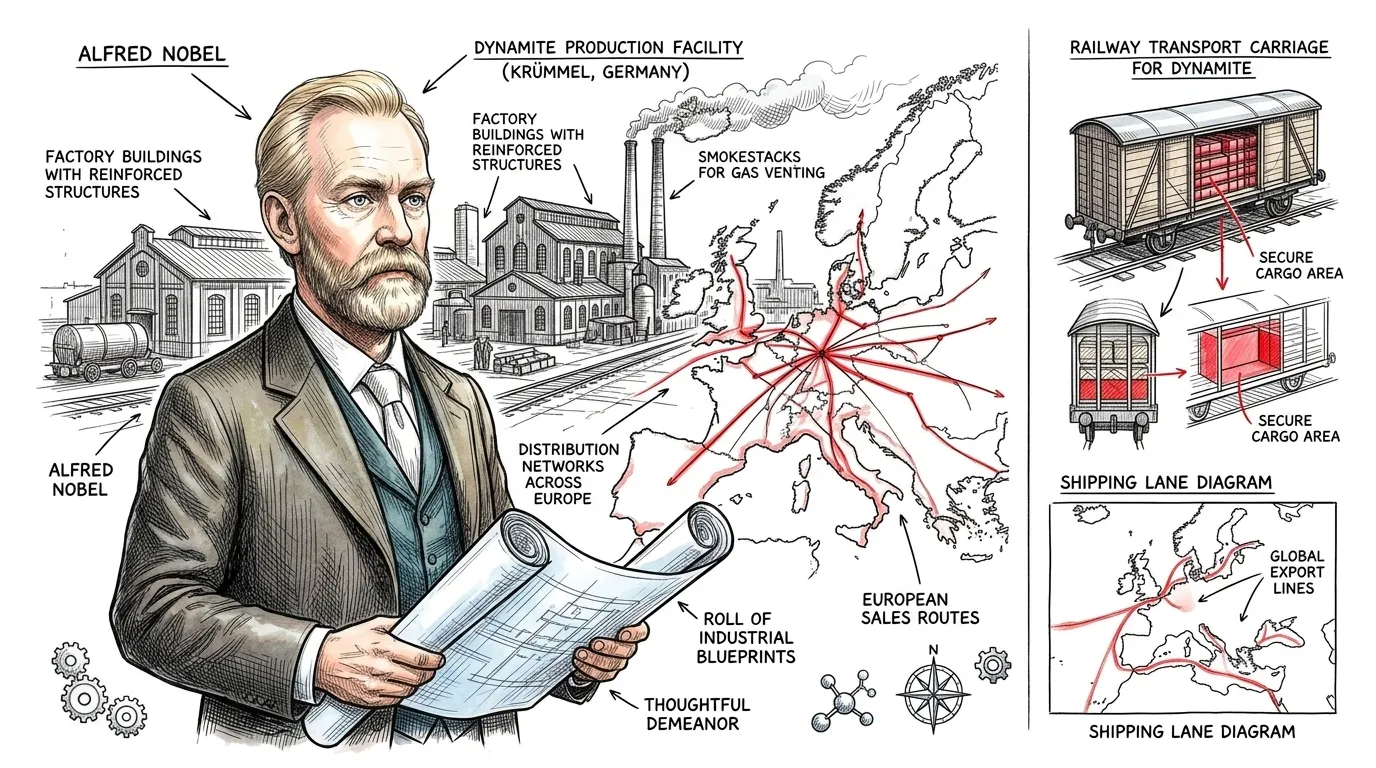
With the 1867 patent for dynamite secured, Alfred Nobel moved swiftly from invention to industrialization. He established the first dynamite factory in Krümmel and embarked on a relentless expansion across Europe and beyond. This was not merely about chemistry; it was about global logistics, engineering, and shrewd business acumen. Nobel personally supervised the construction of new plants, navigated complex legal frameworks, and managed the distribution of his powerful new product, transforming a dangerous discovery into a global enterprise that fundamentally reshaped mining, tunneling, and construction.
Page 6
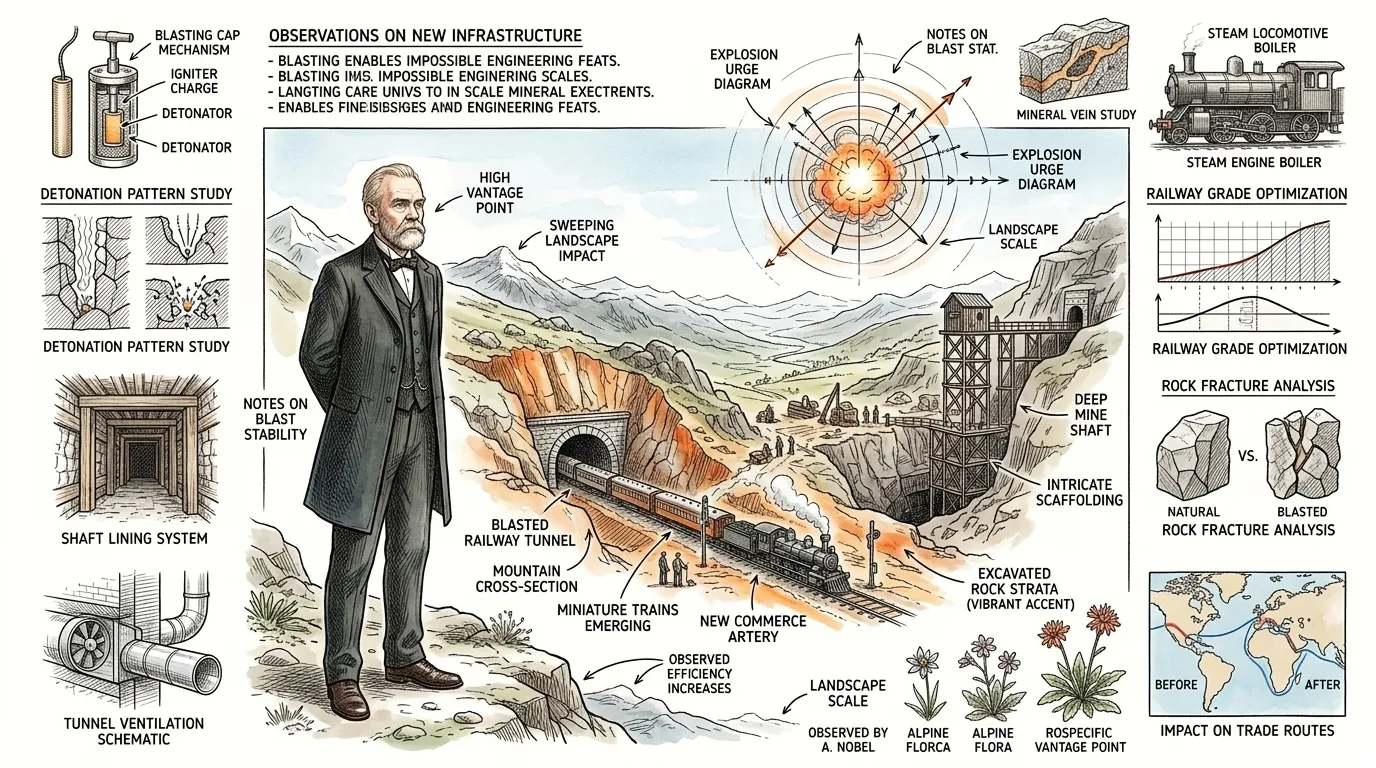
Dynamite quickly became an indispensable tool for progress. Across the globe, it blasted tunnels through mountains, cleared paths for railways, and facilitated the extraction of minerals from the earth. Alfred Nobel's invention allowed humanity to overcome natural barriers with unprecedented speed and efficiency. He traveled constantly, overseeing vast engineering projects that deployed his explosive, witnessing firsthand how his creation carved new arteries of commerce and reshaped landscapes, irrevocably altering the face of the planet for industrial expansion and human development. His vision was now literally moving mountains.
Page 7
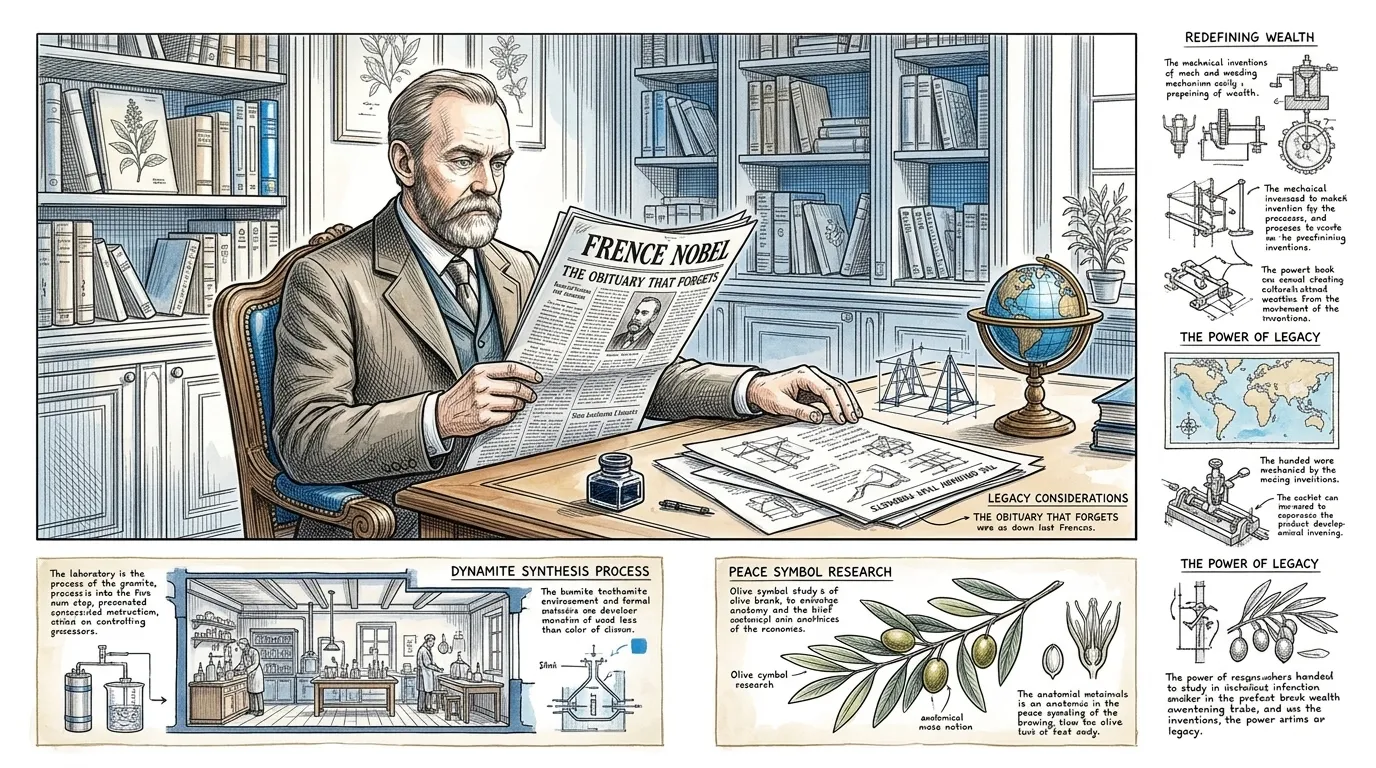
In 1888, a French newspaper mistakenly published Alfred Nobel's obituary, confusing him with his recently deceased brother, Ludvig. The headline condemned him as the 'merchant of death,' a man who became rich by finding ways to kill more people faster than ever before. This premature reckoning struck Nobel profoundly. It forced him to confront the dark mirror of his legacy, revealing a public perception of his invention that horrified him. This moment was a catalyst, compelling him to re-evaluate how he would be remembered, demanding a radical redirection of his life's work away from destructive innovation.
Page 8
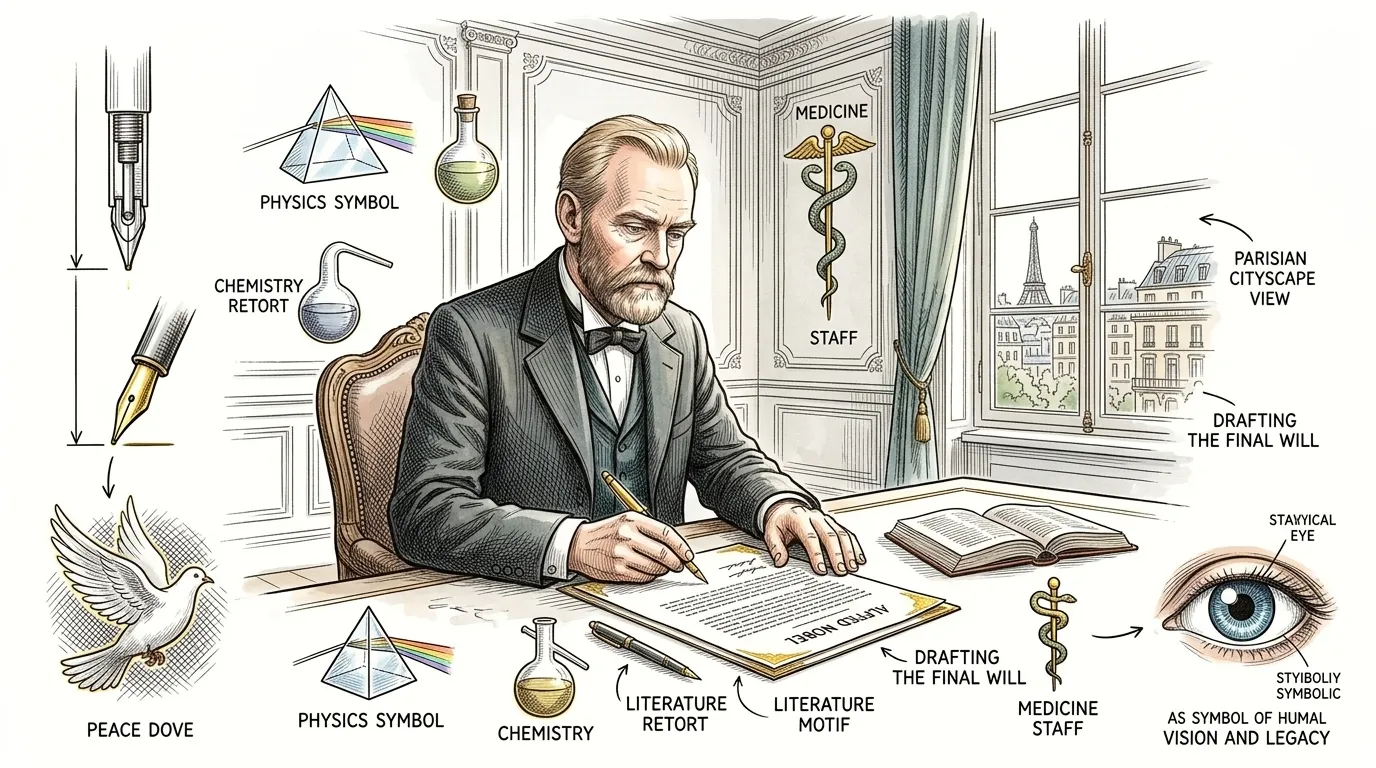
Responding to the chilling image of his posthumous reputation, Alfred Nobel, in Paris in 1895, meticulously drafted his final will. This document redirected the vast majority of his fortune, an unprecedented sum, towards the establishment of prizes for those who 'shall have conferred the greatest benefit to humankind' in physics, chemistry, medicine, literature, and peace. This act was a deliberate, singular attempt to shape his legacy, transforming the wealth generated by his inventions into a powerful engine for global progress and reconciliation, an unexpected and profound pivot in the narrative of his life.
Page 9
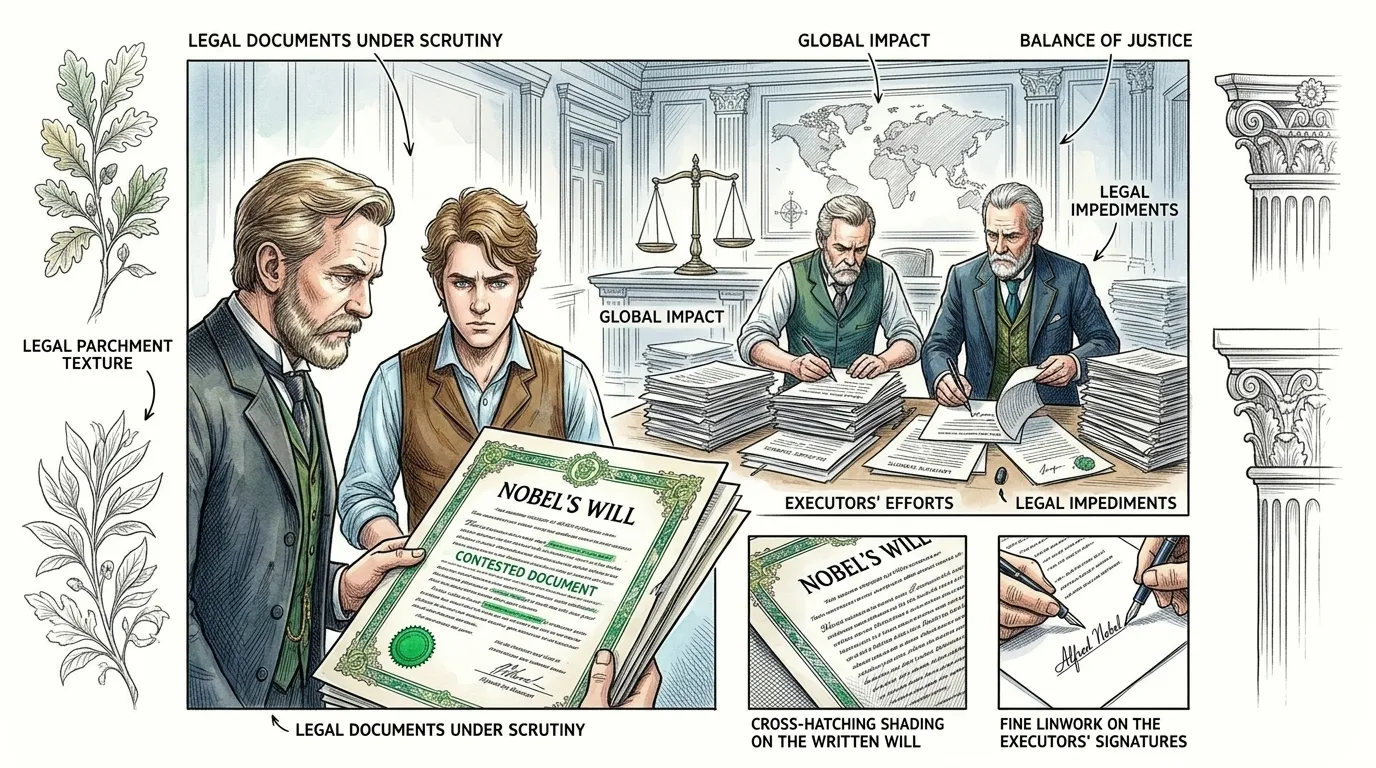
Upon Alfred Nobel's death in Sanremo, Italy, in 1896, his radical will immediately sparked controversy. His family vehemently contested its provisions, challenging the legality and audacity of diverting his immense fortune away from them. Executors faced immense administrative and legal hurdles, battling for years against both private opposition and public skepticism. The world watched as the future of the Nobel Prizes hung in the balance, a testament to the revolutionary nature of Nobel's posthumous philanthropy and the sheer willpower required to realize his grand vision against formidable resistance.
Page 10
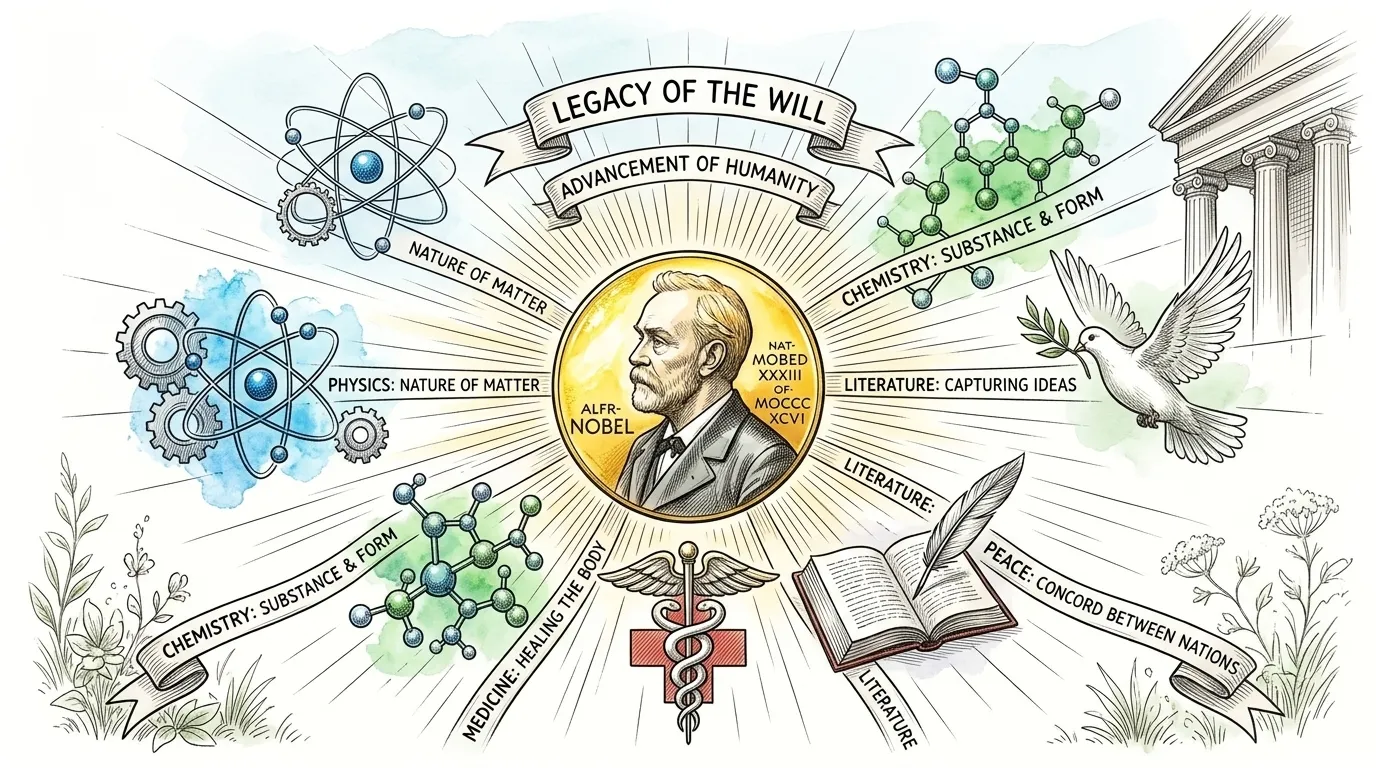
Though the man Alfred Nobel is gone, his will endures as one of history's most profound acts of philanthropy. Annually, the Nobel Prizes are awarded, recognizing transformative achievements in physics, chemistry, medicine, literature, and peace, honoring individuals who have indeed conferred the greatest benefit to humankind. What began as a desperate attempt to redeem a tarnished legacy became a global institution, forever linking his name not with destruction, but with the highest aspirations of human intellect and moral courage. His impact reverberates across generations, a timeless beacon inspiring progress and peace.
About this story
- Location: Global
- Audience: general readers
Questions and answers
Read Wonder People on your phone
Wonder People is available on Android. Get Wonder People on Google Play.