Ferdinand von Zeppelin
Ferdinand von Zeppelin — an illustrated biography story, set in Global. 10 illustrated pages, free to read on Wonder People.
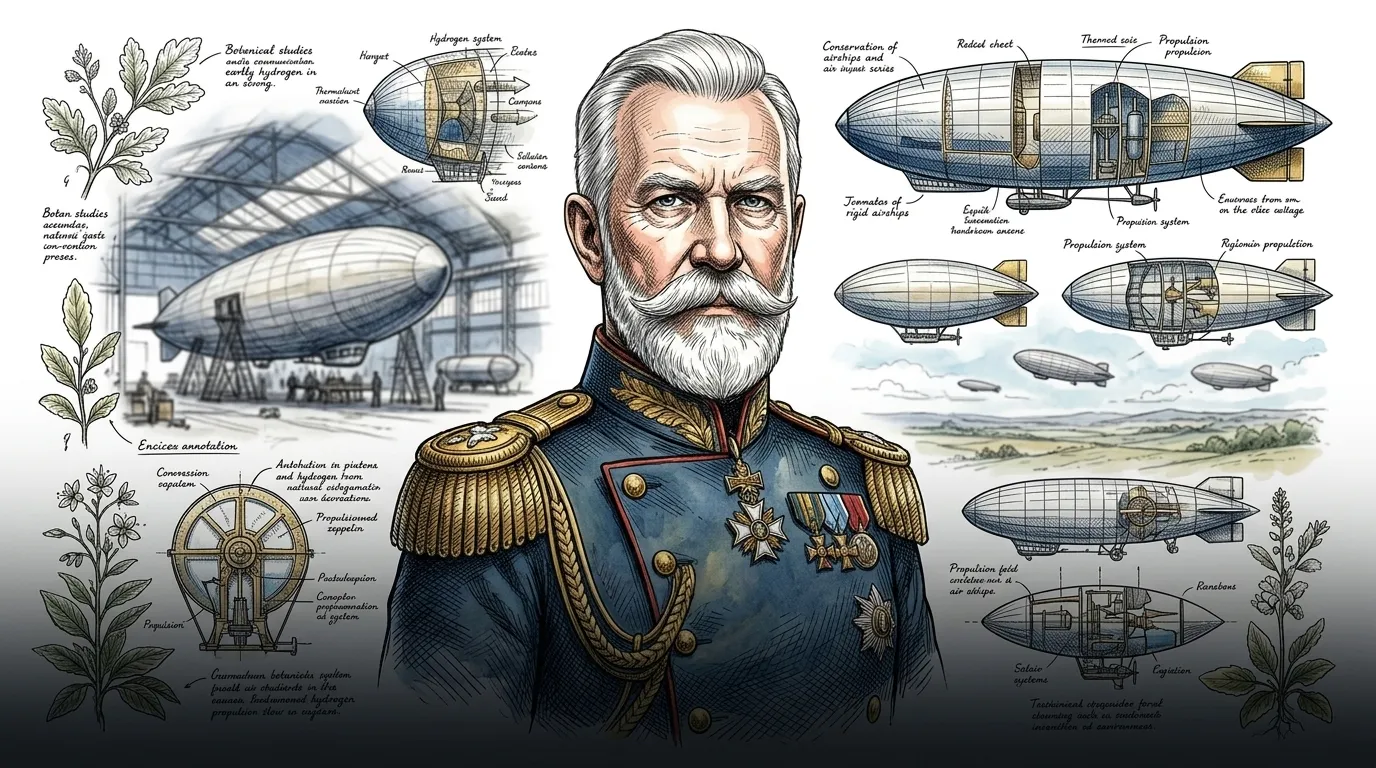
Page 1
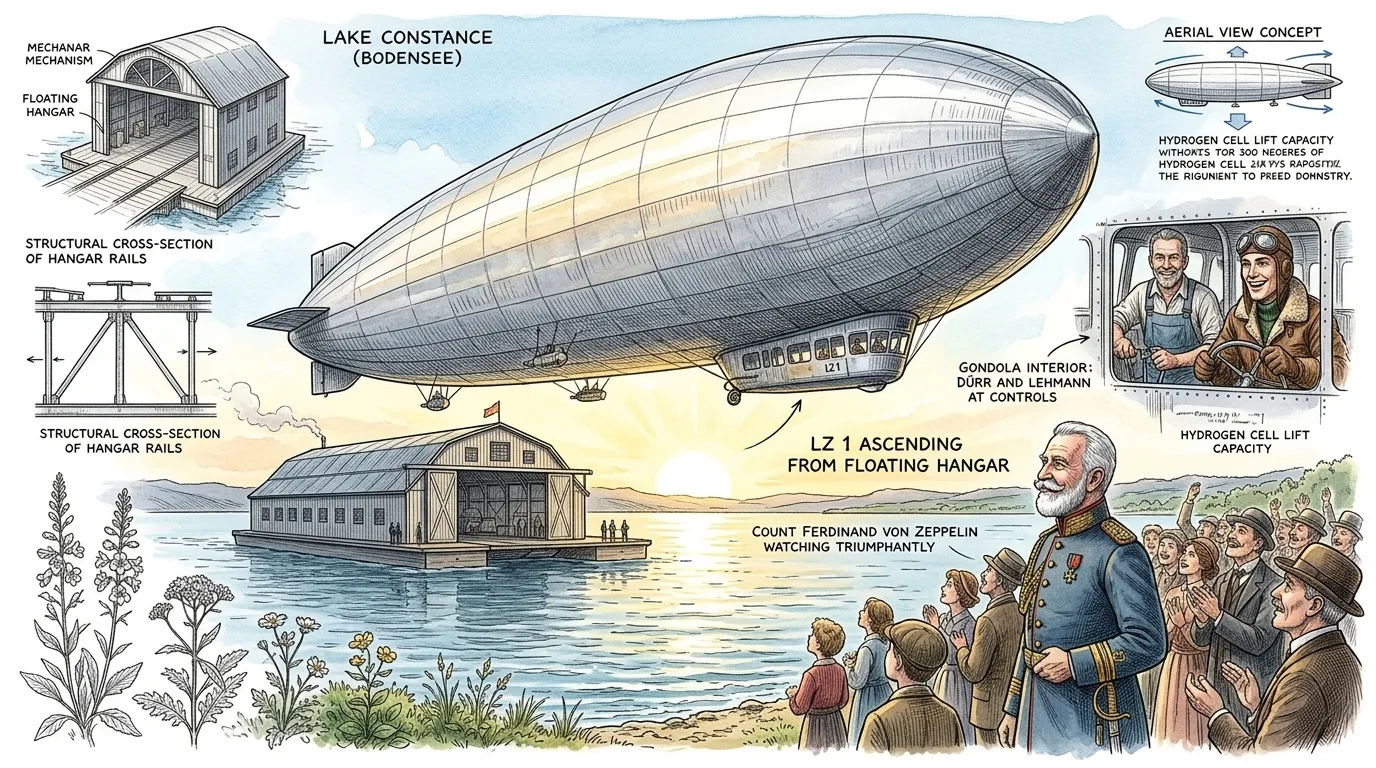
On July 2, 1900, above the shimmering waters of Lake Constance, Germany, an audacious vision took flight. Ferdinand von Zeppelin, a retired general, watched intensely as his colossal, rigid airship, the LZ 1, lifted from its floating hangar. With chief engineer Ludwig Dürr and test pilot Ernst A. Lehmann at the controls, this 128-meter leviathan defied gravity, marking the dawn of a new era in aviation and captivating 25,000 onlookers lining the shores.
Biographical Fact: Ferdinand von Zeppelin (1838-1917), Ludwig Dürr (1878-1956), Ernst A. Lehmann (1886-1937). Lake Constance, Friedrichshafen, Germany. July 2, 1900. Maiden flight of the LZ 1, 128 meters long, powered by two Daimler engines. Spectator count: 25,000.
Page 2
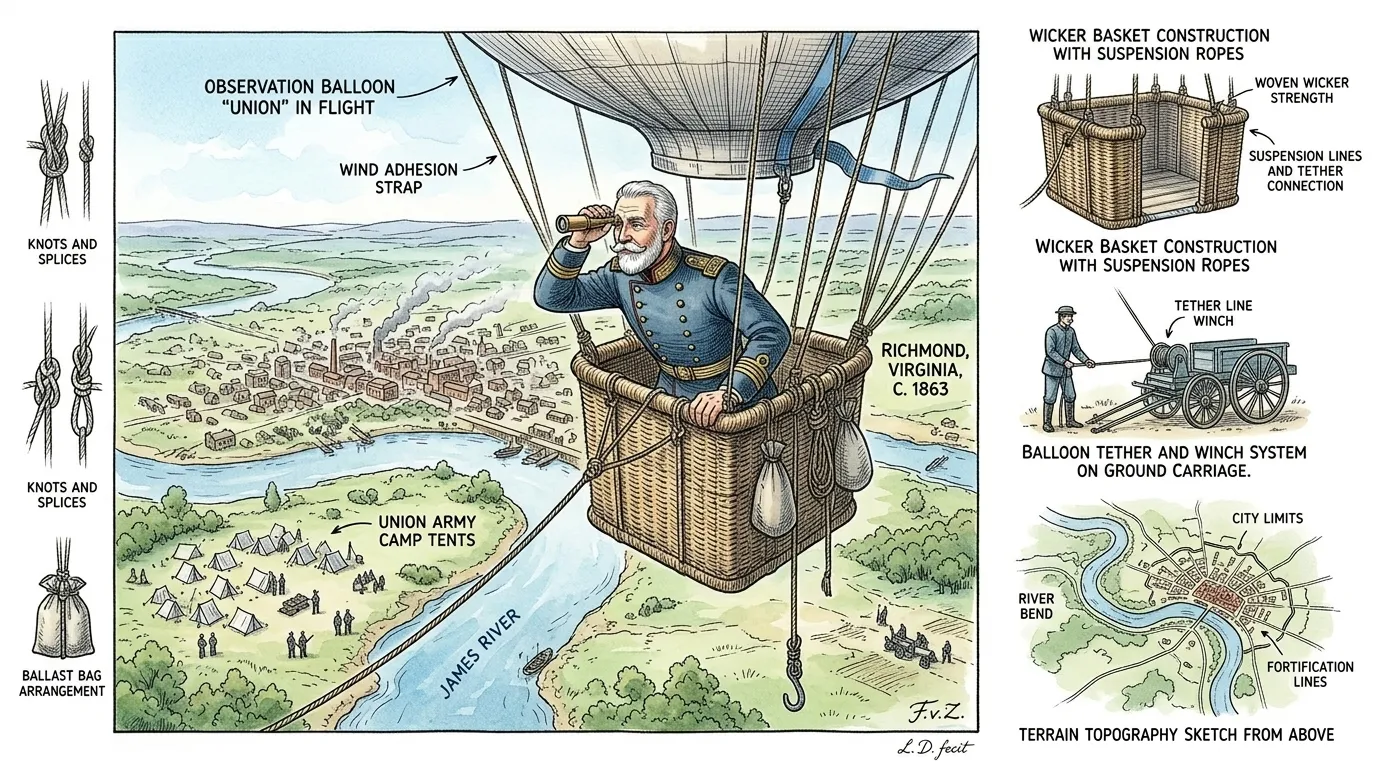
Years earlier, as a military observer during the American Civil War, then-Count Zeppelin saw the crude observation balloons of the Union Army. From a tethered gas balloon over Richmond in 1863, he gained a new perspective on reconnaissance. This experience cemented a nascent belief: controlled, sustained flight, not just observation, held the key to military advantage and, potentially, the future of transport.
Biographical Fact: Ferdinand von Zeppelin served as a military observer for the Union Army during the American Civil War, 1863. This exposure to tethered observation balloons was a foundational influence on his later work.
Page 3
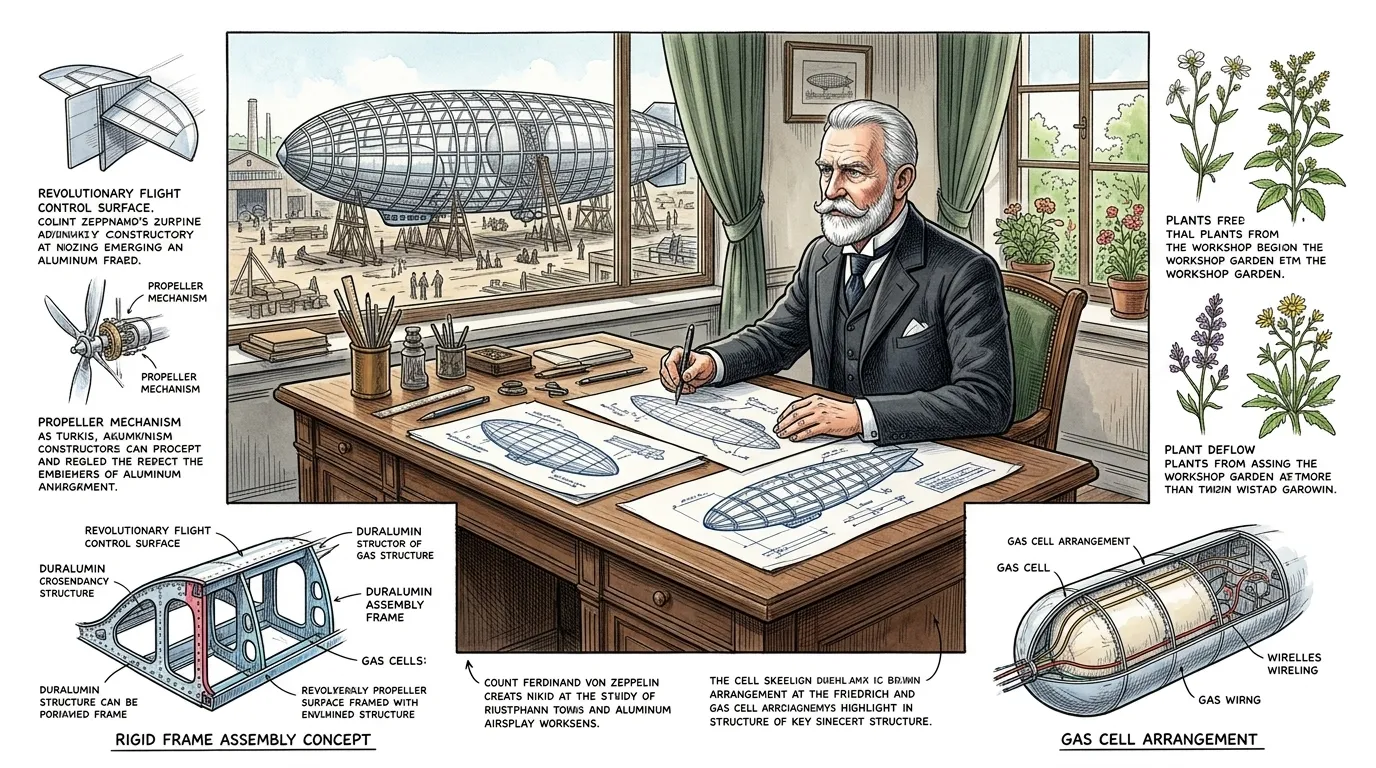
Returning to Germany, Zeppelin's military career advanced, but his mind remained fixed on the skies. He began sketching designs for a novel kind of airship: not a simple gasbag, but a rigid framework, a metallic skeleton enclosing separate gas cells. This was his crucial insight: stability and control required a fixed structure. He envisioned colossal vessels, capable of long-distance, powerful flight, not merely floating at the mercy of the wind.
Biographical Fact: In the late 1880s, Ferdinand von Zeppelin, then a cavalry general, began developing his concept for a rigid airship. This crucial design principle, employing an internal metal frame, diverged significantly from existing non-rigid balloon technologies.
Page 4
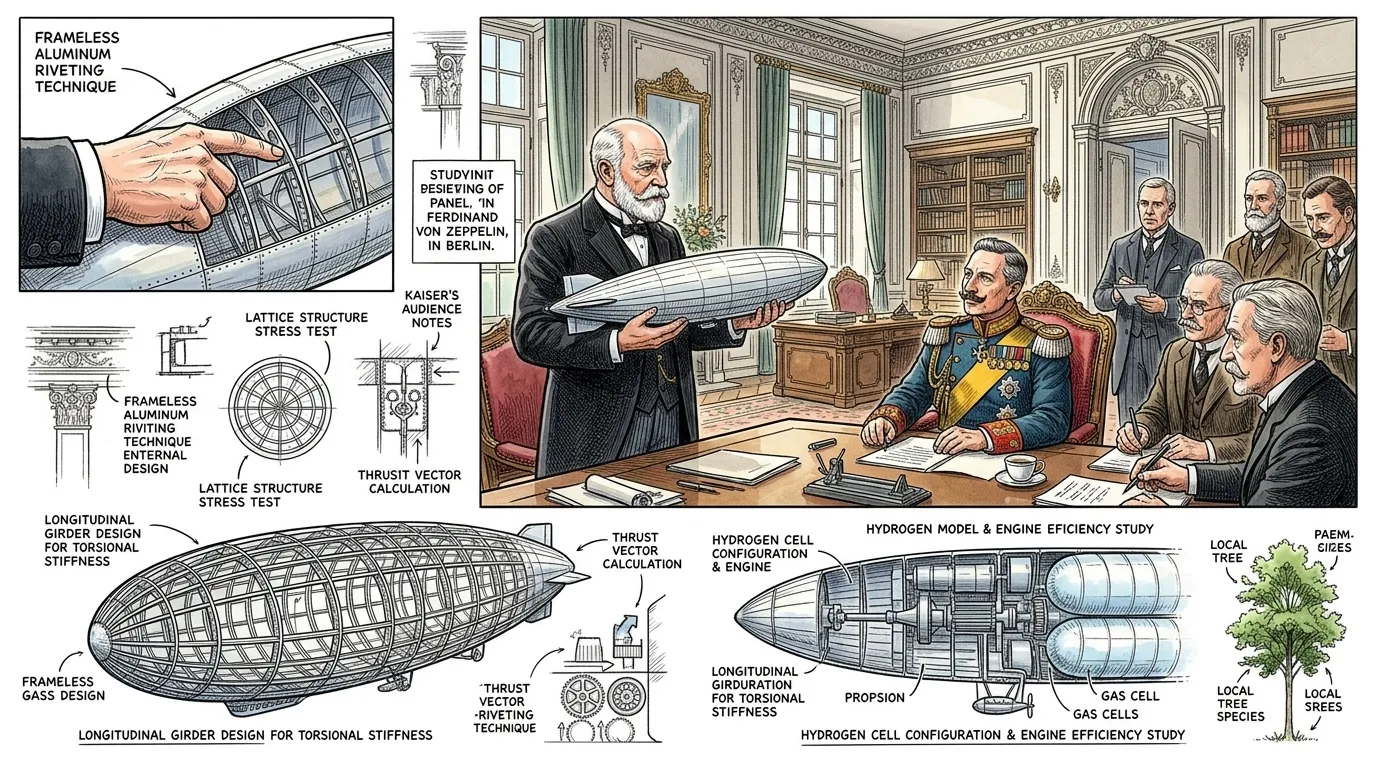
The audacious scale of his rigid airship demanded immense capital and unconventional thinking. Faced with skepticism from the military, who deemed his ideas impractical, and private investors hesitant to gamble on unproven technology, Zeppelin liquidated much of his personal fortune. He formed a stock company, the 'Gesellschaft zur Förderung der Luftschiffahrt' (Society for the Promotion of Airship Travel), convincing prominent industrialists and even the German Kaiser to contribute, transforming a personal obsession into a national endeavor.
Biographical Fact: Zeppelin used his personal wealth to fund his airship project. In 1898, he established the 'Gesellschaft zur Förderung der Luftschiffahrt' (Society for the Promotion of Airship Travel), securing investments from key figures including Kaiser Wilhelm II, transforming his private initiative into a public venture.
Page 5
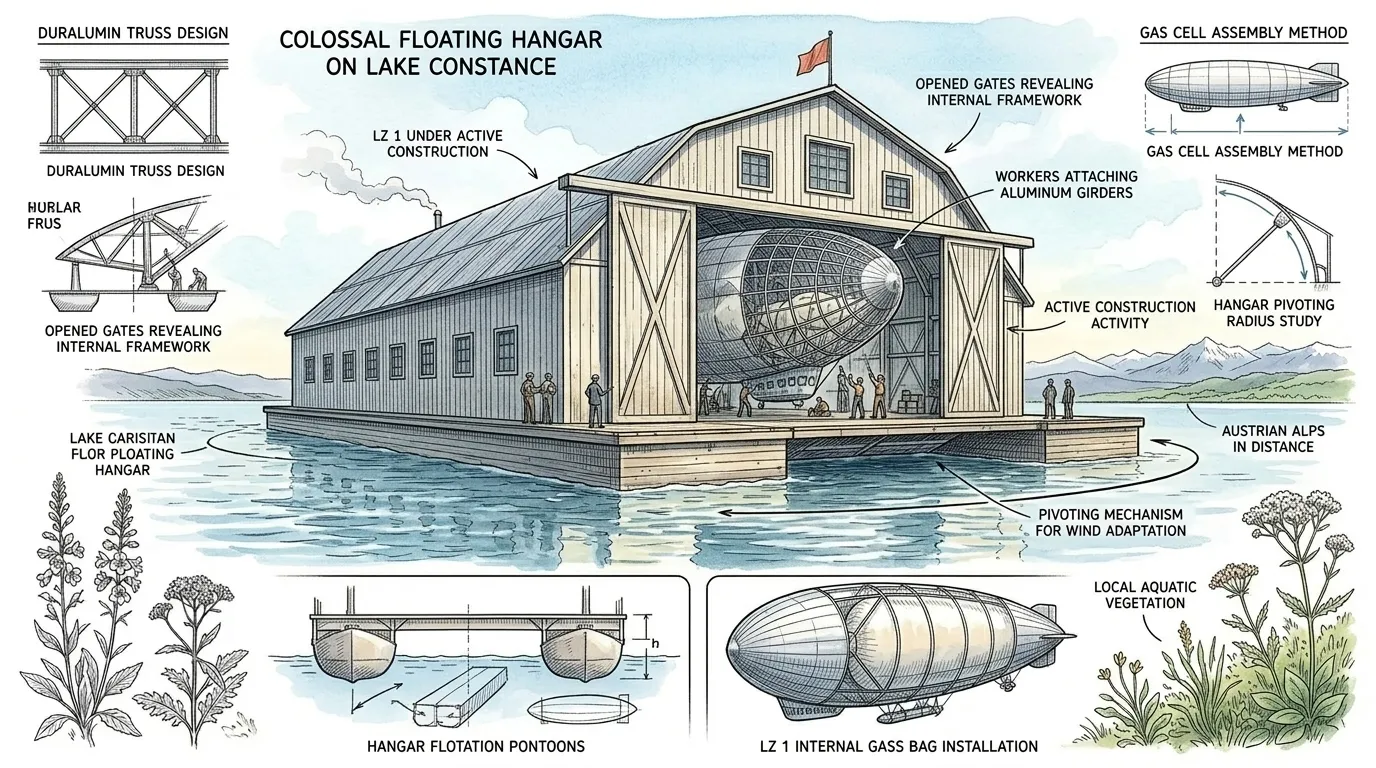
To build the massive LZ 1, Zeppelin bypassed traditional dry-land construction. He commissioned a colossal floating hangar on Lake Constance, a mobile workshop that could pivot to face prevailing winds. This ingenious solution allowed for safe launching and landing experiments over water, minimizing the risks associated with ground handling. It was an engineering marvel in itself, providing the flexibility his groundbreaking project demanded.
Biographical Fact: The construction of the LZ 1 began in 1899 within a revolutionary floating hangar on Lake Constance. This mobile structure, designed by Zeppelin, allowed the immense airship to be built and tested directly on the water, adapting to wind conditions for safe operations.
Page 6
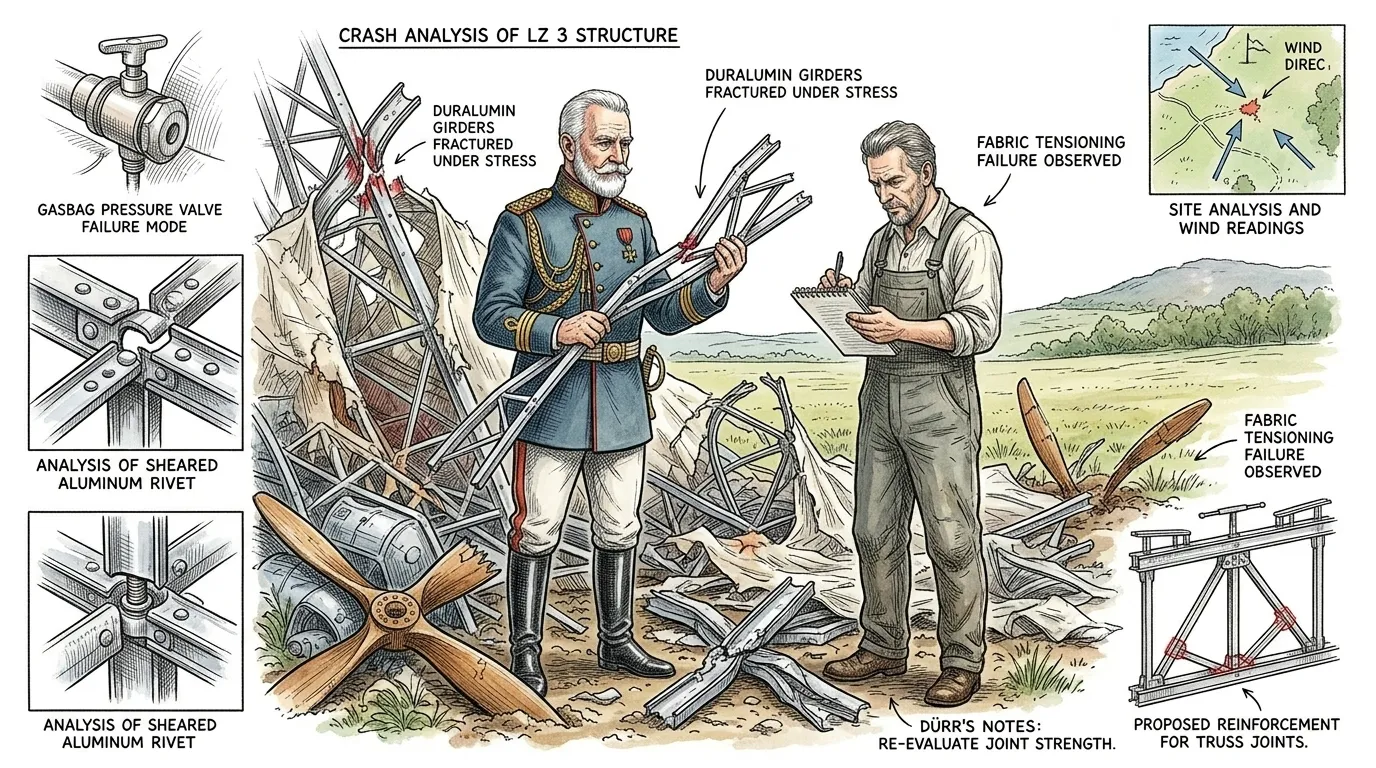
Early flights of LZ 1 proved the rigid principle, but reliability remained elusive. Subsequent models, LZ 2 and LZ 3, suffered dramatic failures, one crashing, another broken by high winds. Public enthusiasm, dubbed 'Zeppelin fever,' was often followed by devastating setbacks, consuming fortunes and demanding an unyielding will. Yet, with each failure, Zeppelin and his team learned, refining designs, strengthening materials, and improving engines.
Biographical Fact: Despite the initial success of LZ 1, subsequent models like LZ 2 and LZ 3 faced significant challenges and catastrophic failures. The crash of LZ 4 at Echterdingen in 1908, after a successful endurance flight, became a symbol of both the promise and peril of early airship technology, yet fueled public support.
Page 7
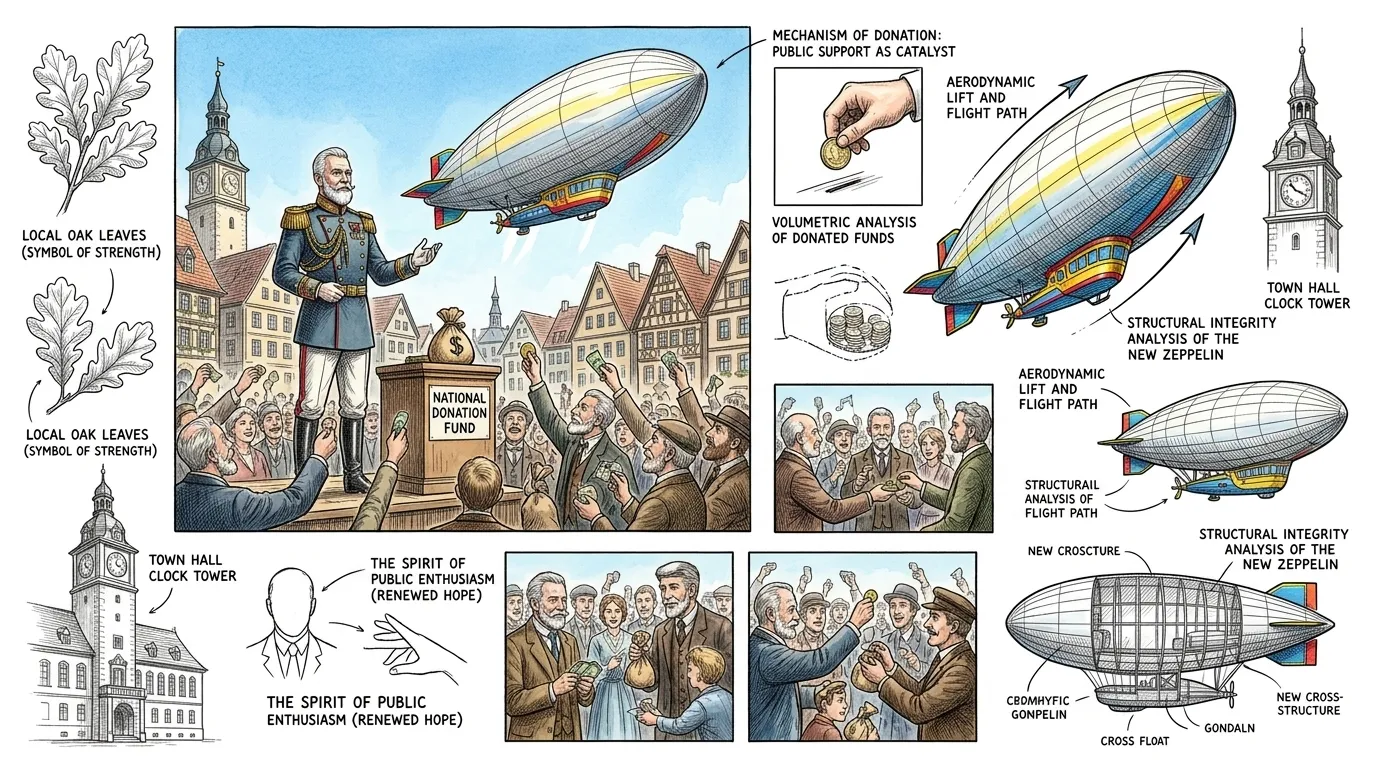
The Echterdingen disaster, paradoxically, galvanized national support. A spontaneous public fundraising campaign yielded millions of marks, enabling Zeppelin to rebuild and expand. The German military, recognizing the strategic potential of his improved designs, placed significant orders. What was once a private endeavor had become a symbol of German technological prowess, ushering in an era where 'Zeppelin' became synonymous with air travel, captivating the imagination of a nation.
Biographical Fact: Following public outcry and support after the Echterdingen incident, a national fundraising drive amassed over six million marks. This allowed Zeppelin to found the Zeppelin Foundation and expand production, leading to significant military orders and widespread public admiration for airship technology.
Page 8
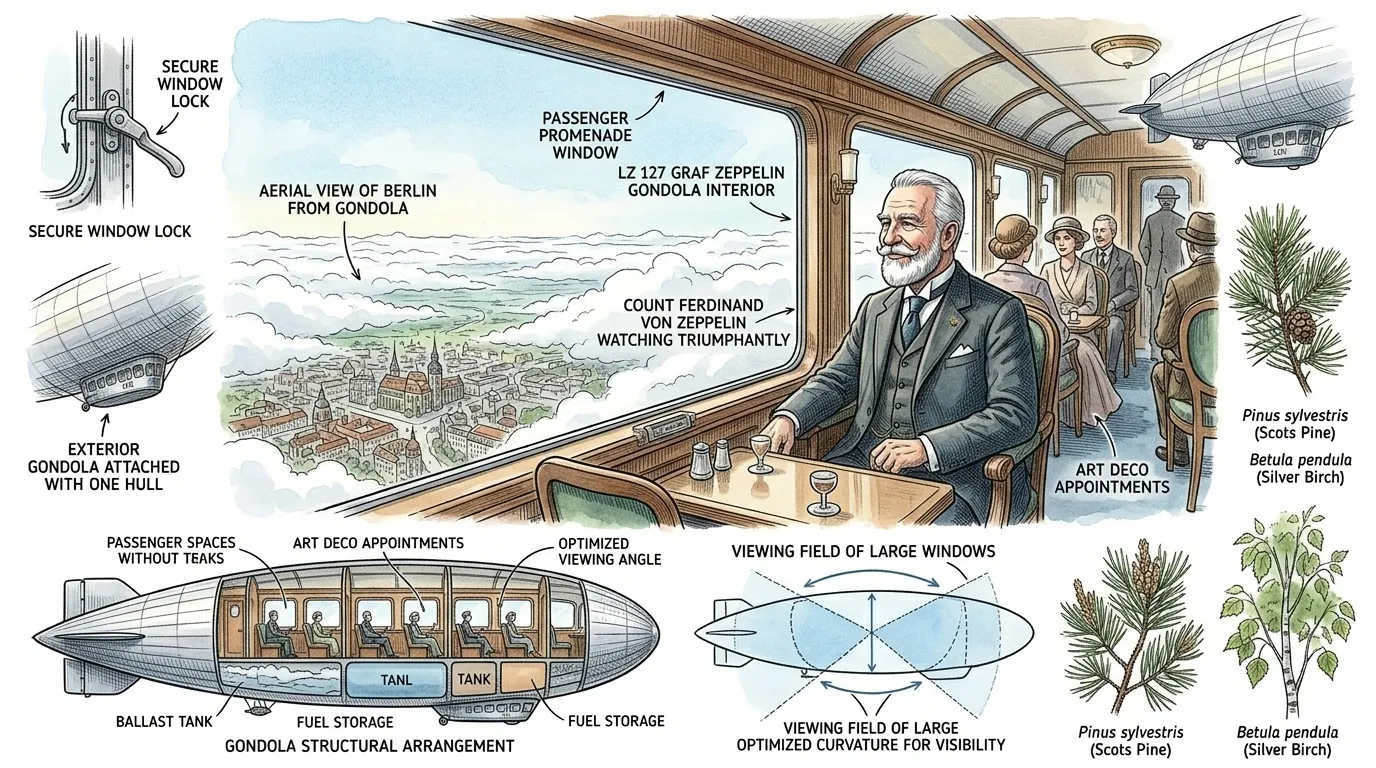
Ferdinand von Zeppelin's vision extended beyond military applications. In 1909, he founded DELAG (Deutsche Luftschiffahrts-Aktiengesellschaft), the world's first airline. Luxurious passenger Zeppelins, such as the LZ 127 'Graf Zeppelin,' transported thousands across continents, offering unparalleled views and comfort. This era of commercial airship travel, lasting for two decades, connected cities and cultures, demonstrating a tangible reality for his once-unthinkable dream. A passenger once remarked, 'One feels absolutely safe, as if standing on a magnificent island, majestically floating above the clouds. It is truly the highest form of travel,' capturing the awe inspired by these airborne giants.
Biographical Fact: Ferdinand von Zeppelin founded DELAG (Deutsche Luftschiffahrts-Aktiengesellschaft) in 1909, the world's first airline. By the 1930s, luxurious passenger Zeppelins like the LZ 127 'Graf Zeppelin' had transported over 100,000 passengers on commercial flights, establishing a brief golden age of intercontinental air travel.
Page 9
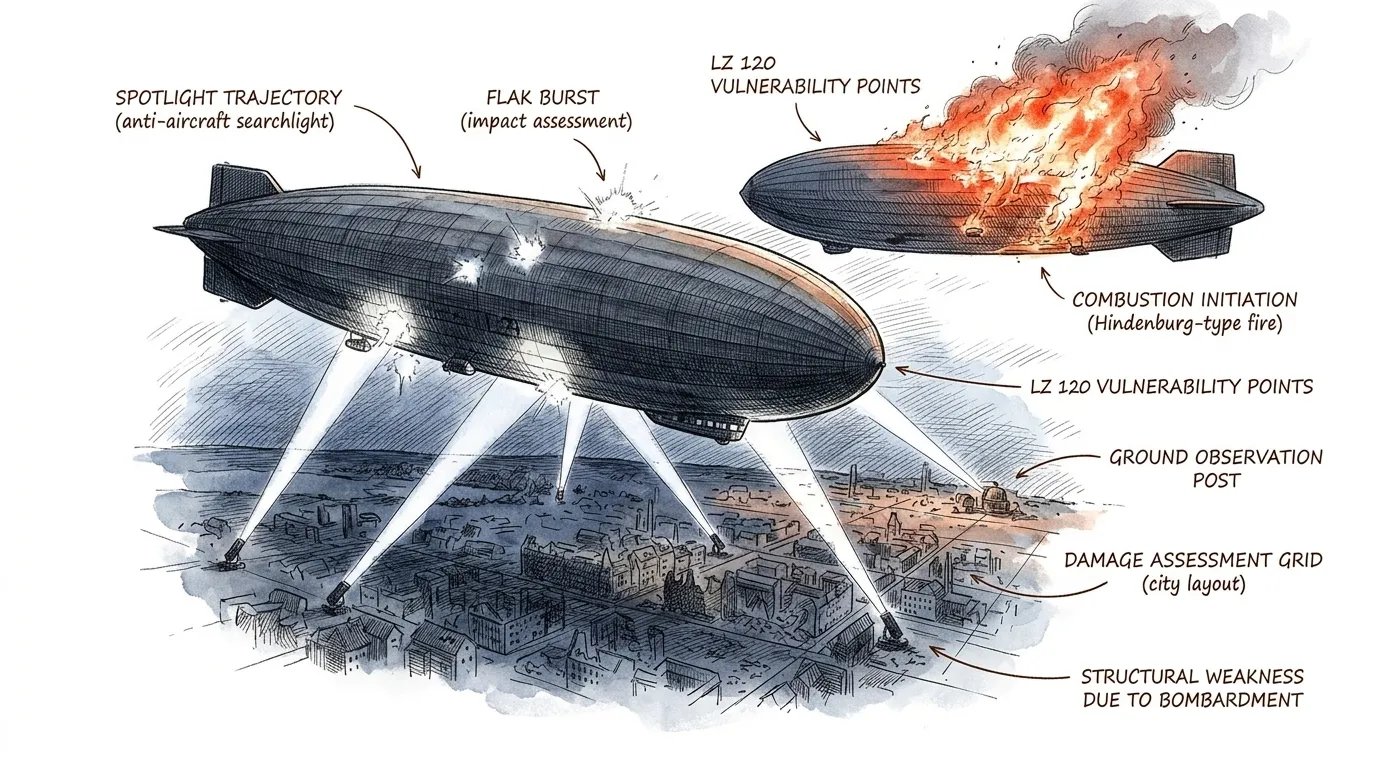
The outbreak of World War I saw Zeppelins deployed as military assets, primarily for reconnaissance and bombing raids. Their immense size, once an advantage, became a vulnerability against emerging anti-aircraft defenses and fighter planes. Though initially a psychological weapon, their strategic effectiveness waned, and the devastating fire of the Hindenburg in 1937 ultimately extinguished the era of rigid airship travel. Zeppelin's grandest dream of peaceful, commercial dominance was eclipsed by wartime realities and advancing technology.
Biographical Fact: During World War I (1914-1918), German Zeppelins were extensively used for military reconnaissance and bombing raids, especially over Britain. Their vulnerability to improved anti-aircraft artillery and fighter planes, combined with the Hindenburg disaster in 1937, led to the decline of rigid airship travel.
Page 10
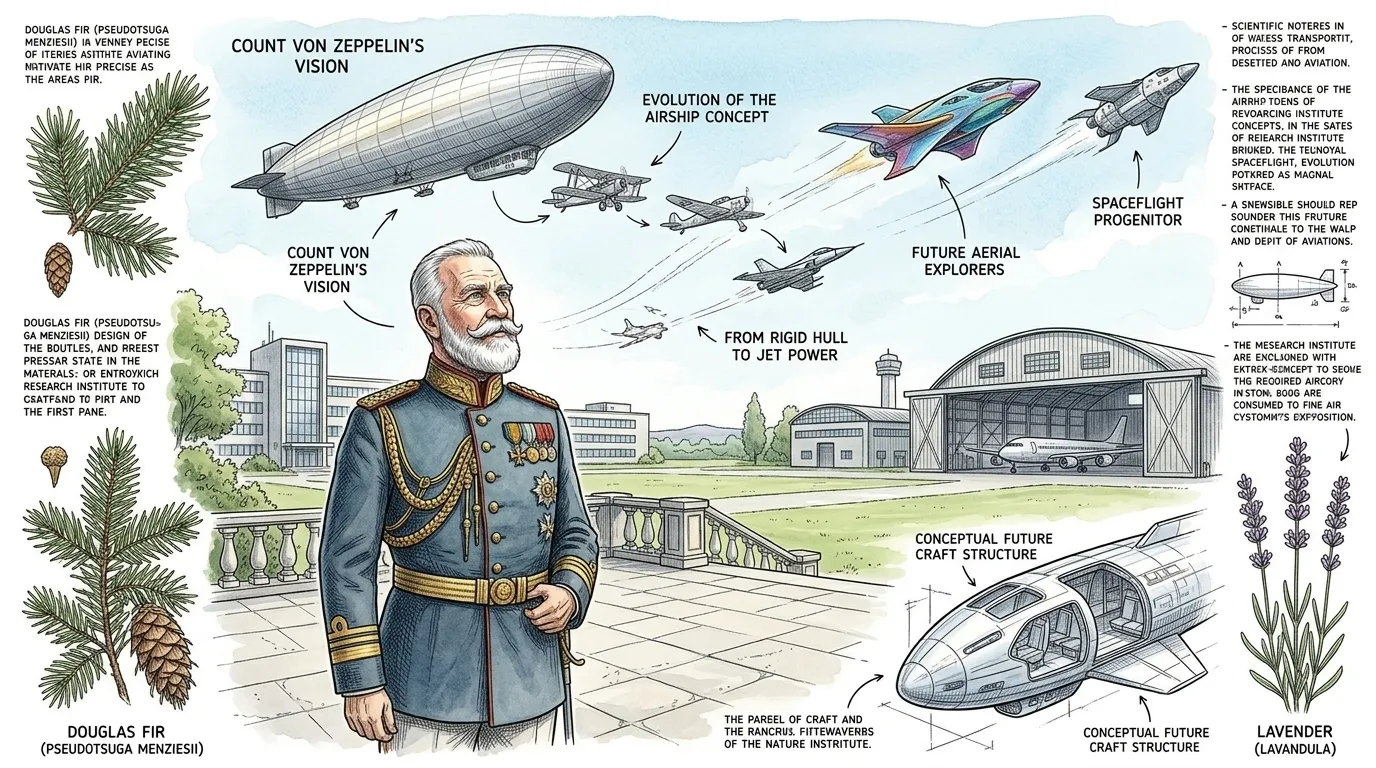
Ferdinand von Zeppelin died in 1917, never witnessing the full commercial triumph nor the ultimate demise of his airships. Yet, his legacy transcends the fate of a single technology. He dared to dream of controlled flight on an epic scale, pushing the boundaries of engineering, public perception, and national ambition. His rigid airship design influenced subsequent aviation advancements, proving the power of a single-minded vision. What he built, conceptually, would outlive him, shaping the very idea of travel in the sky for generations to come, reminding the world that 'the future belongs to those who believe in the beauty of their dreams,' as Eleanor Roosevelt would later state, a sentiment Zeppelin embodied with every defiant launch.
Biographical Fact: Ferdinand von Zeppelin's legacy is foundational to aviation, pioneering the rigid airship concept. While rigid airships saw a decline, his engineering principles and vision for large-scale aerial transport inspired future developments in aerospace, from heavier-than-air aircraft to spacecraft. He died on March 8, 1917.
About this story
- Location: Global
- Audience: general readers
Questions and answers
Read Wonder People on your phone
Wonder People is available on Android. Get Wonder People on Google Play.