Leonardo da Vinci
Leonardo da Vinci — an illustrated biography story, set in Global. 10 illustrated pages, free to read on Wonder People.
Page 1
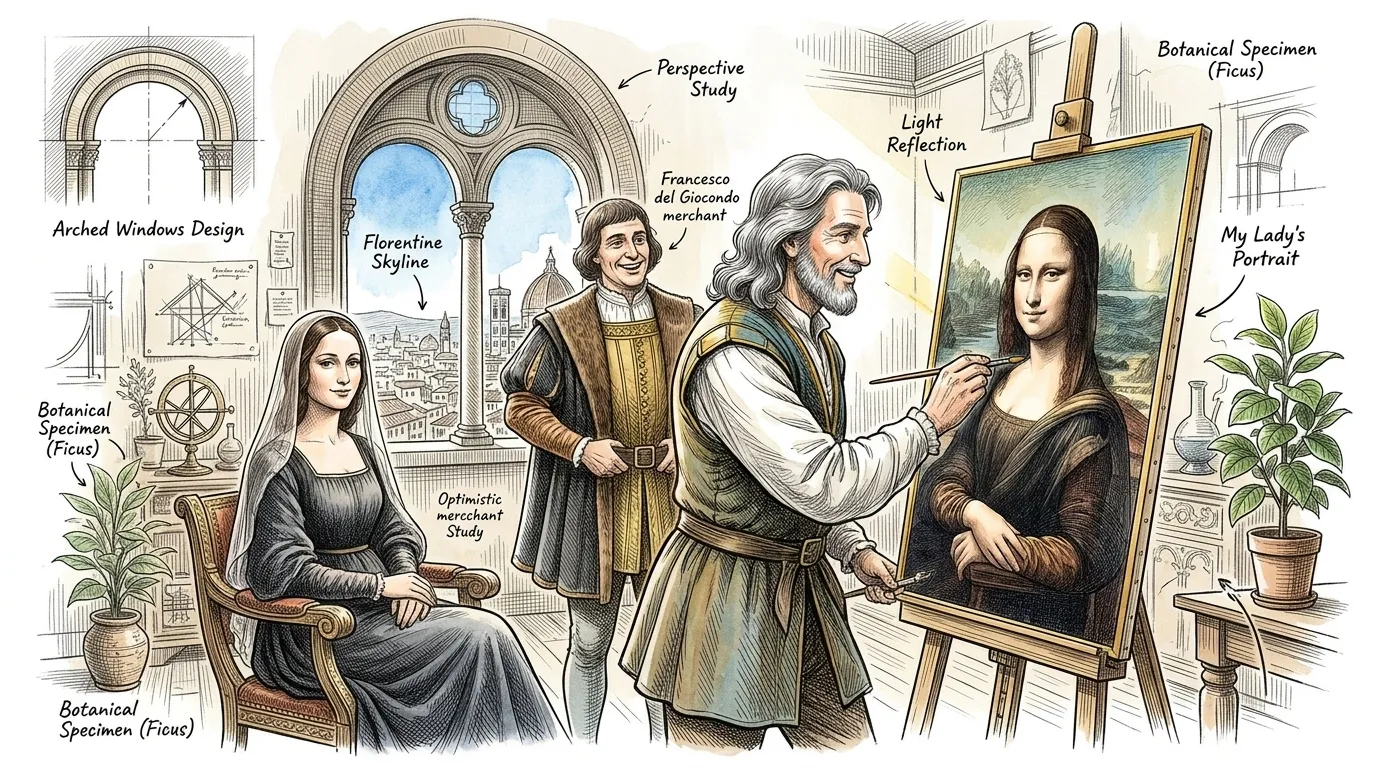
In Florence, Italy, around 1506, Leonardo da Vinci completed a portrait that would redefine art itself. This artwork, commissioned by Francesco del Giocondo, depicted Lisa Gherardini, and was infused with an unprecedented psychological depth. Its revolutionary sfumato technique blurred outlines, rendering her smile an eternal mystery that would captivate the world for centuries. In that moment, Leonardo revealed a new dimension of human expression, making the canvas breathe with an inner life.
Page 2
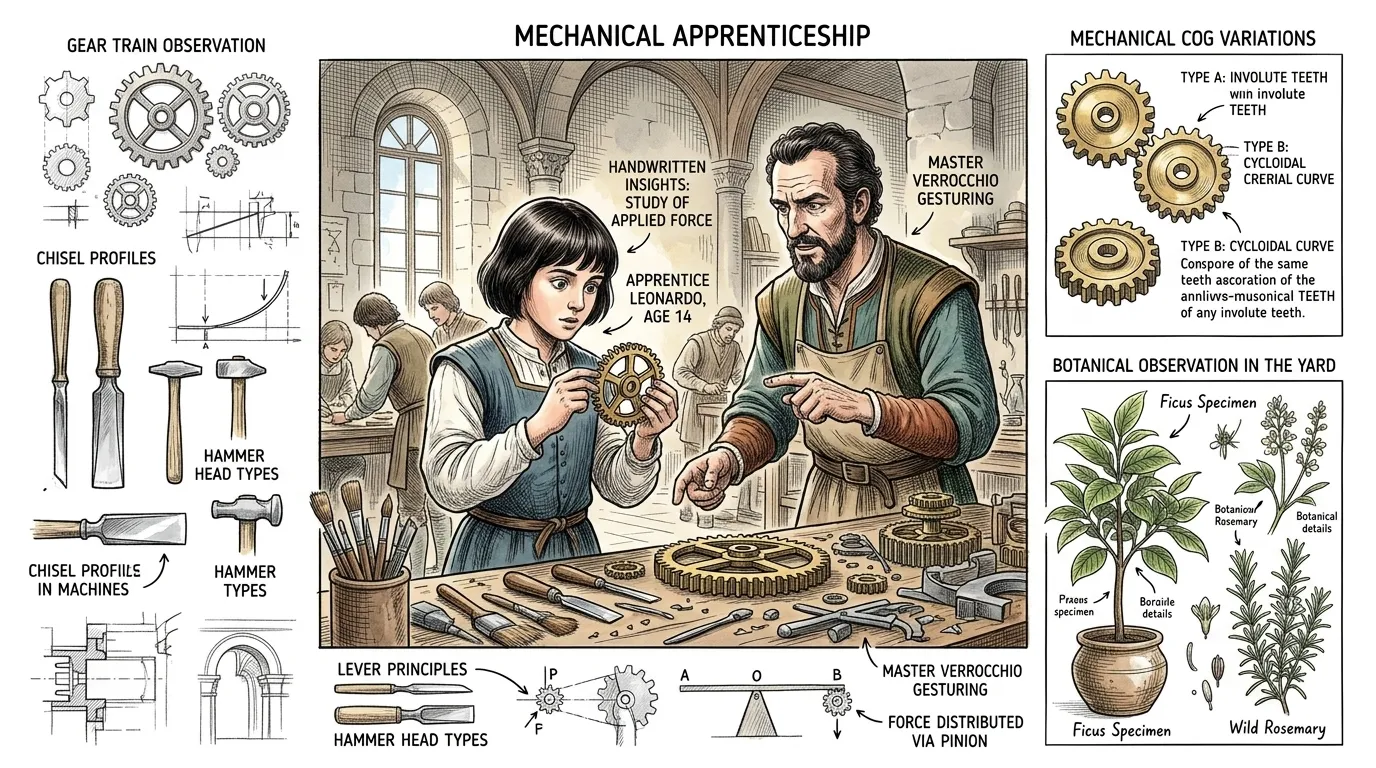
Born in 1452 in Vinci, a small Tuscan town, Leonardo's early life lacked the formal classical education of his peers. As an illegitimate son, his path was unconventional, but his insatiable curiosity was not constrained by academic dogma. At the age of 14, he entered the Florentine workshop of Andrea del Verrocchio, where his hands learned the crafts of painting, sculpture, and metalworking. It was here, amidst practical creation, that he began to dissect and observe the world with an intensity that transcended mere artistic training.
Page 3
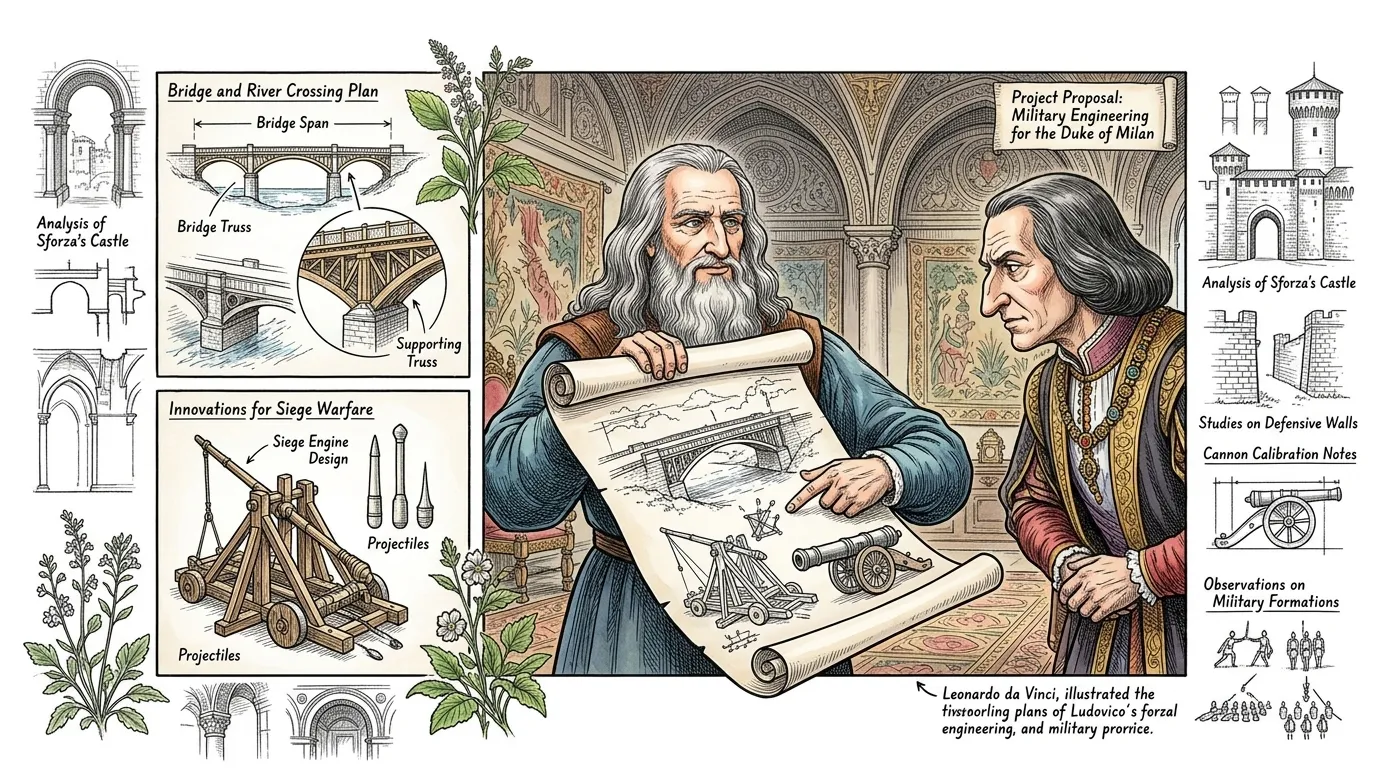
In 1482, Leonardo journeyed to Milan, offering his services not merely as a painter, but as an engineer of war and peace to Ludovico Sforza, the Duke of Milan. His letter, a testament to his audacious vision, detailed designs for bridges, cannons, armored vehicles, and innovative siege engines. He presented himself as a creator of both destruction and beauty, demonstrating his unparalleled breadth of intellect. This pivotal move expanded his ambitions far beyond the easel, placing him at the heart of military and civil innovation.
Page 4
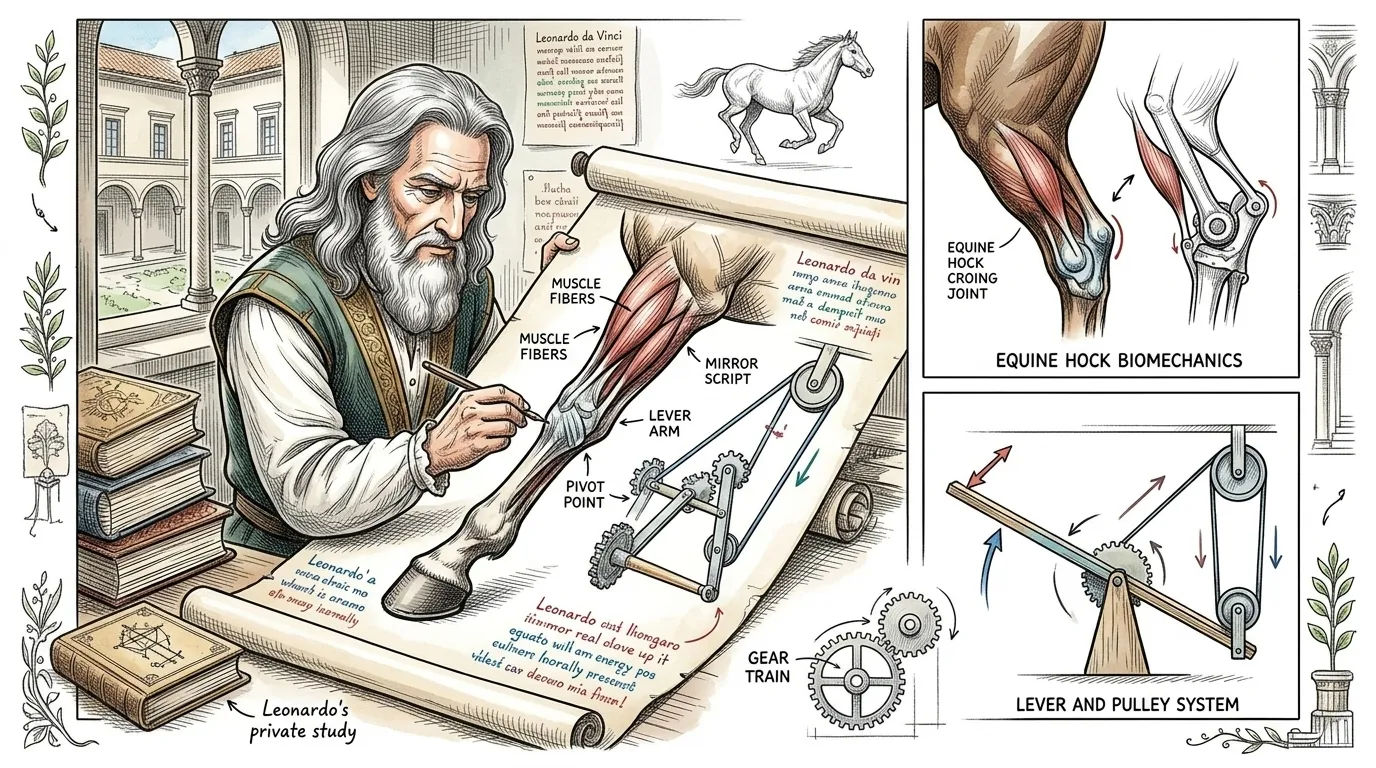
Driven by an insatiable quest to understand life's mechanics, Leonardo undertook clandestine anatomical dissections, defying prevailing taboos and risking societal condemnation. He meticulously documented human and animal bodies, revealing the hidden structures of muscles, bones, and organs with unprecedented accuracy. His thousands of detailed drawings and notes transformed the understanding of physiology, making him a pioneer in a field centuries ahead of its time. This relentless pursuit of empirical knowledge reshaped scientific inquiry.
Page 5
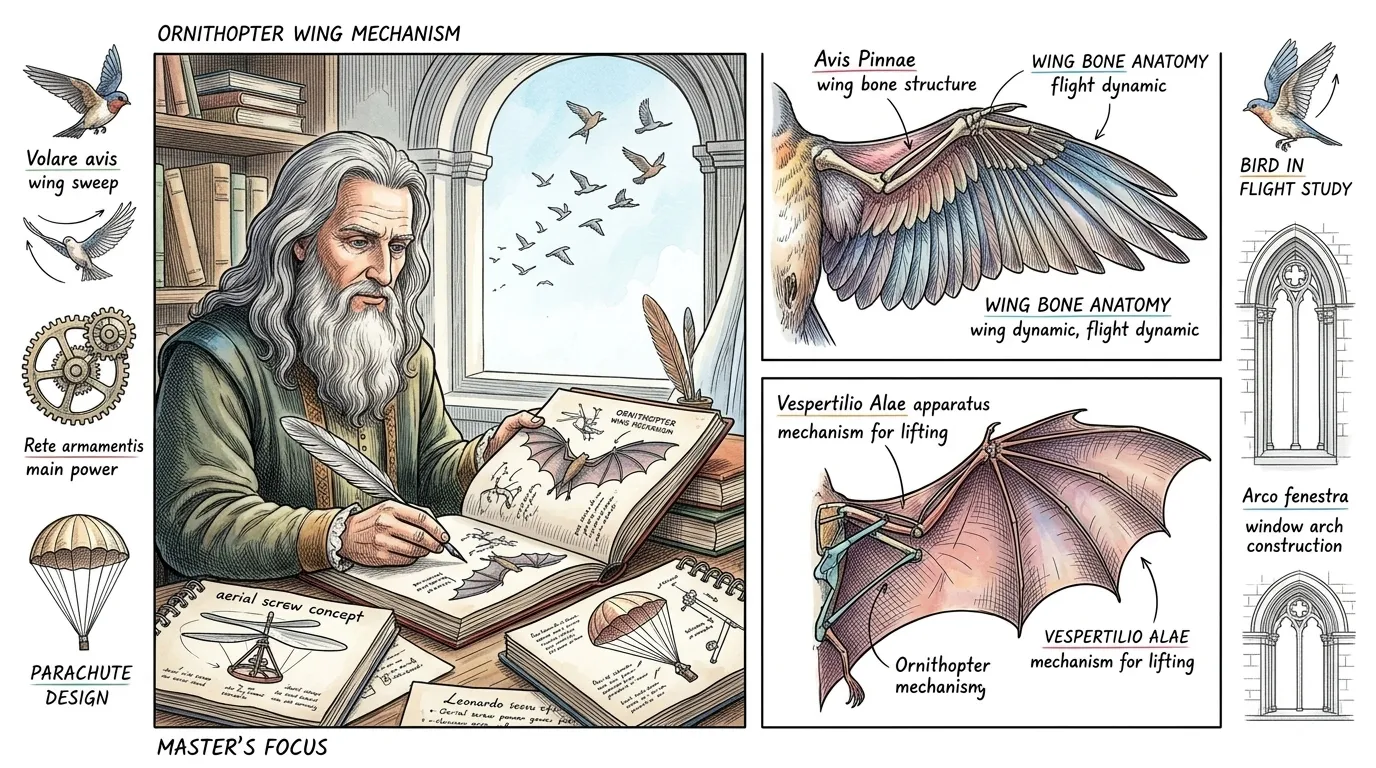
Leonardo's notebooks overflowed with visionary designs for flying machines, concepts far beyond the technological capabilities of his era. He meticulously studied bird flight, wind currents, and mechanical principles to conceive ornithopters, parachutes, and aerial screws. Though most of his prototypes remained on paper, these fantastical inventions showcased an imagination unfettered by contemporary limitations, a mind constantly pushing the boundaries of what was deemed possible. His ambition was to conquer the skies, a dream centuries later realized through his intellectual descendants.
Page 6
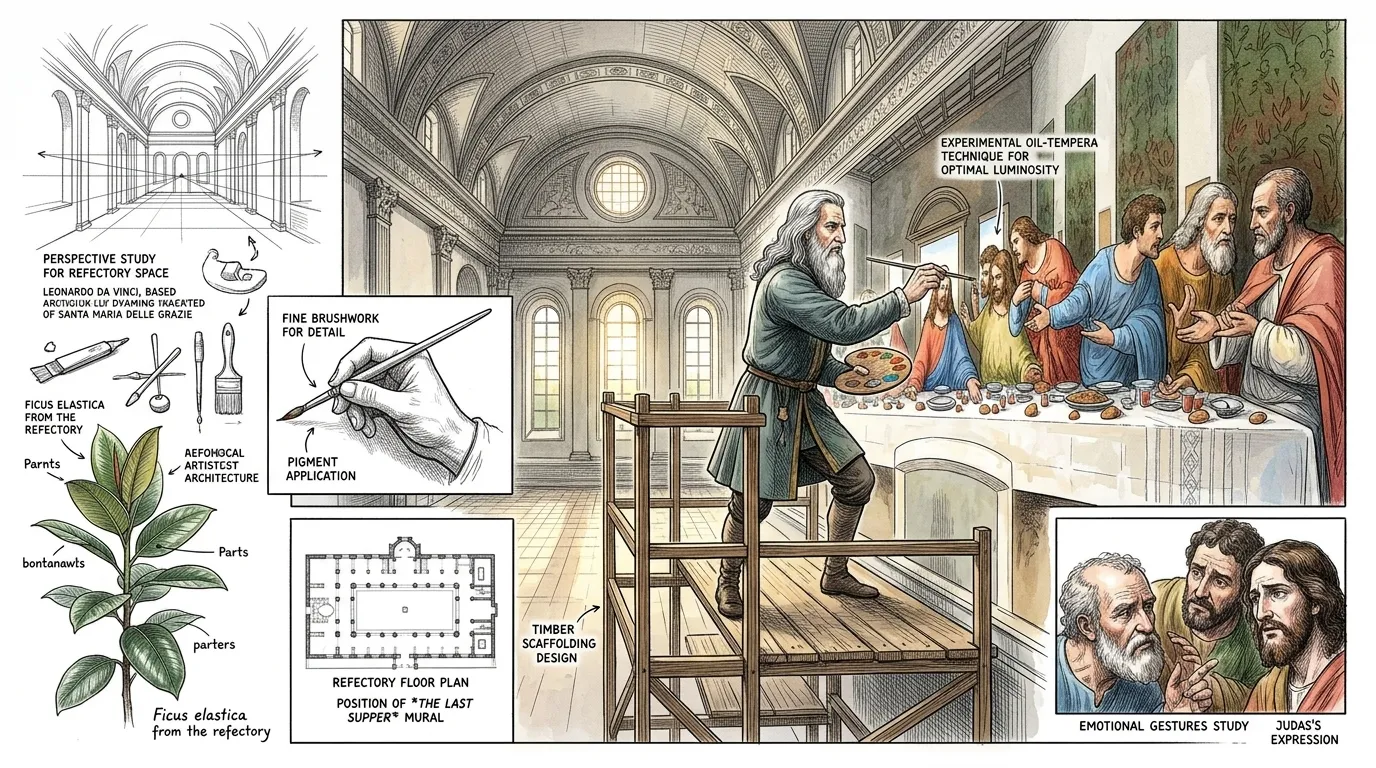
In the refectory of Santa Maria delle Grazie in Milan, Leonardo embarked on The Last Supper, a monumental fresco capturing the apostles' reactions to Christ's revelation of betrayal. Eschewing traditional fresco methods for an experimental oil-and-tempera technique, he sought to achieve greater luminosity and detail. This audacious choice, while initially brilliant, ultimately led to the painting's rapid deterioration, yet its emotional power and innovative composition remained undeniable. The work became an immediate icon, influencing generations of artists despite its physical fragility.
Page 7
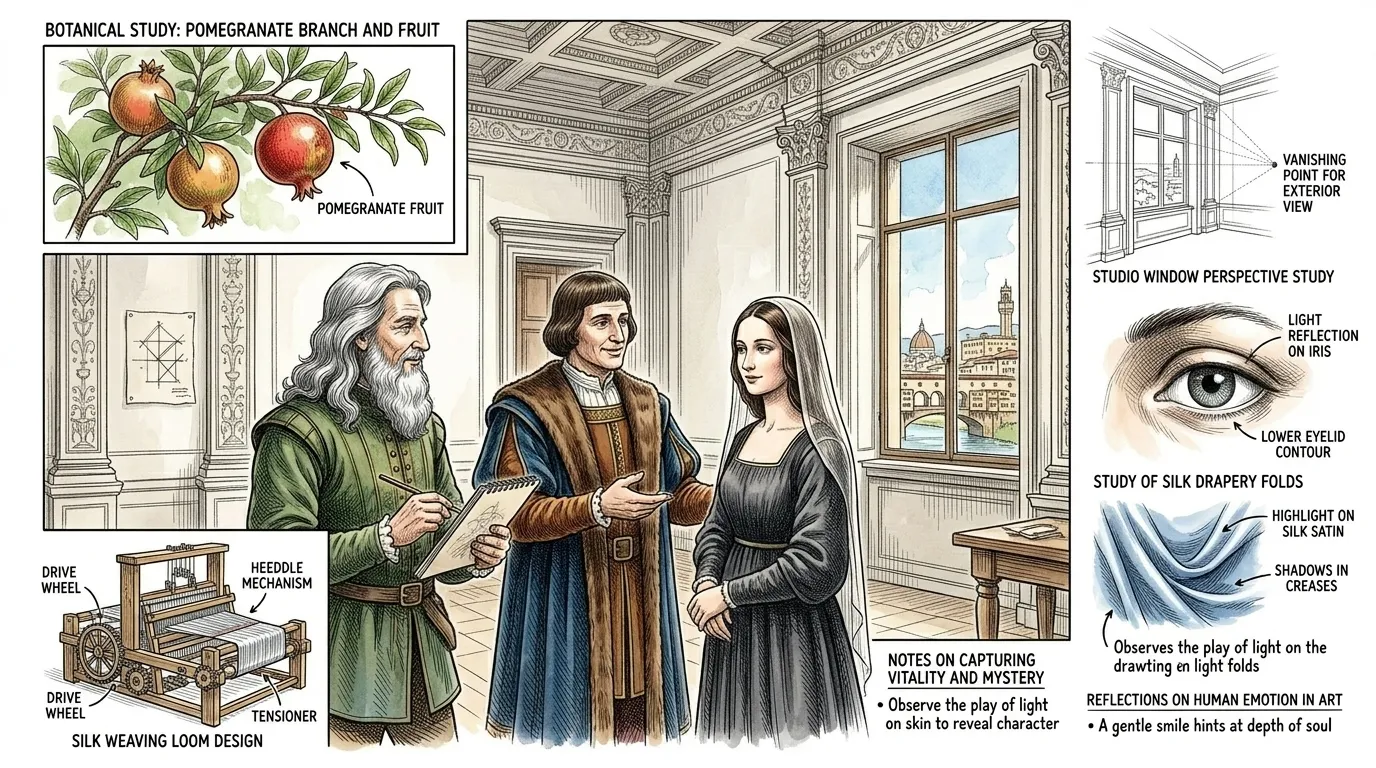
Following his Milanese period, Leonardo returned to Florence, where he received the commission from Francesco del Giocondo, a wealthy silk merchant, to paint a portrait of his wife, Lisa Gherardini. This seemingly conventional task presented Leonardo with a profound artistic challenge: to imbue a simple portrait with the very essence of human vitality and mystery. He approached the work with the same scientific rigor he applied to anatomy and engineering, studying light, shadow, and the subtle movements of the human face. This project would culminate in his most enduring artistic statement.
Page 8
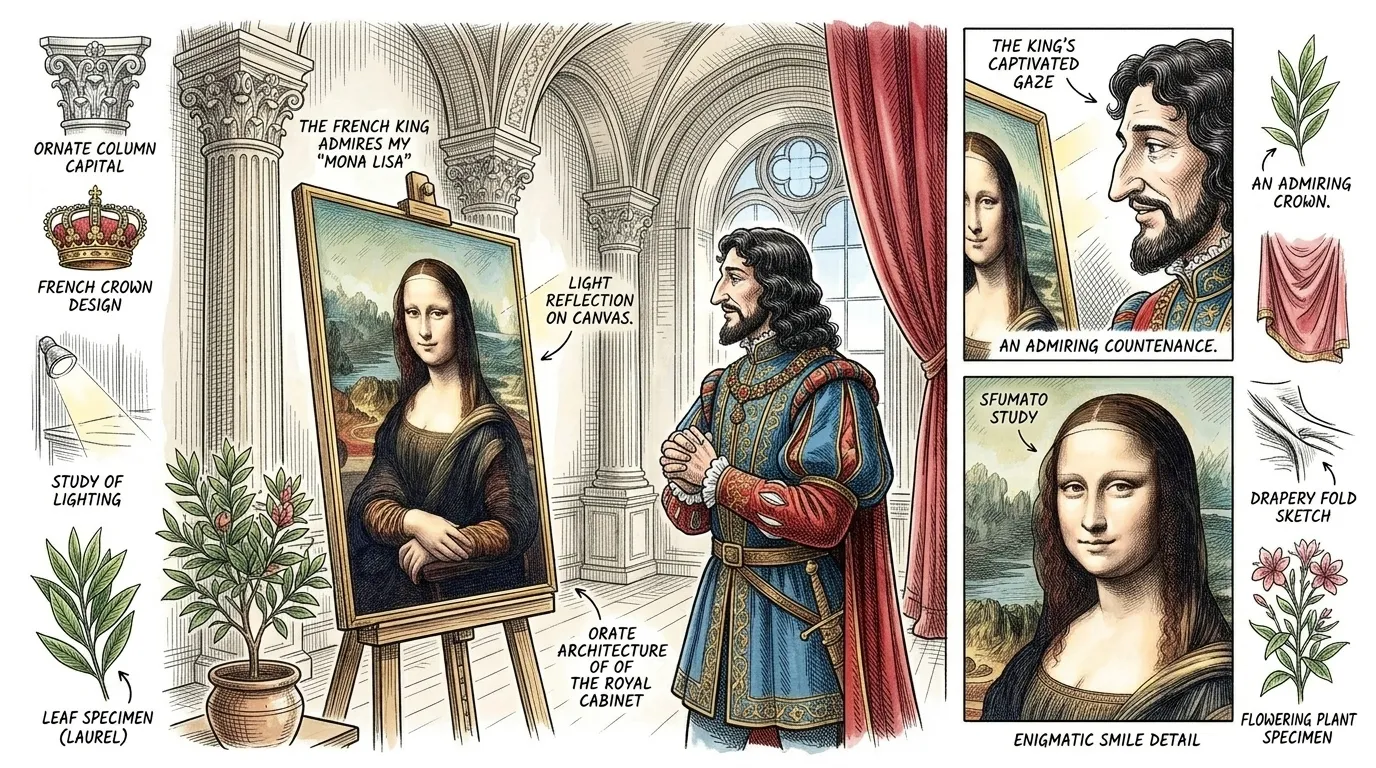
The Mona Lisa transcended mere portraiture, becoming a global phenomenon that established a new benchmark for artistic achievement and psychological depth. Its enigmatic smile, a masterwork of sfumato, fueled endless interpretation and fascination. Acquired by King Francis I of France, it found its permanent home in the royal collection, eventually residing in the Louvre Museum. This painting cemented Leonardo's reputation as an artistic titan, his influence rippling through centuries, shaping the course of Western art.
Page 9
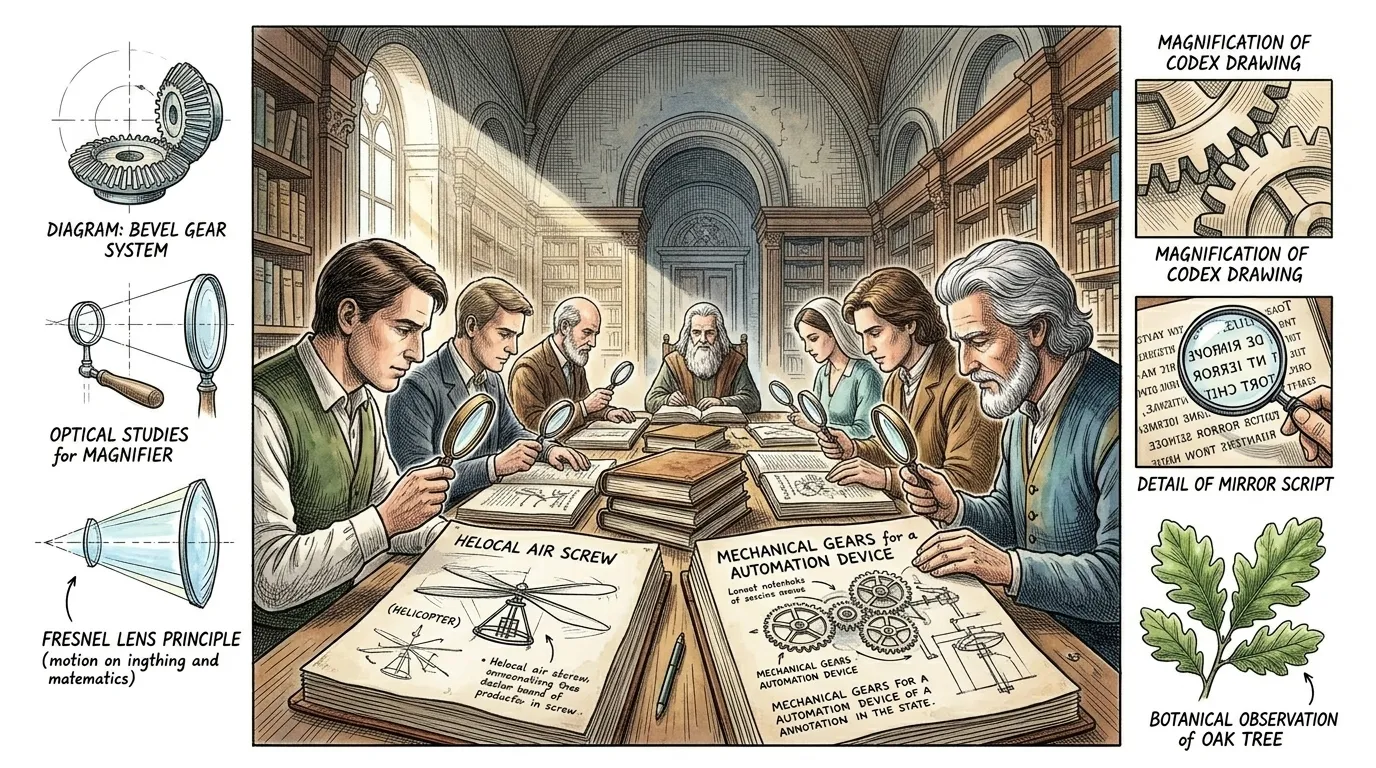
For centuries, Leonardo's vast scientific and engineering notebooks, filled with over 13,000 pages of drawings, observations, and inventions, remained largely unknown, their contents locked away in private collections and written in his distinct mirror script. Only through their gradual deciphering and publication centuries later did the true extent of his scientific genius become apparent. Scholars discovered prescient designs for helicopters, robotics, and advanced anatomy, revealing a mind that had leaped ahead of its time, its full impact delayed but ultimately profound. These notebooks cemented his legacy as a visionary polymath.
Page 10
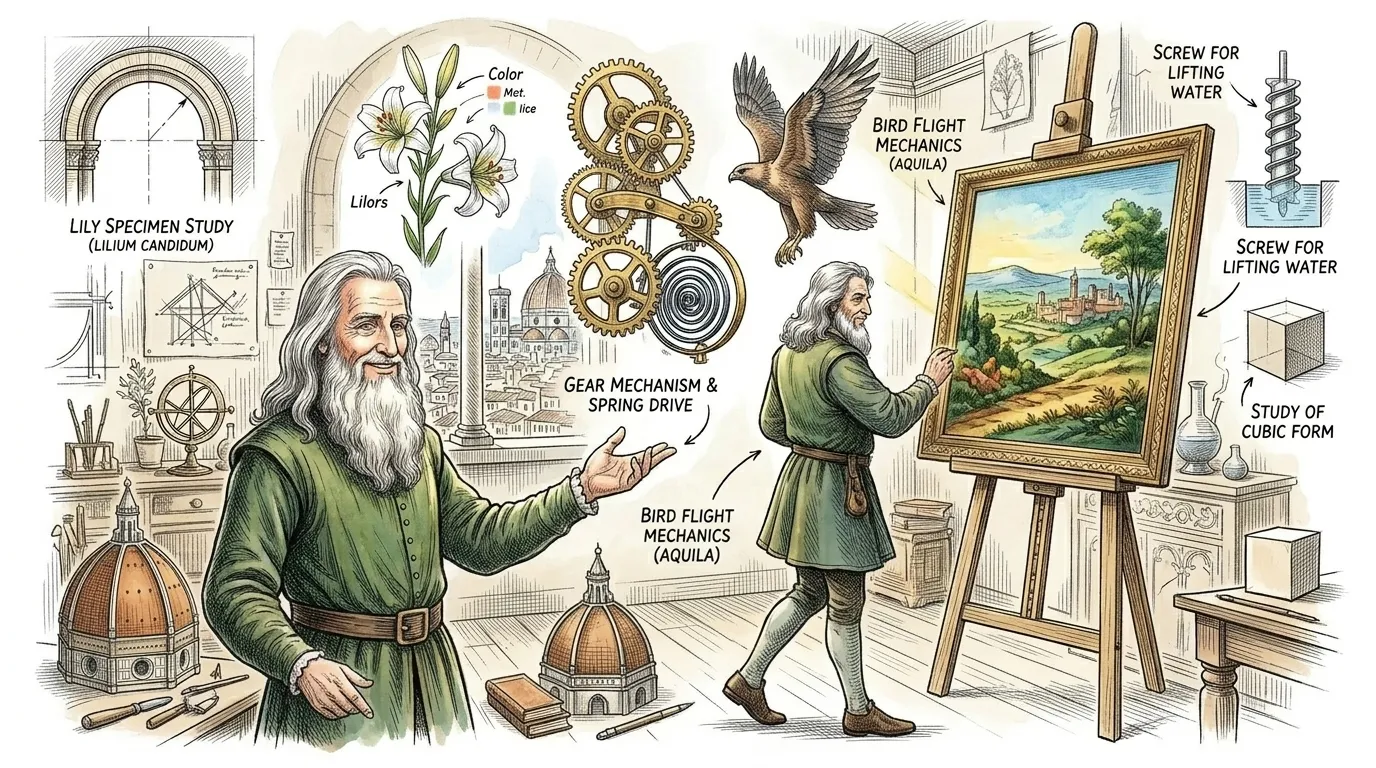
Leonardo da Vinci stands as the archetypal Renaissance Man, a figure whose boundless curiosity and multidisciplinary mastery transcended the conventional boundaries of art and science. His unwavering commitment to observation, experimentation, and artistic expression forged a legacy that continues to inspire. From the enduring mystery of his paintings to the prescient genius of his inventions, Leonardo's impact reshaped human understanding, offering a timeless model of how creativity and intellect can intertwine to leave an indelible mark on the world.
About this story
- Location: Global
- Audience: general readers
Questions and answers
Read Wonder People on your phone
Wonder People is available on Android. Get Wonder People on Google Play.