Linus Pauling
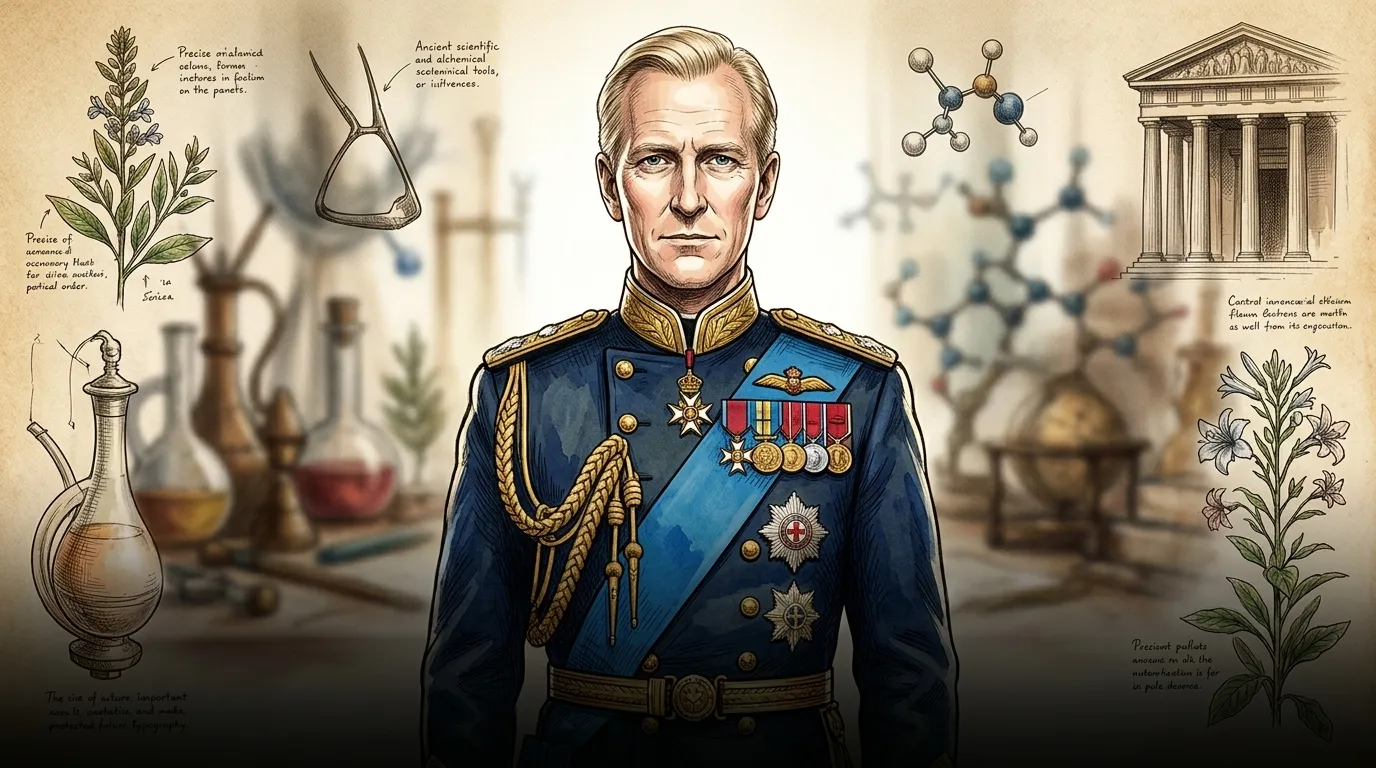
Linus Pauling — an illustrated biography story, set in Global. 10 illustrated pages, free to read on Wonder People.
Page 1
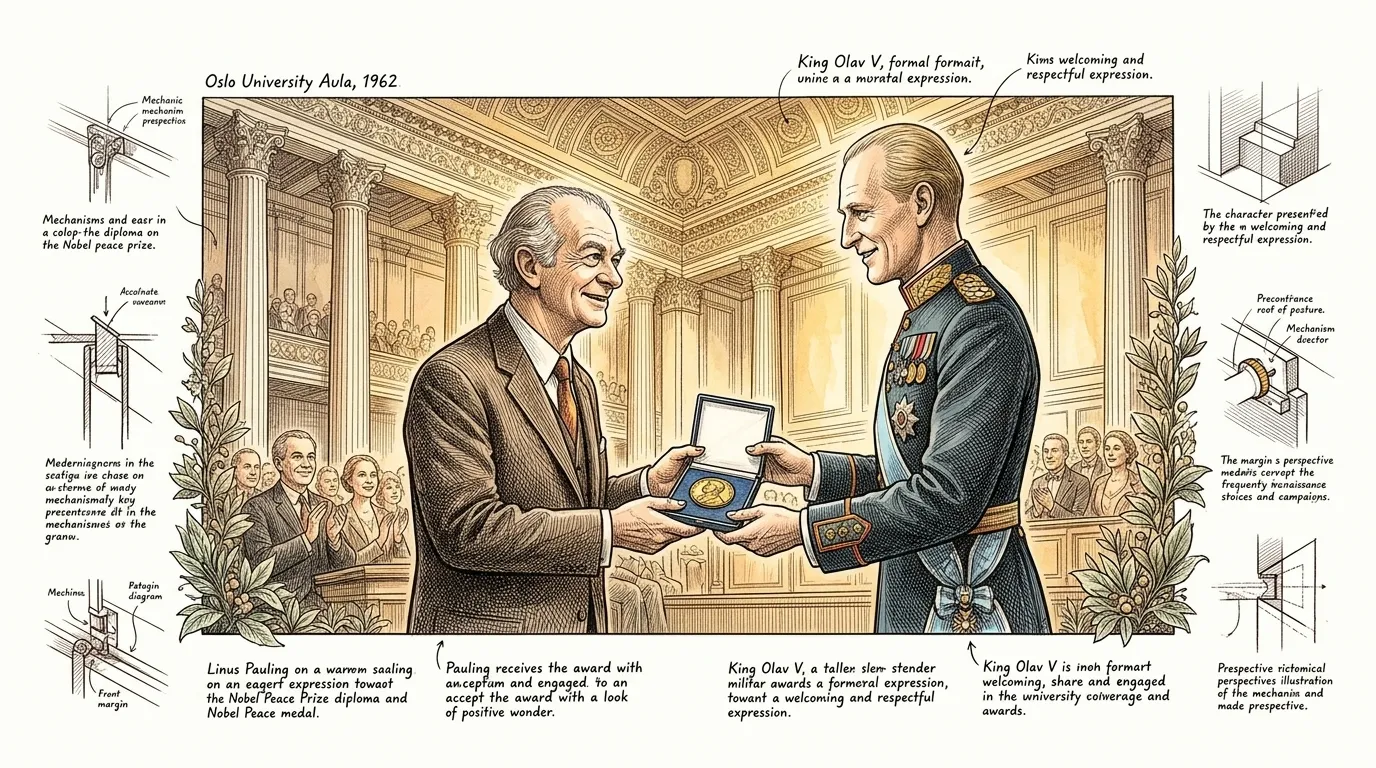
In the Oslo University Aula on December 10, 1962, Linus Pauling stood before King Olav V of Norway and the world. He had already reshaped the understanding of chemistry with his 1954 Nobel Prize. Now, for his relentless campaign against nuclear weapons, the Norwegian Nobel Committee awarded him the Nobel Peace Prize. He became the only individual in history to receive two unshared Nobel Prizes, a testament to a mind that mastered both the atom's bonds and humanity's survival.
Page 2
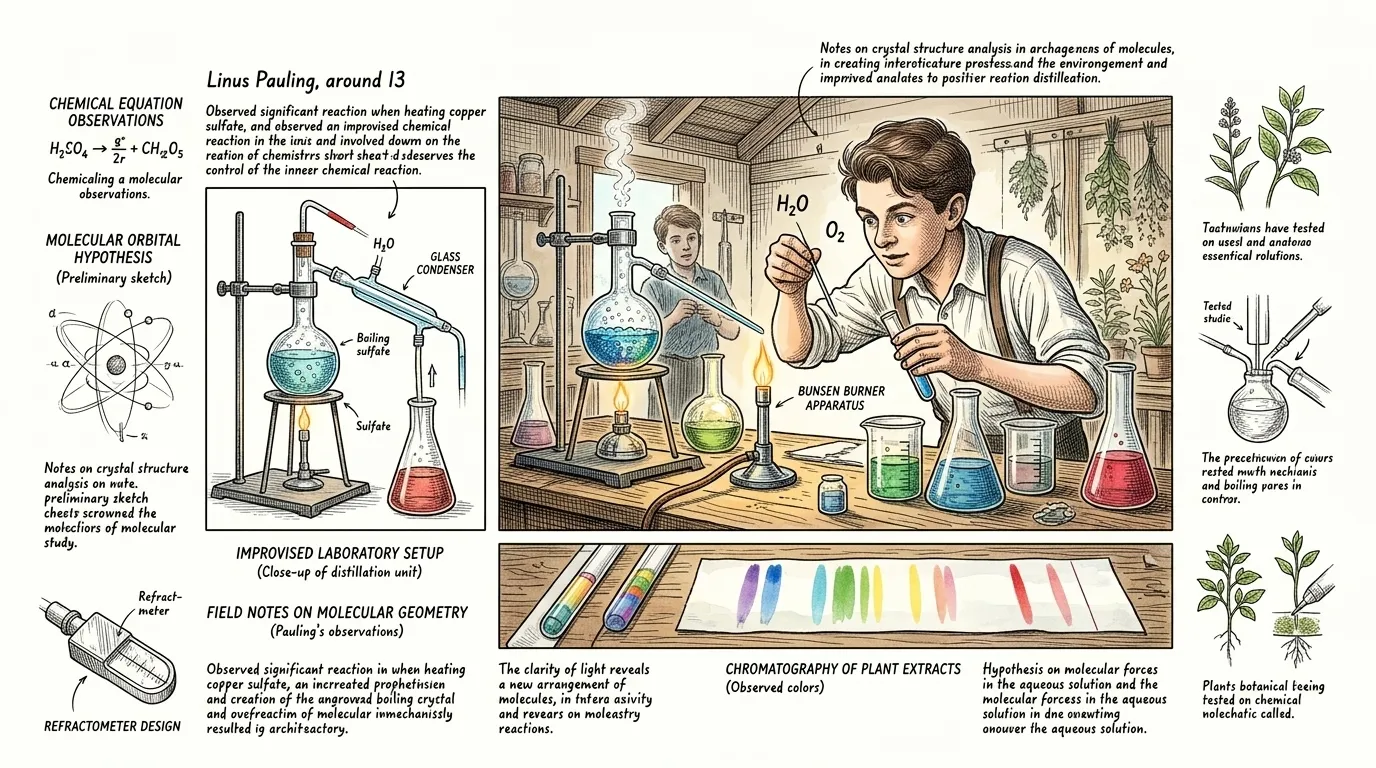
Born in Portland, Oregon, in 1901, Linus Pauling's childhood was marked by both academic brilliance and early hardship. At the age of 13, his father's death forced him into odd jobs, yet his intellectual curiosity burned brighter. A moment of profound clarity struck him in a friend's improvised chemistry laboratory. Surrounded by bubbling flasks and pungent compounds, he resolved to understand the fundamental laws governing matter. This early, self-directed exploration solidified his path, transforming youthful fascination into an unyielding scientific vocation.
Page 3
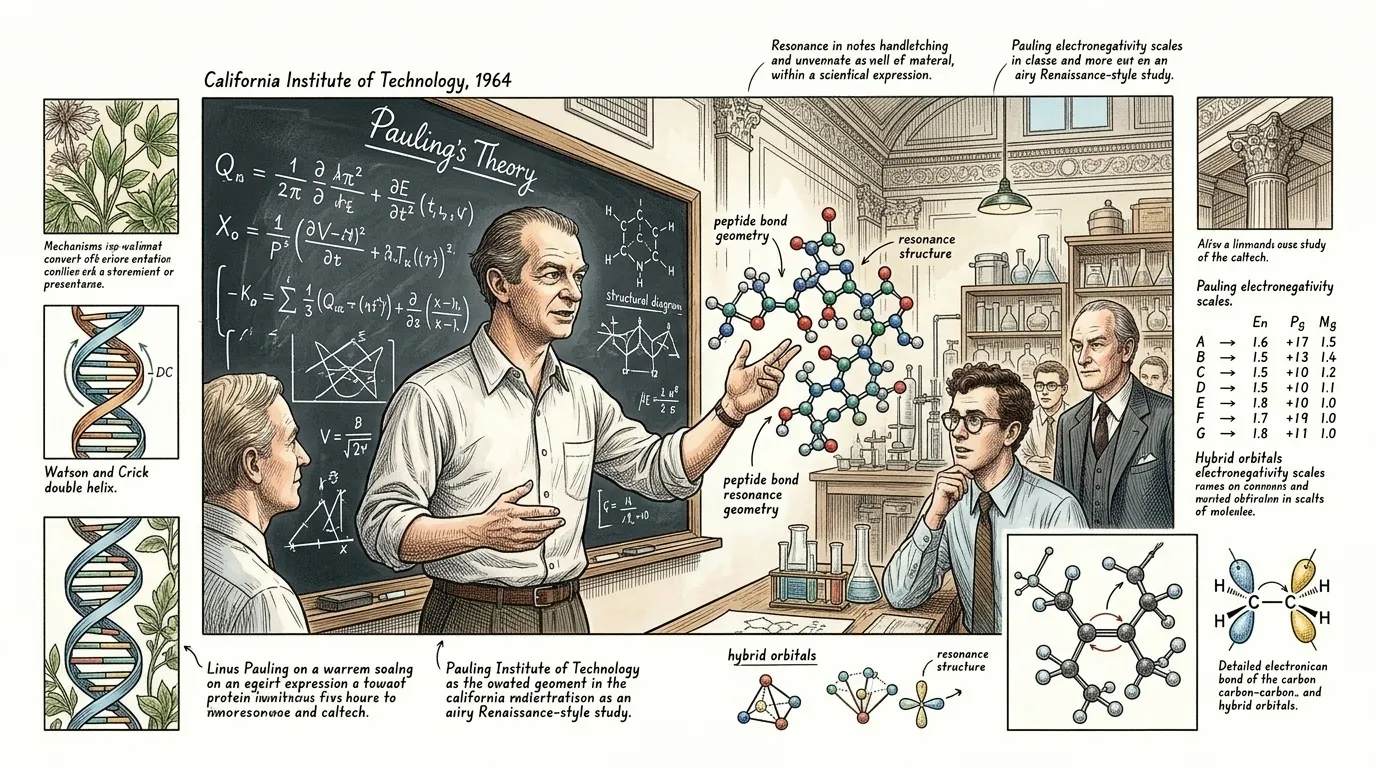
At the California Institute of Technology in the late 1920s, Linus Pauling, now a young professor, initiated a revolution. He envisioned applying the nascent principles of quantum mechanics to explain the perplexing nature of chemical bonds. His lectures and research challenged prevailing notions, proposing radical new ideas about how atoms connected. This period marked the conceptual birth of modern structural chemistry, where Pauling's audacious intellectual leap brought unprecedented clarity to the forces that hold all matter together.
Page 4
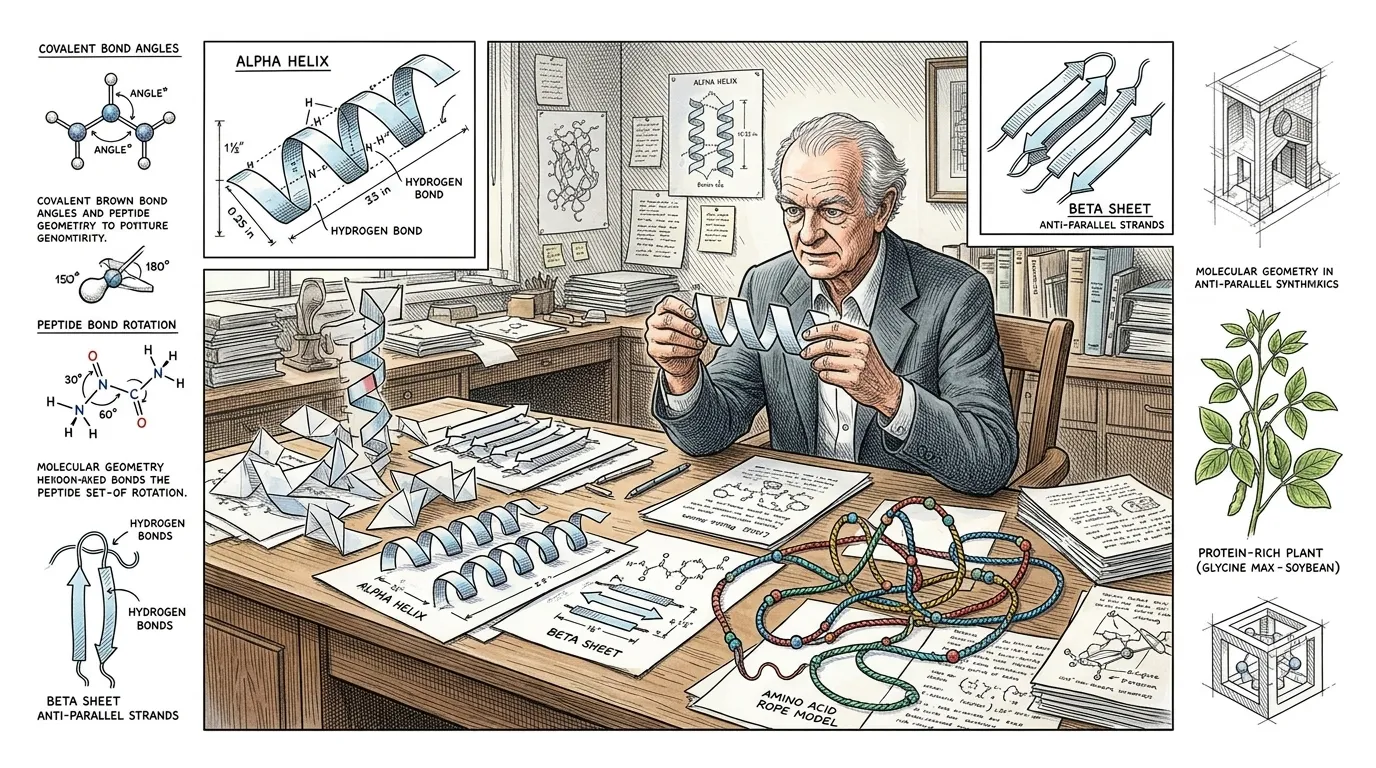
By the 1940s, Pauling turned his formidable intellect to the complex structures of proteins. Ignoring skepticism, he meticulously folded paper models, seeking repeating patterns in amino acid chains. In 1951, he published the alpha helix and beta sheet structures, revealing the fundamental architectural principles of proteins. This monumental discovery did not merely advance chemistry; it unlocked a new era in molecular biology, providing the crucial framework for understanding how life itself is built.
Page 5
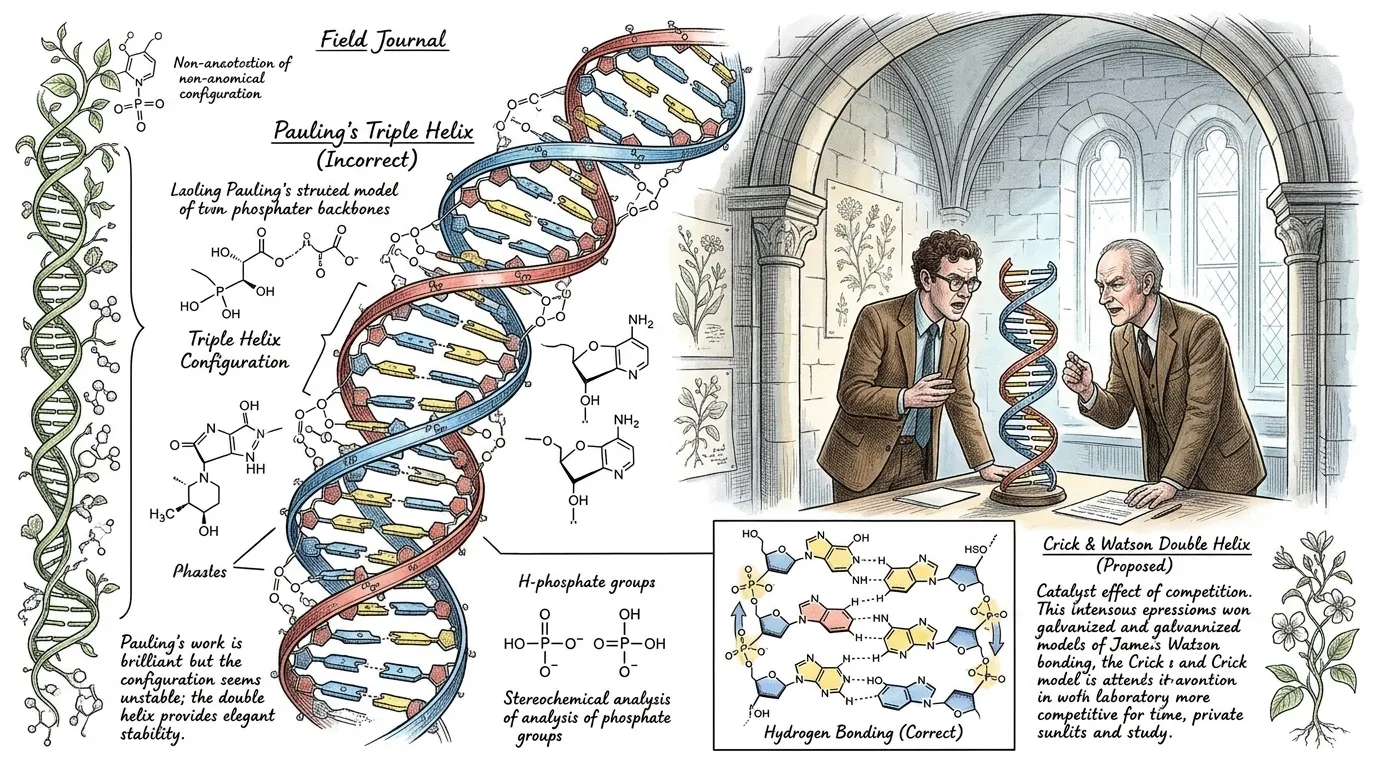
In the early 1950s, the race to discover DNA's structure intensified. Pauling, confident from his protein work, proposed a triple helix model for DNA. Though ultimately incorrect, his bold, public attempt galvanized the scientific community, particularly James Watson and Francis Crick at Cambridge. His error, ironically, served as a powerful catalyst, driving others to scrutinize the problem with renewed urgency, directly contributing to their monumental discovery of the double helix.
Page 6
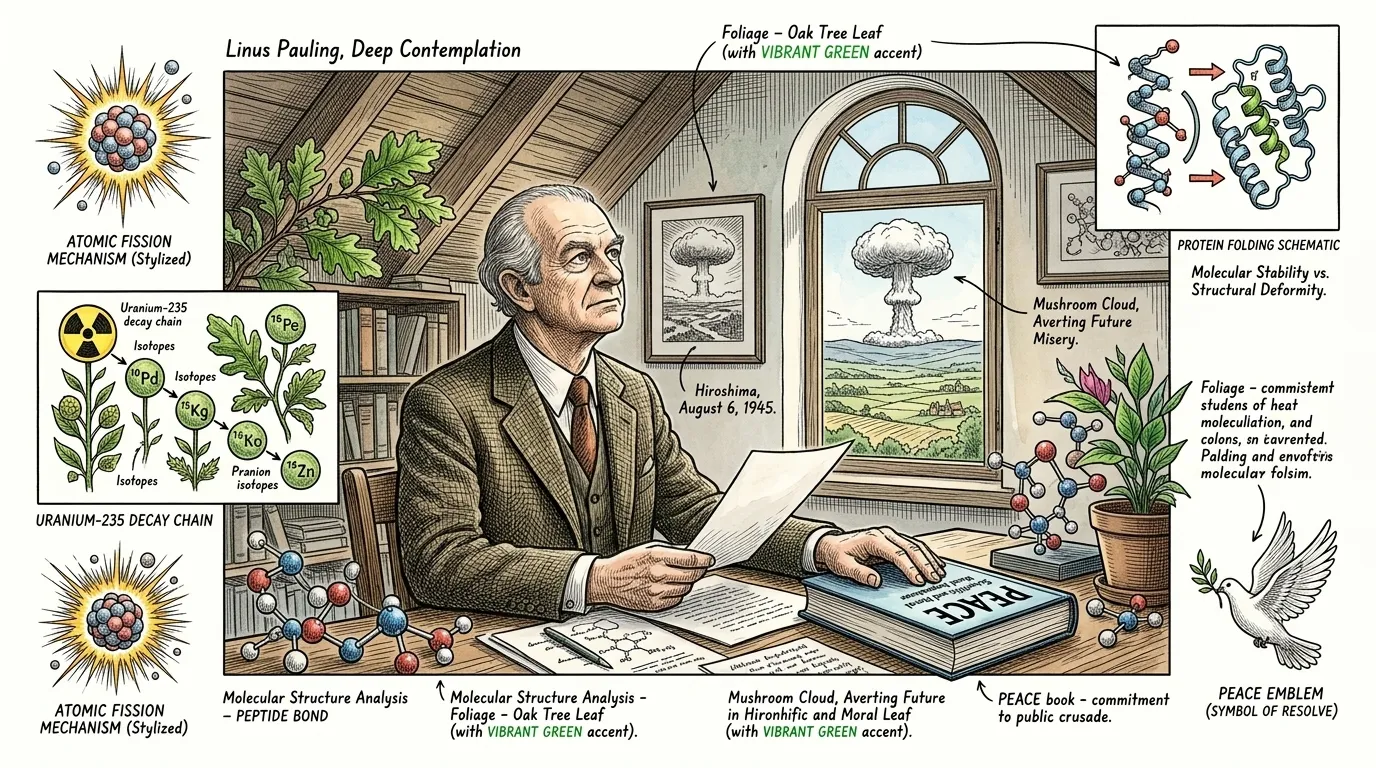
The bombings of Hiroshima and Nagasaki in 1945 irrevocably altered Pauling's focus. The awesome destructive power of the atomic bomb, born from the very physics he championed, compelled him to action. Witnessing the escalation of the Cold War and the looming threat of nuclear annihilation, he felt a profound moral obligation. This watershed moment shifted his path from an exclusive pursuit of scientific discovery to an ardent, public crusade for peace, leveraging his scientific authority to advocate for humanity's future.
Page 7
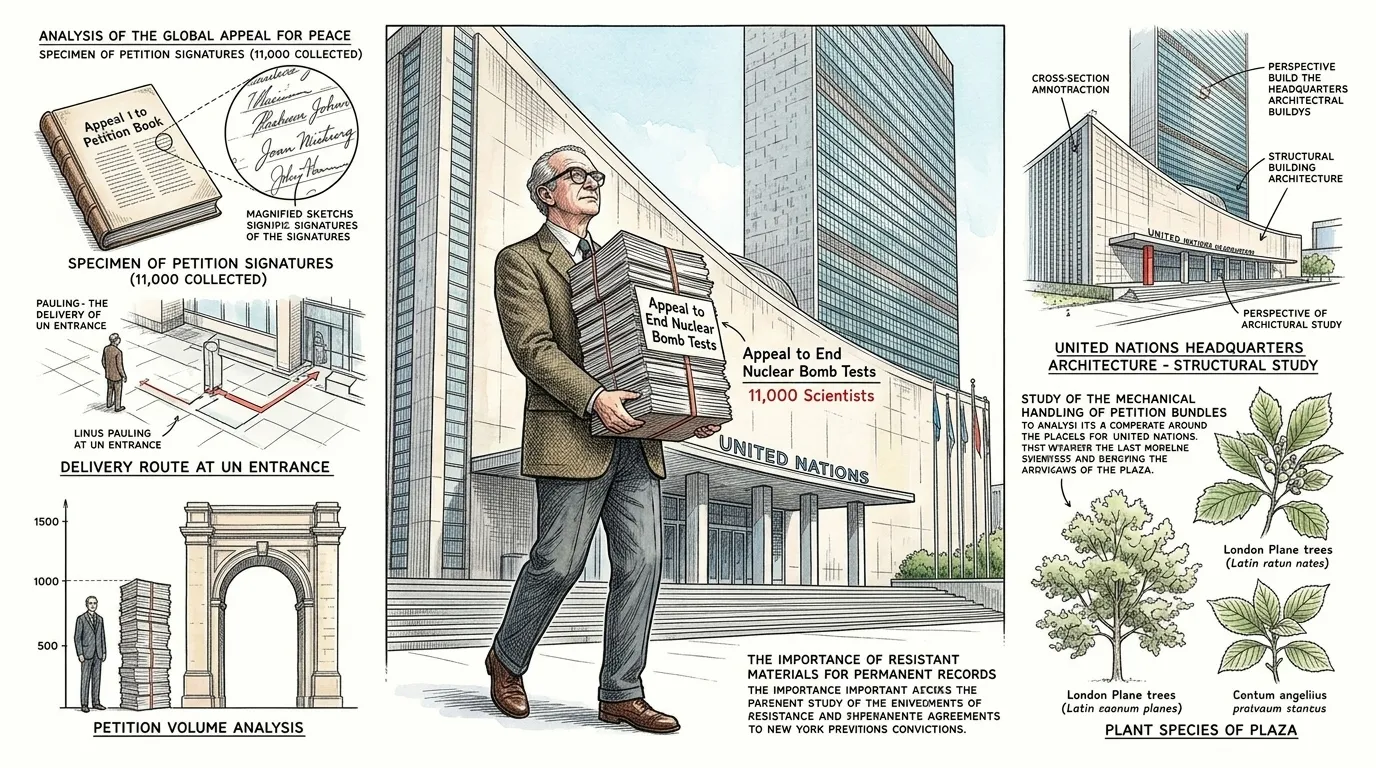
As nuclear testing escalated globally, Pauling became a vocal and persistent advocate for disarmament. In 1957, he initiated a global petition, known as the 'Appeal to End Nuclear Bomb Tests,' which gathered signatures from over 11,000 scientists across 49 countries. He personally delivered this monumental document to the United Nations in 1958, a powerful and unprecedented demonstration of unified scientific opposition to the arms race. This act solidified his role as a global conscience, using collective scientific authority to pressure world leaders toward peace.
Page 8
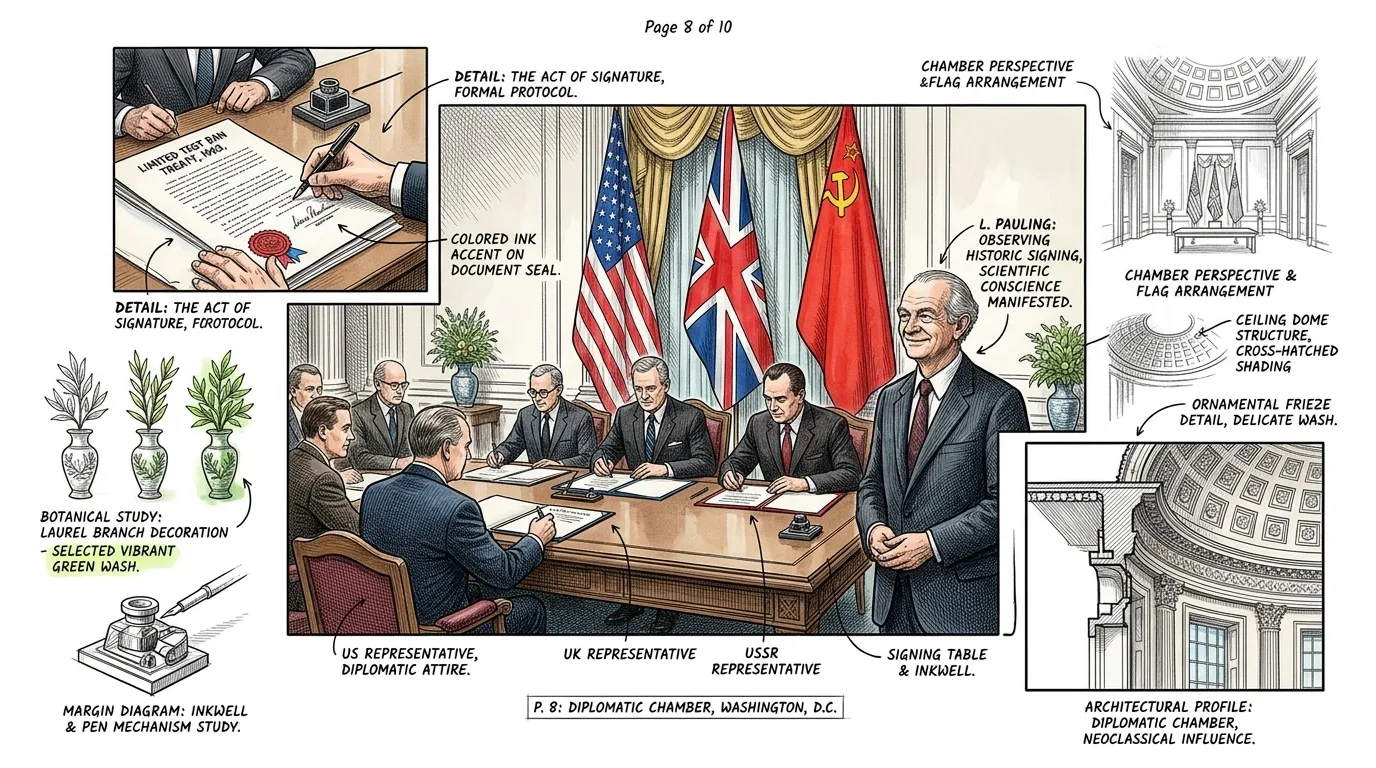
Pauling's unwavering advocacy, alongside mounting international pressure, culminated in a pivotal moment for global security. In 1963, the United States, the United Kingdom, and the Soviet Union signed the Limited Test Ban Treaty, prohibiting nuclear weapons tests in the atmosphere, outer space, and under water. This landmark agreement, though not a complete ban, was a direct outcome of years of relentless activism, proving that scientific conscience could indeed influence geopolitical policy and avert catastrophe. Pauling's impact was undeniable.
Page 9
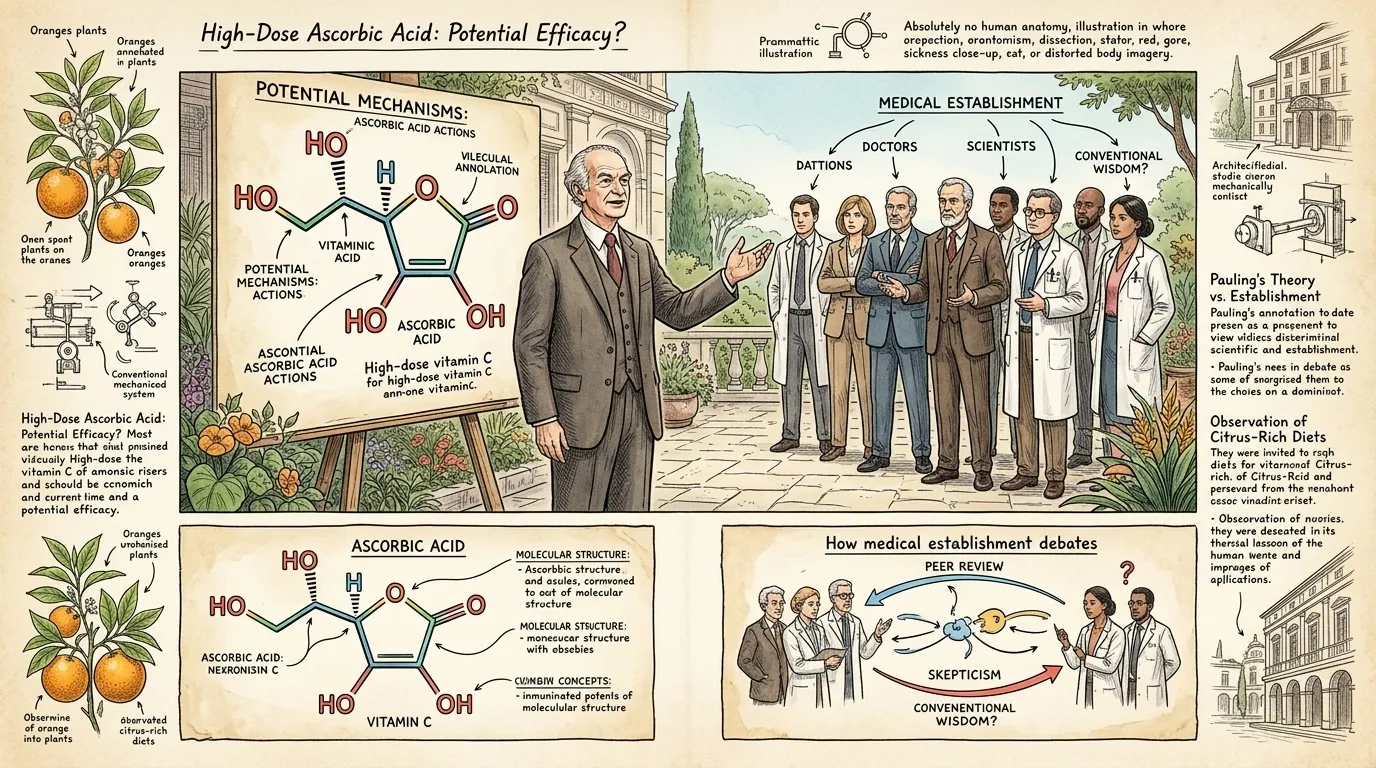
In his later career, Pauling shifted his focus to nutrition, notably becoming a staunch proponent of high-dose vitamin C for treating and preventing various ailments, including the common cold and cancer. This advocacy, while embraced by some, clashed sharply with the prevailing medical establishment, leading to fierce debates and often overshadowing his earlier, celebrated work. His unyielding conviction, even in the face of scientific criticism, highlighted his independent spirit, but also underscored the complexities of challenging conventional wisdom with incomplete evidence.
Page 10
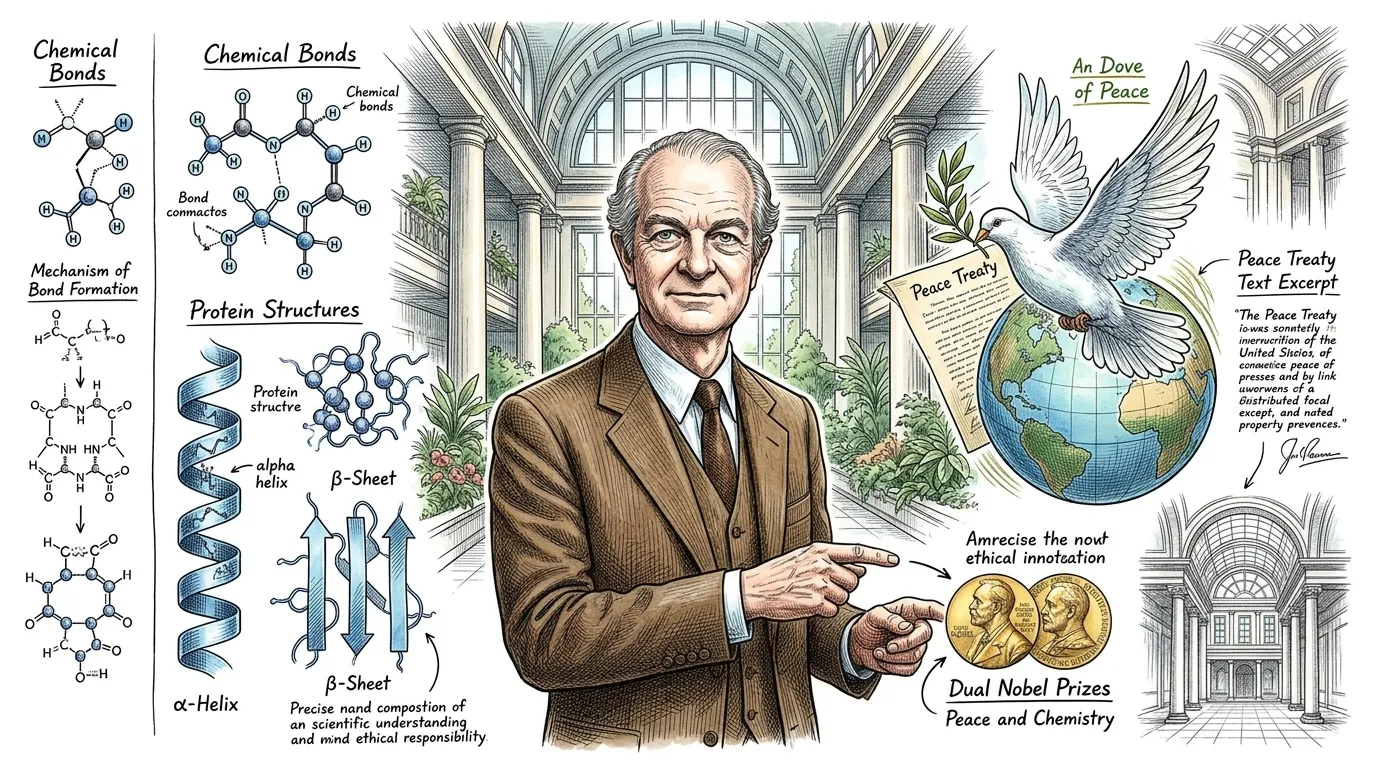
Linus Pauling redefined chemical bonding and pioneered our understanding of protein structures, fundamentally altering how science views the very fabric of life. Simultaneously, he became a towering moral voice against nuclear annihilation, mobilizing scientists and shaping international policy. His dual Nobel Prizes stand as a singular testament to a mind that saw no division between scientific pursuit and ethical responsibility. He proved that the intellect capable of unlocking nature's deepest secrets could also passionately champion humanity's highest ideals, forever linking the atom's power to peace.
About this story
- Location: Global
- Audience: general readers
Questions and answers
Read Wonder People on your phone
Wonder People is available on Android. Get Wonder People on Google Play.