Lucretius
Lucretius — an illustrated philosophy story. 10 illustrated pages, free to read on Wonder Philosophy.
Page 1
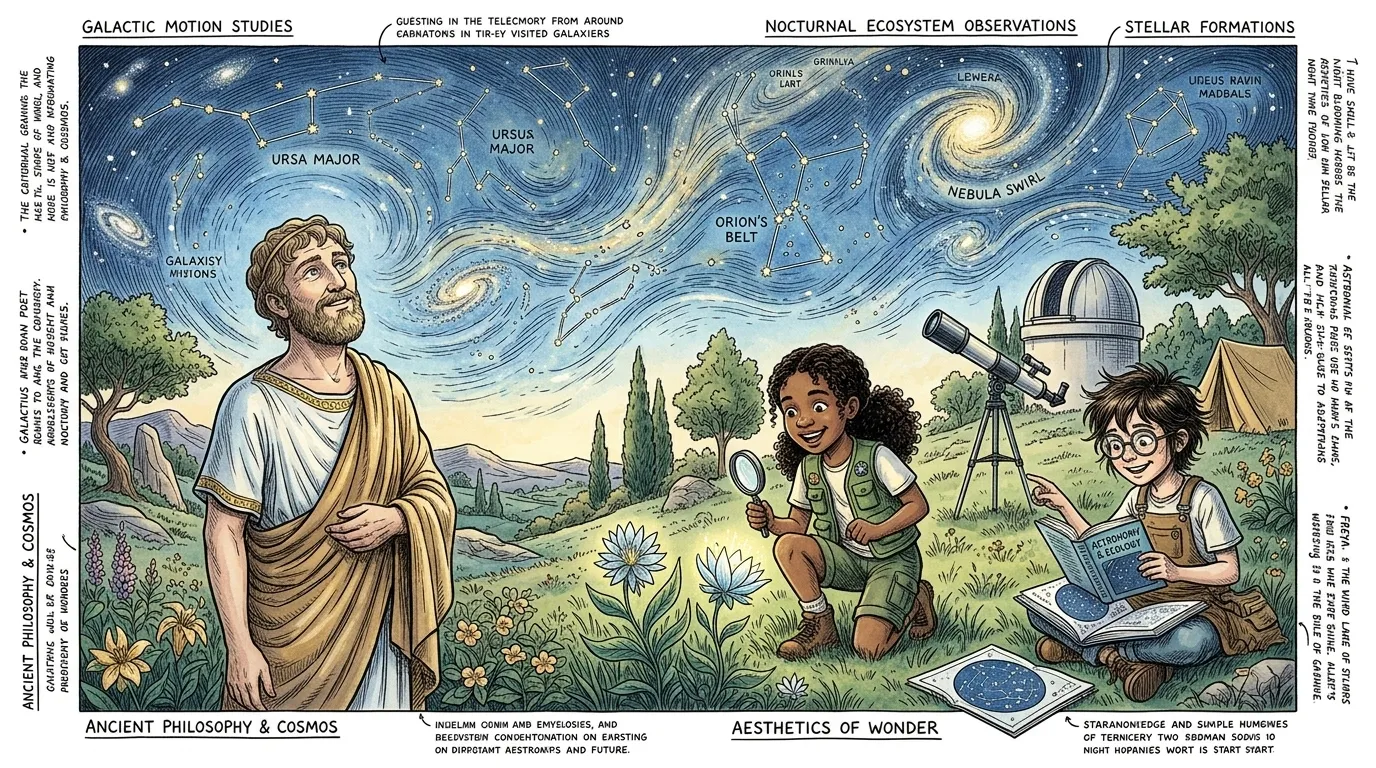
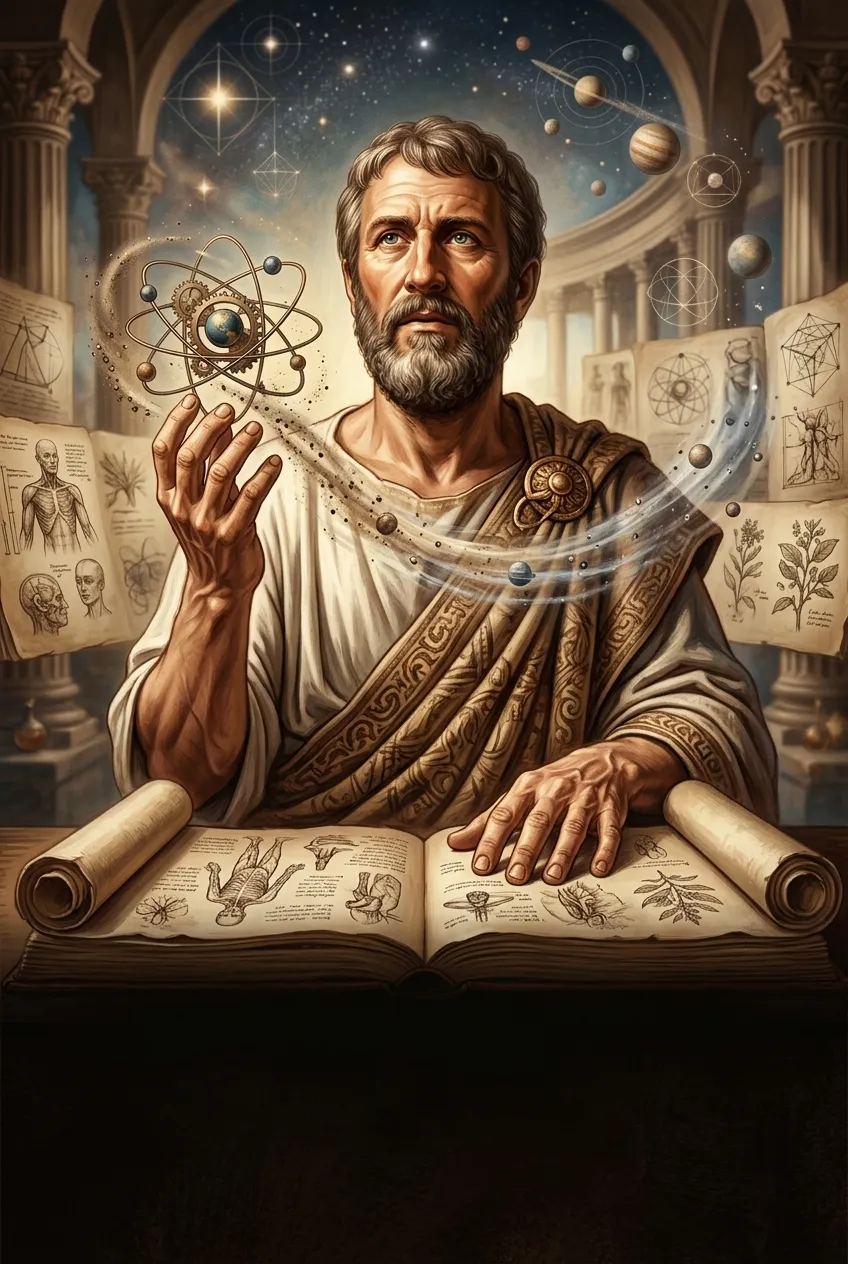
Why should a philosopher from over two thousand years ago still matter today? For Lucretius, it's about understanding the universe to conquer fear. In a world filled with anxieties, his message of rational inquiry offers a path to peace.
Philosophy Note: Lucretius (c. 99 BCE – c. 55 BCE) was a Roman poet and philosopher known for his epic poem De Rerum Natura (On the Nature of Things), which expounds the philosophy of Epicureanism.
Page 2
![Lucretius wasn't creating ideas from scratch. He followed Epicurus [c. 341 – c. 270 BCE], a Greek philosopher who believed that the universe is made of tiny…](https://thewonderbooks.com/images/stories/lucretius/illustrations/lucretius_page_02_v1775191924331.webp "Lucretius wasn't creating ideas from scratch. He followed Epicurus [c. 341 – c. 270 BCE], a Greek philosopher who believed that the universe is made of tiny…")
Lucretius wasn't creating ideas from scratch. He followed Epicurus [c. 341 – c. 270 BCE], a Greek philosopher who believed that the universe is made of tiny, indivisible particles called atoms. Lucretius took this idea and ran with it, applying it to everything from the weather to the human soul. It was radical thinking at a time when myths and superstitions ruled.
"Winona peers into an old book, saying to Luka, "It's kind of wild to think everything is just made of tiny bits we can't even see!""
Philosophy Note: Epicureanism is a system of philosophy founded around 307 BCE based upon the teachings of the ancient Greek philosopher Epicurus. It taught that the greatest good is to seek modest pleasures in order to attain tranquility and freedom from fear (ataraxia) and absence from bodily pain (aponia).
Page 3
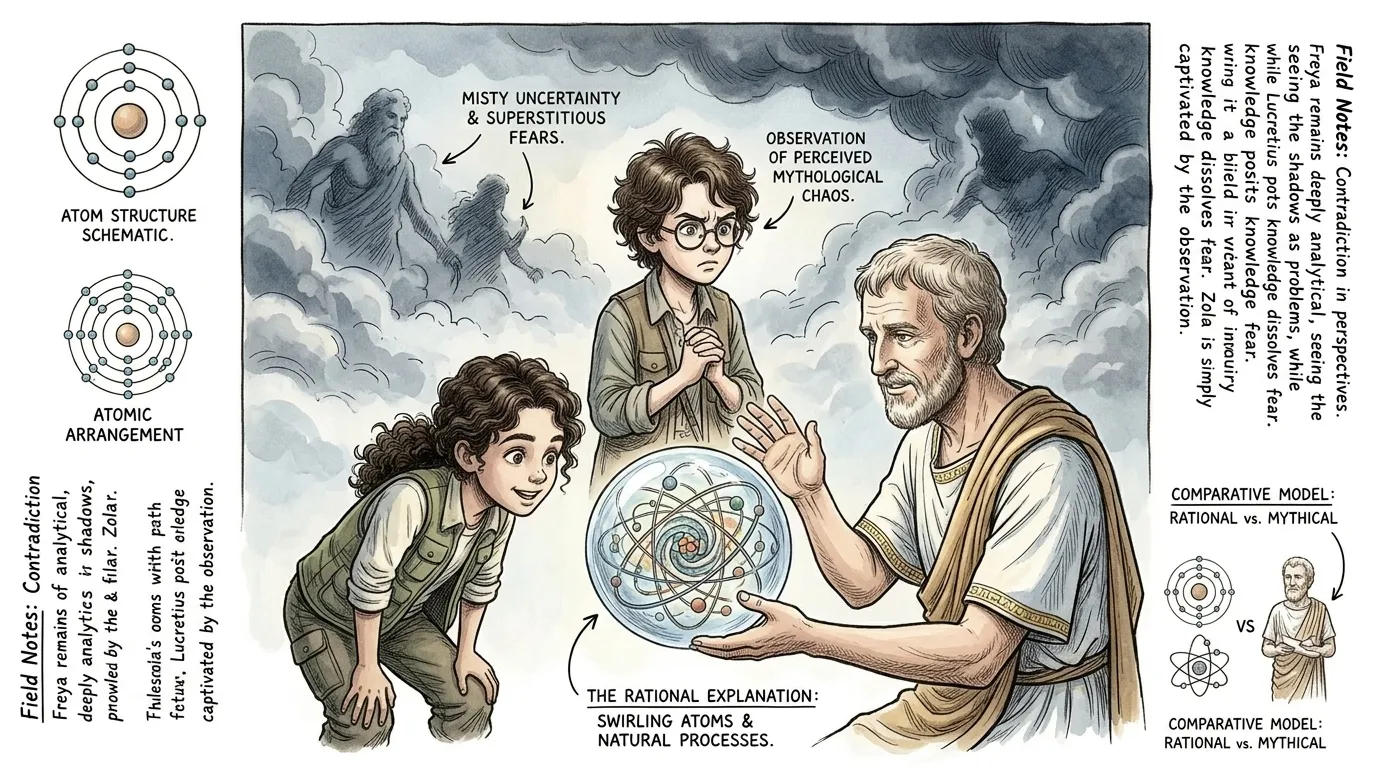
For Lucretius, the biggest obstacle to happiness was fear—fear of death, fear of the gods, fear of the unknown. He believed that by understanding the natural world, we could dispel these fears. If we know that everything is made of atoms and follows natural laws, then we can see that death is simply the rearrangement of those atoms, not a terrifying plunge into eternal torment.
"Luka frowns, "But what if we're wrong? What if the gods are angry?""
Philosophy Note: Lucretius's De Rerum Natura aims to liberate people from religious superstition and the fear of death by explaining the workings of the natural world according to Epicurean principles.
Page 4
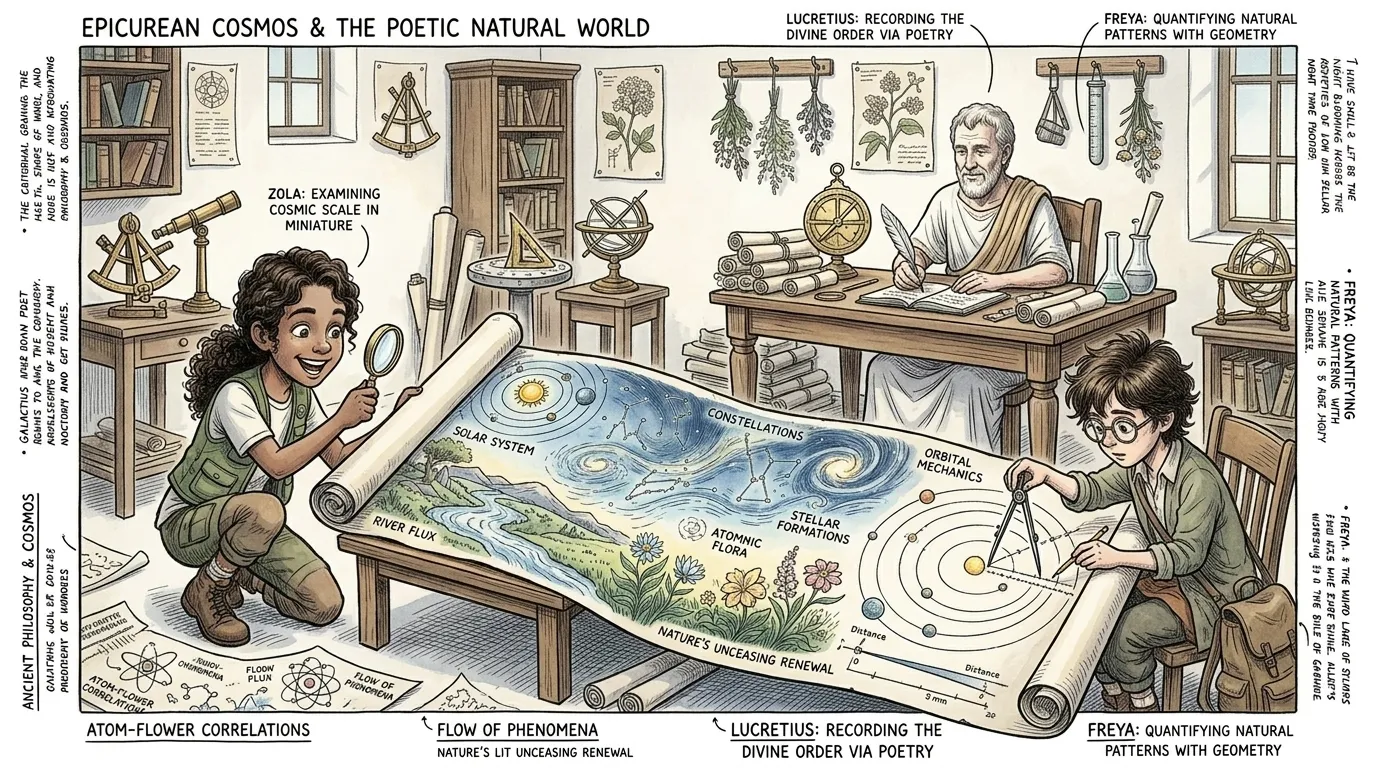
Lucretius wrote De Rerum Natura not as a dry philosophical treatise, but as a sweeping poem filled with vivid imagery and powerful arguments. He wanted to make these ideas accessible and persuasive, using the beauty of language to combat the ugliness of fear. It's a blend of science and art, reason and emotion.
"Winona grins, "It's like he's trying to trick us into learning something important by making it sound cool!""
Philosophy Note: De Rerum Natura is a didactic poem in six books that explores Epicurean physics and philosophy, aiming to dispel fear and promote tranquility.
Page 5
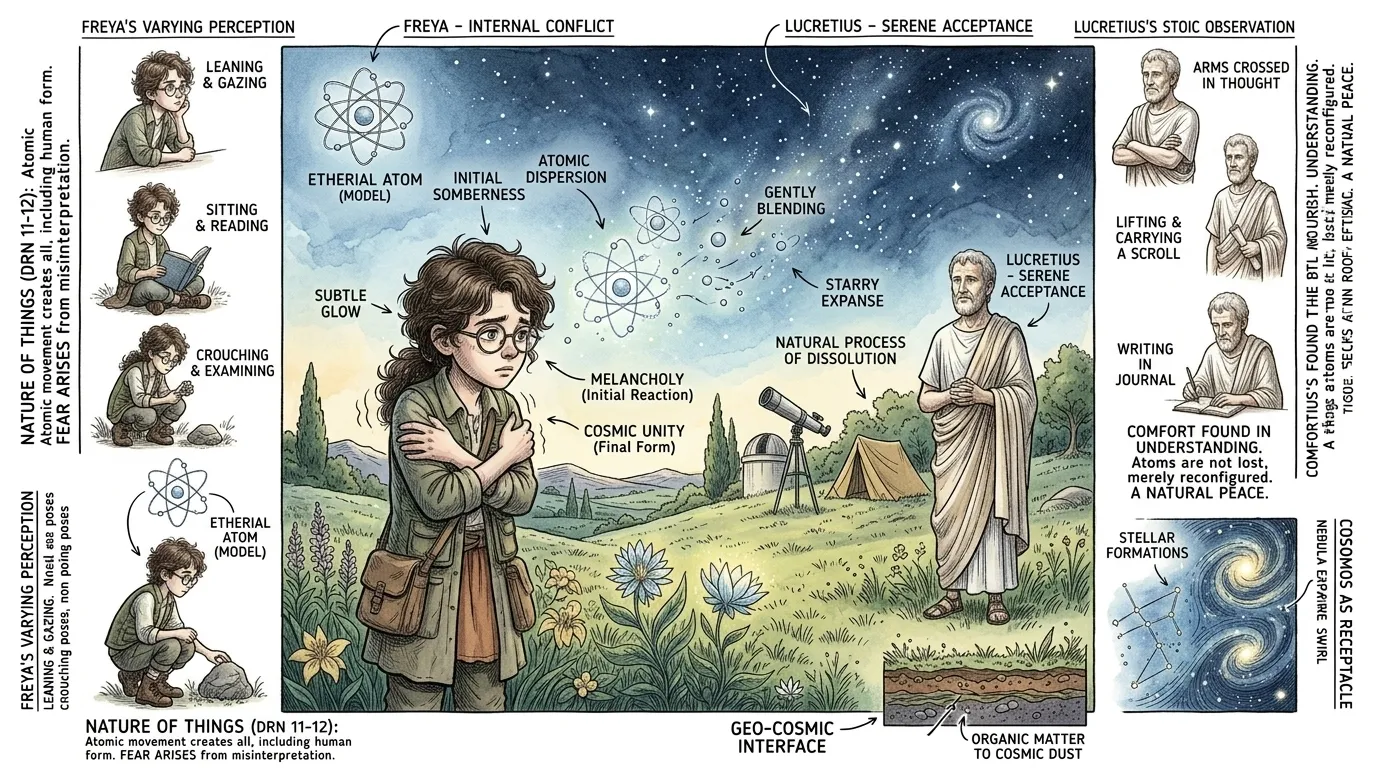
One of Lucretius's most challenging ideas is that the soul, like everything else, is made of atoms. This means that when we die, our soul atoms simply disperse, returning to the universe. There's no afterlife, no judgment, no hell. It's a comforting thought for those who fear eternal punishment, but a difficult one for those who crave immortality.
"Luka shudders, "So you're saying there's nothing after we die? That's... depressing.""
Philosophy Note: Lucretius argues that the soul is mortal and material, composed of fine atoms that disperse upon death, thus eliminating the fear of an afterlife.
Page 6
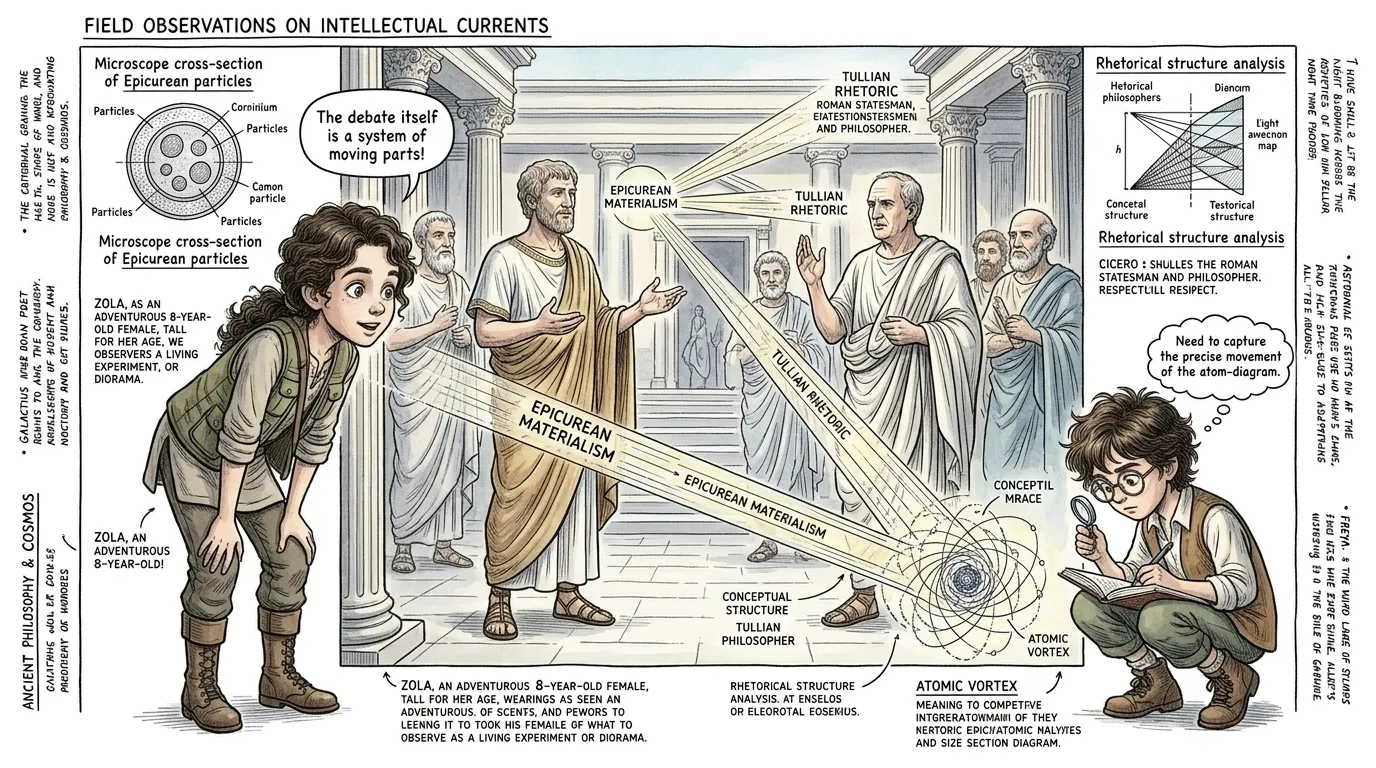
Lucretius's ideas weren't universally accepted. Many philosophers and religious leaders criticized his materialism and denial of the afterlife. Cicero [106 – 43 BCE], a prominent Roman statesman and philosopher, admired Lucretius's writing but disagreed with his Epicurean worldview. The debate continues to this day: Is there more to reality than what we can see and measure?
"Winona asks, "So, people back then were arguing over the same questions we still argue about now?""
Philosophy Note: Cicero, while admiring Lucretius's literary skill, critiqued his Epicureanism for its perceived moral failings and its denial of divine providence.
Page 7
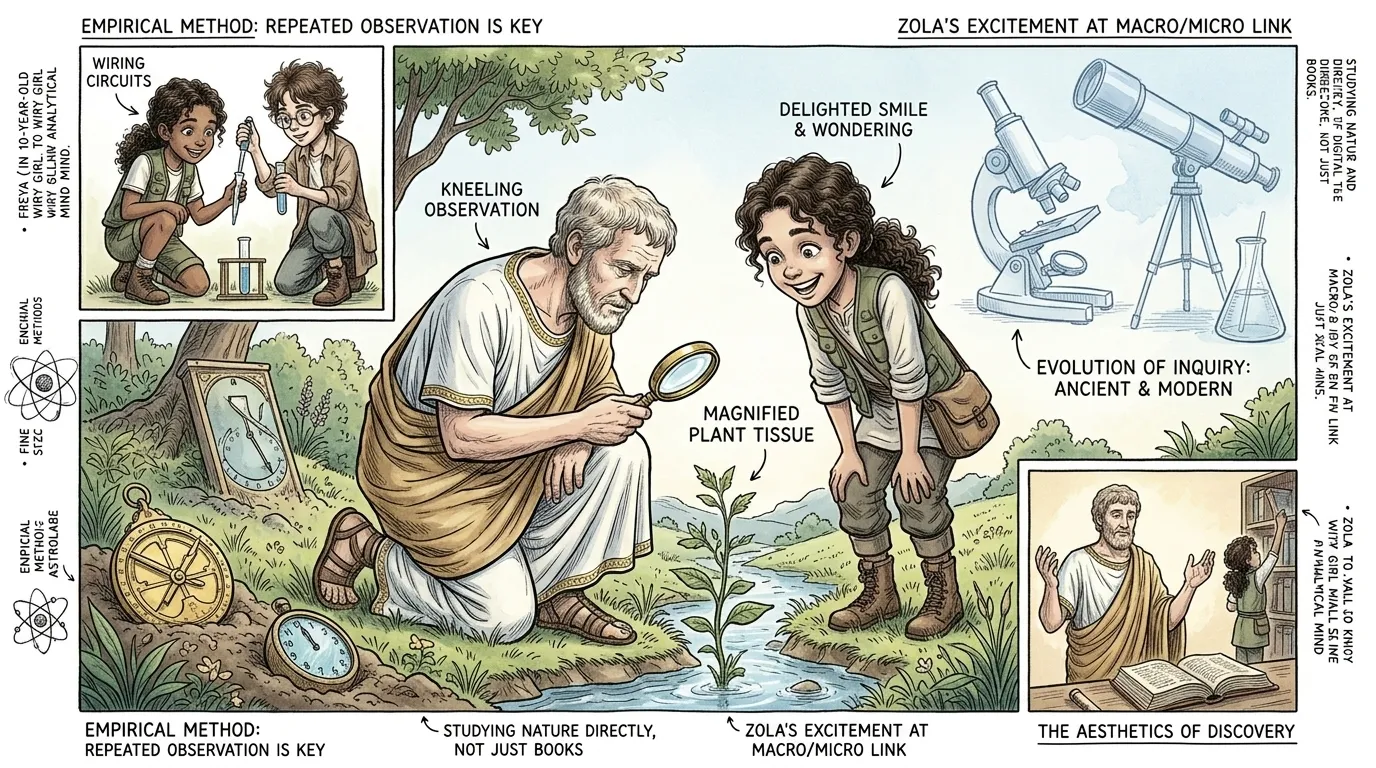
While modern science has moved far beyond Lucretius's atomic theory, his emphasis on empirical observation and rational explanation remains relevant. He championed the idea that we should trust our senses and use our minds to understand the world, a foundation for the scientific method.
"Winona says, "It's like he was trying to do science before there were even microscopes or anything!""
Philosophy Note: Lucretius's emphasis on observation and reason aligns with the principles of the scientific method, even though his specific scientific theories have been superseded by modern discoveries.
Page 8
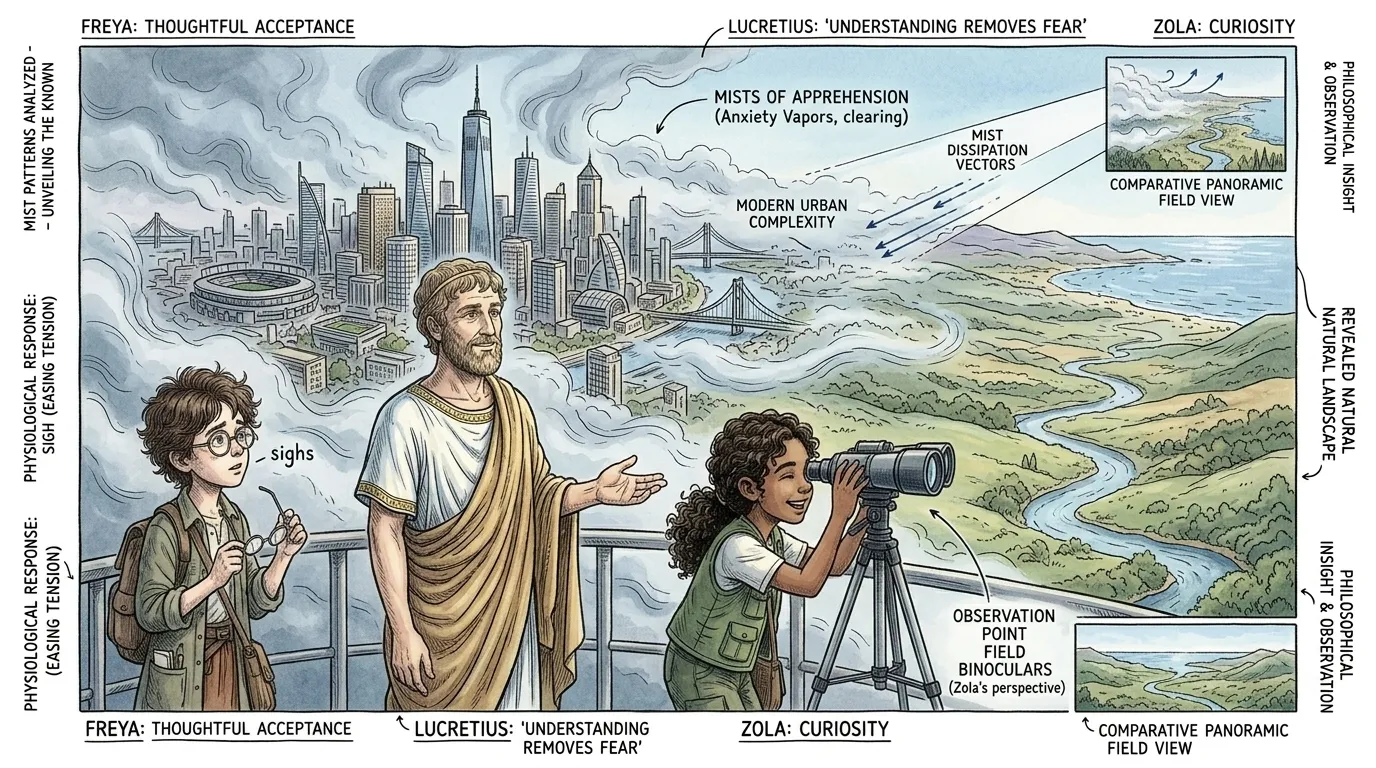
In our own anxiety-ridden age, Lucretius's message resonates deeply. He reminds us that understanding the world can be a powerful antidote to fear. By embracing reason and accepting the natural order, we can find peace in a universe that may not be as scary as we think.
"Luka sighs, "I guess it's better to know the truth, even if it's a little scary.""
Philosophy Note: Lucretius's message of facing fears through understanding remains relevant in the modern world, offering a path to tranquility in an uncertain and often frightening world.
Page 9
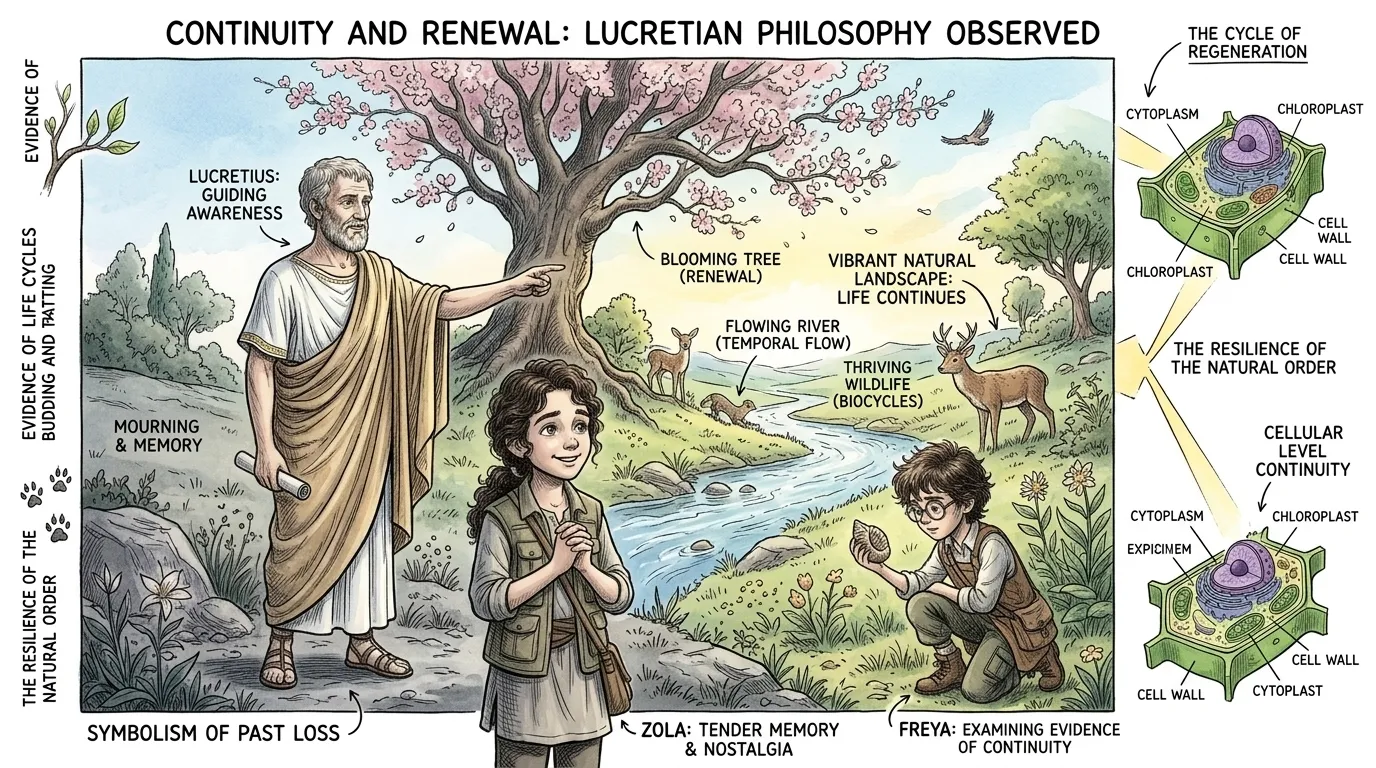
Lucretius offers an alternative. He said that understanding the true nature of things—the rerum natura—is the key to happiness and freedom. When facing a crisis or a loss, it's easy to feel like the world is ending. But he invites us to see that even in difficult times, there's still so much to appreciate, so much to learn, and so much to experience.
"Winona says, "It's like when my grandma passed away. I was so sad, but remembering all the good times helped.""
Philosophy Note: Lucretius's philosophy emphasizes that happiness is not about avoiding suffering but about understanding and accepting the natural world, enabling a more resilient and fulfilling life.
Page 10
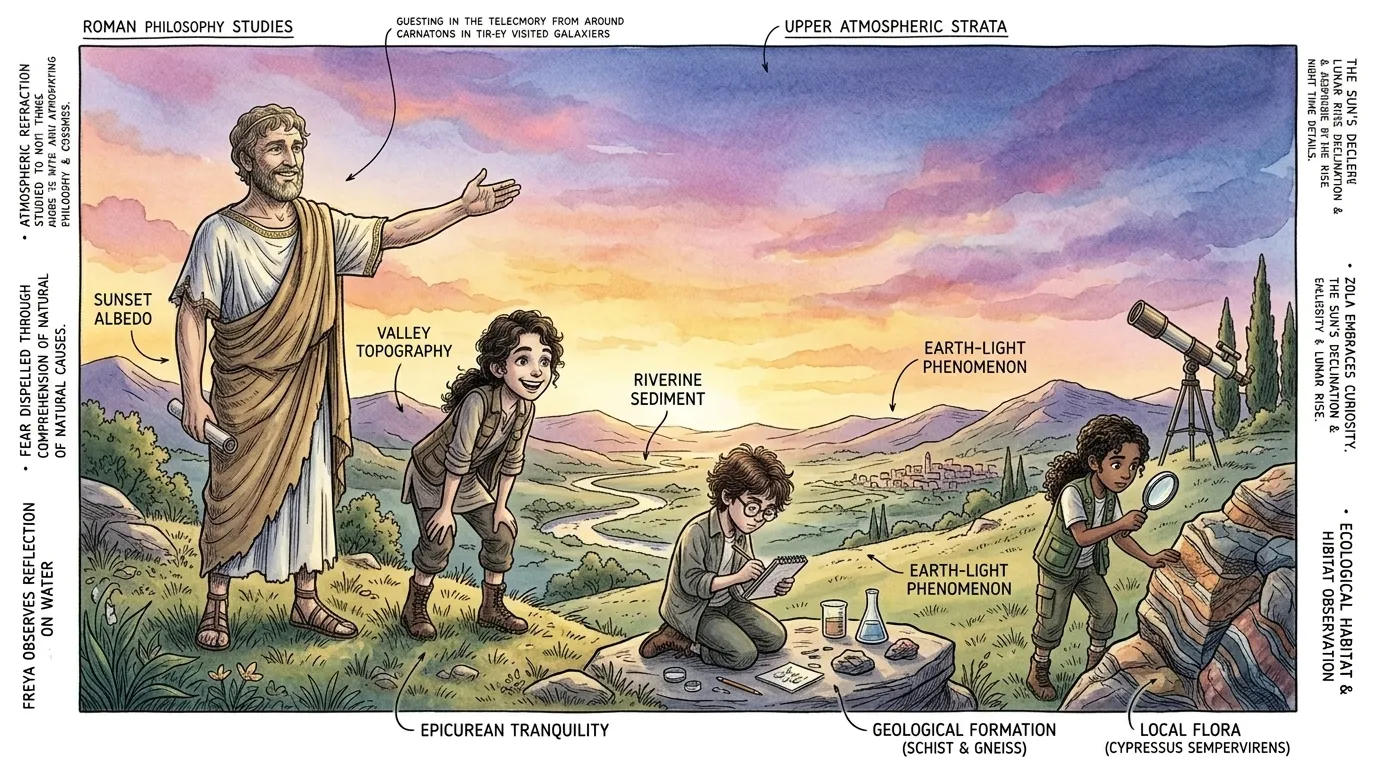
Perhaps Lucretius's greatest contribution is his unwavering belief in the power of reason. As Franklin D. Roosevelt said, "The only thing we have to fear is fear itself." By confronting our fears with knowledge and understanding, we can find a path to a more peaceful and meaningful life. Lucretius invites us to explore the universe, not with dread, but with curiosity and wonder.
"Winona smiles, looking out at the sunset, "So, no more being scared of the dark?""
Philosophy Note: Lucretius's legacy lies in his advocacy for reason as a tool to overcome fear, inviting us to explore the world with curiosity and wonder.
About this story
- Audience: kids (ages 6–12)
Questions and answers
Read Wonder Philosophy on your phone
Wonder Philosophy is available on Android and iPhone and iPad. Get Wonder Philosophy on Google Play · Get Wonder Philosophy on the App Store.