Alice Augusta Ball
Alice Augusta Ball — an illustrated science story, set in Global. 10 illustrated pages, free to read on Wonder Science.
Page 1
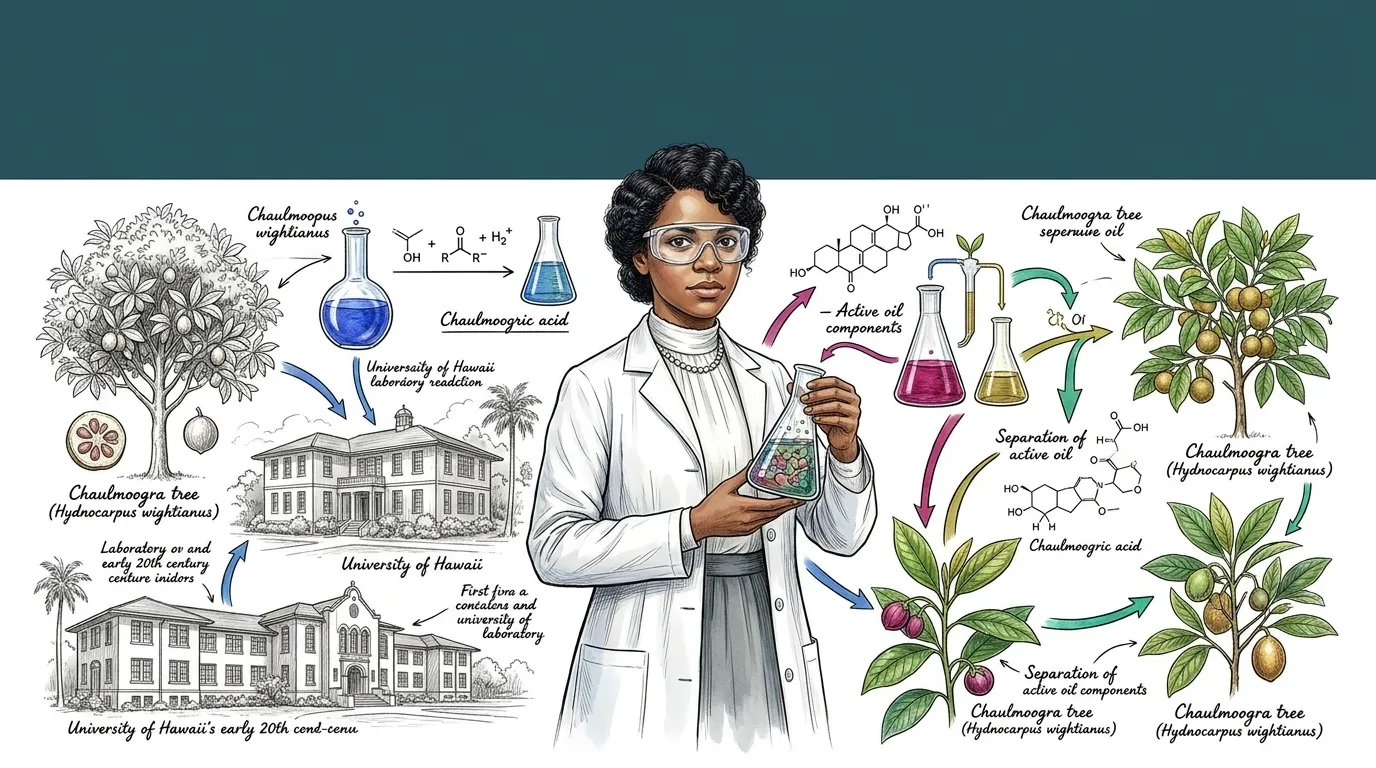
In the vibrant scientific landscape of the early 20th century, a relentless tropical disease cast a long shadow across global health: leprosy, now known as Hansen's disease. For centuries, its treatment remained elusive, often involving isolation and ineffective remedies, until a brilliant young chemist challenged the prevailing medical despair. In 1915, at the University of Hawaii, a groundbreaking discovery emerged that would fundamentally alter the course of treatment, offering genuine hope to millions.
Page 2
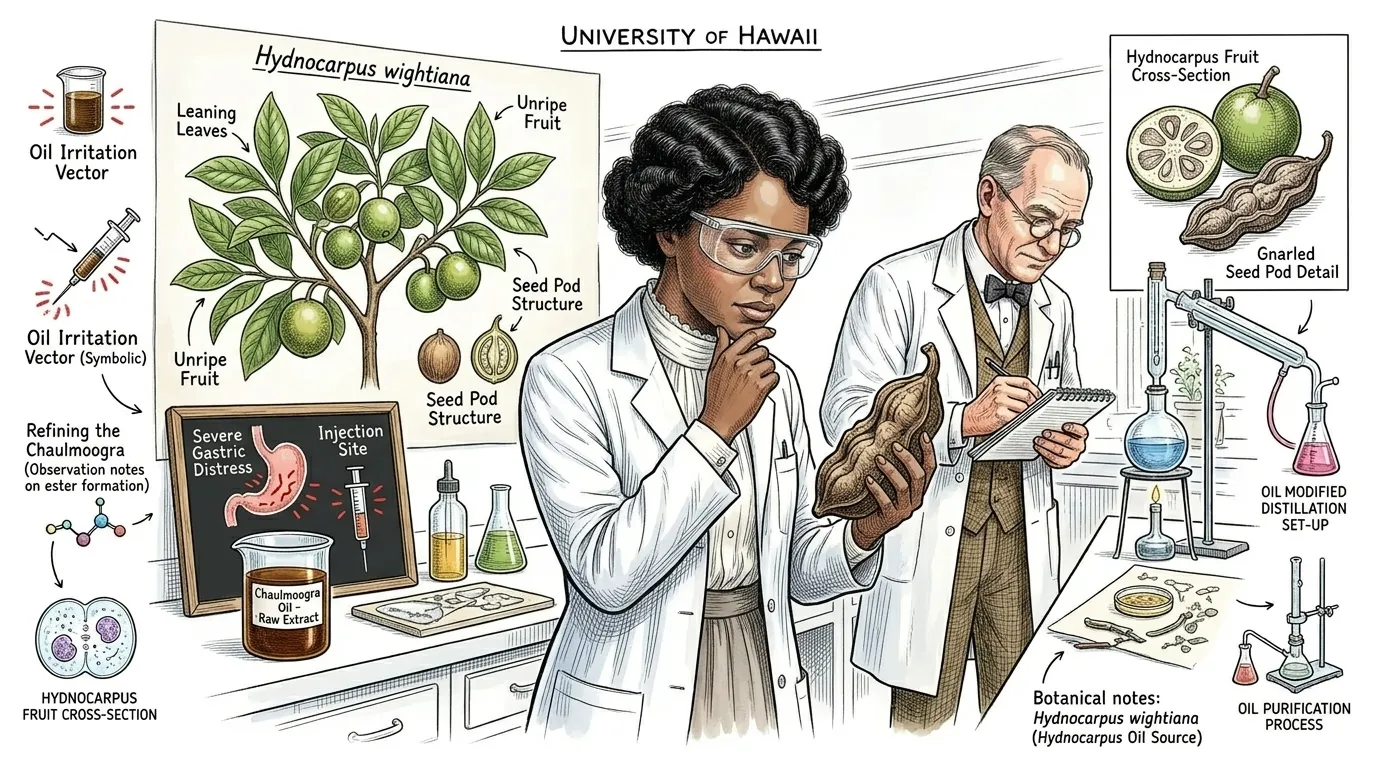
Leprosy, caused by the bacterium Mycobacterium leprae, manifested in devastating skin lesions, nerve damage, and disfigurement, leading to severe social stigma. For centuries, traditional medicine in South Asia and Southeast Asia had recognized the therapeutic properties of chaulmoogra oil, extracted from the seeds of trees like Hydnocarpus wightiana. However, this crude oil presented significant challenges: it was viscous, foul-tasting, and caused severe gastric distress when ingested, and excruciating pain and abscesses when injected.
Page 3
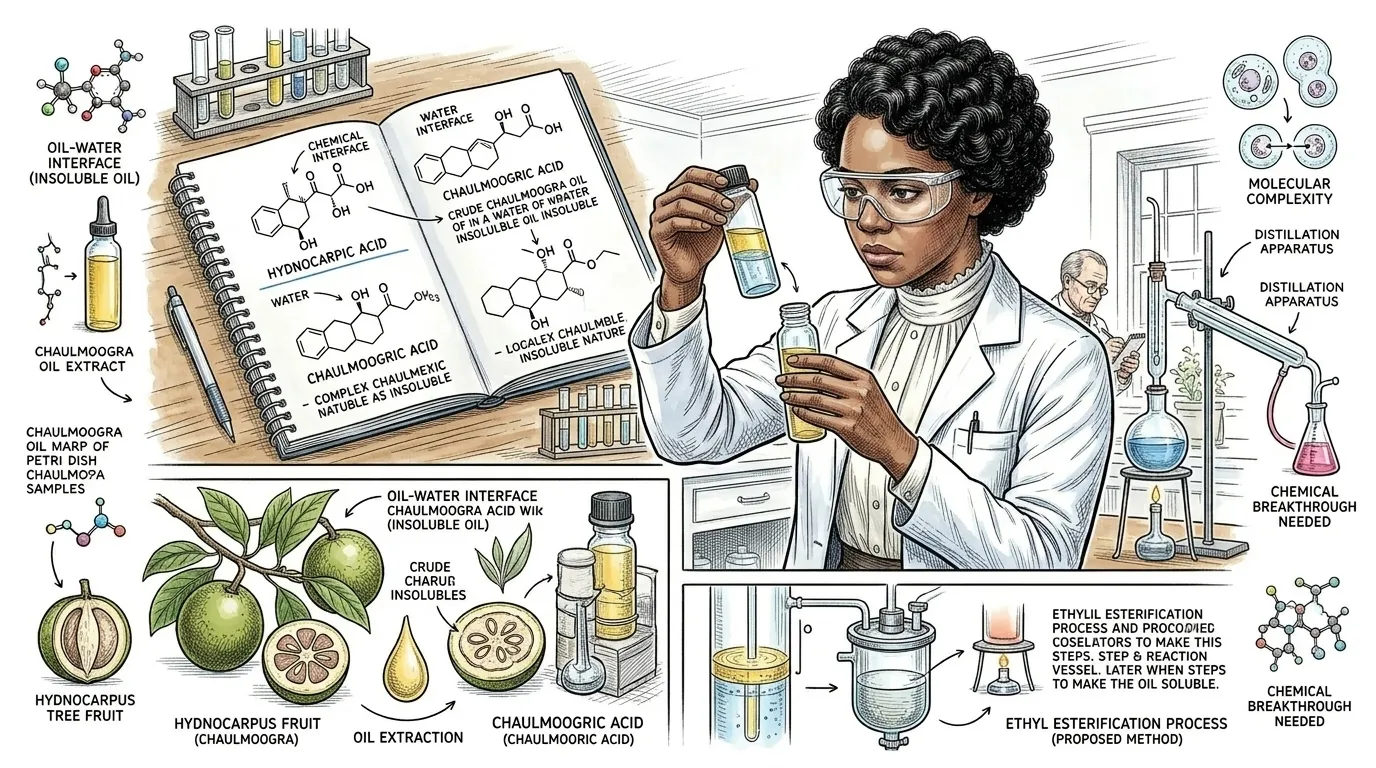
Early attempts to modify chaulmoogra oil focused on making it more palatable or injectable, but lacked a robust chemical understanding. Physicians experimented with crude mixtures, but the inherent insolubility of the oil's active compounds, primarily hydnocarpic acid and chaulmoogric acid, rendered these efforts largely ineffective and often harmful. The compounds refused to dissolve cleanly in water or blood, preventing systemic absorption and consistent therapeutic delivery. This presented a profound chemical challenge: how to transform a potent, yet problematic, natural product into a safe, soluble, and stable medication.
Page 4
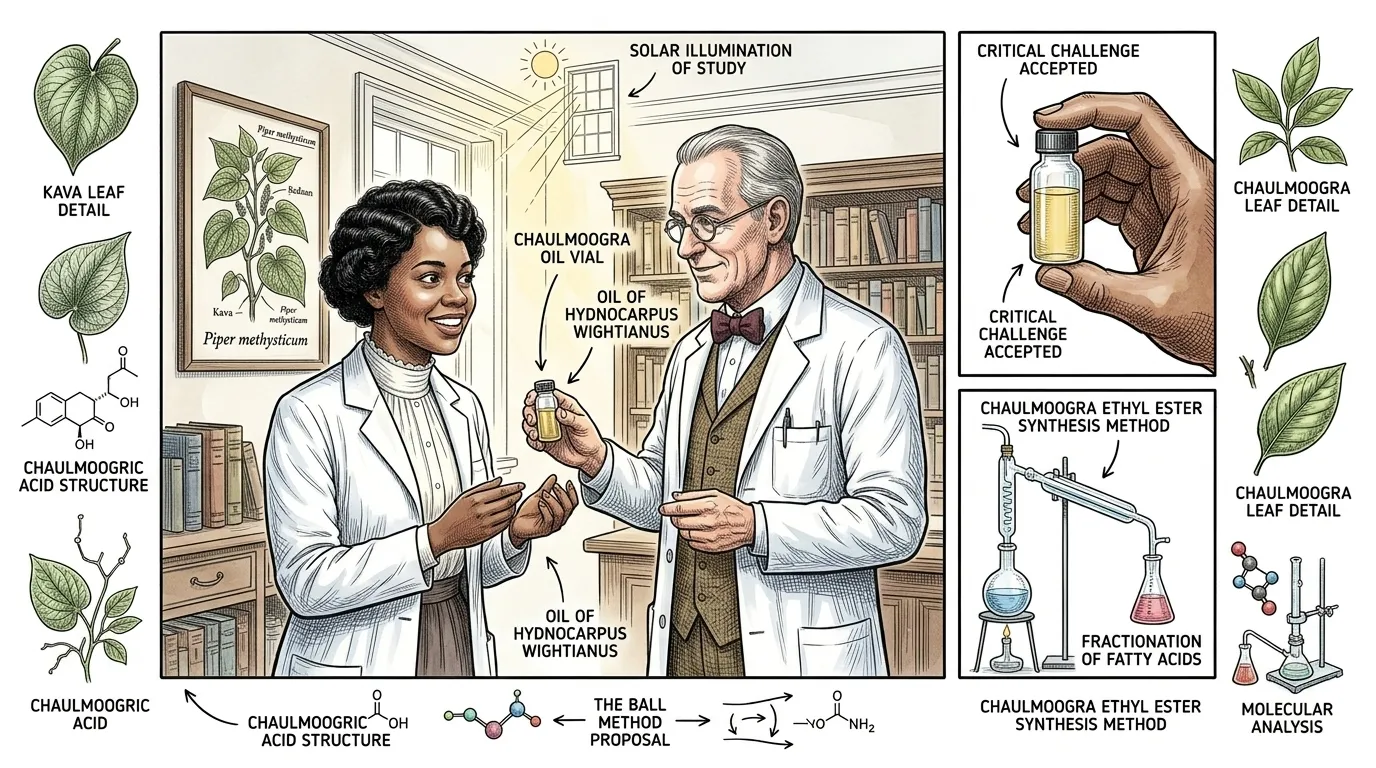
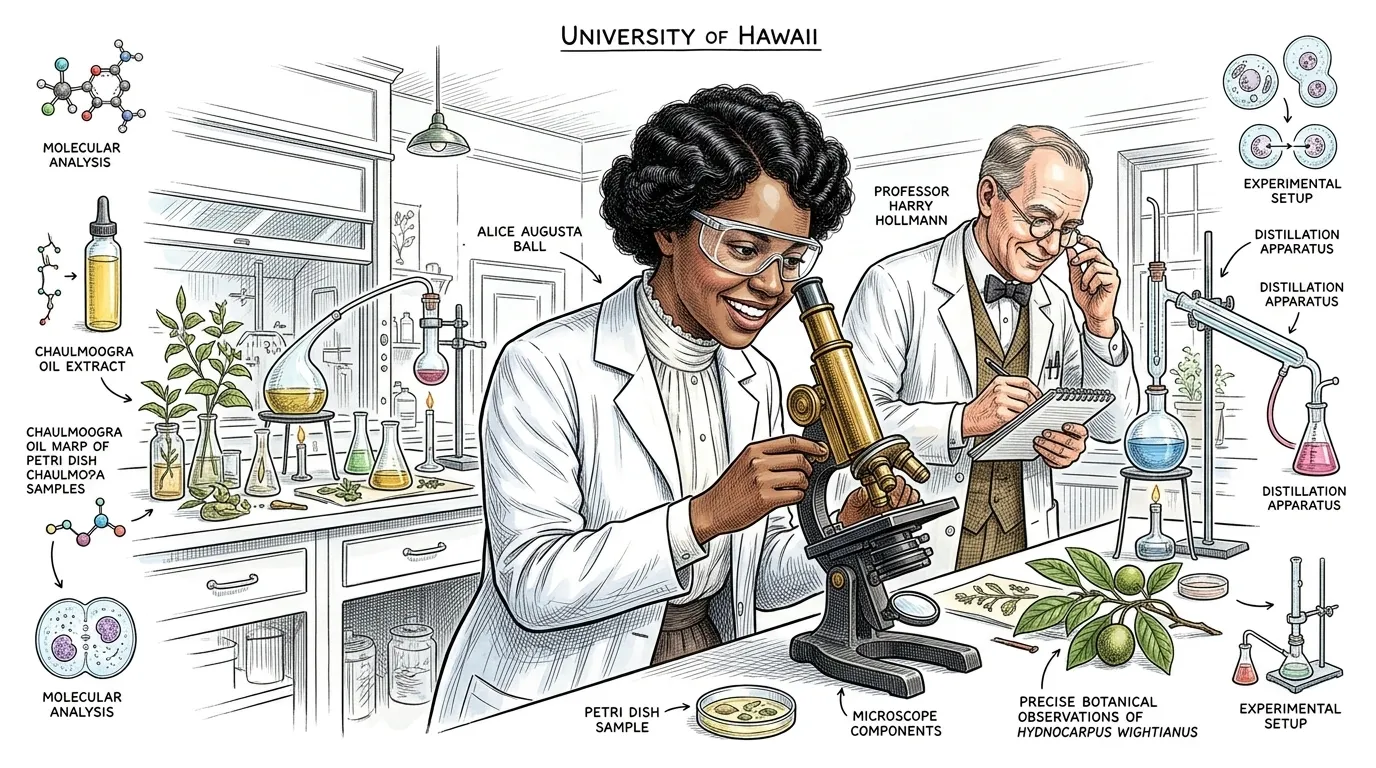
Alice Augusta Ball arrived at the University of Hawaii in 1914, becoming its first African-American and first female master's degree recipient in chemistry. Her graduate research, focused on the chemical constituents of the kava plant, demonstrated her exceptional analytical skills. It was Professor Harry Hollmann, a physician seeking a breakthrough for leprosy, who recognized her talent and presented her with the intractable chaulmoogra oil problem. Ball, barely in her early twenties, applied her expertise in organic chemistry to tackle this seemingly insurmountable medical hurdle with a precision unseen before.
Page 5
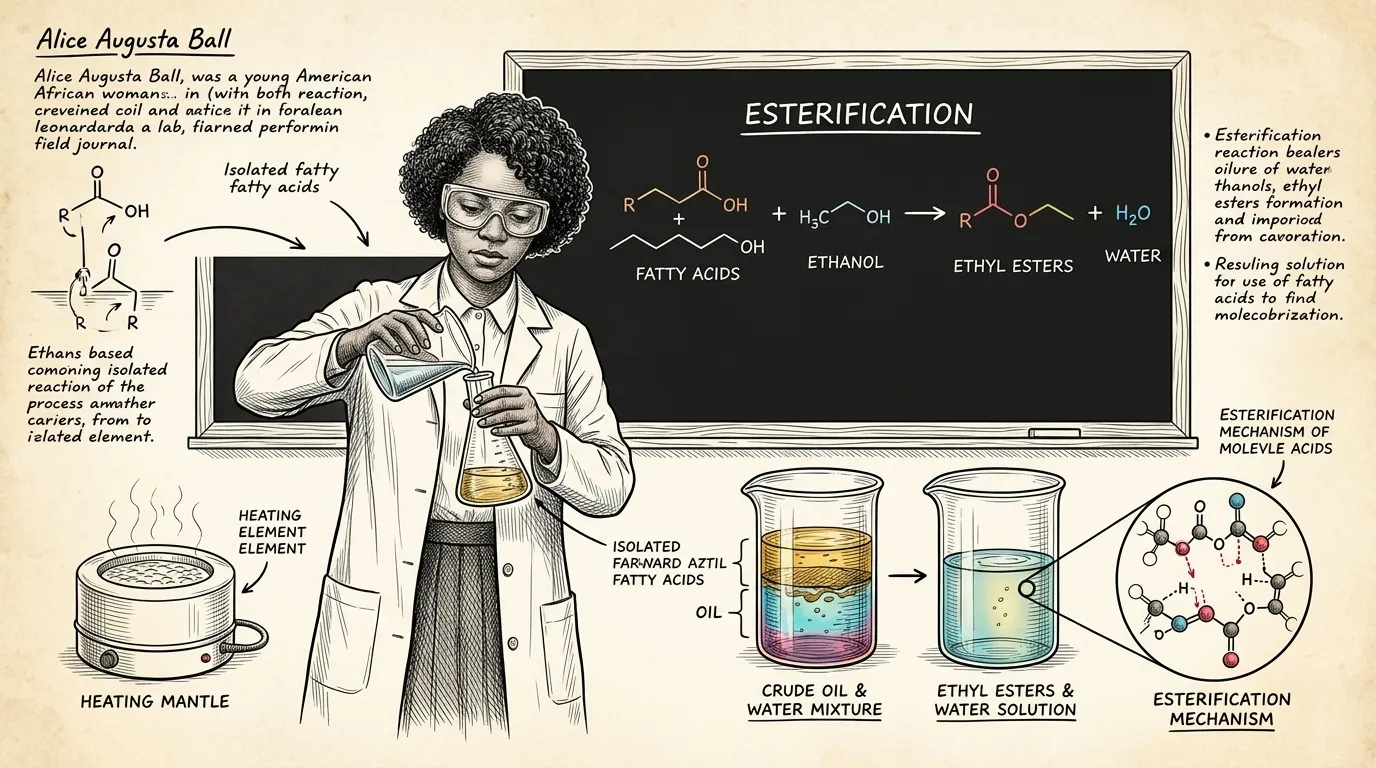
Ball's innovative approach centered on modifying the chaulmoogra oil's chemical structure. Rather than attempting to emulsify the entire oil, she focused on isolating its therapeutic fatty acids—hydnocarpic and chaulmoogric acids—and then converting them into ethyl esters. This process, known as esterification, involved reacting the fatty acids with ethanol. The resulting ethyl esters were less viscous, more stable, and, crucially, water-soluble. This chemical transformation made the active compounds readily injectable into the bloodstream without causing the severe local irritation and pain associated with the crude oil.
Page 6
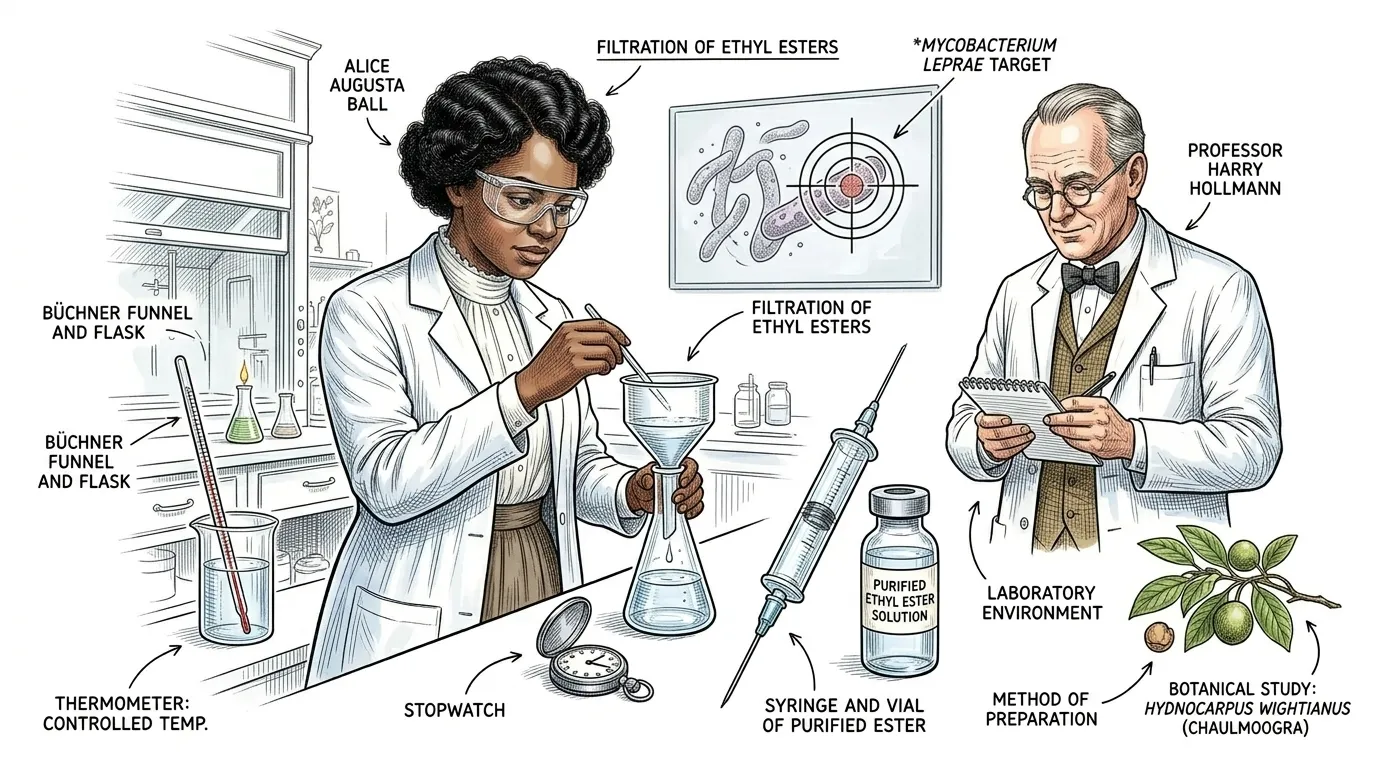
The 'Ball Method' was not merely about creating ethyl esters; it was a refined process ensuring their purity and stability. Her technique involved precise control over temperature and reaction time, followed by careful purification steps. This yielded a product that could be safely injected intramuscularly, allowing the active compounds to slowly release into the body and combat Mycobacterium leprae effectively. For the first time, patients could receive consistent, therapeutic doses without the debilitating side effects that had plagued earlier treatments. It was a triumph of chemical engineering for medical application.
Page 7
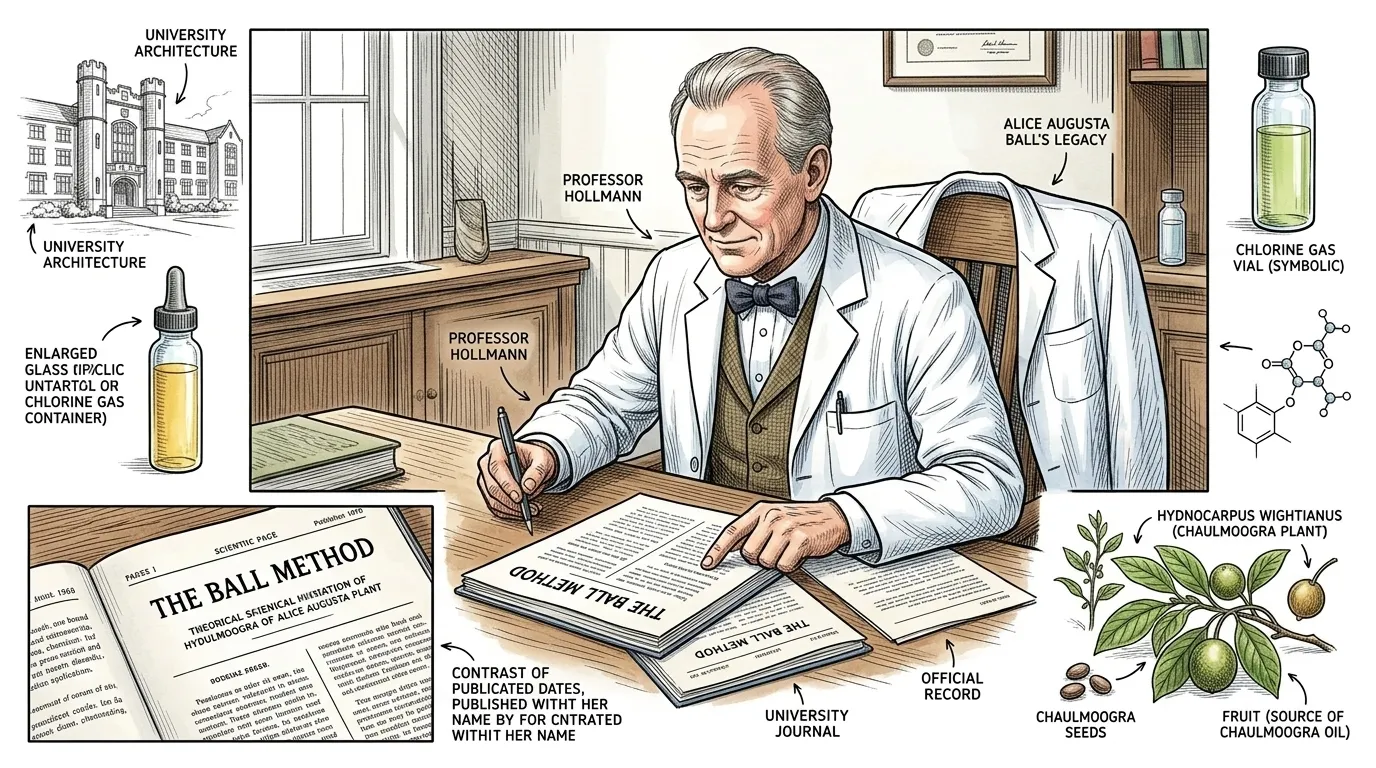
Tragically, Alice Ball's life was cut short in 1916 at the age of 24, likely due to chlorine poisoning from laboratory exposure during her research. She never lived to see the full impact of her monumental achievement. It was Professor Hollmann who initially announced her discovery, and after her passing, University President Arthur Dean continued her work, publishing findings without initially giving her full credit. However, Hollmann later ensured Ball's name was recognized, referring to the injectable solution as the 'Ball Method.' Her contribution, though briefly overshadowed, would soon reach clinics worldwide.
Page 8
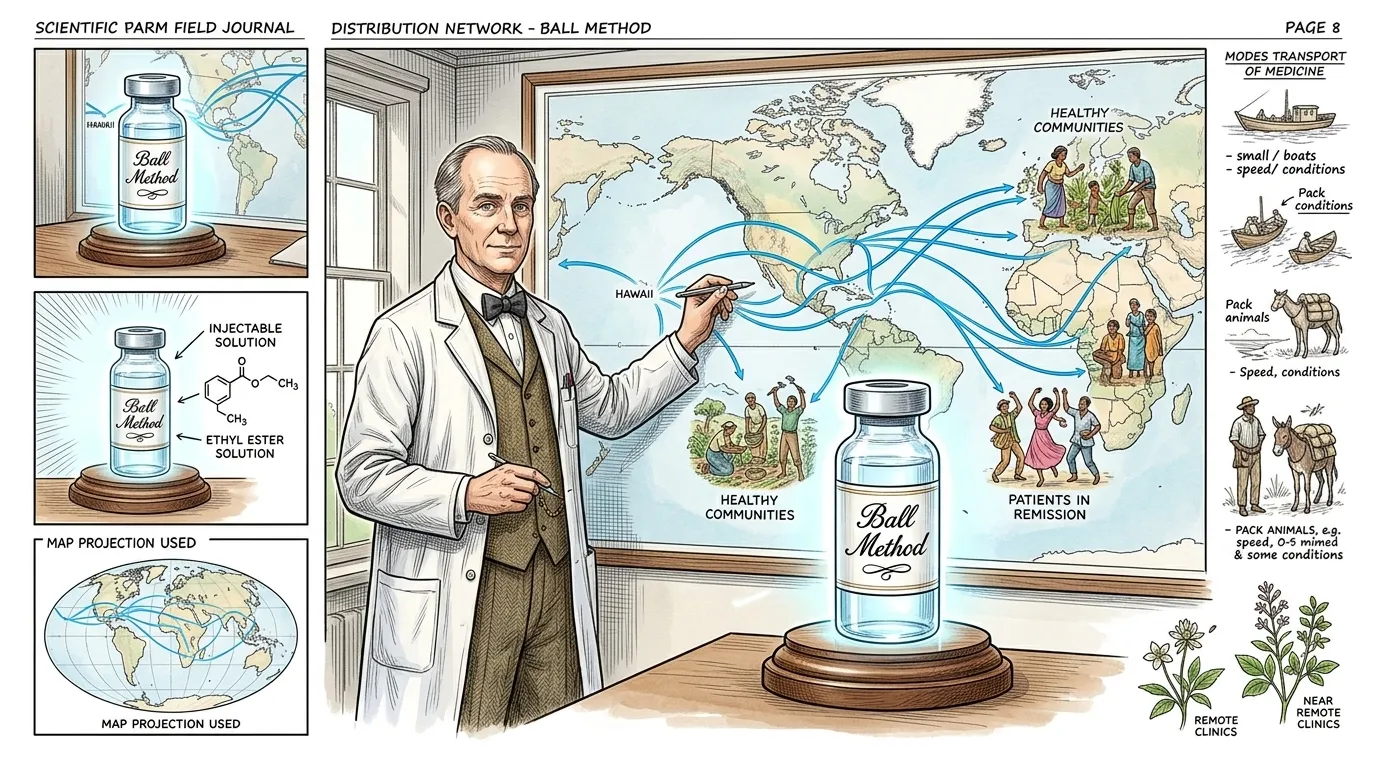
With the widespread adoption of the 'Ball Method,' treatment for leprosy underwent a revolutionary transformation. Hospitals and sanatoria across the globe, from Hawaii to the Philippines, India, and Africa, began administering the injectable chaulmoogra oil ethyl esters. Patients who had once faced a grim, hopeless future now experienced significant improvements, with many achieving remission and returning to their communities. This safe, effective, and accessible treatment became the standard for leprosy therapy for over three decades, until the advent of sulphone drugs in the 1940s.
Page 9
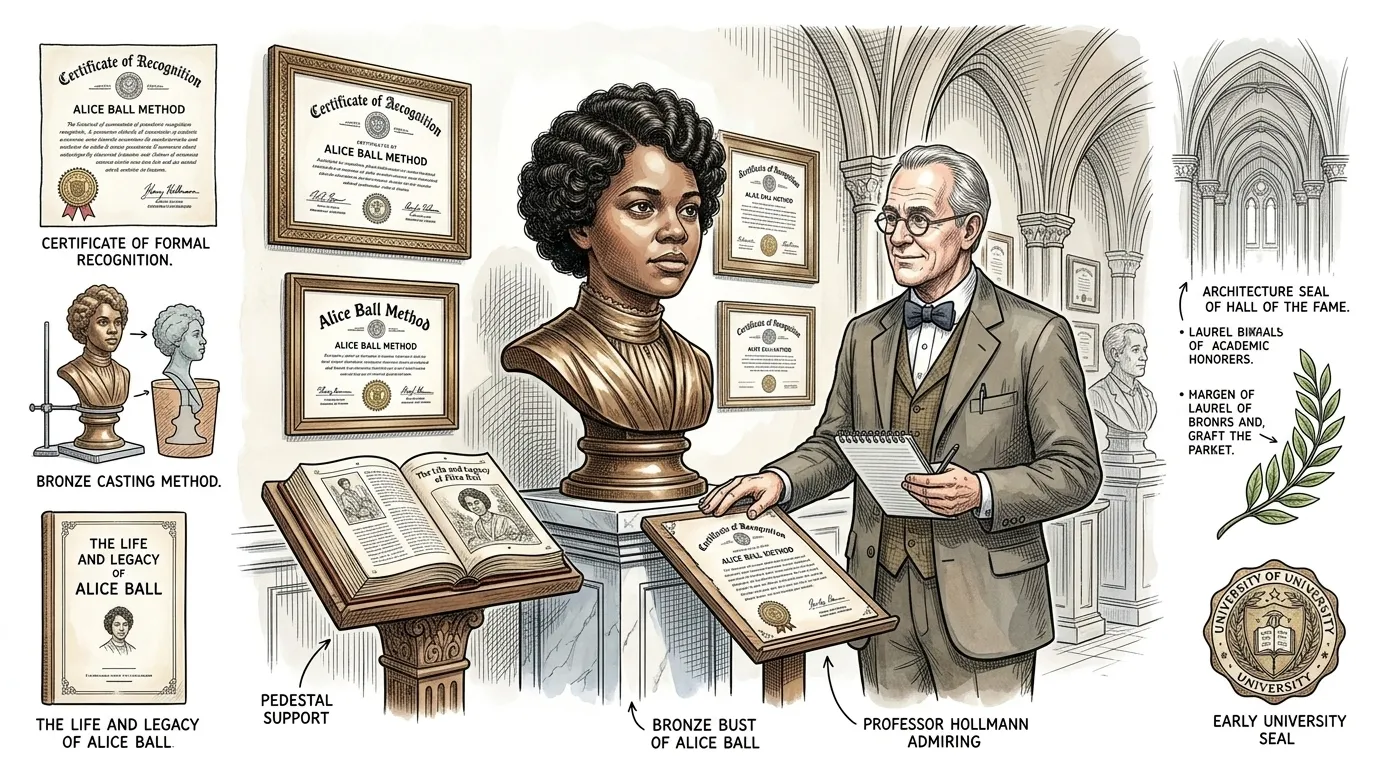
Despite the initial oversight, Alice Ball's monumental contribution to medicine could not remain buried. Throughout the latter half of the 20th century and into the 21st, efforts intensified to acknowledge her rightful place in scientific history. Researchers, historians, and advocates championed her story, leading to formal recognition from the University of Hawaii and beyond. Statues, scholarships, and proclamations now honor her name, solidifying her legacy as a pioneering chemist whose innovative work alleviated suffering on a global scale and paved the way for future drug development.
Page 10
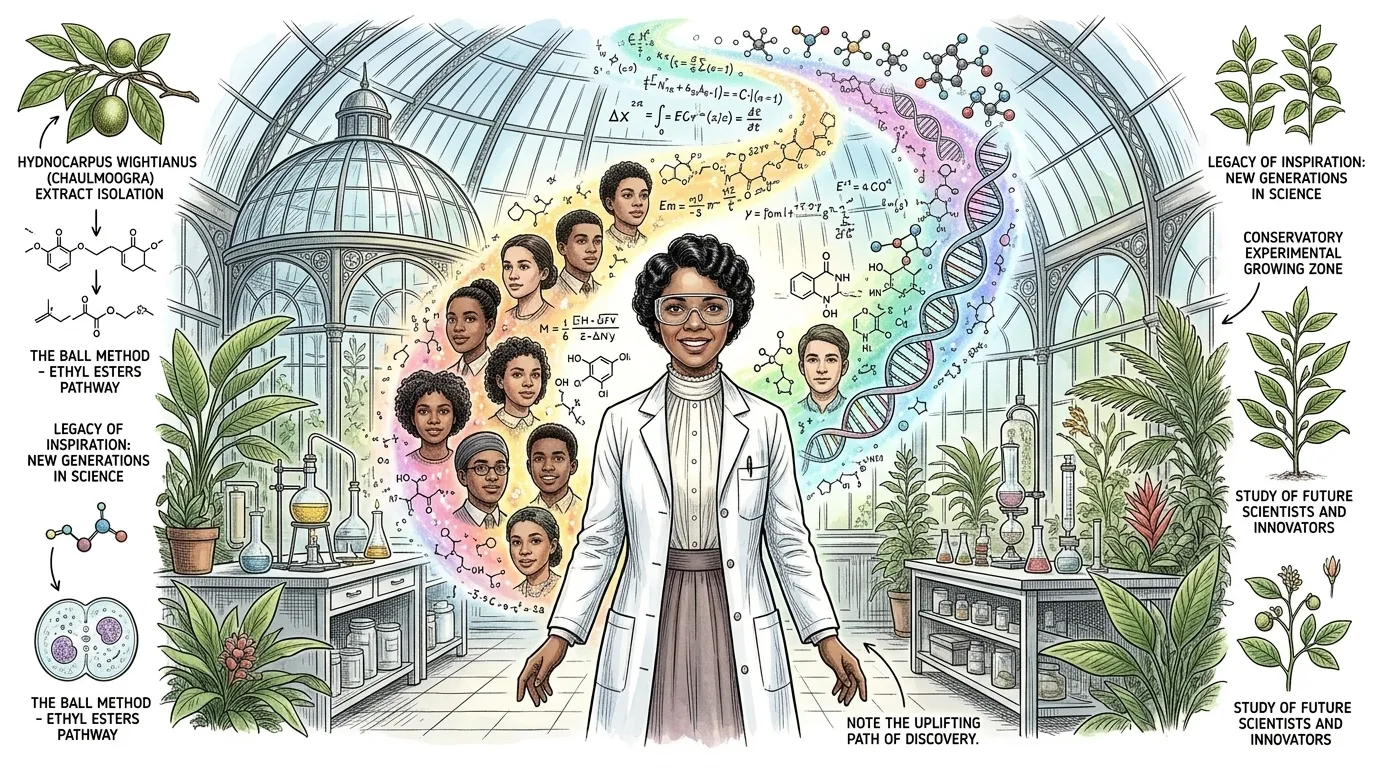
Alice Augusta Ball's story is a powerful testament to the transformative potential of scientific inquiry, even when faced with immense challenges and systemic barriers. Her singular focus and chemical ingenuity not only revolutionized leprosy treatment but also underscored the critical importance of diversity in scientific thought. The 'Ball Method' stands as a beacon of medical progress, a reminder that breakthroughs often come from unexpected places and from minds unafraid to challenge conventional wisdom. Her legacy continues to inspire generations of scientists, particularly women and people of color, to pursue their curiosity and leave an indelible mark on the world.
About this story
- Location: Global
- Audience: general readers
Questions and answers
Read Wonder Science on your phone
Wonder Science is available on Android. Get Wonder Science on Google Play.