Anousheh Ansari
Anousheh Ansari — an illustrated science story, set in Global. 10 illustrated pages, free to read on Wonder Science.
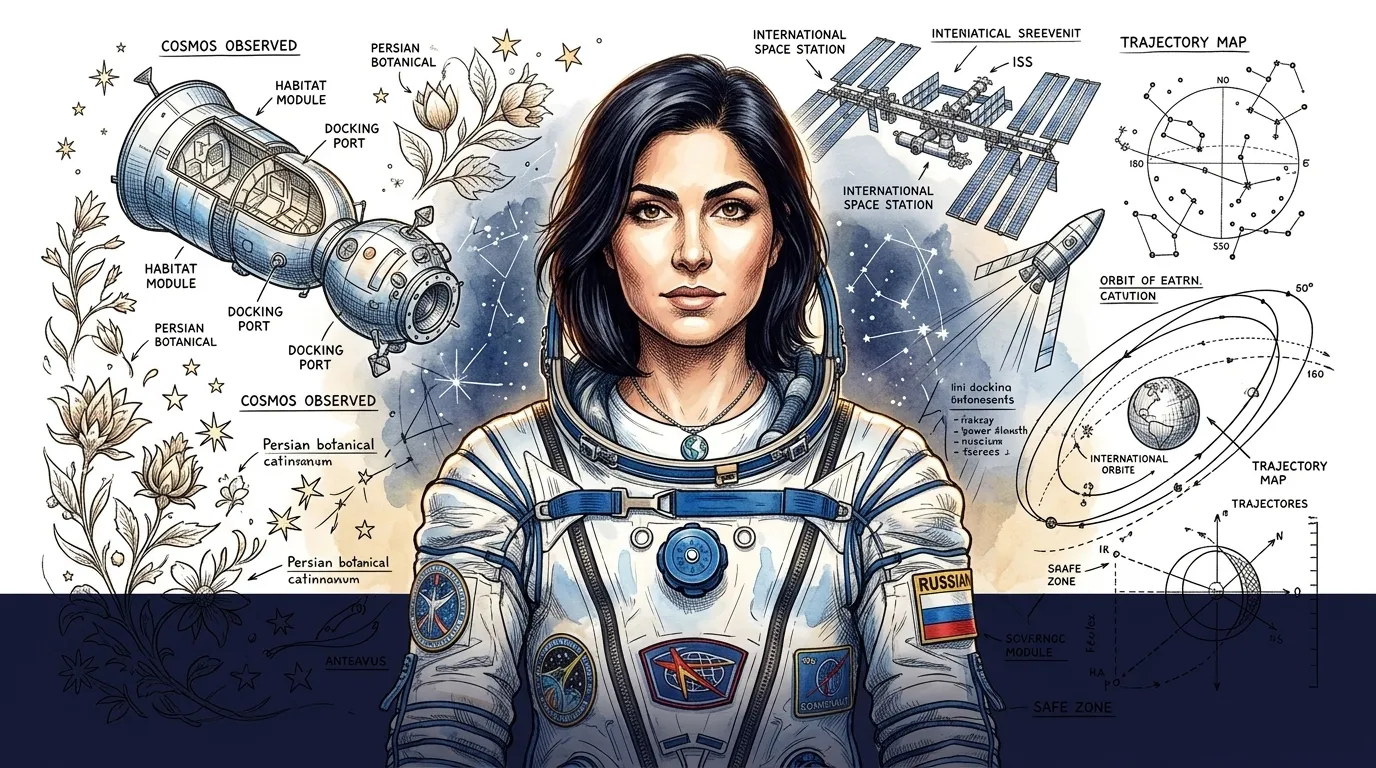
Page 1
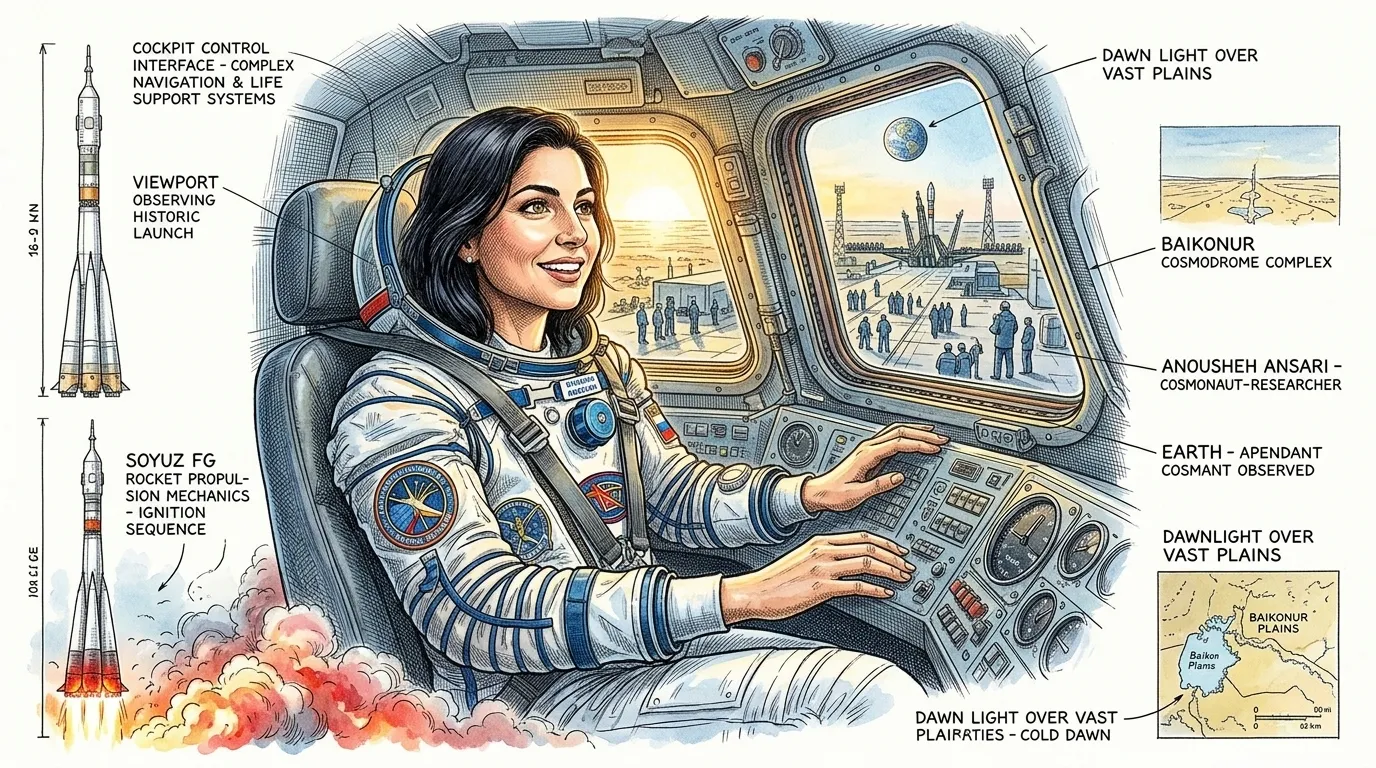
In the cold dawn of September 18, 2006, from the vast, historic plains of the Baikonur Cosmodrome, a Soyuz rocket ignited, shattering the silence. Aboard the spacecraft sat Anousheh Ansari, an engineer, entrepreneur, and a trailblazer poised to redefine the human relationship with space. She was not a government astronaut, but a private citizen, embarking on a journey that marked a profound shift in orbital access. Her ascent represented a convergence of ambition, technological prowess, and a burgeoning new era in space exploration.
Page 2
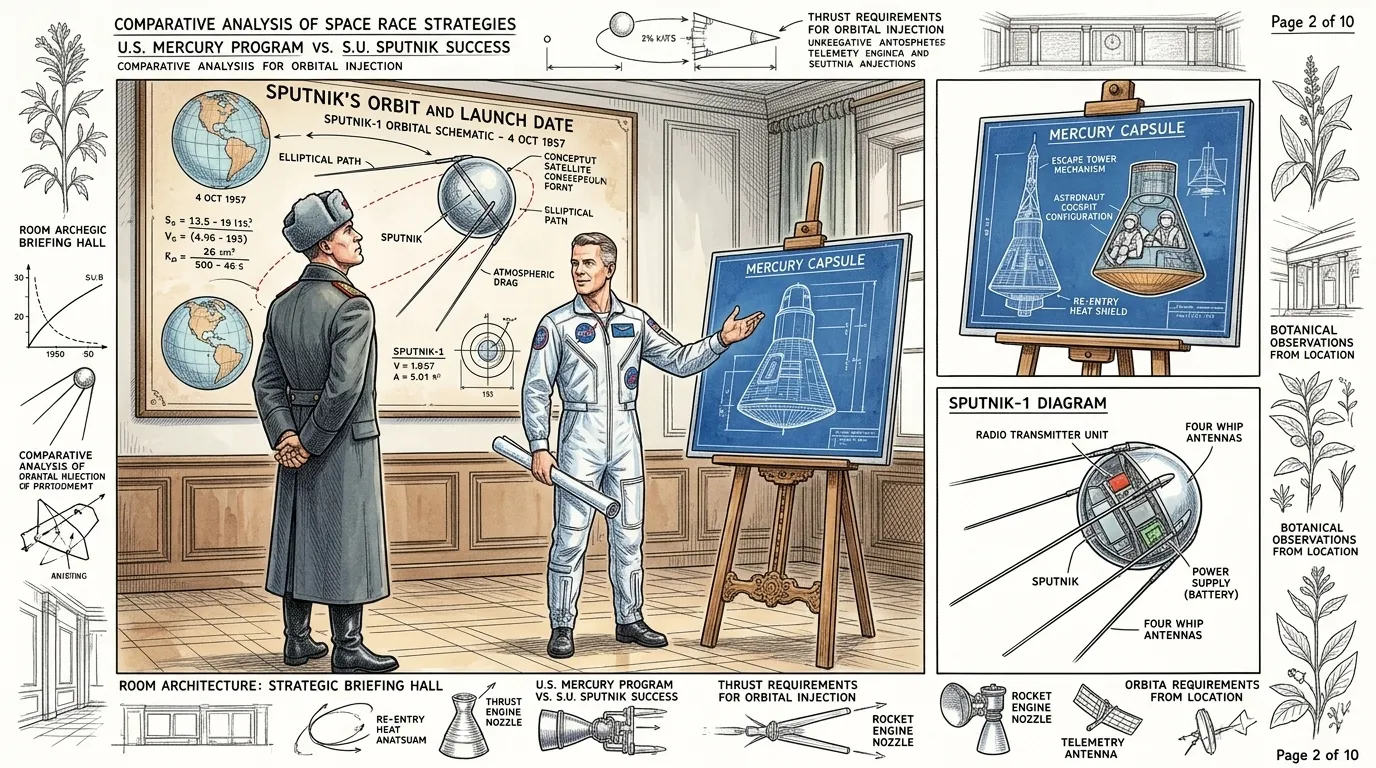
For decades, space was an exclusive domain, a frontier accessible only through the immense resources and strategic imperatives of national governments. The Space Race, ignited by the Sputnik launch in 1957 by the Soviet Union, saw nations like the Soviet Union and the United States pour vast fortunes into developing the infrastructure for human spaceflight. Cosmonauts and astronauts were highly trained military personnel or elite scientists, selected through grueling processes for state-sanctioned missions. This centralized control, while achieving monumental feats, limited space access to a privileged few, creating a seemingly insurmountable barrier for private individuals.
Page 3
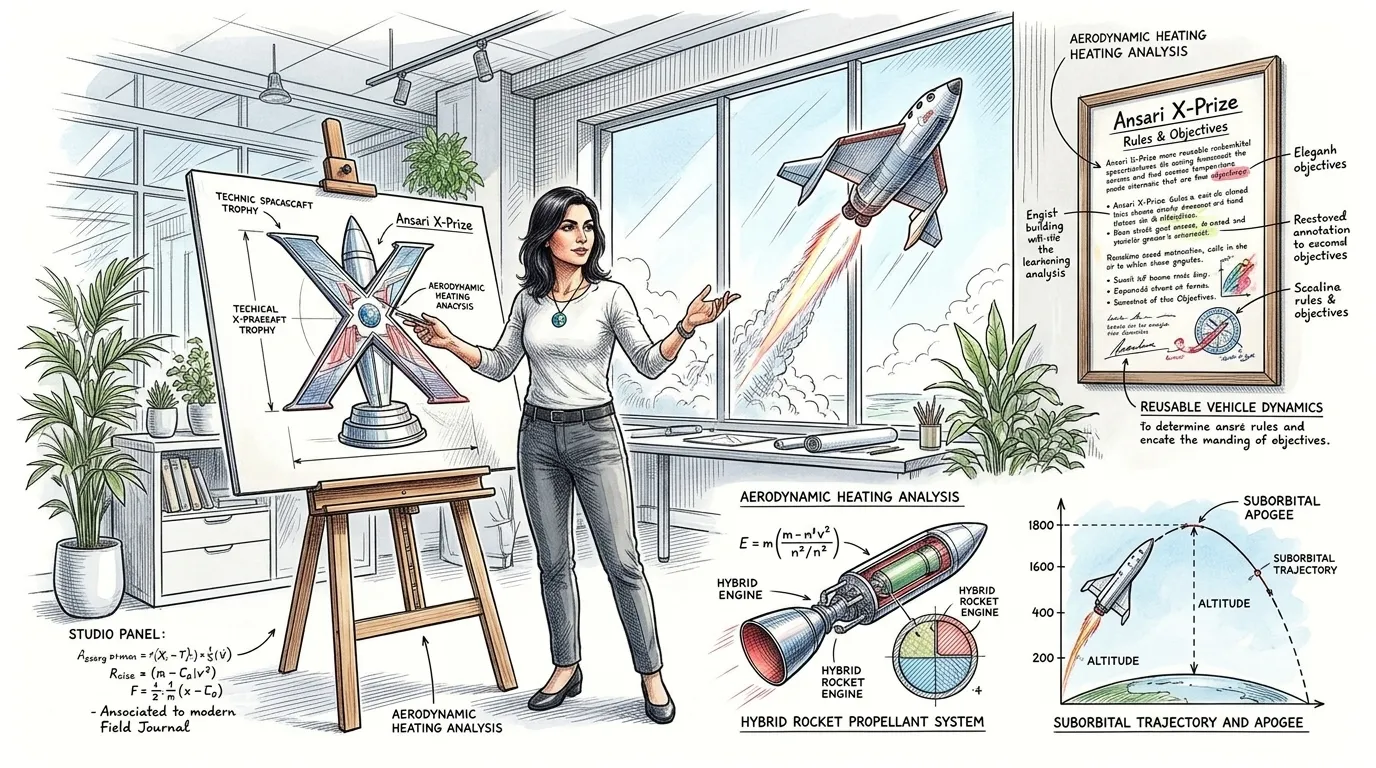
The paradigm began to shift with the emergence of visionary initiatives. Central to this transformation was the Ansari X-Prize, a groundbreaking incentive competition launched in 1996. Modeled after early 20th-century aviation prizes, it challenged private entities to build and launch a reusable manned spacecraft into suborbital space twice within two weeks. Anousheh Ansari and her family provided the crucial multi-million dollar sponsorship in 2004, recognizing its potential to democratize space. This prize served as a powerful catalyst, stimulating innovation and demonstrating that space access could be achieved through private enterprise, independent of government programs.
Page 4
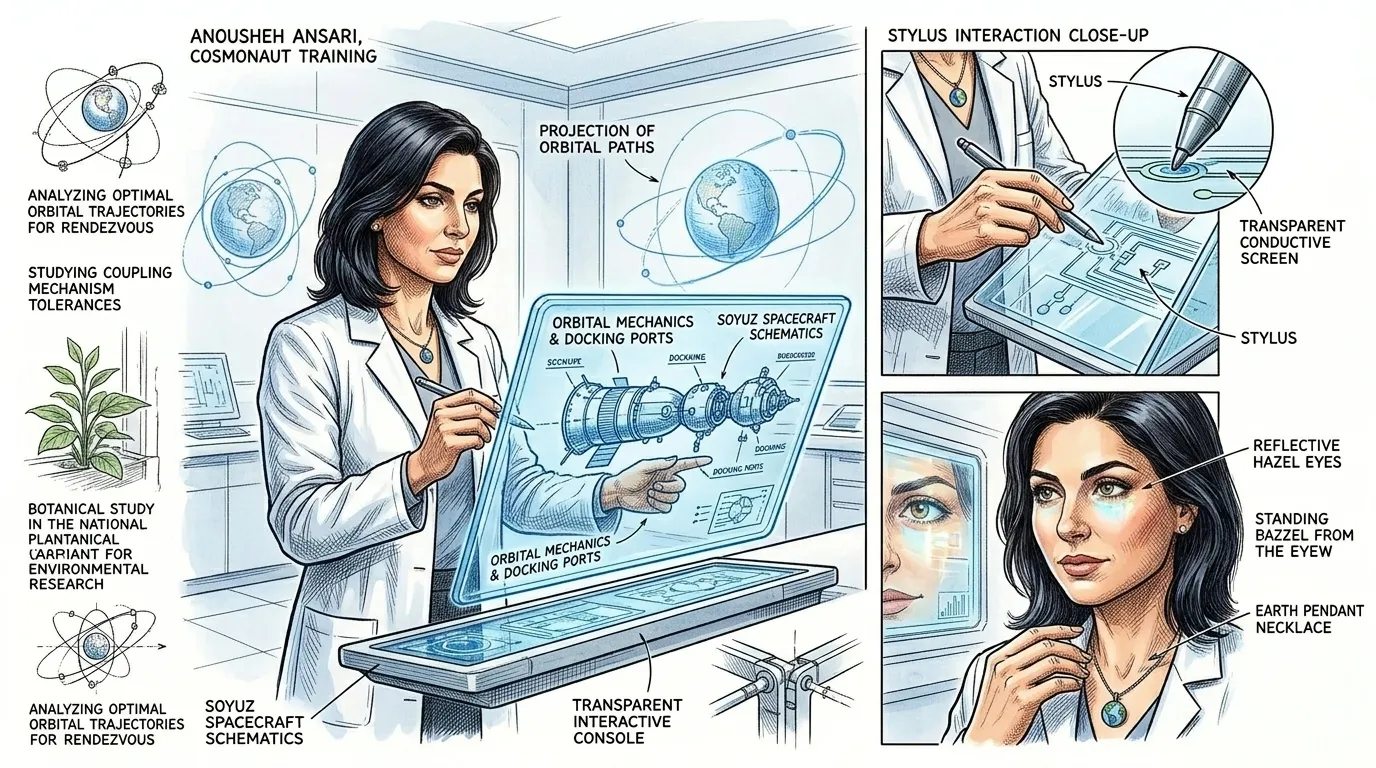
Winning the Ansari X-Prize in 2004 validated the commercial space concept, but Anousheh Ansari's ambition extended beyond suborbital flight. Her ultimate goal was to reach orbital space, a far more complex endeavor requiring sustained high velocities and the ability to dock with an existing orbital platform. This journey demanded collaboration with established space powers, specifically Russia's Roscosmos, which possessed the proven Soyuz technology and the infrastructure for orbital missions. Her persistence and financial investment opened a new path for private citizens to become spaceflight participants, transforming the aspirational into the achievable.
Page 5
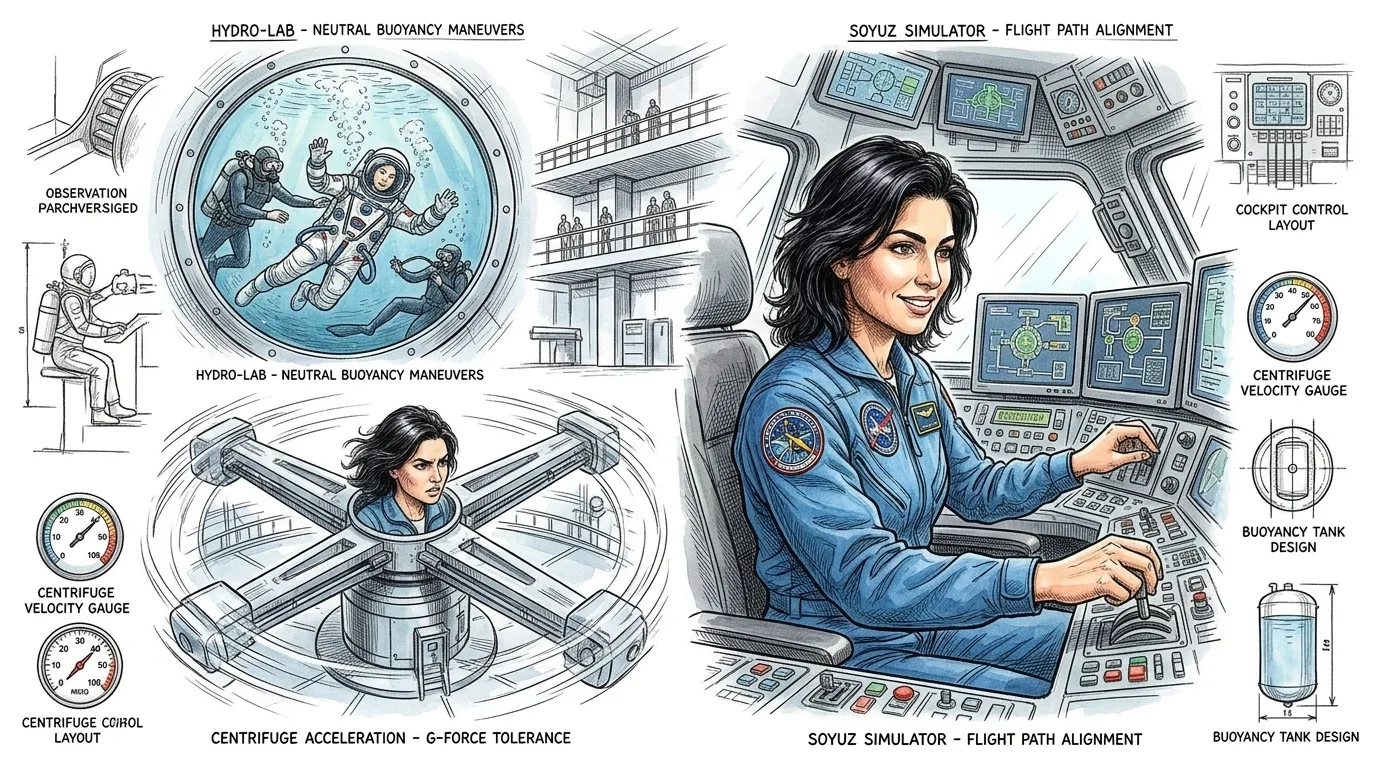
To prepare for her orbital mission, Anousheh Ansari underwent an intensive, six-month cosmonaut training regimen at Star City, Russia, the same rigorous program designed for professional cosmonauts. This involved mastering complex Soyuz systems, enduring centrifuge training to simulate launch and reentry G-forces, and experiencing weightlessness in hydro-labs. She trained alongside professional crews, demonstrating her commitment and capacity to meet the exacting demands of spaceflight. This wasn't merely a tourist trip; it was a deeply personal and scientifically significant endeavor, requiring extreme physical and mental fortitude.
Page 6
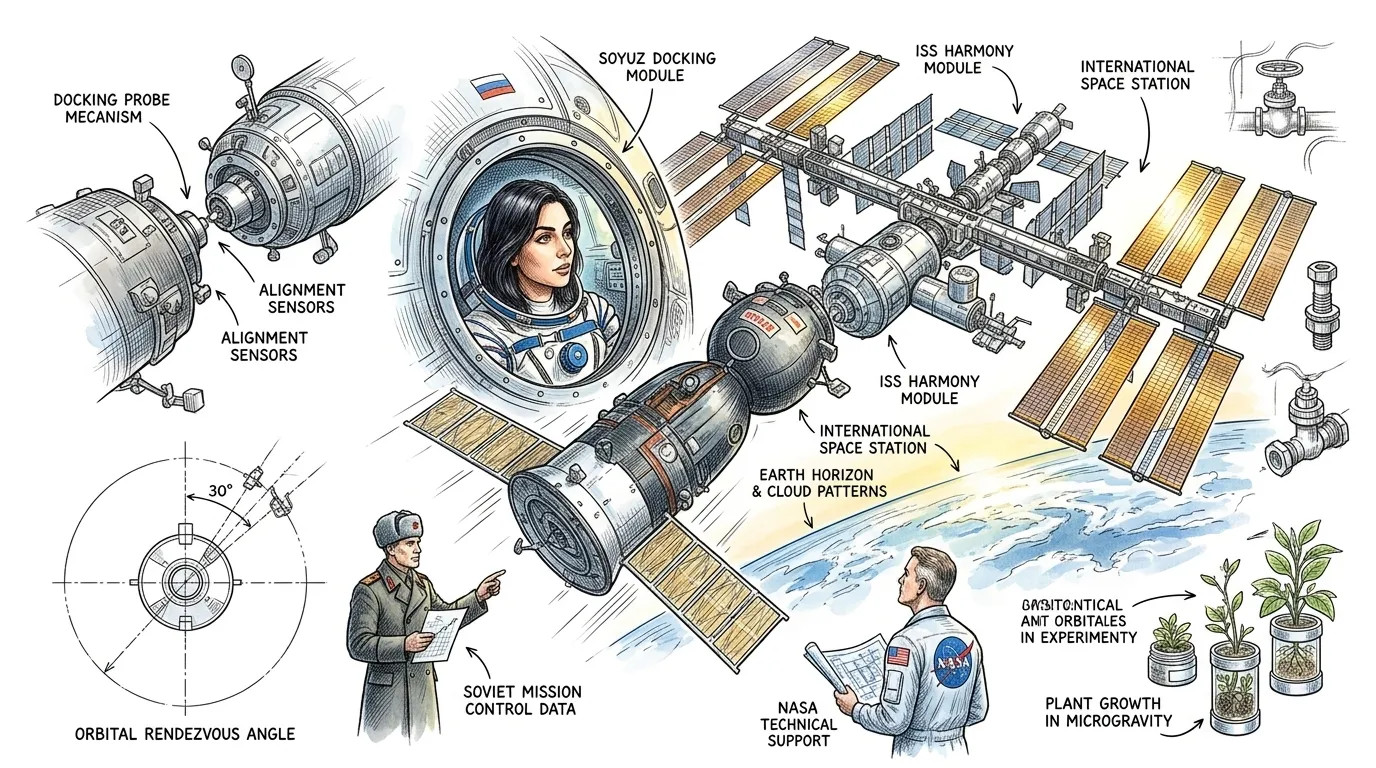
The Soyuz spacecraft, a marvel of robust engineering, served as Anousheh Ansari's vessel to orbit. After its powerful launch, the vehicle executed a series of precise orbital maneuvers over two days, gradually adjusting its trajectory to rendezvous with the International Space Station (ISS). This intricate ballet of physics and navigation culminated in a delicate docking procedure, connecting the Soyuz module to the orbiting laboratory. The precision required for such a maneuver is immense, relying on sophisticated guidance systems and the skilled hands of the cosmonaut commander, ensuring a safe arrival at their microgravity destination.
Page 7
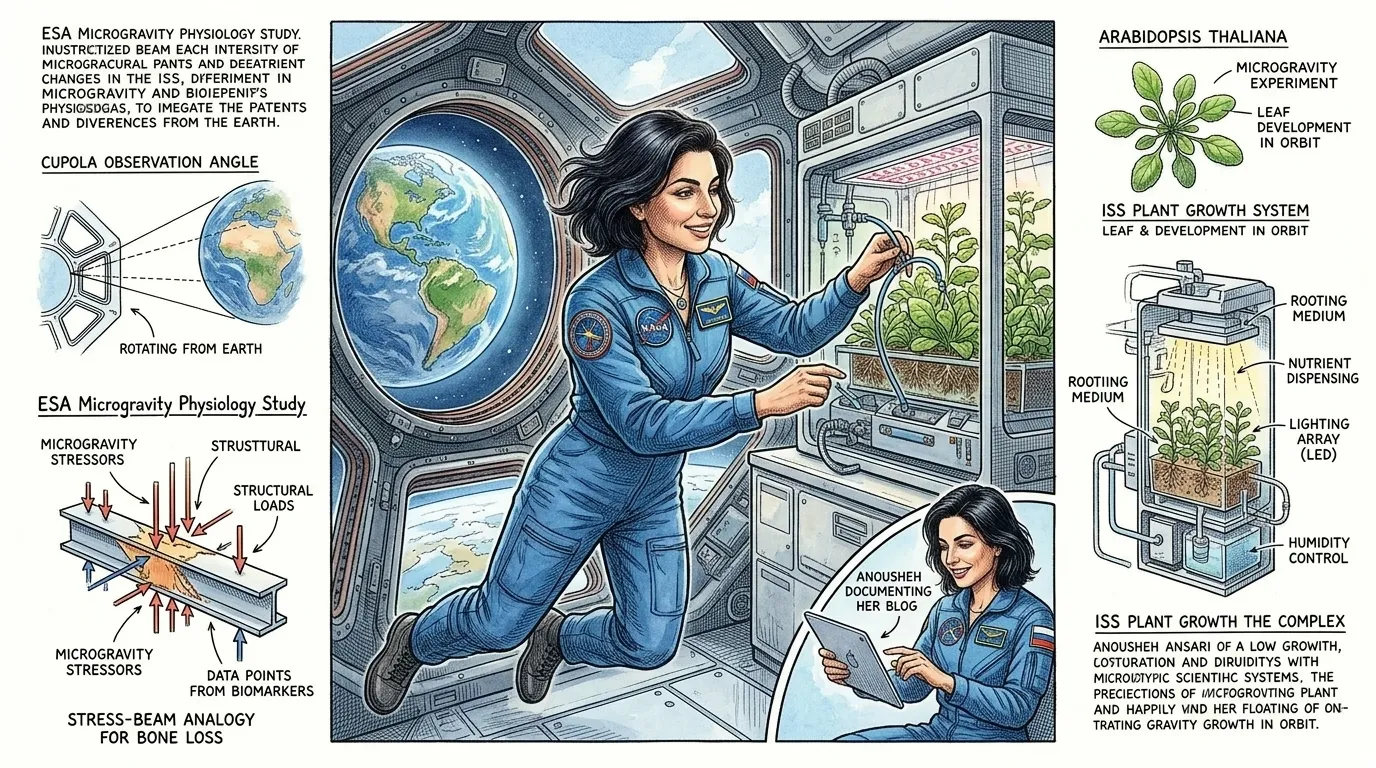
For eight days, Anousheh Ansari lived and worked aboard the International Space Station, orbiting Earth every 90 minutes. In this unique microgravity environment, she conducted several experiments for the European Space Agency, focusing on physiology and the mechanisms of back pain. Beyond her scientific contributions, her presence in orbit as a private citizen underscored the potential for broader human engagement with space. She documented her experiences, sharing the profound wonder of seeing Earth from above and communicating with millions through her blog, becoming a living testament to humanity's enduring quest for discovery.
Page 8
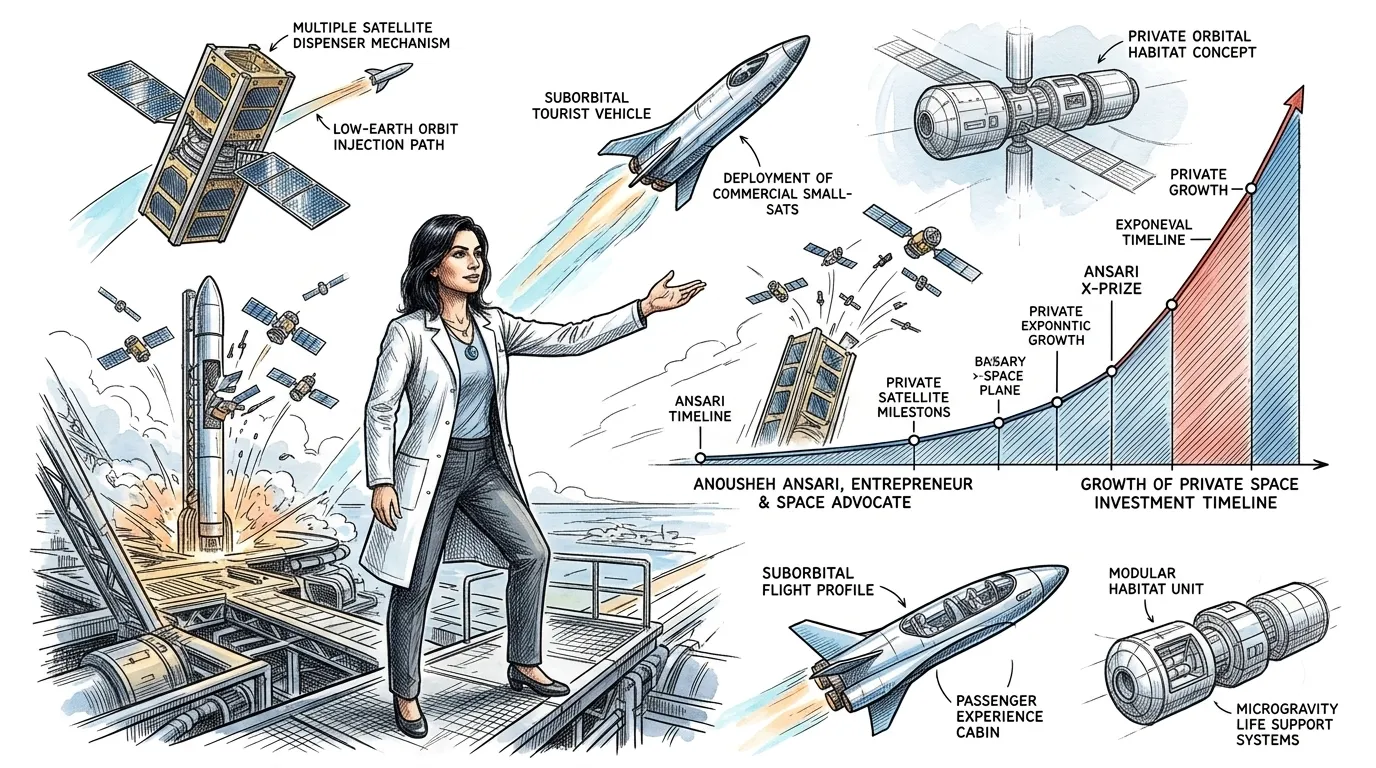
Anousheh Ansari's journey was more than a personal triumph; it was a powerful validation of the burgeoning private space sector. Her flight, following the X-Prize success, signaled a new era where access to space was no longer solely the purview of government agencies. It catalyzed investment, encouraged technological innovation, and fostered competition among commercial companies striving to make space travel more affordable and accessible. This shift has led to an explosion of new ventures, from suborbital tourism to private orbital habitats and satellite deployment, reshaping the economics and logistics of space exploration.
Page 9
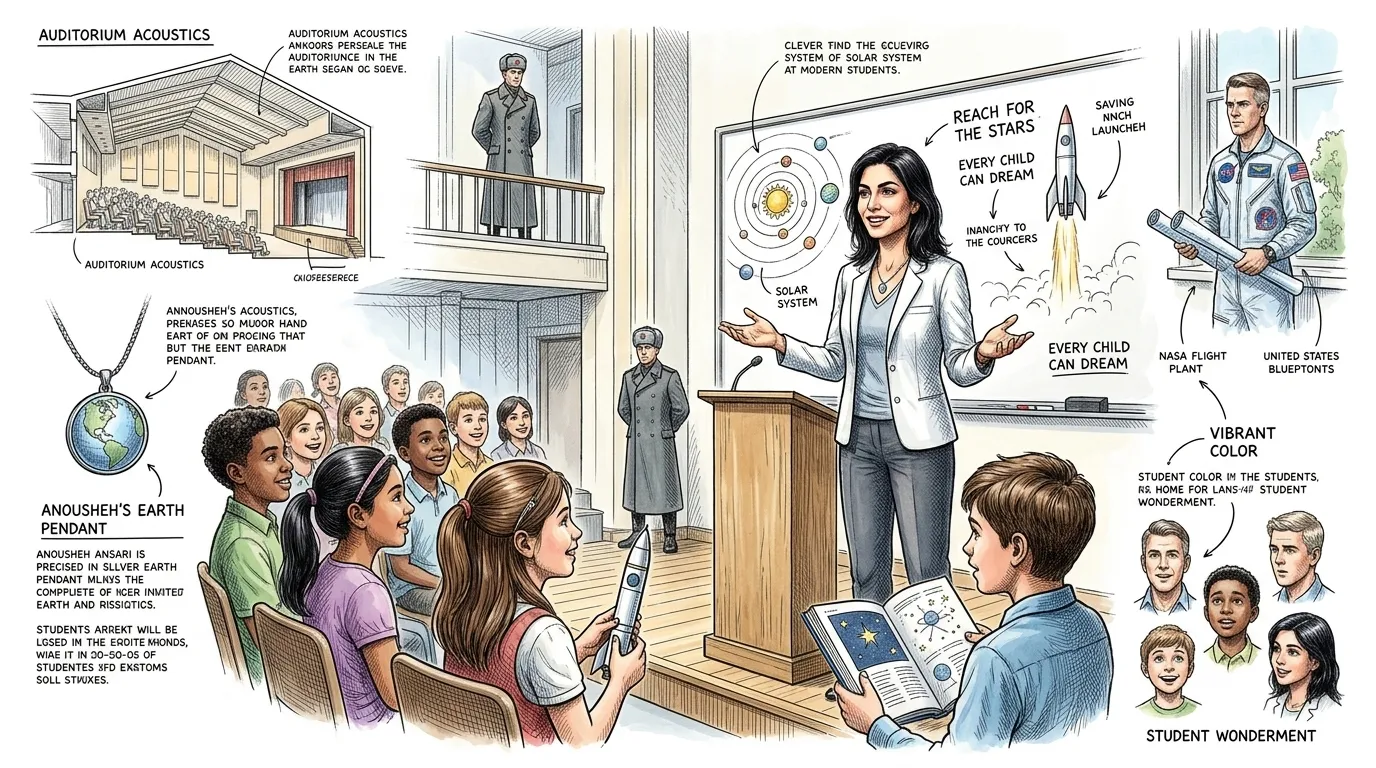
Beyond her direct contributions to private spaceflight, Anousheh Ansari has become a global ambassador for science and engineering, particularly for young women and minorities. Her story exemplifies resilience, the power of private initiative, and the boundless possibilities of human ingenuity. She frequently engages in public speaking, advocating for STEM education and inspiring new generations to pursue their dreams, whether they lie in the depths of scientific research or the vastness of the cosmos. Her legacy is one of opening doors, not just to space, but to minds eager to explore and innovate.
Page 10
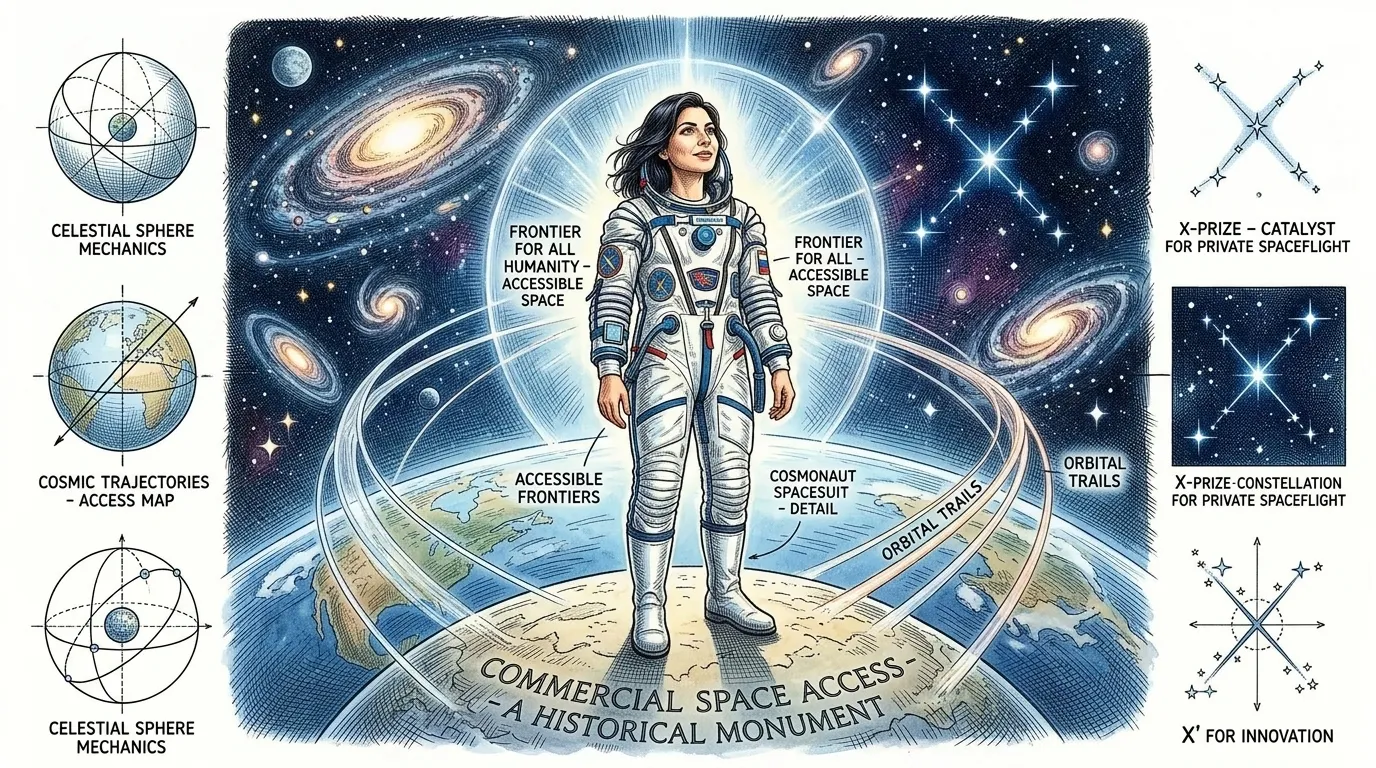
Anousheh Ansari's journey transcended personal ambition, reshaping the narrative of who can reach space and why. Her commitment to the Ansari X-Prize and her subsequent orbital flight etched her name into the annals of space history, not merely as a 'space tourist,' but as a vital pioneer of commercial space access. Her legacy continues to resonate, challenging the old paradigms and fostering a future where space is not an unreachable government preserve but a frontier for all of humanity to explore, innovate, and inspire. The questions she raised about the future of human presence in space, its ethics, and its potential, remain more pertinent than ever.
About this story
- Location: Global
- Audience: general readers
Questions and answers
Read Wonder Science on your phone
Wonder Science is available on Android. Get Wonder Science on Google Play.