Barbara McClintock
Barbara McClintock — an illustrated science story, set in Global. 10 illustrated pages, free to read on Wonder Science.
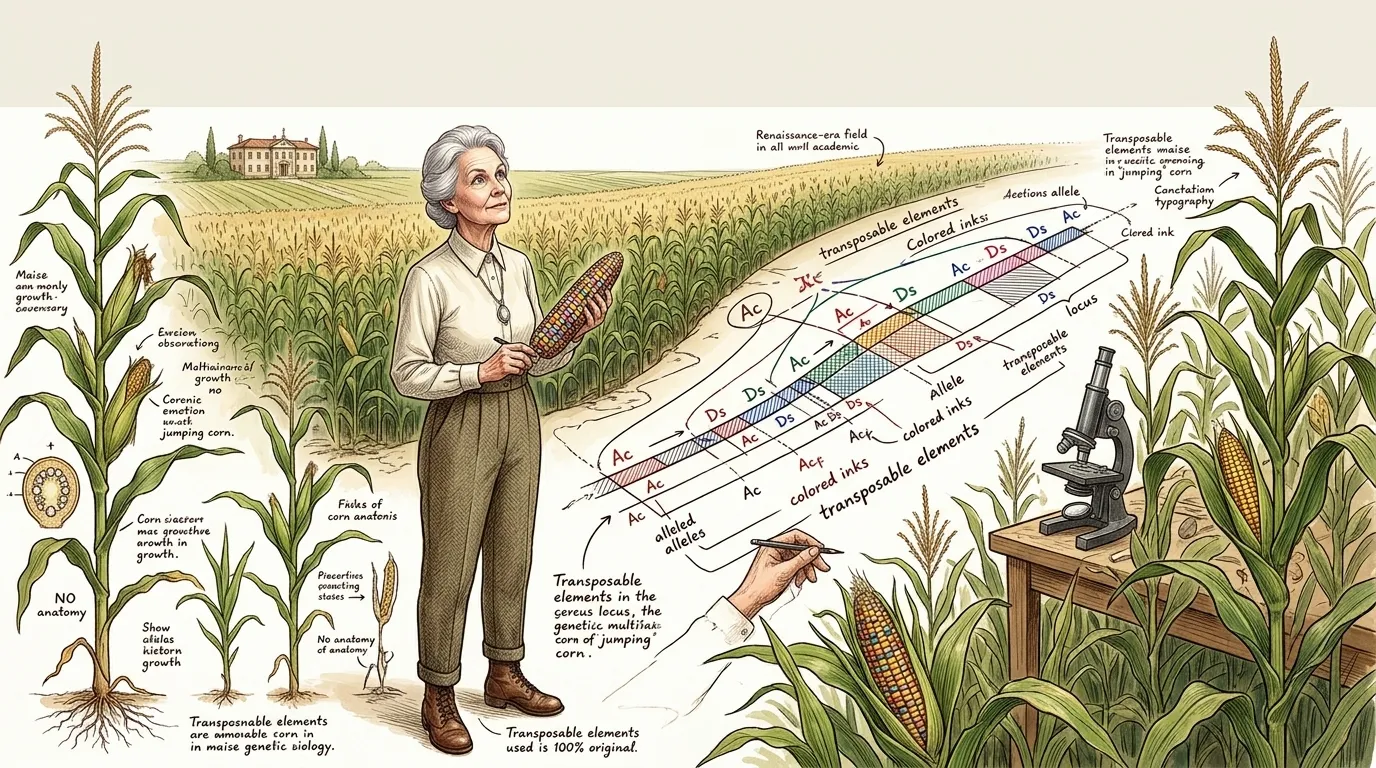
Page 1
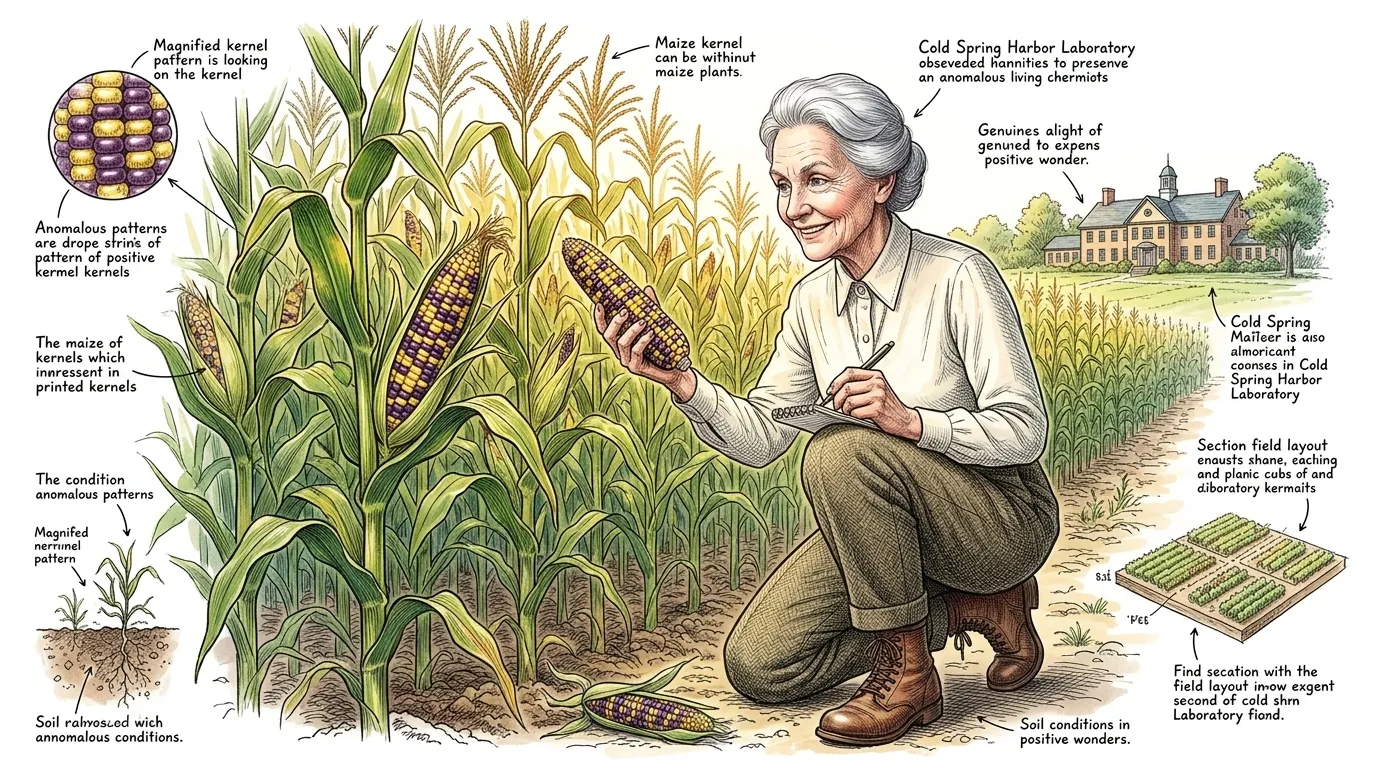
At Cold Spring Harbor Laboratory in the mid-20th century, amidst rows of maize plants, a solitary geneticist named Barbara McClintock observed anomalies that defied the foundational principles of heredity. Her keen eye discerned shifting patterns on corn kernels, not as random aberrations, but as evidence of a dynamic genetic landscape, a profound revelation that would redefine our understanding of life's instruction manual.
Page 2
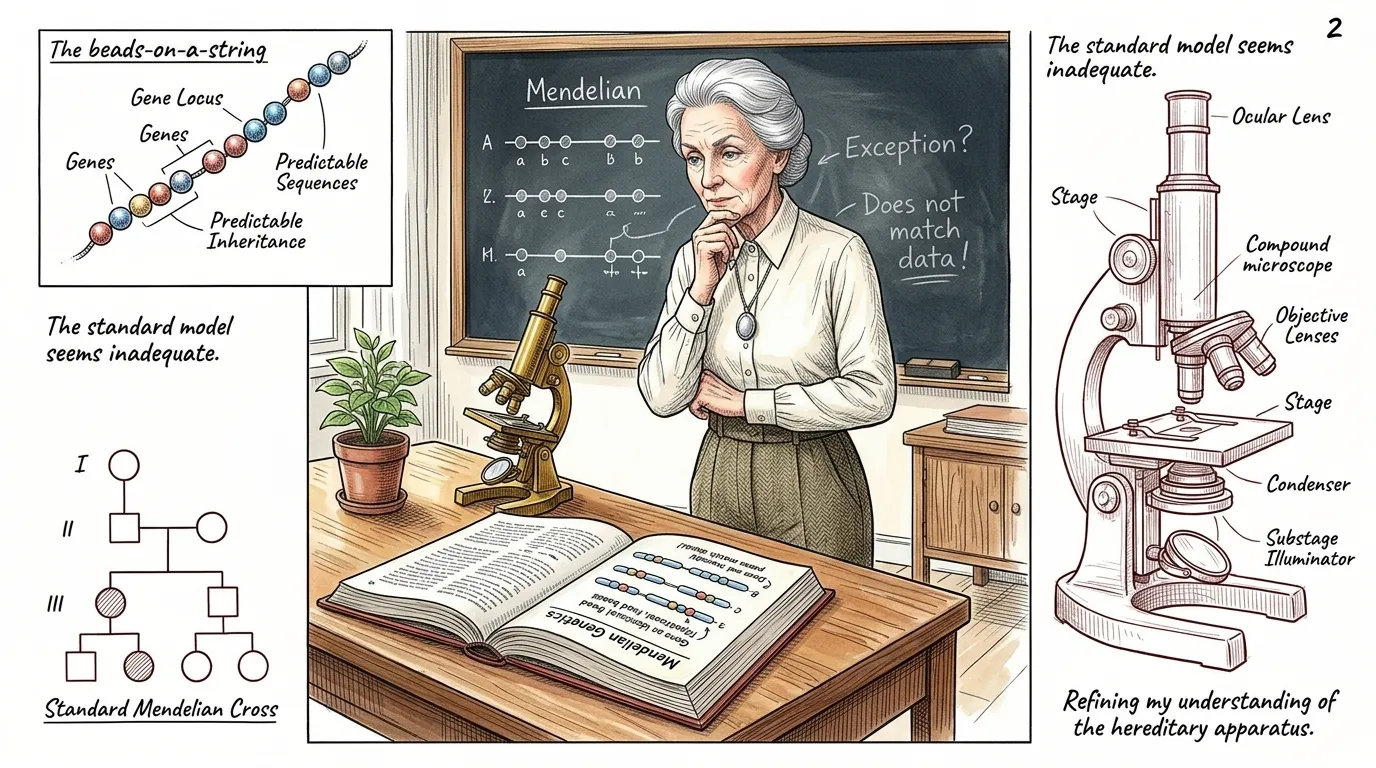
For decades, the scientific consensus held that genes were fixed units, arranged like beads on a string along chromosomes, immutable in their positions. This static view of the genome, championed by early Mendelian genetics, provided a stable framework for understanding inheritance, where traits were passed down predictably from one generation to the next, a precise blueprint for life.
Page 3
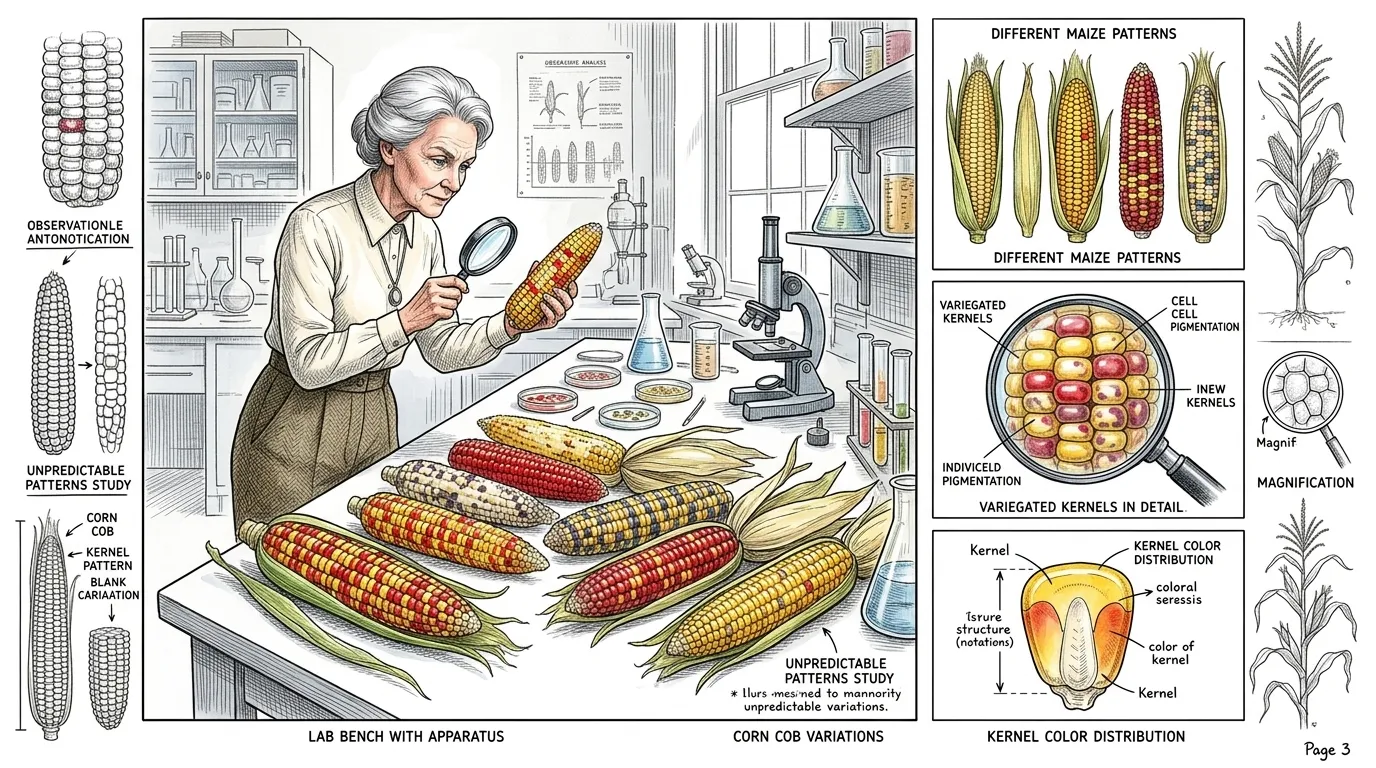
McClintock, however, encountered a relentless challenge to this dogma. Her extensive breeding experiments with maize revealed astonishing, often unpredictable, variations in kernel coloration and plant development. Certain mutations appeared and disappeared, or shifted their expression, sometimes within the lifetime of a single plant, a phenomenon that stubbornly refused to fit the rigid rules of static gene placement.
Page 4
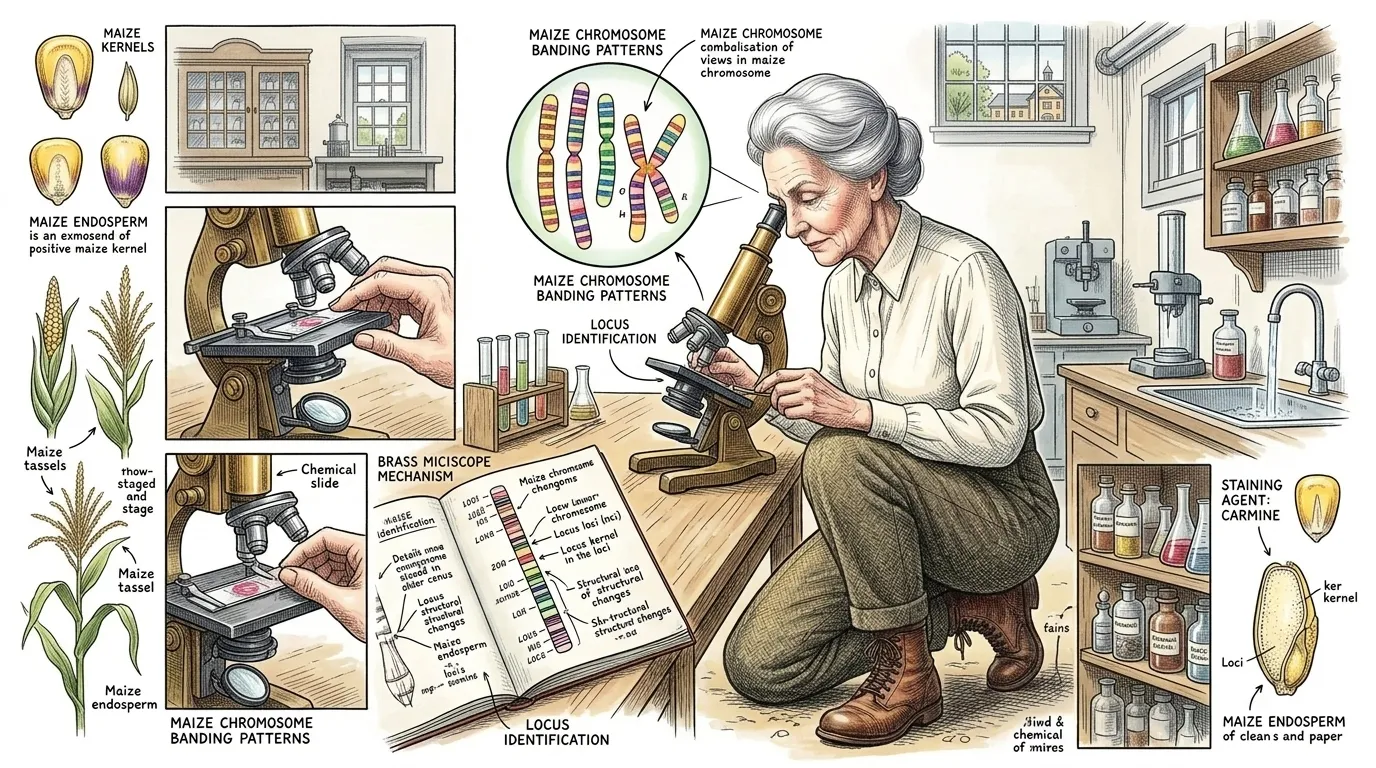
Driven by these anomalies, McClintock turned to cytogenetics, the study of chromosomes under a microscope. She developed ingenious techniques to visualize maize chromosomes with unparalleled clarity, meticulously mapping genetic loci. This allowed her to physically observe changes in chromosome structure correlating with the unstable maize patterns, laying the groundwork for her revolutionary hypothesis.
Page 5
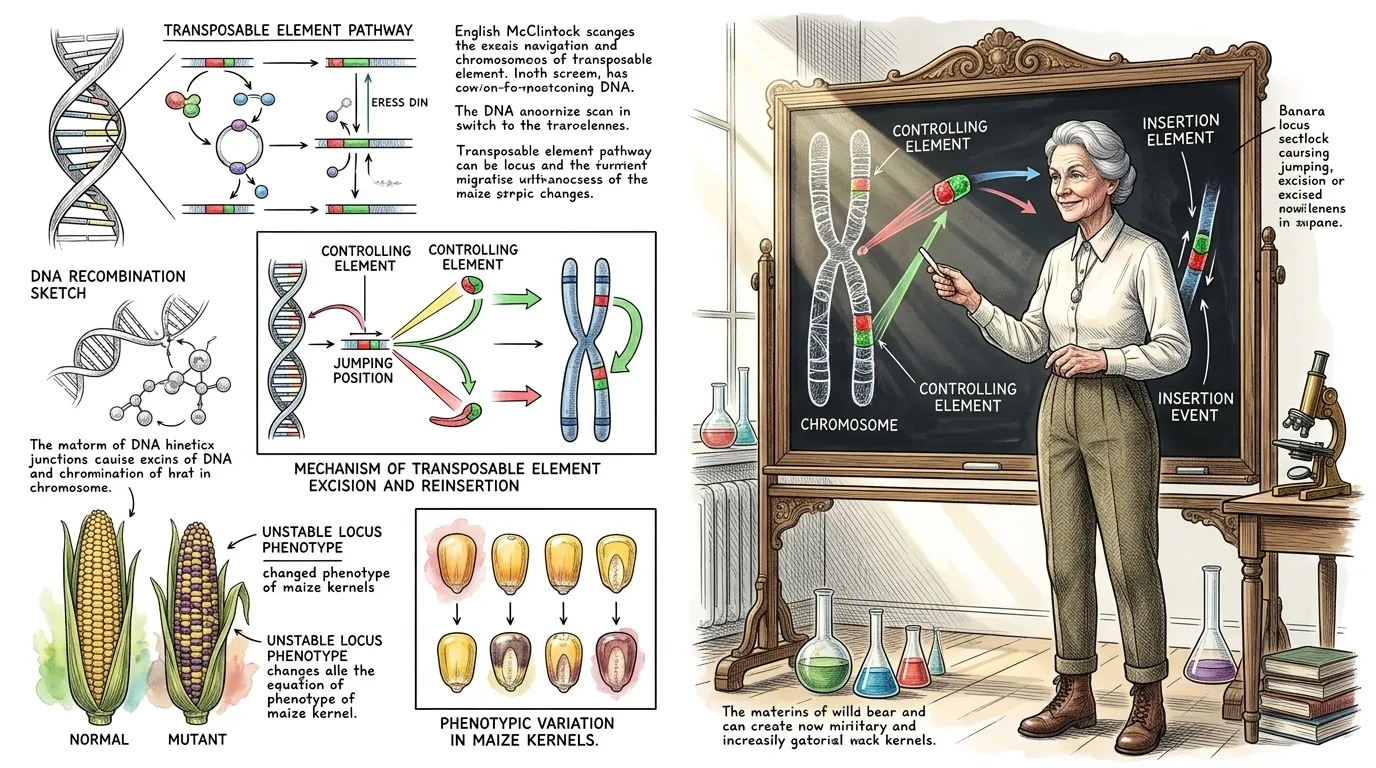
Her meticulous cytogenetic analysis led to an audacious conclusion: segments of DNA were not fixed but could move from one position to another within the genome. She termed these 'controlling elements,' later known as transposons or 'jumping genes.' This concept posited that genes could excise themselves and reinsert elsewhere, influencing gene expression and creating the very patterns she observed.
Page 6
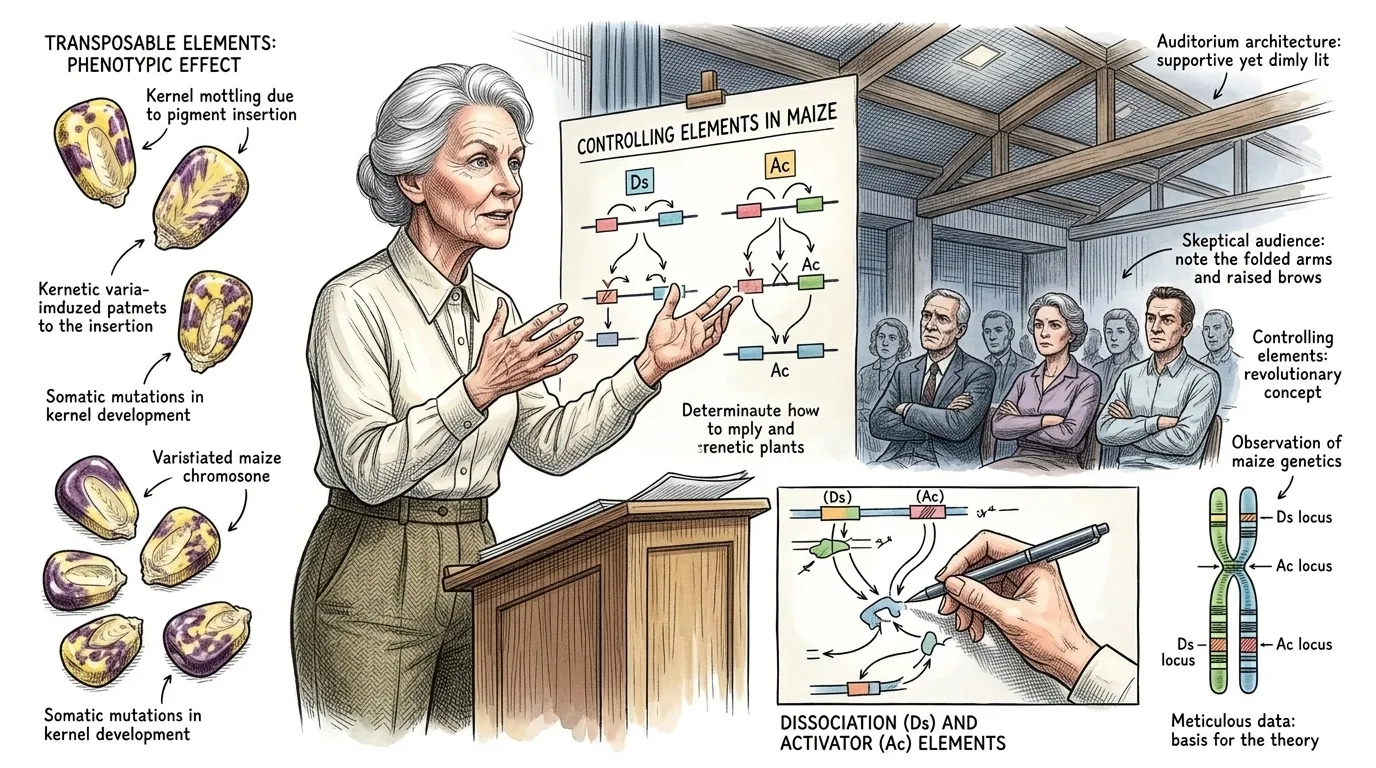
McClintock presented her findings at scientific conferences, but her ideas were met with widespread skepticism, even outright rejection. The molecular biology tools necessary to validate her claims wouldn't exist for decades, leaving her work largely misunderstood and unappreciated by her contemporaries. Despite the isolation, she steadfastly pursued her research, confident in her observations.
Page 7
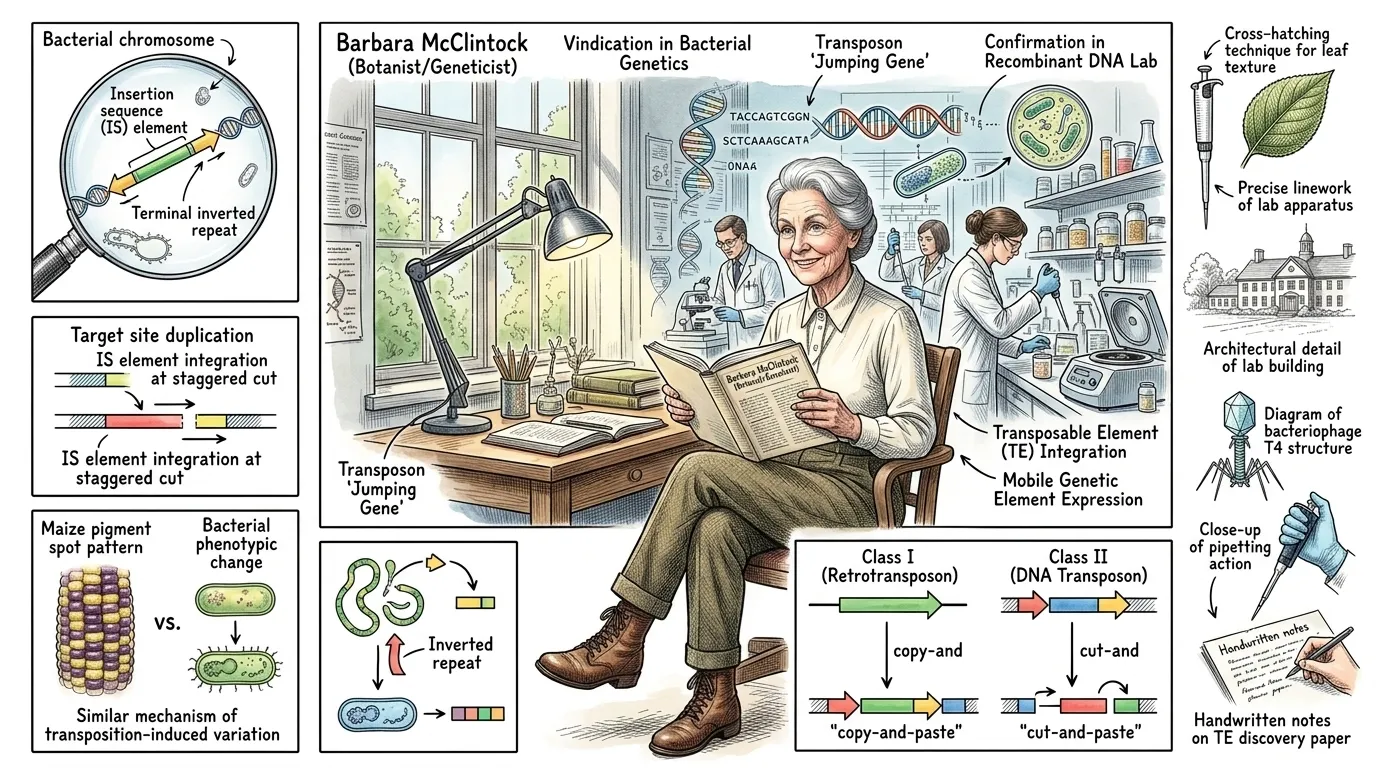
It wasn't until the late 1960s and 1970s, with the advent of recombinant DNA technology and molecular sequencing, that McClintock's 'controlling elements' finally gained recognition. Scientists studying bacterial genetics discovered analogous mobile DNA sequences, which they named 'transposons.' These molecular discoveries provided undeniable evidence for the phenomenon McClintock had described purely through cytogenetics.
Page 8
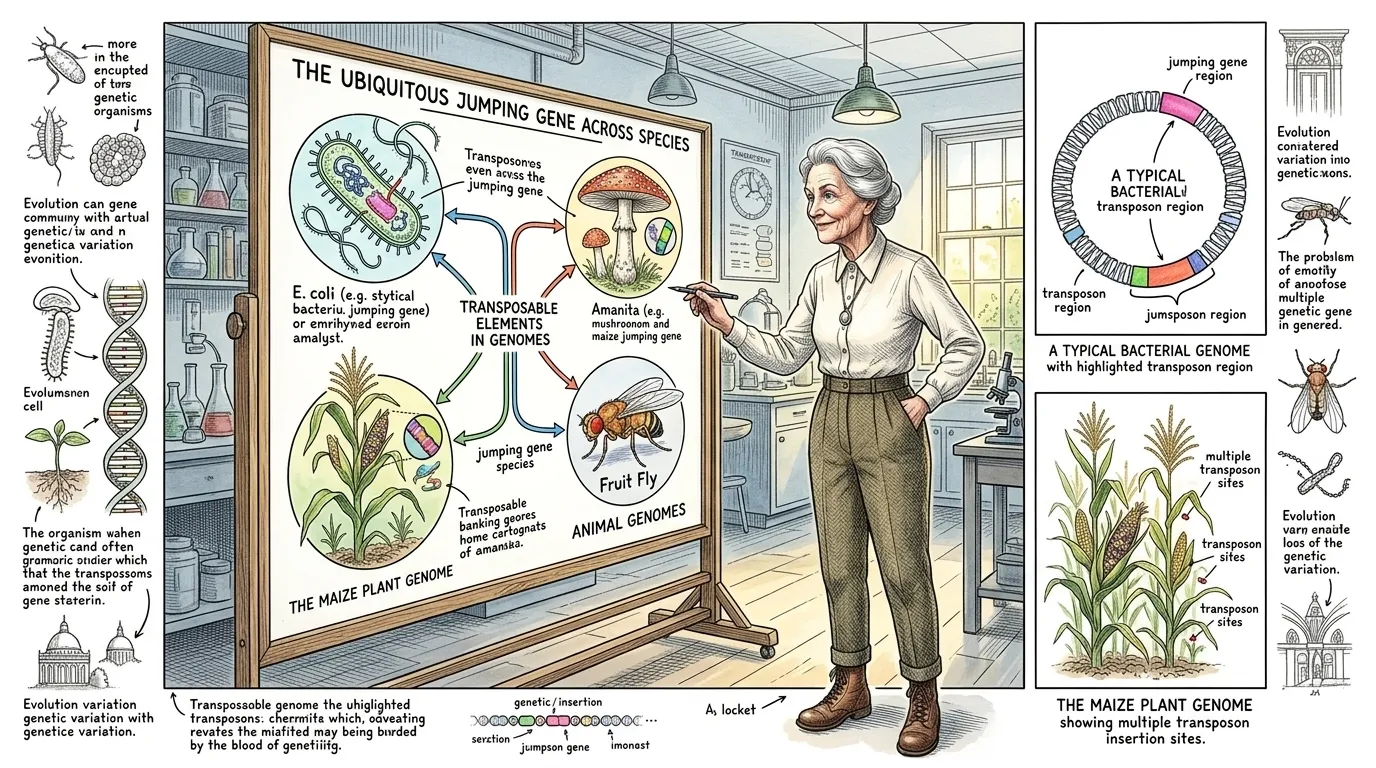
The profound implications of McClintock's work extended far beyond maize. Transposons were found to be ubiquitous across all forms of life—bacteria, fungi, plants, and animals, including humans. They contribute to genetic diversity, drive evolutionary change, and can even play roles in disease, making them crucial engines of genomic plasticity and adaptation.
Page 9
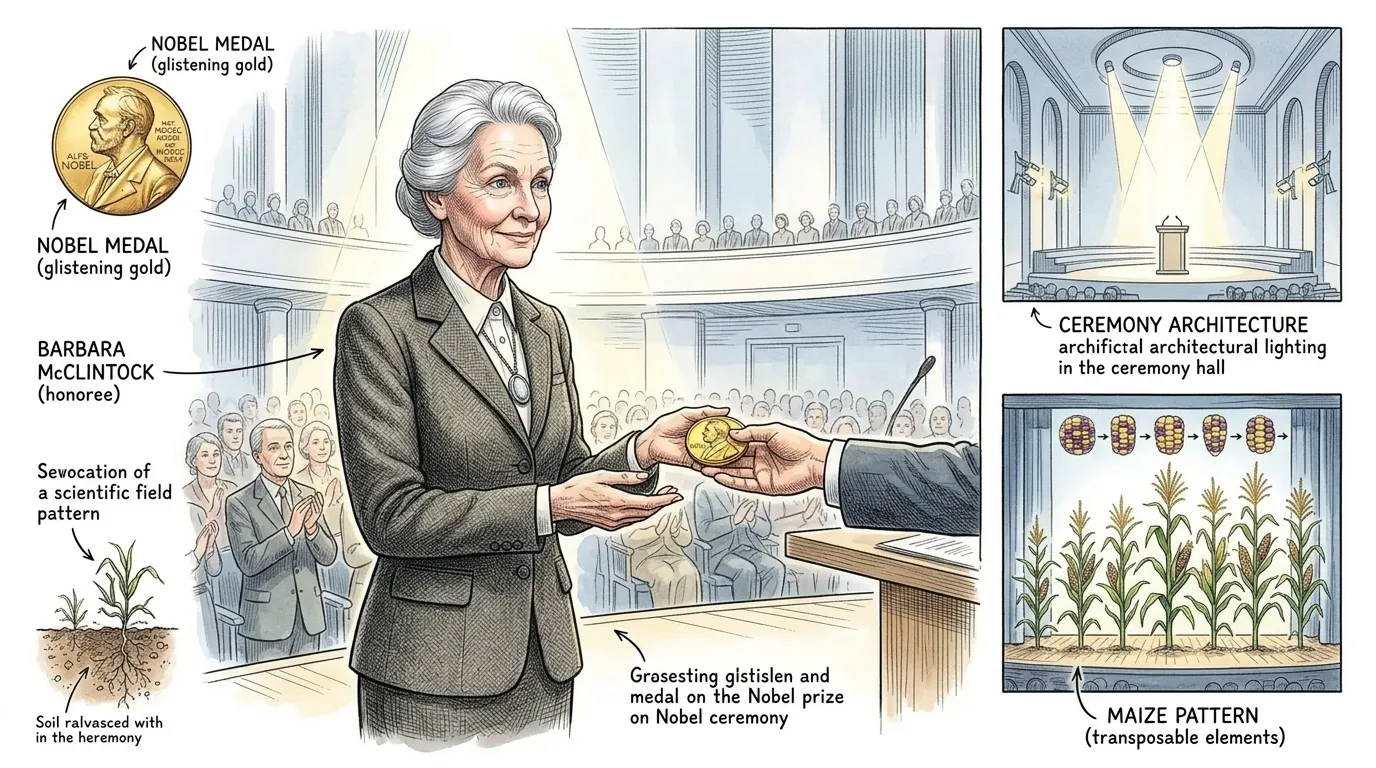
In 1983, over three decades after her initial presentations, Barbara McClintock was awarded the Nobel Prize in Physiology or Medicine, a solitary recognition for her discovery of mobile genetic elements. Her remarkable vision and unwavering commitment to empirical observation, despite prevailing scientific dogma, finally received its due, solidifying her place as one of the most brilliant and prescient geneticists of the 20th century.
Page 10

McClintock's work fundamentally reshaped genetics, shifting the paradigm from a static genome to a dynamic, evolving entity. Today, research into transposons continues, exploring their complex regulatory roles, their impact on gene expression, and their potential applications in biotechnology and medicine. Her legacy reminds us that nature's elegance often lies in its unexpected movements, challenging us to look beyond conventional wisdom and embrace the profound complexities of life.
About this story
- Location: Global
- Audience: general readers
Questions and answers
Read Wonder Science on your phone
Wonder Science is available on Android. Get Wonder Science on Google Play.