Carol Greider
Carol Greider — an illustrated science story, set in Global. 10 illustrated pages, free to read on Wonder Science.
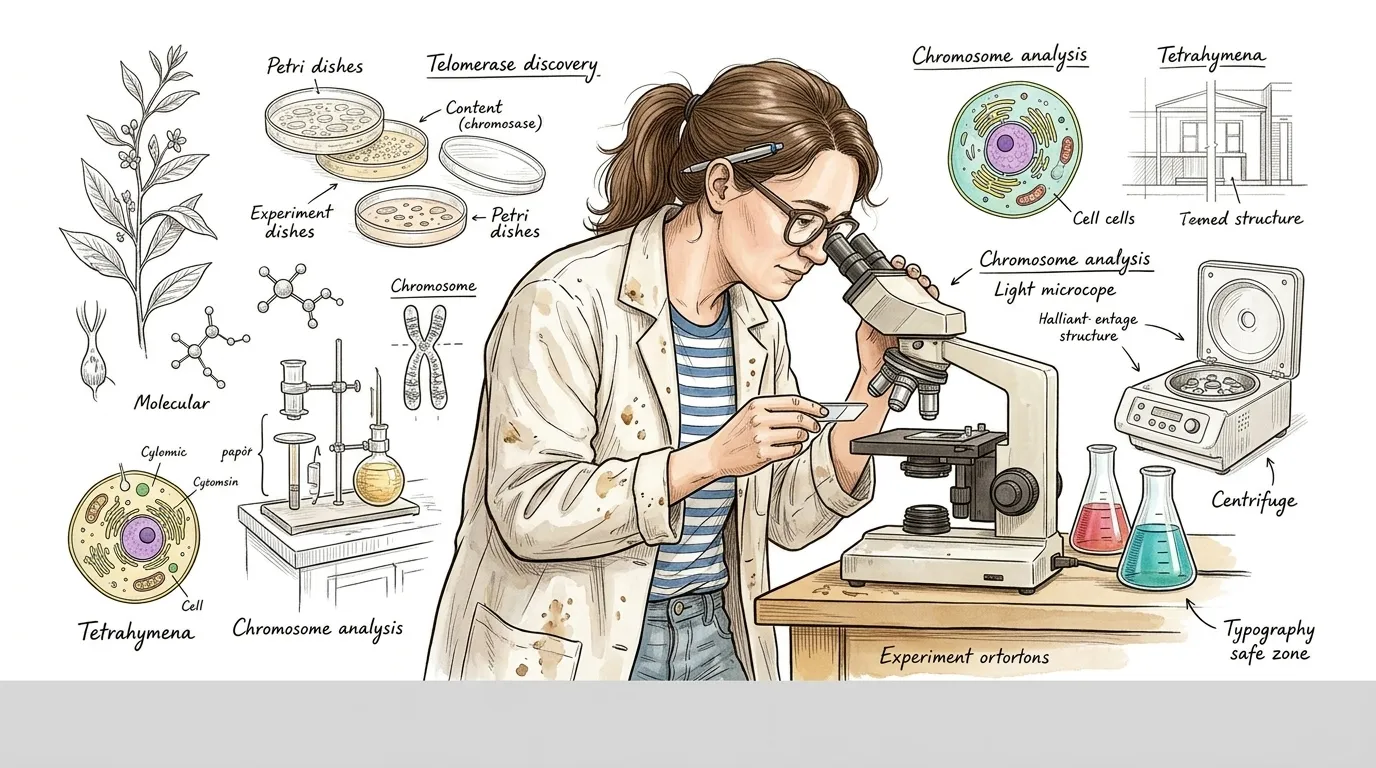
Page 1
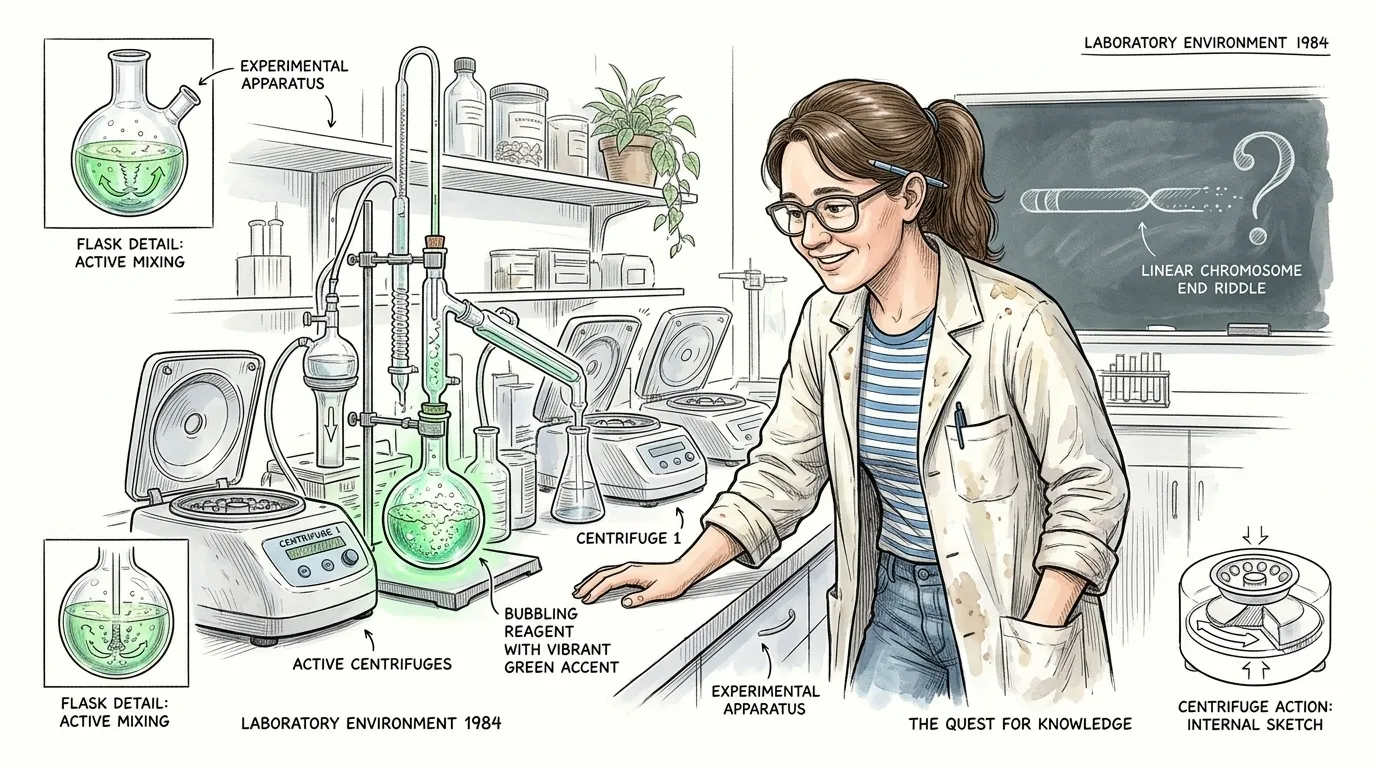
In the vibrant, competitive intellectual environment of the University of California, Berkeley, 1984, a crucial experiment was underway. Against a backdrop of bubbling flasks and whirring centrifuges, a graduate student named Carol Greider worked tirelessly, driven by a profound scientific question. She sought an elusive enzyme, a molecular machine that scientists hypothesized must exist to solve one of biology's most persistent riddles: how do chromosomes protect their ends during replication, preventing vital genetic information from being lost with each cell division? Her relentless pursuit led to a pivotal discovery that would reshape our understanding of cellular aging and the fundamental mechanisms of cancer.
Page 2
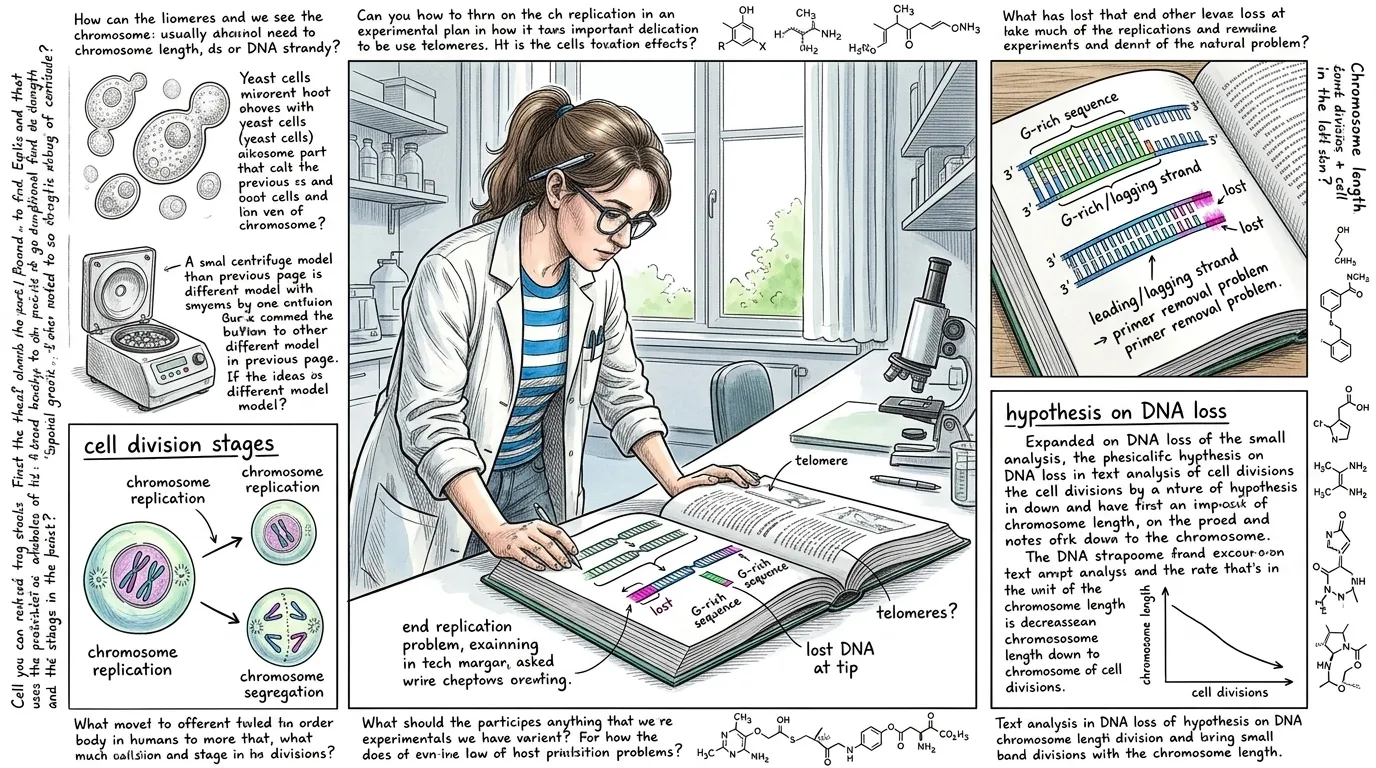
At the core of every living cell lies DNA, meticulously packaged into chromosomes. During cell division, DNA must be accurately replicated to pass genetic information to new cells. However, a fundamental flaw in DNA replication presented a longstanding puzzle: the 'end replication problem.' DNA polymerase, the enzyme responsible for synthesizing new DNA strands, cannot fully replicate the very ends of linear chromosomes. With each division, a small, vital segment of DNA would be lost, potentially leading to genetic instability and cellular damage.
Page 3
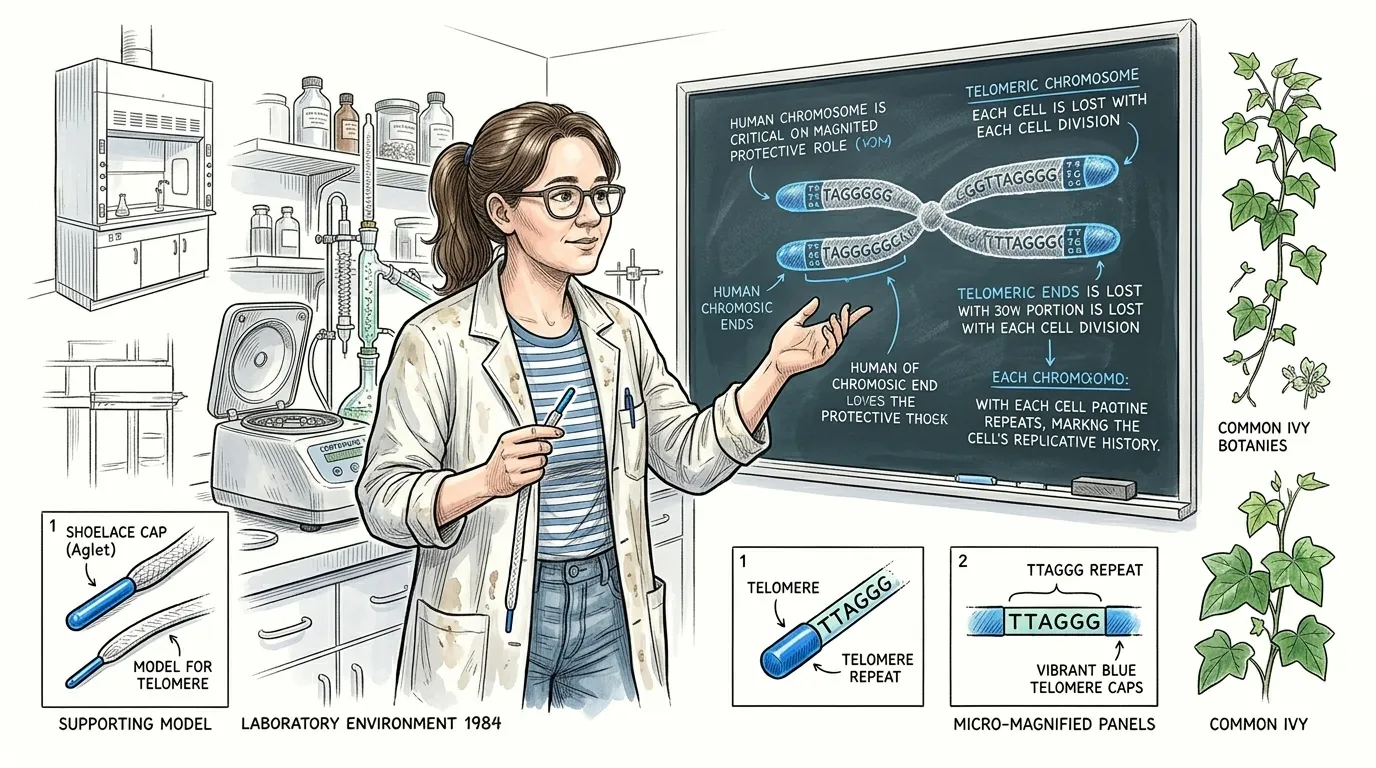
Nature, however, had devised an elegant solution: telomeres. These are repetitive sequences of DNA located at the very ends of chromosomes, acting like the plastic caps on shoelaces. They do not code for genes but serve a critical protective role, safeguarding the essential genetic information within. Without telomeres, the chromosome ends would be recognized as damage, triggering cellular repair mechanisms or programmed cell death. Each time a cell divides, a small portion of these telomeres is inevitably lost, marking the cell's replicative history.
Page 4
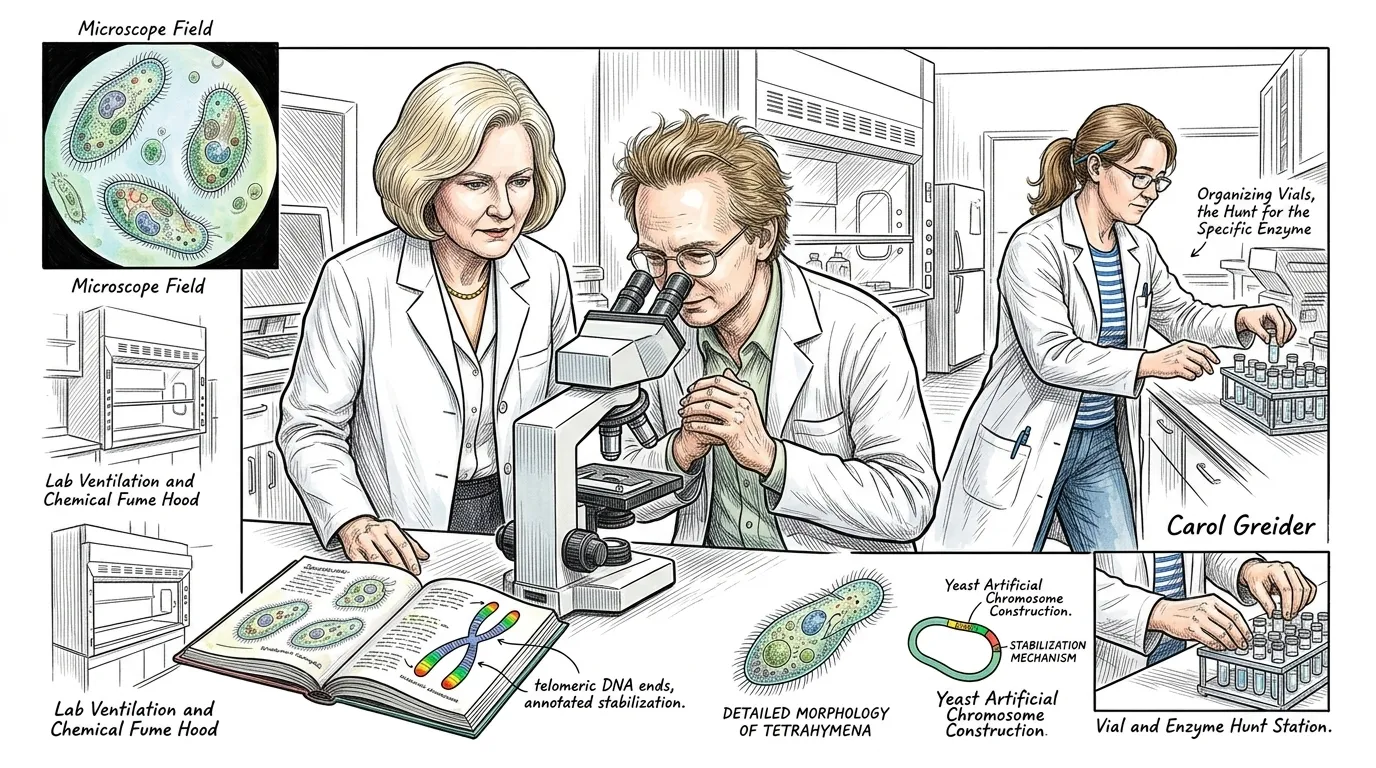
The existence of telomeres was established, but the mechanism for their maintenance remained elusive. Pioneering work by Elizabeth Blackburn and Jack Szostak in the early 1980s had shown that telomeric DNA from the protozoan Tetrahymena thermophila could stabilize artificial chromosomes in yeast, proving their protective function. This breakthrough intensified the hunt for the specific enzyme responsible for adding these crucial DNA repeats. The question wasn't just what telomeres did, but how they were created and maintained across generations of cells, fueling a critical area of biochemical research.
Page 5
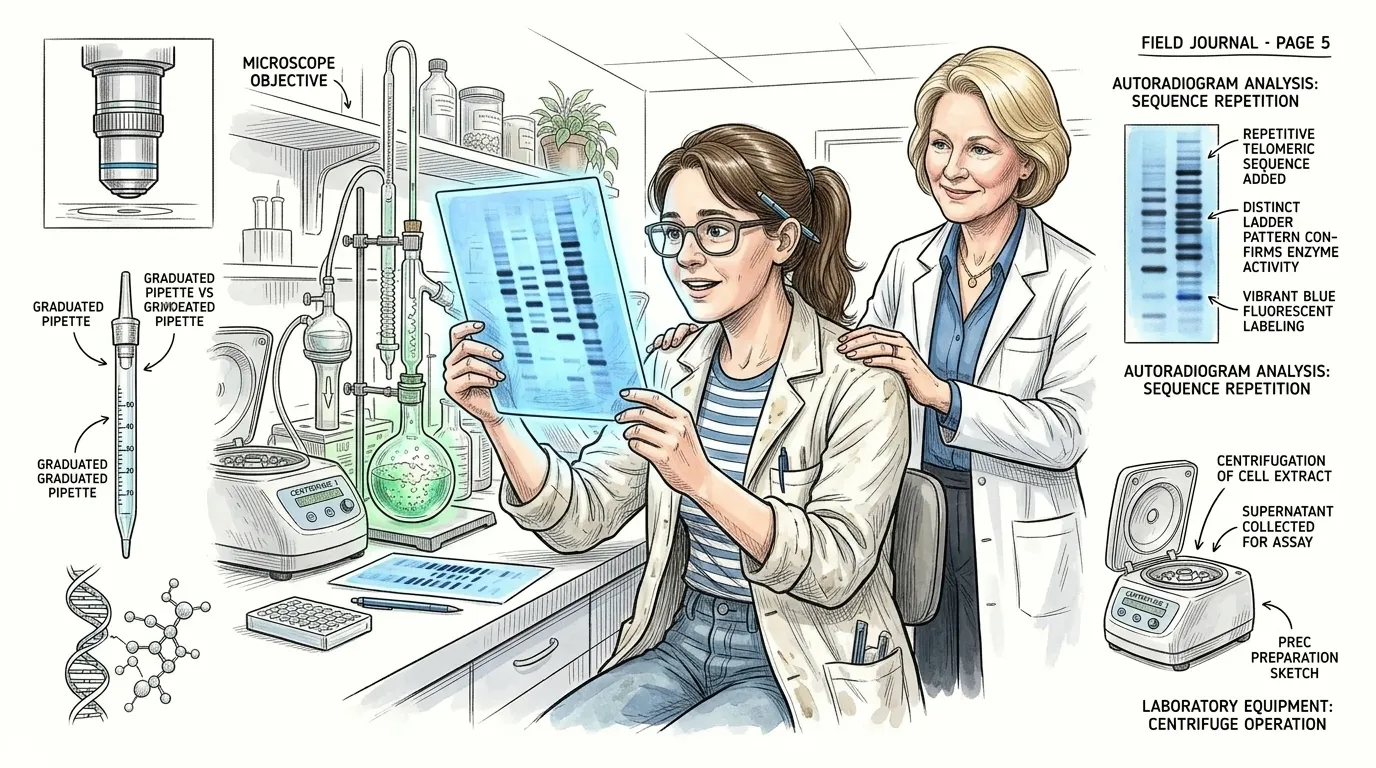
Working in Elizabeth Blackburn's laboratory, Carol Greider took up the challenging task of finding the hypothetical telomere-synthesizing enzyme. She meticulously prepared extracts from Tetrahymena, known for its unusually long telomeres, and designed a biochemical assay to detect any activity that could add telomeric repeats to a DNA primer. After months of painstaking work and numerous failed attempts, in December 1984, she finally saw the definitive evidence. On an autoradiogram, a ladder-like pattern emerged, indicating the stepwise addition of telomeric sequences. This was the moment: the discovery of telomerase.
Page 6
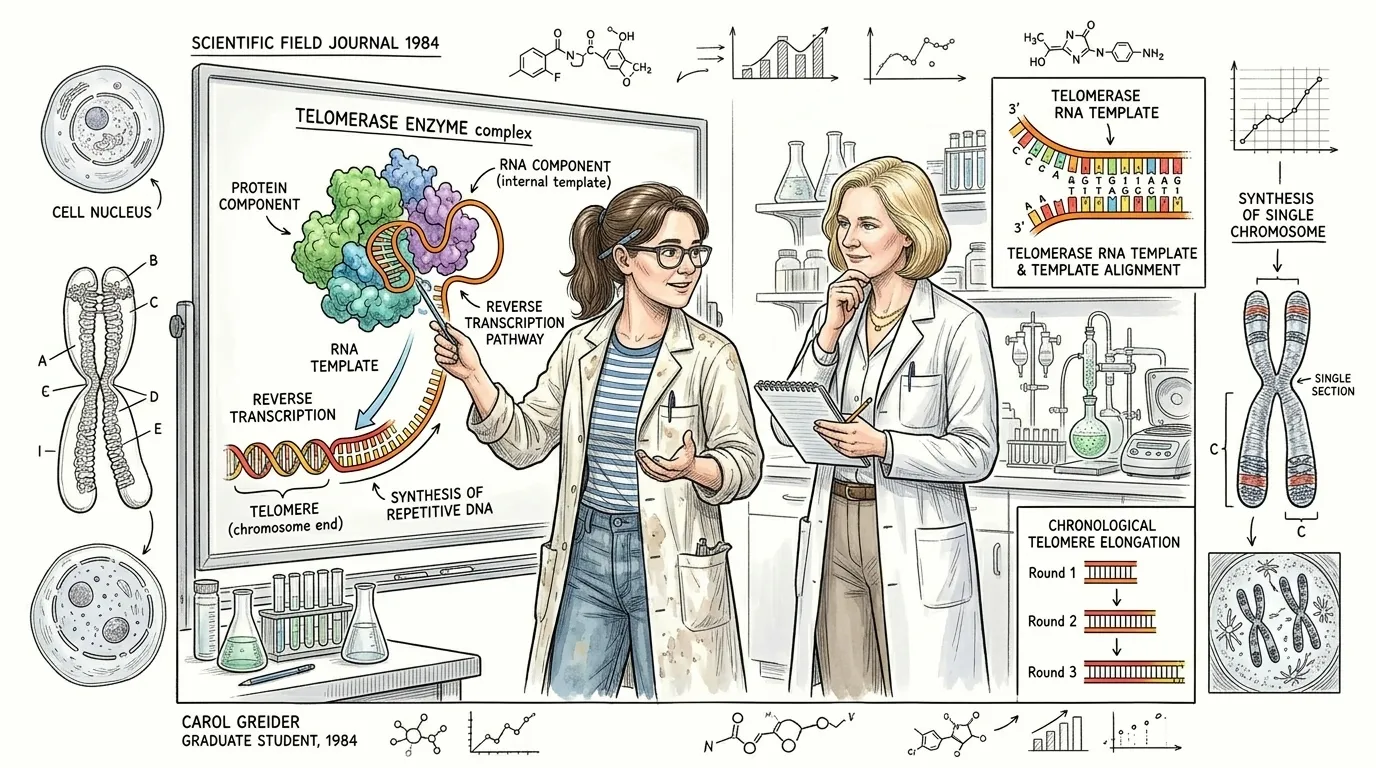
Telomerase was no ordinary enzyme. Greider and Blackburn quickly identified it as a ribonucleoprotein, meaning it contains both protein and a crucial RNA molecule. This RNA acts as an internal template, guiding the enzyme to synthesize the repetitive DNA sequences of the telomere, effectively 'reverse transcribing' its own RNA template into DNA. This unique mechanism allowed telomerase to precisely extend the shortened chromosome ends, counteracting the natural attrition caused by DNA replication. It was a molecular marvel, capable of preventing the erosion of genetic integrity.
Page 7
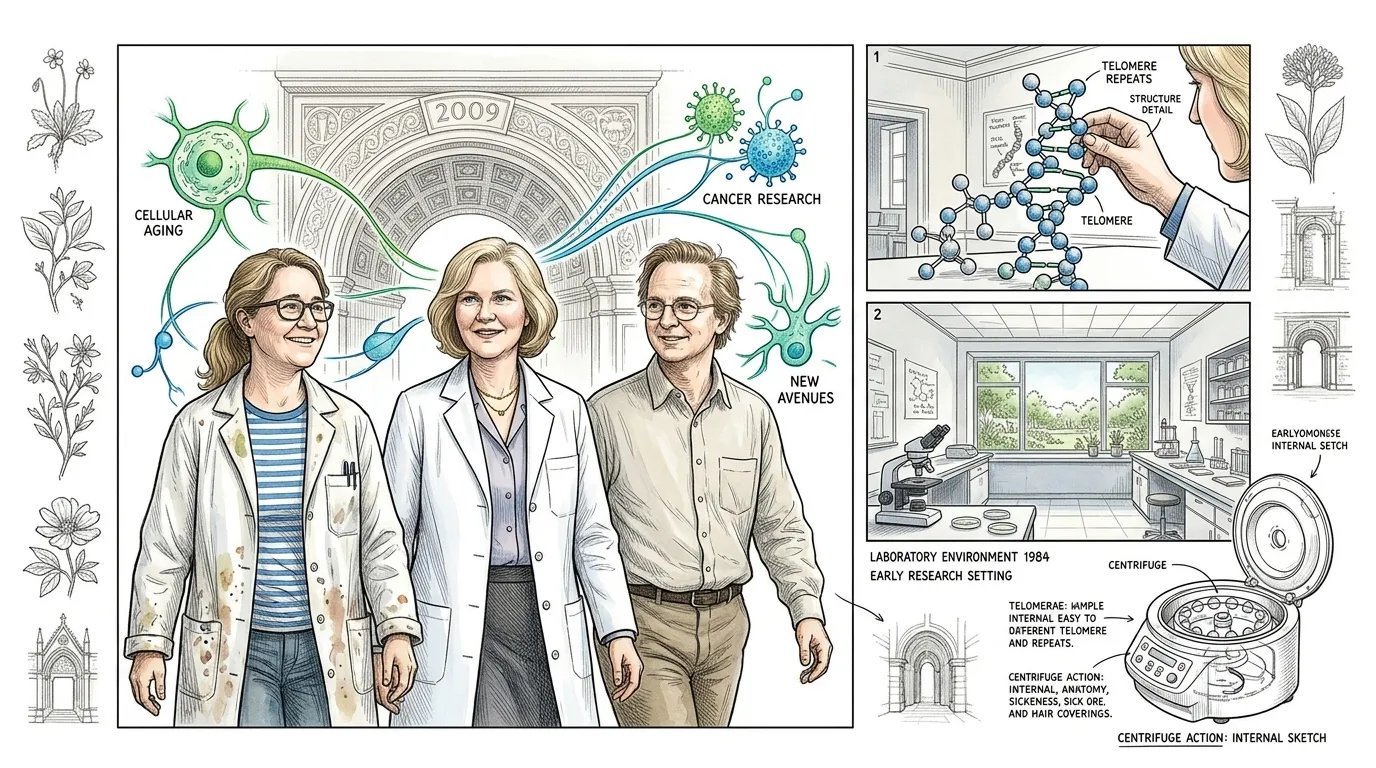
The profound significance of telomeres and telomerase became increasingly evident over the next two decades. Their discovery provided a crucial link between fundamental cell biology, human aging, and the uncontrolled proliferation characteristic of cancer. In recognition of their groundbreaking work, Carol Greider, Elizabeth Blackburn, and Jack Szostak were jointly awarded the Nobel Prize in Physiology or Medicine in 2009. Their insights opened entirely new avenues for research, transforming our understanding of cellular longevity and disease progression, confirming the immense impact of this fundamental biological breakthrough.
Page 8
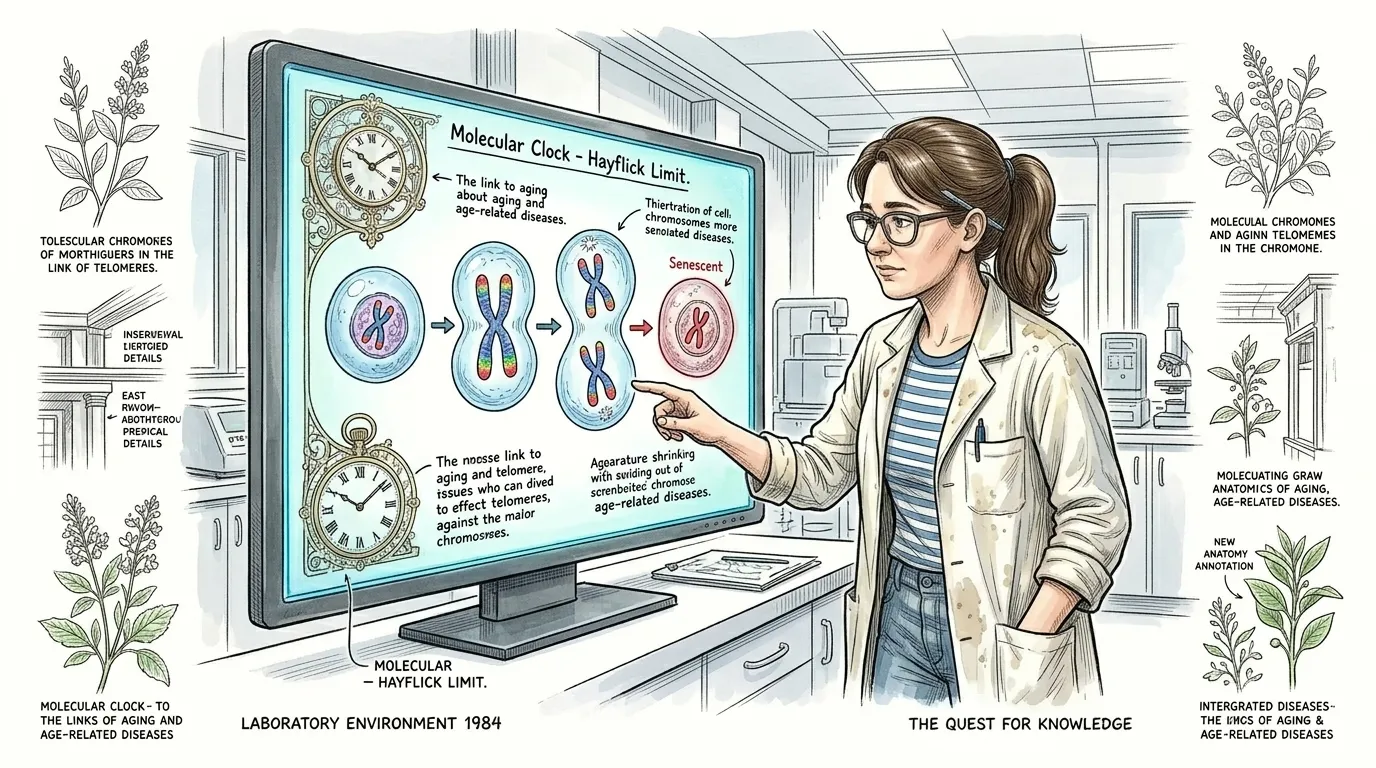
The discovery of telomerase elucidated a key aspect of the aging process. Most normal human cells, lacking active telomerase, experience telomere shortening with each division. Once telomeres reach a critically short length, the cell enters a state called replicative senescence, ceasing to divide and often undergoing programmed cell death. This intrinsic 'molecular clock,' the Hayflick Limit, contributes to the physiological changes associated with aging. Understanding this mechanism offers profound insights into age-related diseases and the quest for extending healthy lifespan.
Page 9
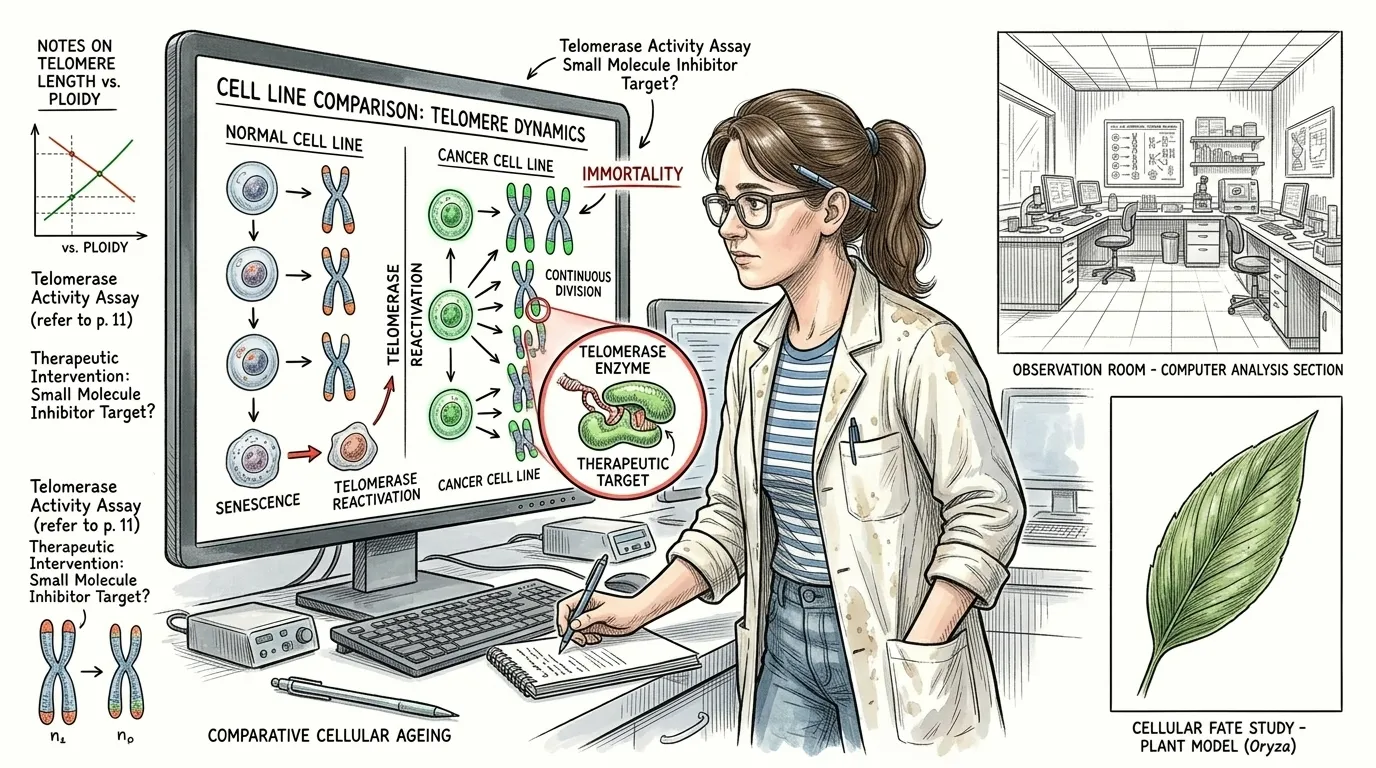
While telomere shortening typically limits cell proliferation, cancer cells often subvert this natural brake. A striking feature of most human cancers is their ability to achieve 'immortality'—uncontrolled, indefinite division. This is frequently achieved through the reactivation or upregulation of telomerase. By maintaining their telomere length, cancer cells bypass the normal checkpoints that would otherwise lead to senescence or death, allowing them to proliferate relentlessly. This makes telomerase an attractive target for novel cancer therapies, aiming to specifically inhibit its activity in malignant cells.
Page 10
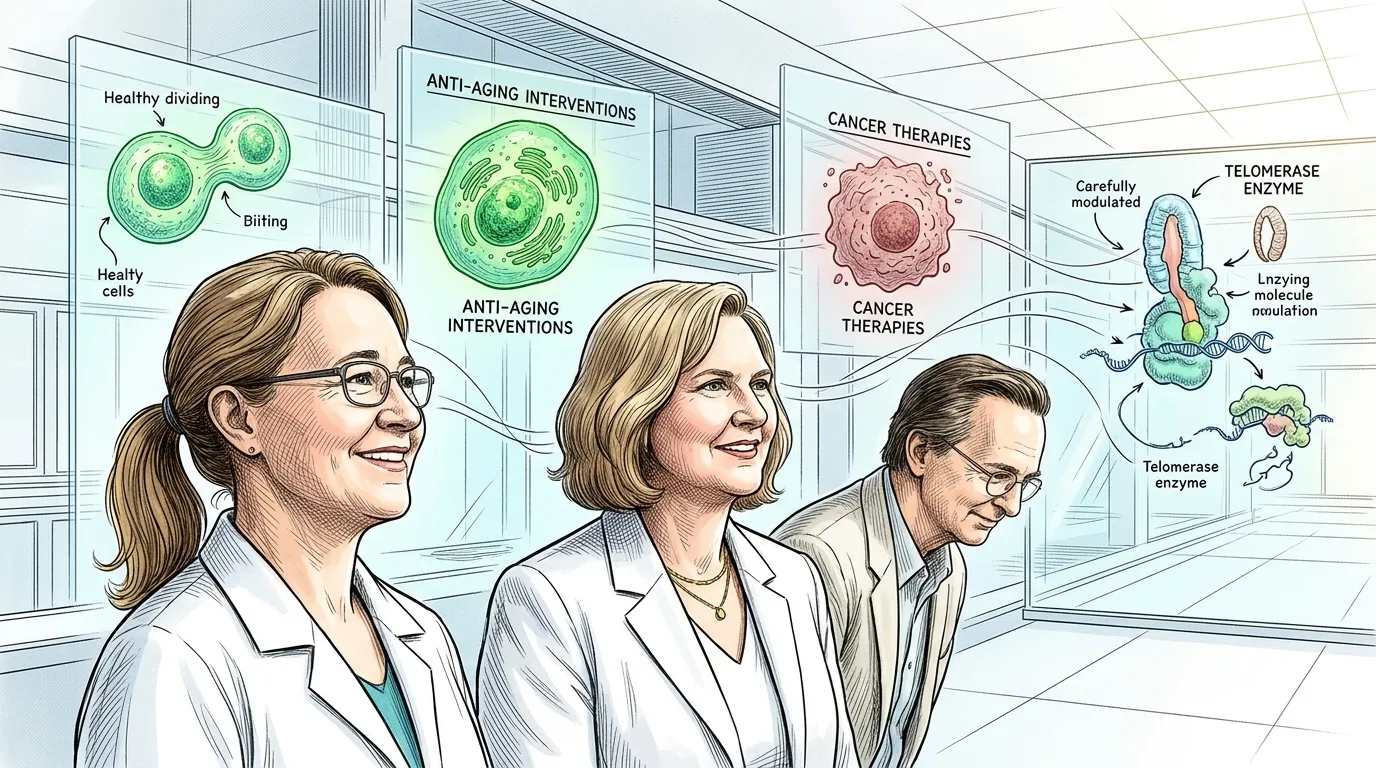
The discovery of telomerase fundamentally changed our understanding of cellular life, opening doors to unprecedented research in biomedicine. Its legacy extends from potential anti-aging interventions to novel strategies for combating cancer. Scientists worldwide continue to investigate telomerase modulation, seeking to fine-tune its activity for therapeutic benefit—either enhancing it to combat age-related decline or inhibiting it to halt tumor growth. Yet, the intricate balance of telomere dynamics presents complex challenges, ensuring that the legacy of Greider, Blackburn, and Szostak continues to inspire new generations of researchers as they explore the frontiers of cellular immortality.
About this story
- Location: Global
- Audience: general readers
Questions and answers
Read Wonder Science on your phone
Wonder Science is available on Android. Get Wonder Science on Google Play.