Alice Ball
Alice Ball — an illustrated science story, set in Global. 10 illustrated pages, free to read on Wonder Science.
Page 1

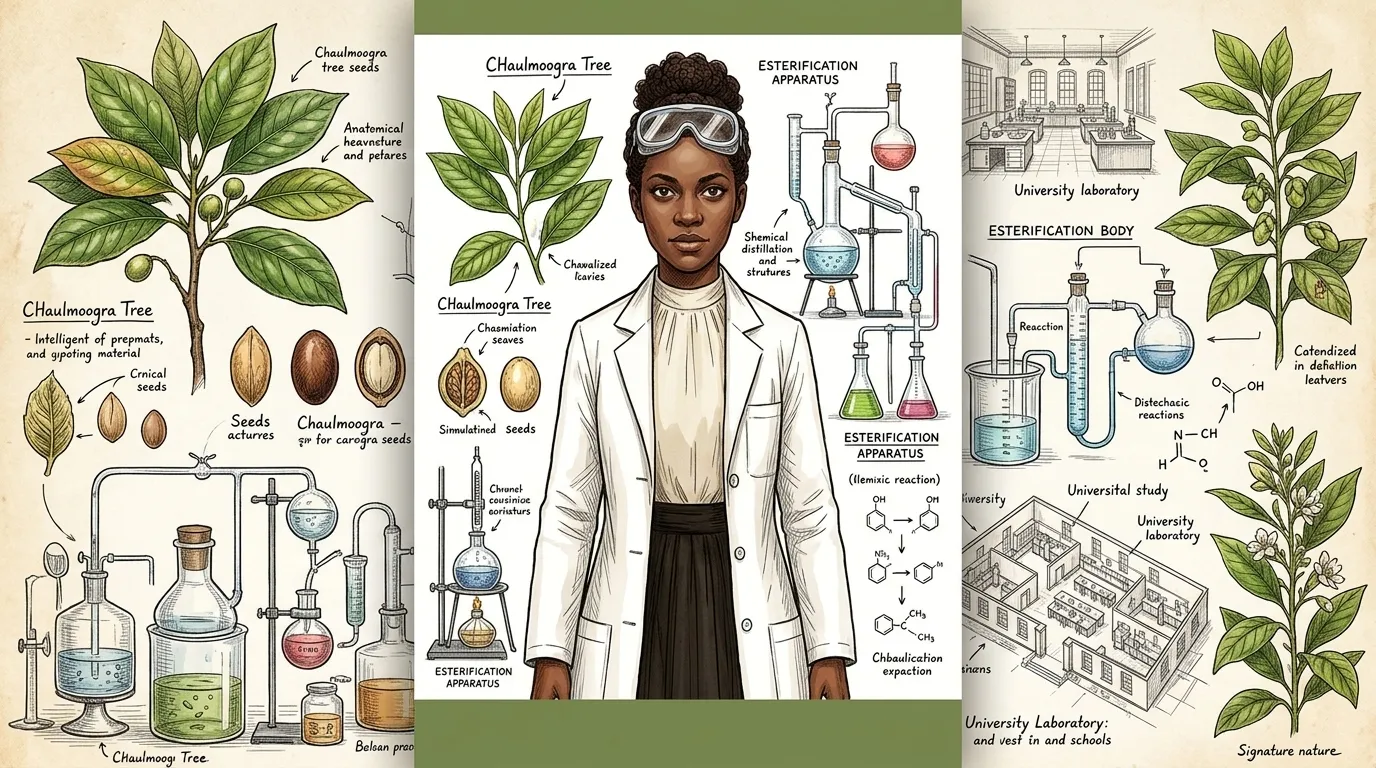
At the turn of the 20th century, Hansen's Disease, commonly known as leprosy, presented a formidable and terrifying medical challenge. Sufferers faced not only debilitating physical symptoms but also profound social ostracization, often confined to isolated settlements like Kalaupapa on Molokai, Hawaii. Existing treatments were archaic, ineffective, and often agonizing, offering little hope to those afflicted. This grim reality created an urgent need for a scientific breakthrough, a new approach to a disease that had plagued humanity for millennia.
Page 2
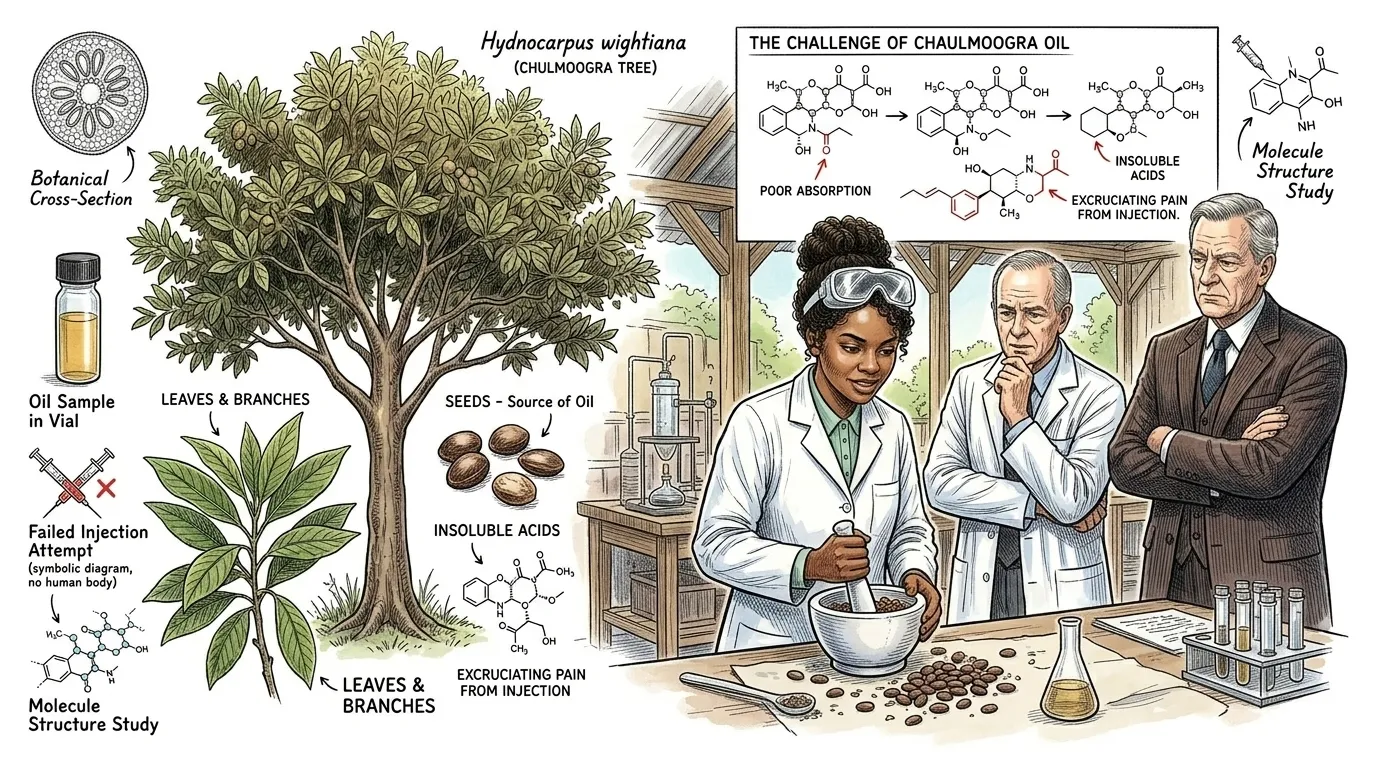
For centuries, the primary therapeutic agent against Hansen's Disease was chaulmoogra oil, derived from the seeds of the Hydnocarpus wightiana tree. Traditional use involved oral ingestion or topical application, both yielding inconsistent and often negligible results due to the oil's extremely unpleasant taste, gastrointestinal side effects, and poor absorption. When medical researchers attempted direct injection, the unrefined oil caused excruciating pain, sterile abscesses, and systemic toxicity, rendering it unsuitable for effective internal administration. The core problem was chaulmoogra oil's inherent insolubility in water, making it impossible to deliver a stable, safe, and effective dose directly into the bloodstream.
Page 3
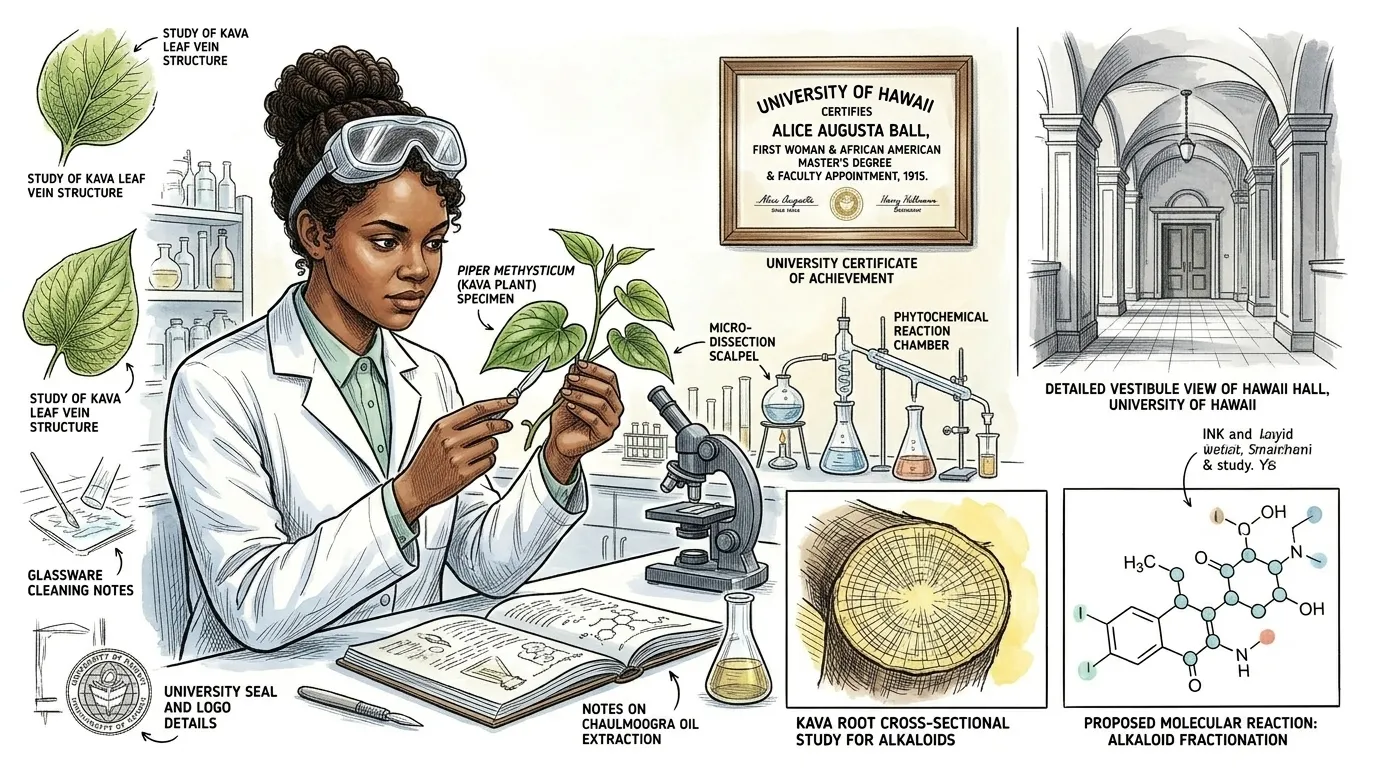
Alice Augusta Ball was born in Seattle in 1892, a brilliant and determined student who quickly excelled in the demanding fields of chemistry and pharmacy. She earned two bachelor's degrees from the University of Washington by 1914, then pursued a master's degree in pharmaceutical chemistry at the University of Hawaii. Her graduate research focused on the chemical properties of Piper methysticum (kava plant) — an expertise that directly prepared her for the challenge of isolating active compounds from complex plant oils. Her exceptional talent led to her becoming the first woman and first African American to receive a master's degree from the University of Hawaii, and subsequently, its first female chemistry instructor.
Page 4
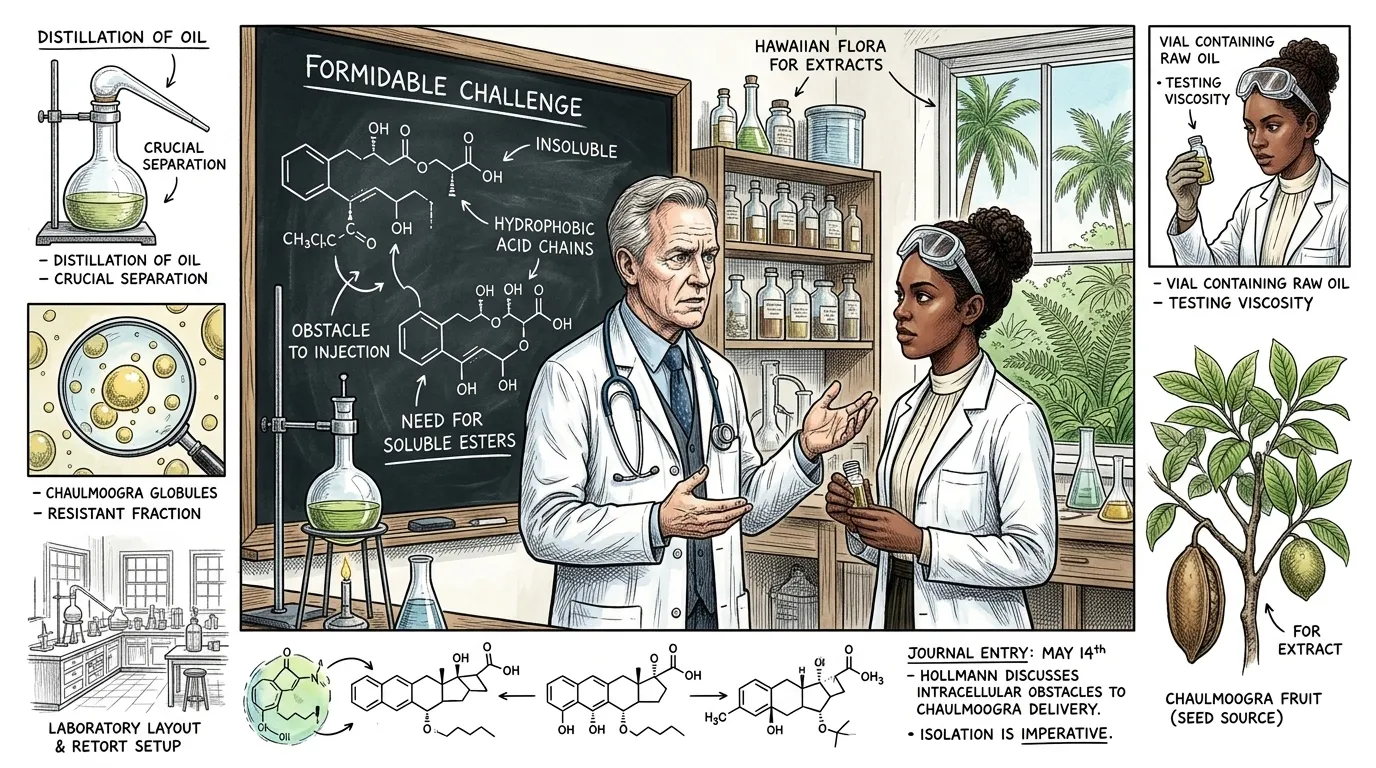
Dr. Harry Hollmann, a physician at Kalihi Hospital, recognized Ball's unparalleled skill in phytochemistry and approached her with the desperate need to improve chaulmoogra oil. The underlying chemical challenge was formidable: chaulmoogra oil is composed primarily of fatty acids with unusual cyclic structures. These unique structures gave it therapeutic properties, but their inherent insolubility in water rendered the oil resistant to safe and effective injection. The breakthrough required a modification that would retain the medicinal efficacy while drastically improving solubility – a delicate balance that had eluded chemists for decades. This problem was the scientific 'gun' that needed to be 'fired' for a solution to be revealed.
Page 5
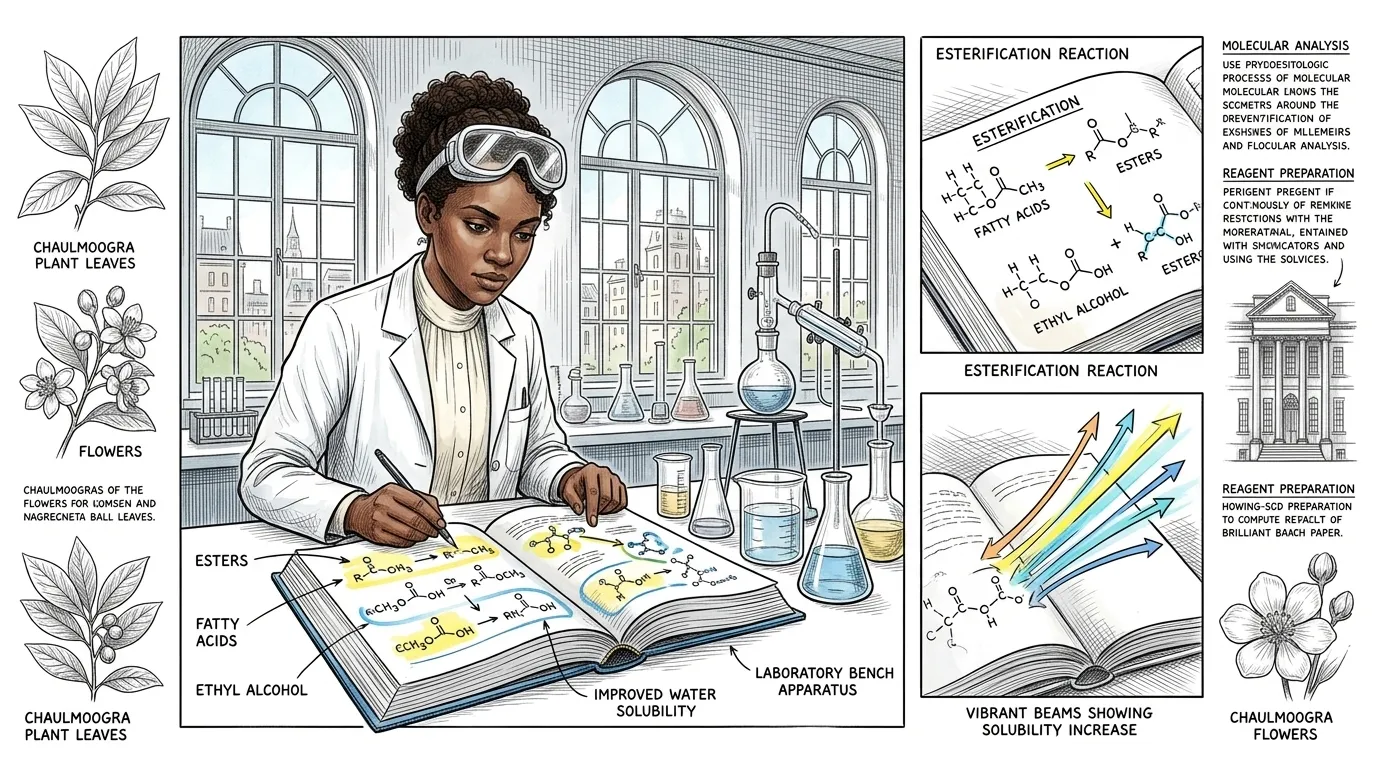
Alice Ball's genius lay in her understanding of organic chemistry, particularly the process of esterification. She theorized that by chemically modifying the fatty acids into their ethyl ester forms, she could drastically improve their water solubility without destroying their therapeutic properties. The process involved reacting the chaulmoogra fatty acids with ethyl alcohol in the presence of a catalyst. This reaction replaced the acidic hydrogen of the carboxyl group with an ethyl group, creating an ester that was far more stable and amenable to injection into the bloodstream without the agonizing side effects of the raw oil.
Page 6
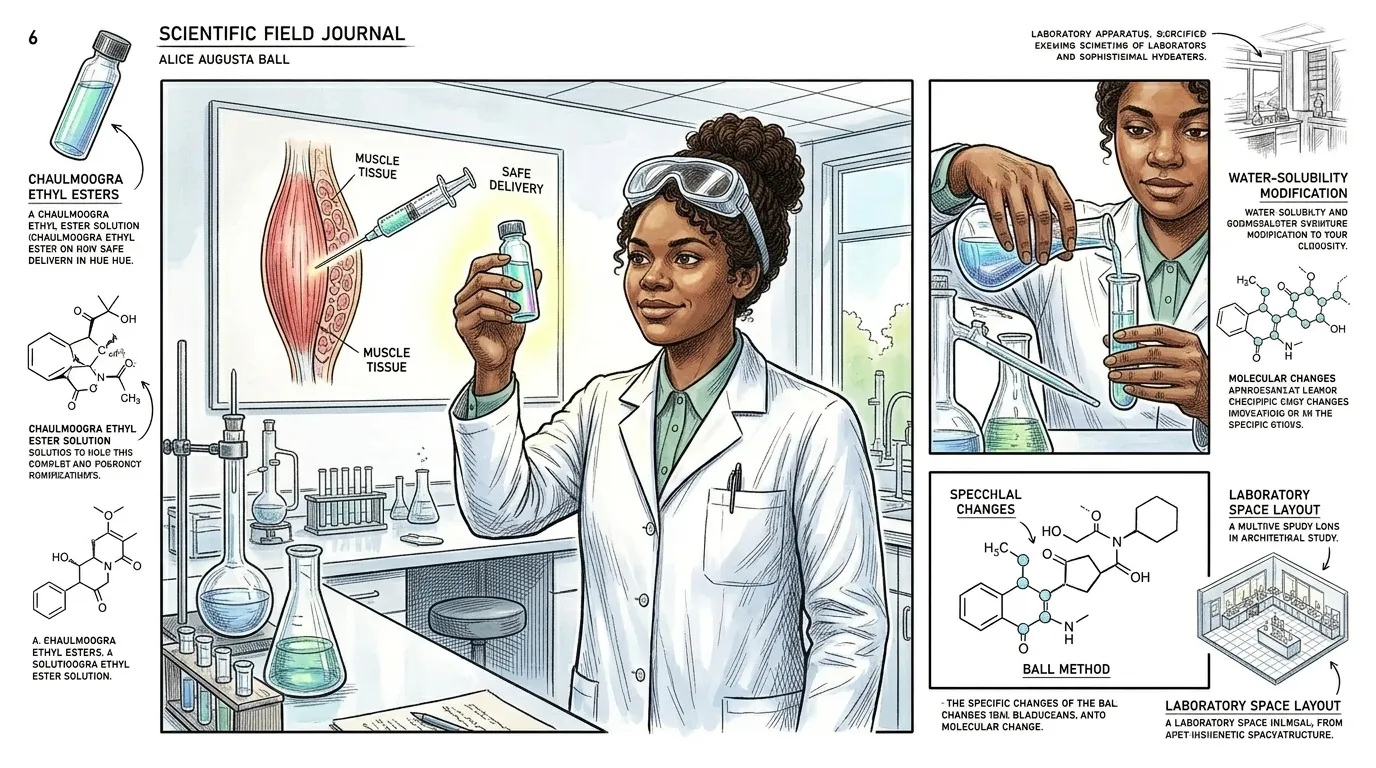
The result of Ball's meticulous work was the creation of the first injectable form of chaulmoogra oil, known as the 'Ball Method.' She successfully isolated the active compounds and converted them into ethyl esters, rendering them water-soluble. This meant the medication could be safely administered via injection into the muscles, bypassing the digestive system and allowing for consistent, therapeutic doses to reach the affected tissues. This innovation transformed a crude, ineffective folk remedy into a viable pharmaceutical treatment, offering the first real hope for thousands of patients suffering from Hansen's Disease. It was the precise scientific payoff to the previously insoluble chemical problem.
Page 7

The clinical trials at Kalihi Hospital, overseen by Dr. Harry Hollmann, quickly demonstrated the efficacy of the Ball Method. Patients who had suffered for years, with no relief from traditional treatments, began to show remarkable improvement. Lesions healed, nerve pain diminished, and many experienced a significant reduction in symptoms. The ability to receive treatment in a hospital rather than exiled to isolated colonies fundamentally altered the lives of those with Hansen's Disease. This success was a testament to Alice Ball's chemical ingenuity, saving countless individuals from severe disfigurement and social stigma.
Page 8
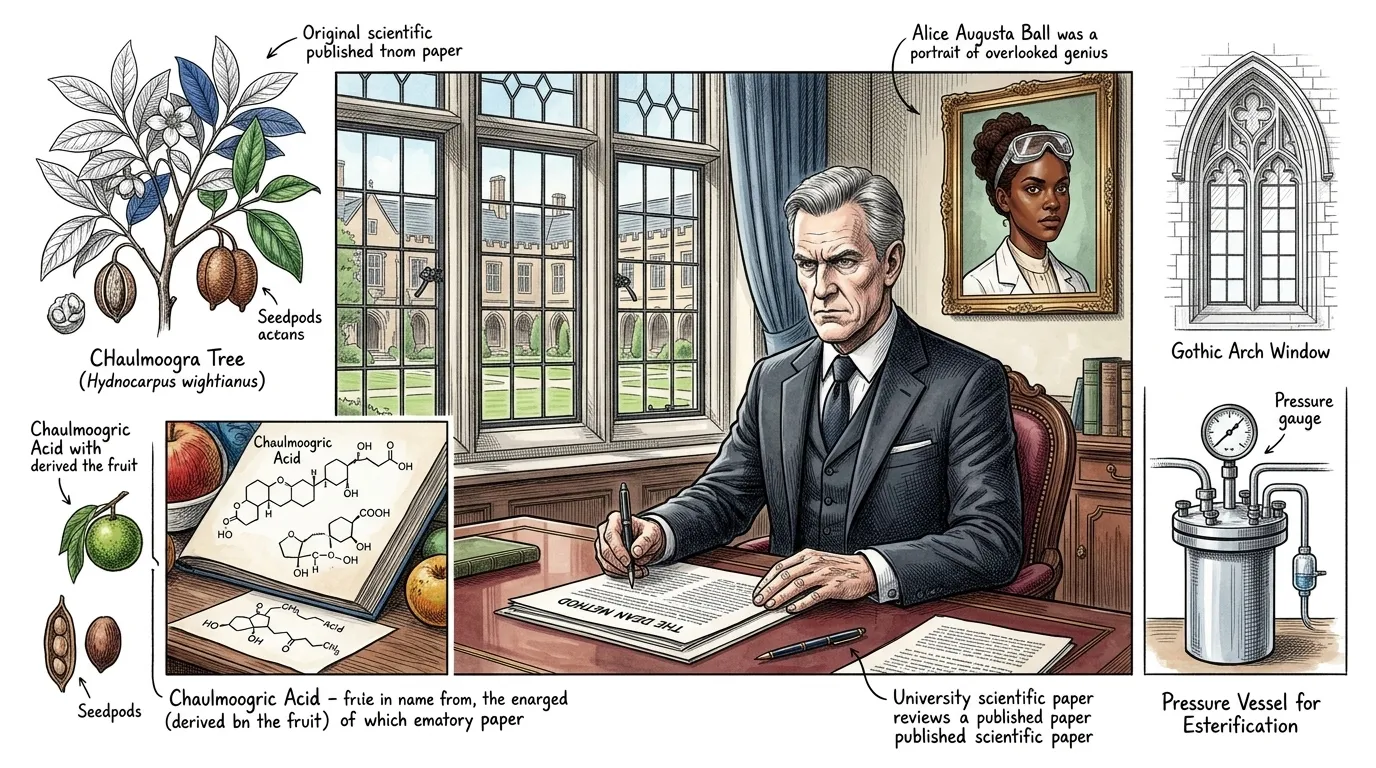
Tragically, Alice Ball's life was cut short in 1916 at the age of 24, likely due to complications from chlorine poisoning suffered during a laboratory accident. Her groundbreaking work, however, continued to save lives. But in a profound act of injustice, the president of the University of Hawaii, Arthur Dean, continued Ball's research and published her findings without proper attribution, claiming the 'Dean Method' as his own. Dean's actions not only overshadowed her critical contributions but also denied her the recognition she deserved as a young Black woman in a scientific field dominated by white men.
Page 9
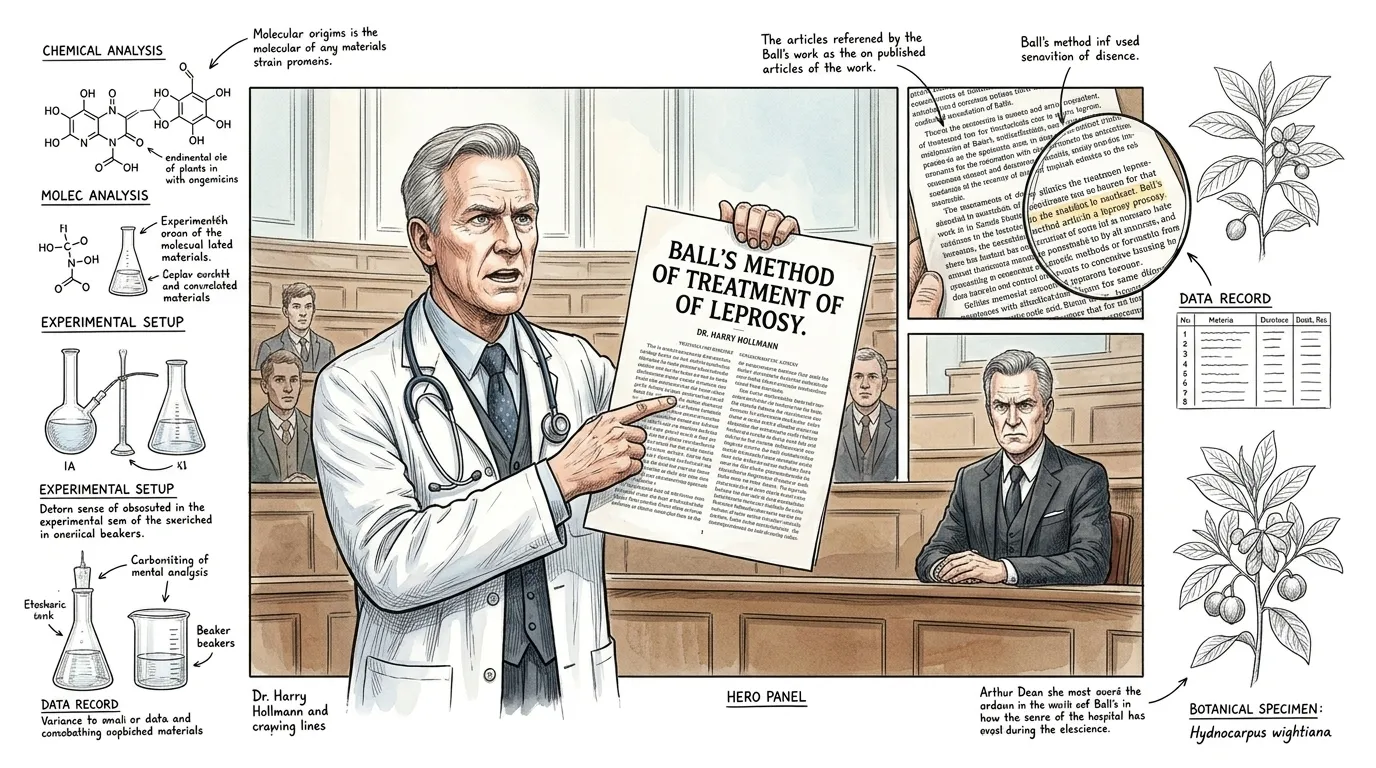
It was Dr. Harry Hollmann, the physician who first collaborated with Ball, who vehemently challenged Dean's appropriation. Hollmann meticulously documented Ball's original experiments and publications, publishing an article in 1922 that explicitly credited her with the chaulmoogra ethyl ester method, condemning Dean's deceit. 'The only thing we have to fear is fear itself,' one might recall Franklin D. Roosevelt's words, and in this context, the scientific community's fear of challenging established authority began to wane as truth prevailed. Hollmann's unwavering advocacy was crucial in re-establishing Alice Ball's rightful place in scientific history, ensuring her name would eventually be recognized globally as the true pioneer.
Page 10
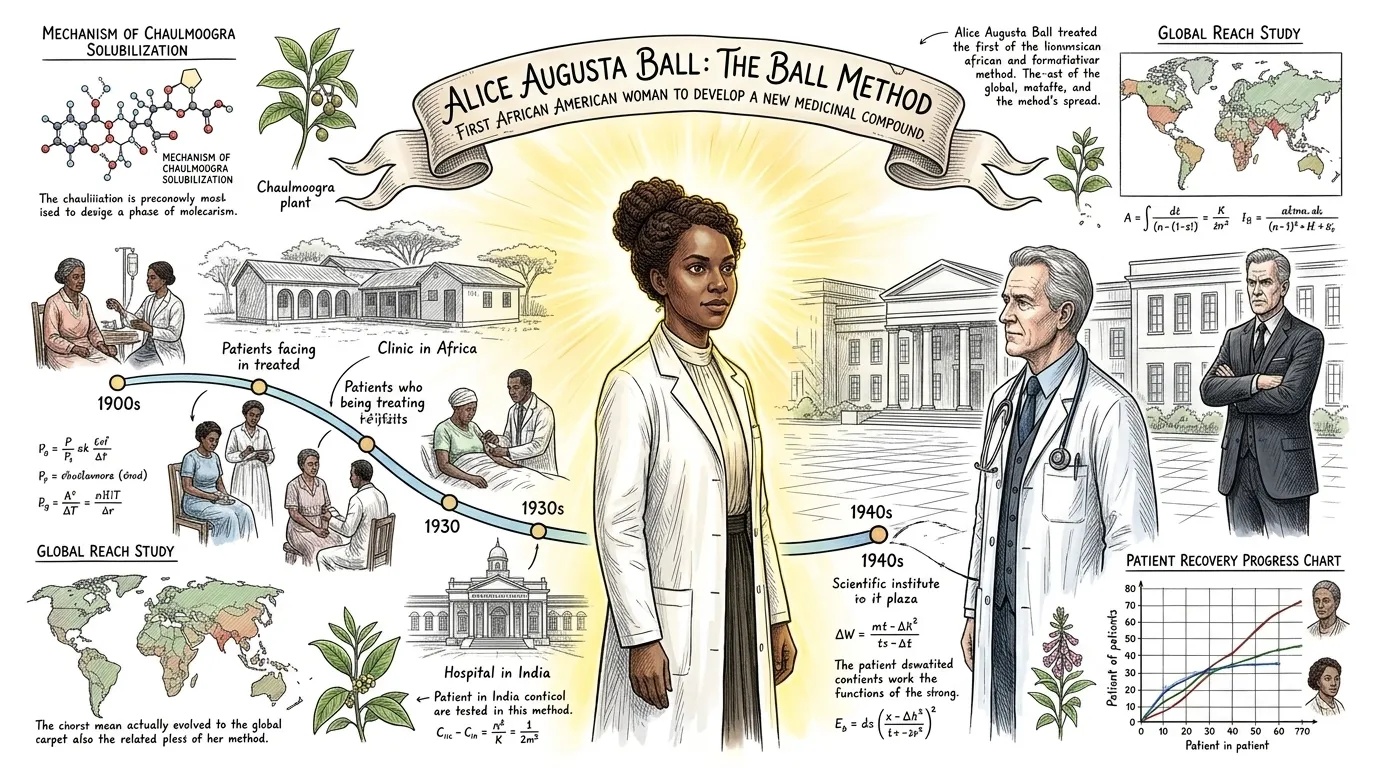
Alice Ball's development of the injectable chaulmoogra ethyl esters remained the most effective treatment for Hansen's Disease until the advent of sulfone drugs in the 1940s. Her method offered relief and hope to hundreds of thousands worldwide, fundamentally changing the lives of countless patients. Beyond the medical impact, Ball's story stands as a powerful testament to scientific integrity, perseverance, and the fight against systemic bias. Her pioneering work, posthumously recognized, broke barriers as she became the first African American woman to develop a new medicinal compound, cementing her legacy as a truly remarkable figure in the history of science and medicine.
About this story
- Location: Global
- Audience: general readers
Questions and answers
Read Wonder Science on your phone
Wonder Science is available on Android. Get Wonder Science on Google Play.