George Washington Carver
George Washington Carver — an illustrated science story, set in Global. 10 illustrated pages, free to read on Wonder Science.
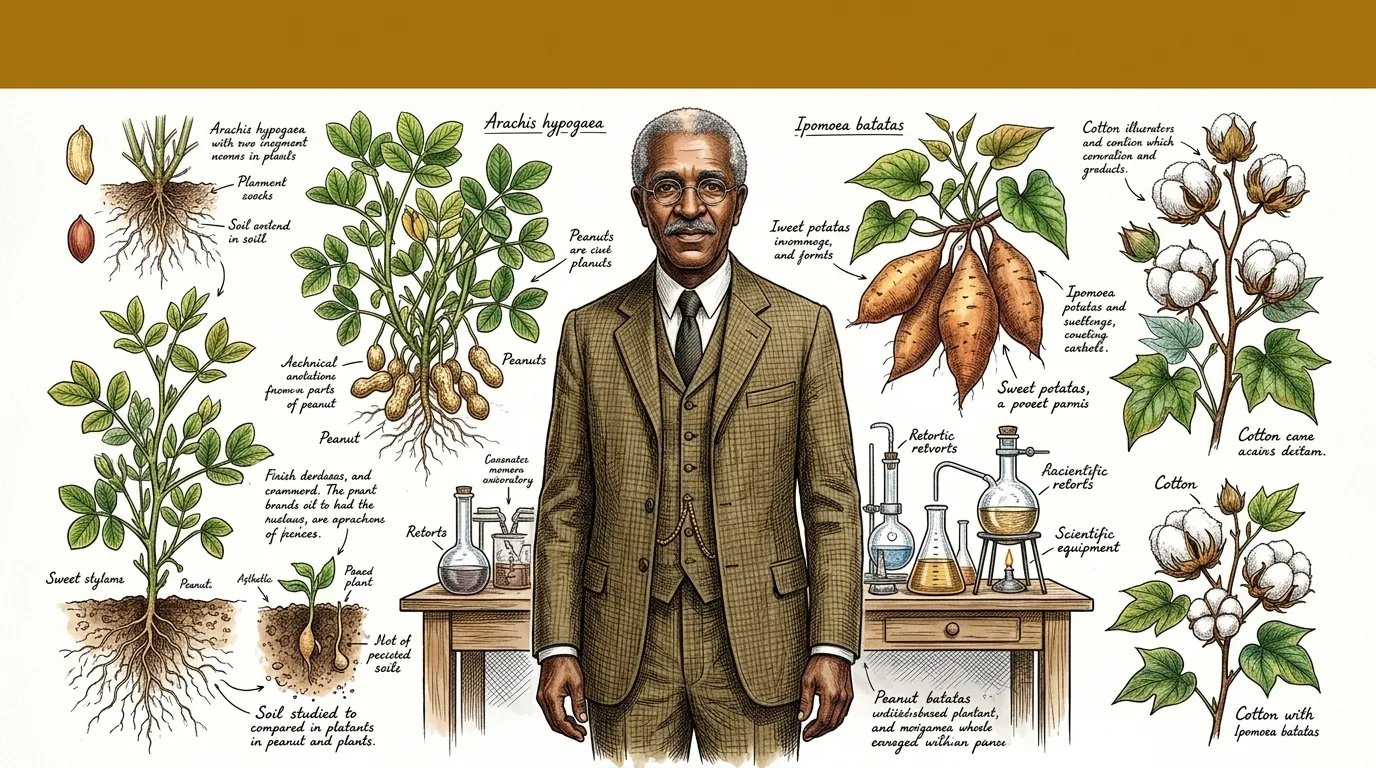
Page 1
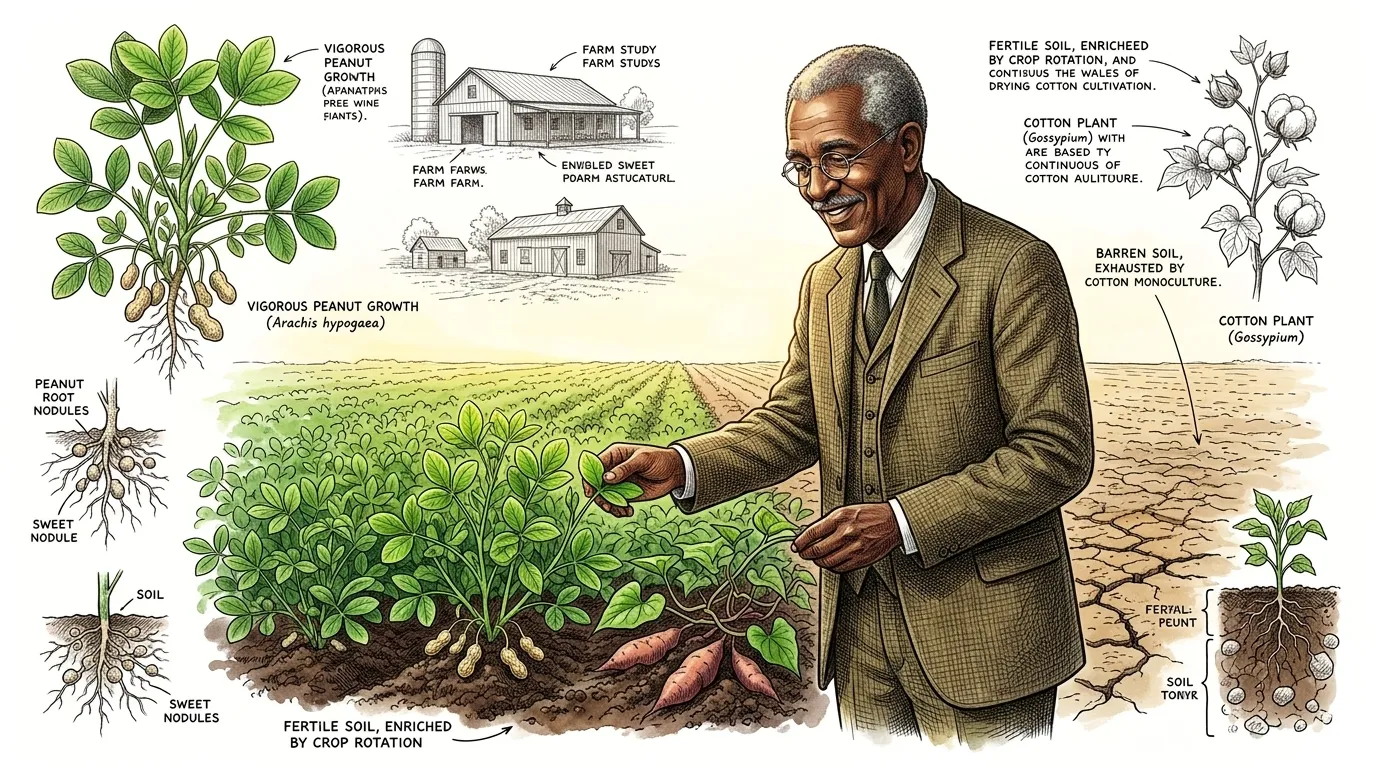
At the cusp of the 20th century, amidst an exhausted agricultural landscape in the American South, one scientist embarked on a mission that would redefine sustenance and economics. George Washington Carver, a visionary botanist and agricultural chemist at the Tuskegee Institute in Alabama, confronted generations of soil depletion caused by continuous cotton cultivation. His groundbreaking work, beginning in the late 1890s, catalyzed a profound shift, transforming barren fields into fertile ground and elevating the peanut and sweet potato from humble crops to foundational elements of a regenerative agricultural system.
Page 2
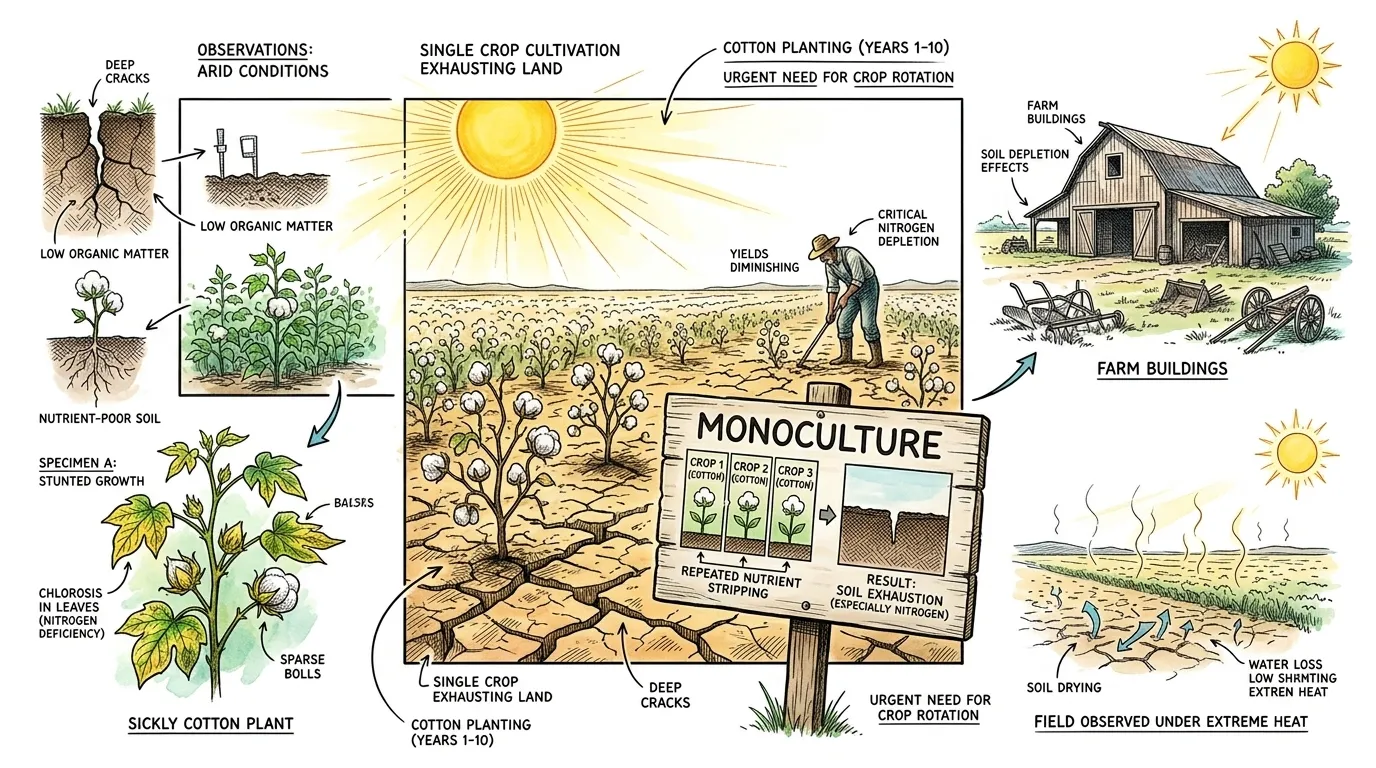
For decades after the Civil War, the agricultural economy of the American South remained largely anchored to a single crop: cotton. This intensive monoculture, a practice of growing the same crop repeatedly on the same land, stripped the soil of essential nutrients, primarily nitrogen. Year after year, without proper rotation or fertilization, the once-rich topsoil became increasingly barren, leading to dramatically diminishing yields and trapping countless farming families in a cycle of poverty and debt. The land itself was nearing ecological collapse, demanding an urgent scientific intervention.
Page 3
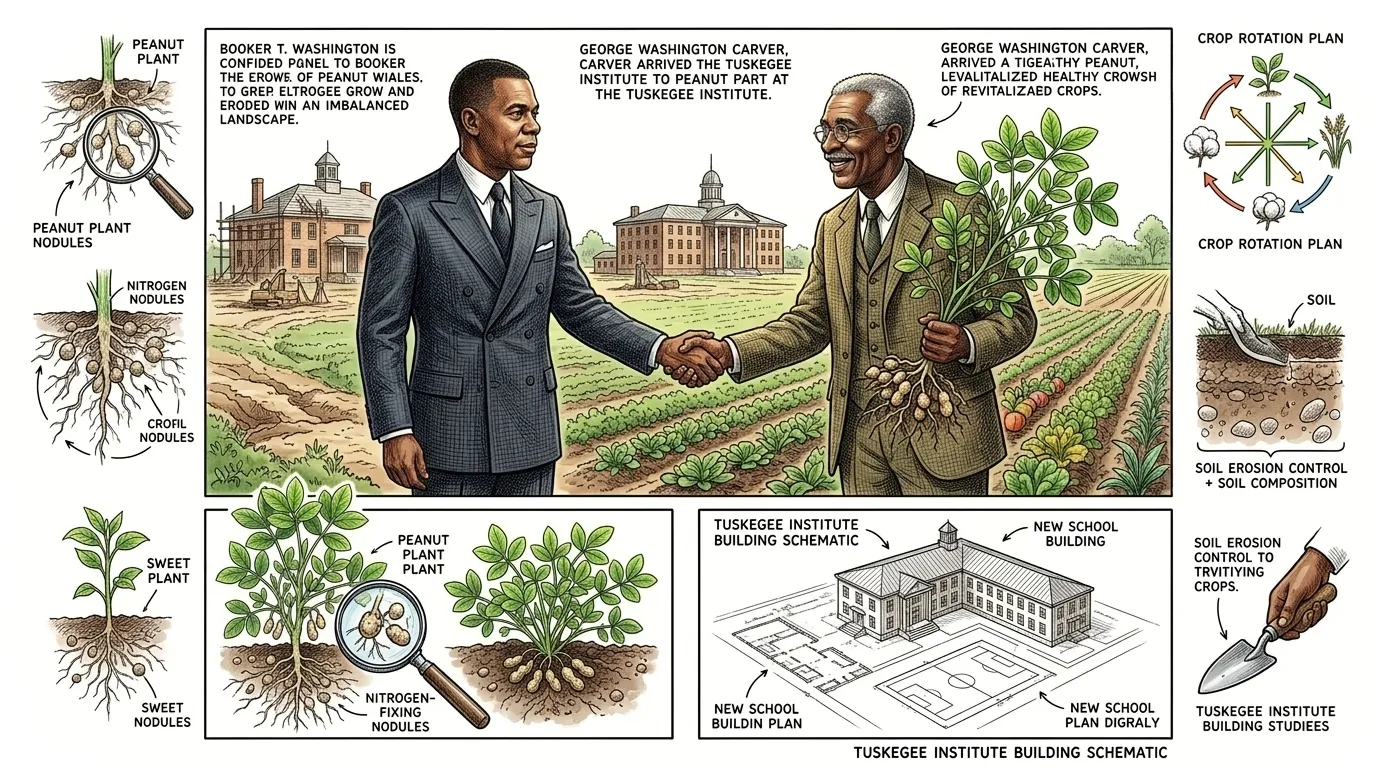
When George Washington Carver arrived at the Tuskegee Institute in 1896, invited by its founder Booker T. Washington, he found a region suffering not just from economic hardship but from a fundamental ecological imbalance. Carver intuitively understood that the health of the community was inextricably linked to the health of the soil. His immediate challenge was to convince farmers to abandon the entrenched, destructive practice of cotton monoculture and embrace diversification with crops that could restore the very foundation of their livelihood. This meant introducing plants like the peanut, which, unknown to many, held a powerful secret for soil regeneration.
Page 4
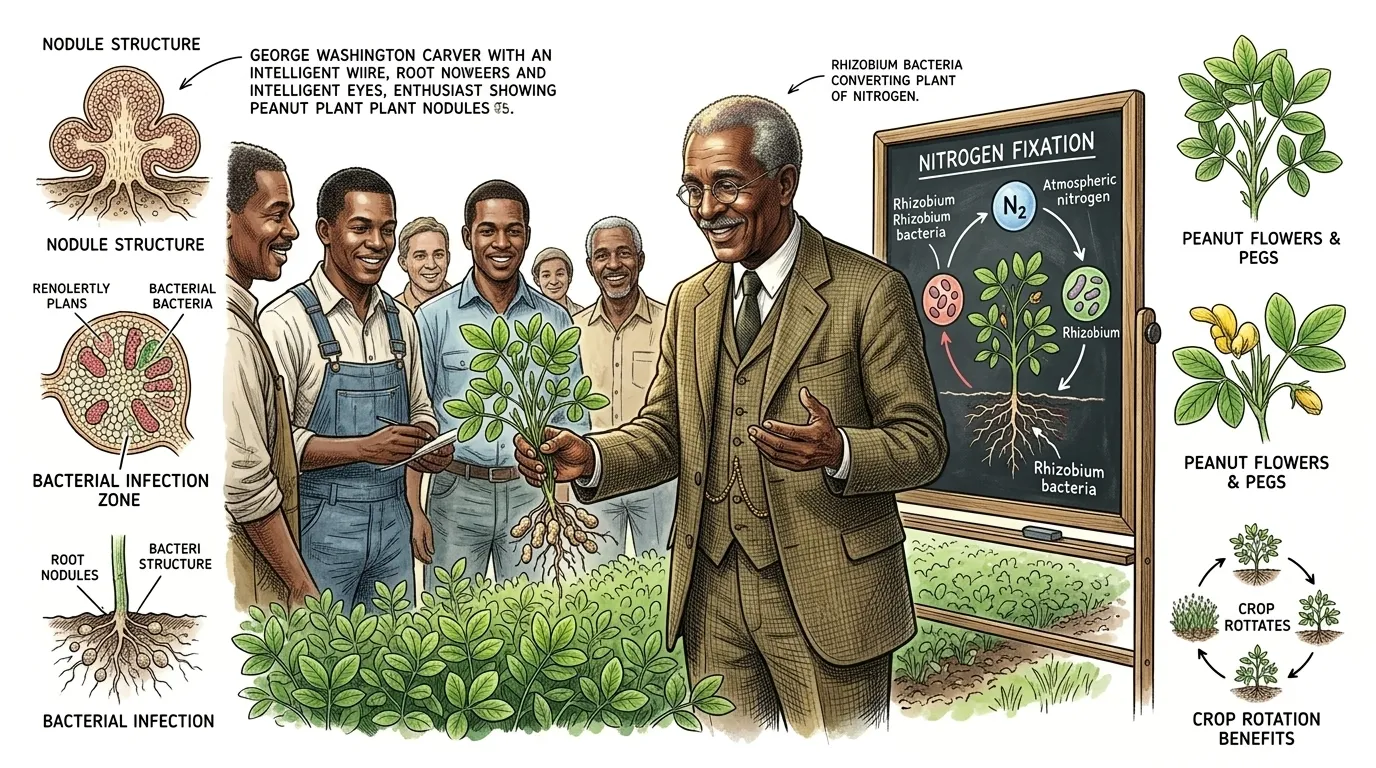
Carver tirelessly advocated for the cultivation of legumes such as peanuts, sweet potatoes, and soybeans. The scientific principle behind this diversification was profound: legumes possess a unique symbiotic relationship with certain soil bacteria (Rhizobium) that reside in nodules on their roots. These bacteria are capable of converting atmospheric nitrogen into a form usable by plants, a process known as nitrogen fixation. By rotating legumes with cotton, Carver demonstrated how farmers could naturally replenish the soil's nitrogen content, drastically reducing the need for expensive chemical fertilizers and rejuvenating the land for future harvests.
Page 5
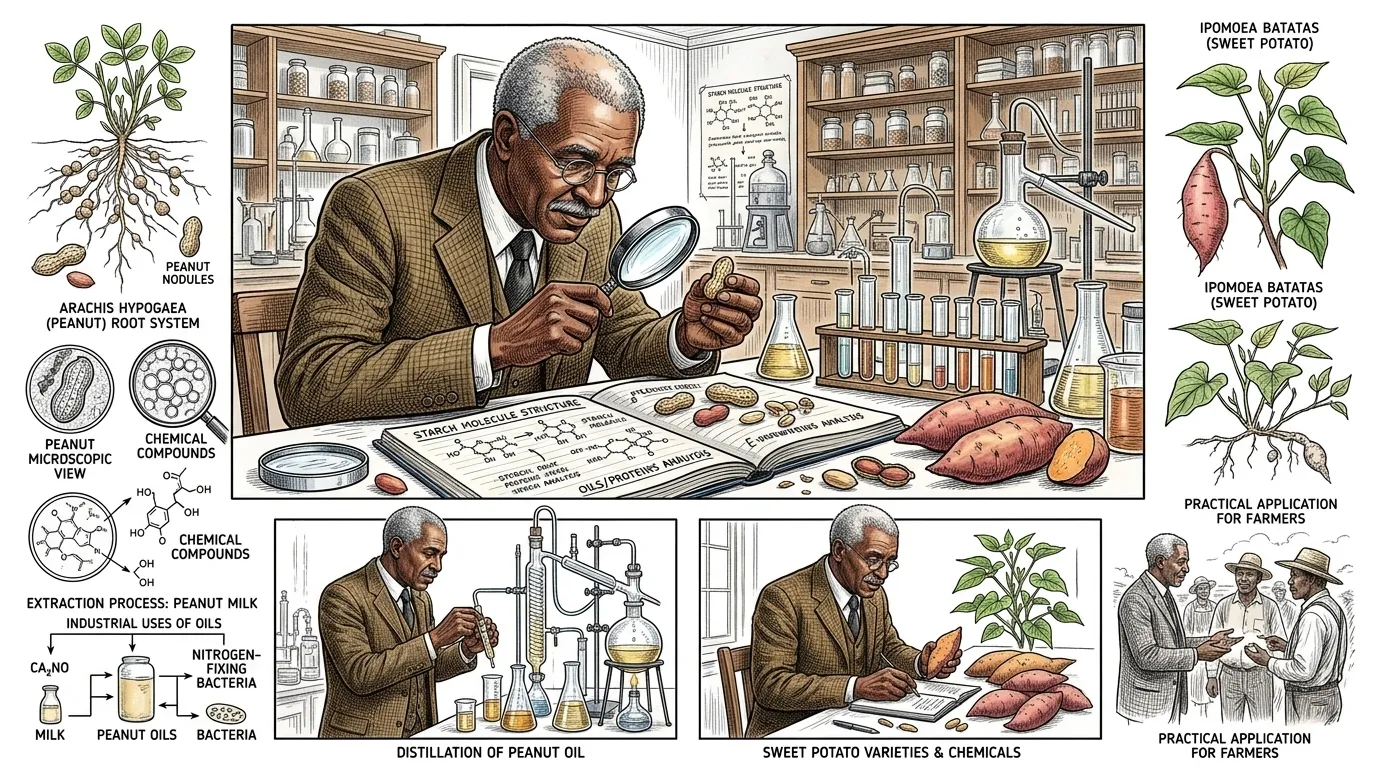
Carver's approach extended far beyond mere crop rotation; he aimed to create economic value from these new crops, thereby securing farmer buy-in. His laboratory at Tuskegee became a nexus of agricultural chemistry, where he meticulously deconstructed plants like the peanut and sweet potato. His method involved a systematic analysis of their chemical composition—starches, oils, proteins, and fibers—to unlock their full potential. This was not abstract research, but a pragmatic quest to find "hundreds of uses" for these versatile plants, thereby creating new markets and reducing reliance on a single, failing commodity.
Page 6
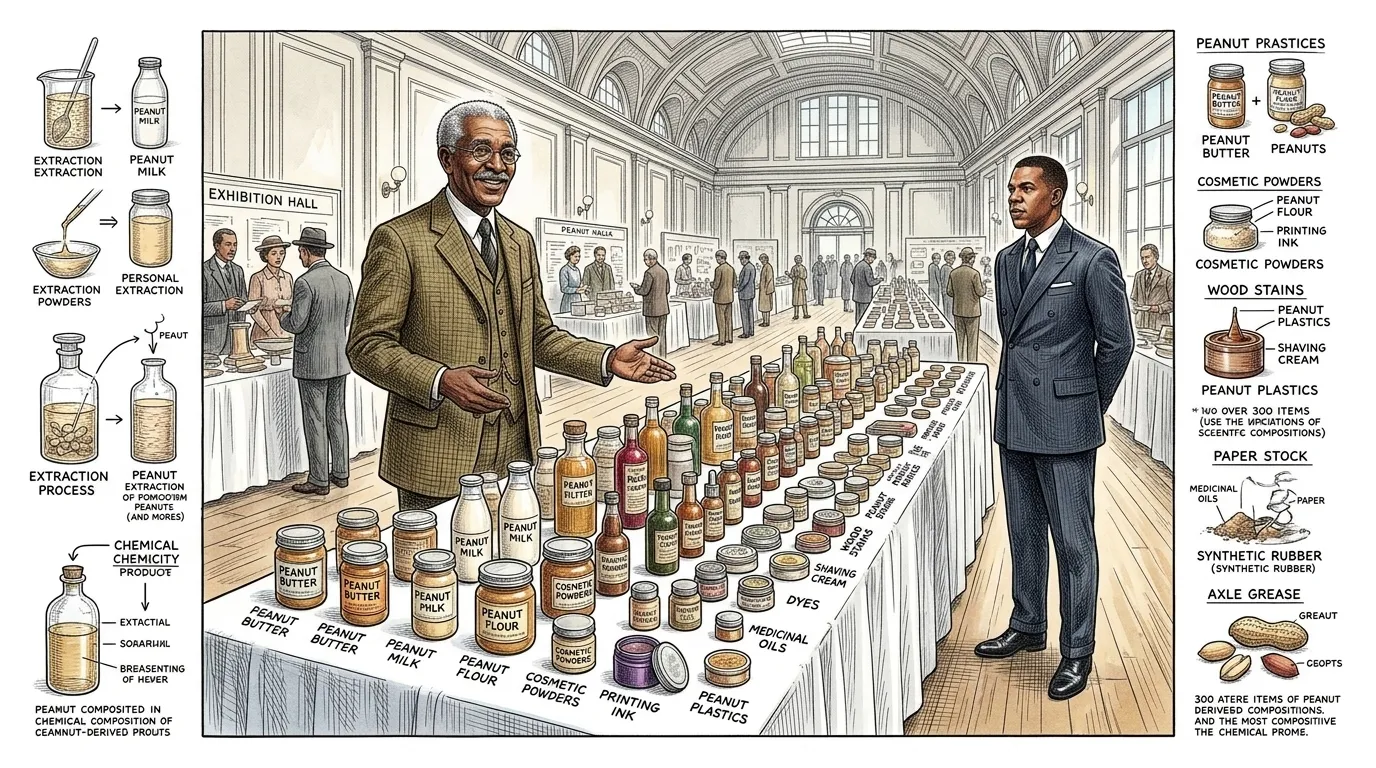
Carver's relentless experimentation with the peanut yielded astonishing results. From a simple groundnut, he developed over 300 different products. Beyond foods like peanut butter, milk, and flour, his innovations extended into diverse fields: cosmetics (shaving cream, face powder), industrial applications (printer's ink, dyes, plastics, insulation boards), and even medicinal compounds. This remarkable breadth of innovation demonstrated that plants could serve as raw materials for an entire manufacturing economy, providing struggling farmers not just food, but pathways to self-sufficiency and new sources of income previously unimagined.
Page 7
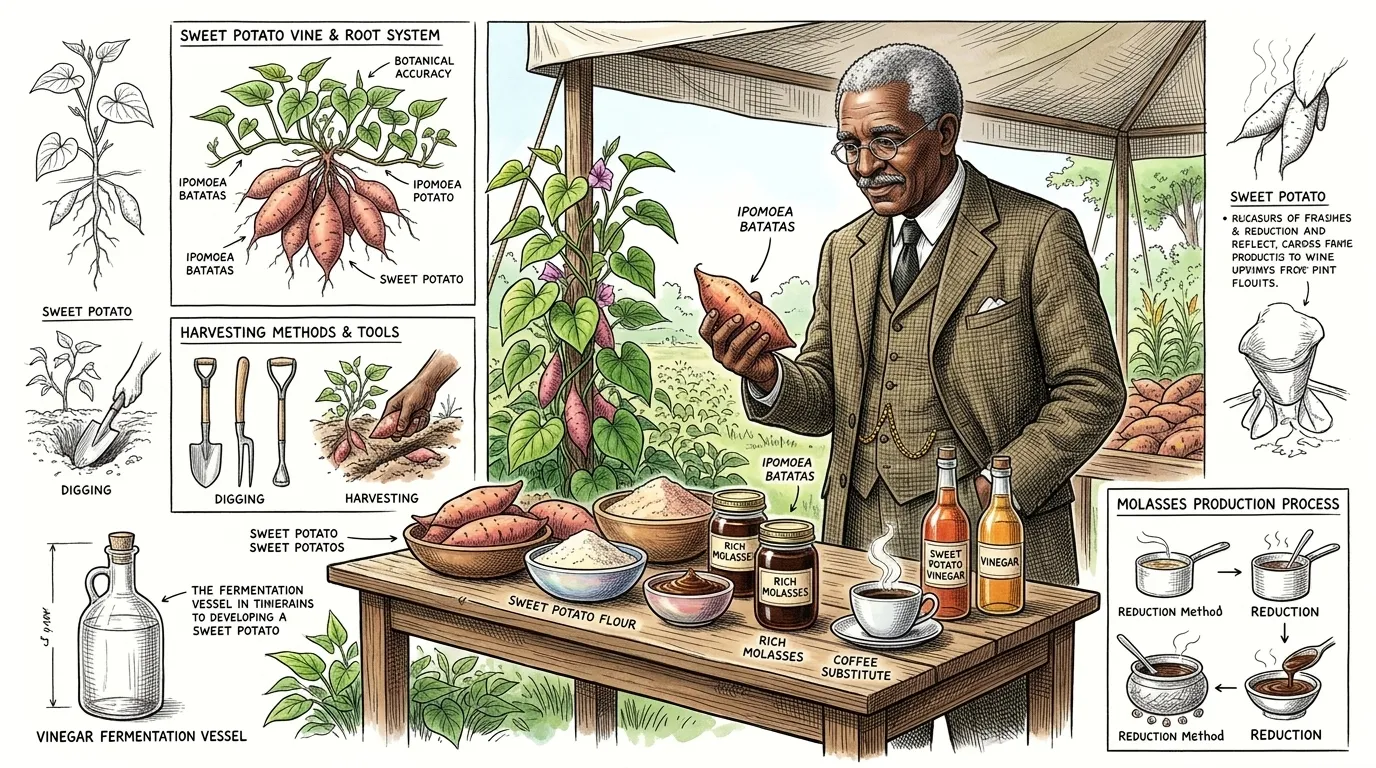
Not to be outdone by the peanut, the sweet potato also became a cornerstone of Carver's innovative work, yielding more than 100 applications. Recognizing its abundance and nutritional value, he transformed it into flour, starch, sugar, molasses, vinegar, and even a coffee substitute. This ingenuity was critical for food security, particularly in times of scarcity, but it also offered new avenues for economic development. By converting surplus crops into stable, marketable goods, Carver empowered farmers to minimize waste and maximize their harvest's financial return, effectively creating a resilient agricultural economy from the ground up.
Page 8
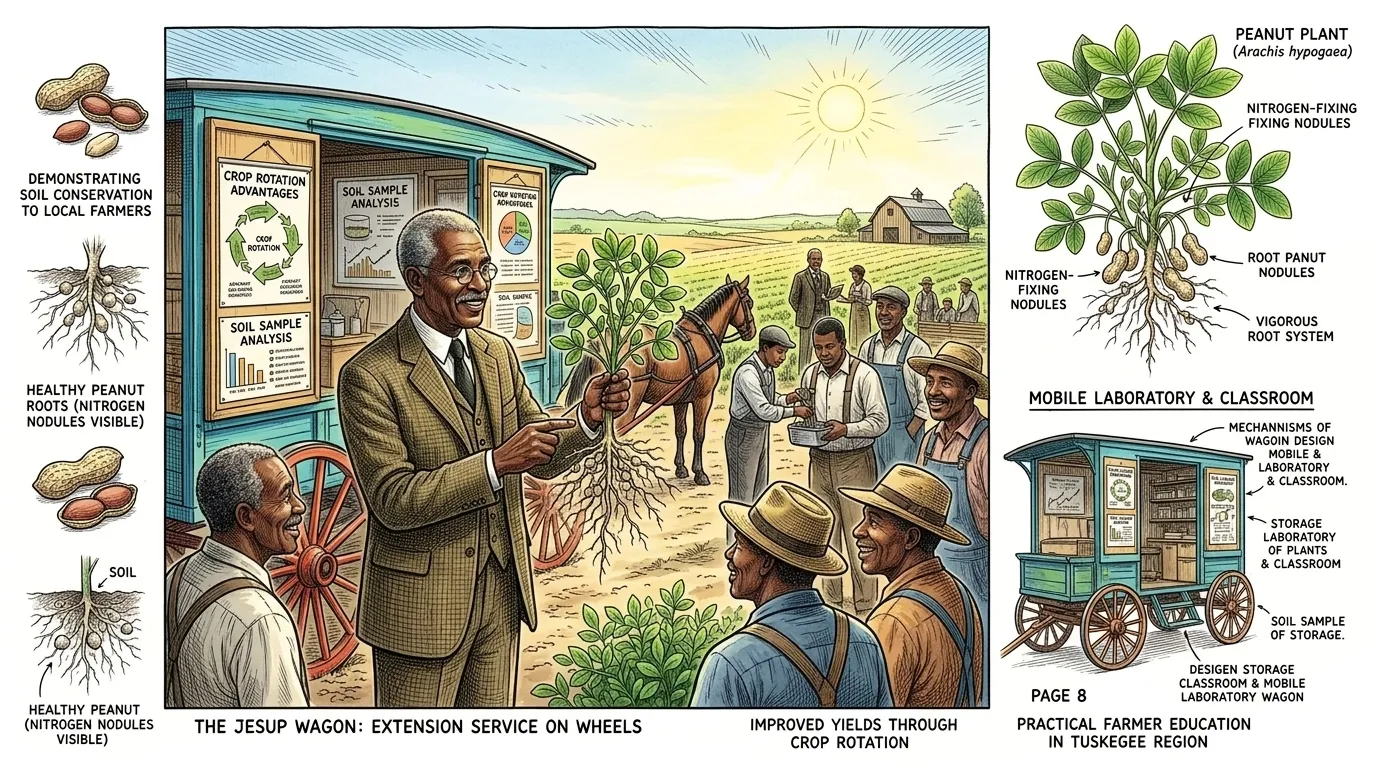
Carver understood that scientific breakthroughs were meaningless if they couldn't reach the people who needed them most. To bridge the gap between his laboratory and the isolated rural farmers, he spearheaded the 'Jesup Wagon,' later known as the 'movable school.' This mobile classroom, equipped with agricultural exhibits and demonstrations, traveled directly to farms and communities across the South. Carver and his assistants taught practical lessons on soil enrichment, crop rotation, and diversified farming methods, directly empowering thousands of farmers with the knowledge and tools to transform their land and improve their economic standing.
Page 9
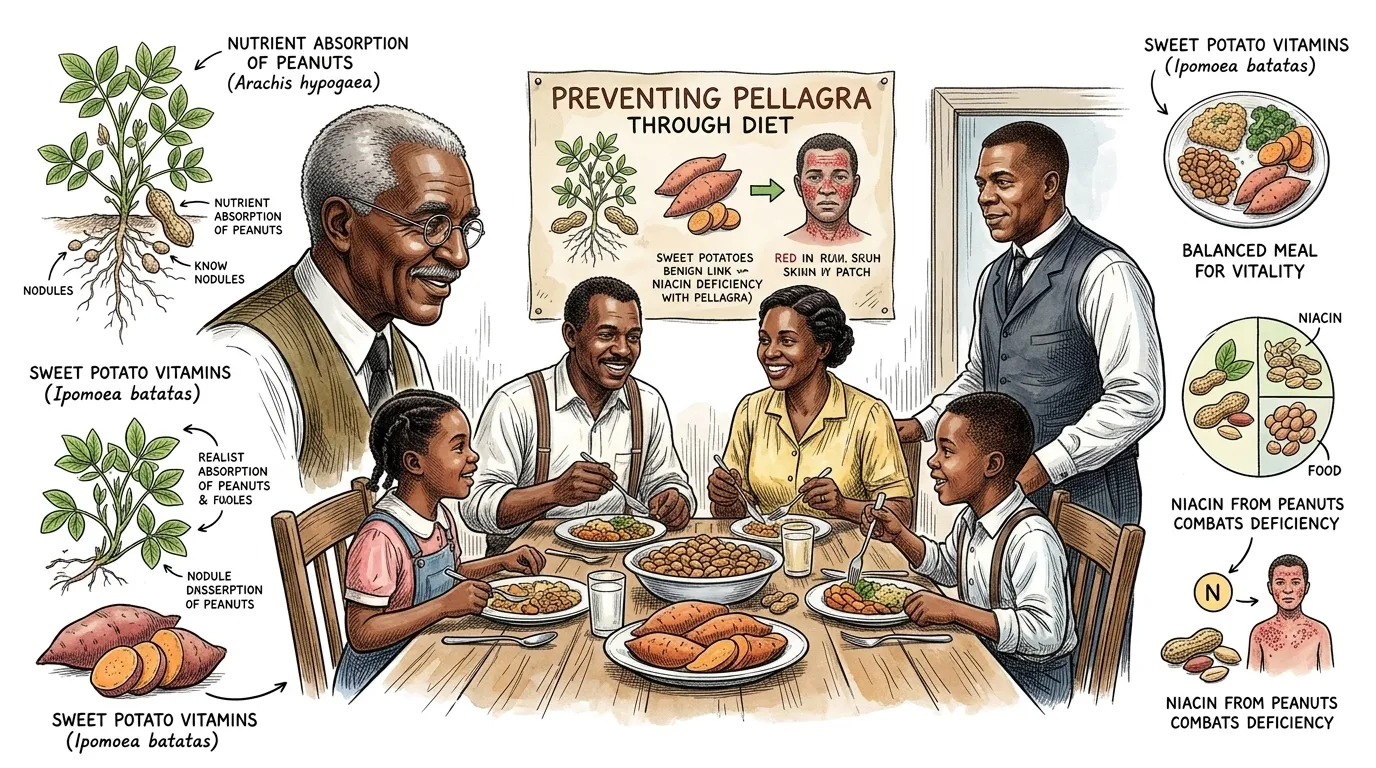
The impact of Carver's work extended far beyond agricultural economics, profoundly influencing public health and nutrition in the impoverished rural South. By introducing protein-rich peanuts and vitamin-rich sweet potatoes, he diversified diets previously reliant on nutrient-poor staples. This nutritional shift helped combat widespread deficiencies, particularly pellagra, a debilitating disease caused by a lack of niacin. Carver's innovations didn't just enrich the soil; they enriched human health, providing accessible, affordable, and nutrient-dense food sources that improved the overall well-being and vitality of entire communities.
Page 10
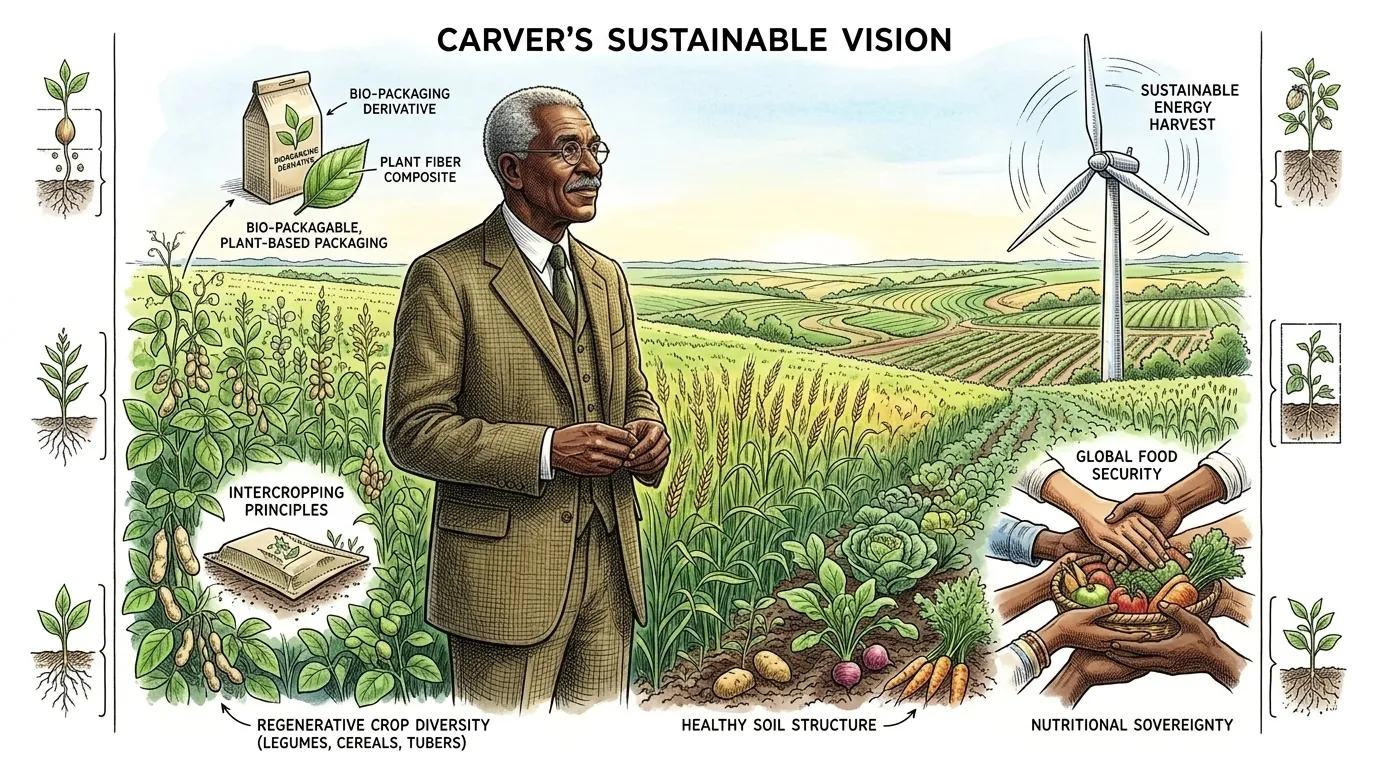
George Washington Carver's legacy endures as a testament to the power of scientific inquiry applied with social purpose. His pioneering work in regenerative agriculture, bio-innovation, and extension education laid foundations that continue to resonate today. From modern sustainable farming practices and the development of plant-based materials to global efforts in food security and nutrition, Carver's interdisciplinary approach continues to inspire. He demonstrated that true scientific breakthroughs are not isolated discoveries but holistic solutions that elevate communities, respect the environment, and unlock the transformative potential inherent in the natural world.
About this story
- Location: Global
- Audience: general readers
Questions and answers
Read Wonder Science on your phone
Wonder Science is available on Android. Get Wonder Science on Google Play.