Guion Bluford
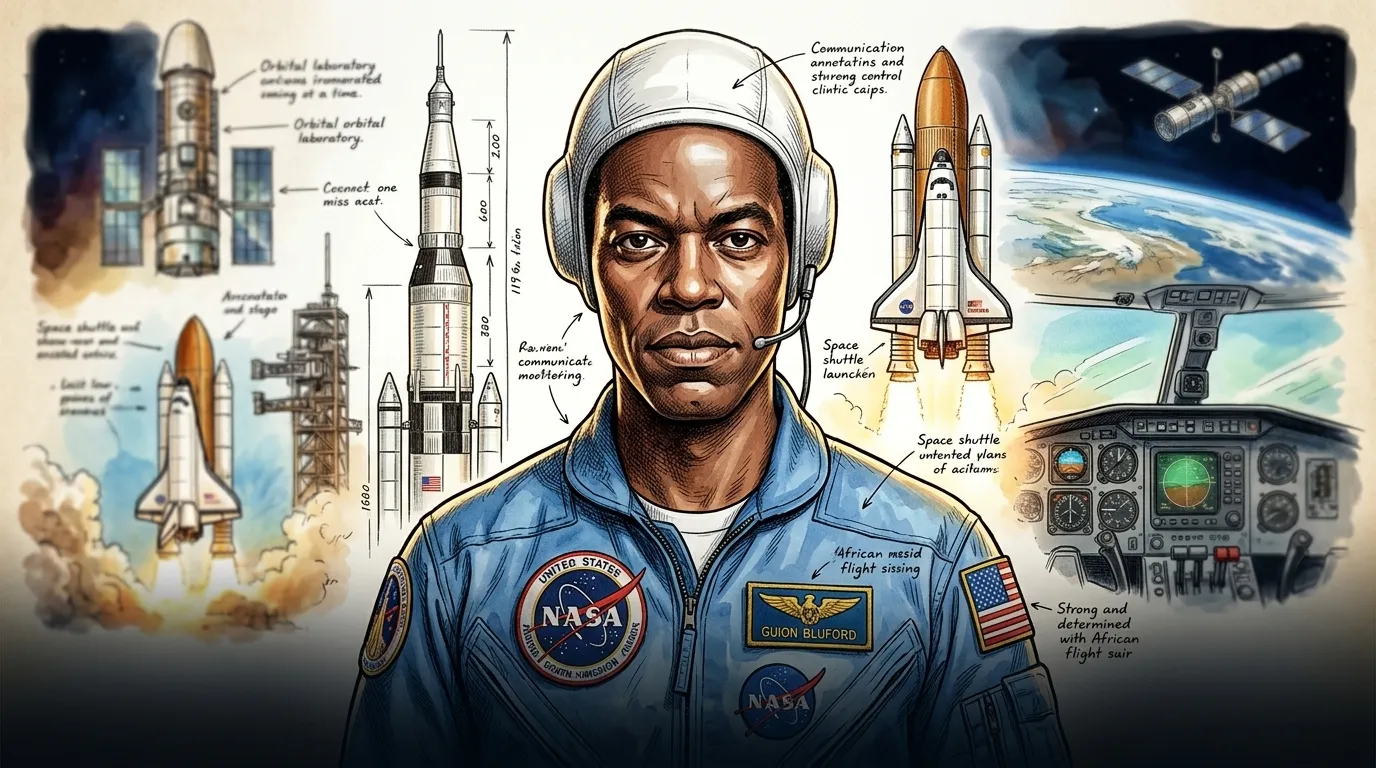
Guion Bluford — an illustrated science story, set in Global. 10 illustrated pages, free to read on Wonder Science.
Page 1
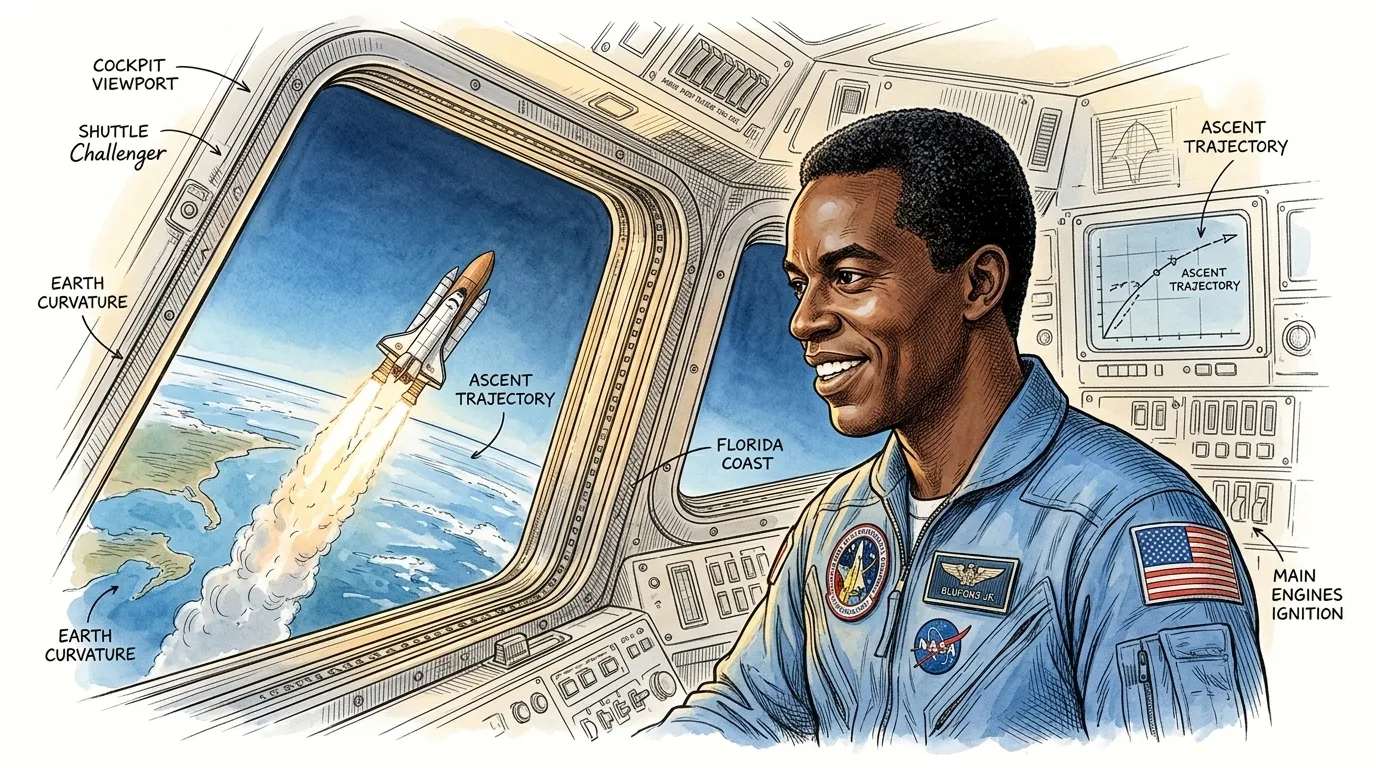
On August 30, 1983, the Space Shuttle Challenger roared to life at Kennedy Space Center, Florida. Aboard its ascent, Colonel Guion S. Bluford Jr. embarked on a journey that would forever etch his name into history. As a mission specialist on STS-8, Bluford transcended Earth's atmosphere to become the first African American in space, profoundly expanding the horizons of human exploration and achievement. This momentous launch not only represented a personal triumph in aerospace engineering but also a critical step forward in NASA's evolving commitment to diversity, broadcasting a powerful message of inclusion to the world.
Page 2
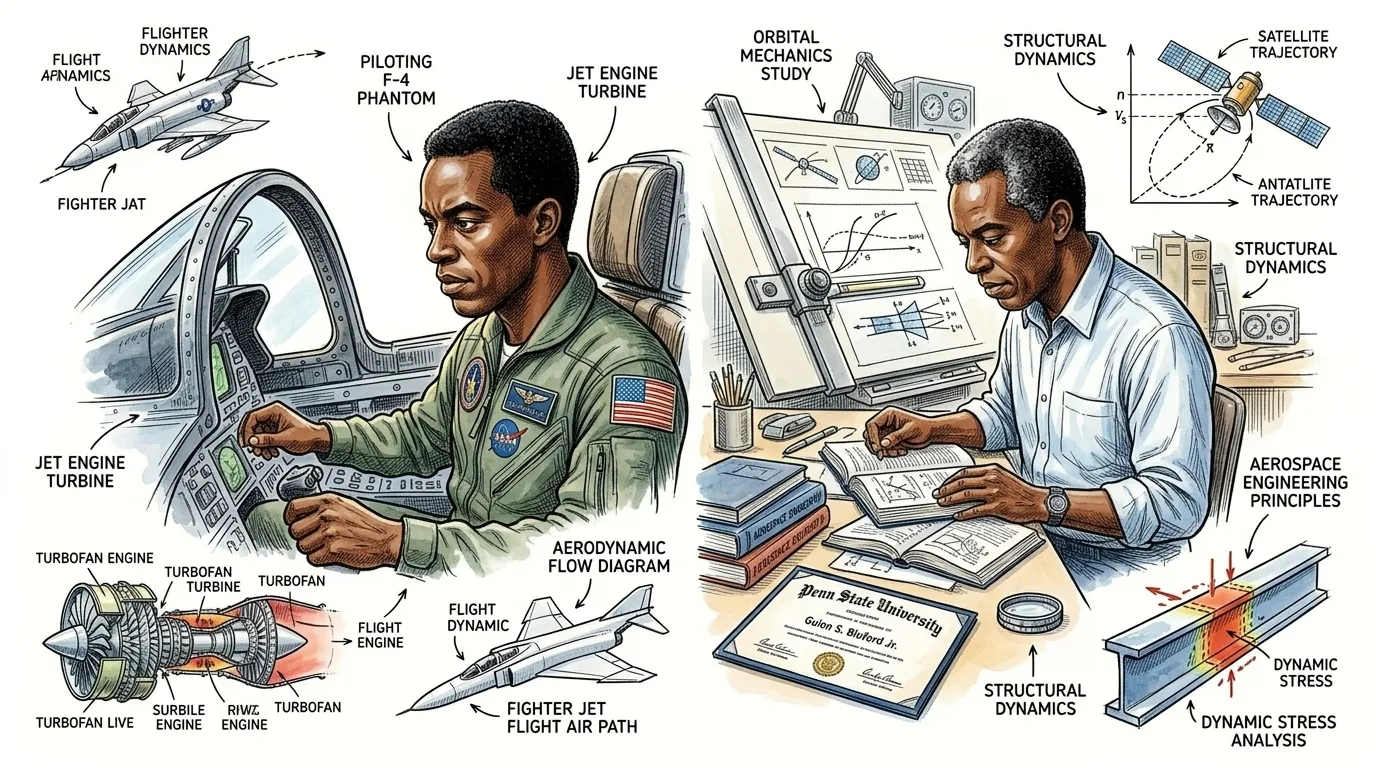
Guion Bluford's path to space was forged through a formidable blend of military service and advanced academic rigor. Born in Philadelphia in 1942, Bluford developed an early fascination with aviation. He earned his bachelor's degree in aerospace engineering from Penn State University in 1964 before commissioning into the U.S. Air Force, where he became a decorated fighter pilot with 160 combat missions over Vietnam. This intense operational experience, combined with a Ph.D. in aerospace engineering from the Air Force Institute of Technology, provided a unique foundation for the complex demands of spaceflight, demonstrating an exceptional intellect coupled with unwavering resolve.
Page 3
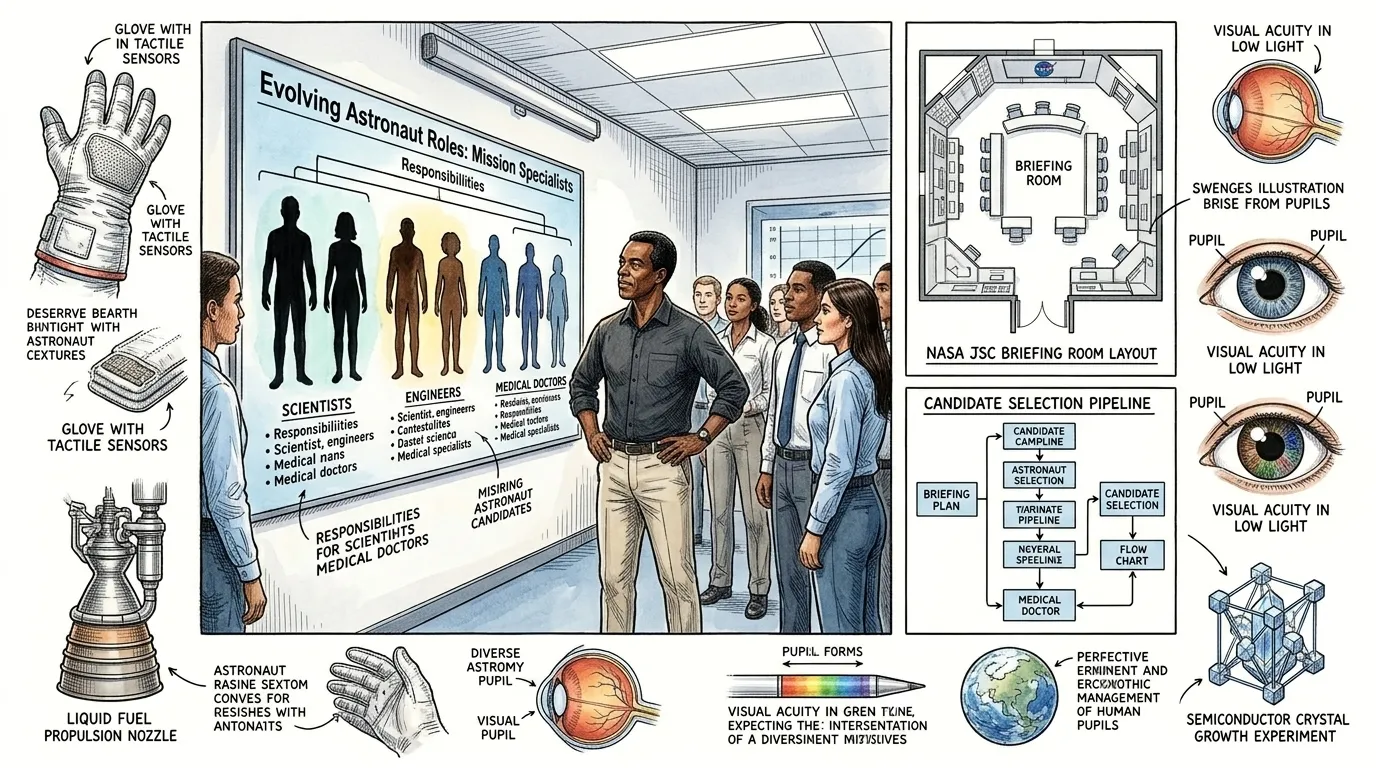
The astronaut selection process, historically dominated by test pilots, underwent a significant transformation in the late 1970s. NASA began recruiting mission specialists—scientists, engineers, and medical doctors—to conduct experiments and manage payloads aboard the new Space Shuttle. This strategic shift deliberately sought a more diverse pool of talent, recognizing that the complexity of future missions demanded a broader spectrum of expertise. Bluford, with his pilot background and advanced engineering degrees, was ideally positioned to meet these evolving requirements, joining the 1978 class of 35 astronaut candidates, which included the first female astronauts and the first African American candidates.
Page 4
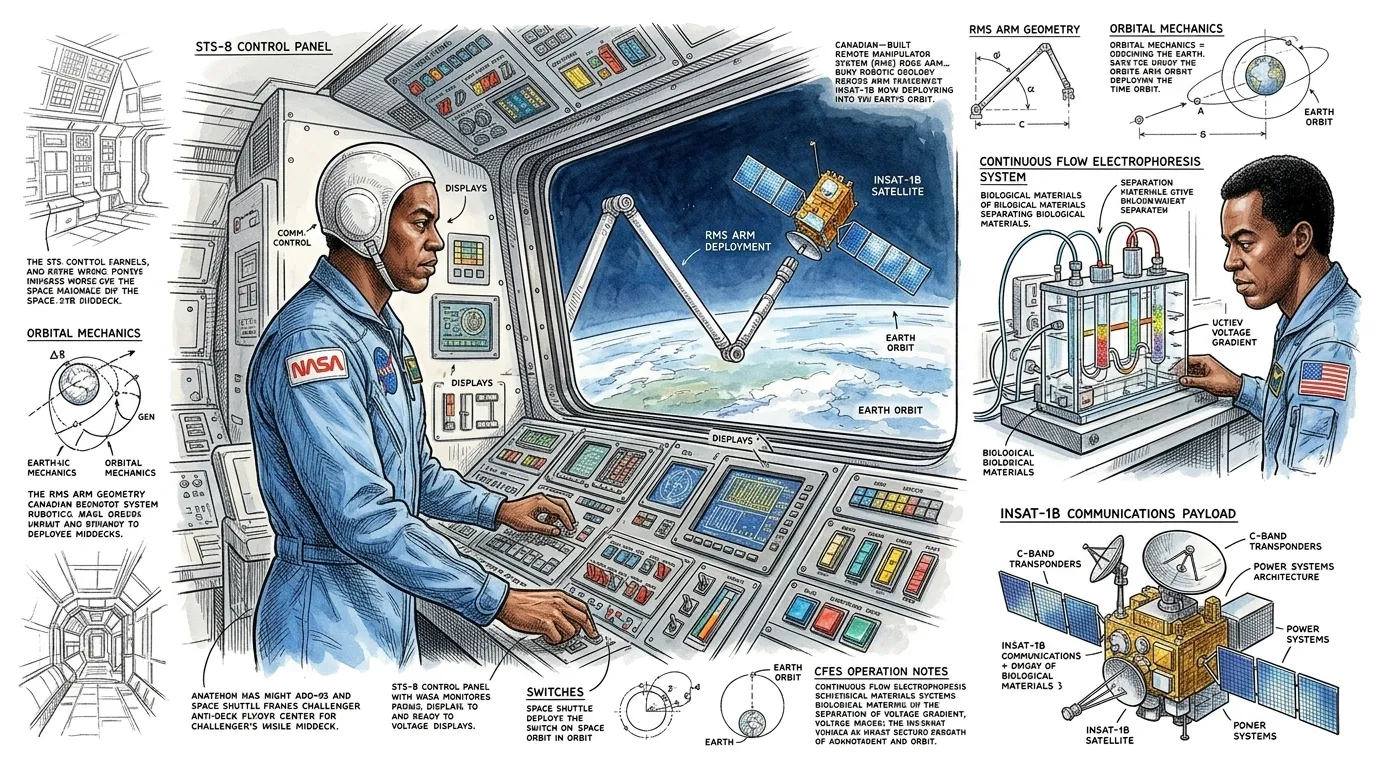
STS-8 was the Space Shuttle Challenger's third flight and a critical nocturnal mission. Its primary objectives included the deployment of the Indian National Satellite (INSAT-1B) and testing the Canadian-built Remote Manipulator System (RMS) arm in space. Bluford's role as a mission specialist involved meticulously monitoring these deployments and conducting a series of scientific experiments, including investigations into biofeedback and testing a continuous flow electrophoresis system. The complexity of these tasks underscored the necessity of highly trained, multi-disciplinary crews, demonstrating the Space Shuttle's capacity as a versatile orbital laboratory.
Page 5
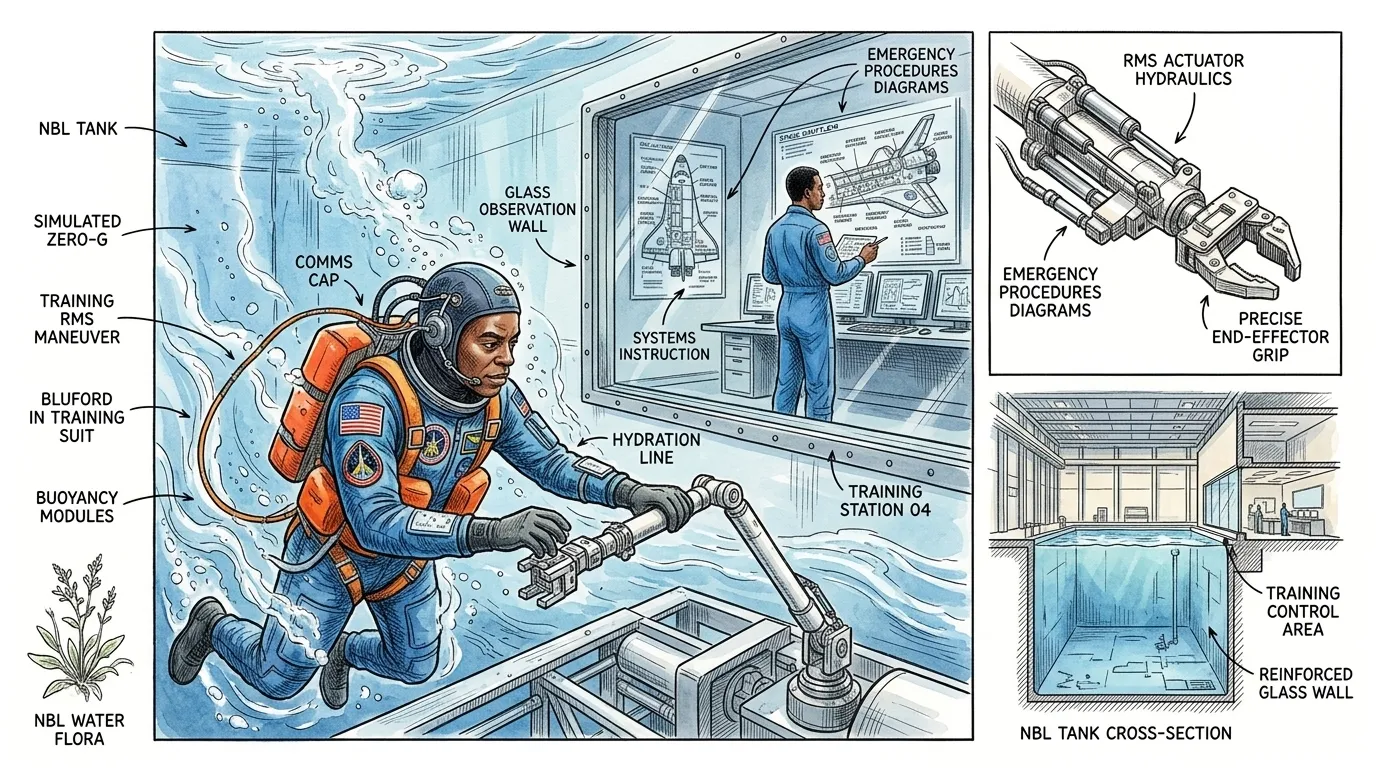
Becoming a mission specialist astronaut required a grueling regimen that pushed physical and intellectual limits. Training encompassed everything from simulated zero-gravity environments in massive water tanks (Neutral Buoyancy Laboratory) to intricate systems instruction for the Space Shuttle's complex machinery. Astronauts learned to operate the robotic arm, conduct spacewalks, manage emergency procedures, and execute scientific protocols under extreme pressure. Bluford, already an accomplished pilot, adapted seamlessly to these new demands, undergoing hundreds of hours of preparation to master the technical intricacies of orbital mechanics and payload operations, transforming from an aerospace engineer to a fully operational spacefarer.
Page 6
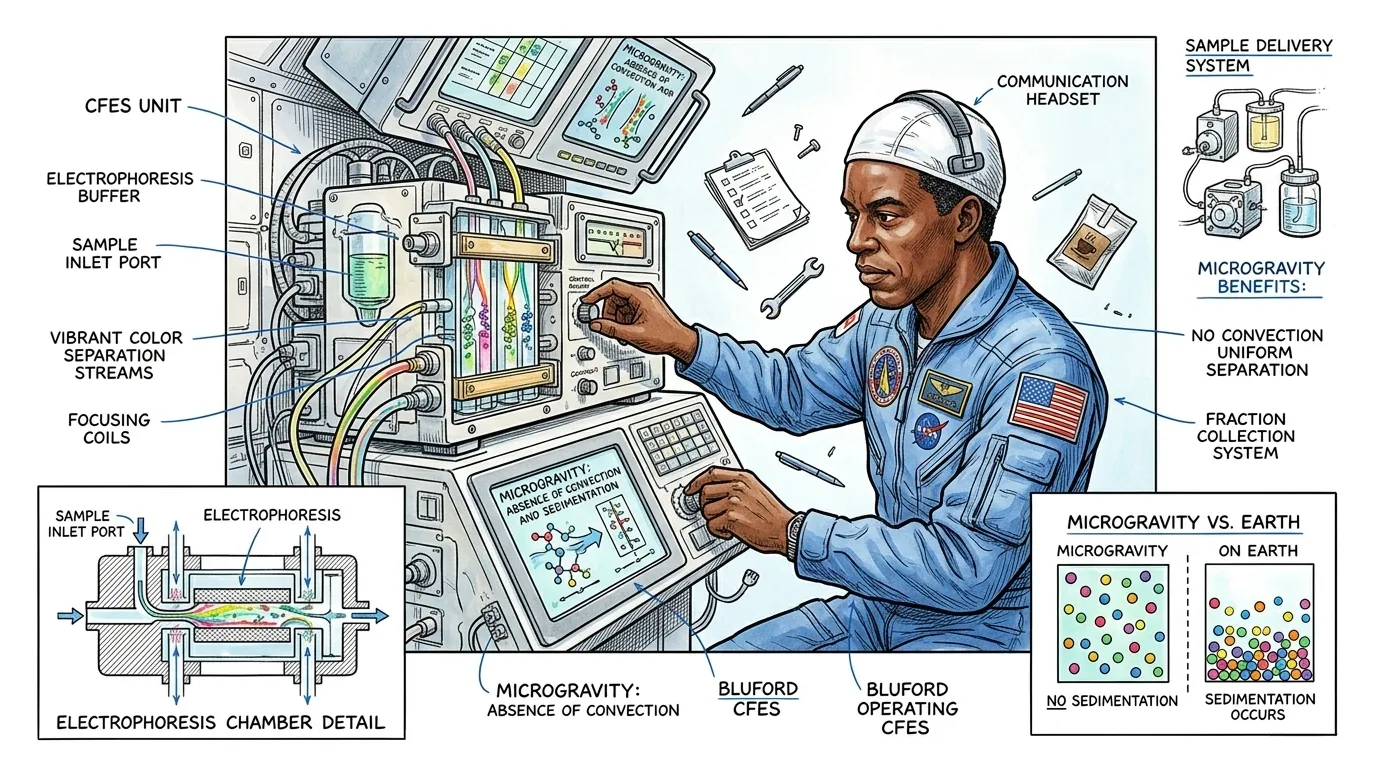
Life aboard the Space Shuttle in microgravity presented a unique set of challenges and opportunities for scientific inquiry. Without the constant pull of Earth's gravity, everyday tasks transformed into delicate maneuvers, from eating to sleeping. Yet, this environment also enabled groundbreaking research impossible on Earth. On STS-8, Guion Bluford and his crewmates conducted experiments utilizing the continuous flow electrophoresis system to separate biological materials, a process significantly enhanced by microgravity's absence of convection and sedimentation. This fundamental research into material separation held promise for advancements in medicine and biotechnology, highlighting the shuttle's potential beyond just satellite deployment.
Page 7
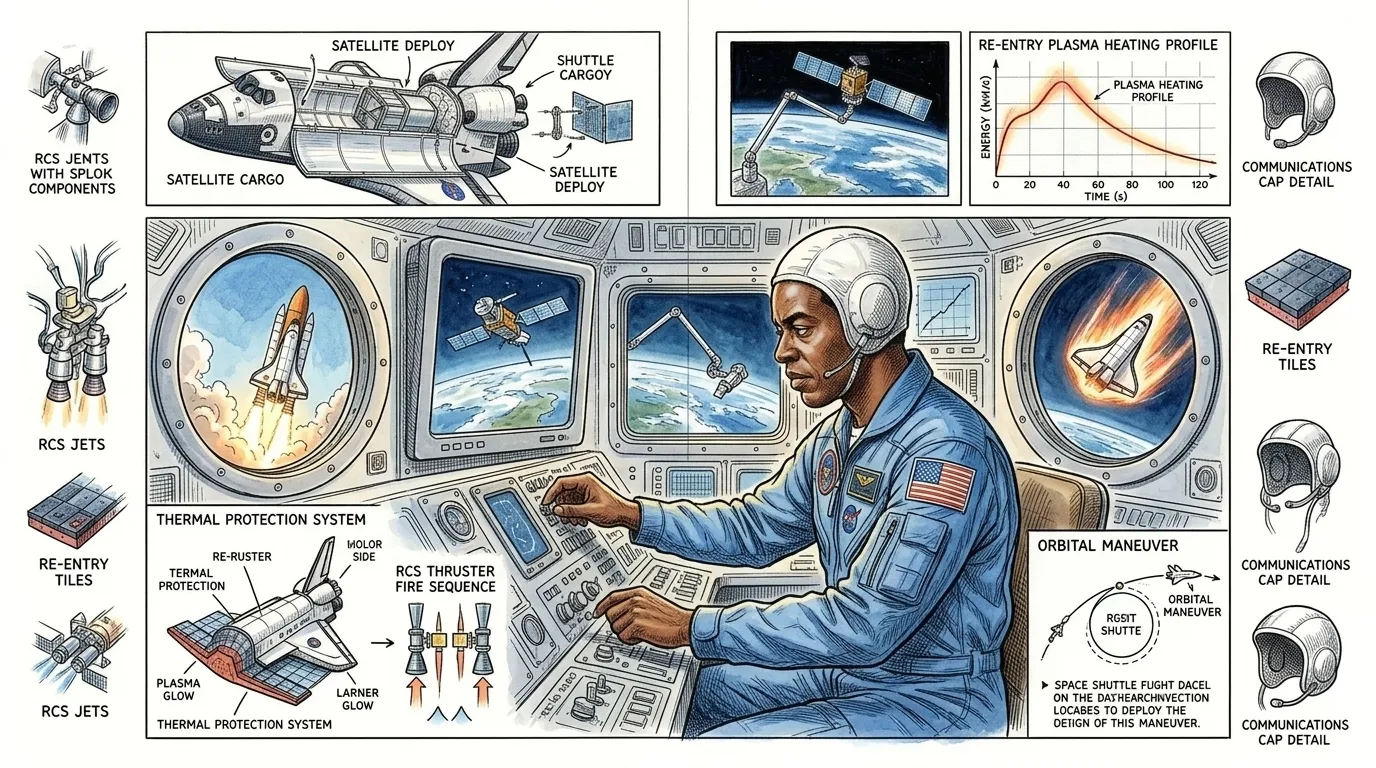
The Space Shuttle missions were not merely launches but intricate ballets of precision engineering. From the deafening rumble of liftoff to the fiery re-entry, every phase demanded meticulous planning and flawless execution. Orbital maneuvers required precise thruster firings to adjust altitude and trajectory, while the robotic arm's operation for satellite deployment involved complex spatial reasoning and delicate controls. Re-entry, where the shuttle transformed from an orbital vessel to a hypersonic glider, subjected the vehicle to extreme thermal stresses, necessitating advanced thermal protection systems. Guion Bluford's engineering expertise was invaluable, contributing directly to the mission's success and the safe return of the crew.
Page 8
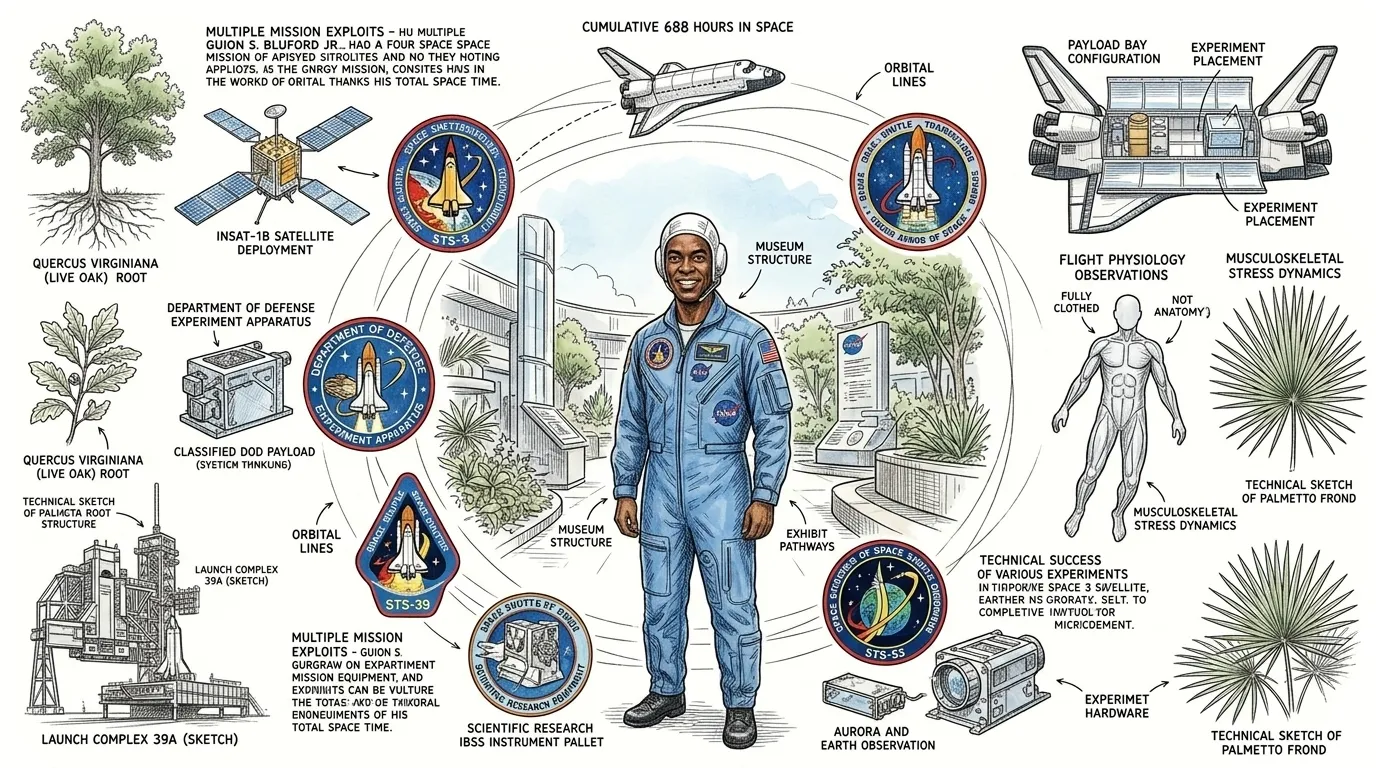
Guion Bluford's first mission was just the beginning of a distinguished career in space. He flew on three subsequent Space Shuttle missions: STS-61A in 1985, STS-39 in 1991, and STS-53 in 1992, accumulating over 688 hours in orbit. These missions involved further satellite deployments, critical Department of Defense experiments, and extensive scientific research. Bluford's consistent performance demonstrated his unparalleled skill and dedication, making significant contributions to space science and engineering across multiple programs. His cumulative experience became a cornerstone for NASA's understanding of long-duration missions and payload operations, extending the legacy of the shuttle program.
Page 9
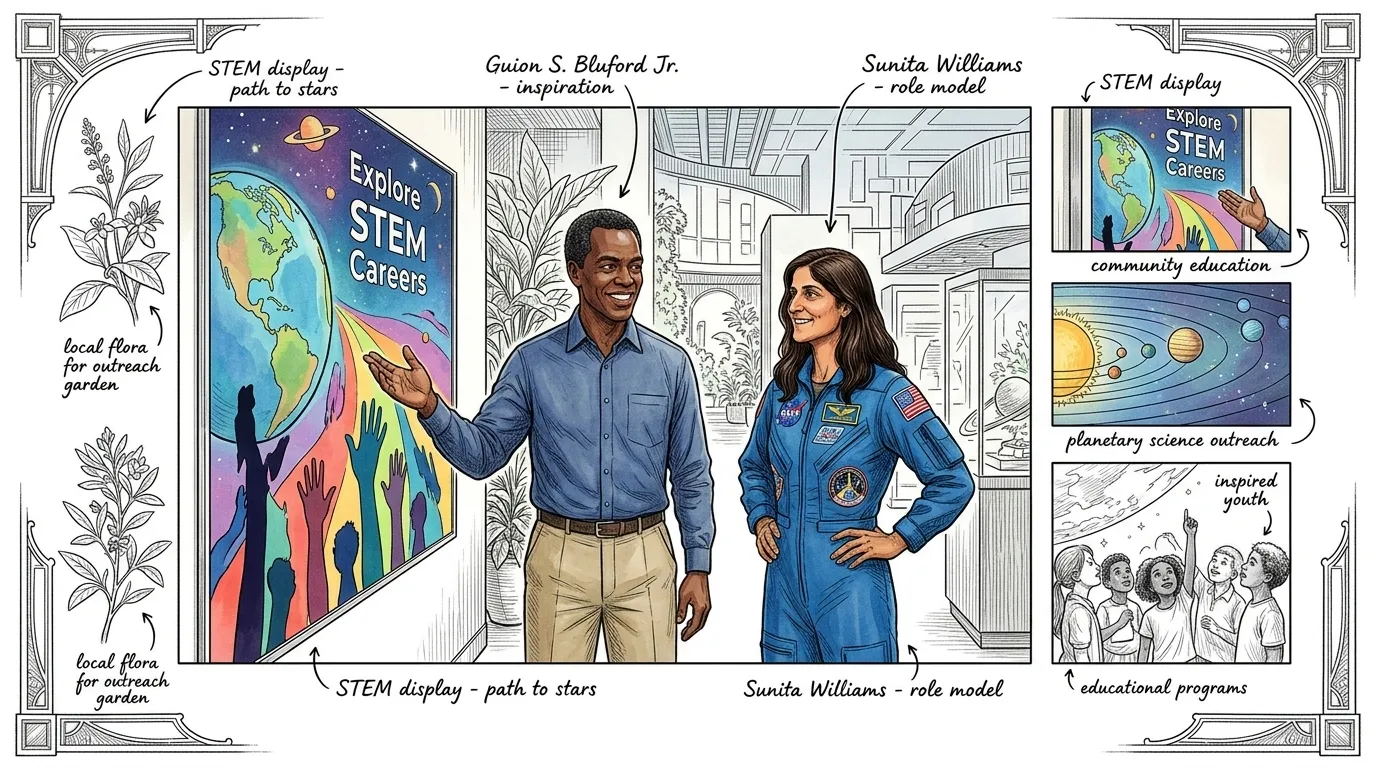
Beyond his technical achievements, Guion Bluford's presence in space carried immense cultural and inspirational weight. His breakthrough opened doors and reshaped perceptions, demonstrating that the cosmos was accessible to all. His legacy resonated deeply within communities, encouraging countless young people, especially those from underrepresented backgrounds, to pursue careers in STEM fields. Astronauts like Sunita Williams, an American naval officer and NASA astronaut of Indian descent, are part of the continuum Bluford helped establish, where diverse perspectives are recognized as essential for pushing the boundaries of human knowledge and exploration. Bluford's flight was a visible testament to the idea that the only limits are those we impose upon ourselves.
Page 10
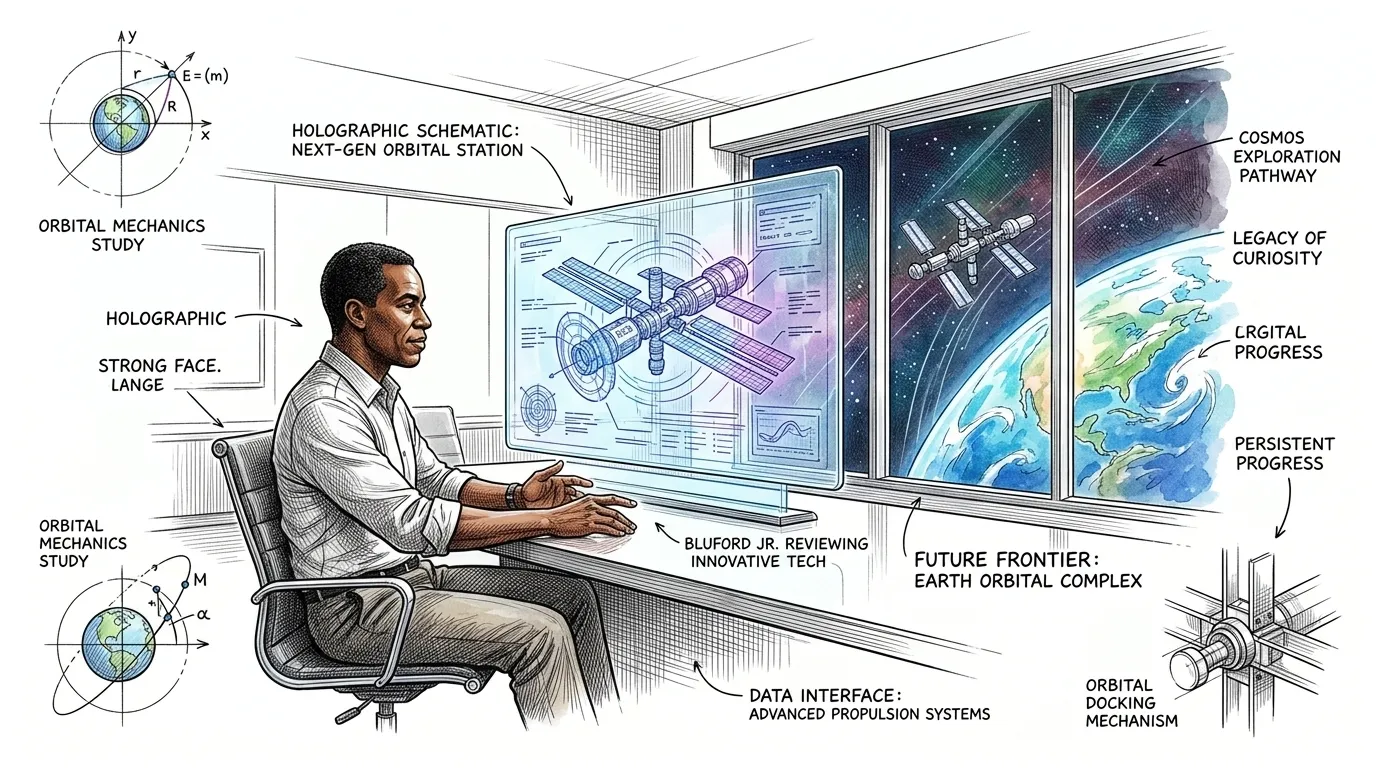
Guion Bluford retired from NASA in 1993, but his contributions to aerospace science and engineering continued. He moved into leadership roles in the private sector, applying his vast experience to advanced technology and defense contracting. His journey, from a decorated fighter pilot to a four-time space veteran and a pioneering figure, underscored the critical role of perseverance and intellectual curiosity. Bluford's legacy extends far beyond his individual flights; it is woven into the fabric of space exploration, serving as a powerful reminder that the pursuit of knowledge and the breaking of barriers are intertwined. As humanity continues its ambitious push towards new frontiers, the path he helped blaze remains a beacon for future generations, inviting all to reach for the stars.
About this story
- Location: Global
- Audience: general readers
Questions and answers
Read Wonder Science on your phone
Wonder Science is available on Android. Get Wonder Science on Google Play.