Har Gobind Khorana
Har Gobind Khorana — an illustrated science story, set in Global. 10 illustrated pages, free to read on Wonder Science.
Page 1

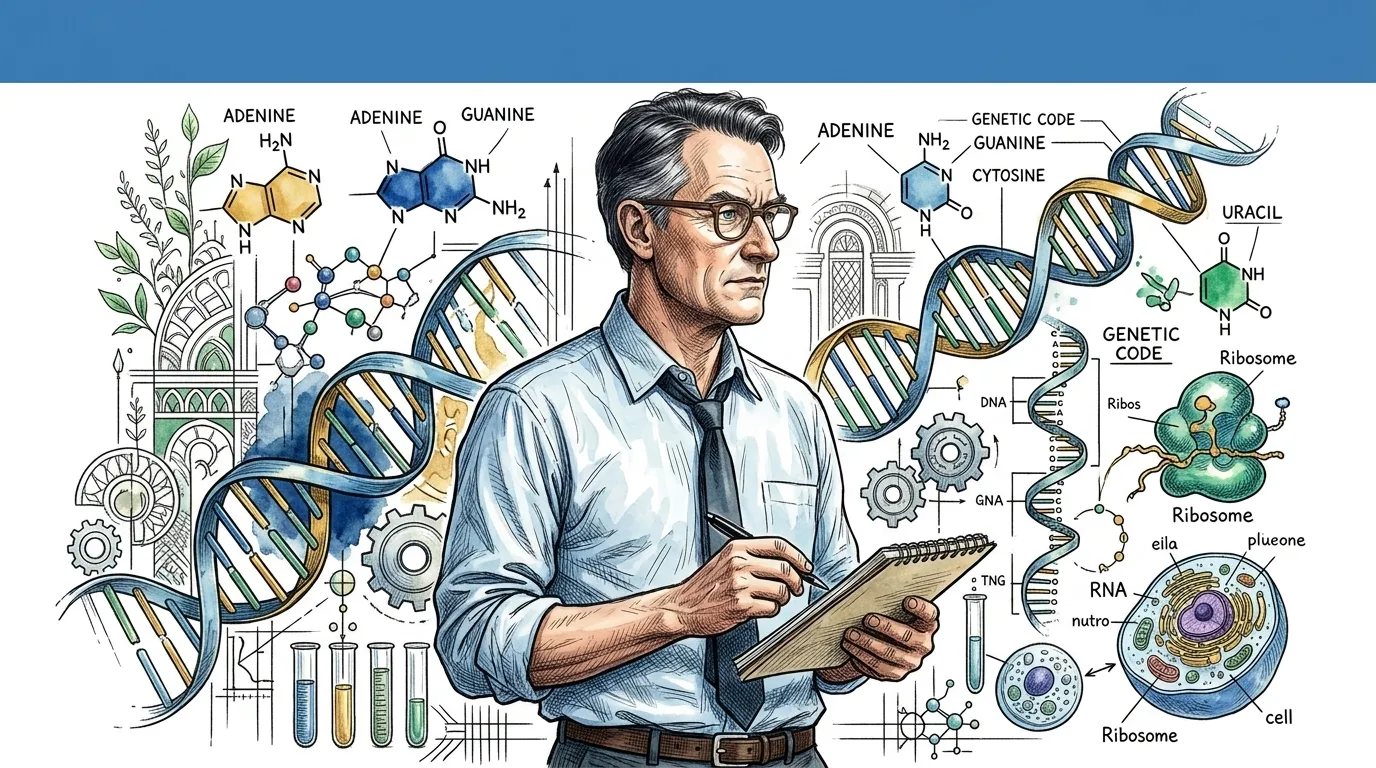
In the mid-20th century, the intricate language of life, encoded within DNA, remained a profound mystery. While its double-helical structure had been revealed, the precise mechanism by which DNA's sequence dictated protein synthesis—the very building blocks of all organisms—was unknown. This fundamental problem, the genetic code, stood as one of biology's most formidable challenges. Its unraveling would not only reshape our understanding of heredity but ignite the biotechnology revolution.
Page 2
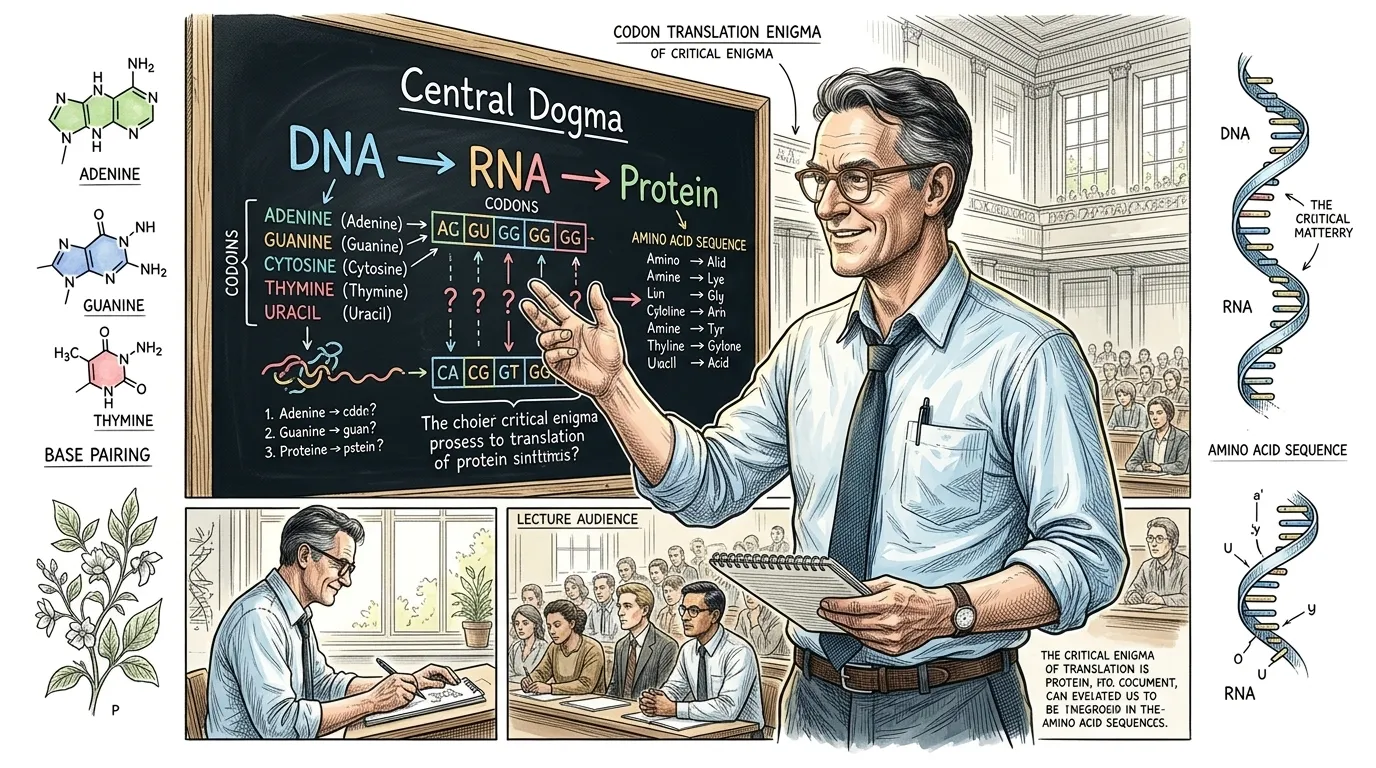
The scientific community understood that genetic information flowed from DNA to RNA, and then to proteins, a concept termed the 'Central Dogma' by Francis Crick. Yet, the exact translation dictionary between the four 'letters' of nucleic acids (Adenine, Guanine, Cytosine, Thymine/Uracil) and the twenty 'words' of amino acids remained a critical enigma. How could four bases encode twenty amino acids? It was clear that groups of bases, 'codons,' must be at play, but their specific sequences were a hidden language.
Page 3
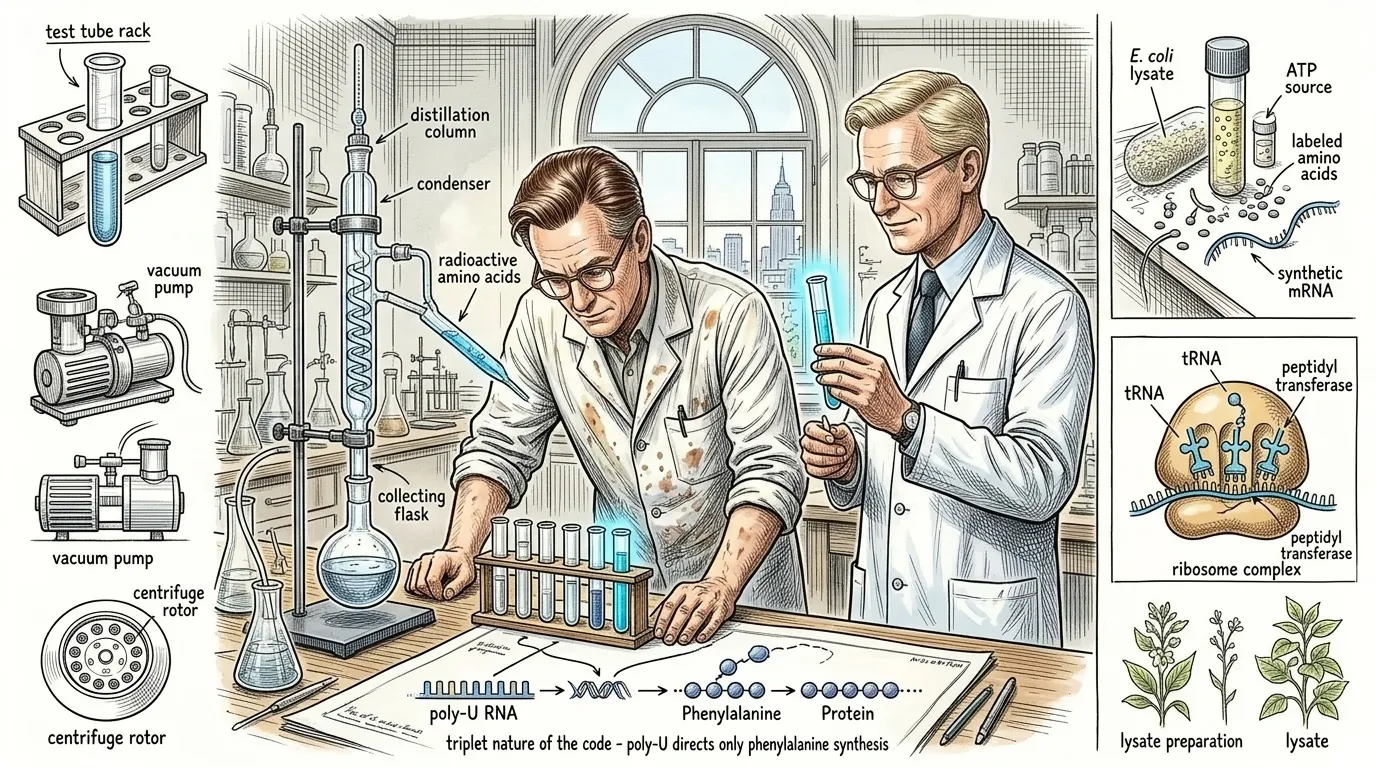
Early breakthroughs, particularly by Marshall Nirenberg and Heinrich Matthaei, showed that synthetic RNA polymers could direct protein synthesis in a cell-free system. For instance, a chain of repeating uracil bases (poly-U) produced a protein made entirely of phenylalanine. This was a monumental first step, confirming the triplet nature of the code. However, constructing polynucleotides with defined, repeating sequences was immensely challenging, preventing the full deciphering of all sixty-four possible codons.
Page 4

Har Gobind Khorana's genius lay in his meticulous chemical synthesis techniques. He devised methods to create short, precisely ordered sequences of DNA and RNA bases, known as oligonucleotides. These synthetic snippets, just a few bases long, were not random; they were designed with specific, known sequences. This was like creating individual, perfectly crafted letters and then words for a language whose grammar was understood but whose dictionary was missing.
Page 5

With these short, custom-made oligonucleotides, Khorana and his team could then painstakingly link them together, piece by piece, to form longer polynucleotide chains with perfectly defined, repeating sequences. Imagine building a long sentence by carefully joining pre-made two or three-letter words. For instance, they could create a synthetic RNA strand with the repeating sequence 'UCUCUCUC...' (Uracil-Cytosine-Uracil-Cytosine...). This was a breakthrough in molecular engineering, providing the tools needed to decode every genetic triplet.
Page 6
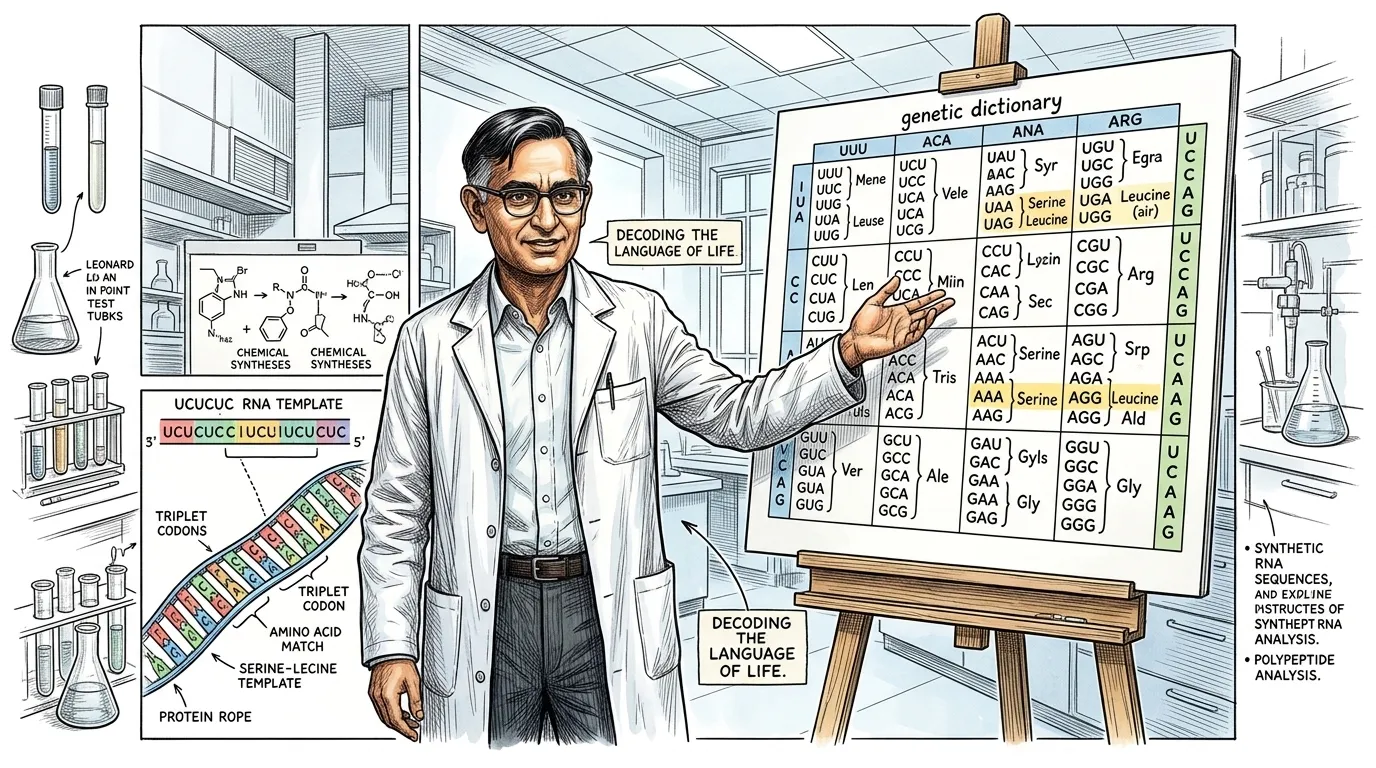
These defined, synthetic RNA polymers became the ultimate tools for genetic code decipherment. When introduced into a cell-free protein synthesis system, a repeating 'UCUCUC...' RNA template yielded a protein chain alternating between two amino acids: serine and leucine. By synthesizing different repeating sequences, such as 'UUCUUCUUC...' or 'UAAUAAUAA...', Khorana's team systematically assigned every single one of the sixty-four possible RNA codons to its corresponding amino acid, completing the genetic dictionary. This was the Rosetta Stone of life itself.
Page 7

With the genetic code fully deciphered, Khorana pushed the boundaries further. In 1970, his team achieved another monumental feat: the complete chemical synthesis of a functional gene, a DNA segment encoding for yeast alanine transfer RNA (tRNA). This wasn't just individual codons; it was an entire biological instruction set, a blueprint for a functional molecule, built from scratch. It proved that the language of life could not only be read but also written chemically.
Page 8
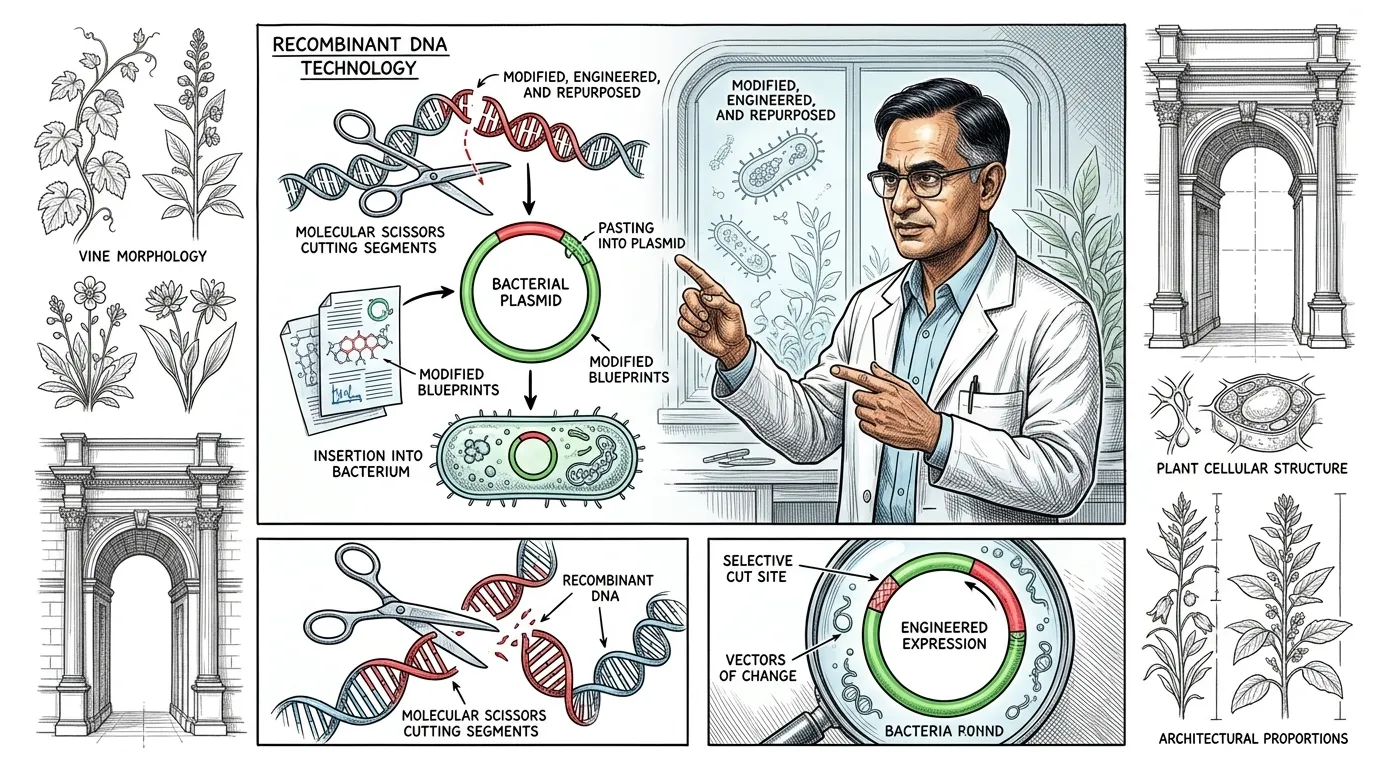
Khorana's work laid the absolute foundation for the field of genetic engineering. The ability to chemically synthesize specific DNA sequences meant scientists could now 'write' any gene they desired, or at least specific parts of them. This directly contributed to the development of recombinant DNA technology in the 1970s, where genes could be cut, pasted, and inserted into different organisms. Suddenly, the blueprints of life were no longer immutable; they could be modified, engineered, and repurposed.
Page 9
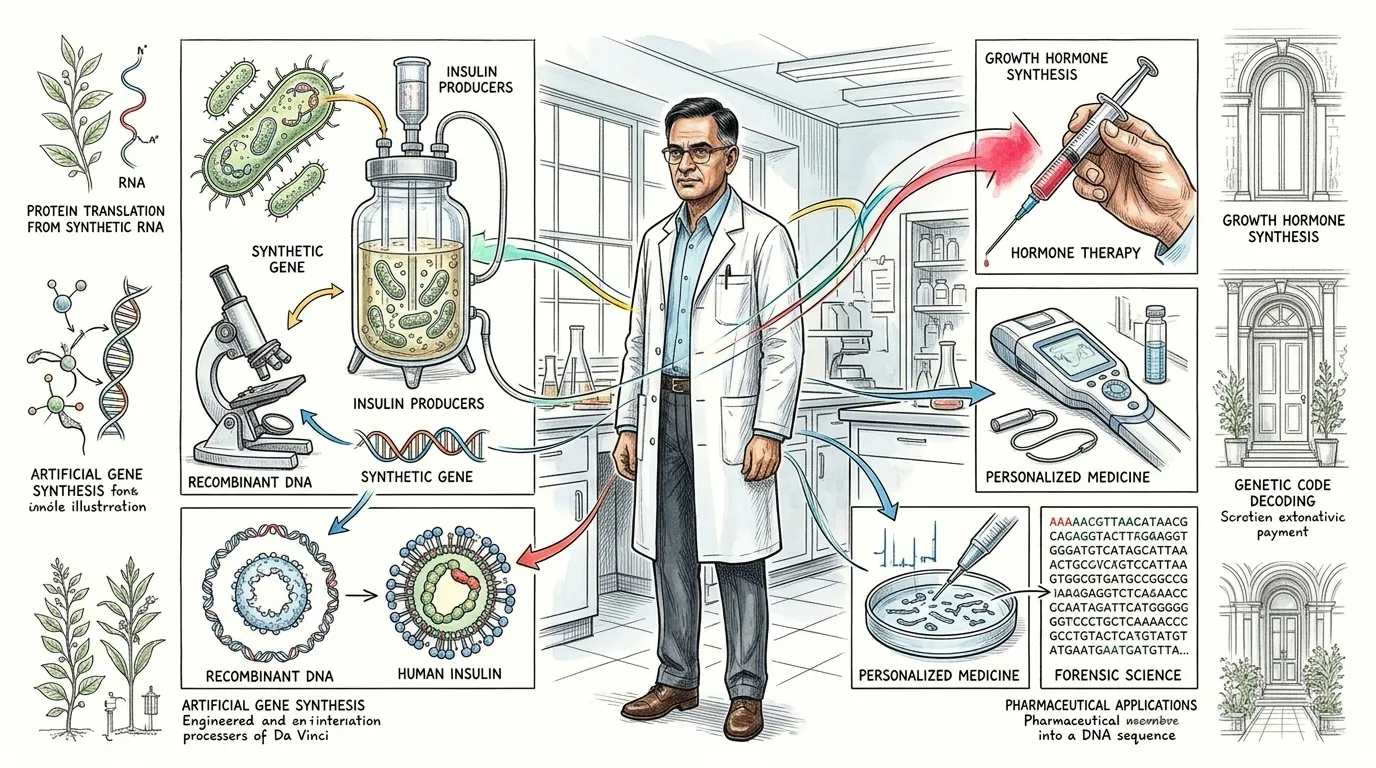
The consequences of Khorana's pioneering work were profound. The capability to synthesize genes and manipulate DNA led directly to the production of crucial pharmaceuticals like human insulin and growth hormone using engineered bacteria, revolutionizing treatment for diabetes and dwarfism. It also paved the way for advanced diagnostics, personalized medicine, and the fundamental tools that underpin modern biotechnology, from forensic science to vaccine development. His meticulous chemistry bridged the gap between abstract molecular biology and tangible medical solutions.
Page 10
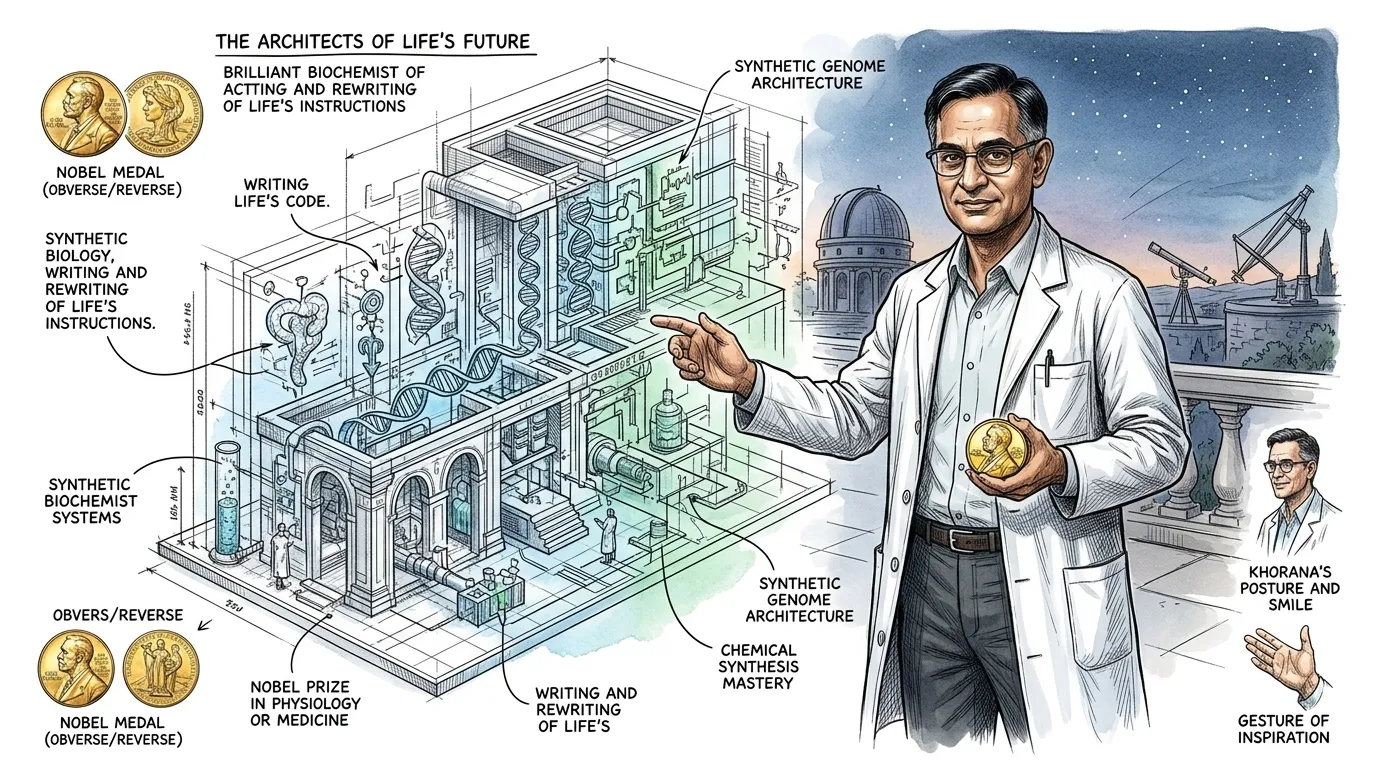
Har Gobind Khorana's enduring legacy is not just in deciphering the genetic code, for which he shared the Nobel Prize in Physiology or Medicine in 1968, but in demonstrating that humanity could master the chemical synthesis of life's fundamental instructions. His work transitioned genetics from an observational science to an engineering discipline, opening the door for synthetic biology and our ongoing quest to not just understand, but to actively write and rewrite the blueprints of living systems. His precision and vision continue to inspire the architects of life's future.
About this story
- Location: Global
- Audience: general readers
Questions and answers
Read Wonder Science on your phone
Wonder Science is available on Android. Get Wonder Science on Google Play.