Harald zur Hausen
Harald zur Hausen — an illustrated science story, set in Global. 10 illustrated pages, free to read on Wonder Science.
Page 1
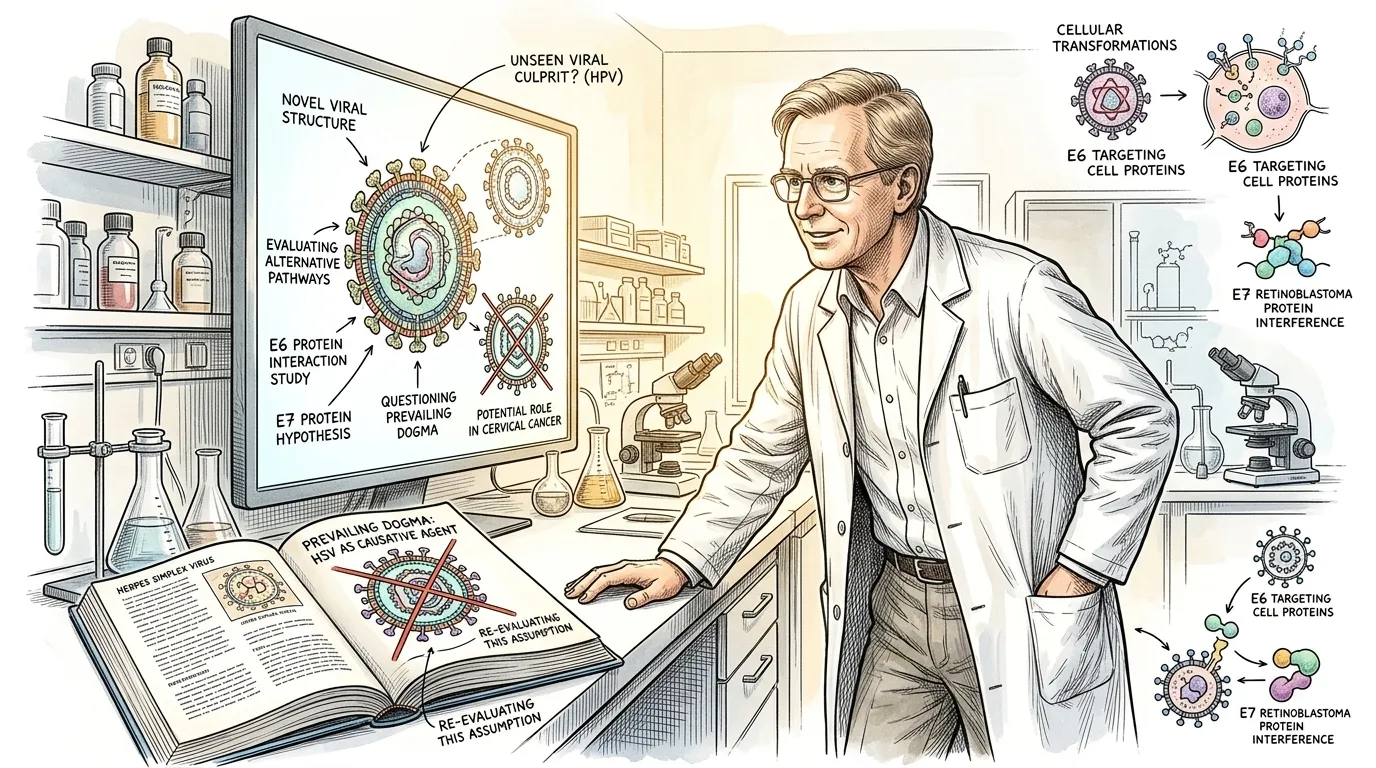
In the mid-20th century, cervical cancer stood as a devastating scourge, claiming hundreds of thousands of lives annually, predominantly in developing nations. Medical science had long suspected a viral culprit, with the herpes simplex virus (HSV) being the prime suspect for decades due to epidemiological associations. Yet, no definitive causal link could be established, leaving researchers in a perplexing stalemate. This prevailing dogma was about to be profoundly challenged by one man's audacious vision. In the quiet intensity of laboratories, a new paradigm was taking shape, one that would redefine our understanding of cancer's origins and open an unprecedented pathway to prevention. His name was Harald zur Hausen.
Page 2
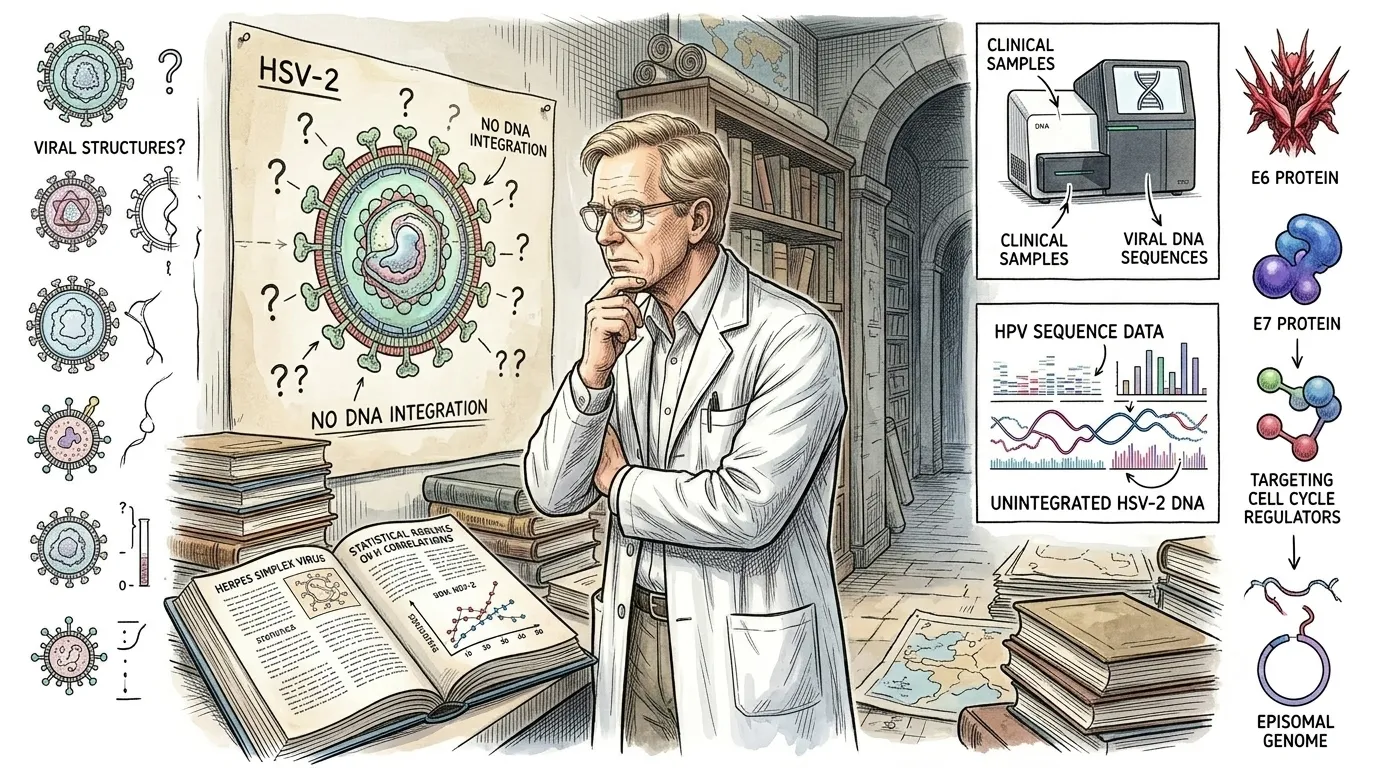
For generations, the scientific community struggled to pinpoint the precise etiology of cervical cancer, a disease that caused immense suffering. The leading theory, supported by observed statistical correlations, implicated the herpes simplex virus type 2 (HSV-2). This association, while compelling on the surface, consistently failed to yield direct evidence of viral DNA integration into cancerous cells, nor did it fully explain the disparate geographical distribution and incidence rates. Researchers pursued this avenue relentlessly, yet the crucial piece of the puzzle remained elusive, preventing the development of targeted therapies or preventive measures. The medical world found itself at an impasse, locked in a cycle of observation without definitive proof.
Page 3
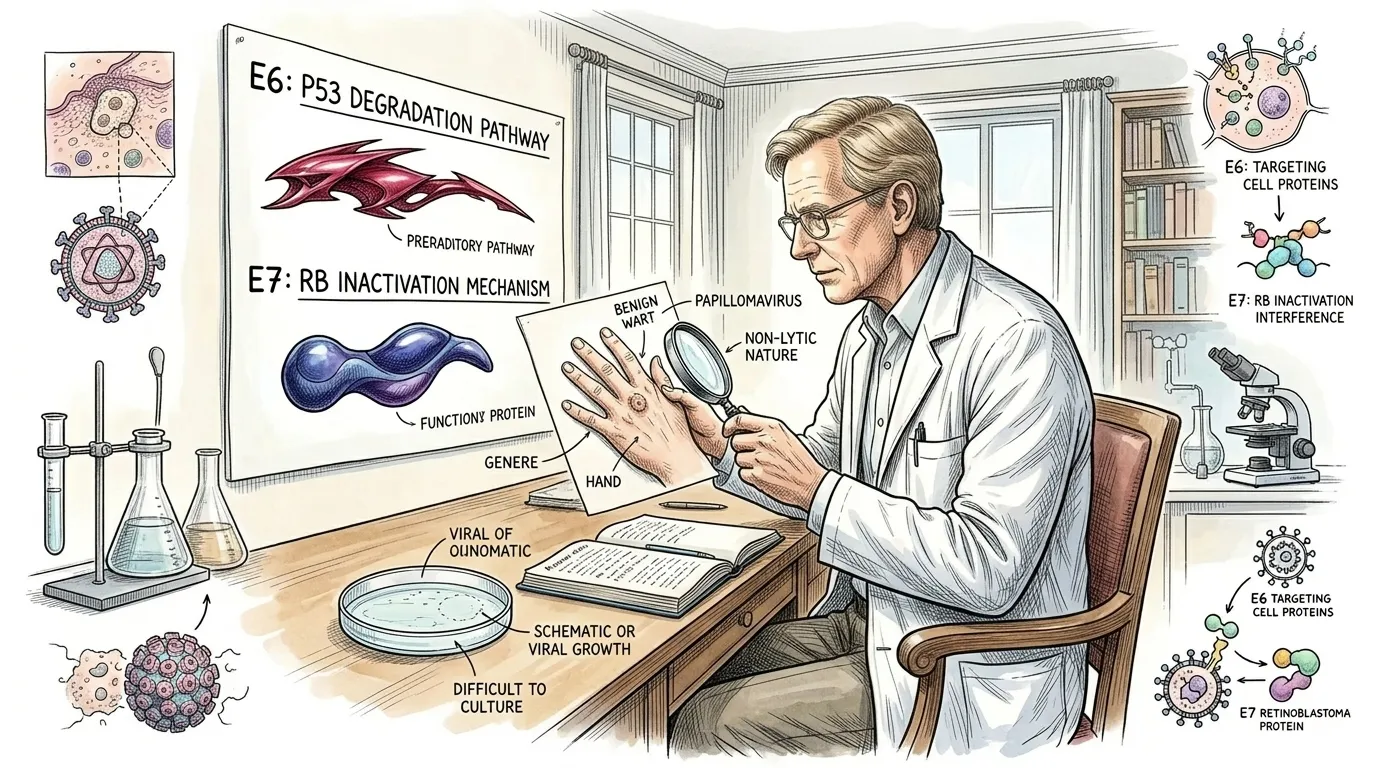
Harald zur Hausen, however, harbored deep skepticism regarding the HSV-2 hypothesis. His keen observational skills and understanding of viral biology led him to question the prevailing wisdom. He noted the peculiar, non-lytic nature of papillomaviruses in benign warts and began to theorize that a similar, persistent, and slow-acting viral infection might be responsible for cervical cancer. This was a radical idea, as papillomaviruses were notoriously difficult to culture in a laboratory, making their study incredibly challenging. Undeterred by the technical hurdles and the skepticism of his peers, zur Hausen embarked on a tenacious quest to prove his controversial hypothesis.
Page 4
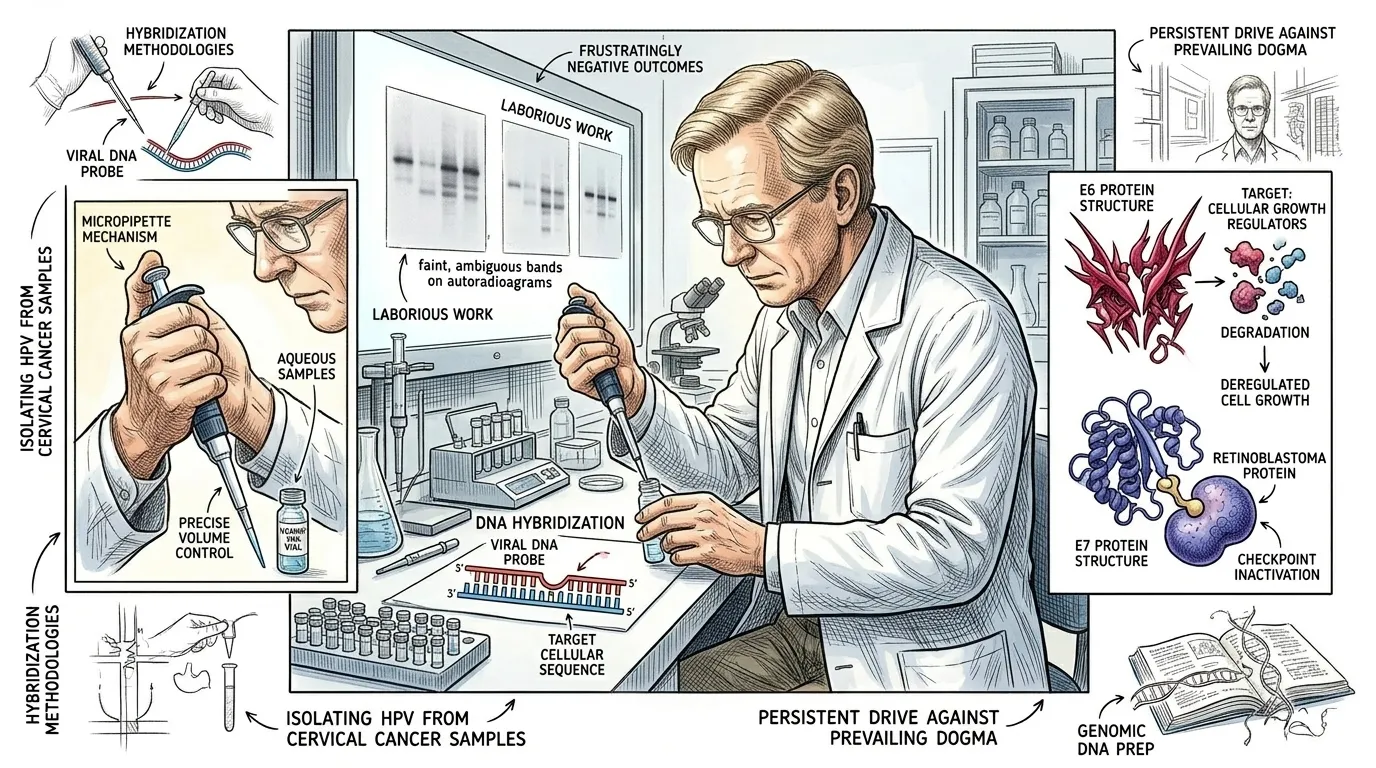
To validate his theory, zur Hausen needed tools capable of detecting minute quantities of viral DNA integrated directly within human tumor cells, something traditional virology methods could not achieve. This necessitated pioneering the use of advanced molecular techniques. His team focused on DNA hybridization, a method that uses labeled viral DNA probes to 'find' matching sequences within human genomic material extracted from tumor samples. This laborious process involved meticulous preparation of radioactive probes and painstaking analysis of results, often yielding frustratingly negative outcomes for years. It was a molecular detective story, driven by an unwavering belief in an unseen antagonist.
Page 5
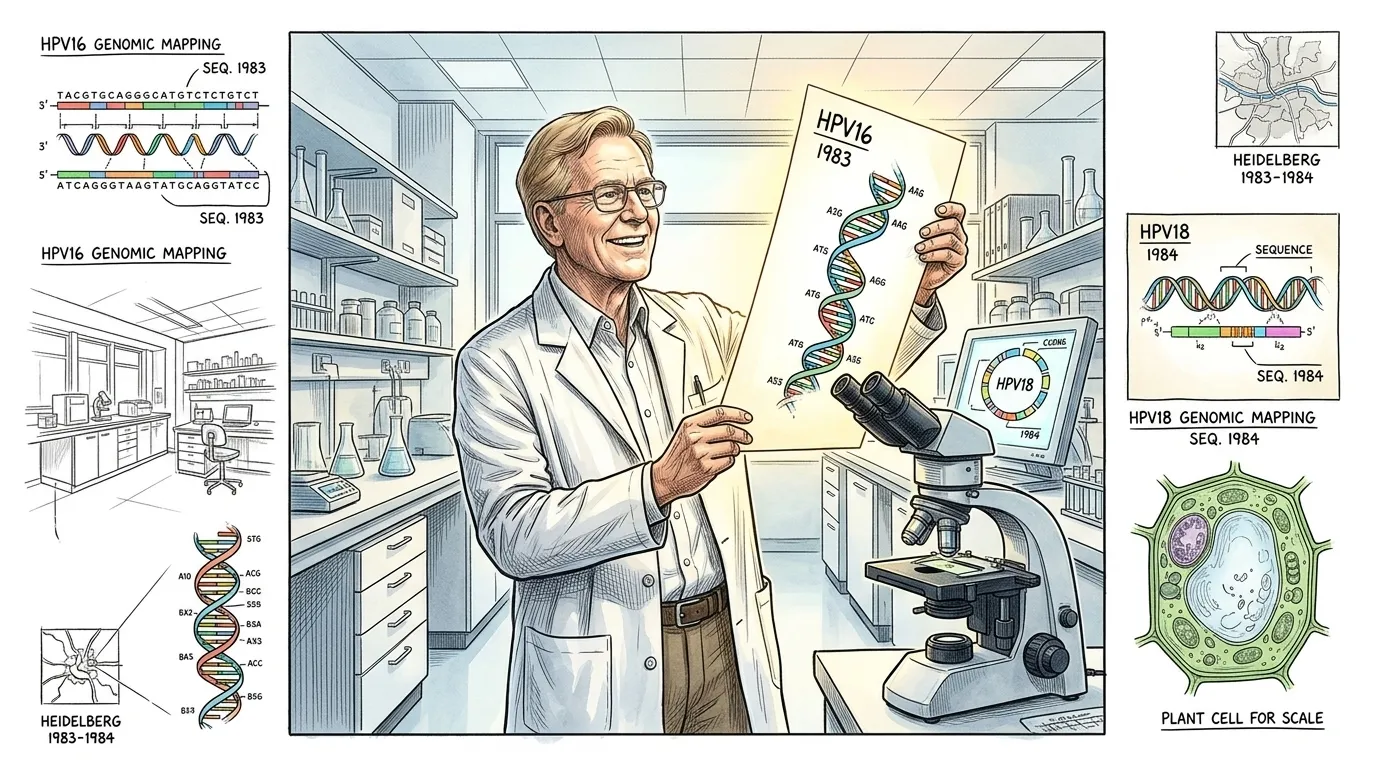
After years of dedicated effort and countless experiments, zur Hausen's team achieved a monumental breakthrough. In 1983, they successfully cloned DNA from a novel papillomavirus type, now known as HPV16, directly from a cervical cancer biopsy. The following year, they identified HPV18 from another aggressive tumor. This was the irrefutable evidence that had eluded the scientific community for so long: specific human papillomaviruses were indeed present and integrated within cervical cancer cells. This discovery was not merely an association; it was a profound demonstration of causality, directly linking these viruses to the onset of malignancy and fundamentally altering the landscape of cancer research.
Page 6
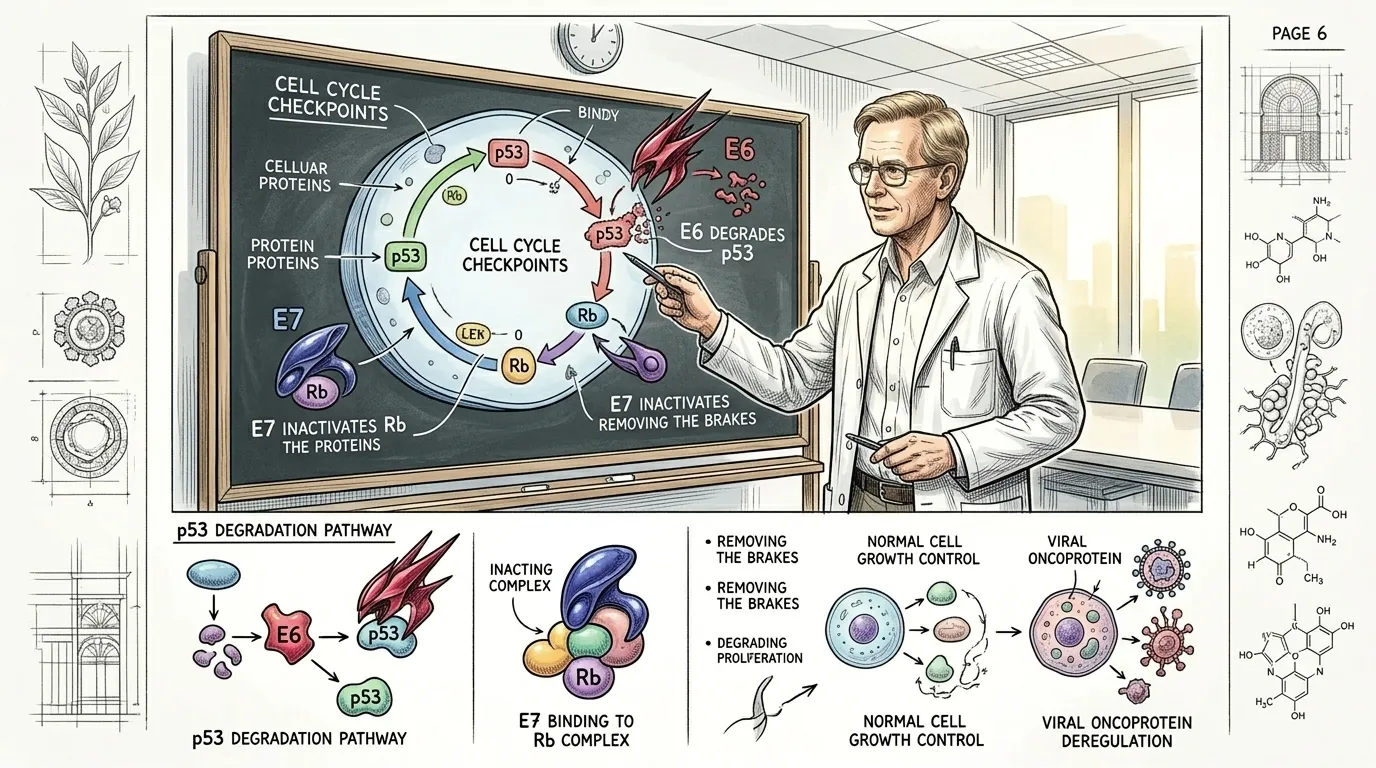
With HPV identified as the causative agent, the next challenge was to understand precisely how these viruses triggered cancerous transformation. Research revealed that high-risk HPVs, primarily 16 and 18, encode oncogenes known as E6 and E7. Upon integration into the host cell's genome, these viral proteins interfere with critical cellular regulatory pathways. E6 targets and degrades the tumor suppressor protein p53, while E7 inactivates the retinoblastoma protein (Rb). These two proteins are fundamental guardians of the cell cycle, preventing uncontrolled cell division. Their disruption by E6 and E7 effectively removes the brakes on cell proliferation, paving the way for the accumulation of mutations and malignant transformation.
Page 7
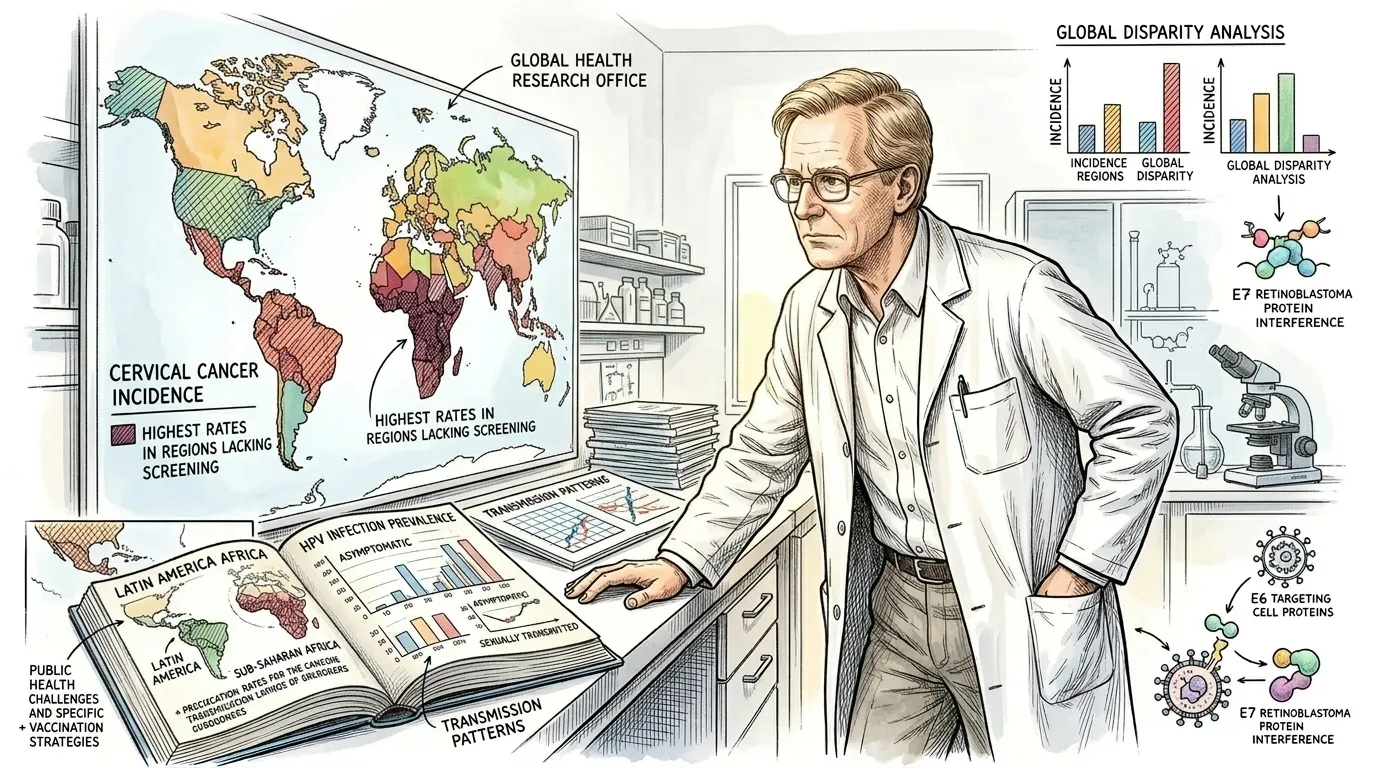
Zur Hausen's discovery ignited a fervent wave of epidemiological research that elucidated the true global burden of HPV. It became clear that HPV infection is remarkably common, often asymptomatic, and transmitted primarily through sexual contact. While most infections clear spontaneously, persistent infection with high-risk HPV types is a prerequisite for cervical cancer development. The global mapping of cervical cancer incidence revealed stark disparities, with the highest rates in regions lacking robust screening programs and access to healthcare. Understanding these patterns of transmission and progression was critical for developing effective public health strategies, moving beyond mere treatment to widespread prevention.
Page 8
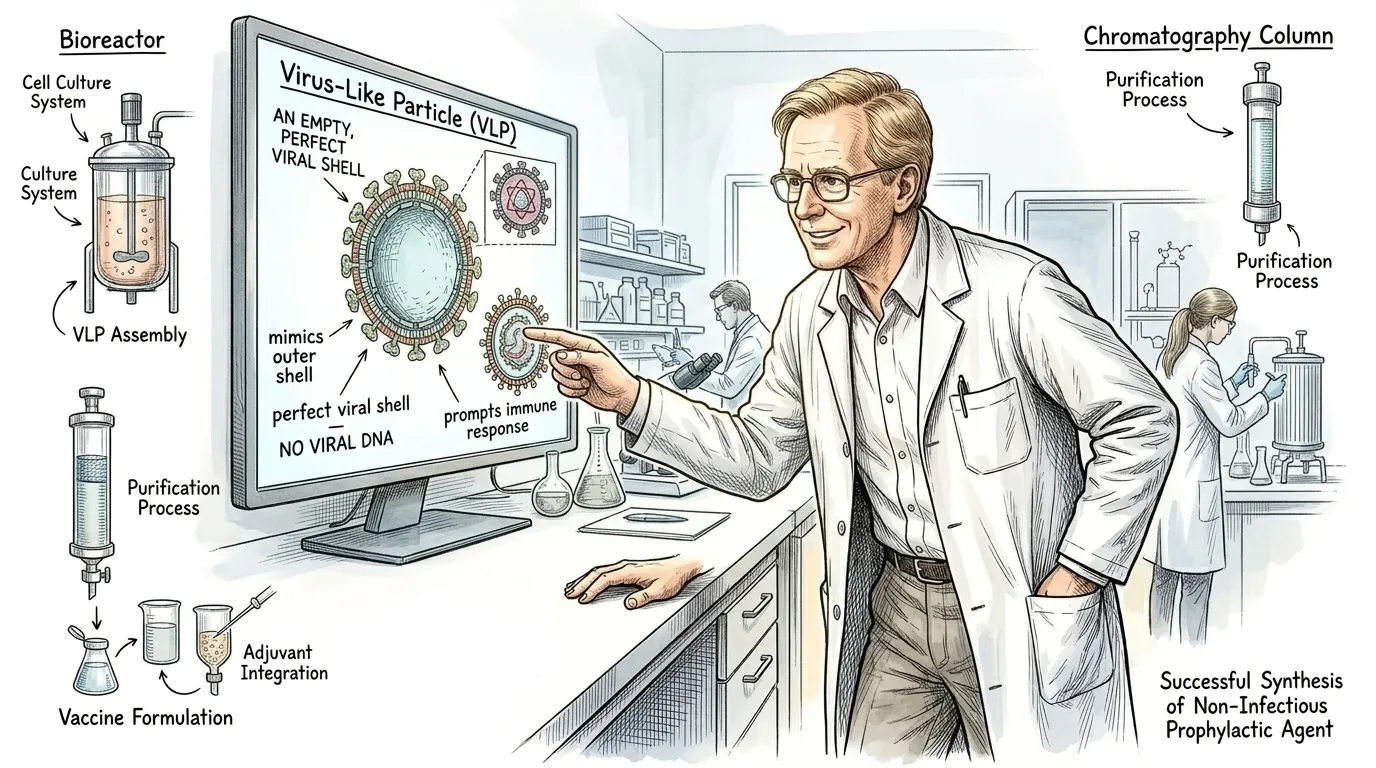
The unequivocal link between HPV and cervical cancer, established by Harald zur Hausen, presented a unique opportunity for prevention: a vaccine. Drawing on the understanding that viral coat proteins alone could elicit a protective immune response, scientists developed virus-like particles (VLPs). These VLPs mimic the outer shell of the virus but contain no viral DNA, rendering them non-infectious. Administered as a vaccine, they prompt the immune system to produce antibodies that can neutralize future HPV infections, effectively preventing the initial cellular damage that can lead to cancer. This ingenious biotechnological triumph transformed a fatal disease into a preventable one.
Page 9
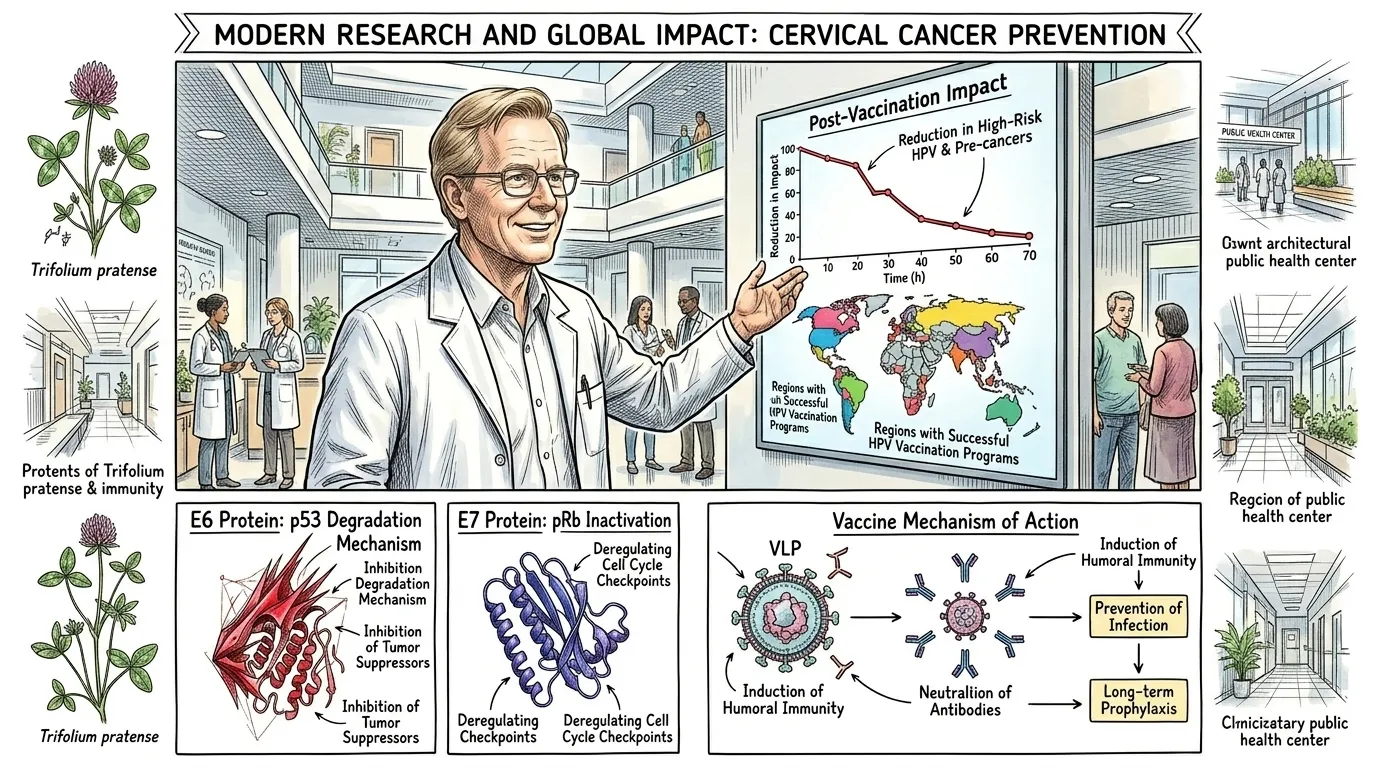
The introduction of the HPV vaccine in the mid-2000s marked a pivotal moment in public health. Countries worldwide began implementing vaccination programs, initially targeting adolescent girls, then expanding to boys. The impact has been profound and swift: studies from vaccinated populations demonstrate significant reductions in the prevalence of high-risk HPV infections, genital warts, and, crucially, cervical pre-cancers. While the full impact on invasive cervical cancer rates will take decades to fully materialize due to the slow progression of the disease, early data are overwhelmingly positive, signaling a future where cervical cancer could become a rare disease, a testament to zur Hausen's enduring legacy.
Page 10
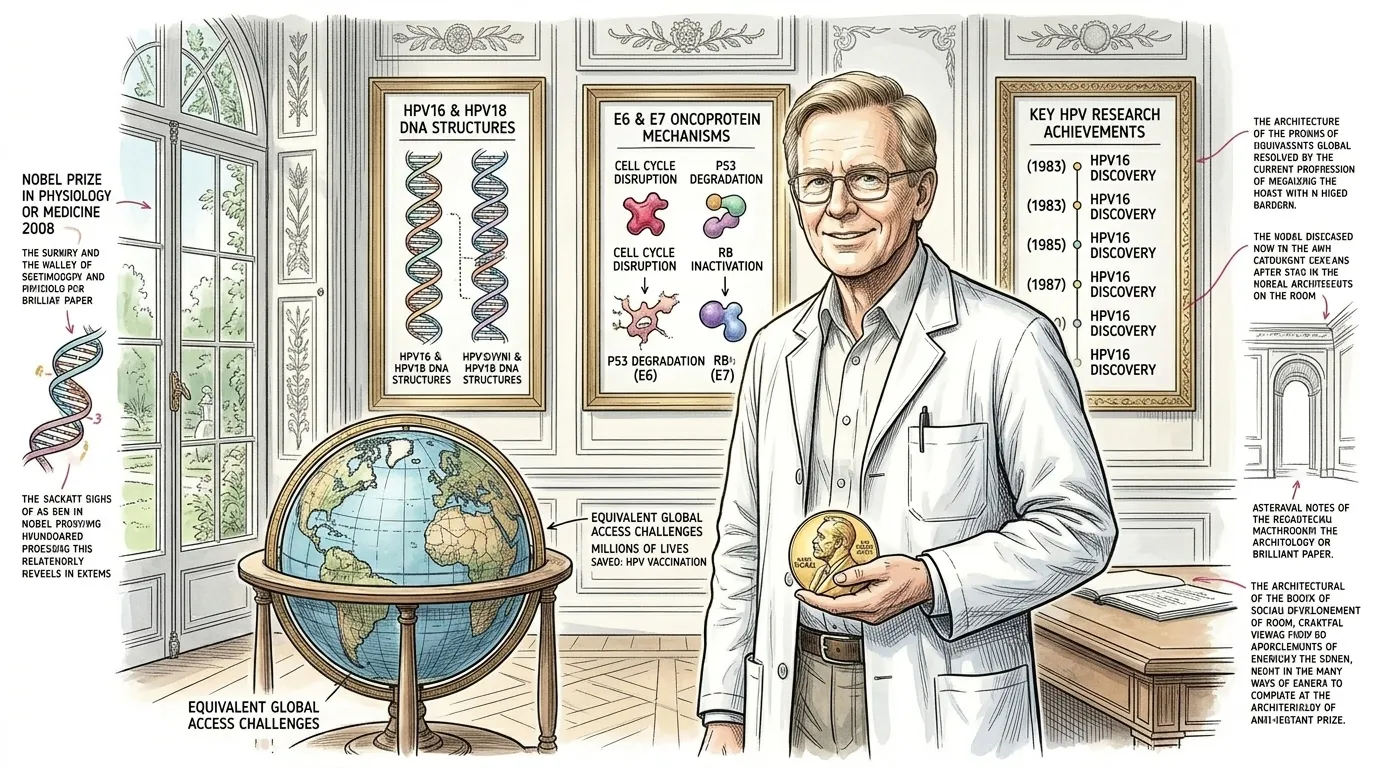
Harald zur Hausen's groundbreaking work, recognized with the Nobel Prize in Physiology or Medicine in 2008, fundamentally reshaped our understanding of oncogenesis and epidemiology. His persistence against scientific dogma, and his rigorous application of molecular biology, transformed cervical cancer from an inevitable threat into a largely preventable disease. His discoveries continue to inspire research into other virus-associated cancers and underscore the immense potential of vaccines in global health. While challenges remain in achieving equitable access to the HPV vaccine worldwide, his vision laid the foundation for a future where millions of lives are saved, a testament to the power of scientific curiosity and an unwavering commitment to human well-being.
About this story
- Location: Global
- Audience: general readers
Questions and answers
Read Wonder Science on your phone
Wonder Science is available on Android. Get Wonder Science on Google Play.