Isidor Rabi
Isidor Rabi — an illustrated science story, set in Global. 10 illustrated pages, free to read on Wonder Science.
Page 1
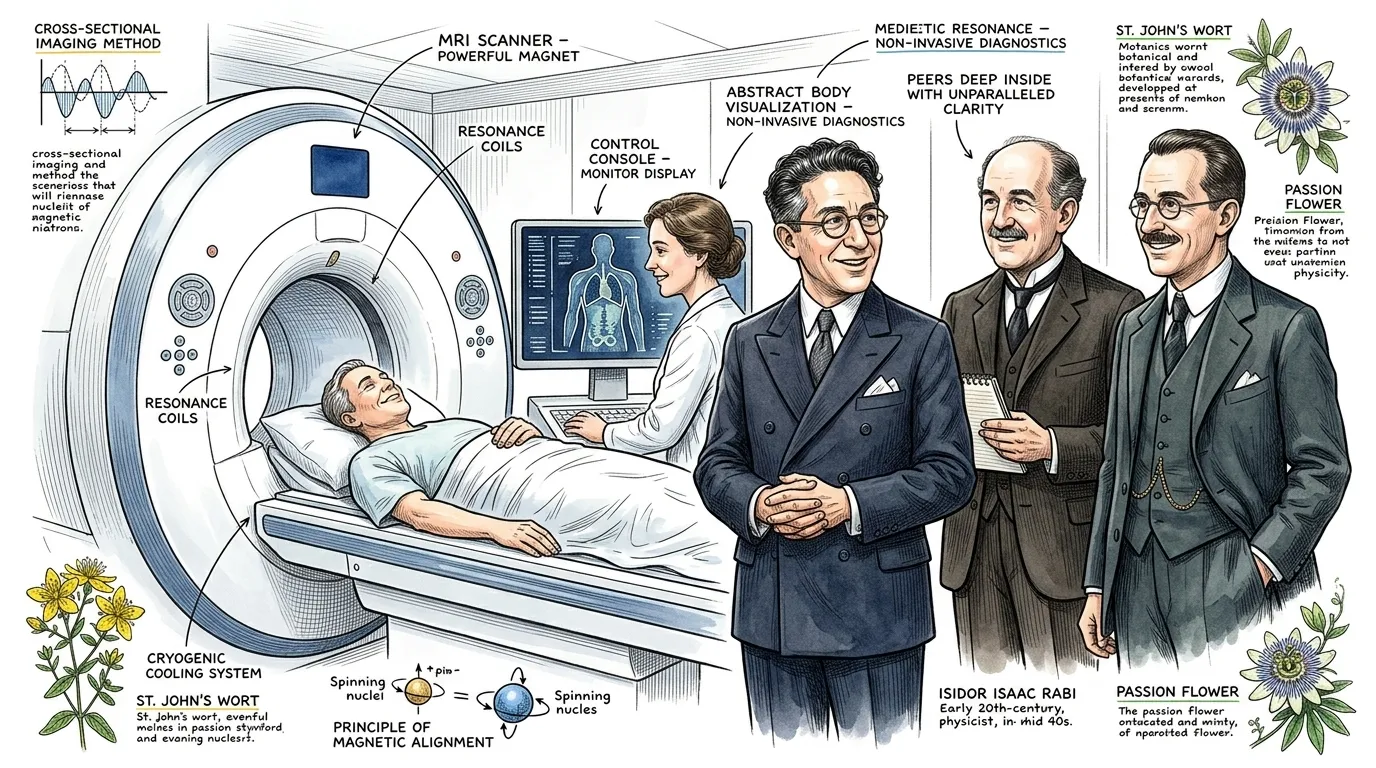
In the silent hum of a modern medical suite, a patient lies within the powerful embrace of a Magnetic Resonance Imaging, or MRI, scanner. This technological marvel allows physicians to peer deep inside the human body, unveiling intricate details of soft tissues, organs, and the brain with unparalleled clarity. It is a non-invasive window into our biological architecture, a diagnostic tool that has revolutionized medicine and saved countless lives. Yet, the foundational principle underpinning this ubiquitous technology traces back to a profound discovery made almost a century ago, born from a physicist's insatiable curiosity about the minuscule world of atomic nuclei.
Page 2
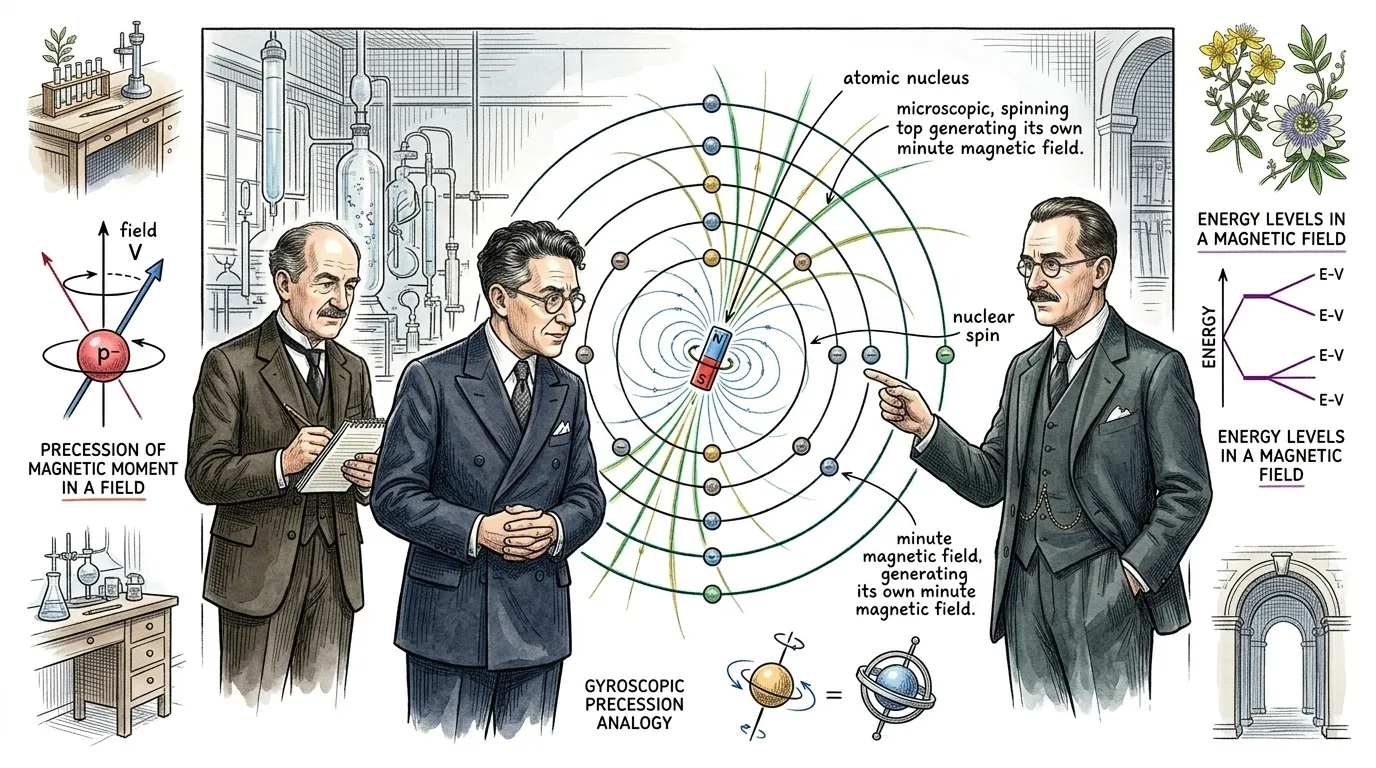
At the heart of the MRI's power lies a phenomenon called Nuclear Magnetic Resonance, or NMR. Its existence was theorized long before it could be precisely measured. Pioneering physicists in the early 20th century were grappling with the fundamental nature of matter. They discovered that atomic nuclei, the incredibly dense centers of atoms, possess a property analogous to a tiny bar magnet. This 'nuclear magnetic moment' arises from the intrinsic angular momentum of the protons and neutrons within the nucleus, a property dubbed 'nuclear spin.' It's as if each nucleus is a microscopic, spinning top generating its own minute magnetic field.
Page 3
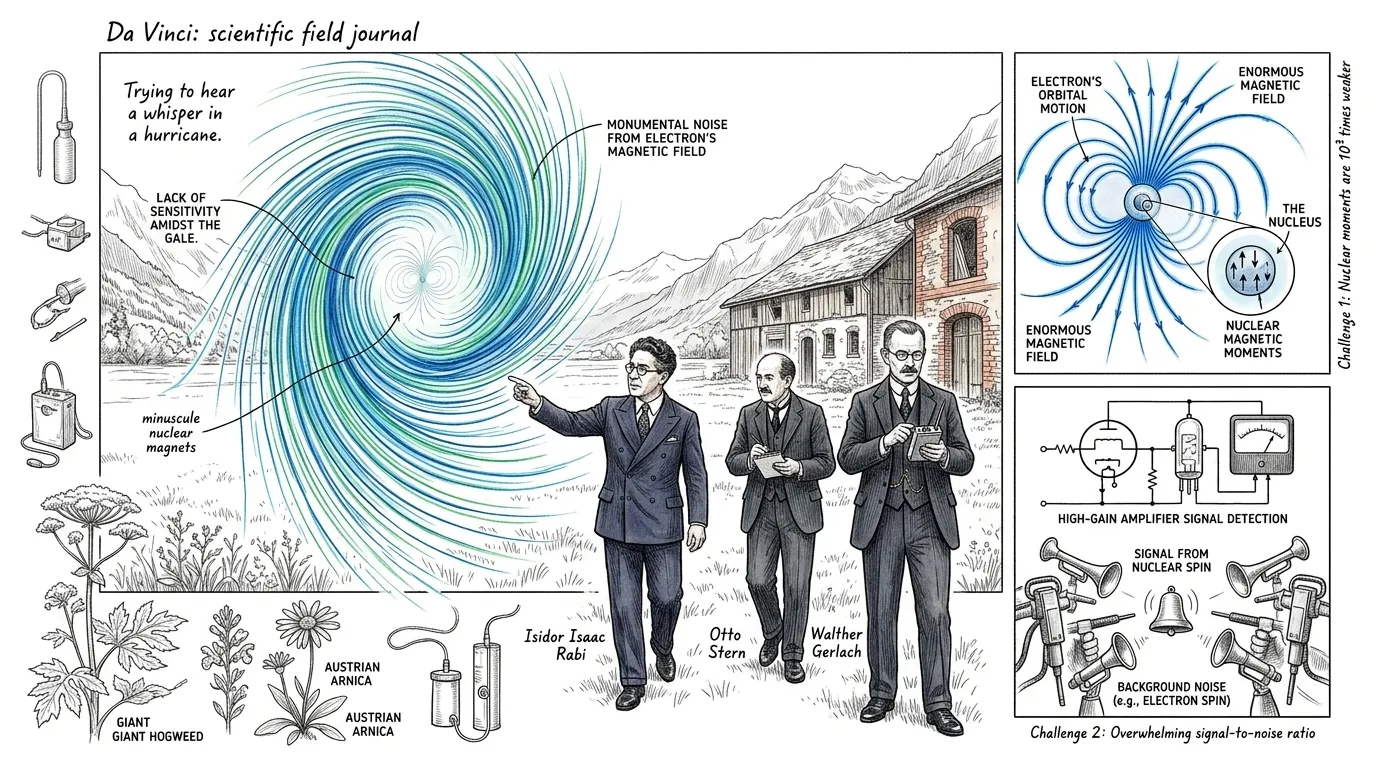
Detecting these miniscule nuclear magnets proved to be an immense challenge. The magnetic moments of nuclei are exquisitely weak, orders of magnitude smaller than those generated by electrons. Standard magnetic field measurements simply couldn't discern their subtle influence amidst the electron's dominant magnetic field. For decades, the precise determination of these nuclear magnetic moments, critical for understanding nuclear structure and quantum mechanics, remained beyond the reach of experimental physics. The problem was akin to trying to hear a whisper in a hurricane – the signal was there, but drowned out by monumental noise and lack of sensitivity.
Page 4
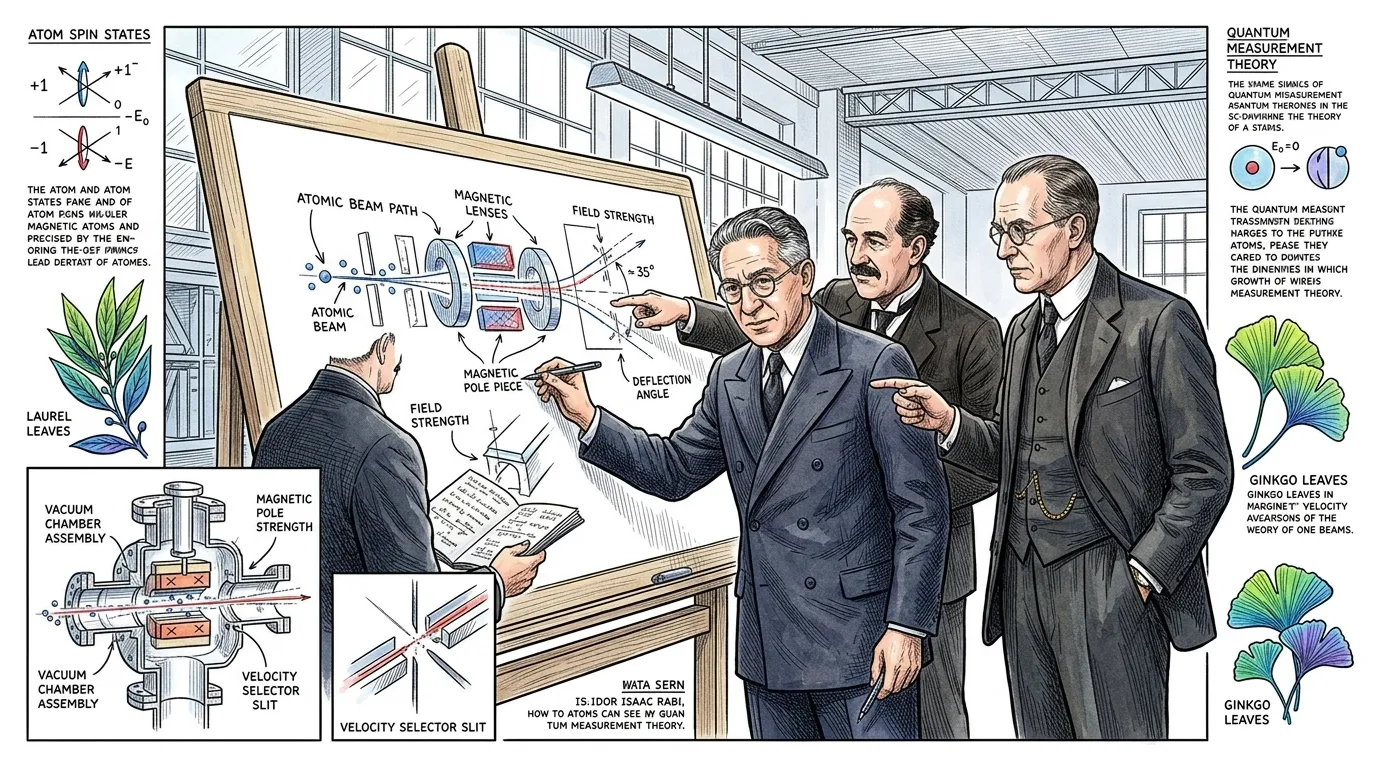
It was Isidor Isaac Rabi, a physicist at Columbia University, who conceived of an ingenious method to isolate and measure these elusive nuclear magnetic moments. Building upon the molecular beam techniques pioneered by Otto Stern and Walther Gerlach, Rabi envisioned a way to manipulate and detect the quantum states of nuclei. His fundamental insight was to send a beam of atoms or molecules, each carrying its tiny nuclear magnet, through a series of carefully crafted magnetic fields. This approach provided the precision needed to overcome the 'noise' problem, allowing the quantum properties of the nucleus to be probed directly.
Page 5
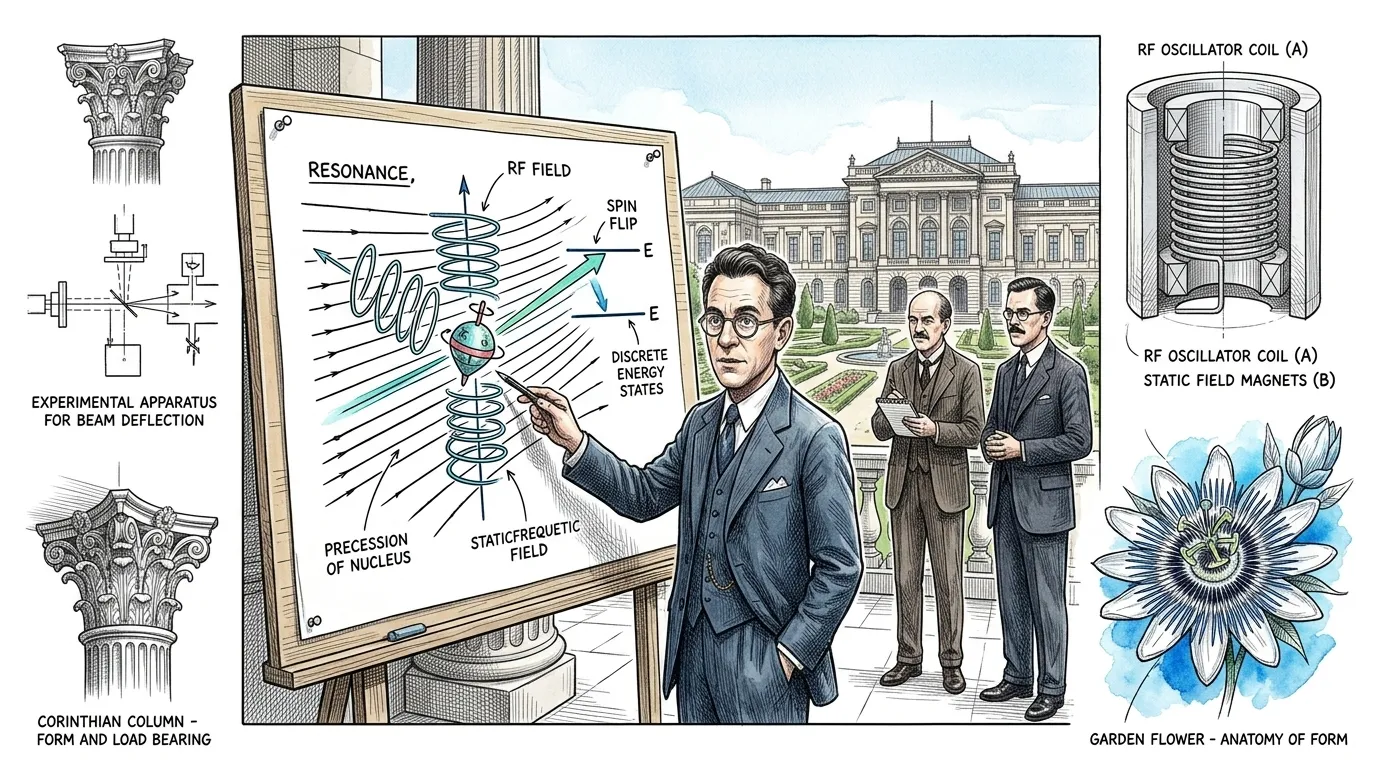
Rabi's innovation centered on the phenomenon of resonance. When a nucleus with a magnetic moment is placed in a strong, static magnetic field, its spin aligns either with or against the field, occupying discrete energy states. Rabi realized that if a second, oscillating radiofrequency (RF) magnetic field was applied perpendicular to the main field, and its frequency precisely matched the energy difference between these nuclear spin states, the nucleus would 'flip' its orientation. This energy absorption, or 'resonance,' caused the nucleus to transition from one spin state to another. It was a precise, quantum dance, only occurring at a specific, resonant frequency.
Page 6
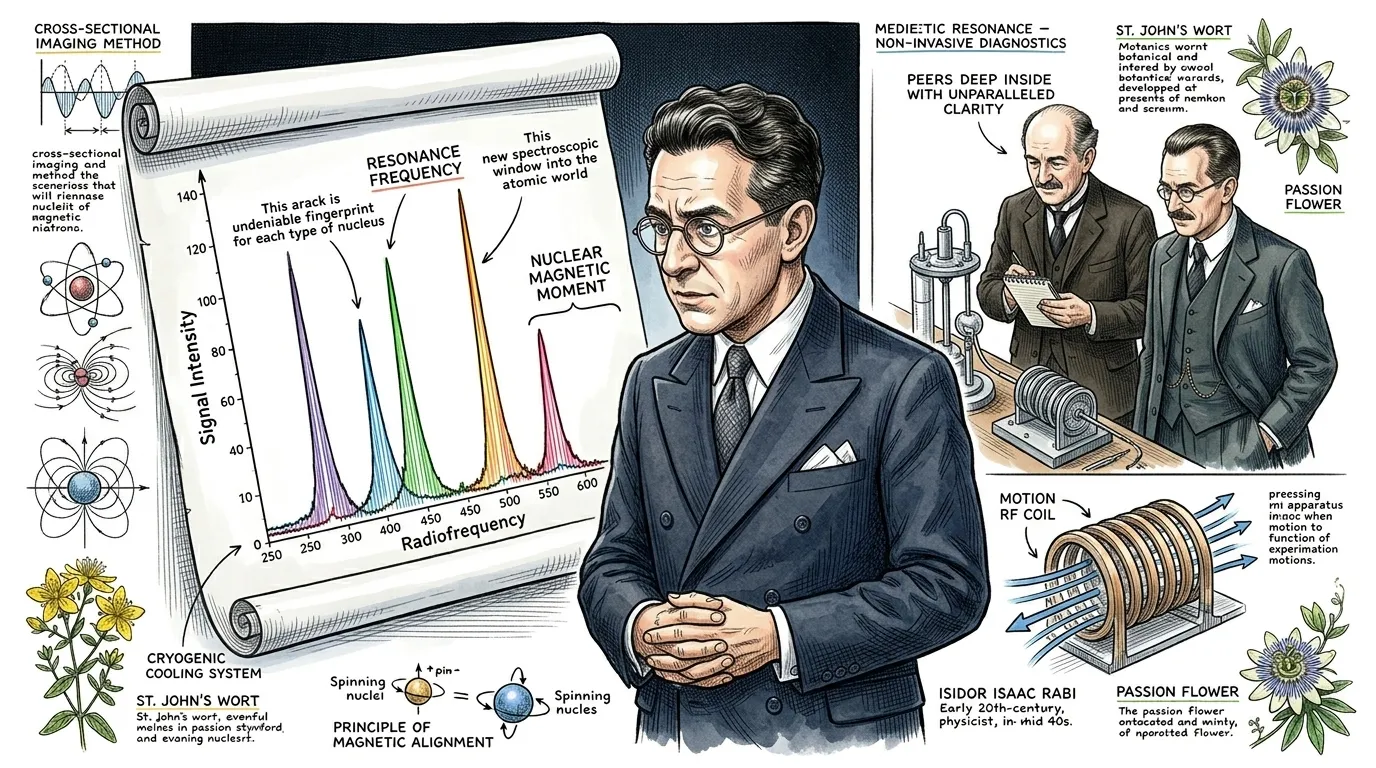
The genius of Rabi's method was that by sweeping the radiofrequency, he could pinpoint the exact frequency at which resonance occurred. This precise resonance frequency was directly proportional to the strength of the static magnetic field and, crucially, to the nuclear magnetic moment of the atom in the beam. Detecting this flip allowed him to accurately measure these previously unobservable properties. The sharp, distinct peaks on his detectors at these specific frequencies provided an undeniable fingerprint for each type of nucleus, revealing its unique magnetic identity. This precision unlocked an entirely new spectroscopic window into the atomic world.
Page 7
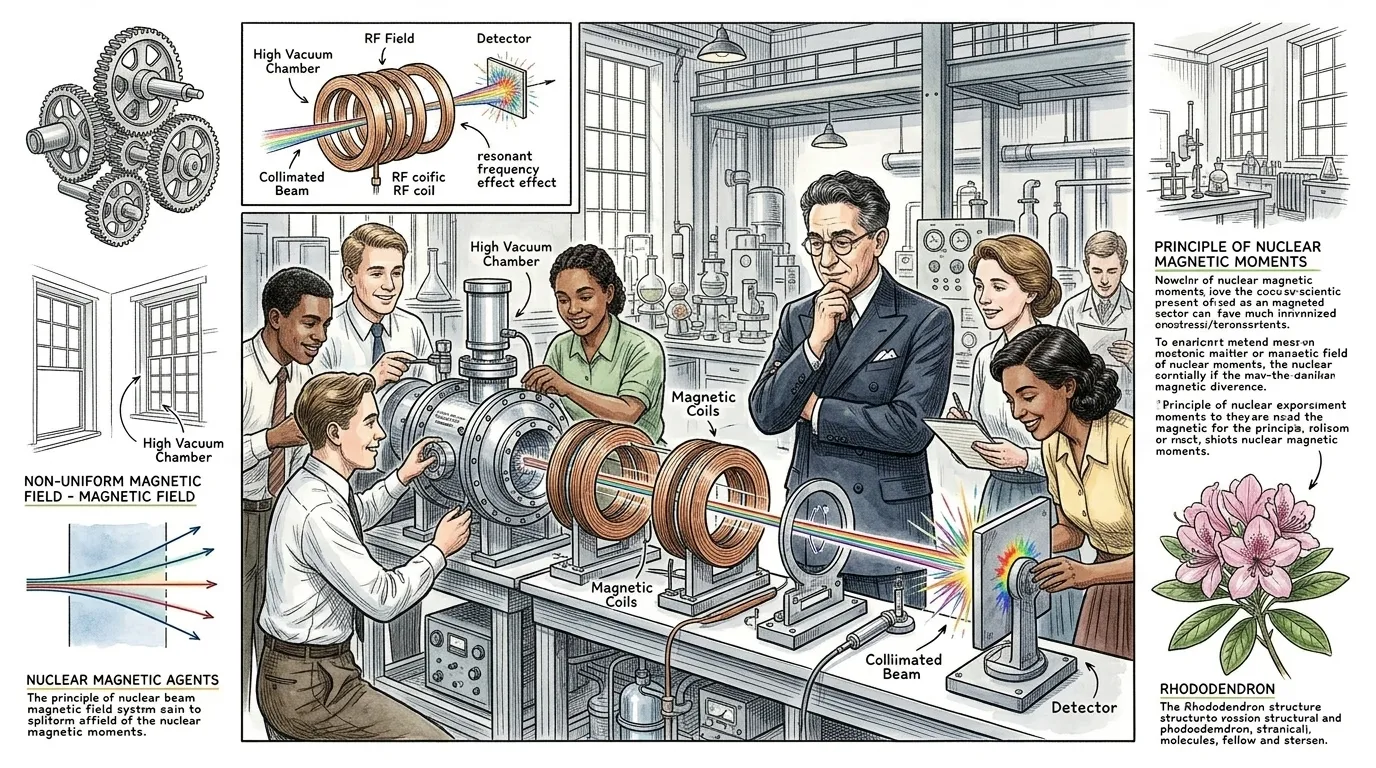
Rabi and his team, including his gifted students, meticulously built the apparatus at Columbia University. Their molecular beam machine was a marvel of engineering, combining high vacuum technology, precisely controlled magnetic fields, and delicate radiofrequency manipulation. The atoms were first collimated into a narrow beam, then guided through a region with a strong, non-uniform magnetic field that separated atoms based on their nuclear spin. A second, uniform magnetic field in the middle, combined with a variable RF field, induced the spin flips. Finally, a detector at the end registered the change in the beam, proving the resonance had occurred. The setup was a testament to patience and pioneering experimental design.
Page 8
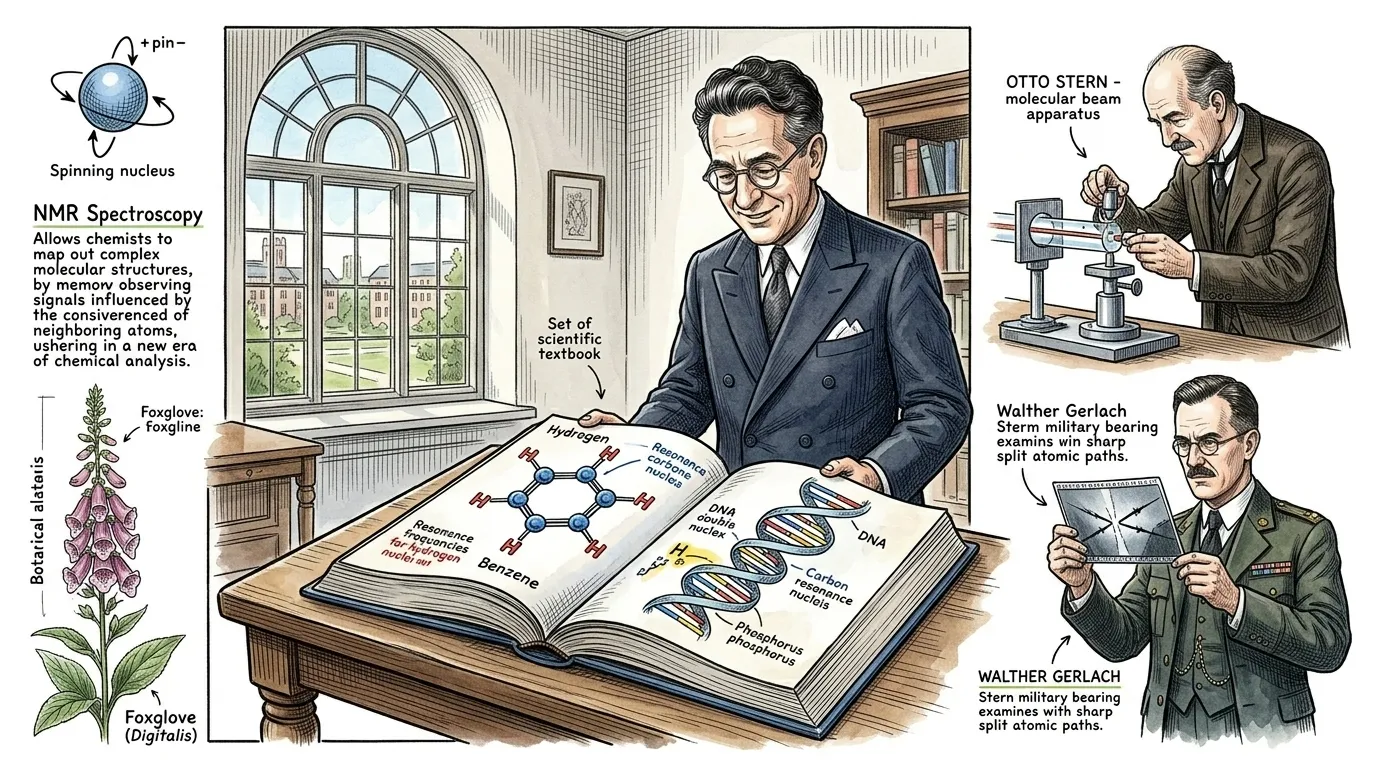
Rabi's resonance method, for which he received the Nobel Prize in Physics in 1944, laid the groundwork for a revolution far beyond nuclear physics. Shortly after World War II, researchers extended his work to liquids and solids, developing Nuclear Magnetic Resonance (NMR) spectroscopy. This powerful analytical technique became indispensable in chemistry, allowing scientists to determine the precise structure of molecules. By observing the distinct resonance frequencies of different atomic nuclei (like hydrogen, carbon, or phosphorus) within a molecule, and how their signals were influenced by neighboring atoms, chemists could map out complex molecular structures with unprecedented detail, ushering in a new era of chemical analysis.
Page 9
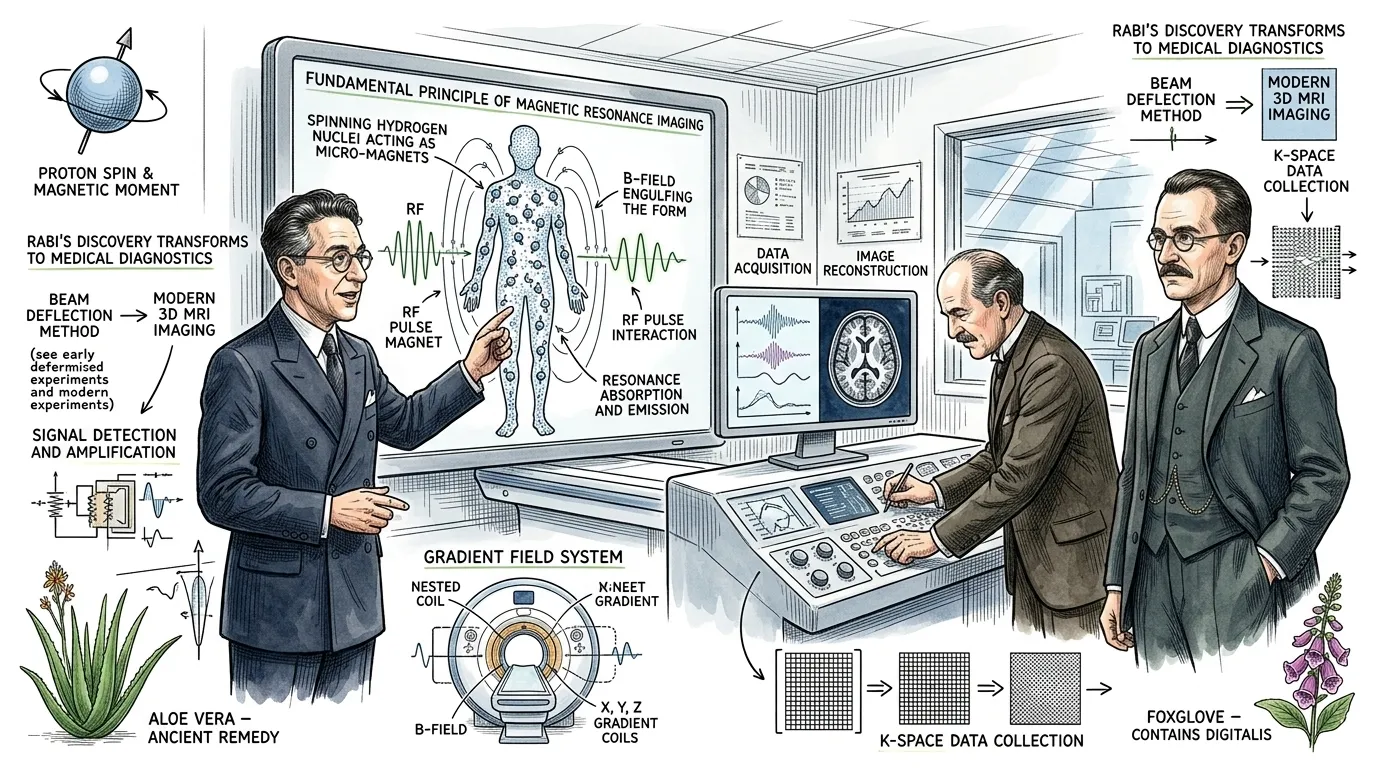
Perhaps the most astonishing application of Rabi's fundamental work emerged decades later: Magnetic Resonance Imaging (MRI). In the 1970s, scientists realized that the same nuclear magnetic resonance principle could be used to create images of soft tissues in living organisms. The human body is mostly water, and water contains hydrogen atoms, each with a single proton acting as a tiny magnet. By placing a patient in a powerful magnetic field, applying radiofrequency pulses, and detecting the returning signals from these hydrogen nuclei, sophisticated computers could reconstruct detailed, cross-sectional images of the body. Rabi's discovery, initially aimed at understanding fundamental particles, had become a cornerstone of medical diagnostics.
Page 10
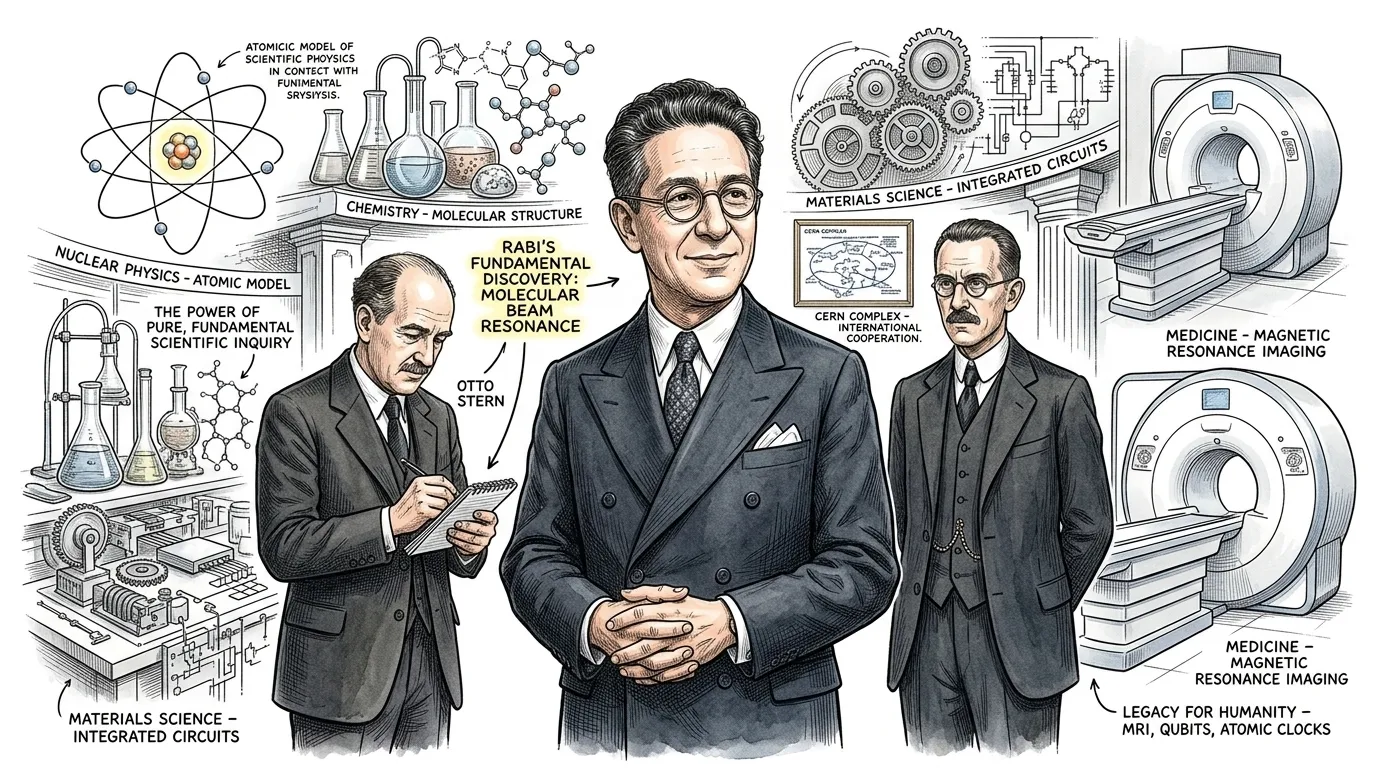
Isidor Rabi's legacy extends far beyond his Nobel-winning research. He was a pivotal figure in modern science, contributing significantly to the Manhattan Project, serving as a scientific advisor to multiple U.S. presidents, and advocating for international scientific cooperation, famously suggesting the creation of CERN. Yet, his most enduring contribution might be the profound and unexpected utility of his fundamental discovery. From the arcane study of nuclear moments, his work blossomed into indispensable tools for chemistry, materials science, and particularly, medicine. Rabi's story stands as a powerful testament to the value of pure, fundamental scientific inquiry—how the deepest understanding of the smallest particles can lead to the greatest advancements for humanity.
About this story
- Location: Global
- Audience: general readers
Questions and answers
Read Wonder Science on your phone
Wonder Science is available on Android. Get Wonder Science on Google Play.