Niels Bohr

Niels Bohr — an illustrated science story, set in Global. 10 illustrated pages, free to read on Wonder Science.

Niels Bohr — book cover — Wonder Science
Niels Bohr — an illustrated science story, set in Global. 10 illustrated pages, free to read on Wonder Science.

Page 1
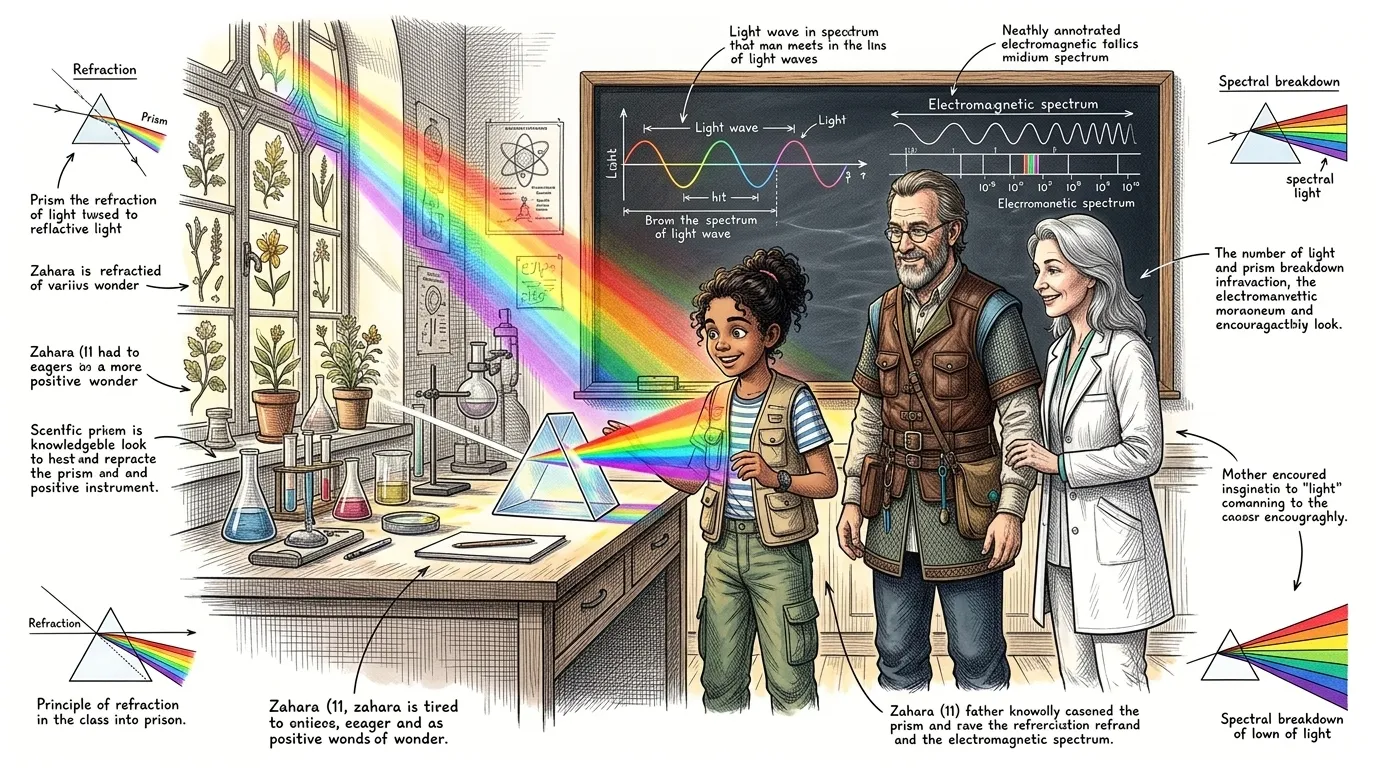
A rainbow shimmers, not in the sky after a storm, but in a lab. Light, split by a prism, displays its vibrant components.
A rainbow shimmers, not in the sky after a storm, but in a lab. Light, split by a prism, displays its vibrant components. This is the essence of understanding the atom, a world unlocked by Niels Bohr. How did he use light to reveal the atom's secrets?

A rainbow shimmers, not in the sky after a storm, but in a lab. Light, split by a prism, displays its vibrant components. This is the essence of understanding the atom, a world unlocked by Niels Bohr. How did he use light to reveal the atom's secrets?

Page 2
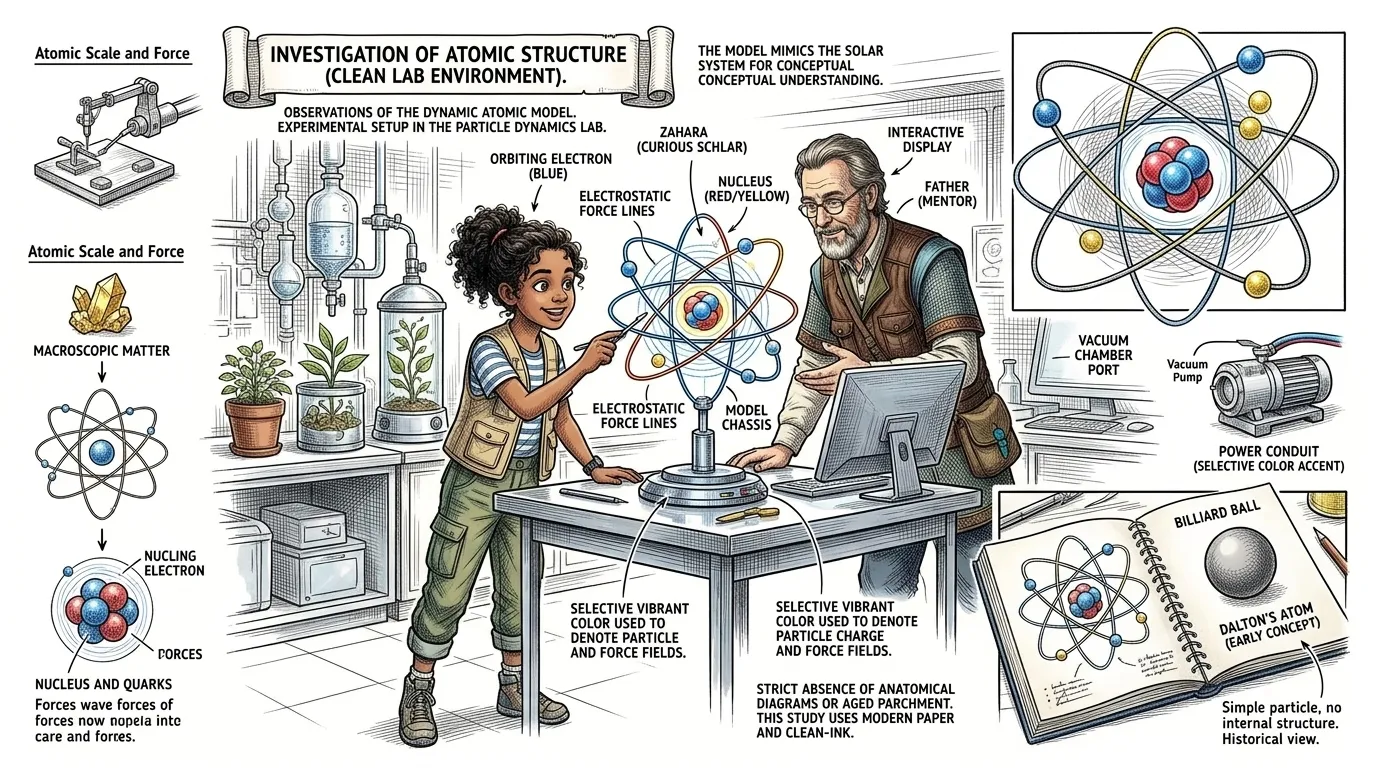
Atoms were once imagined as tiny, solid spheres, indivisible and unchanging. But Niels Bohr proved otherwise. He pictured a miniature solar system.
Atoms were once imagined as tiny, solid spheres, indivisible and unchanging. But Niels Bohr proved otherwise. He pictured a miniature solar system. Electrons orbit the nucleus, much like planets circle the sun. What evidence led to this radical shift in understanding?

Atoms were once imagined as tiny, solid spheres, indivisible and unchanging. But Niels Bohr proved otherwise. He pictured a miniature solar system. Electrons orbit the nucleus, much like planets circle the sun. What evidence led to this radical shift in understanding?

Page 3
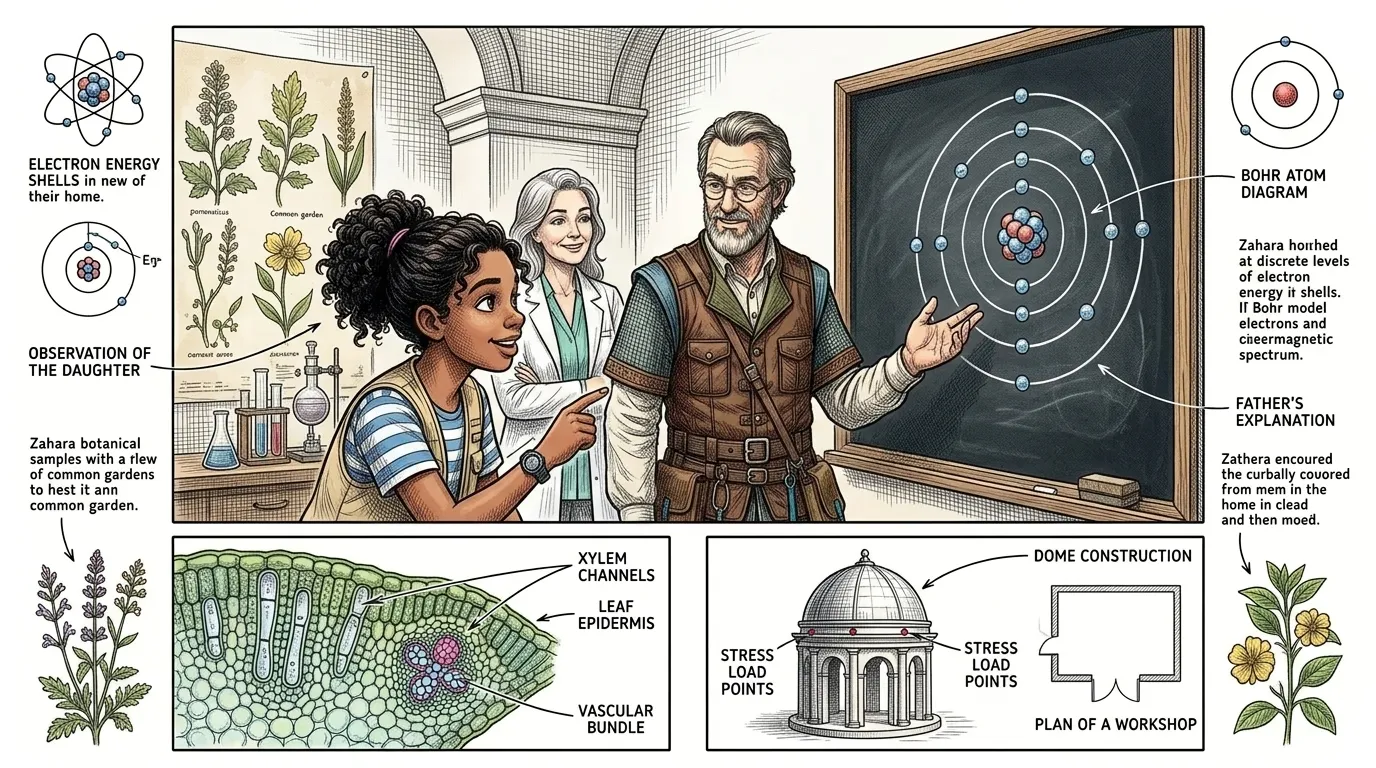
Bohr realized that electrons don't just orbit at any distance. They exist in specific energy levels, like steps on a ladder.
Bohr realized that electrons don't just orbit at any distance. They exist in specific energy levels, like steps on a ladder. "'Every sentence I utter must be understood not as an affirmation, but as a question,'" Zahara's father said, quoting Niels Bohr. What happens when an electron jumps between these energy levels? Fact: The diagram shows electrons jumping between levels, emphasizing the discrete energy concept.

Bohr realized that electrons don't just orbit at any distance. They exist in specific energy levels, like steps on a ladder. "'Every sentence I utter must be understood not as an affirmation, but as a question,'" Zahara's father said, quoting Niels Bohr. What happens when an electron jumps between these energy levels?

Fact: The diagram shows electrons jumping between levels, emphasizing the discrete energy concept.

Page 4
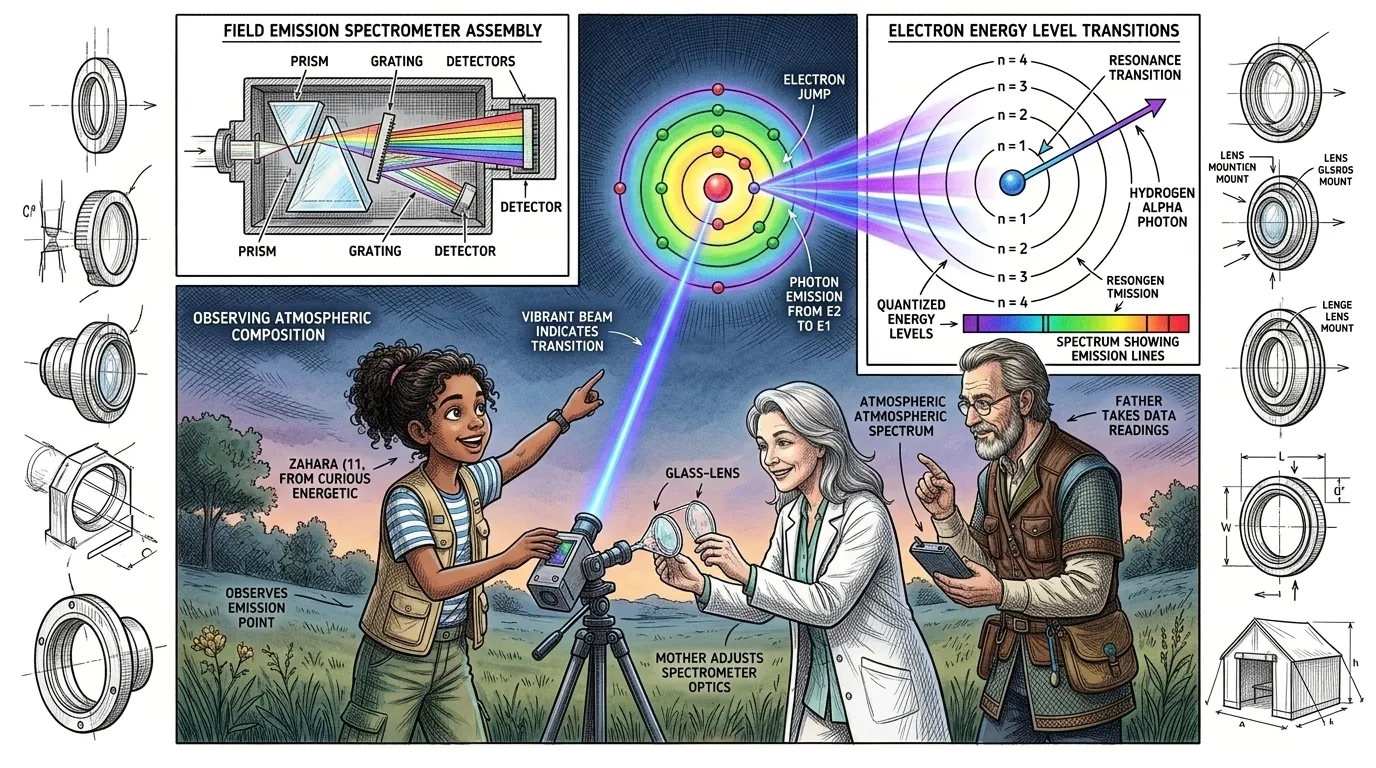
When an electron absorbs energy, it jumps to a higher energy level. When it falls back down, it releases that energy as light. This light isn't just any color.
When an electron absorbs energy, it jumps to a higher energy level. When it falls back down, it releases that energy as light. This light isn't just any color. It's a specific wavelength, a fingerprint unique to each element. This is atomic spectroscopy. Fact: Visual explanation of electron energy level transitions and light emission.

When an electron absorbs energy, it jumps to a higher energy level. When it falls back down, it releases that energy as light. This light isn't just any color. It's a specific wavelength, a fingerprint unique to each element. This is atomic spectroscopy.

Fact: Visual explanation of electron energy level transitions and light emission.

Page 5
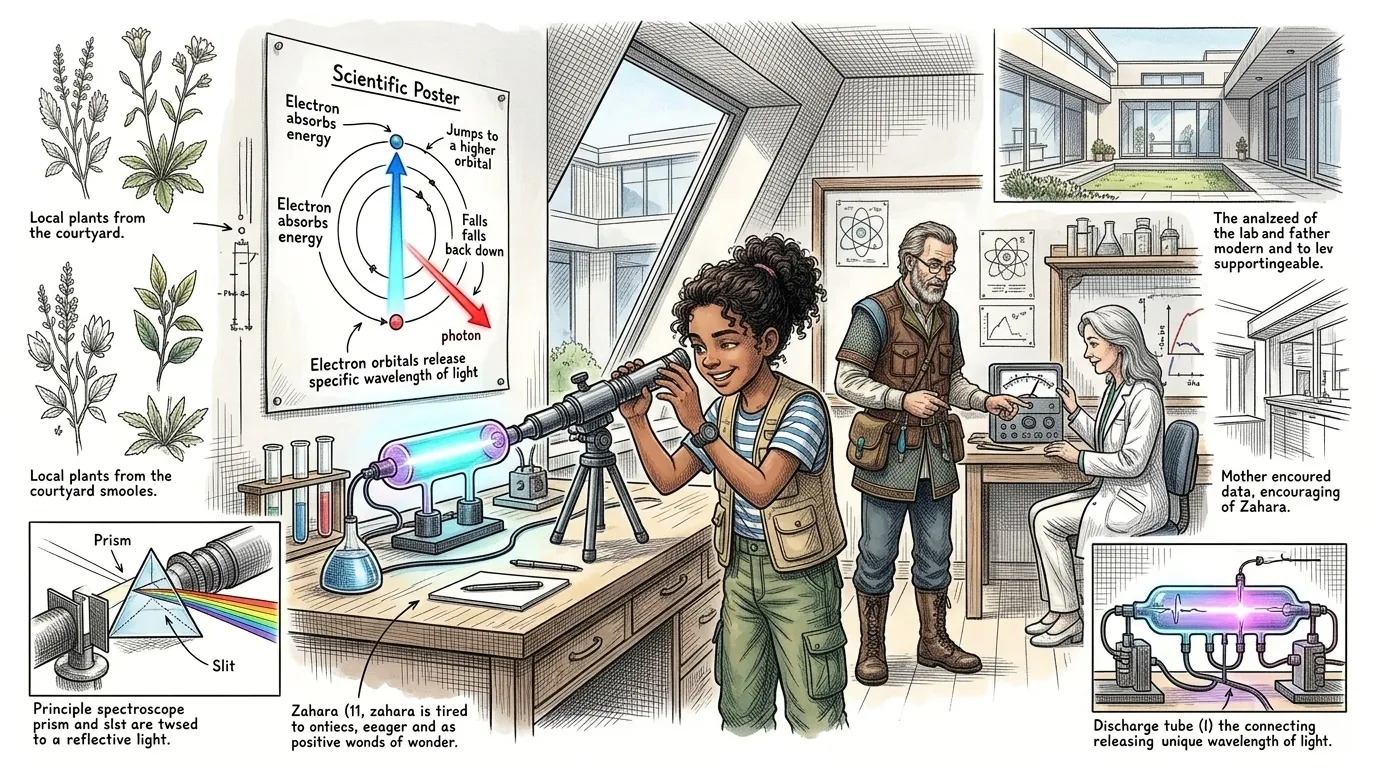
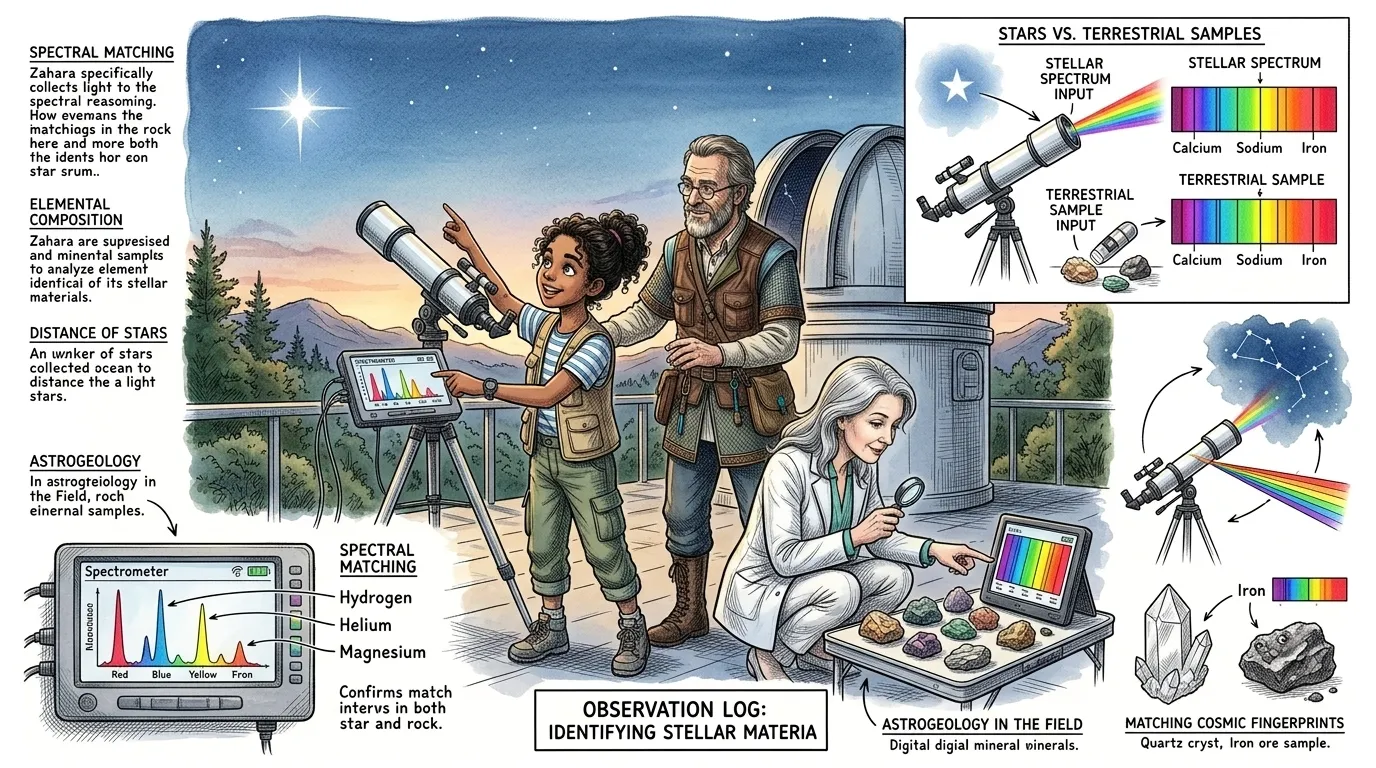
Bohr used a prism to split the light emitted by different elements. Each element produced a unique pattern of colored lines.
Bohr used a prism to split the light emitted by different elements. Each element produced a unique pattern of colored lines. These spectral lines are like barcodes. They identify each element with certainty. How does this help us understand the stars? Fact: Zahara observes spectral analysis, linking atomic fingerprints to stellar composition.

Bohr used a prism to split the light emitted by different elements. Each element produced a unique pattern of colored lines. These spectral lines are like barcodes. They identify each element with certainty. How does this help us understand the stars?

Fact: Zahara observes spectral analysis, linking atomic fingerprints to stellar composition.

Page 6
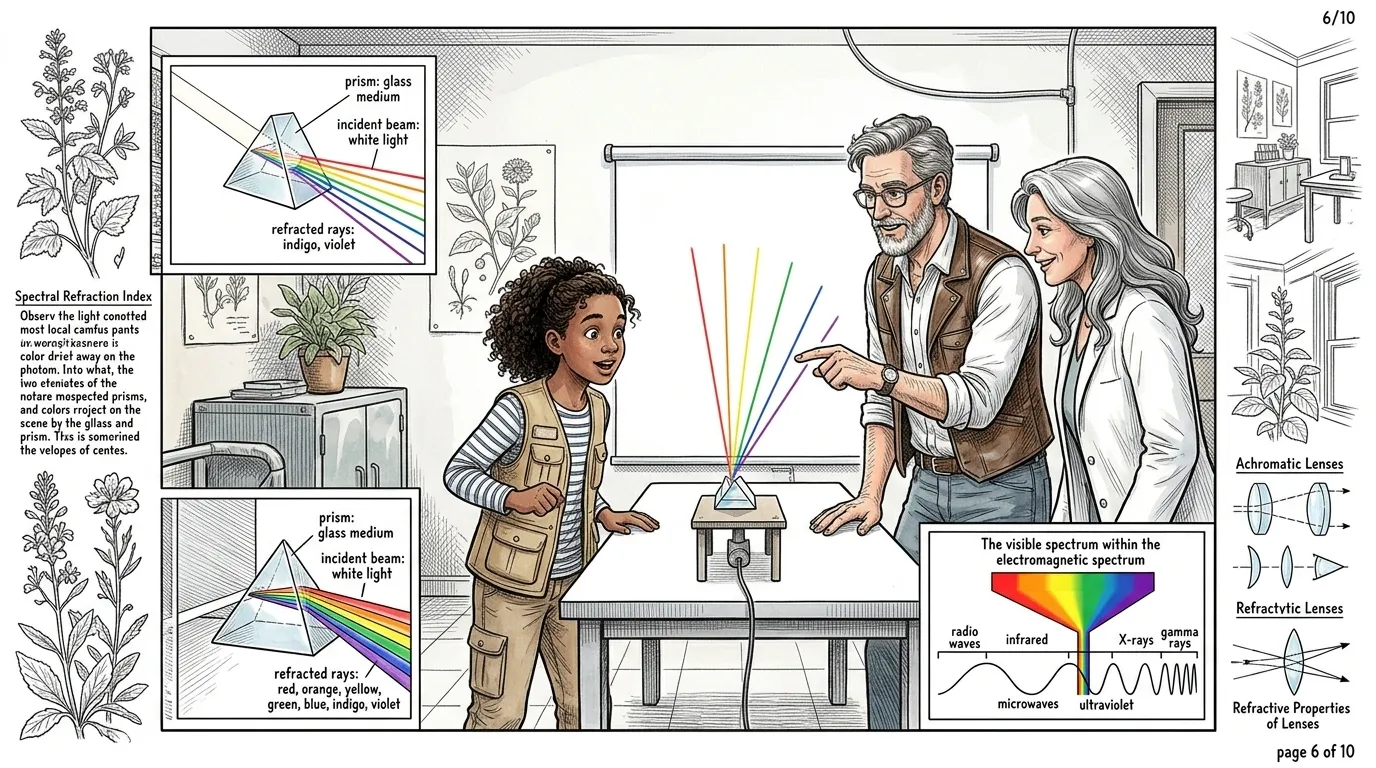
By analyzing the light from distant stars, we can determine their composition. Every element has a unique fingerprint pattern.
By analyzing the light from distant stars, we can determine their composition. Every element has a unique fingerprint pattern. Stars are fueled by nuclear fusion. Light encodes the elements born in their hearts. The stars' secrets revealed, one spectral line at a time.

By analyzing the light from distant stars, we can determine their composition. Every element has a unique fingerprint pattern. Stars are fueled by nuclear fusion. Light encodes the elements born in their hearts. The stars' secrets revealed, one spectral line at a time.

Page 7
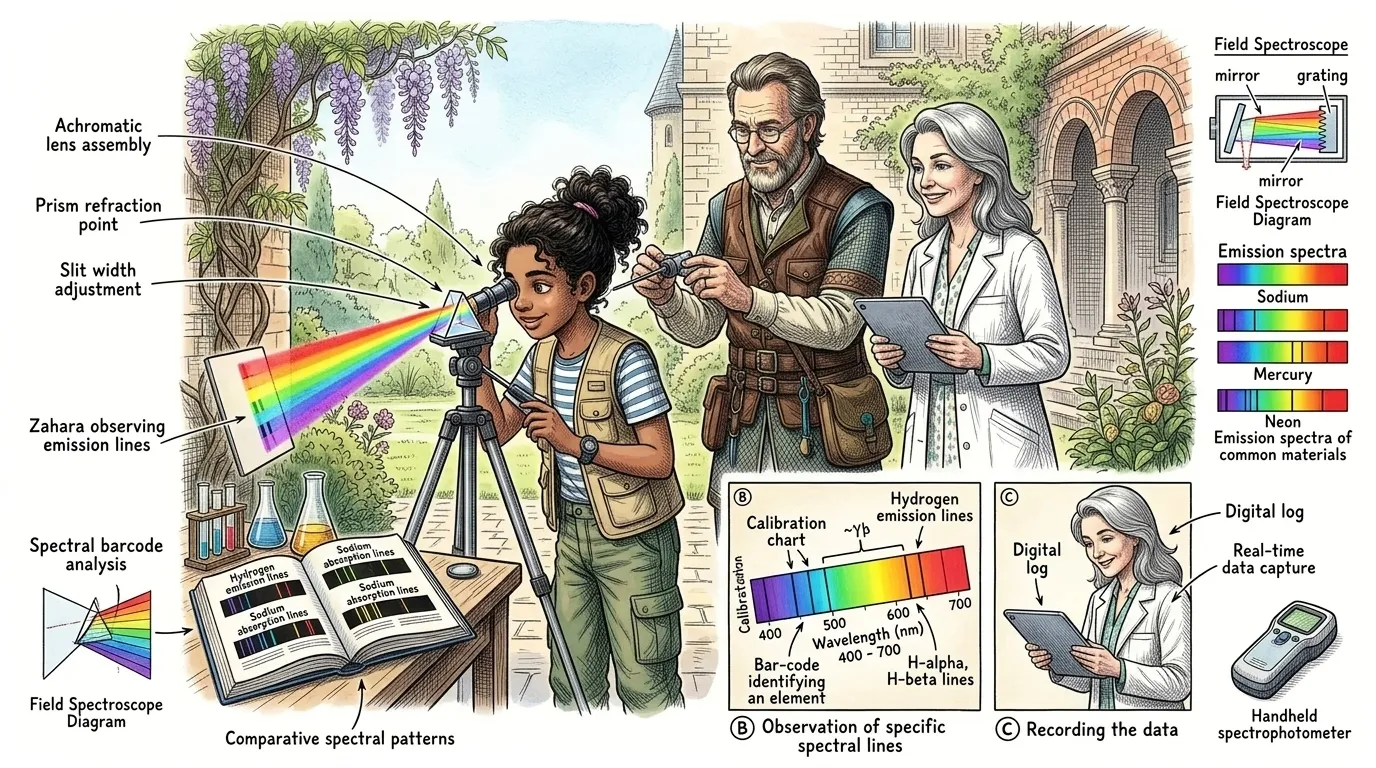
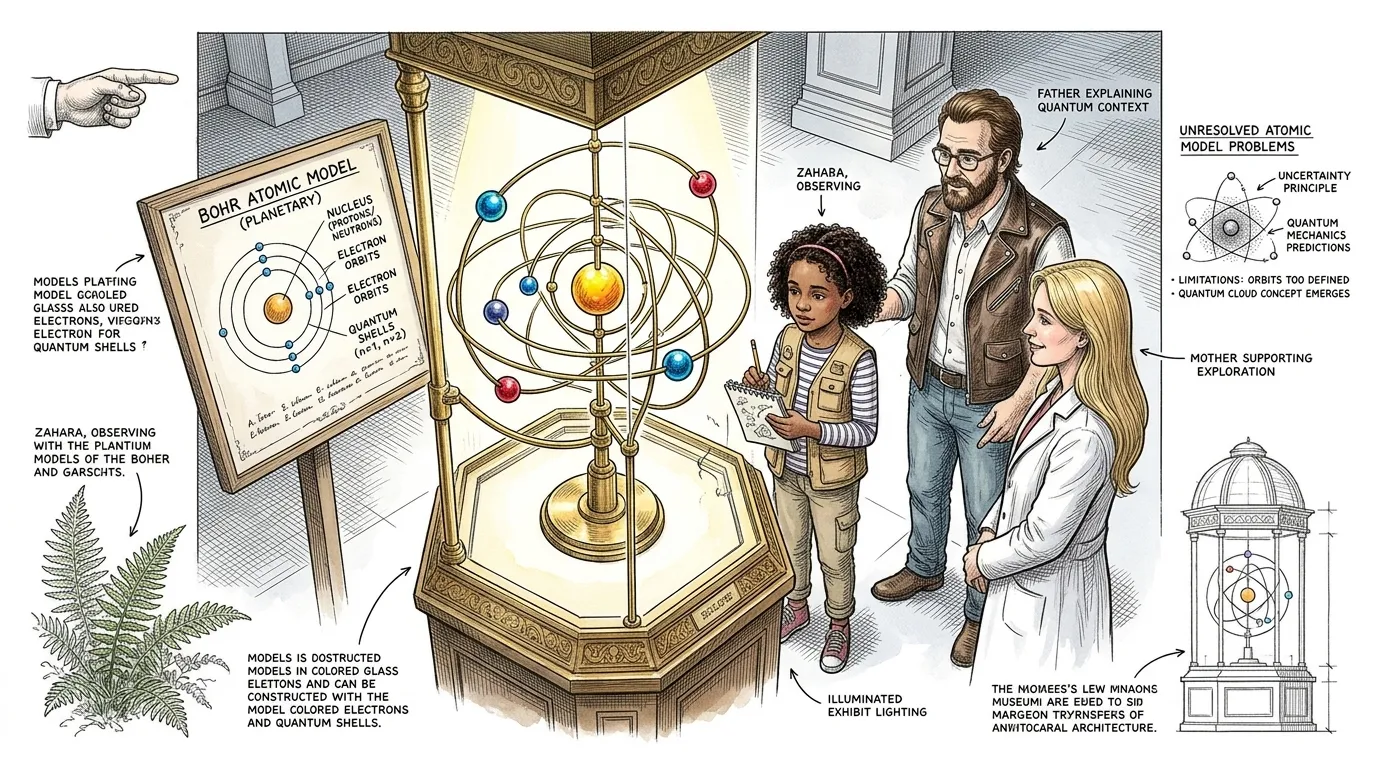
Bohr's model wasn't perfect. It couldn't explain the spectra of more complex atoms. Yet, it was a monumental step. It paved the way for quantum mechanics, a…
Bohr's model wasn't perfect. It couldn't explain the spectra of more complex atoms. Yet, it was a monumental step. It paved the way for quantum mechanics, a deeper, weirder understanding of the atomic world. It was the birth of modern atomic theory. Fact: Zahara observes the Bohr model in a museum exhibit, highlighting its limitations and importance.

Bohr's model wasn't perfect. It couldn't explain the spectra of more complex atoms. Yet, it was a monumental step. It paved the way for quantum mechanics, a deeper, weirder understanding of the atomic world. It was the birth of modern atomic theory.

Fact: Zahara observes the Bohr model in a museum exhibit, highlighting its limitations and importance.

Page 8
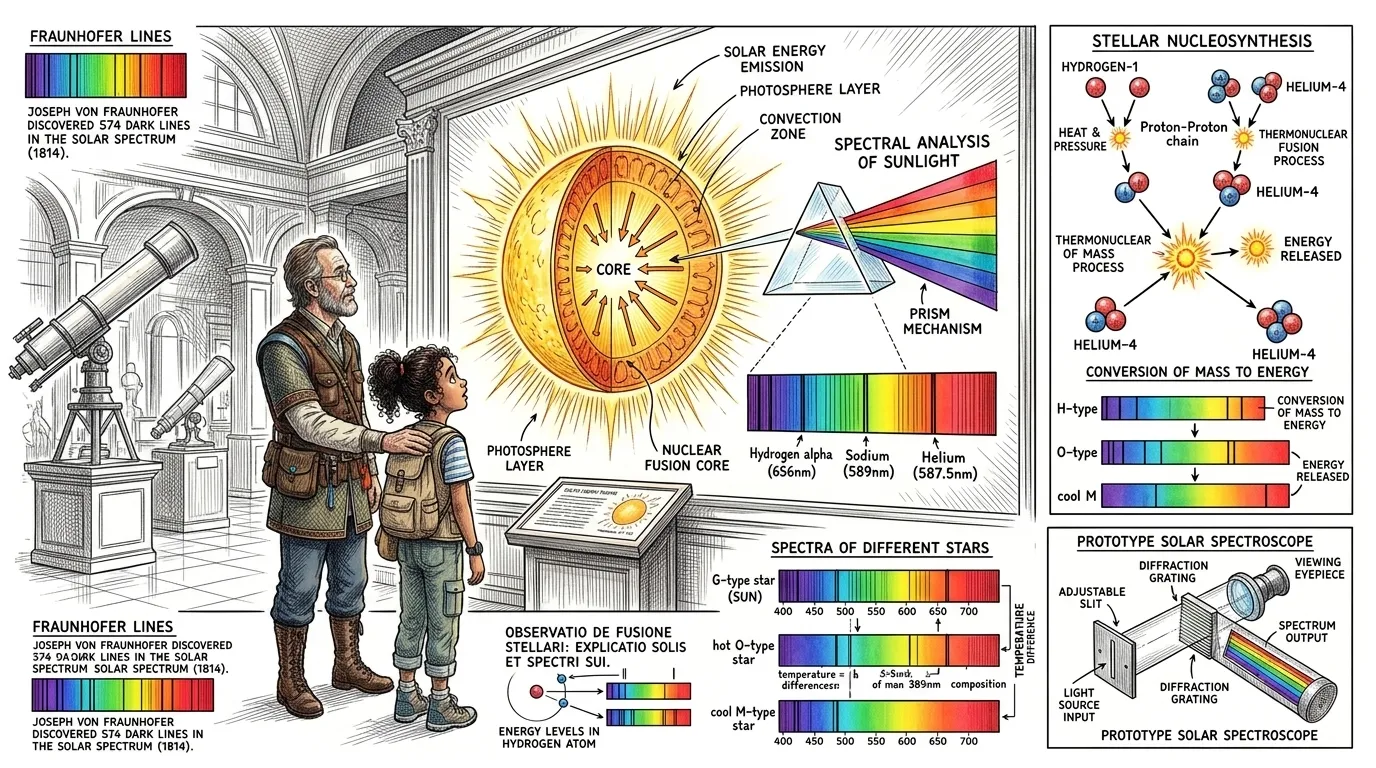
From lasers to medical imaging, Bohr's atomic model permeates modern technology. Lasers emit light based on electron transitions between energy levels.
From lasers to medical imaging, Bohr's atomic model permeates modern technology. Lasers emit light based on electron transitions between energy levels. MRI machines use atomic nuclei to create detailed images of the human body. A century later, Bohr's atom still illuminates the world.

From lasers to medical imaging, Bohr's atomic model permeates modern technology. Lasers emit light based on electron transitions between energy levels. MRI machines use atomic nuclei to create detailed images of the human body. A century later, Bohr's atom still illuminates the world.

Page 9
Bohr's legacy extends beyond physics. He was a staunch advocate for international cooperation and peace. His work on nuclear physics led him to warn against the…
Bohr's legacy extends beyond physics. He was a staunch advocate for international cooperation and peace. His work on nuclear physics led him to warn against the dangers of atomic weapons. "'An expert is a person who has found out by his own painful experience all the mistakes that one can make in a very narrow field,'" he often said, with a heavy heart. Fact: Zahara reflecting on Bohr's legacy of science and peace in a library setting.

Bohr's legacy extends beyond physics. He was a staunch advocate for international cooperation and peace. His work on nuclear physics led him to warn against the dangers of atomic weapons. "'An expert is a person who has found out by his own painful experience all the mistakes that one can make in a very narrow field,'" he often said, with a heavy heart.

Fact: Zahara reflecting on Bohr's legacy of science and peace in a library setting.

Page 10
Niels Bohr's journey from a tiny lab to the heart of the atom redefined our understanding of reality. His model, though superseded, sparked a revolution.
Niels Bohr's journey from a tiny lab to the heart of the atom redefined our understanding of reality. His model, though superseded, sparked a revolution. It showed us that even the smallest things hold boundless secrets. What other atomic mysteries remain to be revealed? Fact: Zahara and her parents gazing in awe at the universe, symbolizing the endless frontier of scientific exploration.

Niels Bohr's journey from a tiny lab to the heart of the atom redefined our understanding of reality. His model, though superseded, sparked a revolution. It showed us that even the smallest things hold boundless secrets. What other atomic mysteries remain to be revealed?

Fact: Zahara and her parents gazing in awe at the universe, symbolizing the endless frontier of scientific exploration.

About this story

  • Location: Global
  • Audience: kids (ages 6–12)

Questions and answers

Questions and answers about Niels Bohr

Read Wonder Science on your phone

Wonder Science is available on Android. Get Wonder Science on Google Play.

More Wonder Science stories

All Wonder Science stories · Open the library