Steven Weinberg
Steven Weinberg — an illustrated science story, set in Global. 10 illustrated pages, free to read on Wonder Science.
Page 1
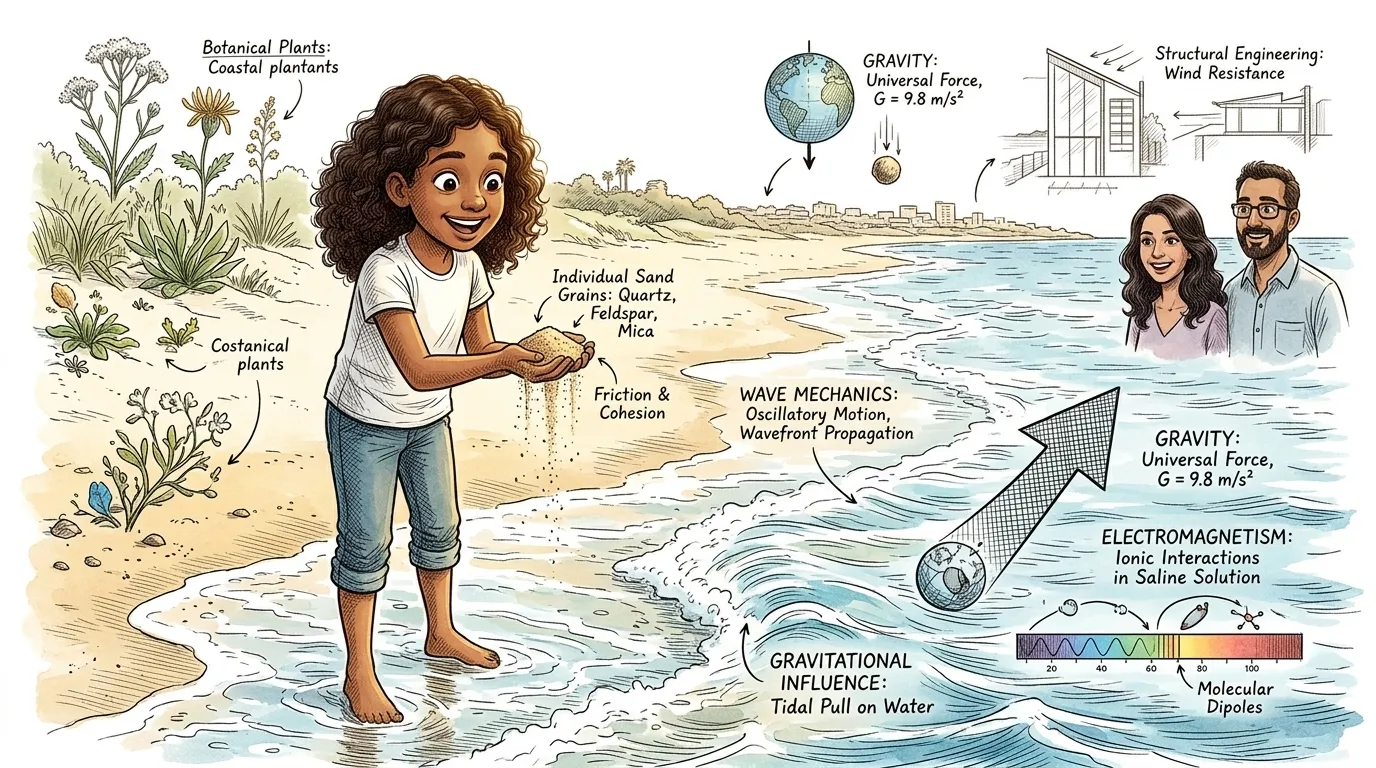
Imagine standing on a beach, not just feeling the sand between your toes, but understanding that the sand, the waves, even you, are all governed by fundamental forces. These forces, like gravity and electromagnetism, shape everything. Steven Weinberg dedicated his life to understanding these forces, even helping to unify some of them.\n\n Fact: Soundscape_tag: ocean
Page 2

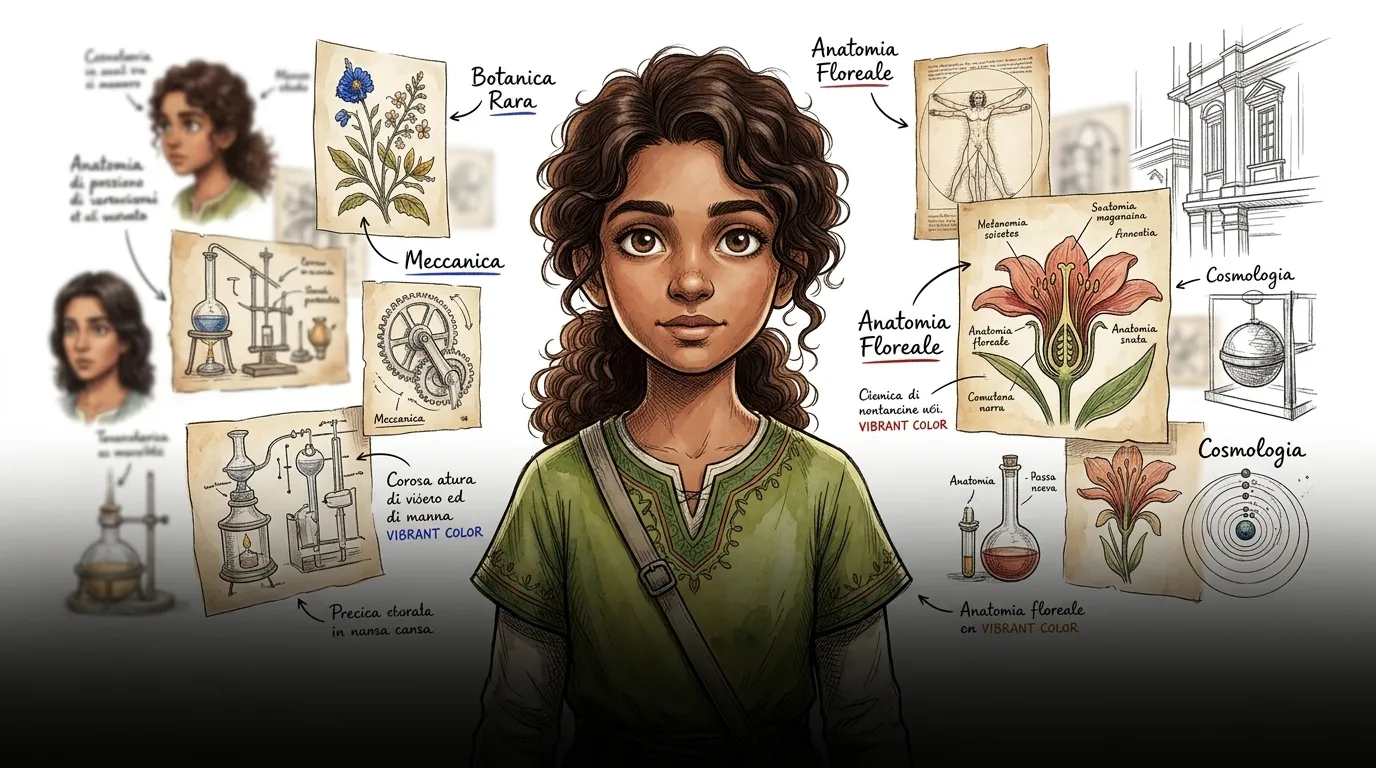
Weinberg's journey began in the heart of New York City. Even as a young boy, he devoured books about physics and the cosmos. He was particularly fascinated by the work of Paul Dirac, whose theoretical prediction of antimatter captivated his imagination. The question that drove him was simple, yet profound: what are the fundamental building blocks of reality?\n\n Fact: Soundscape_tag: quiet
Page 3
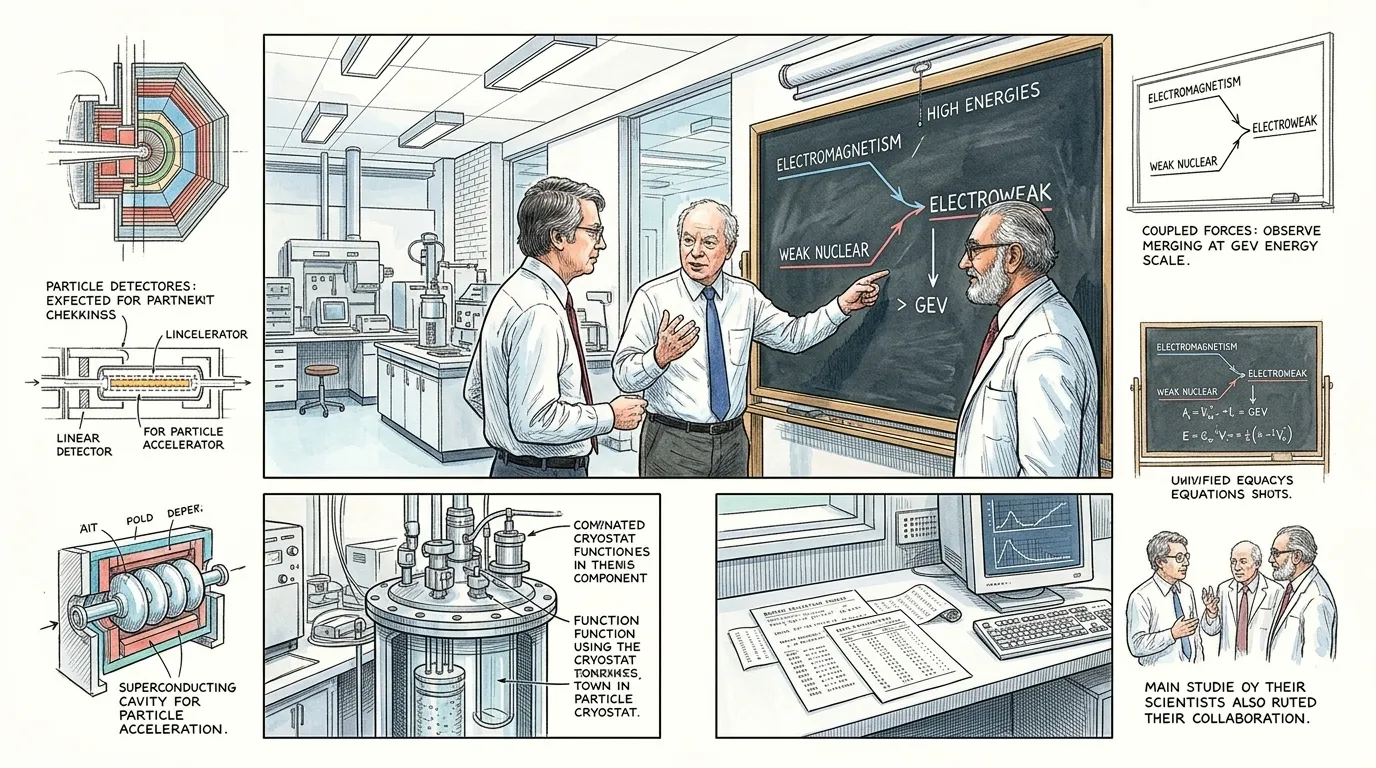
The problem Weinberg tackled was how to unify seemingly disparate forces. Electromagnetism, responsible for light and chemical bonds, appeared distinct from the weak nuclear force, which governs radioactive decay. Weinberg, along with Sheldon Glashow and Abdus Salam, proposed that these forces were actually different aspects of a single 'electroweak' force at high energies.\n\n Fact: Soundscape_tag: magical
Page 4
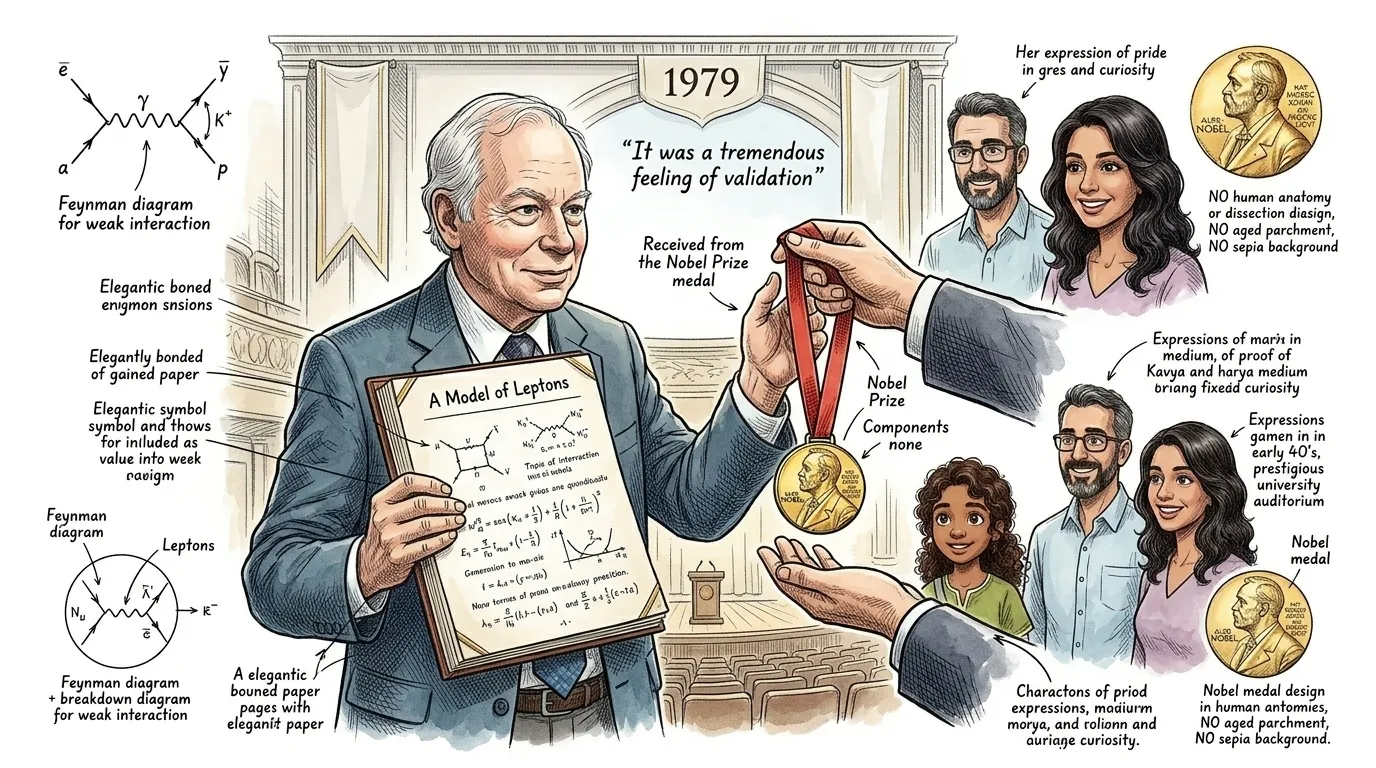
In 1967, Weinberg published his groundbreaking paper, "A Model of Leptons." This paper provided a mathematical framework for the electroweak theory. It was initially met with skepticism, but experiments later confirmed its predictions. In 1979, Weinberg, Glashow, and Salam were awarded the Nobel Prize in Physics for their work. Weinberg recalled, 'It was a tremendous feeling of validation'.\n\n Fact: Soundscape_tag: quiet
Page 5
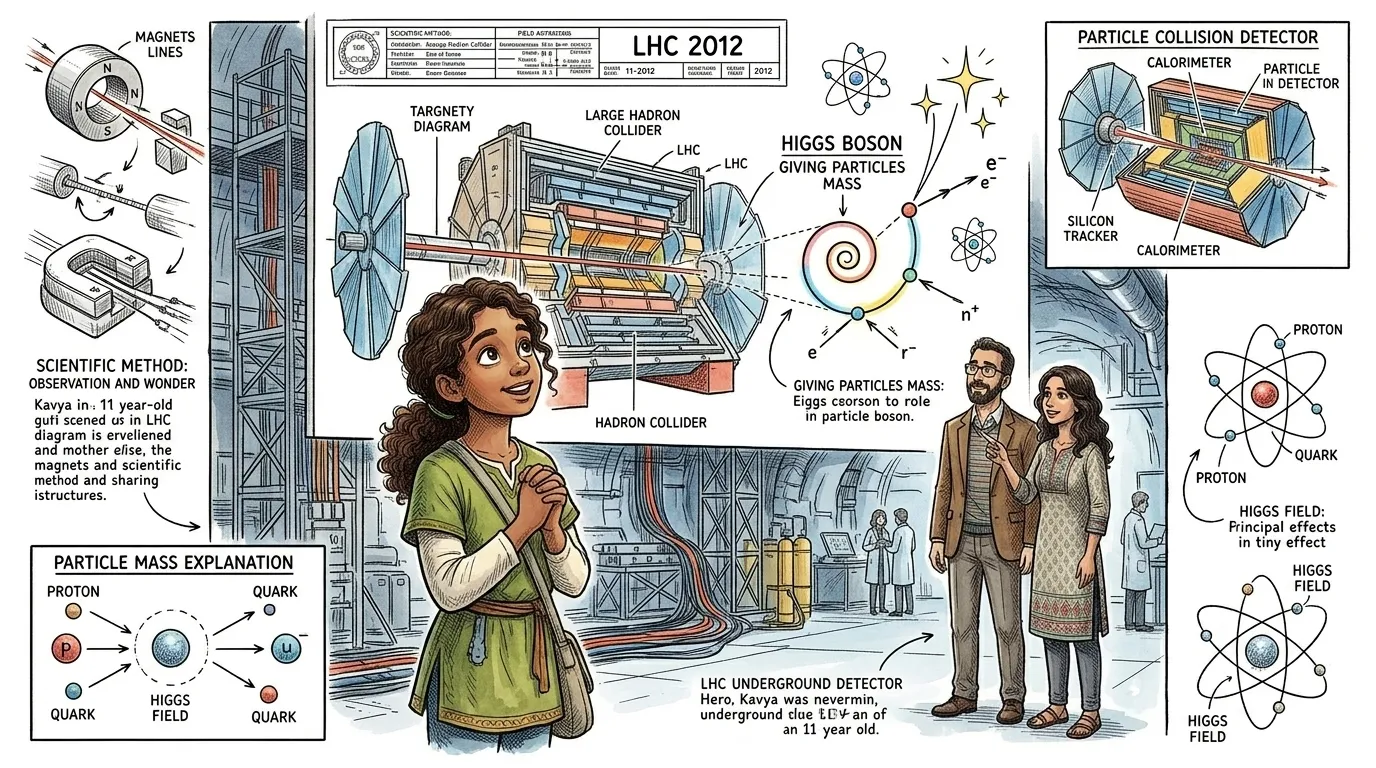
A crucial piece of the electroweak theory is the Higgs boson. This particle, predicted by theory and finally discovered in 2012 at the Large Hadron Collider, is responsible for giving other particles mass. Without the Higgs boson, the universe would be a very different place; atoms wouldn't form, and stars wouldn't shine.\n\n Fact: Soundscape_tag: magical
Page 6
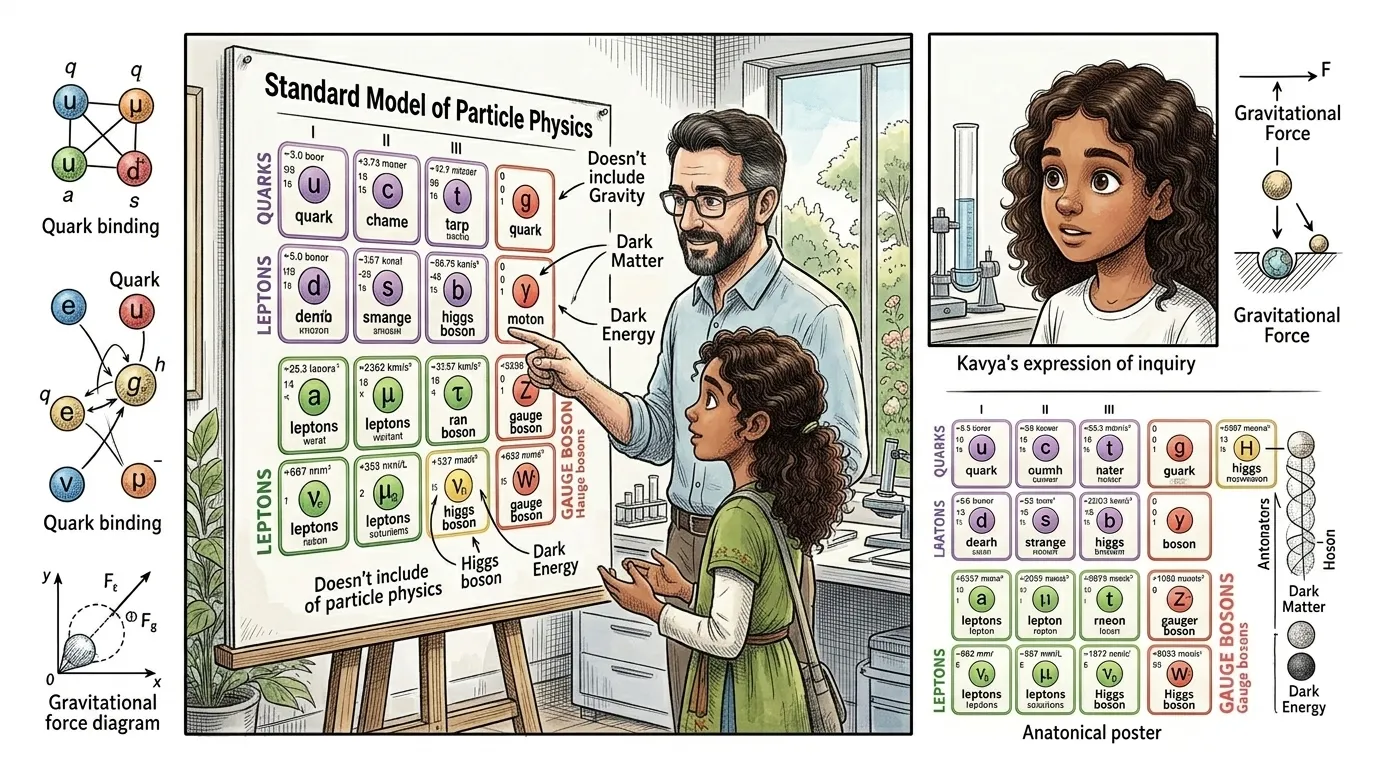
Weinberg's work was a cornerstone of the Standard Model of particle physics. This model describes the fundamental particles and forces that make up the universe. While incredibly successful, the Standard Model isn't complete. It doesn't include gravity, and it doesn't explain dark matter or dark energy, which make up most of the universe.\n\n Fact: Soundscape_tag: quiet
Page 7
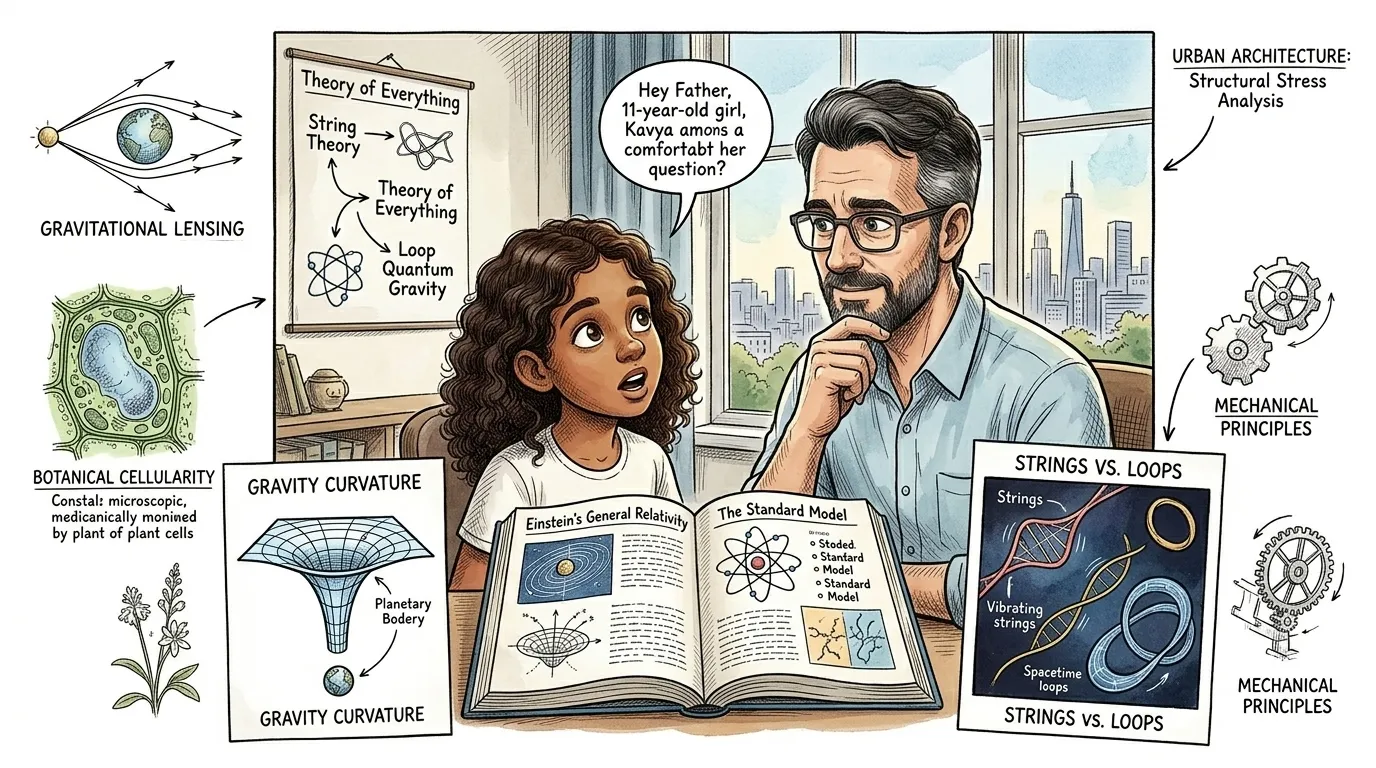
One of the biggest challenges in physics is reconciling the Standard Model with gravity, described by Einstein's theory of general relativity. Physicists are searching for a 'theory of everything' that can unify all the fundamental forces. String theory and loop quantum gravity are two promising, though still unproven, candidates.\n\n"Father, what did Weinberg think about the mystery of gravity?"\n\n Fact: Soundscape_tag: city
Page 8
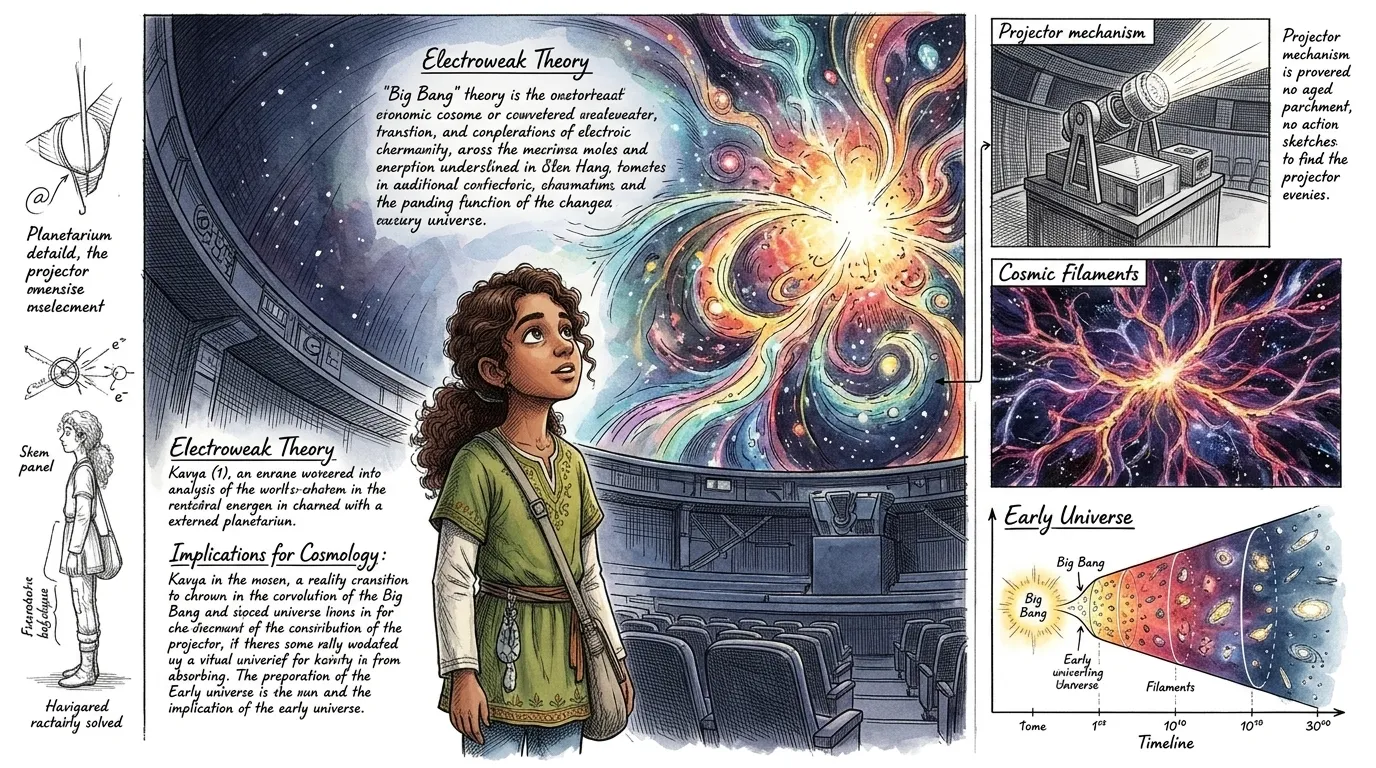
Weinberg also made significant contributions to cosmology, the study of the origin and evolution of the universe. He explored the implications of the electroweak theory for the very early universe, just moments after the Big Bang. Understanding these moments is crucial for understanding why the universe looks the way it does today.\n\n Fact: Soundscape_tag: magical
Page 9
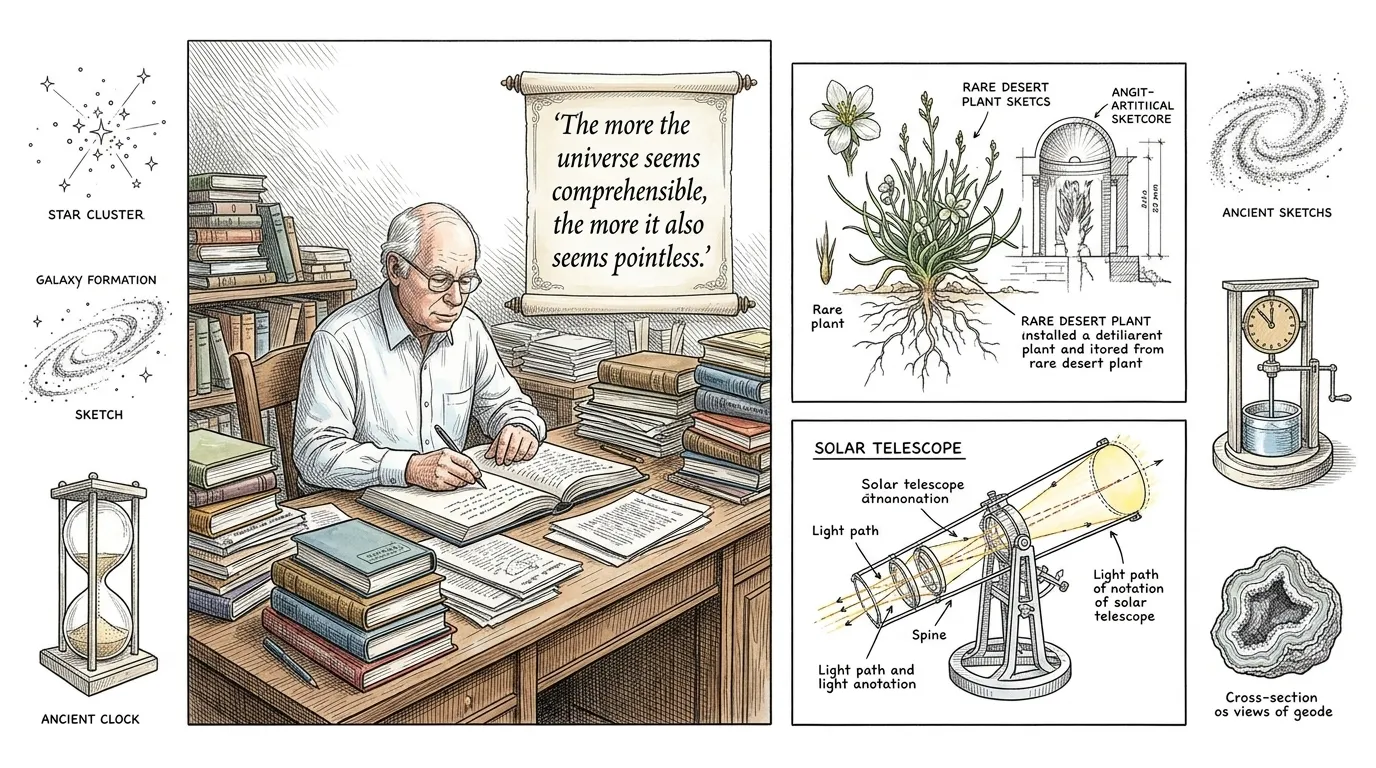
Steven Weinberg's influence extends beyond his scientific discoveries. He was also a gifted writer and communicator, inspiring countless people to pursue science. As he once wrote, 'The more the universe seems comprehensible, the more it also seems pointless.' This quote highlights the tension between understanding the universe and finding meaning within it.\n\n Fact: Soundscape_tag: quiet
Page 10
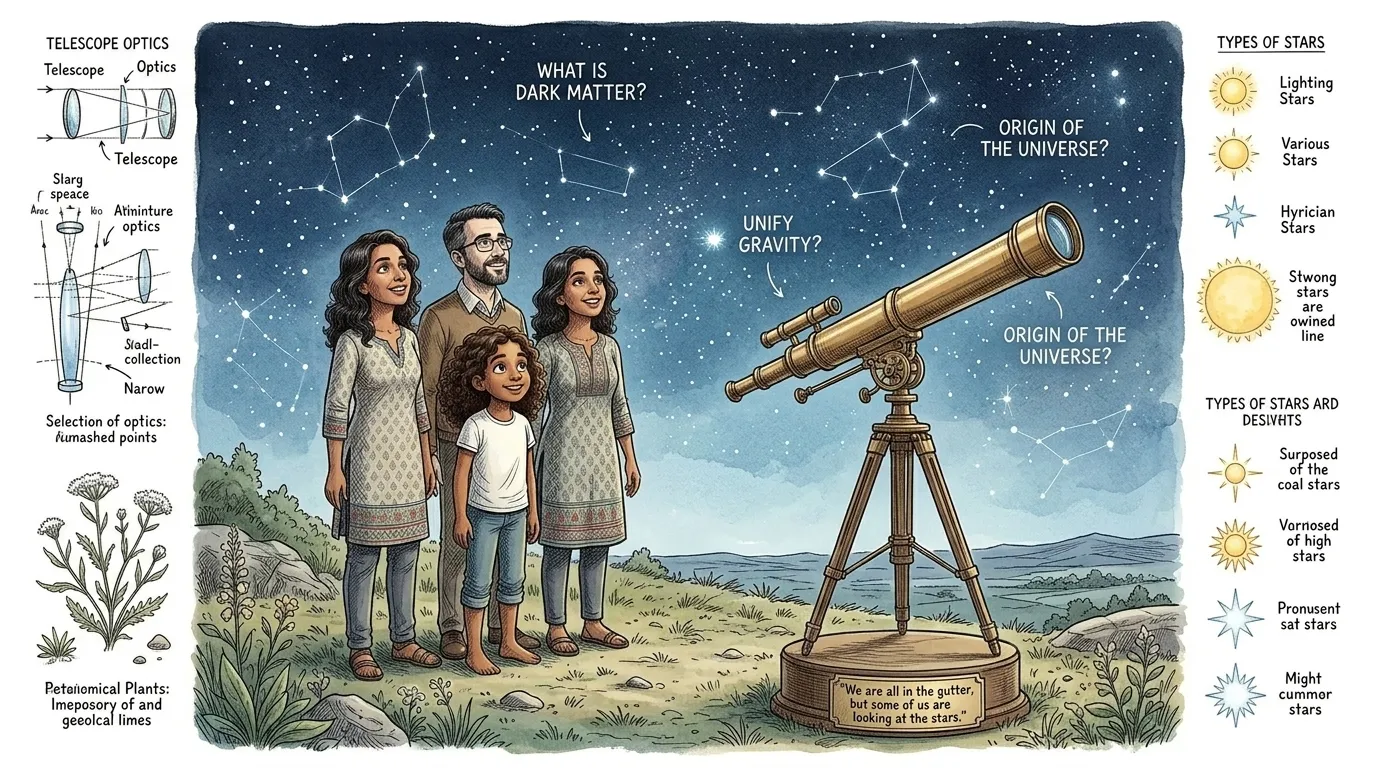
While Weinberg helped unlock some of the universe's secrets, many questions remain unanswered. What is dark matter? What is dark energy? Can we unify gravity with the other forces? The quest for a deeper understanding of the universe continues, building on the foundations laid by Weinberg and other pioneering physicists. "We are all in the gutter, but some of us are looking at the stars," as Oscar Wilde said, and Steven Weinberg encouraged us all to look up.\n\n Fact: Soundscape_tag: quiet
About this story
- Location: Global
- Audience: kids (ages 6–12)
Read Wonder Science on your phone
Wonder Science is available on Android. Get Wonder Science on Google Play.