Who are 10 famous scientists?
Discover ten of the most famous scientists whose groundbreaking work shaped our understanding of the universe and technology.
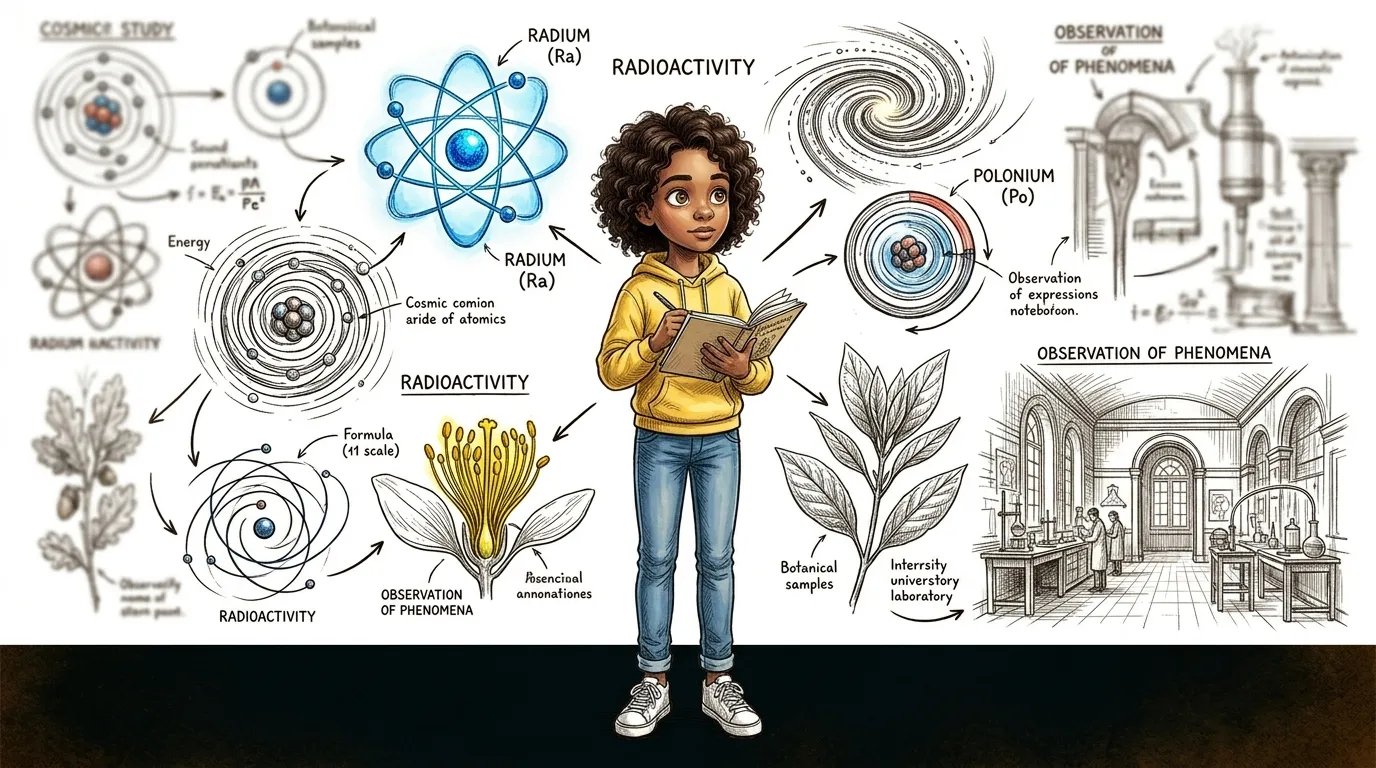
When we consider the most famous scientists, we often think of individuals whose discoveries fundamentally changed our view of the world or led to significant technological advancements. This article identifies ten such figures, based on their enduring impact and widespread recognition across history and various scientific fields.
The scientists featured here represent a diverse range of disciplines, from theoretical physics to microbiology, and their contributions continue to influence scientific inquiry today. Each made a unique and lasting mark on human knowledge.
- Isaac Newton
- Albert Einstein
- Marie Curie
- Charles Darwin
- Galileo Galilei
- Alan Turing
- Rosalind Franklin
- Stephen Hawking
- Alexander Fleming
- Dorothy Hodgkin
Isaac Newton
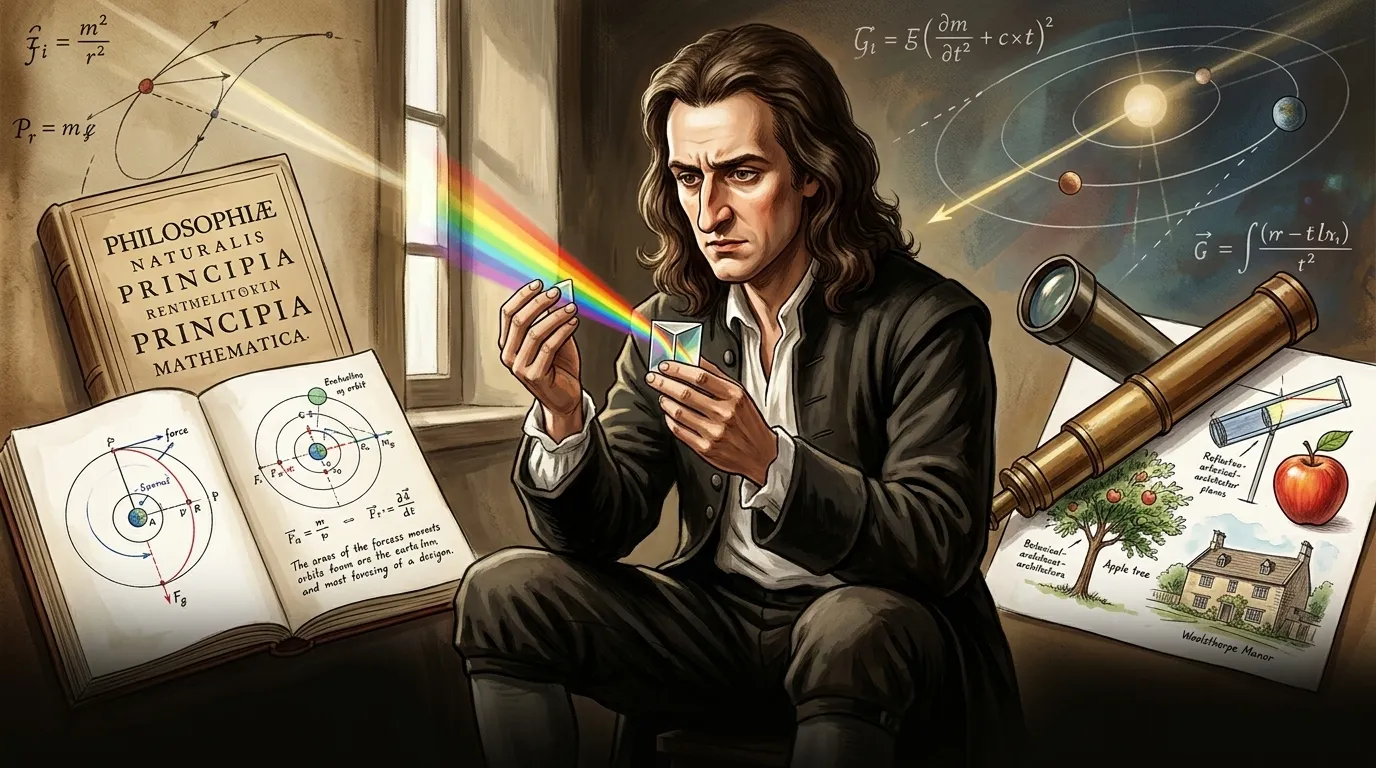
Born in 1642, Isaac Newton was an English physicist and mathematician who is widely regarded as one of the most influential scientists of all time. His book Philosophiæ Naturalis Principia Mathematica, published in 1687, laid the foundations for classical mechanics, describing universal gravitation and the three laws of motion. These laws explained the motion of objects on Earth and in space, providing a unified framework for understanding the physical world. Newton's work on optics and calculus also had a profound impact. You can explore his early insights in Newton and the Falling Apple, or delve deeper into the fundamental forces he studied with The Mystery of Gravity.
Albert Einstein
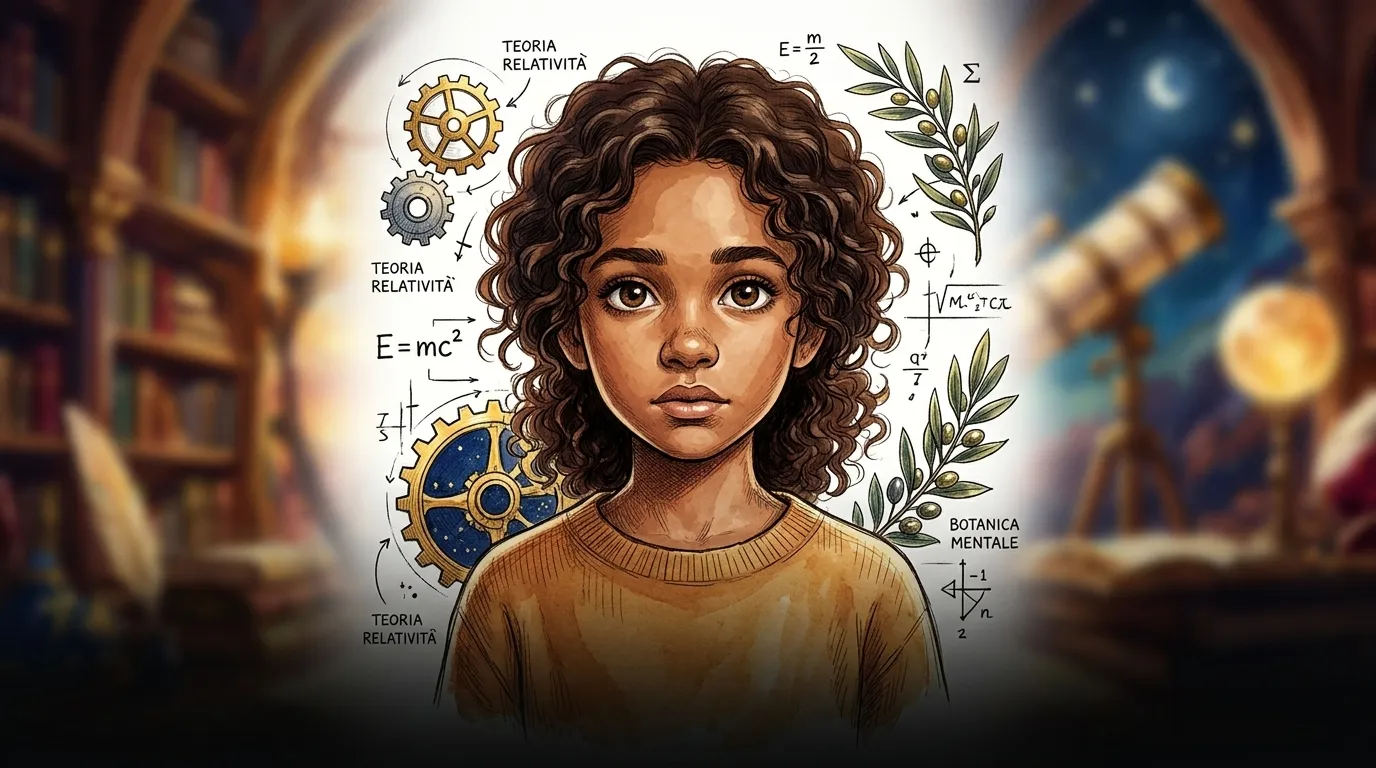
Albert Einstein, a German-born theoretical physicist, developed the theory of relativity, one of the two pillars of modern physics. His work is also known for its influence on the philosophy of science. He is best known for his mass–energy equivalence formula E=mc², which has been dubbed "the world's most famous equation." Einstein received the Nobel Prize in Physics in 1921 for his discovery of the law of the photoelectric effect, a pivotal step in the evolution of quantum theory. We have two illustrated stories about his life and work, both titled Albert Einstein, that provide an accessible introduction to his genius.
Marie Curie
Marie Curie was a Polish and naturalized French physicist and chemist who conducted pioneering research on radioactivity. She was the first woman to win a Nobel Prize, the first person and only woman to win the Nobel Prize twice, and the only person to win the Nobel Prize in two different scientific fields (Physics in 1903 and Chemistry in 1911). Her achievements include the development of the theory of radioactivity, techniques for isolating radioactive isotopes, and the discovery of two elements, polonium and radium. Her work laid the groundwork for nuclear physics and cancer treatment.
Charles Darwin
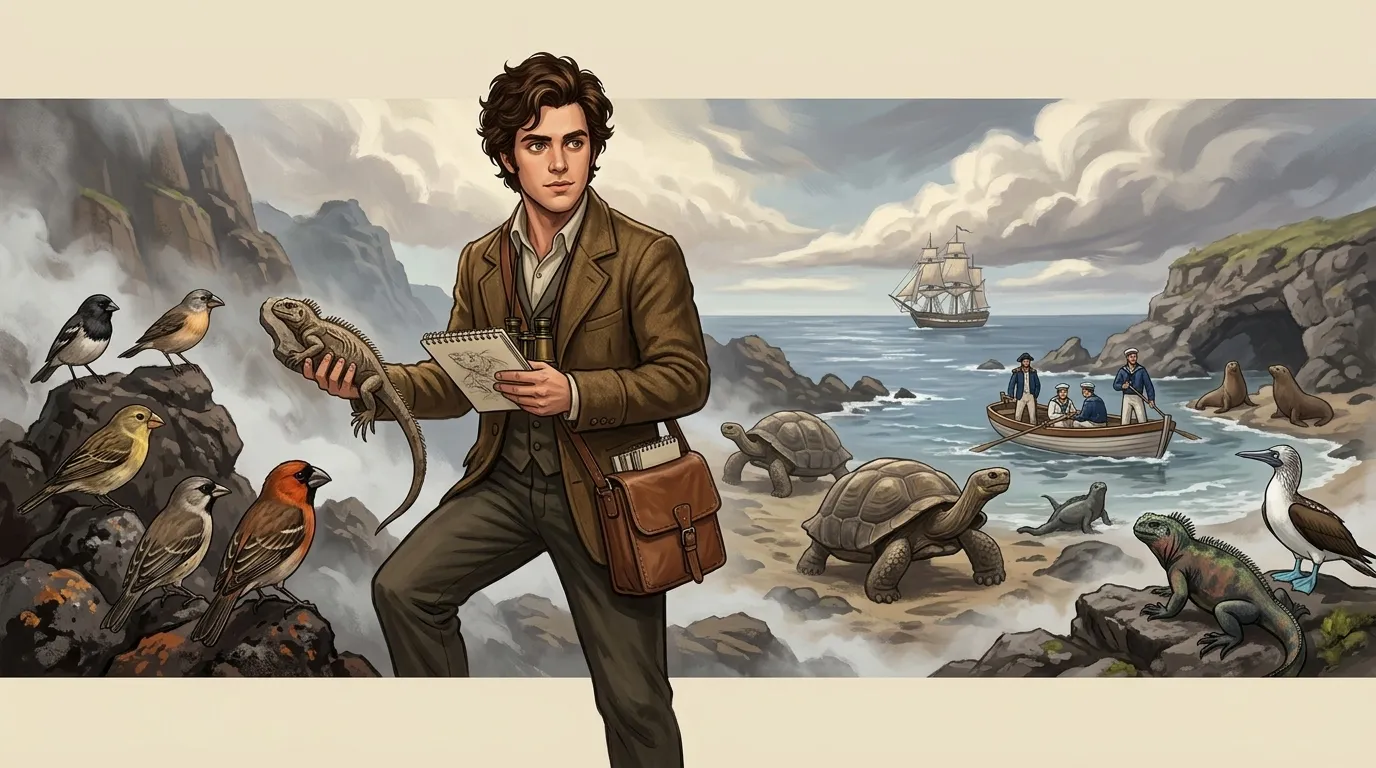
An English naturalist, geologist, and biologist, Charles Darwin is best known for his contributions to the science of evolution. His seminal book, On the Origin of Species, published in 1859, introduced the scientific theory that populations evolve over the course of generations through a process of natural selection. This theory challenged prevailing beliefs about the natural world and provided a unifying explanation for the diversity of life on Earth. Darwin's work remains a cornerstone of modern biology.
Alexander Fleming
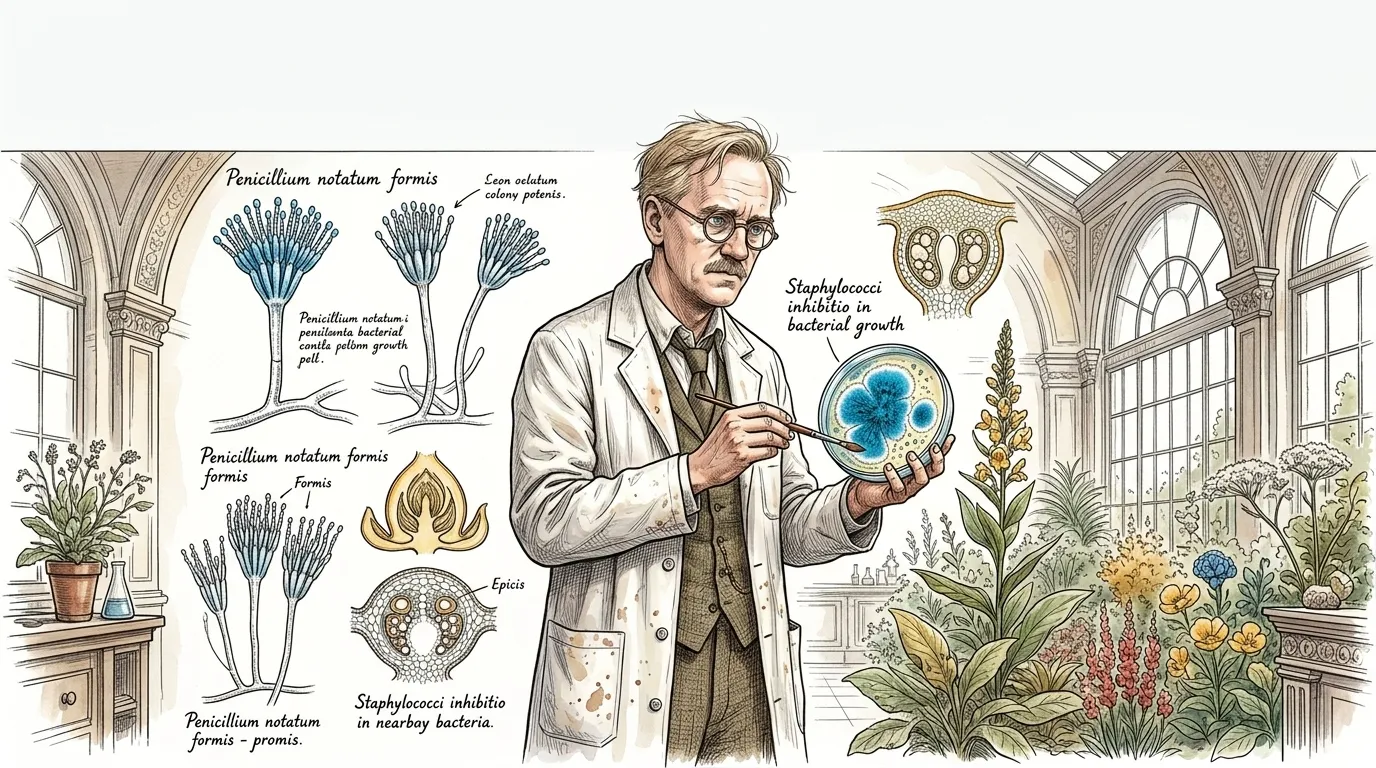
Sir Alexander Fleming was a Scottish physician and microbiologist, best known for his accidental discovery of the antibiotic substance penicillin in 1928, for which he shared the Nobel Prize in Physiology or Medicine in 1945. This discovery marked the beginning of the antibiotic era, revolutionizing medicine and saving millions of lives by treating bacterial infections. His work profoundly impacted global health. Learn more about his pivotal discovery in our story, Alexander Fleming.
Frequently Asked Questions
What is the difference between a scientist and an inventor?
A scientist primarily focuses on understanding the natural world through observation and experimentation, aiming to discover new knowledge. An inventor, on the other hand, creates new devices, processes, or methods, often applying scientific principles to solve practical problems or improve existing technologies.
Are there famous scientists from ancient times?
Yes, many famous scientists and thinkers emerged in ancient times whose contributions were foundational. Figures like Archimedes, known for his principles of buoyancy and levers, and Aristotle, whose extensive work covered biology, physics, and logic, are prime examples of ancient scientific minds.
How can I learn more about science?
There are many ways to explore the world of science. Reading books and articles, watching documentaries, and visiting science museums are great starting points. For illustrated stories that explain complex topics in an engaging way, you can explore the Wonder Science library which covers subjects from how rockets work to the mystery of black holes.