Alexander Fleming
Alexander Fleming — an illustrated science story, set in Global. 10 illustrated pages, free to read on Wonder Science.
Page 1
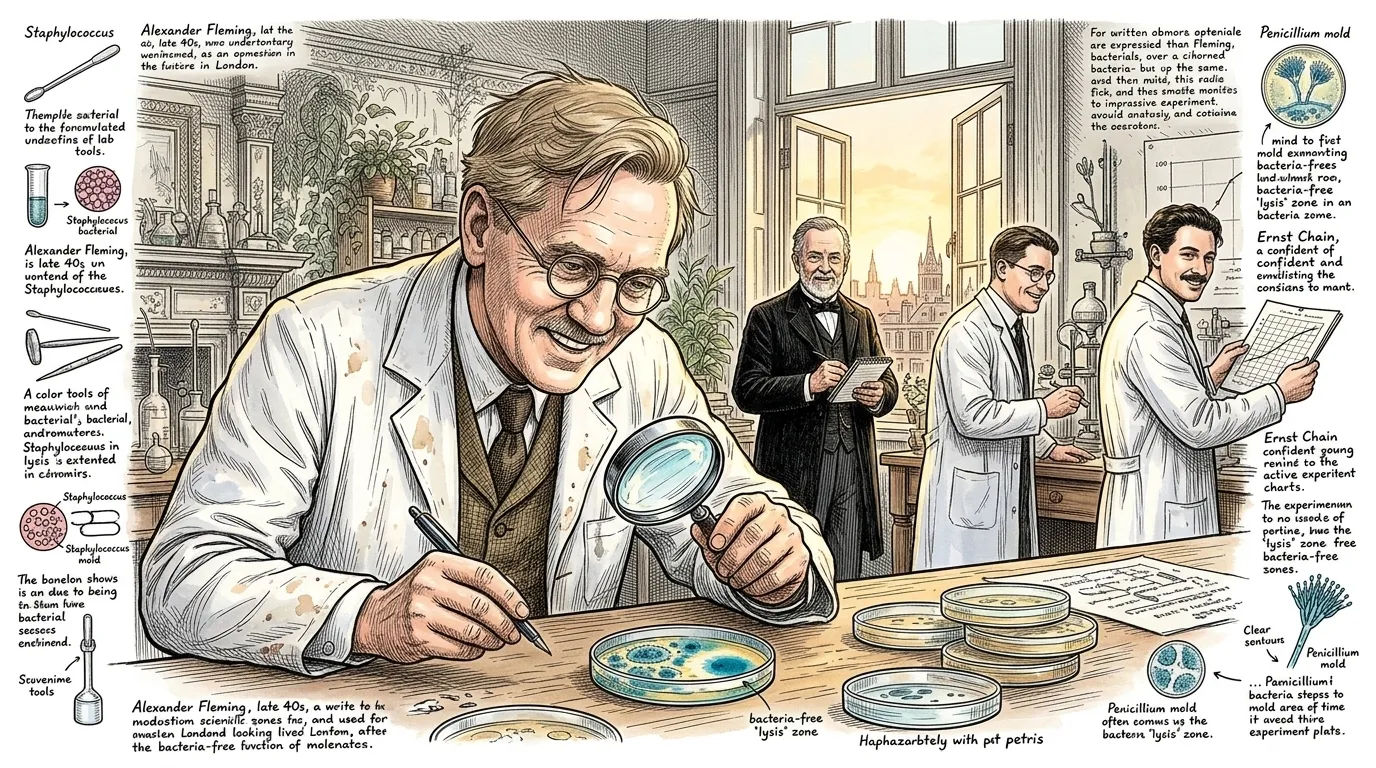
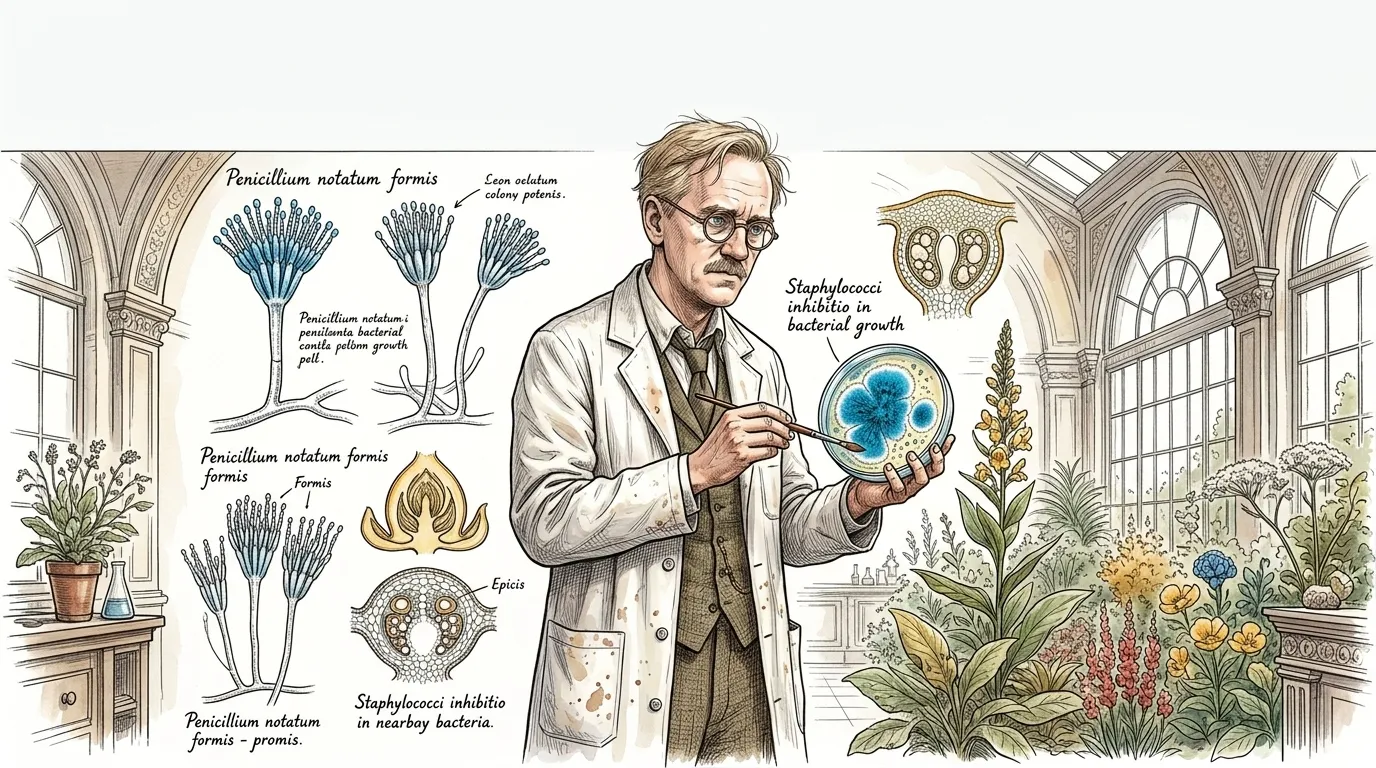
In the annals of modern medicine, few discoveries rival the serendipitous moment in September 1928, within the unassuming laboratory of Alexander Fleming at St. Mary's Hospital, London. Amidst a culture of scientific rigor and meticulous observation, a simple oversight would unravel one of humanity's most persistent scourges: bacterial infection. Fleming's return from holiday to a collection of forgotten petri dishes, contaminated by an airborne mold, unknowingly held the key to a medical revolution, establishing a legacy that would save millions of lives.
Page 2
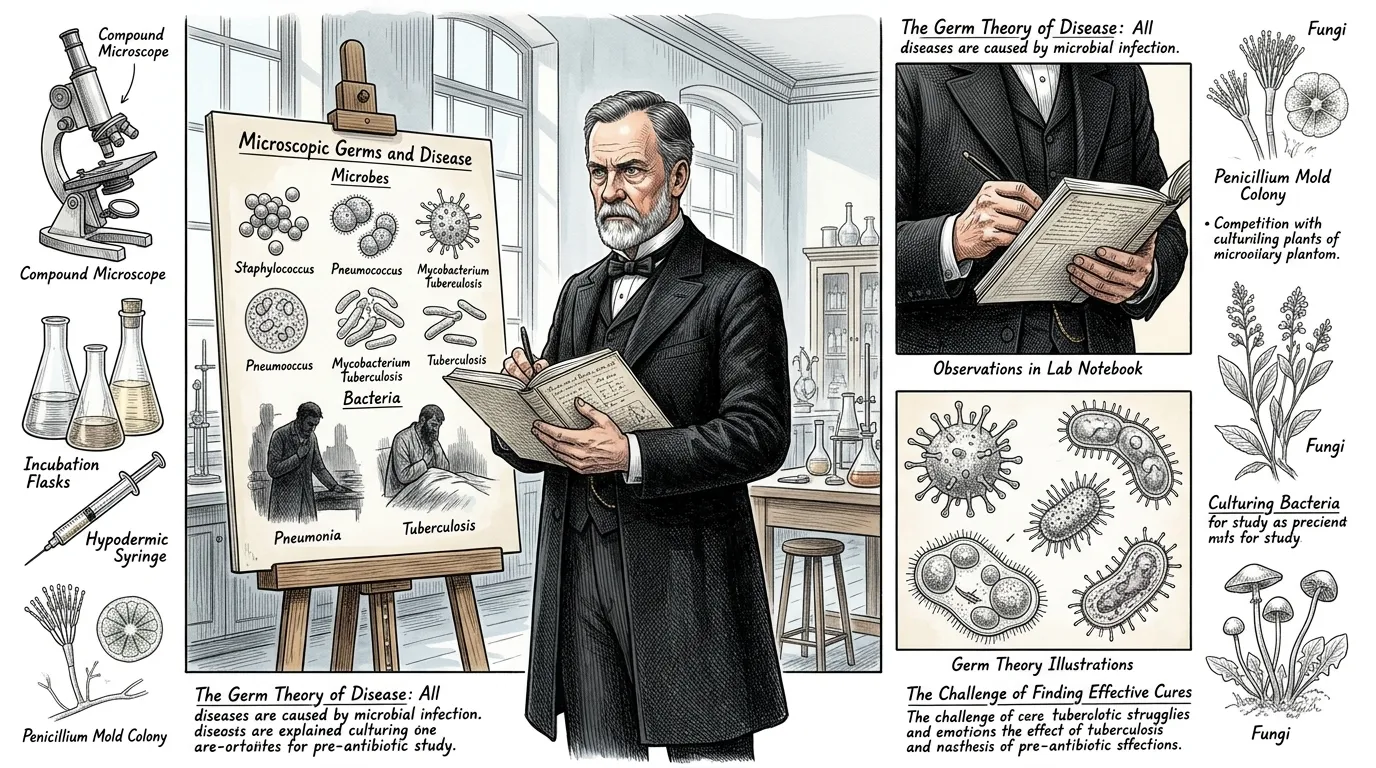
Before the advent of antibiotics, the microbial world was an unseen empire of silent killers. Common infections—a simple cut, a persistent cough, childbirth complications—could rapidly escalate into fatal conditions. Pneumonia, tuberculosis, and septicemia claimed millions, with doctors often powerless beyond basic hygiene and palliative care. Louis Pasteur's groundbreaking work in the mid-19th century had revealed the existence of microorganisms as agents of disease, profoundly shifting medical understanding, yet effective treatments remained elusive, leaving humanity vulnerable to bacterial onslaughts.
Page 3
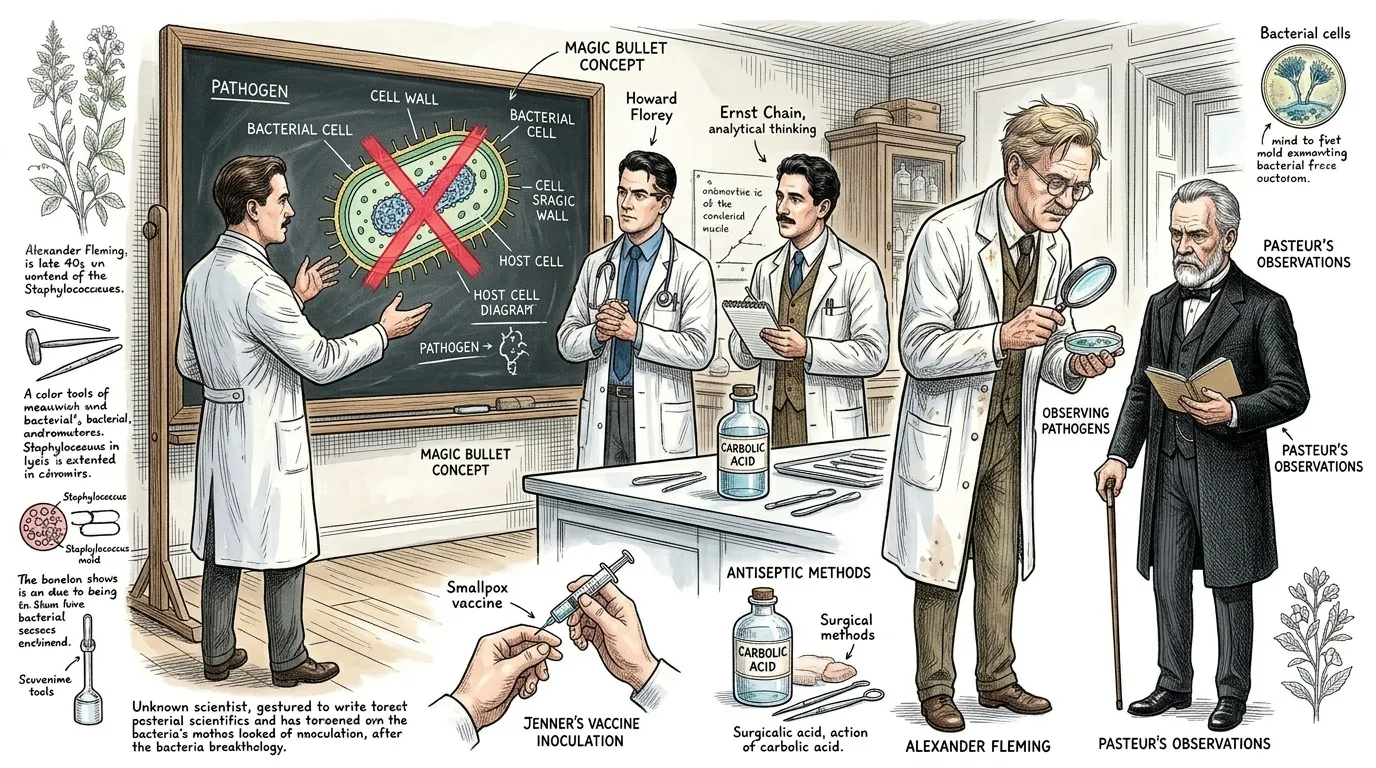
The urgent need for substances capable of destroying pathogens within the human body drove intense research. Early pioneers like Joseph Lister introduced carbolic acid as an antiseptic in surgery, drastically reducing post-operative infections by killing microbes on surfaces. Edward Jenner had earlier demonstrated the power of vaccination against smallpox, a viral disease, but bacterial infections presented a different challenge. The aspiration was to find a 'magic bullet' – a compound that could specifically target and neutralize bacteria without harming human cells. This quest was fraught with failures, as many promising chemicals proved either too toxic or ineffective.
Page 4
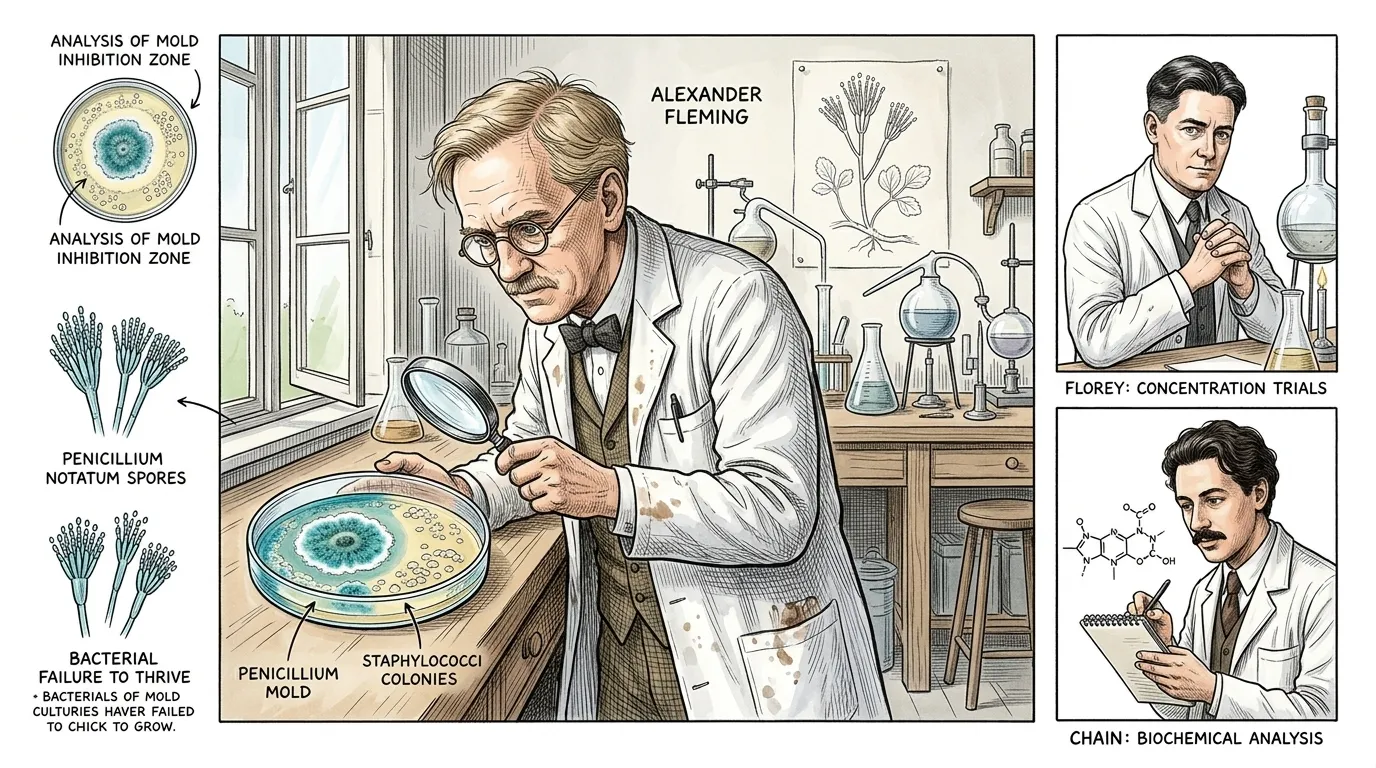
Alexander Fleming, a bacteriologist known for his meticulous, if sometimes untidy, laboratory habits, returned from a summer vacation to his London lab. He had been experimenting with staphylococci bacteria, and upon inspecting his culture plates, he noticed something peculiar. One dish, left uncovered and near an open window, had been contaminated by a common mold. Critically, around this mold, there was a clear, bacteria-free zone where the staphylococcus colonies had failed to grow. This accidental observation, dismissed by many as a spoiled experiment, ignited Fleming's profound scientific curiosity, compelling him to investigate the mold's inhibitory power.
Page 5
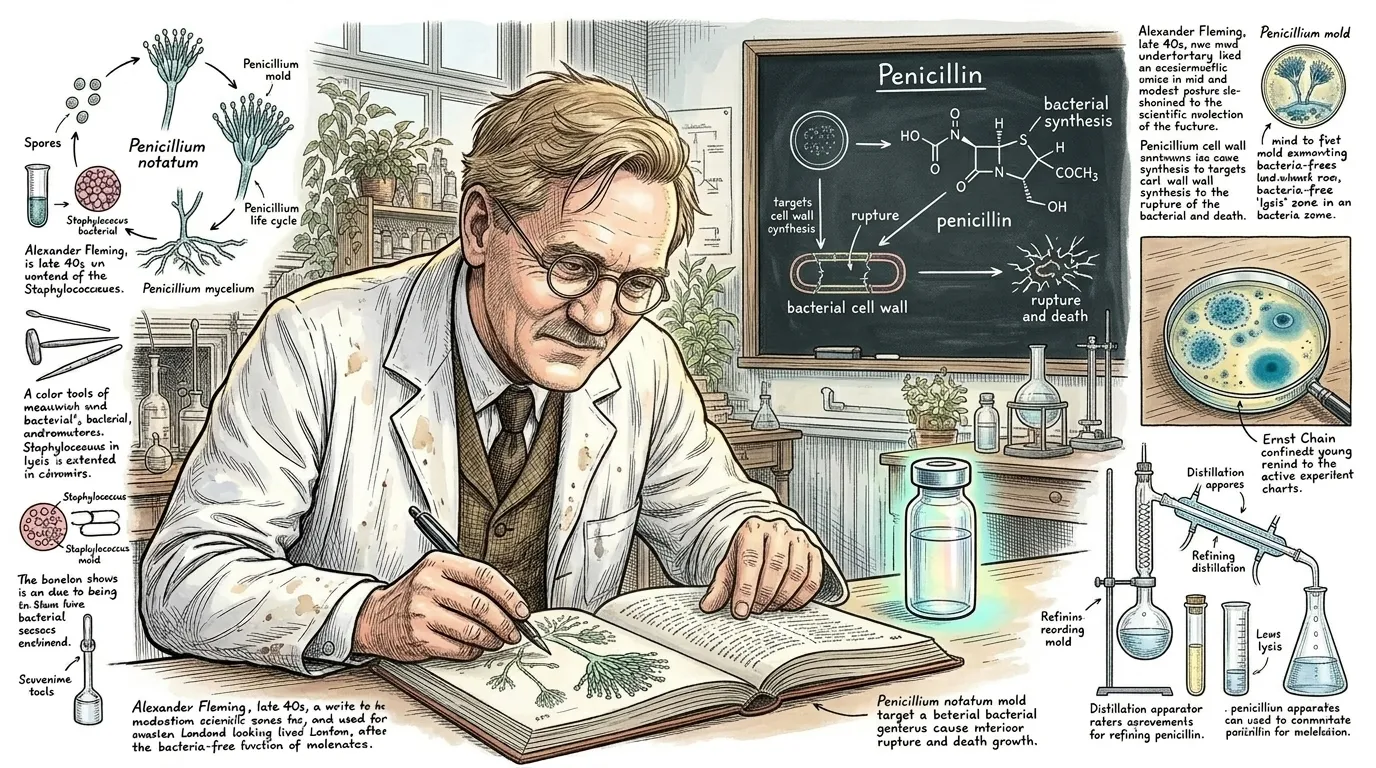
Fleming identified the contaminating mold as Penicillium notatum. His subsequent experiments confirmed that this mold produced a substance capable of killing a wide range of harmful bacteria, including staphylococci, streptococci, and diphtheria bacilli. He named this active agent 'penicillin.' The mechanism was revolutionary: penicillin specifically targets and interferes with bacterial cell wall synthesis. Unlike human cells, which lack rigid cell walls, bacteria rely on them for structural integrity. By disrupting this crucial process, penicillin causes bacterial cells to rupture and die, effectively disarming the infection without harming the host.
Page 6
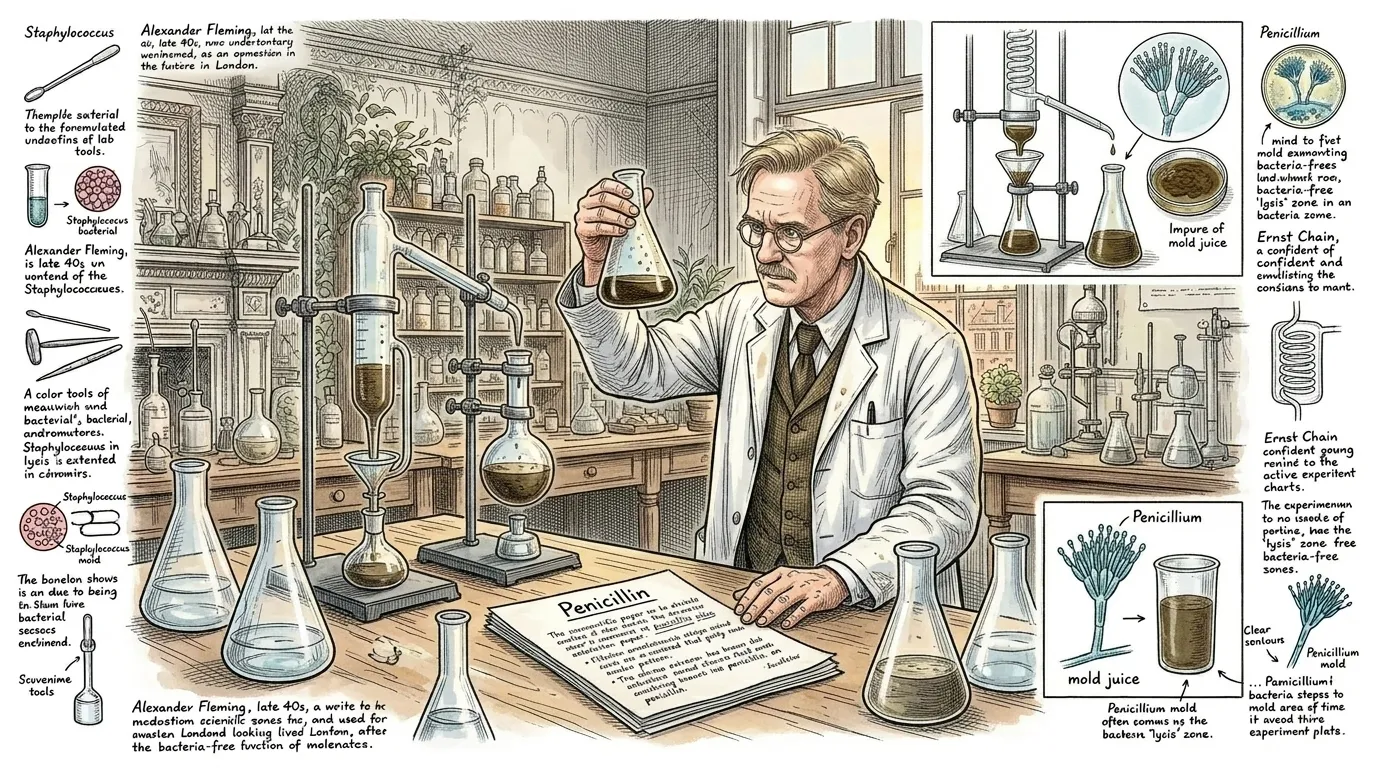
Despite his groundbreaking discovery, Fleming faced significant hurdles. Penicillin was initially unstable and incredibly difficult to extract and purify in substantial quantities from the mold culture. His early attempts yielded only small amounts of crude 'mold juice,' which rapidly lost its potency. While Fleming published his findings in 1929, he struggled to convince the broader scientific community of penicillin's immense therapeutic potential, primarily due to these practical difficulties. The 'mold juice' was effective in vitro, but producing enough stable, pure penicillin for human trials remained beyond the capabilities of his small laboratory.
Page 7
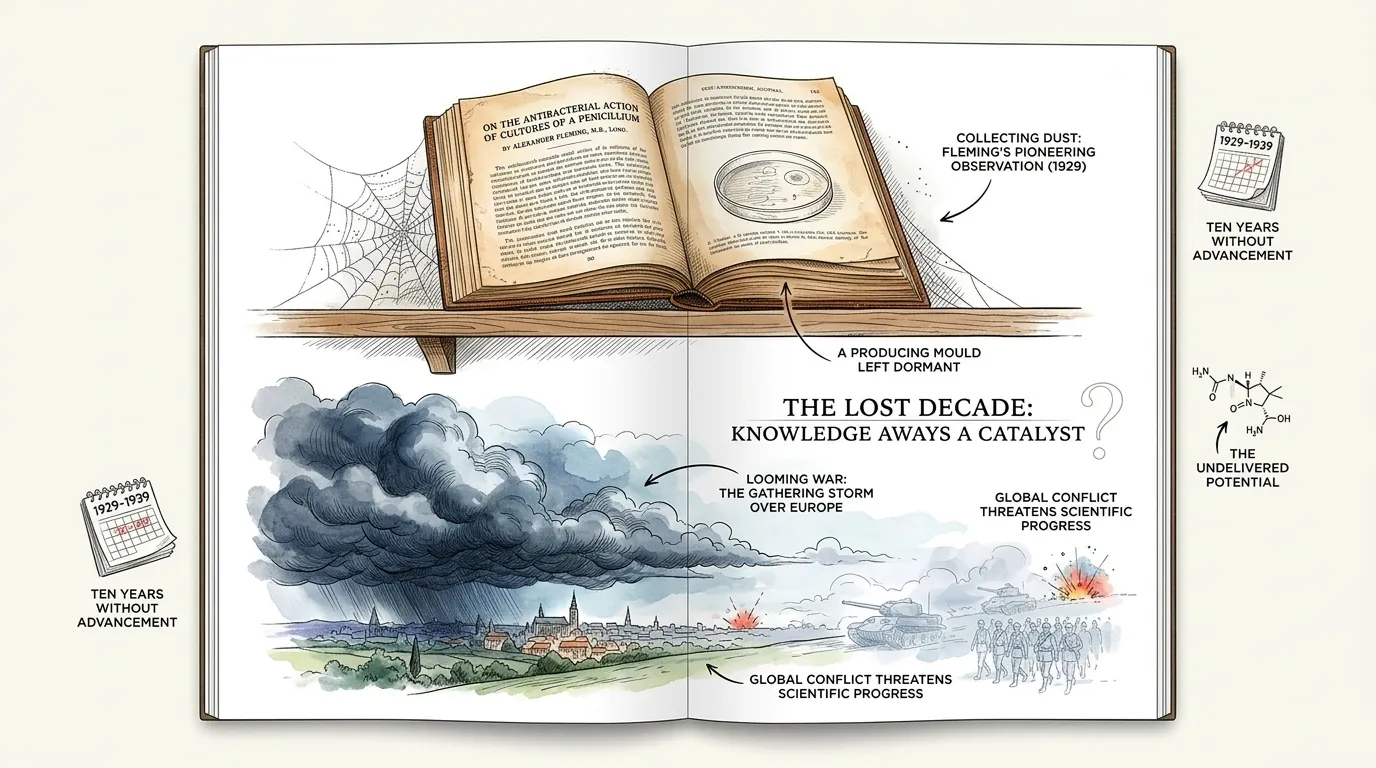
For over a decade after Fleming's initial publication, penicillin remained largely an academic curiosity. Its immense potential was recognized by a few, but the practical challenges of mass production seemed insurmountable. Fleming's own work on the subject largely ceased. It would take the gathering storm of World War II and the urgent need for a solution to battlefield infections to reignite the penicillin research. This hiatus underscores a crucial aspect of scientific progress: a discovery, however profound, often requires subsequent innovation and collaborative effort to translate into practical application and widespread benefit. The world needed a new catalyst.
Page 8
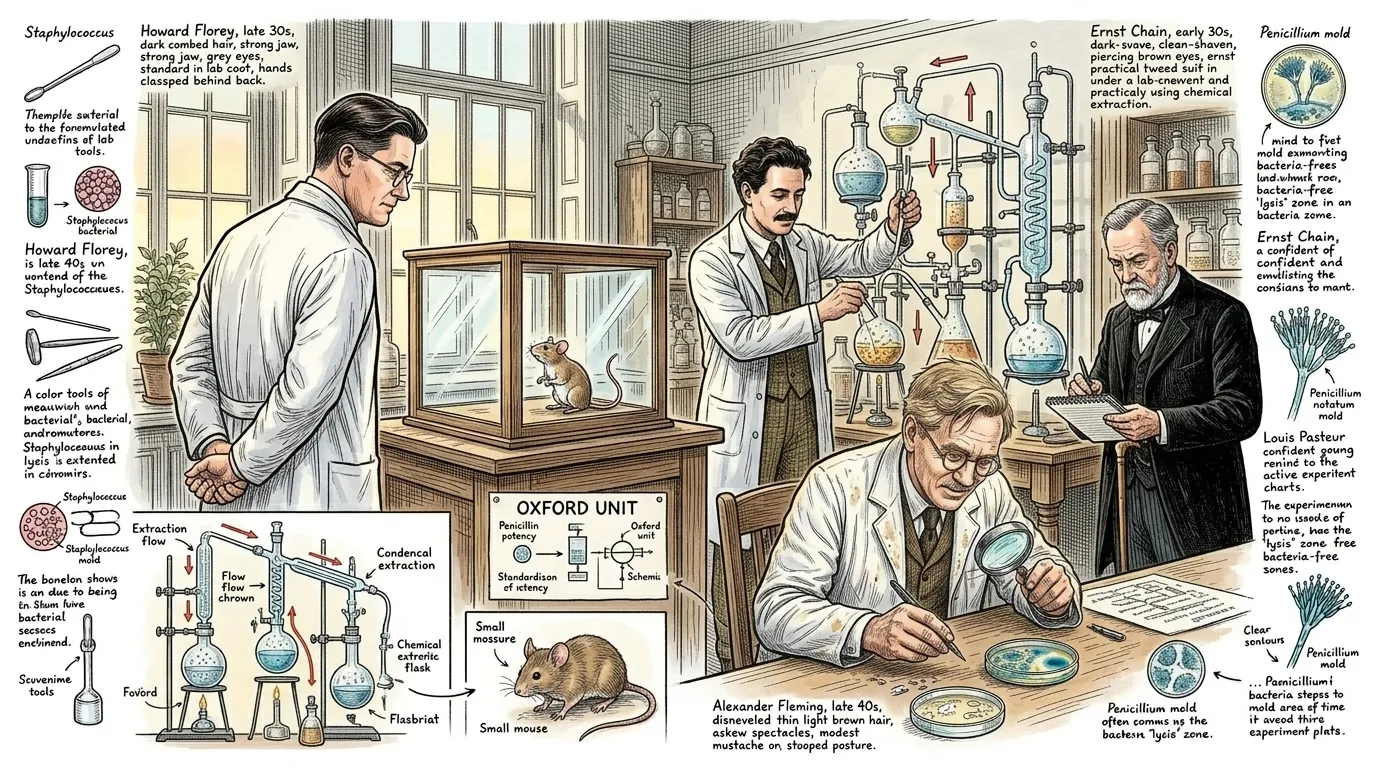
The turning point arrived in 1938, when a team at the University of Oxford, led by pathologist Howard Florey, biochemist Ernst Chain, and chemist Norman Heatley, picked up Fleming's forgotten research. Driven by the dire need for antimicrobials as war loomed, they devised ingenious new methods for large-scale penicillin production and purification. Chain developed a chemical method to extract and concentrate penicillin, while Heatley pioneered the 'Oxford unit' to standardize its potency. Their work in 1940 culminated in successful trials on mice, demonstrating penicillin's remarkable efficacy and low toxicity in living organisms, validating Fleming's initial intuition with definitive evidence.
Page 9
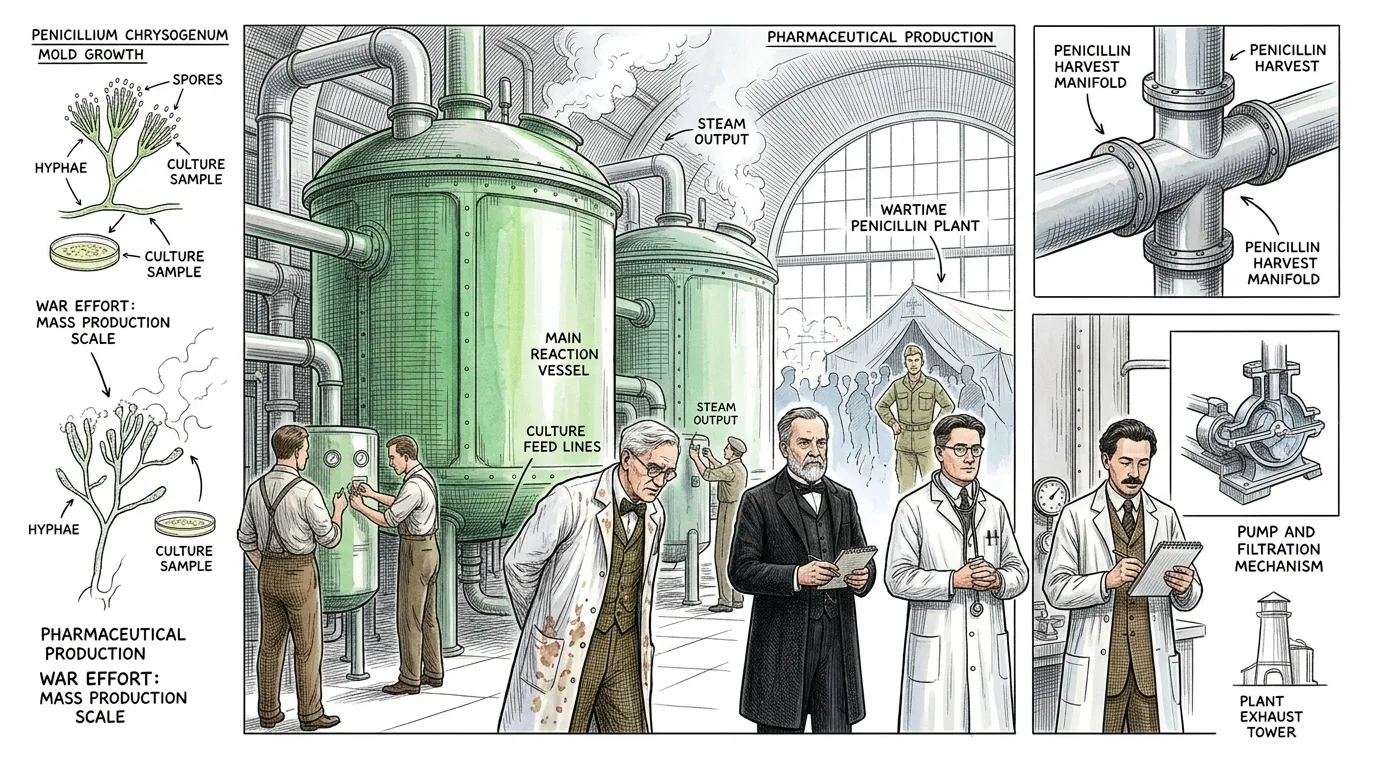
With the outbreak of World War II, the demand for penicillin became critical. Wounded soldiers often succumbed not to their injuries, but to subsequent bacterial infections. The Oxford team, realizing the scale of production required, collaborated with American pharmaceutical companies. Through an extraordinary wartime effort, industrial-scale penicillin production was achieved. The drug dramatically reduced mortality rates from battlefield infections, becoming known as a 'miracle drug.' Post-war, its availability expanded rapidly, transforming the treatment of countless diseases and extending human lifespan worldwide. The era of modern antibiotics had truly begun, fundamentally altering the course of public health.
Page 10
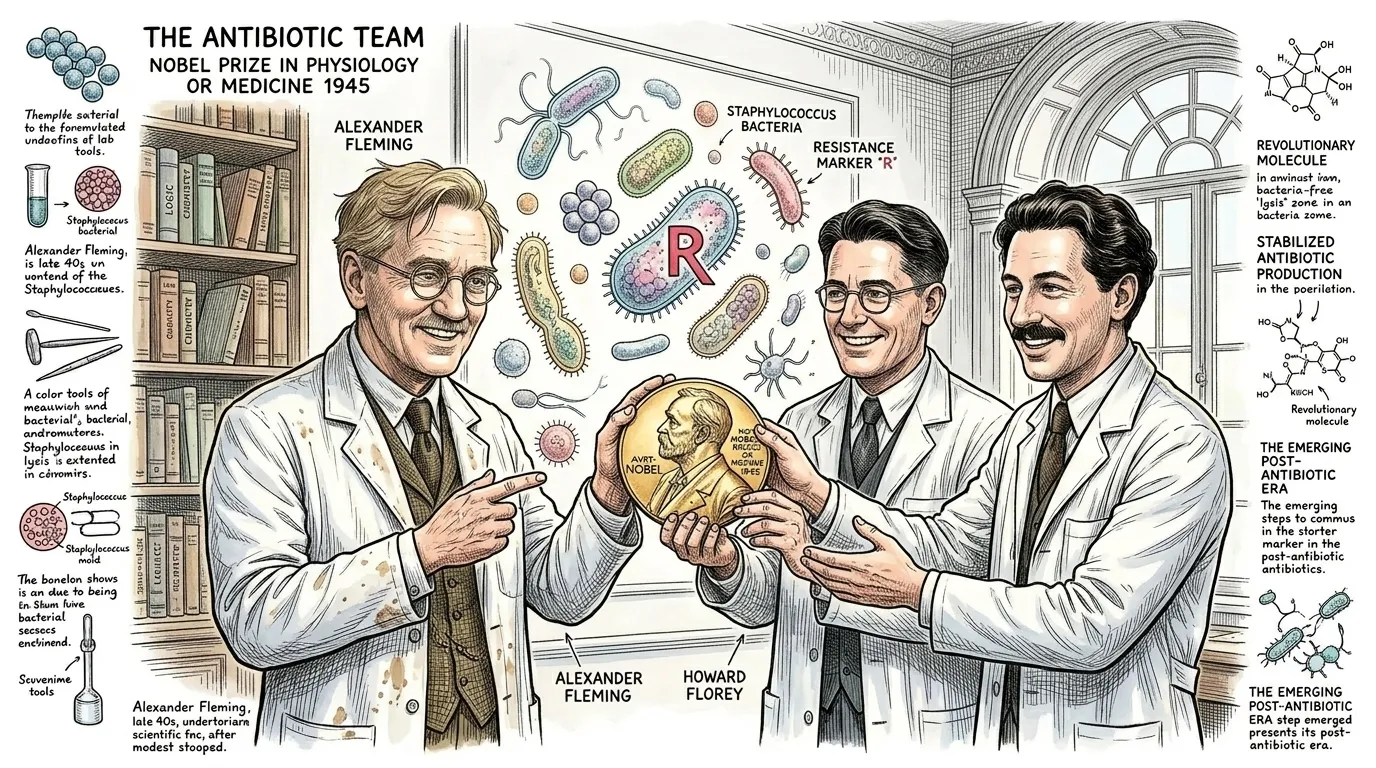
Alexander Fleming, Howard Florey, and Ernst Chain were jointly awarded the Nobel Prize in Physiology or Medicine in 1945 for their revolutionary work. Penicillin's discovery initiated the 'Golden Age of Antibiotics,' transforming medical practice and dramatically improving global public health. However, this success has also brought new challenges. The overuse and misuse of antibiotics have led to the rapid evolution of antibiotic-resistant bacteria, threatening to usher in a 'post-antibiotic era' where common infections could once again become untreatable. The legacy of Fleming's accidental discovery remains a potent reminder of both scientific wonder and the ongoing imperative for responsible innovation and vigilant research in the face of evolving biological threats.
About this story
- Location: Global
- Audience: general readers
Questions and answers
Read Wonder Science on your phone
Wonder Science is available on Android. Get Wonder Science on Google Play.