Who Are the Top 10 Inventors?
Discover the ten most influential inventors whose creations fundamentally reshaped human civilization and technology.
When considering the "top 10 inventors," we are looking for individuals whose innovations had the most profound and lasting impact on human society, rather than simply those with the most patents. This list focuses on figures whose creations catalyzed major shifts in daily life, industry, and scientific understanding. The top ten, in no particular order, include Johannes Gutenberg, James Watt, Thomas Edison, Marie Curie, Nikola Tesla, the Wright Brothers, Grace Hopper, Steve Jobs, Tim Berners-Lee, and George de Mestral.
I have not failed. I've just found 10,000 ways that won't work.
Johannes Gutenberg (c. 1400–1468)
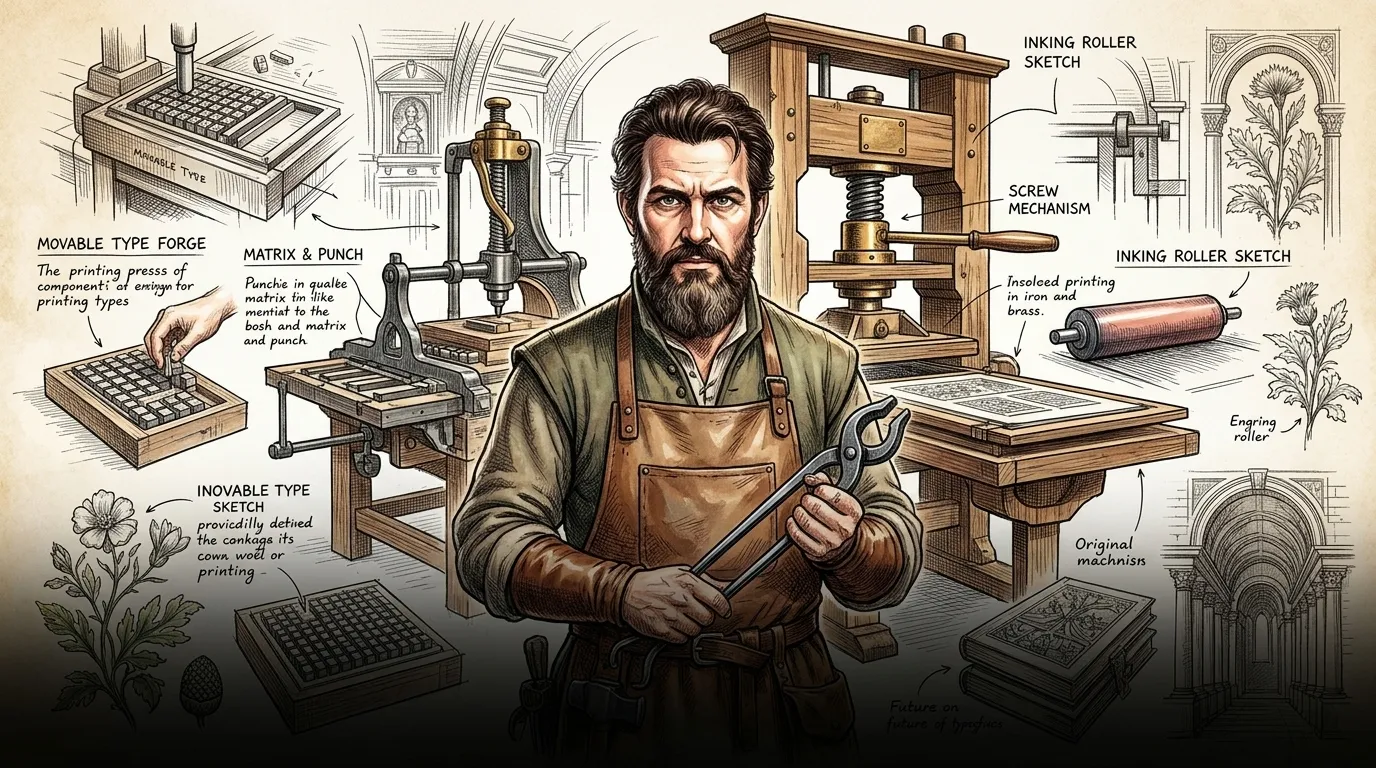
Gutenberg's invention of the movable type printing press around 1440 revolutionized the spread of knowledge. Before him, books were painstakingly copied by hand, making them rare and expensive. His press made mass production of texts possible, leading to an explosion in literacy, the Protestant Reformation, and the Scientific Revolution. It is often cited as the most important invention of the second millennium.
James Watt
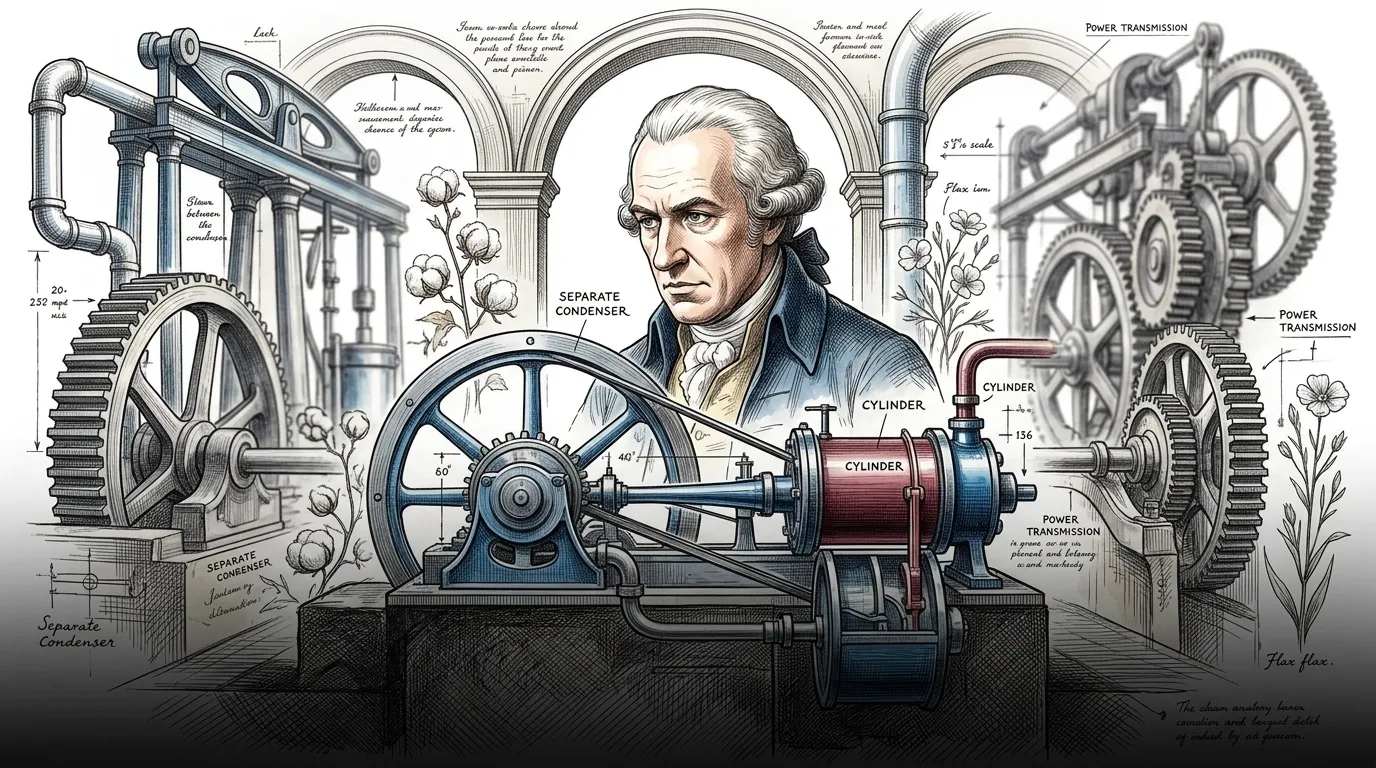
James Watt, a Scottish inventor and mechanical engineer, significantly improved the Newcomen steam engine in 1764 with his invention of the separate condenser. This enhancement dramatically increased the efficiency of steam engines, making them practical for a wider range of applications. His work was a cornerstone of the Industrial Revolution, powering factories, mines, and transportation. The unit of power, the watt, is named in his honor. You can learn more about his life and inventions in our collection on James Watt.
Thomas Edison (1847–1931)
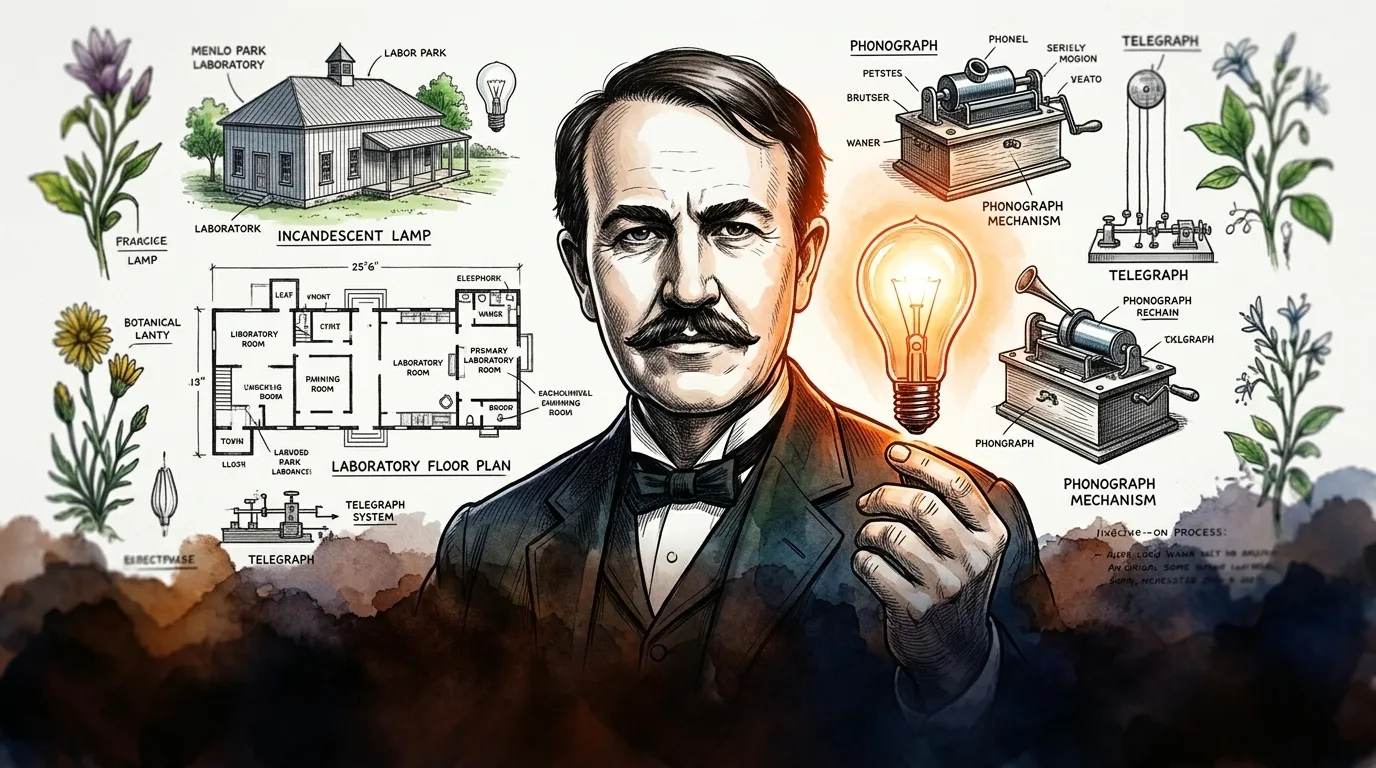
Often called "The Wizard of Menlo Park," Edison held over 1,000 U.S. patents. While he is most famous for the practical incandescent light bulb (1879), his laboratories also developed the phonograph (1877) and the motion picture camera (1891). His systematic approach to invention, establishing the first industrial research lab, fundamentally changed how innovation was pursued. His contributions laid the groundwork for modern electrical utilities and entertainment industries.
Nikola Tesla
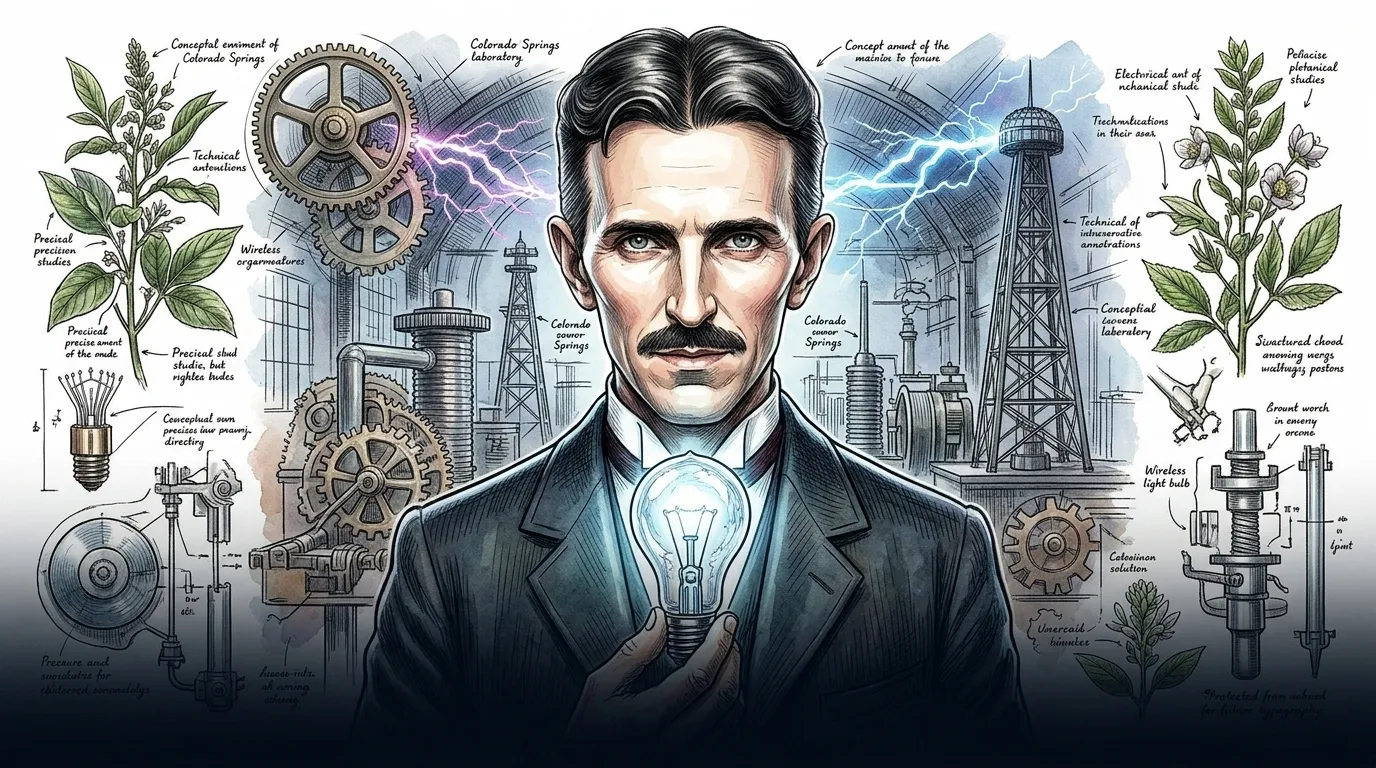
Nikola Tesla was a Serbian-American inventor, electrical engineer, and futurist best known for his contributions to the design of the modern alternating current (AC) electricity supply system. His AC motor and polyphase system, developed in the late 19th century, were crucial for the efficient transmission and distribution of electricity over long distances. Tesla's work was foundational for the second Industrial Revolution and continues to power the world today. While often overshadowed by contemporaries, his genius is now widely recognized, and his story is explored in our Nikola Tesla collection.
The Wright Brothers
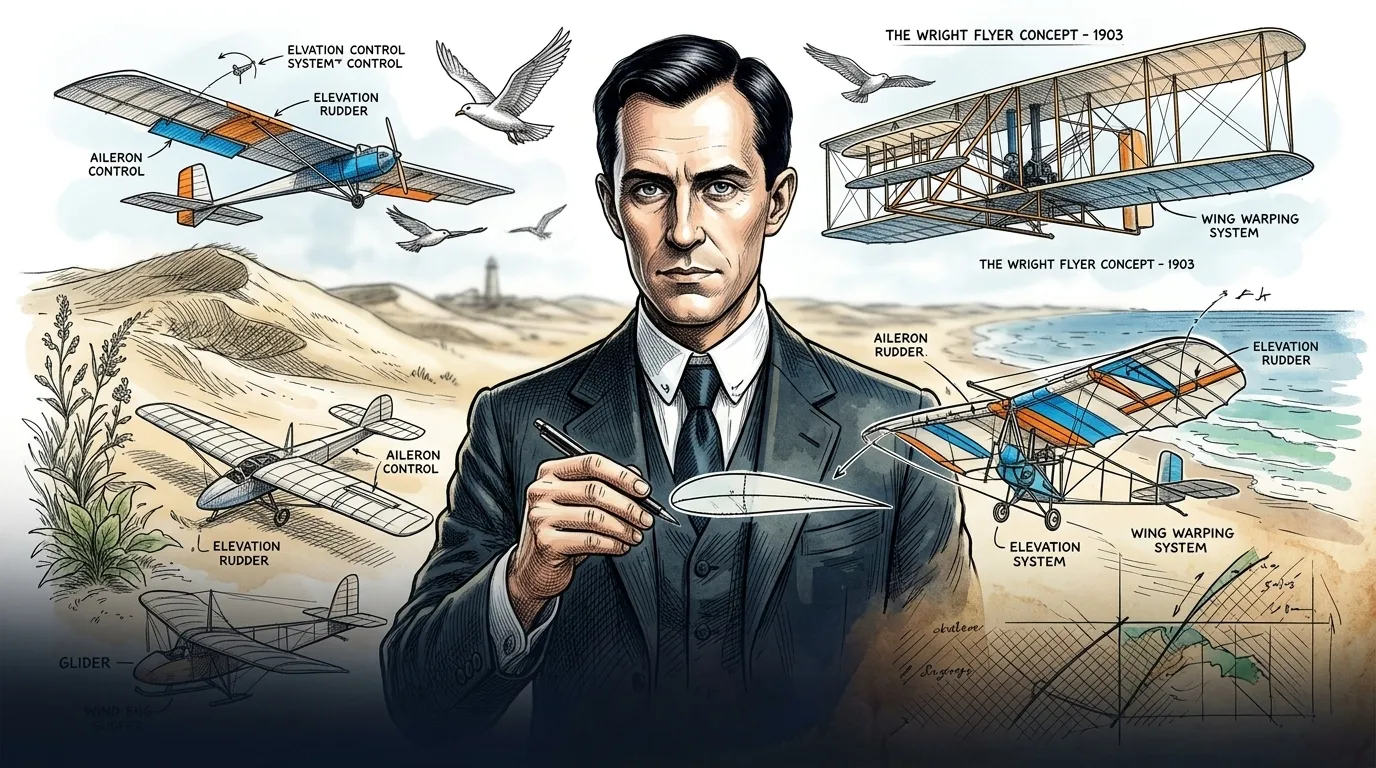
Orville and Wilbur Wright, American aviation pioneers, are credited with inventing, building, and flying the world's first successful airplane. Their first controlled, sustained flight of a powered, heavier-than-air aircraft occurred on December 17, 1903. Their meticulous research into aerodynamics, including wind tunnel experiments, distinguished their efforts and paved the way for modern aviation. Their invention transformed travel, commerce, and warfare, effectively shrinking the world. Discover their journey in our illustrated story about The Wright Brothers.
Frequently Asked Questions
What is the difference between an inventor and a scientist?
While often overlapping, a scientist primarily seeks to understand the natural world through observation and experimentation, while an inventor focuses on creating new devices, processes, or methods to solve practical problems. Many individuals, like Marie Curie, excel in both roles, using scientific discoveries to fuel inventions.
Are there any famous female inventors?
Absolutely. This article highlights Grace Hopper and Marie Curie, but many other women have made significant contributions, such as Josephine Cochrane, who invented the first successful automatic dishwasher, and Mary Anderson, who invented the windshield wiper blade. Their stories are increasingly being recognized and celebrated.
Why isn't Alexander Graham Bell on this list?
While Alexander Graham Bell is famously associated with the invention of the telephone, his inclusion on a "top 10 most impactful" list is often debated. While certainly important, other inventors on this list, such as Gutenberg or the Wright Brothers, are often considered to have had a broader, more foundational impact on the entirety of human civilization. You can still explore his story in our collection on Alexander Graham Bell.