The Amarna Letters
The Amarna Letters — an illustrated history story. 10 illustrated pages, free to read on Wonder Egypt.
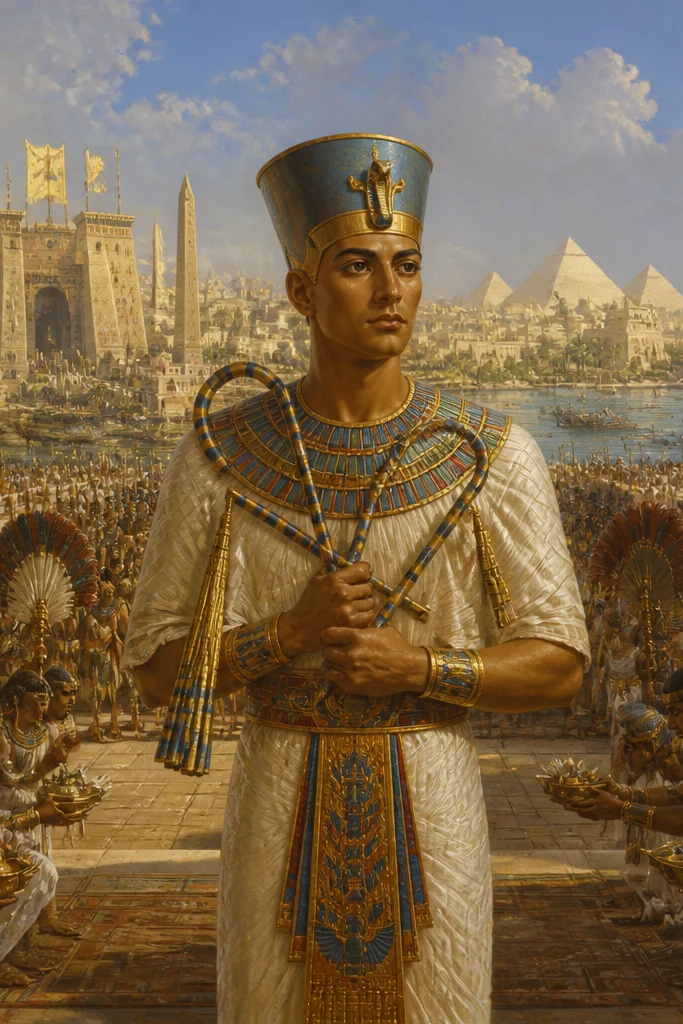
Page 1 — Echoes of Diplomacy
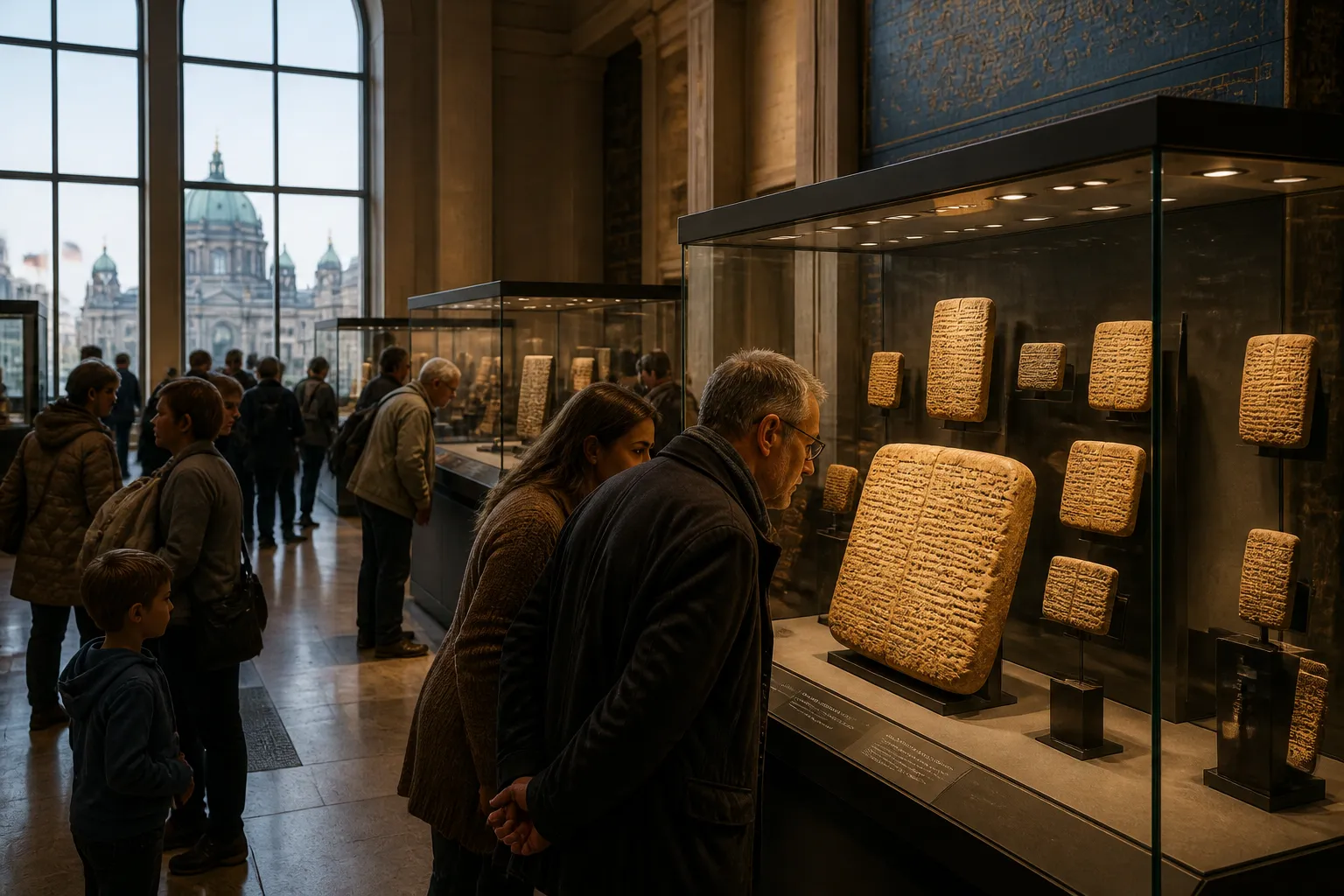
In the dimly lit halls of the Vorderasiatisches Museum in Berlin, visitors are drawn to a collection of clay tablets that whisper the secrets of ancient diplomacy. The subdued ambiance is punctuated by the soft murmurs of onlookers. These small, seemingly mundane objects are the Amarna Letters, revealing the intricate web of relationships among kings nearly 3,500 years ago. Crafted meticulously from clay, each tablet displays the intricate wedge-shaped writing of Akkadian, a language foreign to the Egyptian scribes who penned them. The letters, inscribed with detail and care, speak of alliances and rivalries, of kings addressing each other as 'brother,' a testament to a time when the written word bridged empires and fostered both peace and conflict. The visitors, standing in awe, are reminded of the fragile yet powerful role of communication in shaping civilizations.
"To my brother, the king of Egypt, may we continue our friendship and strengthen our ties," inscribed one king to another.
Page 2 — Messages from Afar
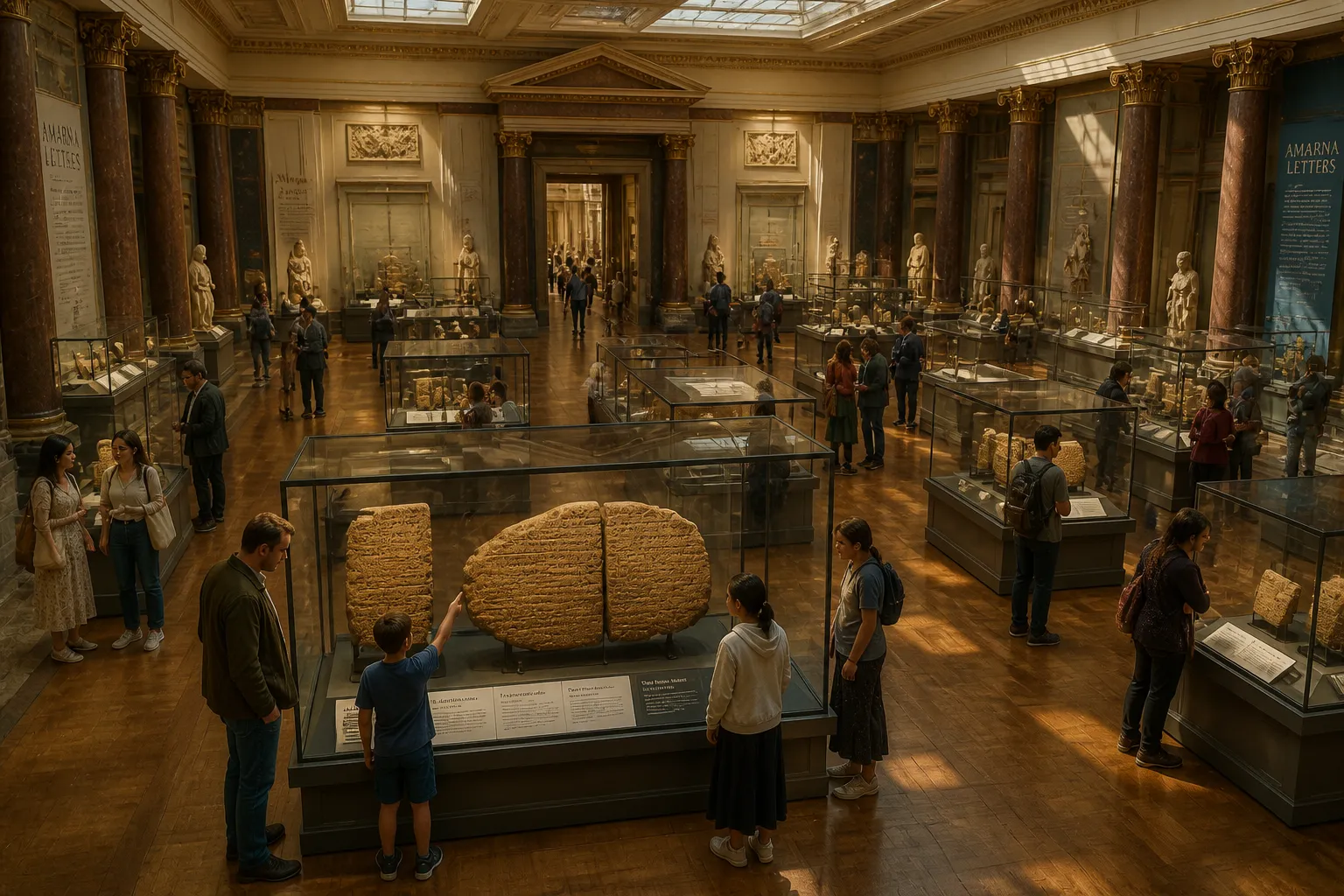
Within the hushed corridors of the British Museum's Room 57, a series of clay tablets tells tales of distant lands and powerful rulers. The ambiance is one of reverence and discovery. These are the Amarna Letters, exchanged between the pharaohs of Egypt and the monarchs of Babylon, Assyria, and Hatti. Each tablet, inscribed meticulously with precise Akkadian script, reflects the complexities and nuances of ancient diplomacy. The letters convey warmth, tension, and the complex negotiations necessary to maintain peace, demand tribute, and sometimes, issue veiled threats. Amidst the noise of modern London outside, these tablets remain as silent witnesses to a forgotten world, where words bore the weight of empires and diplomacy was an art form that could alter the course of history.
"Let us continue our correspondence, my friend, though seas and lands separate us," reads one letter.
Page 3 — Voices of Desperation
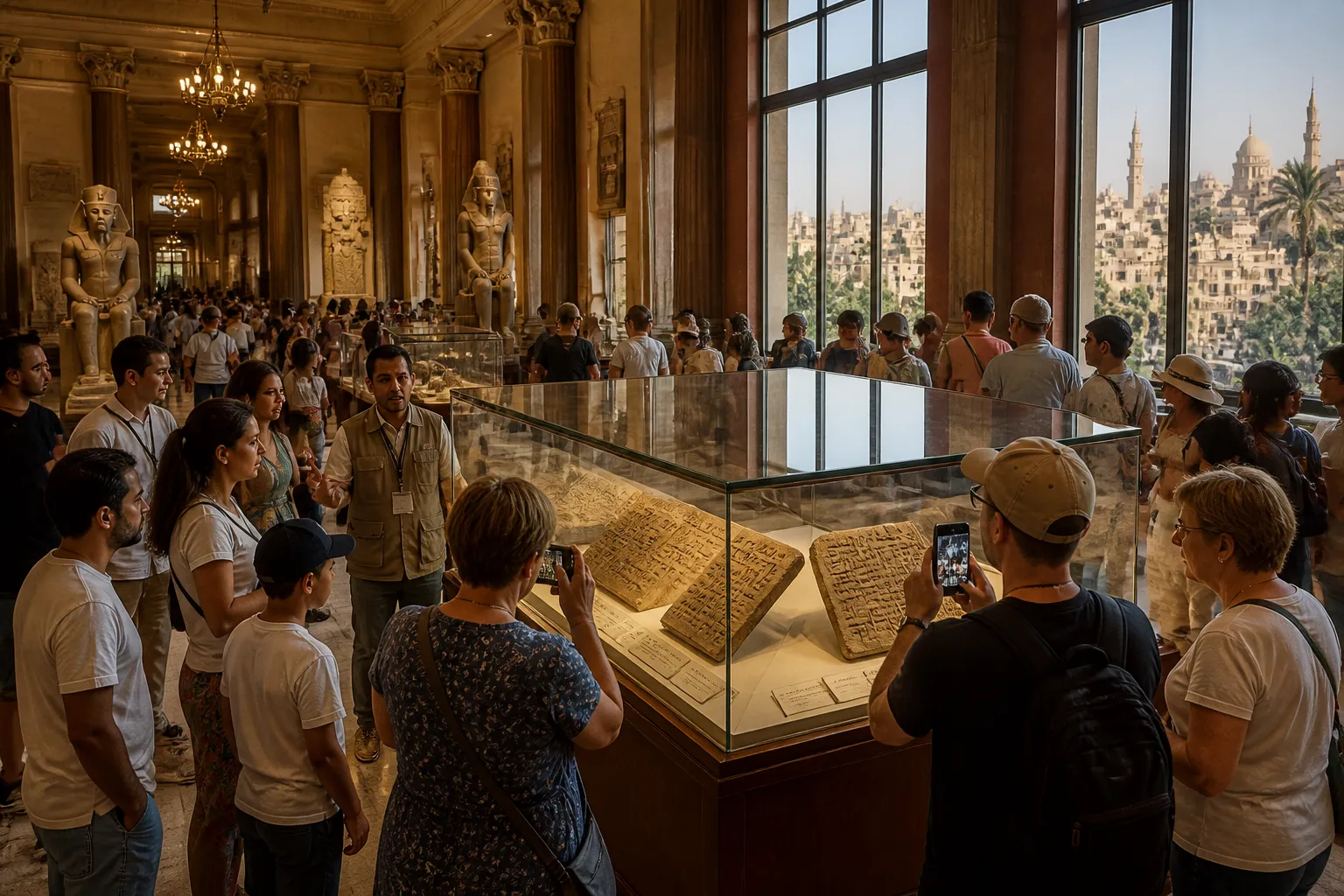
In the Cairo Museum, a collection of weathered clay tablets bears silent witness to the pleas of Canaanite vassals. These entreaties to the Egyptian pharaoh, their overlord, are requests for military aid, couched in the formal language of diplomacy and desperation. Each tablet, inscribed with delicate Akkadian script, speaks of unrest, encroaching danger, and the fragility of alliances. The rulers of Canaanite cities, beset by enemies from all sides, send urgent and heartfelt requests for soldiers and support. Yet, within these corridors, surrounded by the constant bustle of modern Cairo, the unheeded cries echo with a poignant silence, reminding visitors of the fragile threads that once held empires together.
"We beseech you, great pharaoh, send us your warriors, for we are besieged," reads one desperate message.
Page 4 — Lessons in Script
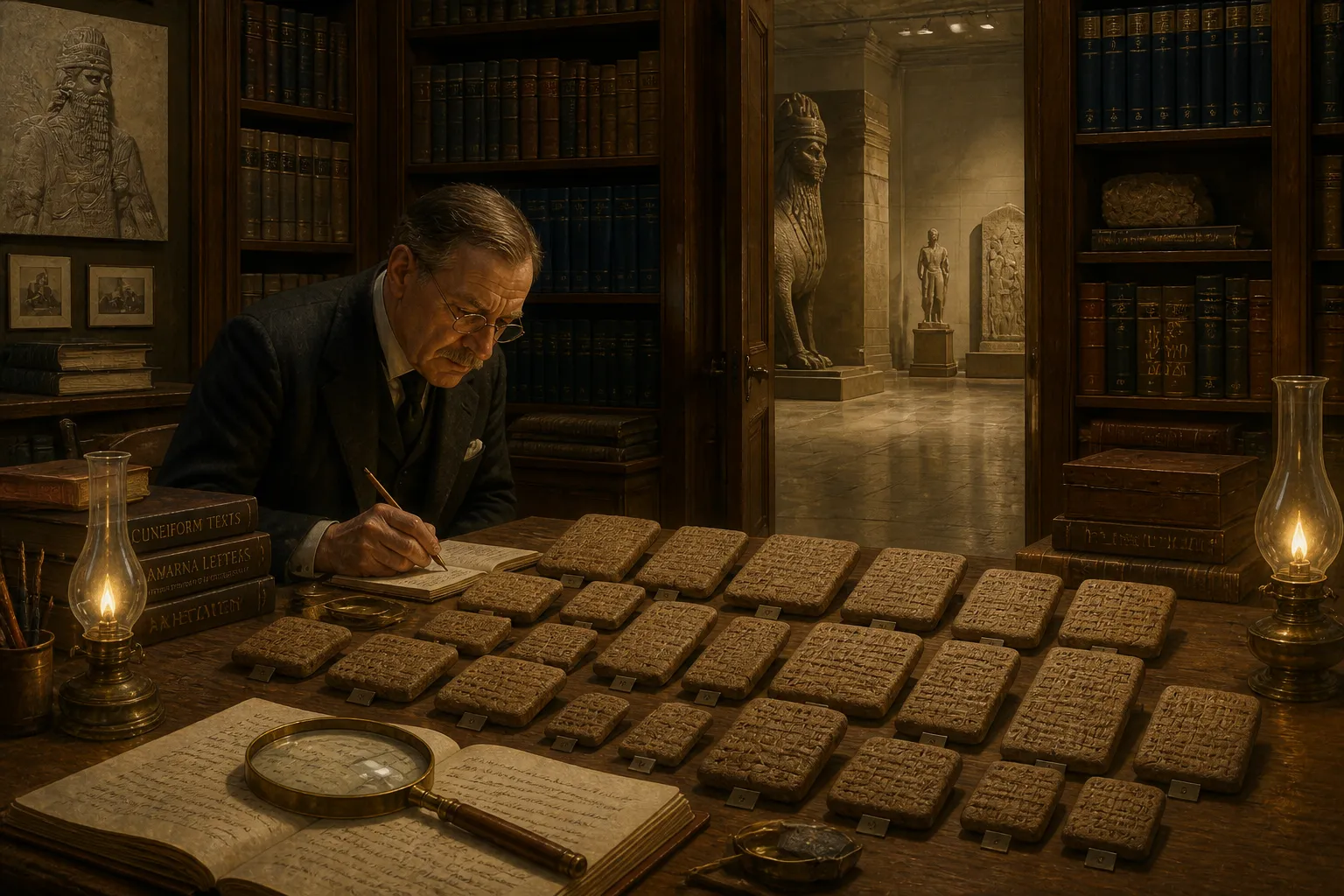
In the quiet archives of the Vorderasiatisches Museum, scattered among the renowned Amarna Letters, are tablets of a different nature: scribal exercises. These tablets, crafted by Egyptian scribes, bear the diligent marks of practice, their surfaces filled with repeated Akkadian characters. This was a crucial part of the scribes' rigorous training, learning a foreign script to meet their pharaoh's diplomatic needs. Beneath the museum's soft lighting, these tablets stand as a testament to the dedication, perseverance, and skill of ancient scribes who mastered foreign languages, ensuring that Egypt could communicate across vast distances with other powerful kingdoms. The silent rows of tablets reveal the untold stories of those who, through their laborious copying, forged links in diplomatic chains.
"Practice makes perfect," a scribe might have muttered as he etched the unfamiliar symbols.
Page 5 — A King's Demand
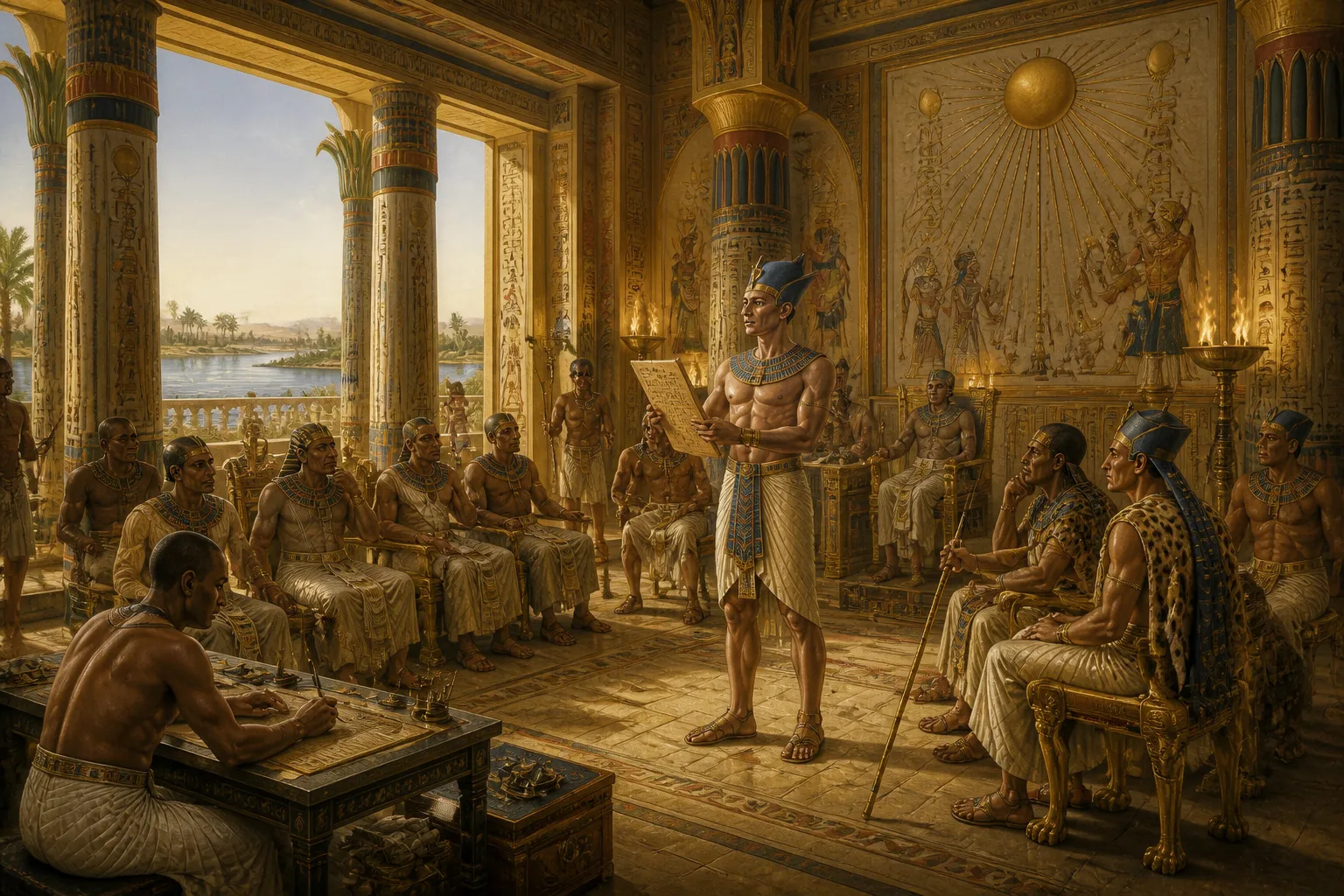
In the grand and opulent halls of Akhetaten, Pharaoh Akhenaten stands before his court, receiving a clay tablet from Tushratta of Mitanni. The tablet, etched with Akkadian script, bears the pressing weight of a king's demands. Akhenaten, known for his elongated features and revolutionary zeal, commands the space with his presence, framed by palace walls adorned with vivid frescoes celebrating the Aten. The letter's contents are grave: it speaks of gifts owed, alliances to be honored, and the intricate dance of diplomacy that shapes nations. In the flickering light of torches, words become not just communication but the currency of power, defining the destinies of empires.
"My brother, I await the gifts you promised, as you await mine," Tushratta's letter declares.
Page 6 — A Father's Legacy
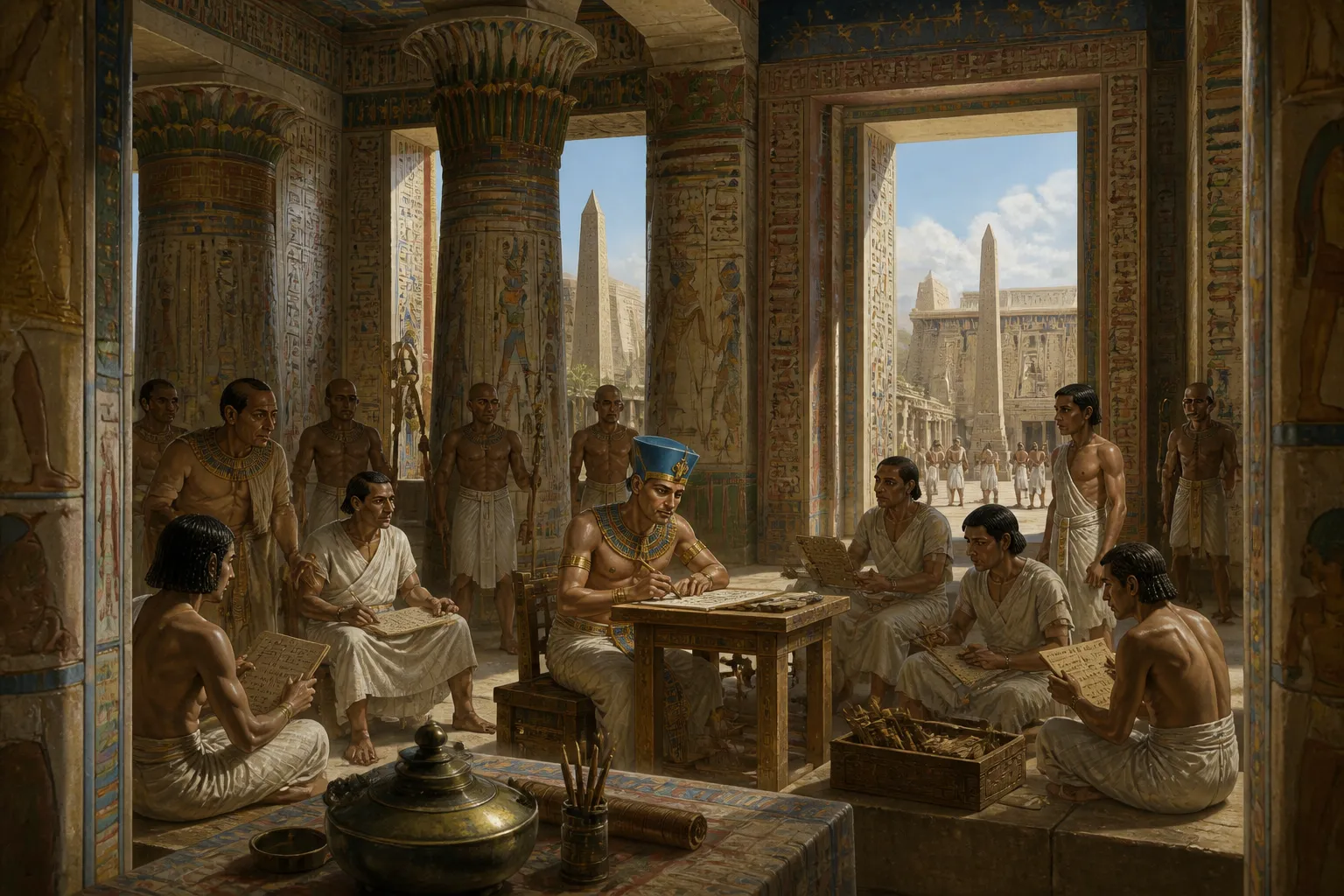
Amidst the towering columns of Karnak, a young prince observes his father, Amenhotep III, the eminent pharaoh celebrated for his extensive building projects and diplomatic relations, as he composes a letter to King Burna-Buriash II of Babylon. The aging pharaoh sits with authority at a desk laden with scrolls, clay tablets, and the tools of diplomacy. Flanked by trusted advisors and skilled scribes, he crafts words that will resonate across the known world. The prince, observing with keen interest, learns the delicate art of diplomacy from a master, understanding that words hold the power to build empires and forge alliances as powerfully as stone and mortar do.
"We must assure our allies of our continued friendship," Amenhotep III instructs his scribes.
Page 7 — The Forgotten Vassal
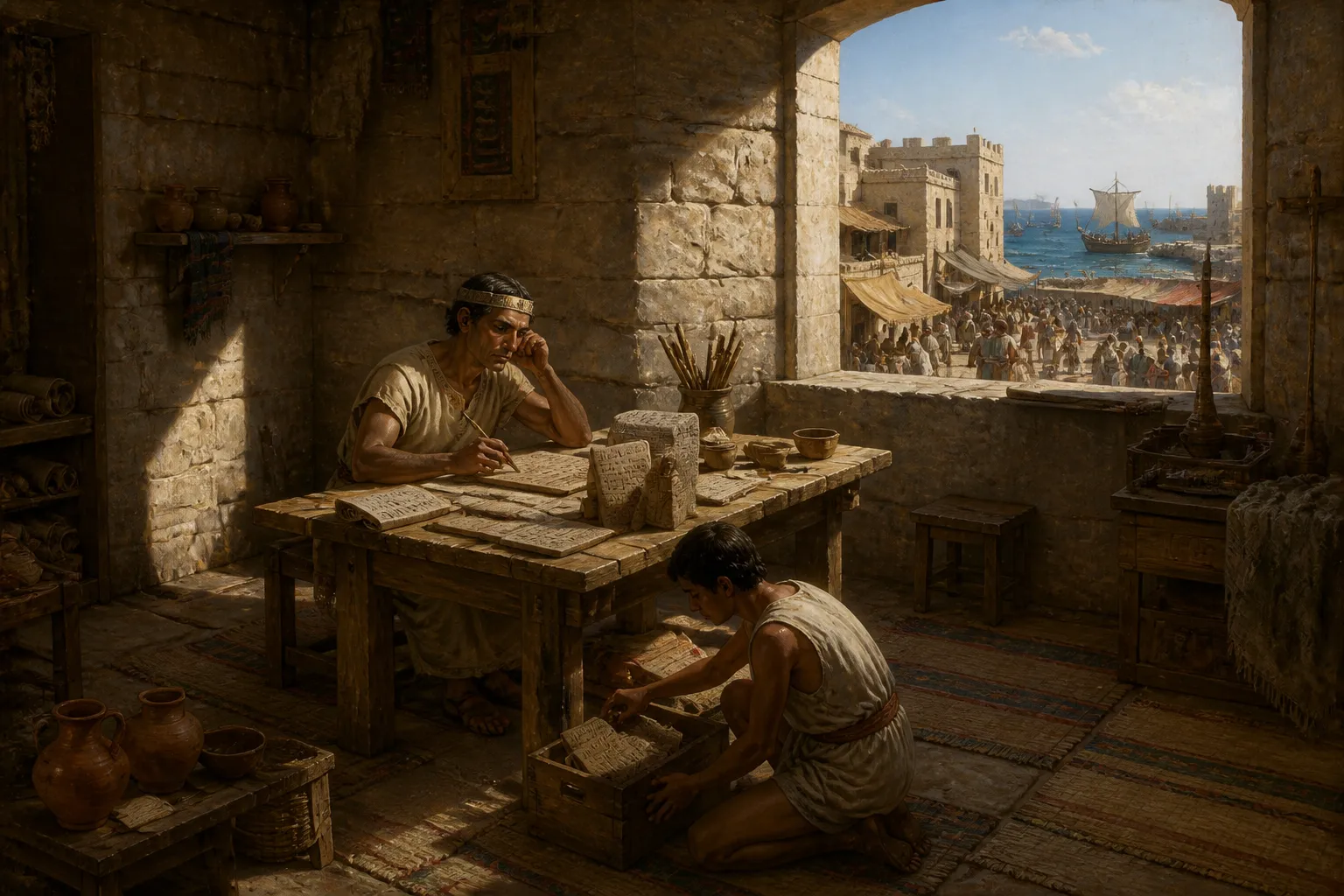
In the bustling city of Byblos, Rib-Hadda, the city's beleaguered ruler, pens what may be yet another unanswered letter to the distant pharaoh of Egypt. His words, painstakingly inscribed on clay tablets in Akkadian, are pleas for assistance against encroaching enemies threatening his city's very survival. The city's walls, once strong and imposing, now reverberate with the sounds of the marketplace beyond, echoes of a once-thriving center of trade. Byblos teeters on the brink of collapse. Rib-Hadda, weary from the burdens of leadership and the weight of unheeded warnings, knows each letter may be his last, yet he remains hopeful, trusting that his desperate calls for aid will not fall on deaf ears in the distant lands of Egypt.
"Great Pharaoh, send us aid before it is too late," Rib-Hadda's letter implores.
Page 8 — The Scribe's Craft
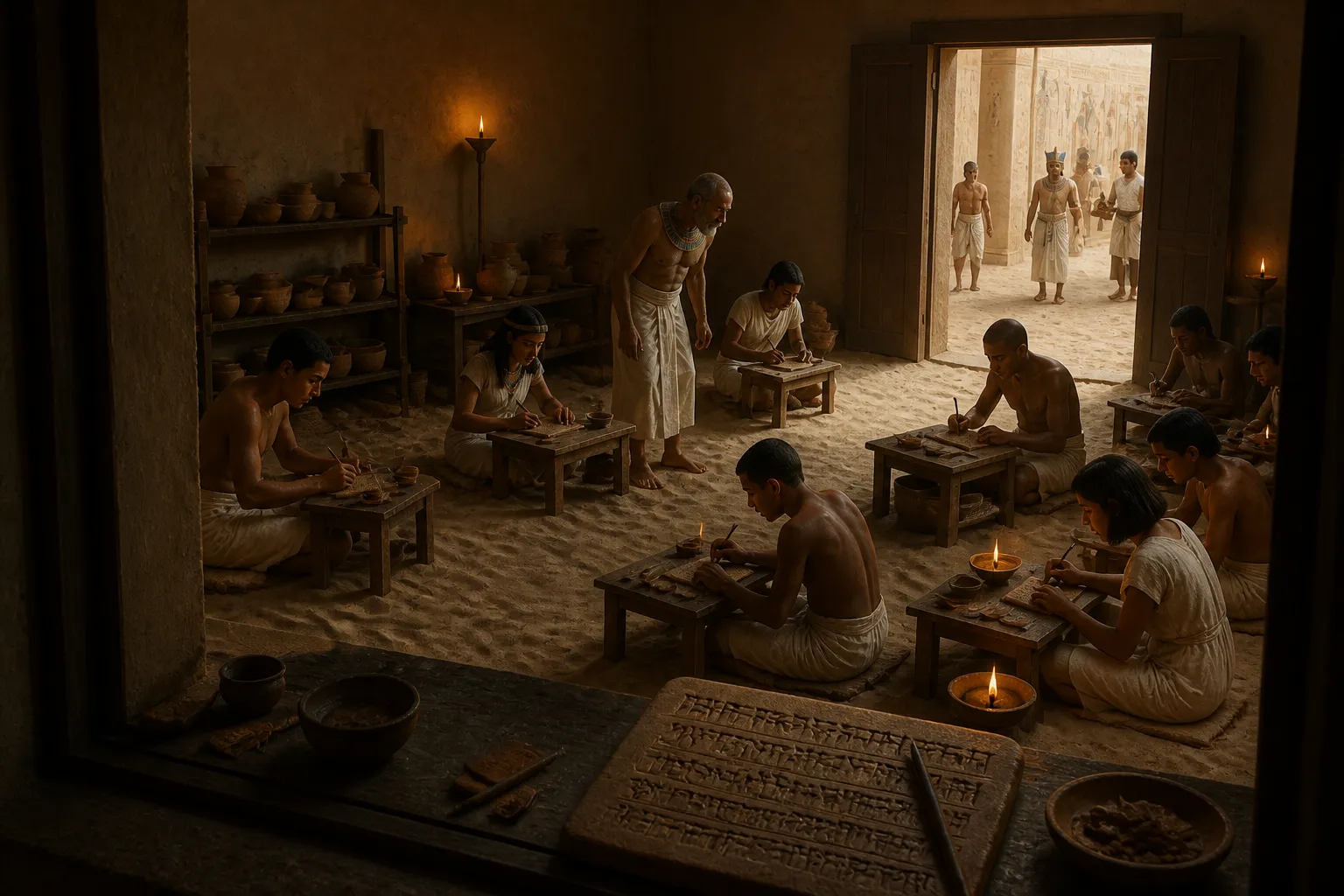
In a small, dimly lit scriptorium within the palace of Akhetaten, young scribes diligently practice their emerging skills. Under the watchful guidance of an experienced master, they engrave Akkadian characters into soft clay tablets, each careful stroke bringing them closer to mastery. The air is thick with concentration, the atmosphere punctuated only by the soft scratching of styluses and the distant hum of palace life. Here, in this quiet, scholarly chamber, future diplomats take form, honing their craft. Each tablet represents not just practice but the forging of links between Egypt and the wider ancient world, ensuring that their pharaoh's missives will traverse boundaries and forge alliances.
"Remember, precision in script is the key to understanding," instructs the master scribe.
Page 9 — Unearthed Secrets
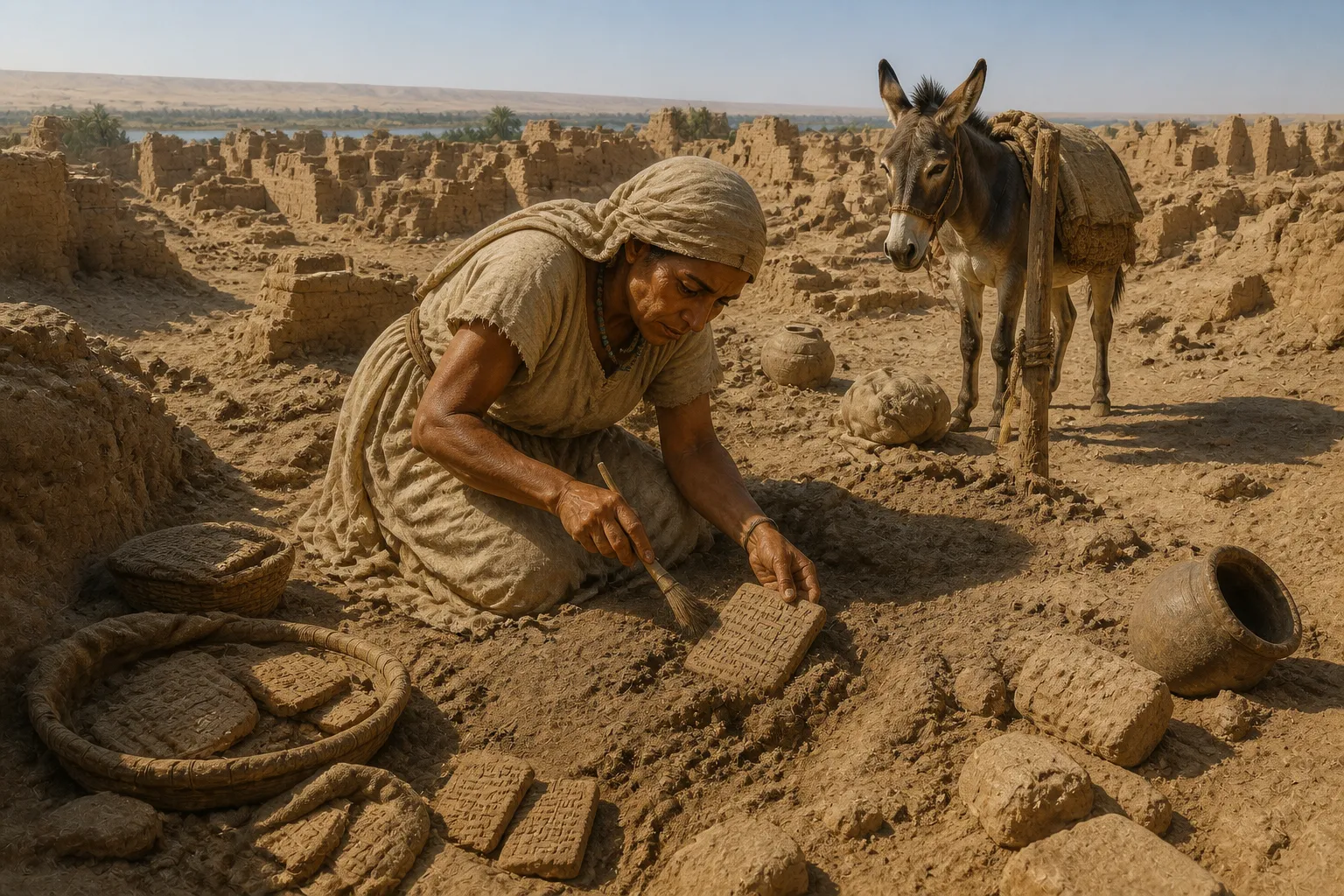
In 1887, amidst the dusty and arid ruins of ancient Amarna, a local peasant woman makes an unexpected and groundbreaking discovery. While digging for fertilizer in the debris of a long-deserted palace, she uncovers a cache of clay tablets. Each tablet bears Akkadian script, hinting at their immense historical significance. This serendipitous find, alerting the authorities to its importance, soon becomes known as the Amarna Letters, revolutionizing the understanding of Bronze Age diplomacy and inter-kingdom communications. The woman's chance encounter with history brings the distant and authoritative voices of ancient kings and vassals into the light of day, bridging millennia and illuminating the complexities of ancient international relations.
"These look important," the woman thinks as she examines the inscribed clay.
Page 10 — Back to the Gallery
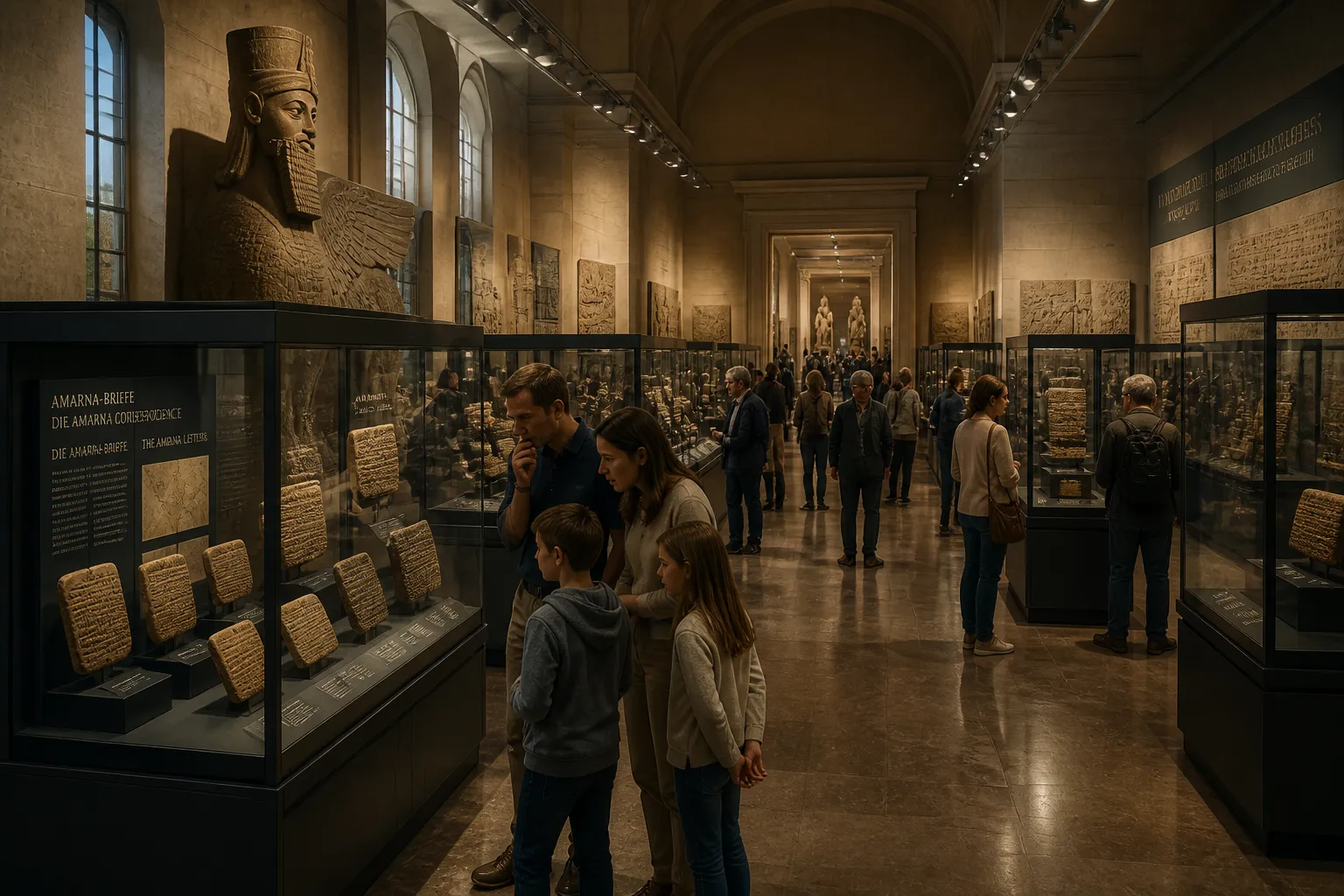
Returning to the gallery of the Vorderasiatisches Museum, the visitor now sees the Amarna Letters with newly informed eyes. The gravity and significance of these clay tablets, as tangible connections to an ancient world, imbue the room with a profound sense of history and continuity. Visitors reflect on the letters' contents, which speak of diplomatic negotiations, desperate pleas, and the enduring legacy of the written word. The journey from their discovery in the sands of Amarna to their display in the heart of Berlin is complete, and the reader stands, transformed by knowledge, before these artifacts that once bridged great distances and diverse cultures. This momentary connection to the past underscores the enduring relevance of historical inquiry.
"These tablets were not just letters; they were lifelines," a visitor reflects.
About this story
- Audience: general readers
Read Wonder Egypt on your phone
Wonder Egypt is available on Android. Get Wonder Egypt on Google Play.