The Oldest Complaint Letter
The Oldest Complaint Letter — an illustrated history story. 10 illustrated pages, free to read on Wonder Egypt.
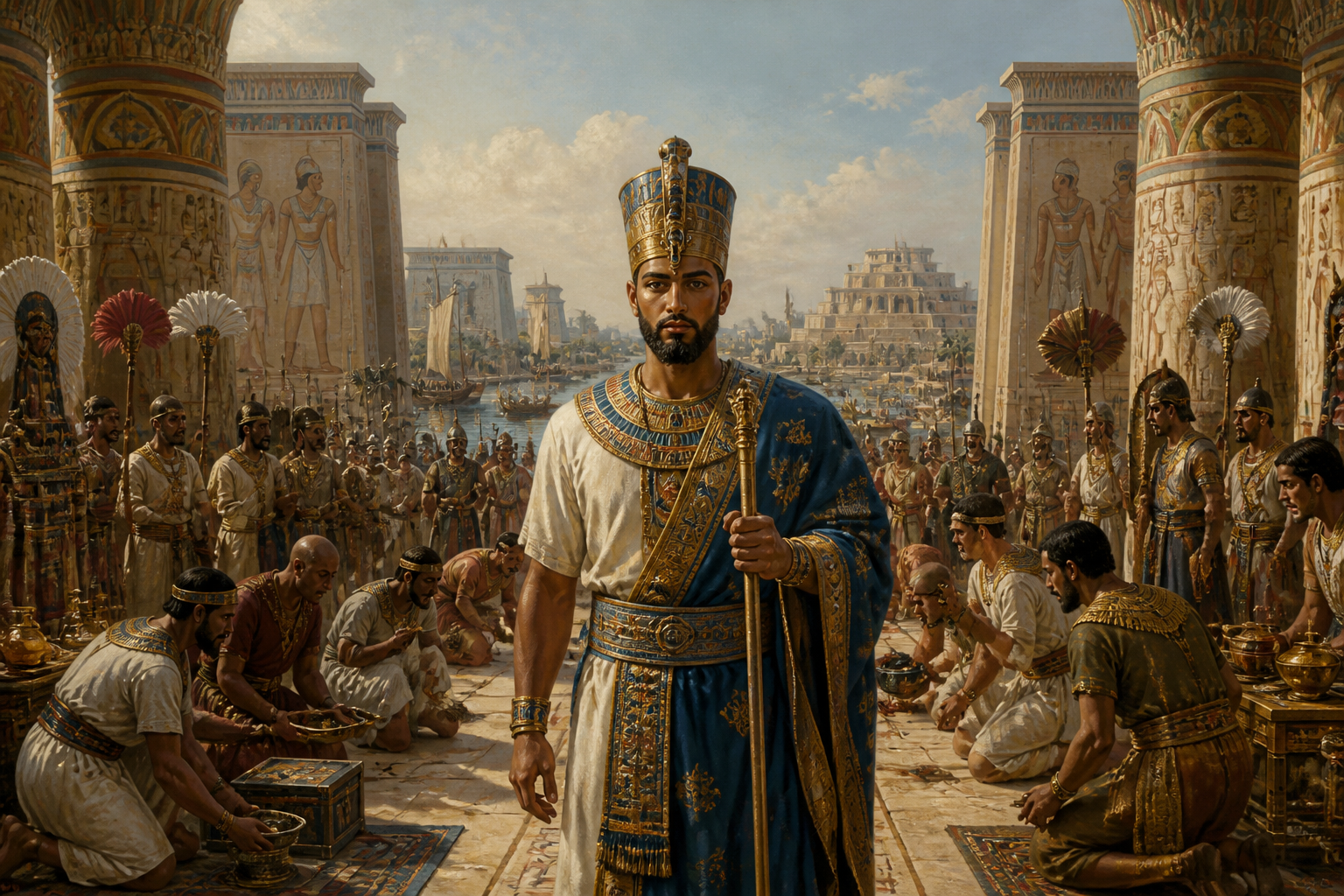
Page 1 — Trade Winds of Ur
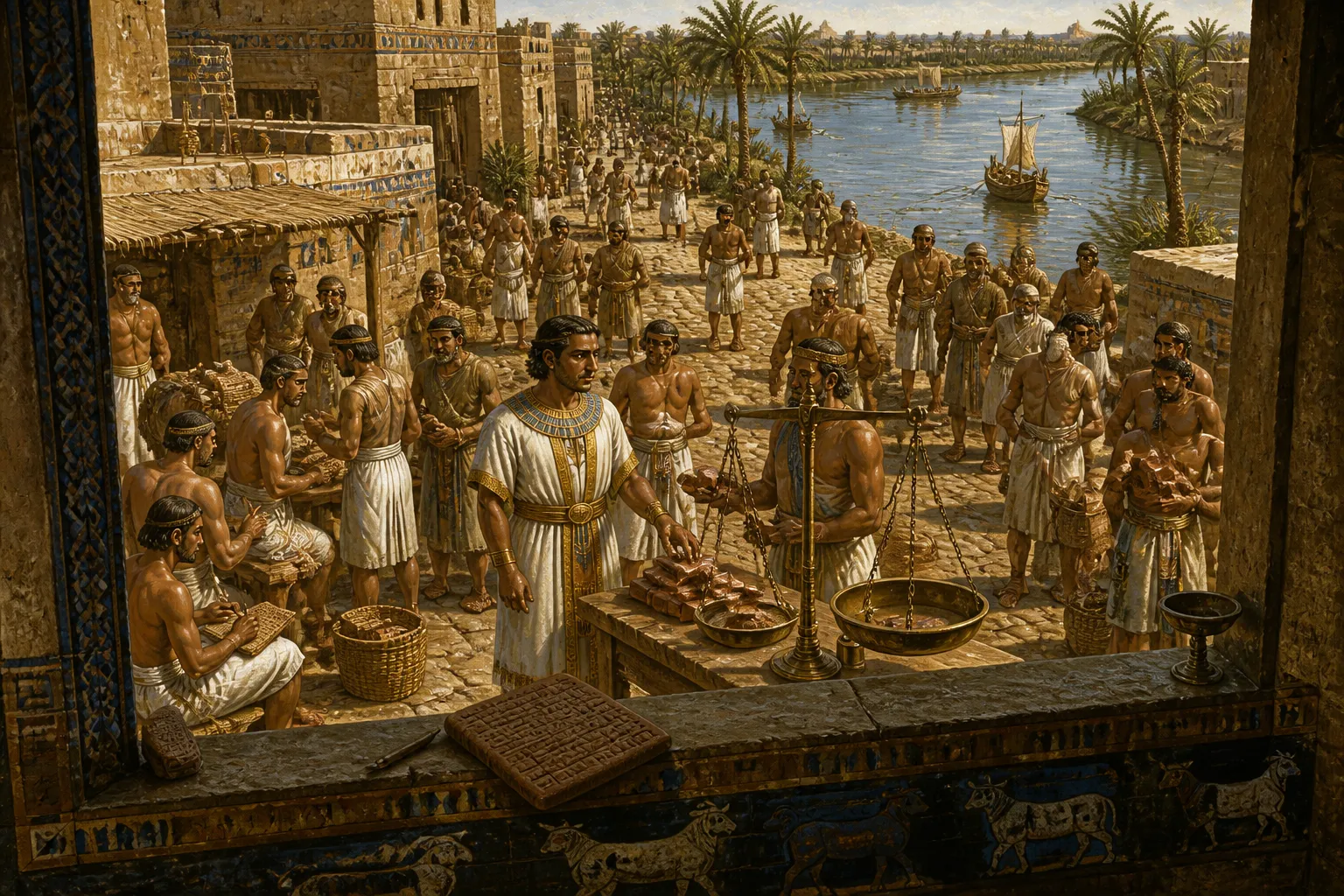
In the year c. 1750 BC, the bustling city of Ur, nestled between the Tigris and Euphrates, was a hub of trade and cultural exchange. Merchants from the Middle Kingdom to Sumer engaged in vibrant commerce, their voices rising in the marketplace as they bartered for goods. Clay tablets served as vital conduits for communication, meticulously inscribed to capture the essence of business exchanges. The reigns of mighty rulers gave way to the influence of industrious merchants, who defined these years through intricate trade networks. This era saw the rise of business correspondence, where formal letters shaped relationships among distant lands. As long-distance trade flourished, prosperity spread, marking a period of cultural richness that ultimately waned with the decline of Mesopotamian empires, leaving imprints on history through ancient letters and artifacts.
Merchants of Ur, ensure our copper shipment is of quality, or expect severe dissatisfaction.
Page 2 — Echoes of Discontent
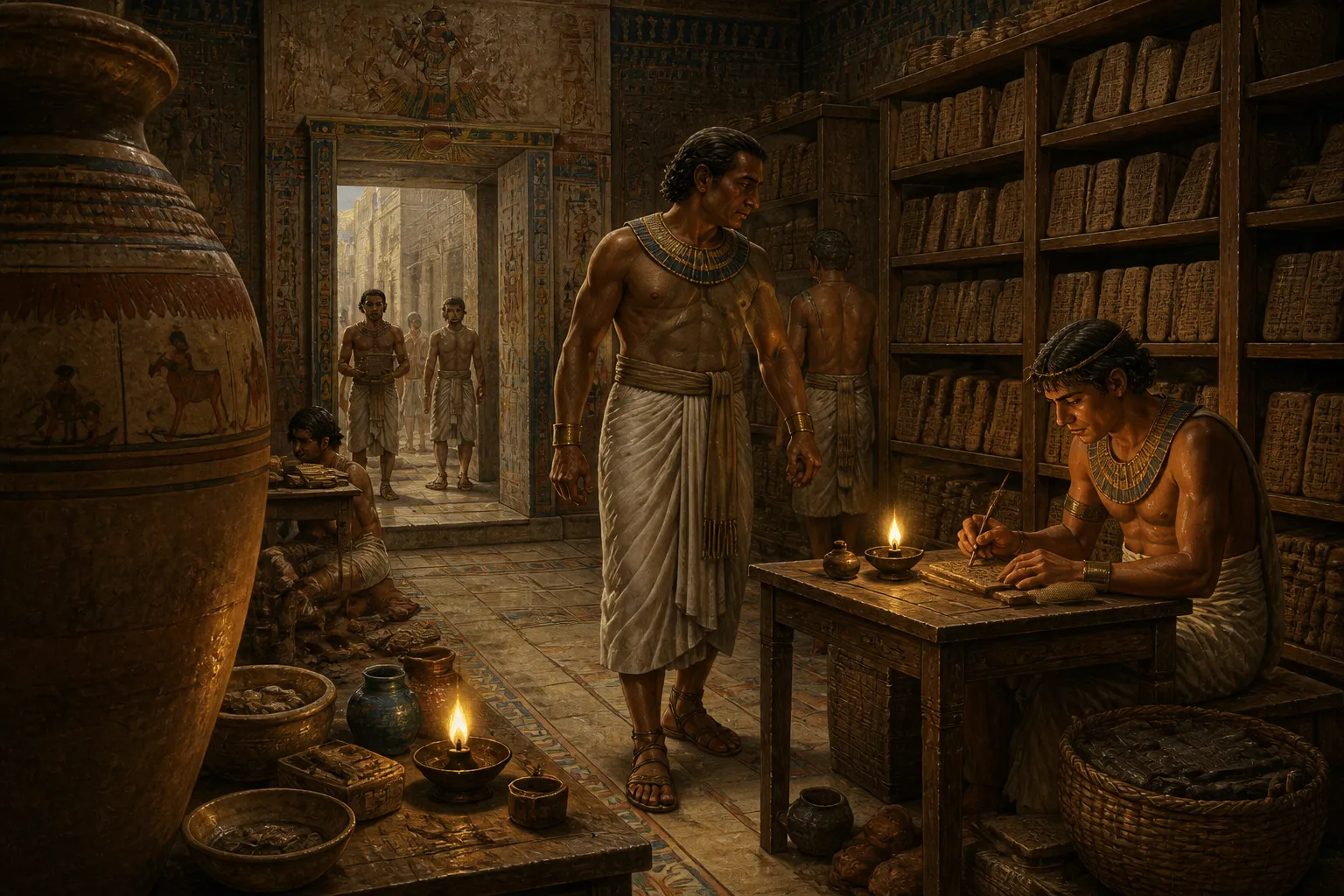
In the dimly lit chamber of a Mesopotamian merchant's office, shadows danced on the walls as a single flickering oil lamp fought against the darkness. The air was filled with the faint scent of papyrus and wax. A scribe, clad in a simple linen tunic, sat hunched over a clay tablet, the sharp tip of his stylus scratching methodically into its surface. He etched diligently, capturing the dictated grievances of a trader whose frustration was palpable. The trader, a middle-aged man with a broad wesekh collar adorning his linen robe, paced the room, his sandals echoing softly against the stone floor. The copper shipment from Dilmun was a critical matter; its shortfall not only risked financial loss but also threatened the merchant's hard-earned reputation among his contemporaries. In those carefully chosen words, the trader sought to convey both the gravity of the situation and a clear expectation for amends. This delicate balance of respect and rebuke was a testament to the intricate dance of diplomacy that underscored ancient trade relations. The letter, though inked into clay, was a living document—a bridge spanning lands and cultures, each word a step in holding a distant partner accountable.
Ensure the copper is of the promised quality next time, or we shall seek another supplier.
Page 3 — The Carrier's Path
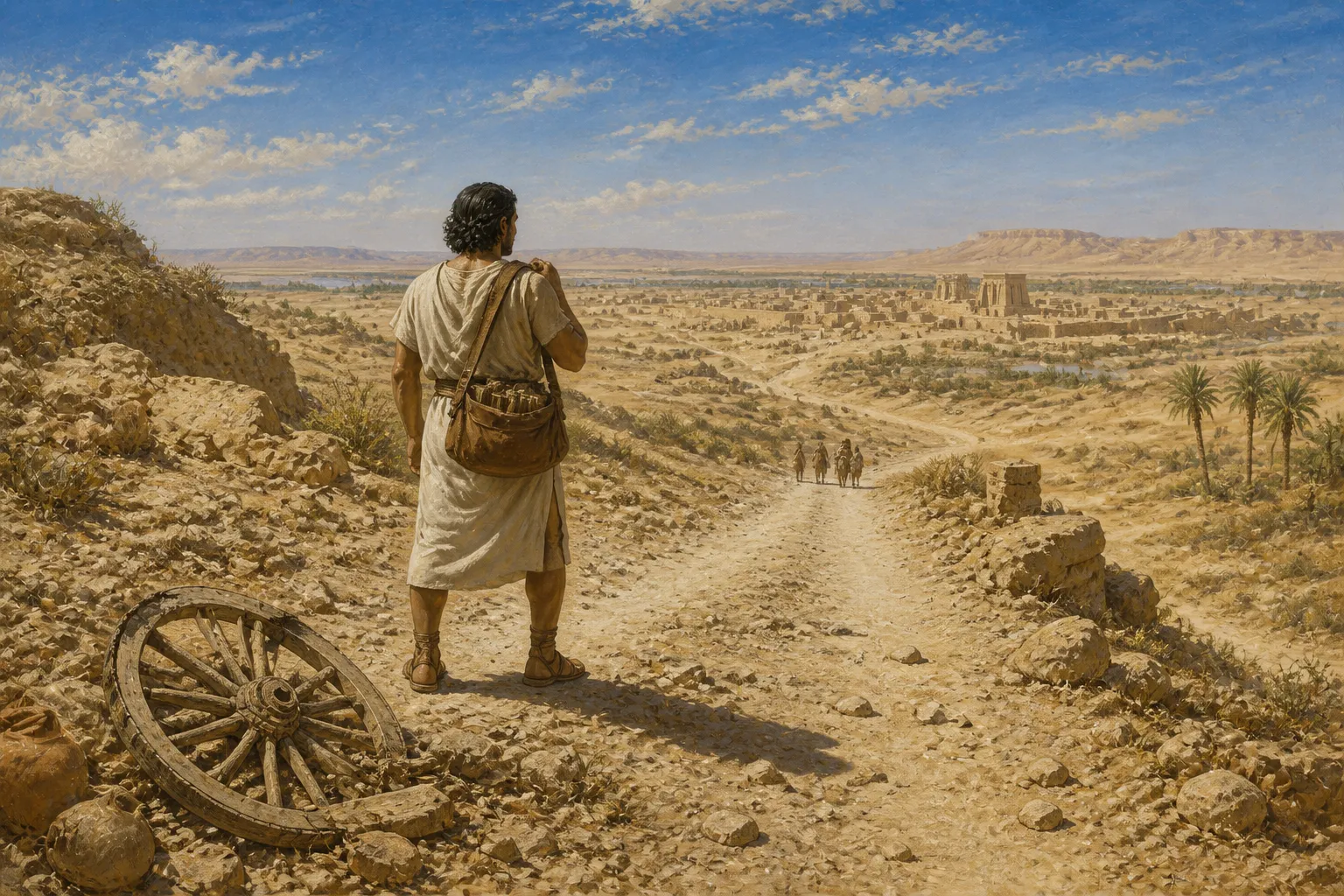
Along the dusty roads of ancient trade routes, a letter-carrier embarked on a journey destined for Dilmun, his destination etched into the clay tablets he carried. Laden with these tablets, each an embodiment of commerce and grievances, he traversed deserts and crossed rivers, the elements whispering around him. The carrier, a silent testament to the vital role of communication in trade, knew his mission was delicate and significant. The weight of the tablets mirrored the importance of their content, each inscribed word a promise, a grievance, or a record crucial to the interconnectedness of empires. His path was a lifeline that connected empires, ensuring promises were kept and disputes voiced. Each step taken in his sandals was a step towards bridging worlds, a testament to the intricate and expansive connections of ancient civilizations.
These tablets must reach their destination swiftly and intact; the trade depends on them.
Page 4 — Dilmun's Response
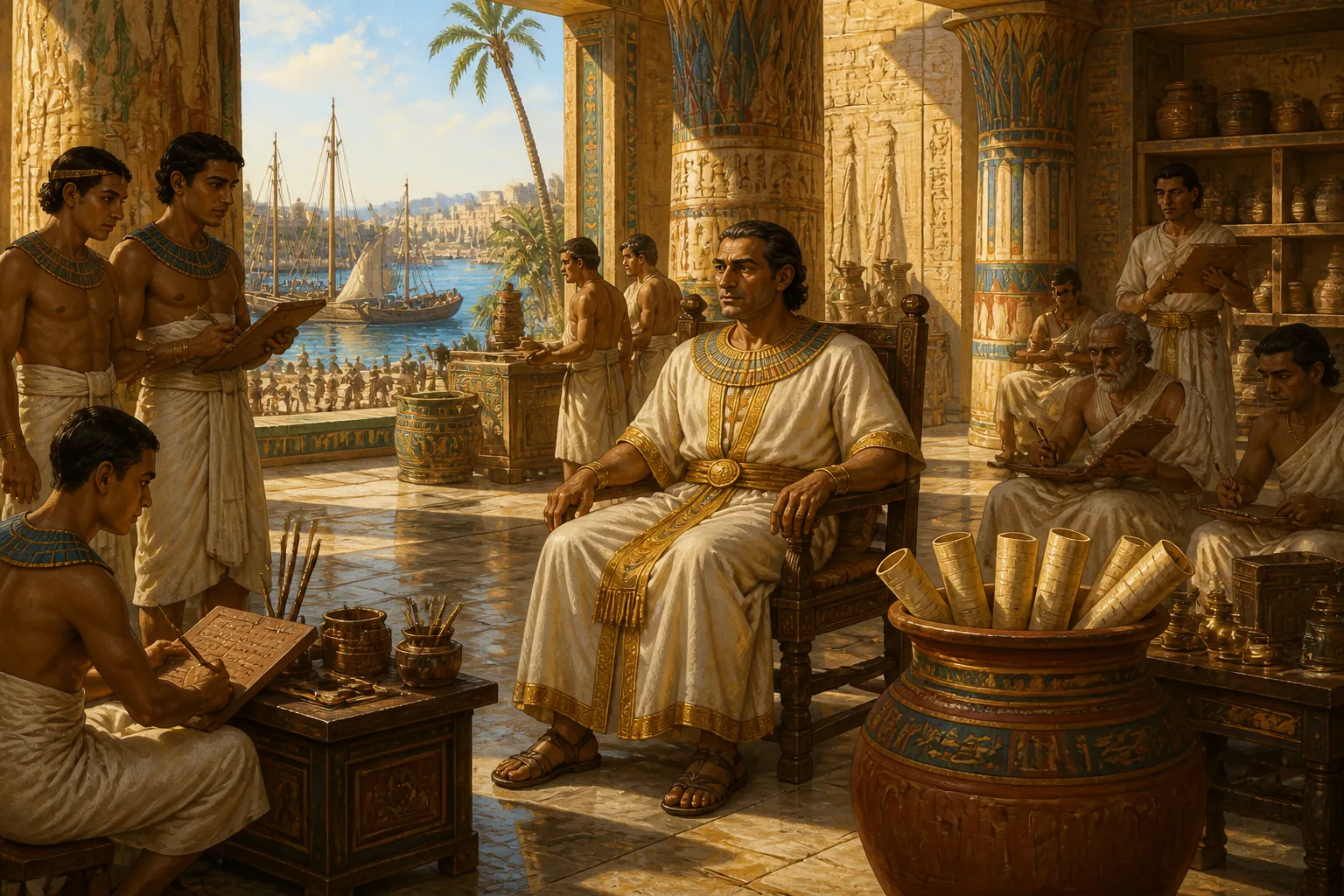
In the prosperous port city of Dilmun, a renowned merchant reviews the complaint received from Ur. Seated in his grand hall, where palm trees rustle with the sea breeze, he contemplates the implications of the letter with a furrowed brow. The response must be carefully crafted, mindful of maintaining vital trade ties amidst the complexities of ancient relations. The merchant, surrounded by rolls of papyrus and clay tablets, dictates a response that promises reparations and renewed trust. His voice, though steady, betrays a hint of concern. Ensuring the quality of goods was not just a matter of business; it was a matter of reputation and future prosperity in a world where trust was the currency of trade.
We shall rectify this oversight with haste. Our partnership must endure these trials.
Page 5 — The Weight of Words
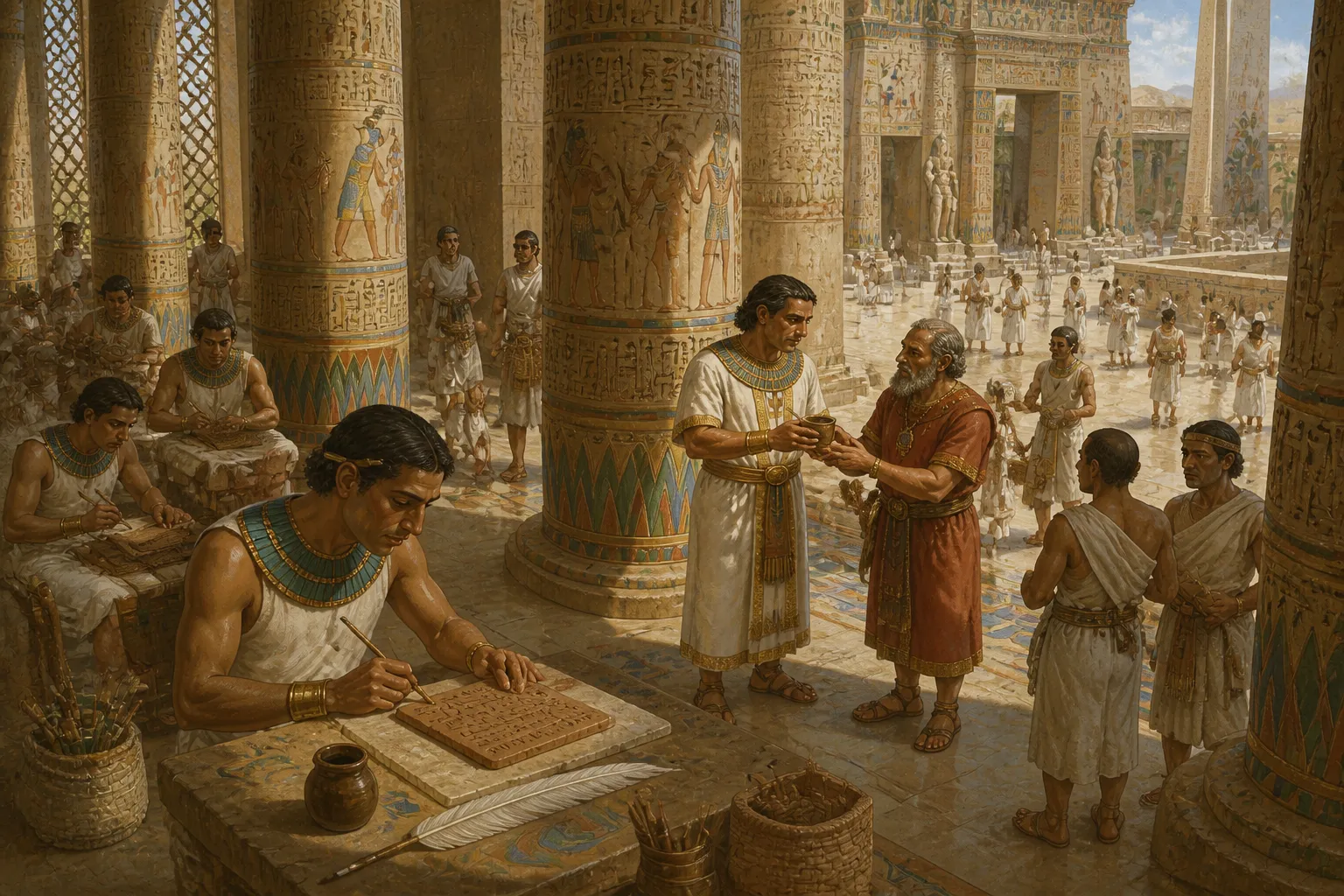
In the grand temple hall of Ur, sunlight filters through the intricately carved stone lattice windows, casting a delicate dance of shadows on the worn stone floors. The scribe, a figure of composure and intellect, is enveloped by an aura of reverence. Clad in a traditional linen kilt complemented by a richly hued blue wesekh collar, he embodies the dignity of his craft. His task is of paramount importance, requiring precision and a deep understanding of the political nuances at play. With a keen mind, he delicately inscribes each character with his reed stylus on a soft clay tablet, knowing that his words carry the weight of empires. Each stroke echoes the legacy of diplomacy and commerce, a testament to the interconnectedness of distant lands and the shared destinies of their people.
Our sovereignty relies upon the loyalty of our trading partners; express this clearly.
Page 6 — A Merchant's Plea
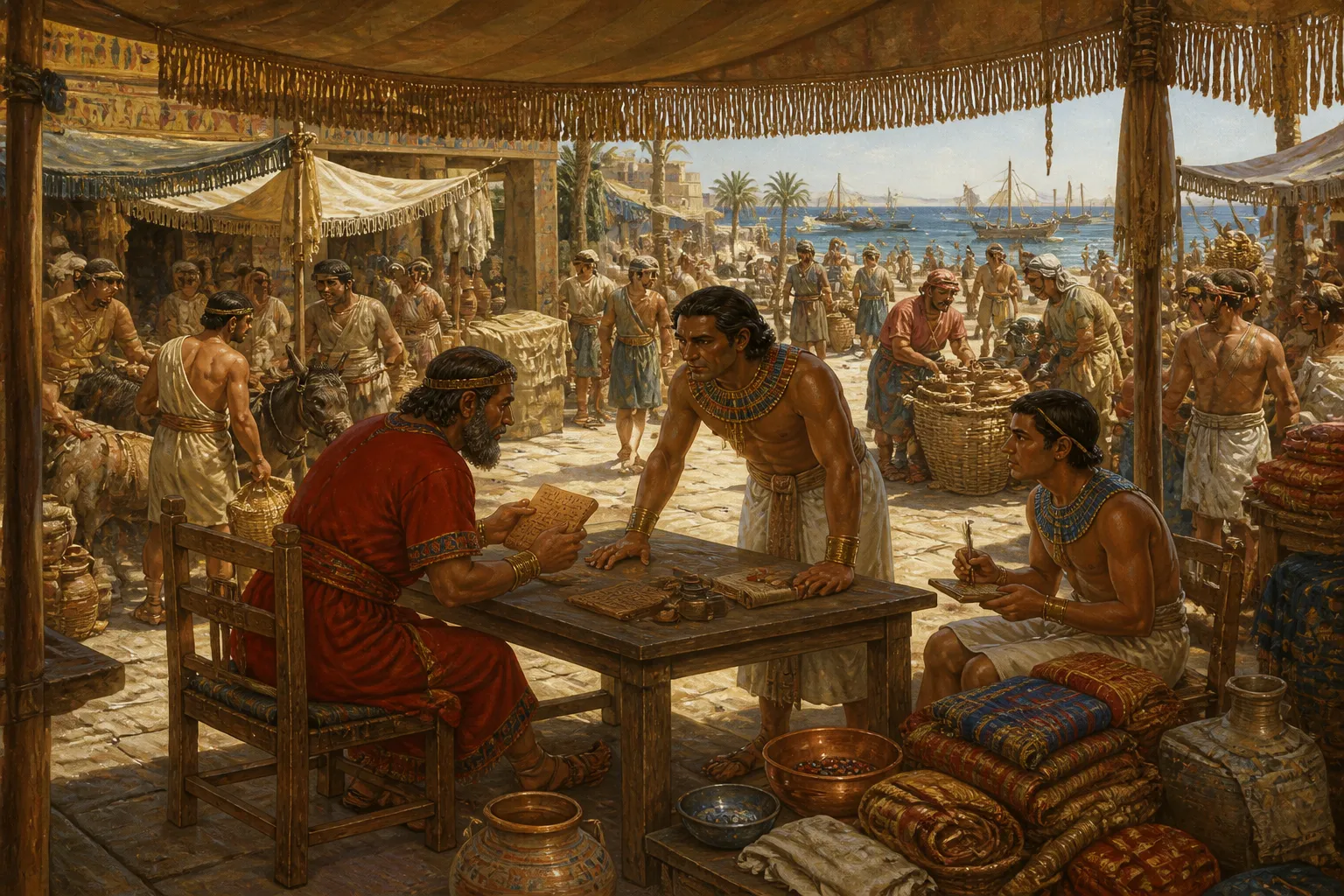
Amidst the lively hustle of Dilmun's tradesmen's quarter, the air is filled with the vibrant hum of negotiation and exchange. A seasoned merchant, donning a finely woven red-dyed linen tunic, sits pensively at a wooden table amidst the thrumming heart of commerce. He meticulously crafts a reply to a counterpart in Ur, the clay tablet before him an emblem of both challenge and hope. His words convey a heartfelt apology, a sincere overture of reconciliation critical to sustaining his livelihood. The atmosphere is a tapestry of tension and possibility, as he envisions a future where past grievances dissolve, ushering in a tide of prosperity that washes across the seas, uniting distant cultures in shared endeavor.
Let not this oversight break our bonds; we value your partnership deeply.
Page 7 — The Scribe's Craft
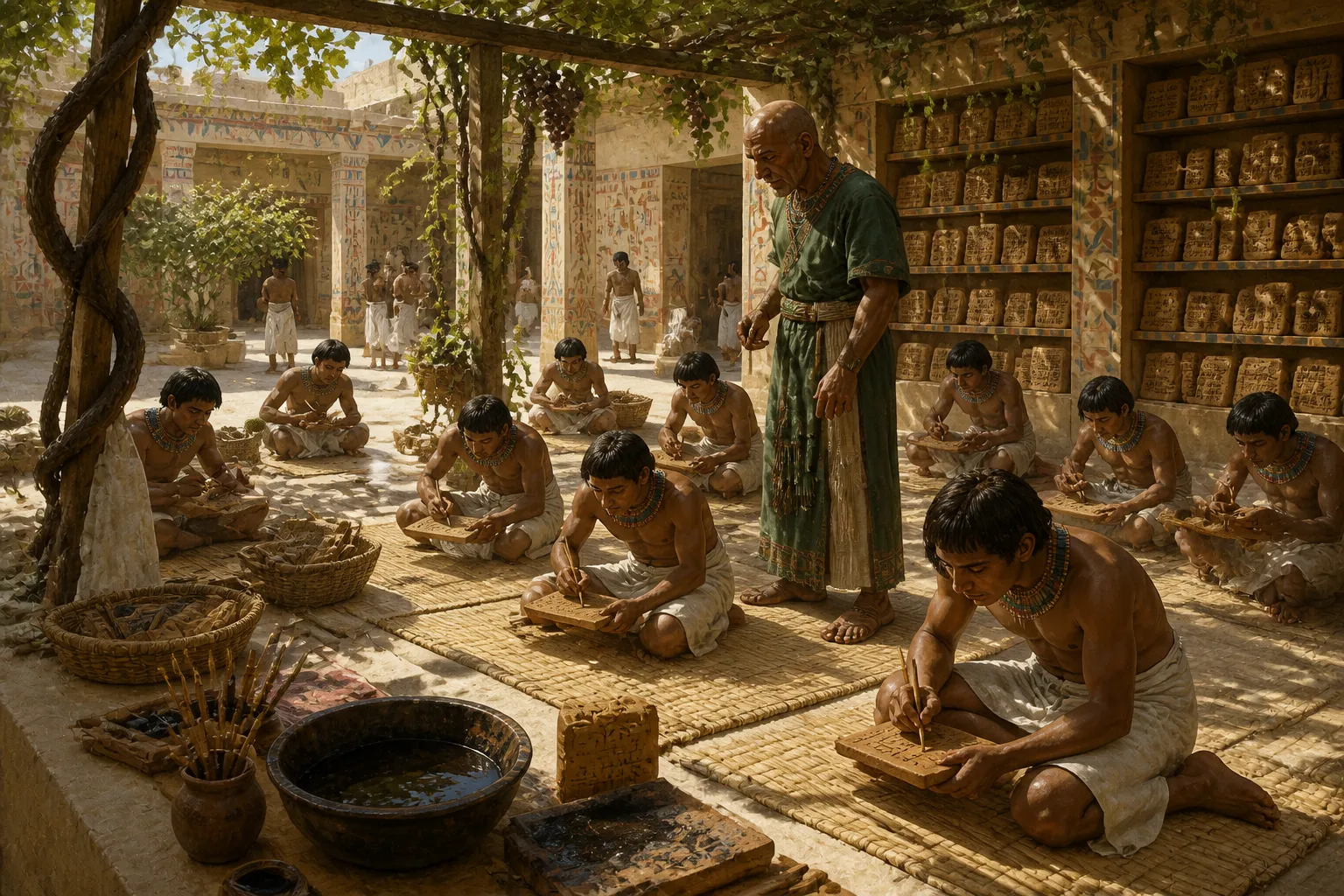
In the tranquil courtyard of a scribe school, the ambiance is one of quiet focus and dedication. Young students in simple linen kilts kneel attentively on reed mats, their hands deftly guiding reeds across clay tablets. The gentle rustle of reed against clay provides a rhythmic accompaniment to the tutor's guiding words, a melody echoing across generations. The elder instructor stands poised in a distinguished green robe, demonstrating the art of writing with precision and grace. Here, the seeds of knowledge are sown, each stroke of the stylus a building block for future chronicles that will shape the course of histories untold. Through their diligent practice, these budding scribes ensure the continuity of the written word, securing civilization's legacy across time.
Master this skill, for letters are the threads that sew the world together.
Page 8 — Echoes Across the Sea
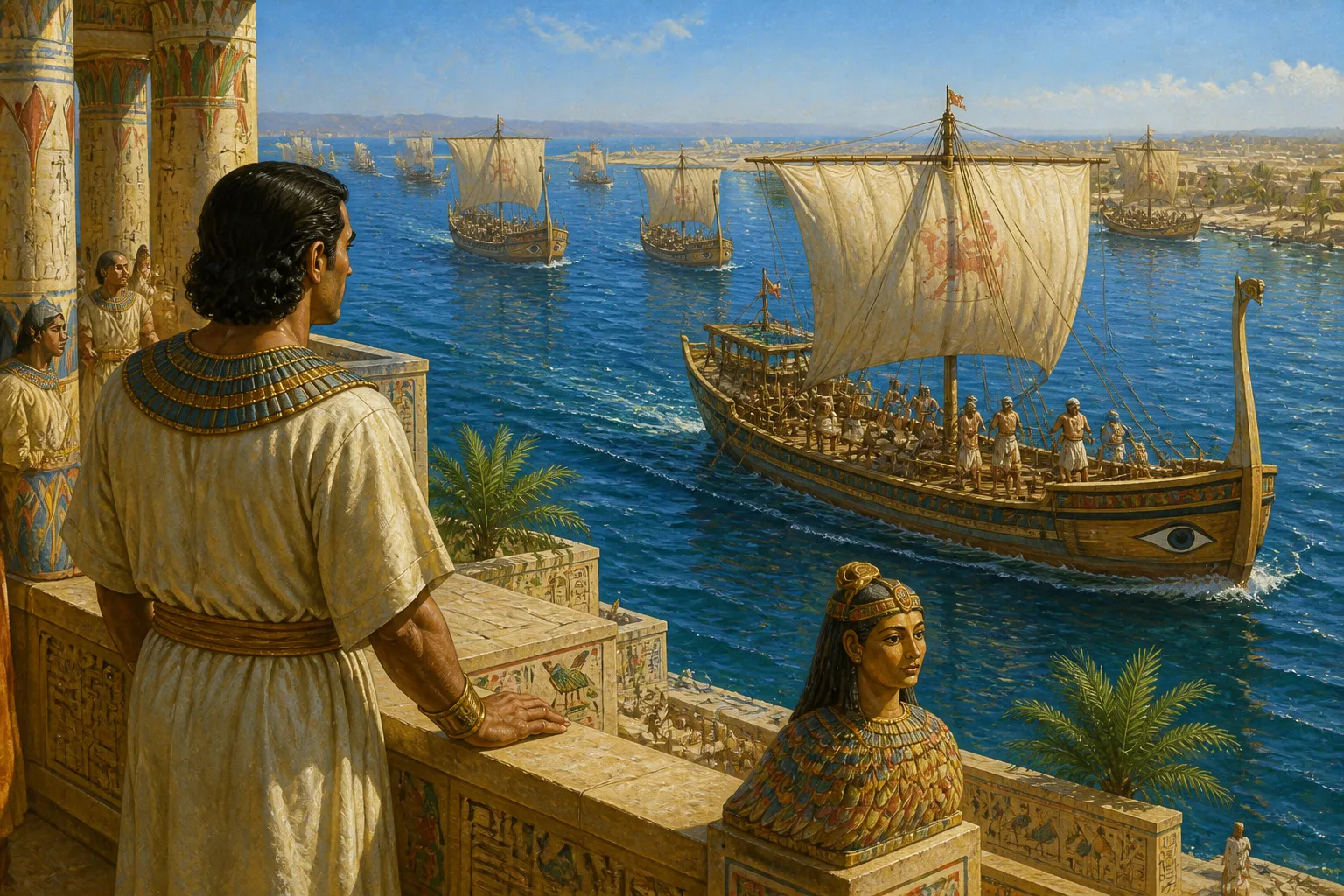
On the ancient sea route from Dilmun to Ur, a fleet of merchant ships sails forth, their wooden hulls sturdy and reliable. Laden with copper and carefully sealed correspondence, these vessels carry more than mere goods—they are vessels of diplomacy and connection. The azure sea stretches vast and inviting under a flawless sky, while the rhythmic pull of oarsmen echoes the harmony of ancient trade. The salty breeze, filled with the scent of adventure, whispers promises of renewed alliances and reconciliation. Each ship, a vital link in the chain of cultural exchange, holds in its heart the hopes of civilizations seeking a shared future, bound by the universal language of commerce and understanding.
Steer us true; our cargo carries the weight of futures reconciled.
Page 9 — In the Hands of the Gods
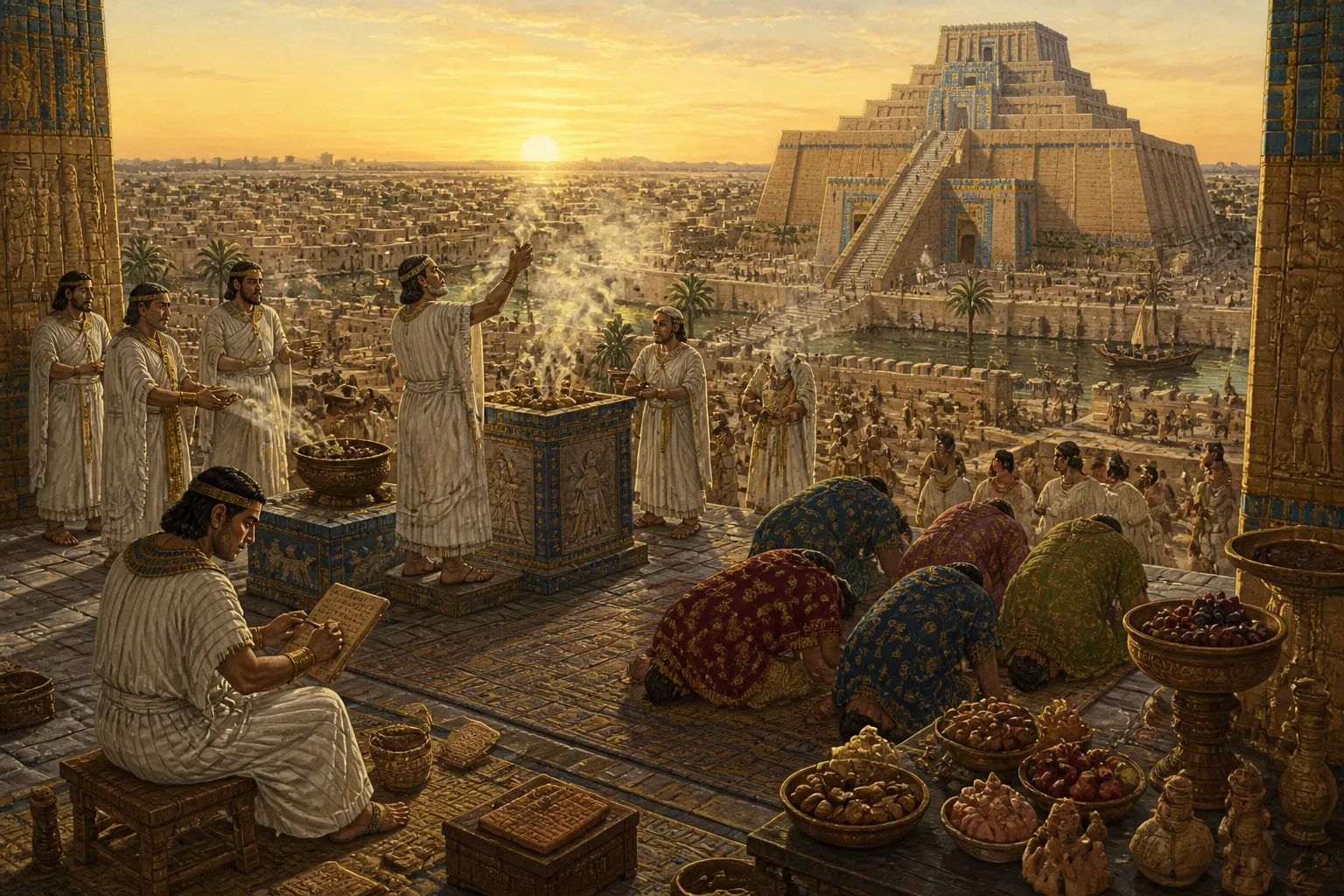
Beneath the towering ziggurat in Ur, the stone structure ascends with formidable grandeur, casting long shadows over the temple courtyard. Here, offerings are meticulously prepared to ensure both safe passage and successful trade. The priests, robed in ceremonial white linen meticulously woven with intricate patterns, chant prayers that echo among the pillars, invoking the favor of the divine with practiced precision. The air is dense with the rich scent of burning incense, creating a thick mist through which the devout can barely see. Merchants clutch small talismans, symbols of their hopes, as scribes document the rituals on clay tablets, ensuring that every earthly endeavor is in concert with celestial intent.
O mighty gods, bless our endeavors and let our ventures find favor in your eyes.
Page 10 — The Legacy of Letters
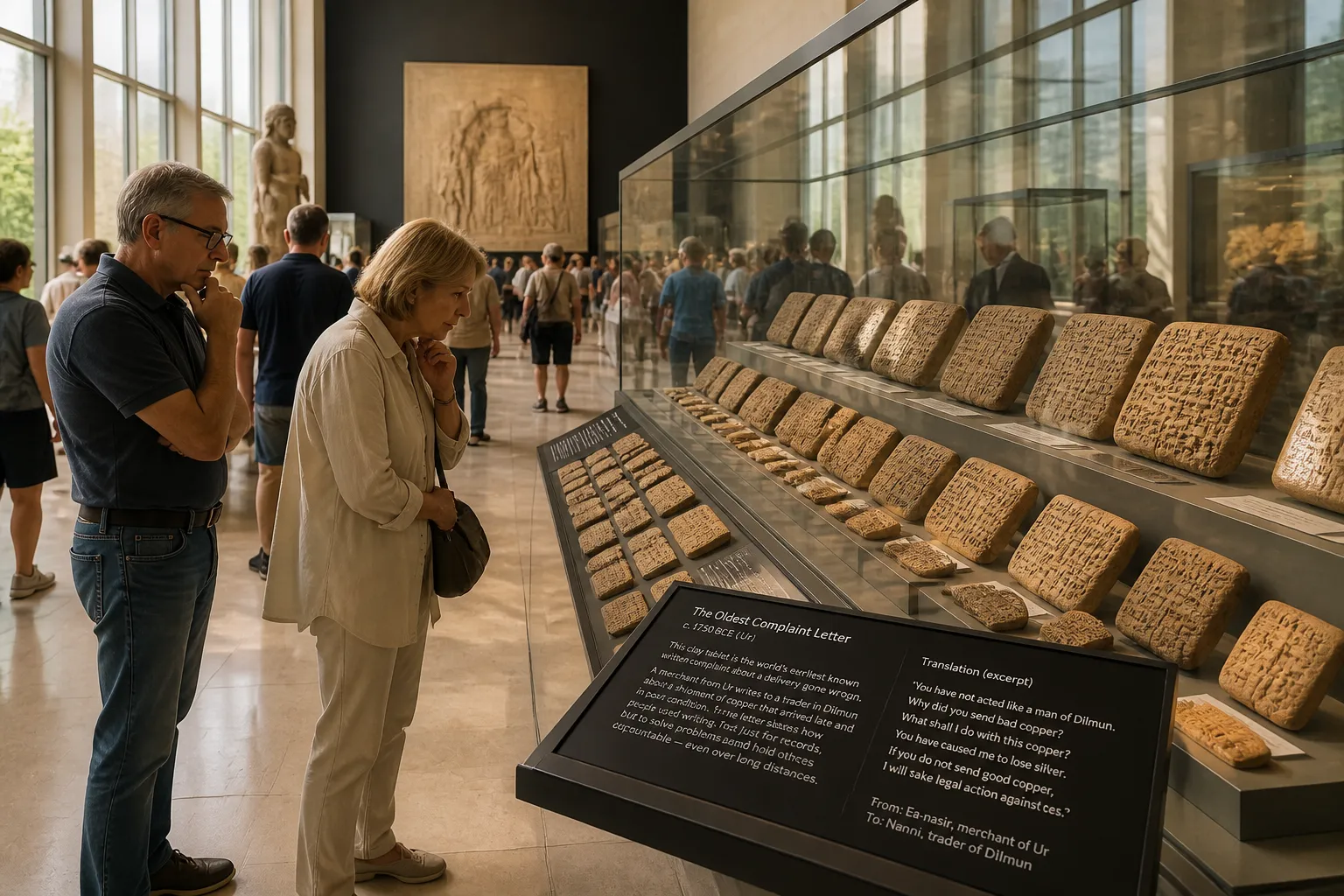
Millennia later, the clay tablets of Ur and Dilmun remain as timeless beacons, offering glimpses into a past meticulously shaped by trade and communication. In the serene atmosphere of a modern museum, these ancient documents stand displayed, each etched line a bridge to worlds long vanished. Scholars, adorned in scholarly attire, and eager visitors alike gather in reverent silence, marveling at the continuity of human expression captured in these baked clays. Here, within the quiet confines of the gallery, the legacy of these letters endures, a powerful reminder that while the world evolves, the need for connection and communication remains an indomitable constant.
Through these scripts, we touch the hands and minds of those who came before.
About this story
- Audience: general readers
Read Wonder Egypt on your phone
Wonder Egypt is available on Android. Get Wonder Egypt on Google Play.