Elevator
Elevator — an illustrated inventions story, set in Global. 10 illustrated pages, free to read on Wonder Inventions.

Page 1
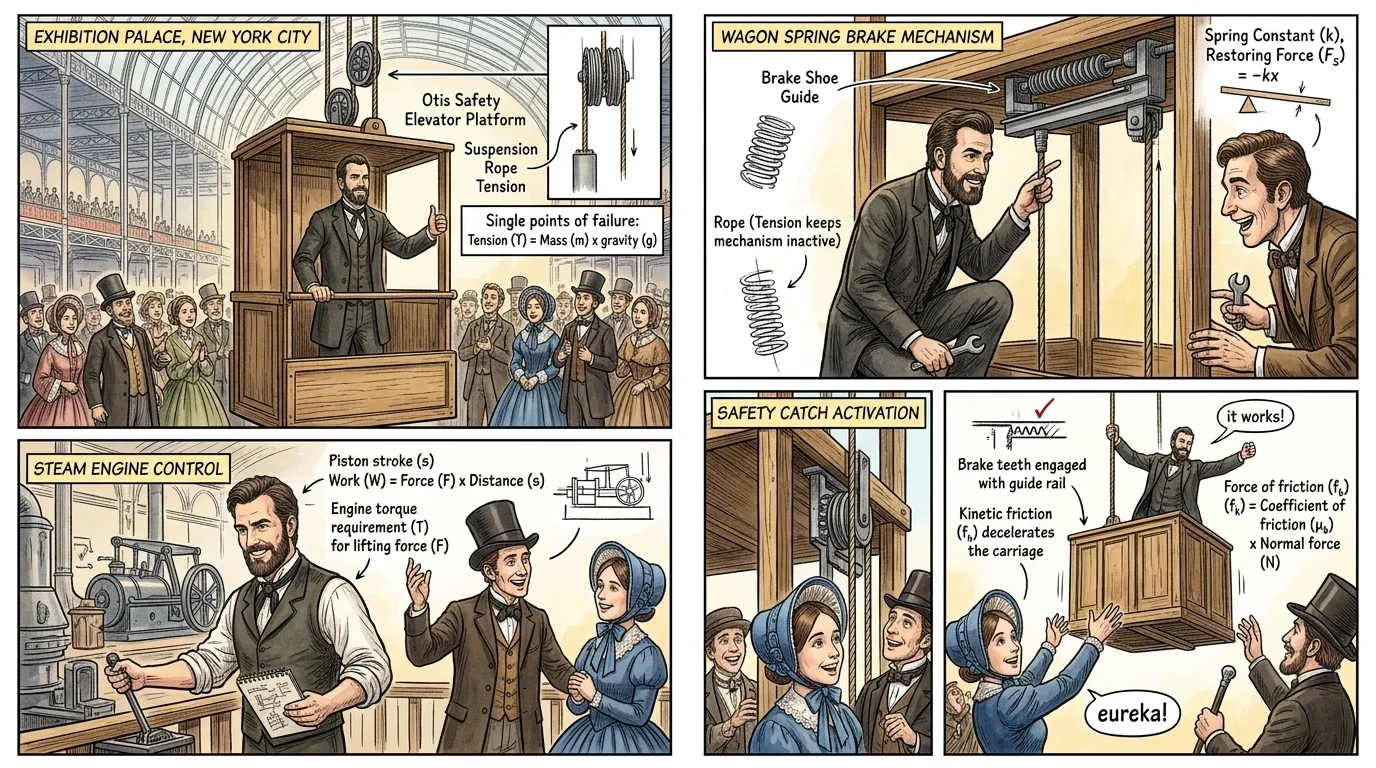
New York, 1854. Inside the grand Exhibition Palace, a gathered crowd holds its breath. Before them stands an invention that promises to defy gravity and conquer fear. Elisha Graves Otis, a mechanic from Vermont, has prepared a dramatic demonstration for his newly patented safety hoist. On a raised platform, a simple wooden elevator carriage awaits, suspended high above the ground by a single rope. Otis, with unwavering confidence, steps into the car. This pivotal moment will decide the future of vertical movement, transforming urban landscapes and forever altering human ambition. The stakes are immense: trust in a machine to secure passage between floors, replacing millennia of laborious ascent.
Fact: page_1
Page 2
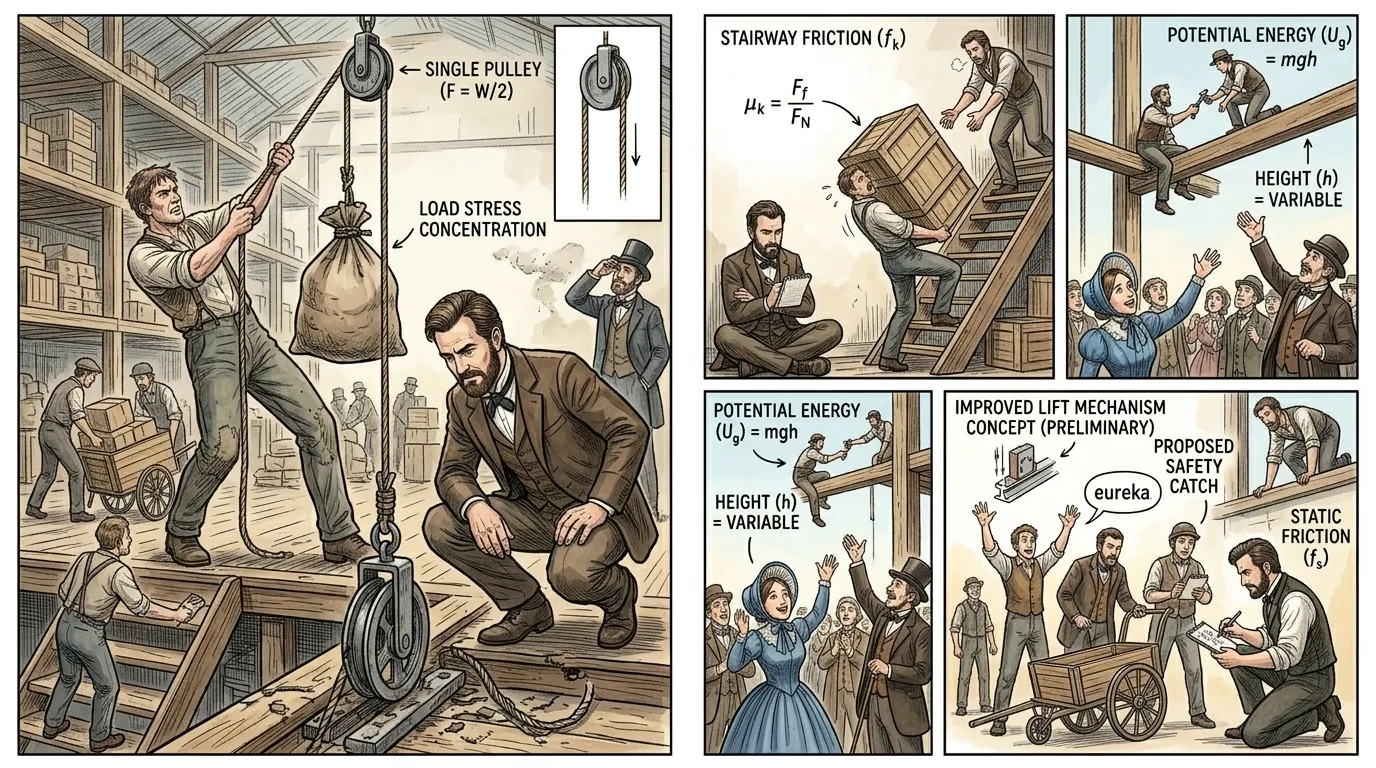
Before the advent of mechanical safety, vertical travel presented an intractable dilemma. For centuries, building upwards meant condemning occupants to arduous climbs, limiting the practical height of structures and restricting the economic viability of upper floors. Goods were laboriously hauled by hand, block and tackle, or rudimentary hoists, each method fraught with risk. The inherent danger of a snapped rope or a jammed mechanism meant that humans rarely entrusted their lives to such apparatus, reserving them almost exclusively for inanimate cargo. This fundamental constraint defined urban planning and architectural ambition for millennia, capping human reach to what could be practically scaled by foot.
Fact: page_2
Page 3
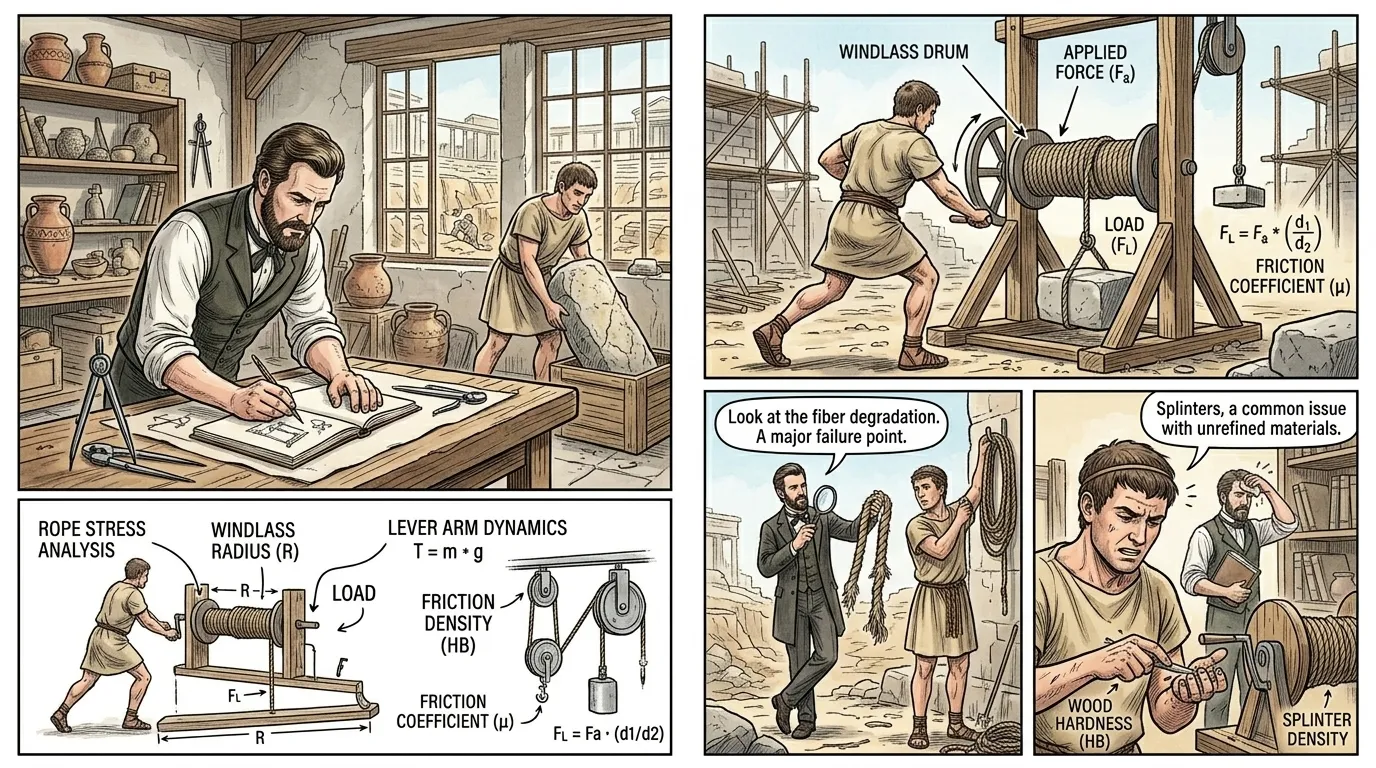
Primitive lifting devices existed for millennia, from Archimedes' winches to Roman-era hoists, primarily for construction or mining. However, these were simple, unforgiving machines. Their operational principle relied solely on the integrity of ropes or chains. A failure in any component—a frayed fiber, a worn gear, or human error—resulted in catastrophic freefall. The lack of an independent safety mechanism meant that these early lifts were fundamentally unsafe for human transport, reinforcing the perception that elevated spaces were only accessible via physical exertion. This inherent vulnerability posed a profound barrier to widespread adoption, making multi-story buildings impractical for anything beyond the first few floors.
Fact: page_3
Page 4
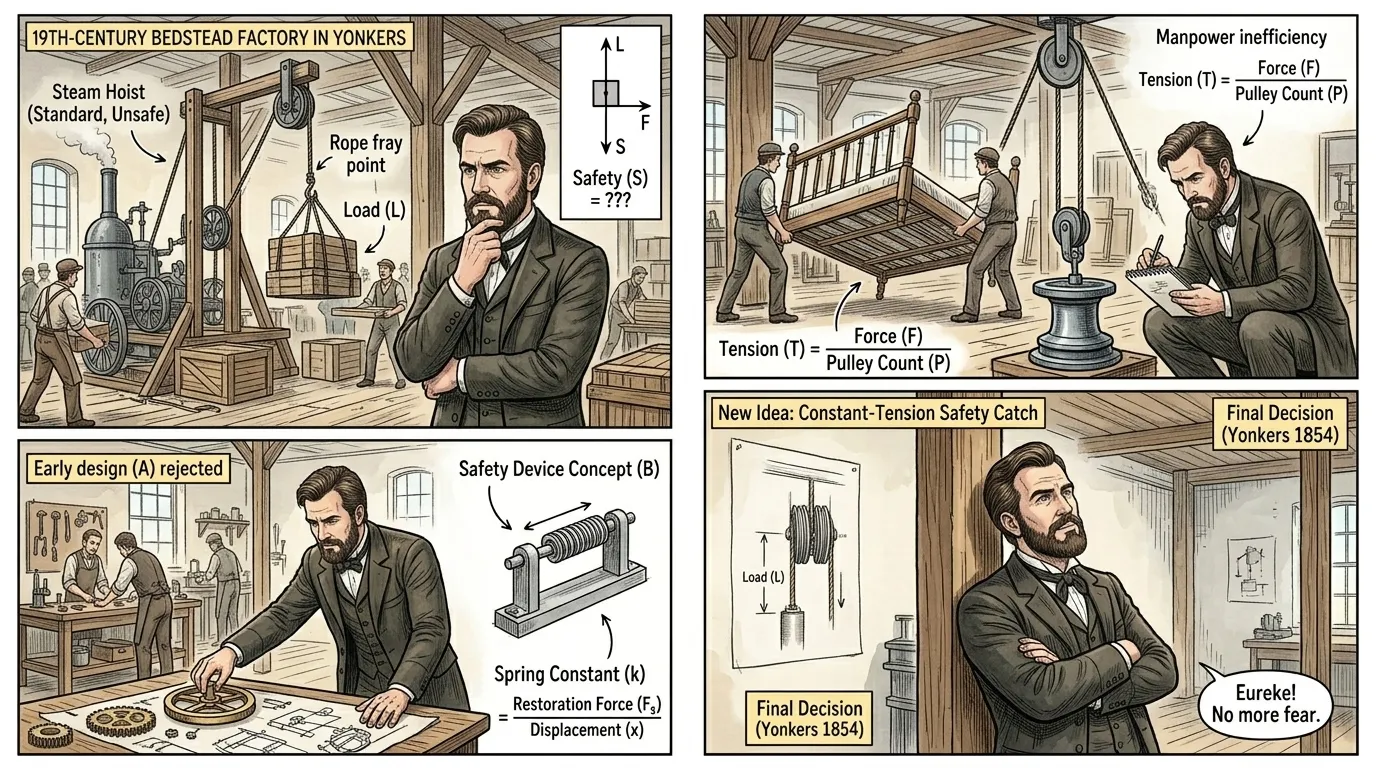
Elisha Graves Otis, born in Vermont in 1811, was an inventor driven by practical necessity rather than abstract theory. After a varied career including wagon building and flour mill operation, he moved to Yonkers, New York, in 1852, to manage a bedstead factory. His task was to install hoisting machinery to lift heavy equipment and materials to the upper floors. Confronted with the existing, unreliable systems, Otis immediately recognized the inherent danger. The possibility of injury or death from a falling hoist was a constant threat to his workers and the expensive machinery they moved. This direct, tangible problem spurred his inventive mind to seek a fail-safe solution that others had dismissed as impossible.
Fact: page_4
Page 5
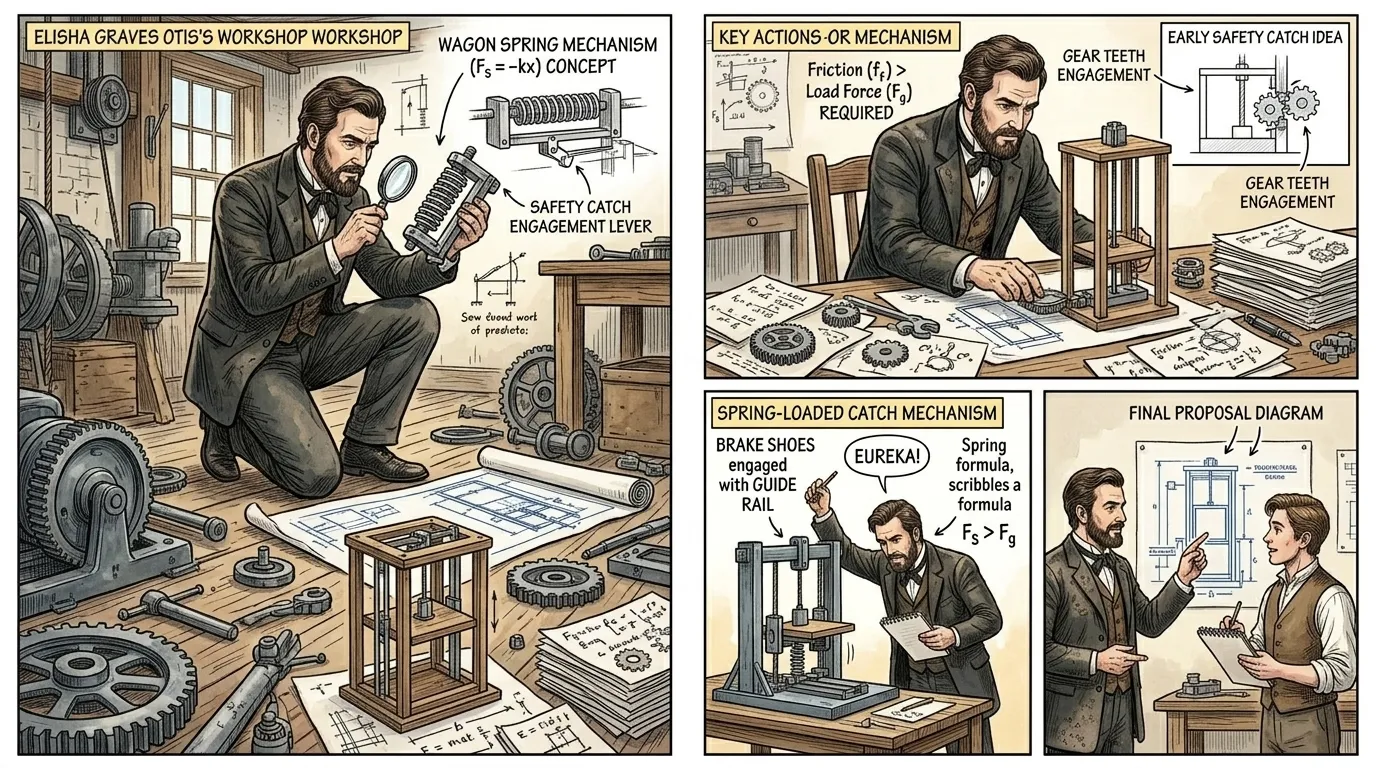
Otis's genius lay not in reinventing the hoist itself, but in adding a crucial, independent safety mechanism. He theorized that if the main lifting rope ever lost tension—either by snapping or becoming slack—a backup system should automatically engage to prevent the platform from falling. His early attempts involved various spring-loaded and lever-activated devices. The challenge was to create a system that was both immediate and reliable, engaging without human intervention, and robust enough to halt a loaded platform. This required a deep understanding of mechanical forces and precise engineering to overcome the inherent inertia of a falling object.
Fact: page_5
Page 6
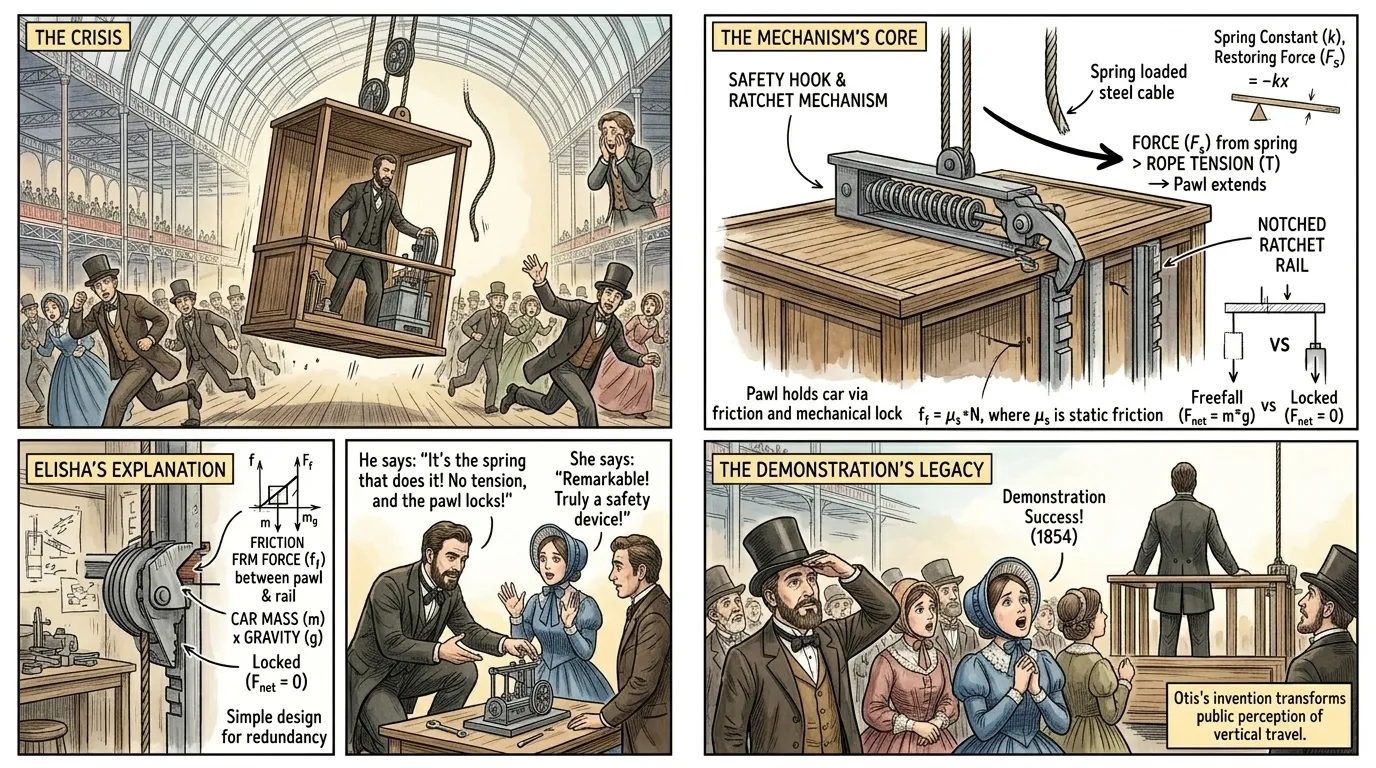
The cornerstone of Otis's safety elevator was a brilliantly simple yet effective 'ratchet and pawl' system. The elevator car was equipped with sturdy, spring-loaded steel pawls, or 'dogs,' positioned to jut outwards. These pawls were kept retracted by the tension of the main hoisting rope. Should the rope break or lose tension, the springs would instantly force these pawls outward. They would then engage with a series of robust iron guide rails, or 'ratchets,' notched along the sides of the elevator shaft. This immediate engagement prevented any freefall, safely locking the car in place. This elegant mechanical interdependence ensured that the system failed safe, transforming a catastrophic event into a manageable stop.
Fact: page_6
Page 7
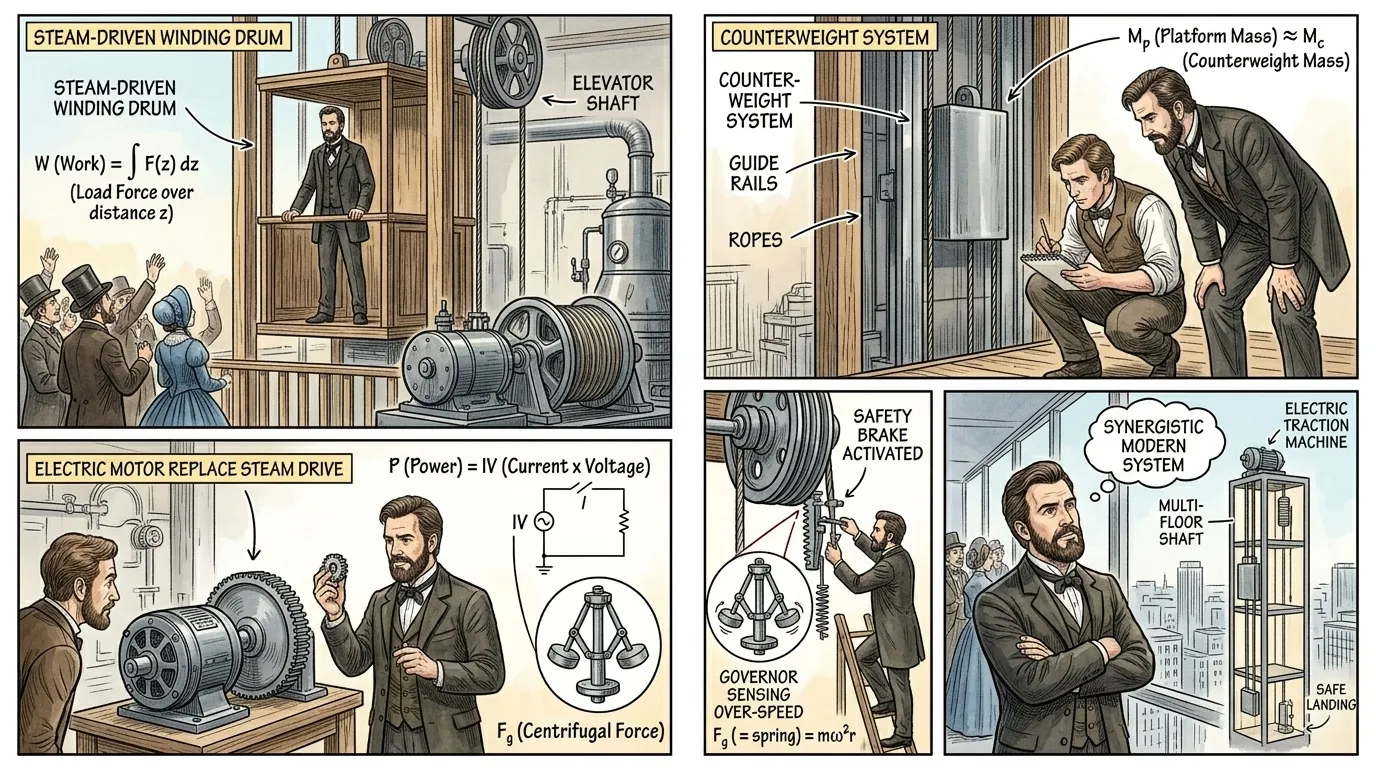
Beyond the safety brake, the full operational system of an Otis elevator evolved. Early elevators utilized steam engines to power winding drums, which in turn pulled the hoist ropes. Crucially, a counterweight system, heavier than the empty car but lighter than a loaded one, was introduced. This reduced the power needed for lifting and braking. Later, electric motors replaced steam, offering smoother, quieter operation and greater efficiency. Governors were also added, sensing overspeed and triggering the safety brake even if the rope hadn't completely broken, providing an additional layer of protection. This synergistic blend of power, counterbalancing, and redundant safety mechanisms defined the modern elevator.
Fact: page_7
Page 8
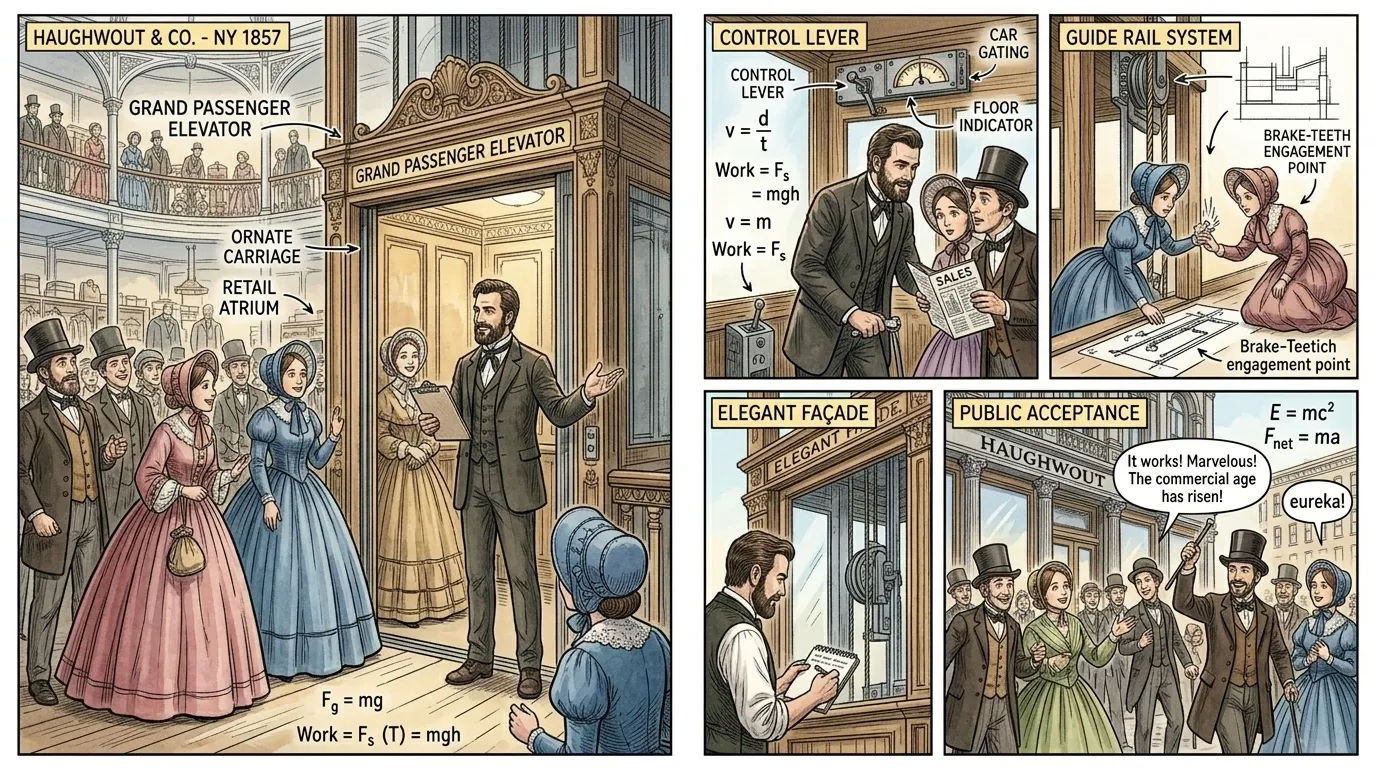
Despite the dramatic 1854 demonstration, public adoption of passenger elevators was gradual. Factories and warehouses were the initial proving grounds, where the efficiency gain outweighed initial trepidation. It was in 1857 that Otis installed the first passenger elevator in a commercial building—the E.V. Haughwout & Co. department store in New York. This marked a turning point. Shoppers, initially wary, soon embraced the novelty and convenience. The elevator transformed retail, allowing department stores to expand vertically and draw customers to upper-floor merchandise. This commercial success slowly eroded public fear, paving the way for broader acceptance and new architectural possibilities, as verticality became a marketable asset.
Fact: page_8
Page 9
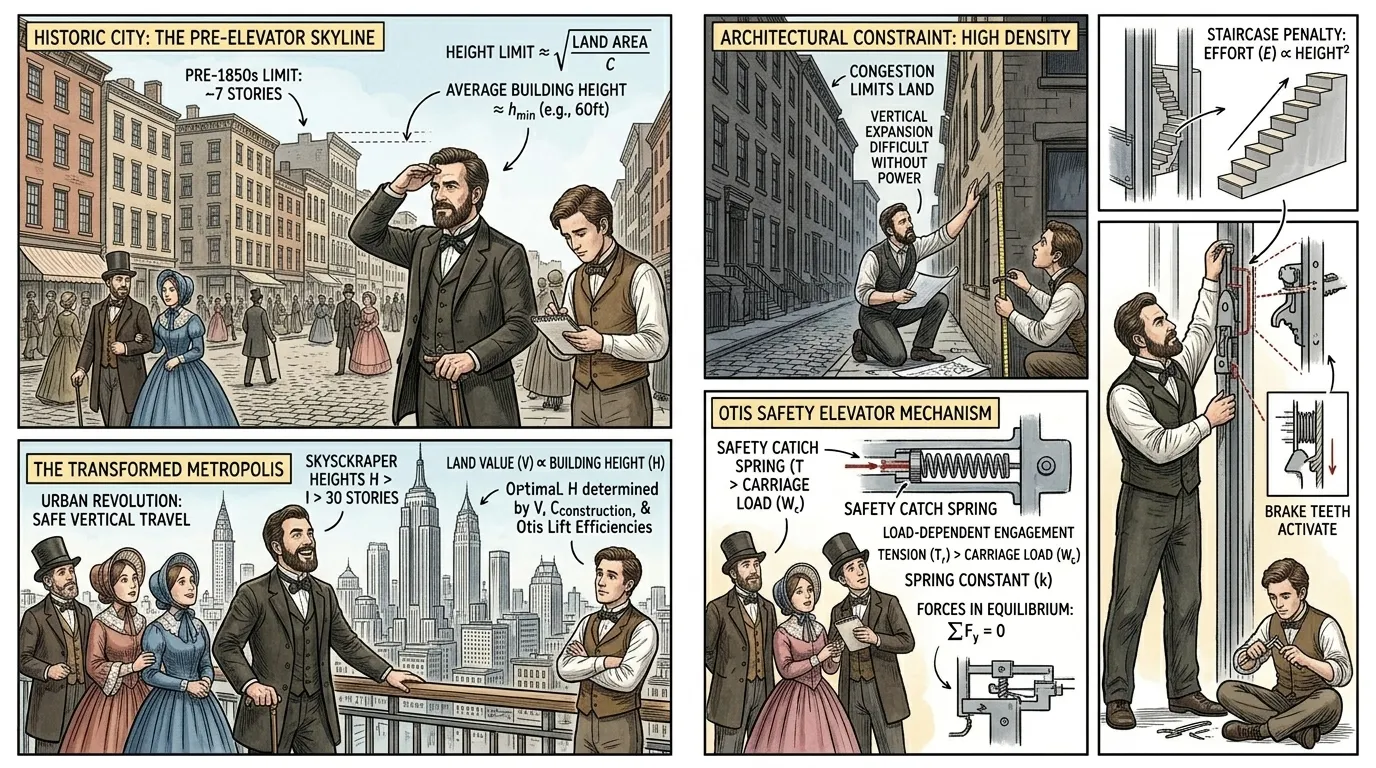
The safety elevator liberated architecture from its horizontal constraints. Previously, buildings rarely exceeded six or seven stories because the upper floors were simply too inconvenient to reach, diminishing their economic value. With reliable vertical transport, architects could envision structures that soared into the sky. Land, particularly in burgeoning cities, became exponentially more valuable as developers could multiply usable floor space without expanding their footprint. This fundamental shift catalyzed the development of the skyscraper, reshaping urban skylines and creating entirely new forms of commercial and residential living. The elevator transformed cities from sprawling, low-rise networks into dense, vertical metropolises, forever altering urban economics and social dynamics. As Louis Sullivan, the 'father of skyscrapers', might have observed decades later, 'Form ever follows function,' and the function of the elevator profoundly shaped architectural form.
Fact: page_9
Page 10
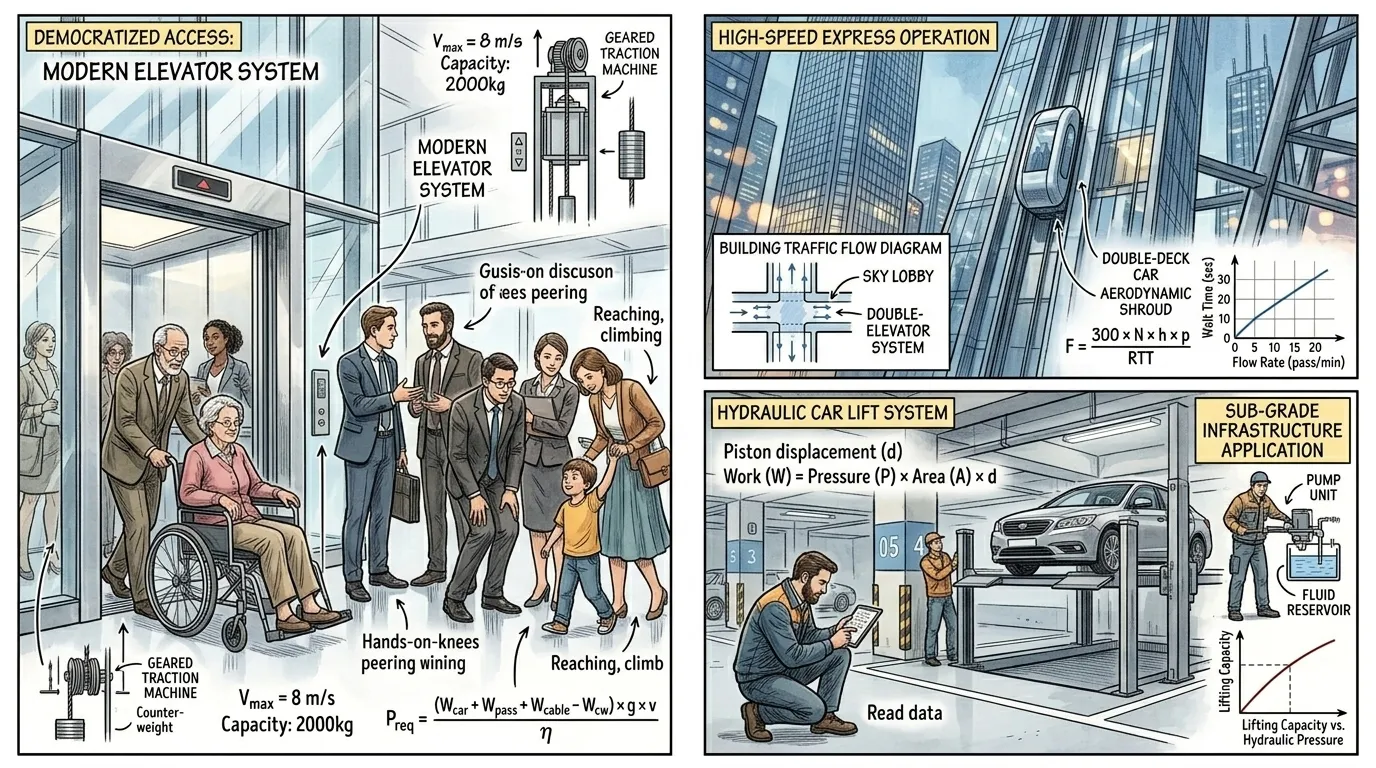
The elevator's impact extends far beyond architectural aesthetics. It democratized access to height, allowing people of all physical capabilities to navigate multi-story buildings. It enabled the creation of modern office towers, apartment complexes, and hospitals, fundamentally altering how we live, work, and interact. From the express elevators of super-tall structures to the hydraulic lifts in underground garages, Otis's invention, refined over a century and a half, remains an indispensable component of global infrastructure. It is a testament to the power of simple, elegant engineering to solve a fundamental human problem, literally elevating society to new heights and enabling the vertical cities we inhabit today. The enduring legacy is not just a mechanism, but the very fabric of modern urban existence.
Fact: page_10
About this story
- Location: Global
- Audience: general readers
Questions and answers
Read Wonder Inventions on your phone
Wonder Inventions is available on Android. Get Wonder Inventions on Google Play.