Glider

Glider — an illustrated inventions story, set in Global. 10 illustrated pages, free to read on Wonder Inventions.
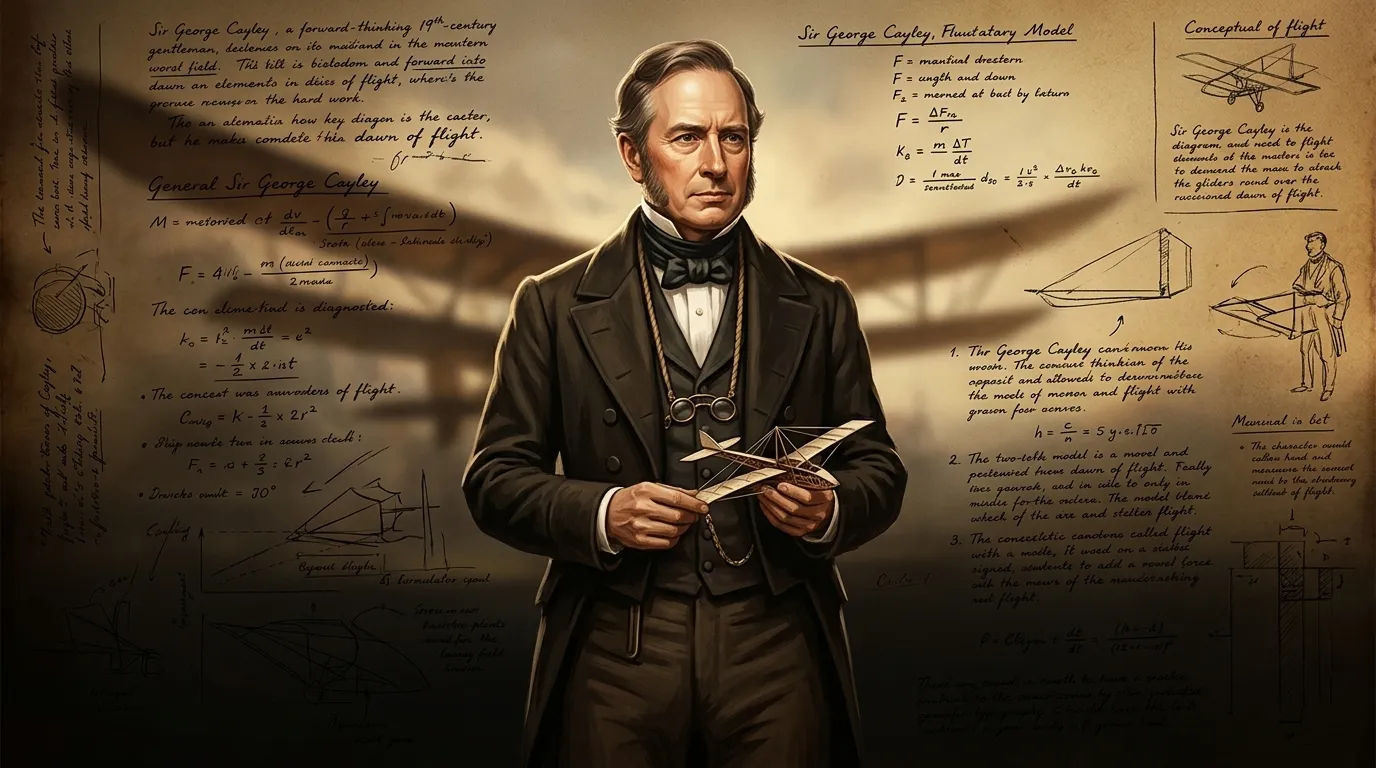
Glider — book cover — Wonder Inventions
Glider — an illustrated inventions story, set in Global. 10 illustrated pages, free to read on Wonder Inventions.

Page 1
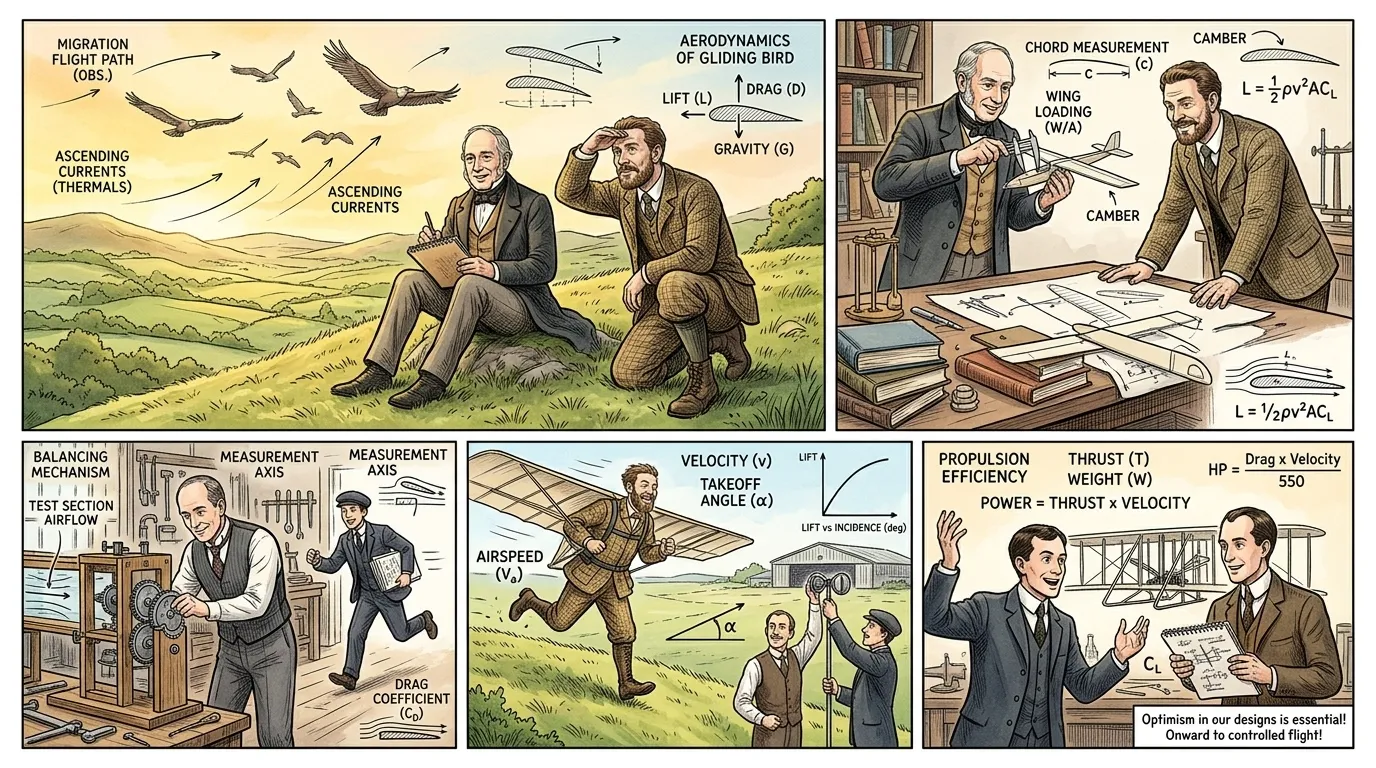
For millennia, the dream of human flight remained an elusive enigma, a challenge etched into the very fabric of imagination.
For millennia, the dream of human flight remained an elusive enigma, a challenge etched into the very fabric of imagination. Long before engines propelled us skyward, the aspiration was to emulate the birds, to ride the invisible currents of the air. This quest for soaring without power began with observation and daring, driven by individuals whose vision transcended their era.

For millennia, the dream of human flight remained an elusive enigma, a challenge etched into the very fabric of imagination. Long before engines propelled us skyward, the aspiration was to emulate the birds, to ride the invisible currents of the air. This quest for soaring without power began with observation and daring, driven by individuals whose vision transcended their era.

Page 2
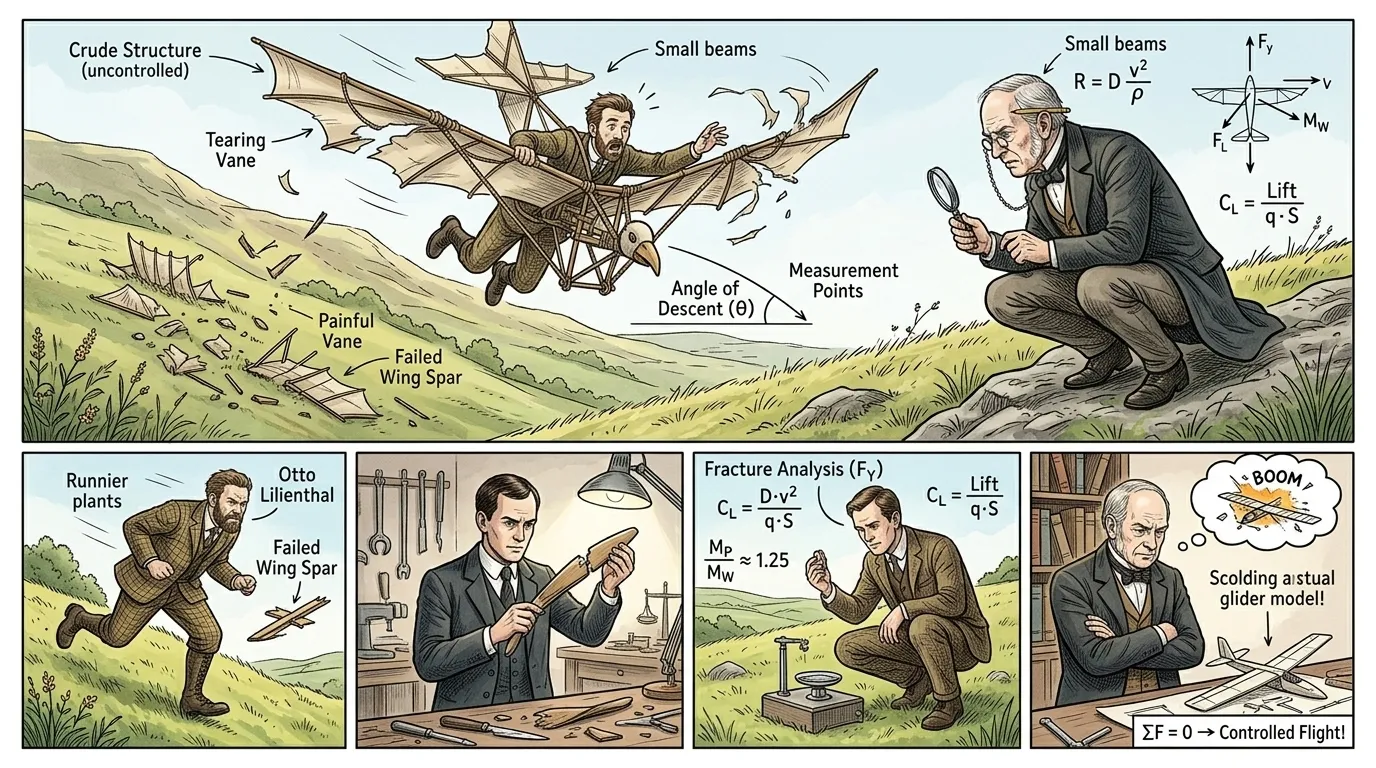
Early attempts at flight were often met with painful reality, as crude wings and untested theories succumbed to the unyielding force of gravity.
Early attempts at flight were often met with painful reality, as crude wings and untested theories succumbed to the unyielding force of gravity. Without a scientific understanding of aerodynamics or effective control, these brave but ill-fated endeavors rarely achieved more than a perilous, uncontrolled descent. The fundamental challenge lay not just in ascending, but in safely navigating the invisible forces of the atmosphere.

Early attempts at flight were often met with painful reality, as crude wings and untested theories succumbed to the unyielding force of gravity. Without a scientific understanding of aerodynamics or effective control, these brave but ill-fated endeavors rarely achieved more than a perilous, uncontrolled descent. The fundamental challenge lay not just in ascending, but in safely navigating the invisible forces of the atmosphere.

Page 3
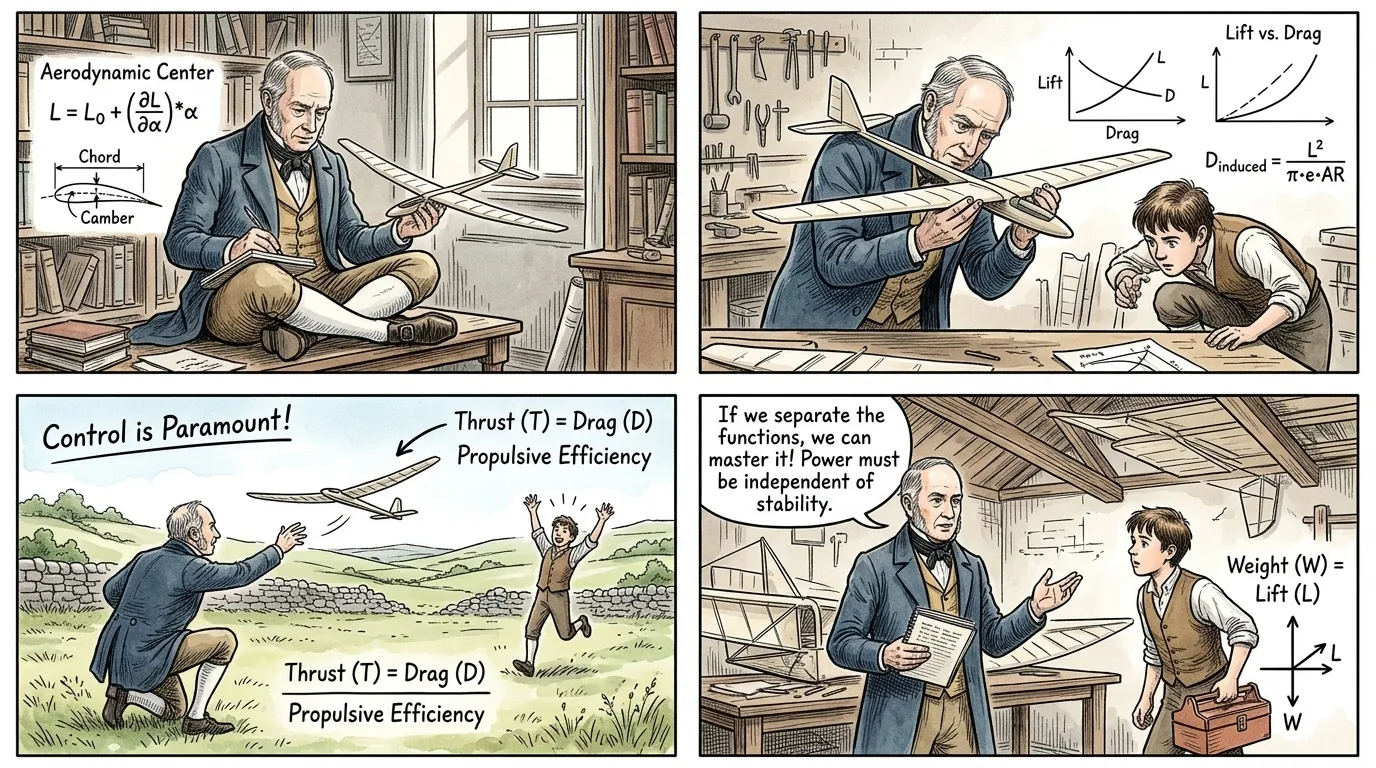
It was Sir George Cayley, an English engineer and inventor, who meticulously began to dissect the problem of flight, establishing the scientific principles…
It was Sir George Cayley, an English engineer and inventor, who meticulously began to dissect the problem of flight, establishing the scientific principles necessary for controlled aerial motion. Through careful observation and experimentation in the early 19th century, Cayley articulated the distinct forces of lift, drag, and thrust, theorizing the modern fixed-wing aircraft.

It was Sir George Cayley, an English engineer and inventor, who meticulously began to dissect the problem of flight, establishing the scientific principles necessary for controlled aerial motion. Through careful observation and experimentation in the early 19th century, Cayley articulated the distinct forces of lift, drag, and thrust, theorizing the modern fixed-wing aircraft. He understood that sustainable flight demanded separate systems for these forces, a crucial intellectual leap.

"'I have been amused with these machines at intervals for the last twenty years,' Sir George Cayley remarked in 1809, observing a model glider, underscoring his enduring dedication to solving the mysteries of aerial navigation."

Page 4
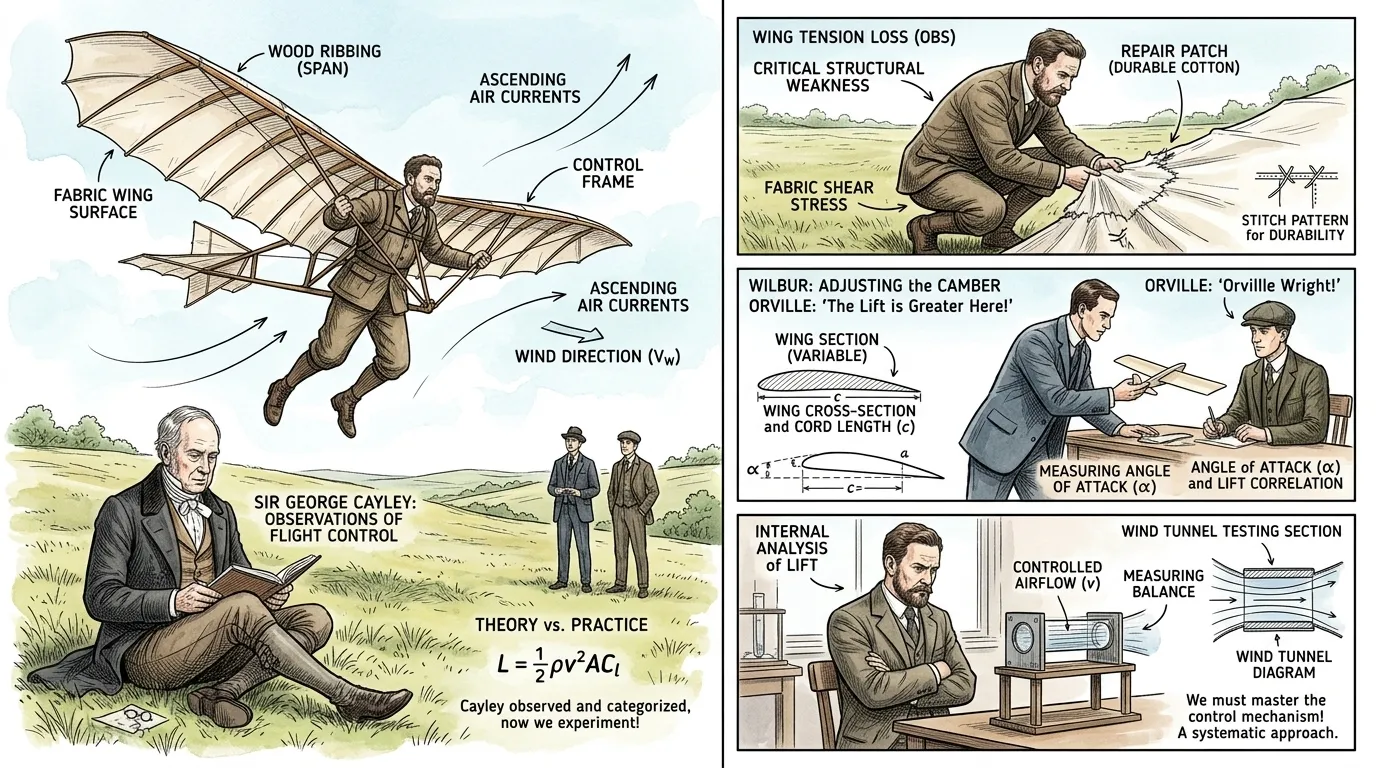
Decades later, in the late 19th century, German engineer Otto Lilienthal transformed theory into practical demonstration, becoming known as the 'Flying Man' for…
Decades later, in the late 19th century, German engineer Otto Lilienthal transformed theory into practical demonstration, becoming known as the 'Flying Man' for his systematic and daring glider experiments. Lilienthal's ambition was not merely to fly, but to understand and master the wind through rigorous testing and meticulously recorded data. His groundbreaking flights proved that human-controlled, heavier-than-air flight was achievable.

Decades later, in the late 19th century, German engineer Otto Lilienthal transformed theory into practical demonstration, becoming known as the 'Flying Man' for his systematic and daring glider experiments. Lilienthal's ambition was not merely to fly, but to understand and master the wind through rigorous testing and meticulously recorded data. His groundbreaking flights proved that human-controlled, heavier-than-air flight was achievable.

Page 5
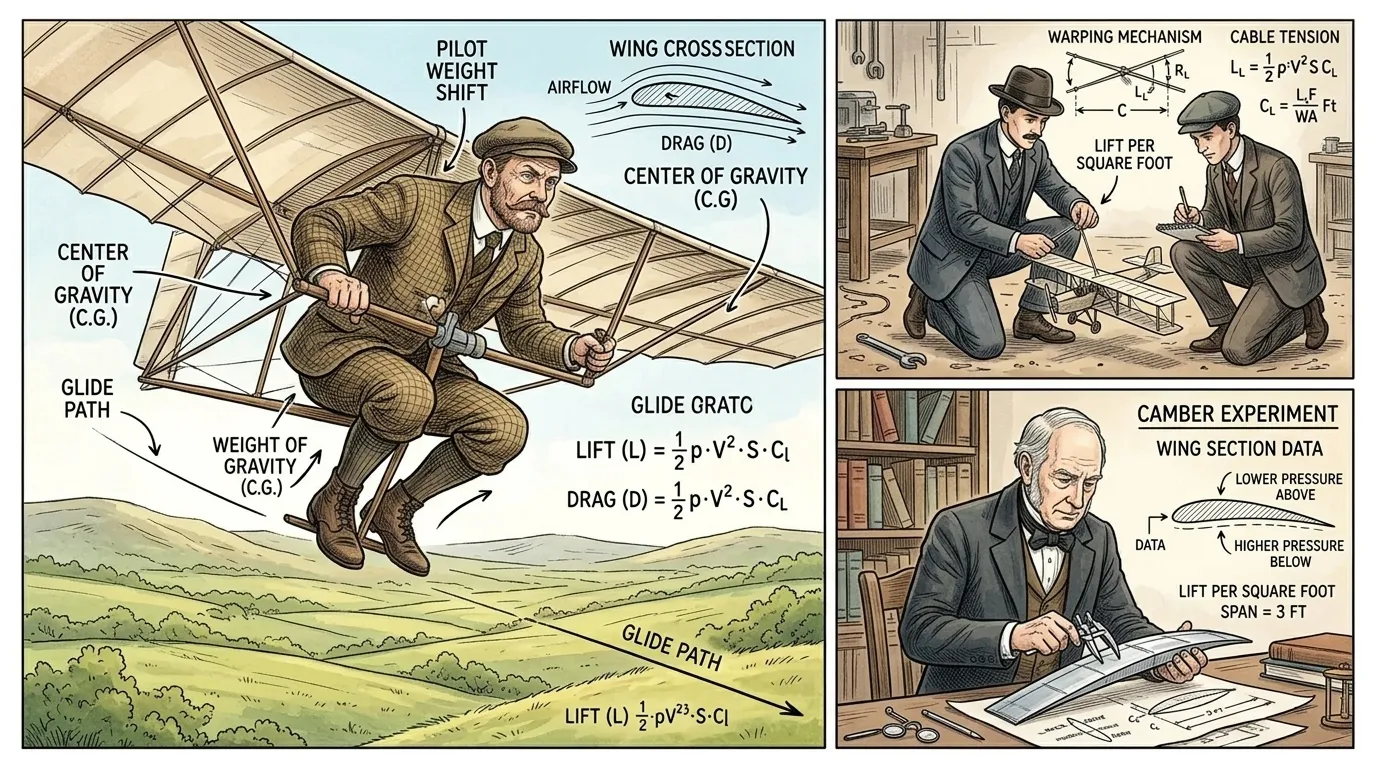
Lilienthal's success stemmed from his profound understanding of wing profiles, specifically the cambered, or curved, wing, which creates differential airflow…
Lilienthal's success stemmed from his profound understanding of wing profiles, specifically the cambered, or curved, wing, which creates differential airflow and generates lift. By observing birds and testing numerous wing shapes, he empirically proved how air passing over a curved surface creates lower pressure above the wing and higher pressure below, pushing the glider upwards.

Lilienthal's success stemmed from his profound understanding of wing profiles, specifically the cambered, or curved, wing, which creates differential airflow and generates lift. By observing birds and testing numerous wing shapes, he empirically proved how air passing over a curved surface creates lower pressure above the wing and higher pressure below, pushing the glider upwards. His control method relied on the pilot shifting their body weight, a rudimentary but effective way to maintain balance.

Page 6
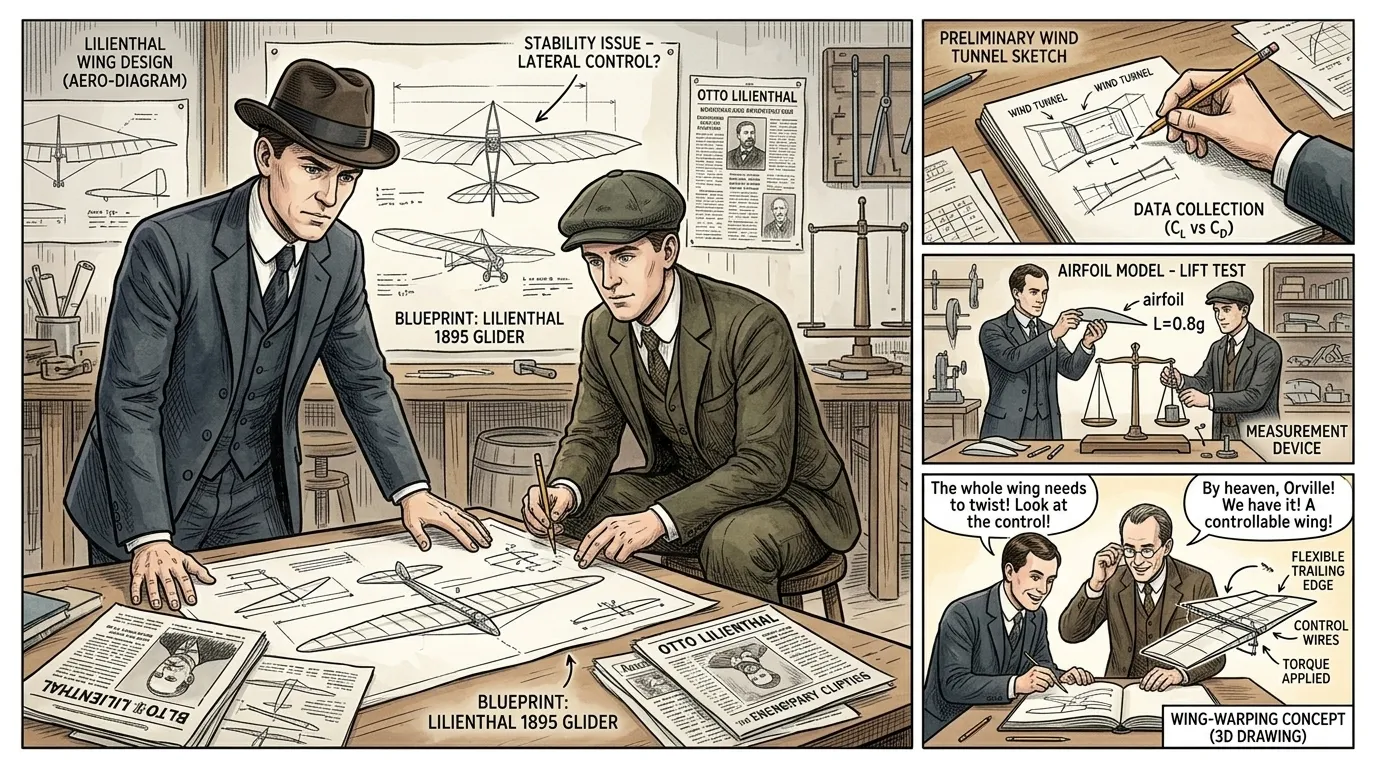
Despite Lilienthal's advances, his method of weight-shift control proved unstable and perilous for larger, more complex machines, tragically costing him his…
Despite Lilienthal's advances, his method of weight-shift control proved unstable and perilous for larger, more complex machines, tragically costing him his life. It was the American brothers Orville and Wilbur Wright who, inspired by Lilienthal but determined to overcome this critical flaw, embarked on their own meticulous research into aircraft control. They recognized that true flight stability required active manipulation of the flight surfaces.

Despite Lilienthal's advances, his method of weight-shift control proved unstable and perilous for larger, more complex machines, tragically costing him his life. It was the American brothers Orville and Wilbur Wright who, inspired by Lilienthal but determined to overcome this critical flaw, embarked on their own meticulous research into aircraft control. They recognized that true flight stability required active manipulation of the flight surfaces.

Page 7
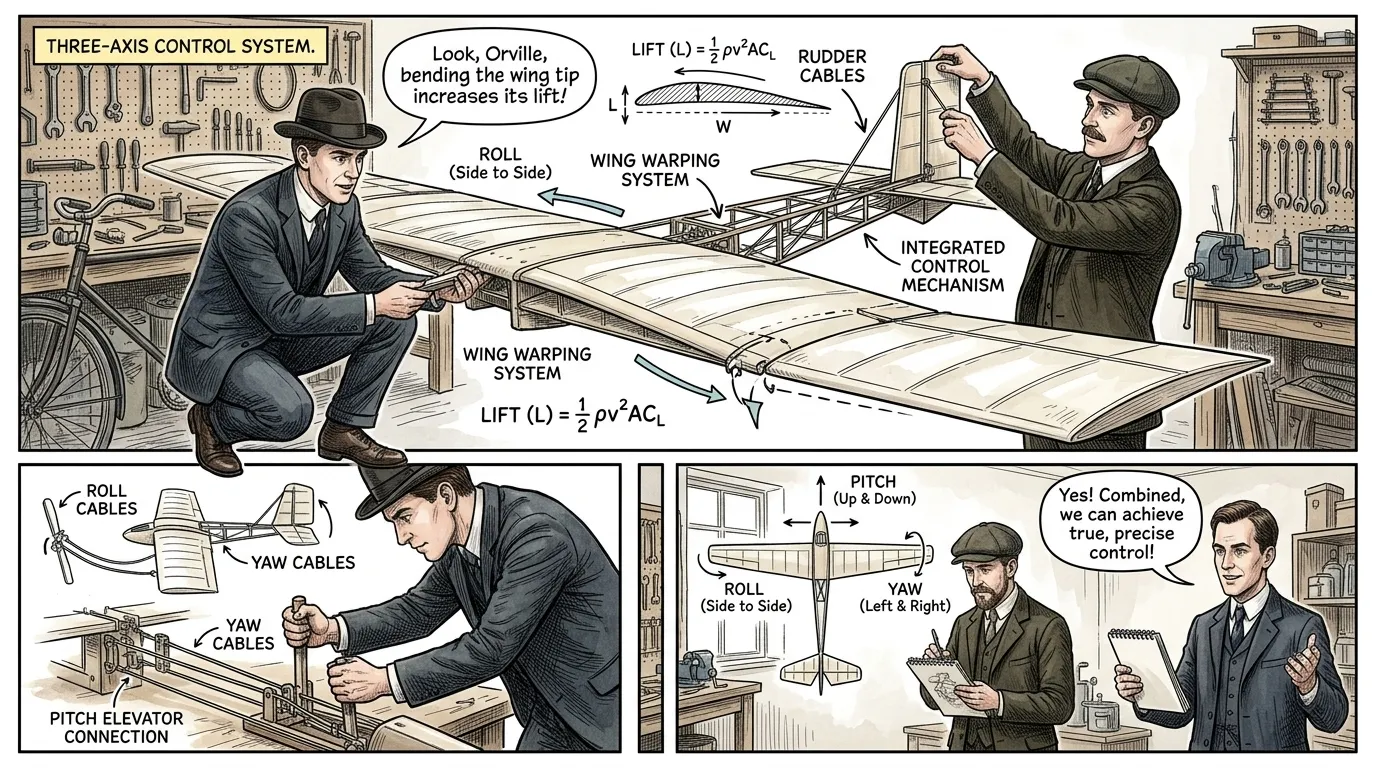
The Wright brothers' pivotal innovation was the development of three-axis control: pitch (up and down), roll (side to side), and yaw (left and right).
The Wright brothers' pivotal innovation was the development of three-axis control: pitch (up and down), roll (side to side), and yaw (left and right). They devised a system of wing warping for roll, a movable rudder for yaw, and an elevator for pitch, all interconnected to allow a pilot to precisely manipulate the glider's orientation in all directions. This holistic approach to dynamic stability transformed uncontrolled descent into controlled flight.

The Wright brothers' pivotal innovation was the development of three-axis control: pitch (up and down), roll (side to side), and yaw (left and right). They devised a system of wing warping for roll, a movable rudder for yaw, and an elevator for pitch, all interconnected to allow a pilot to precisely manipulate the glider's orientation in all directions. This holistic approach to dynamic stability transformed uncontrolled descent into controlled flight.

Page 8
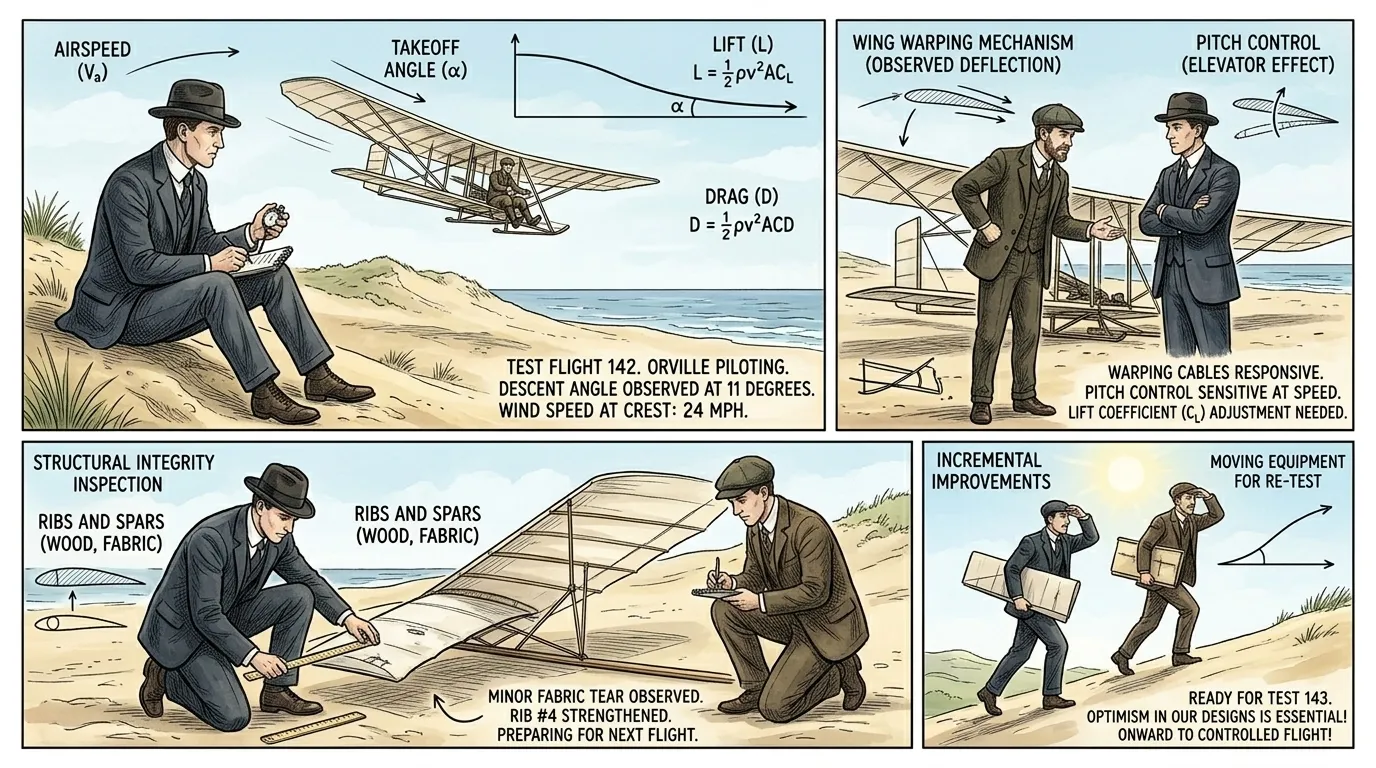
At Kill Devil Hills, North Carolina, the Wright brothers meticulously tested their gliders between 1900 and 1902, making hundreds of flights and refining their…
At Kill Devil Hills, North Carolina, the Wright brothers meticulously tested their gliders between 1900 and 1902, making hundreds of flights and refining their control systems. These gliders were not ends in themselves, but essential aerodynamic laboratories, allowing them to gather data and perfect their techniques for sustained, powered flight. The vast, sandy dunes provided a safe, forgiving environment for countless experiments and incremental improvements.

At Kill Devil Hills, North Carolina, the Wright brothers meticulously tested their gliders between 1900 and 1902, making hundreds of flights and refining their control systems. These gliders were not ends in themselves, but essential aerodynamic laboratories, allowing them to gather data and perfect their techniques for sustained, powered flight. The vast, sandy dunes provided a safe, forgiving environment for countless experiments and incremental improvements.

Page 9
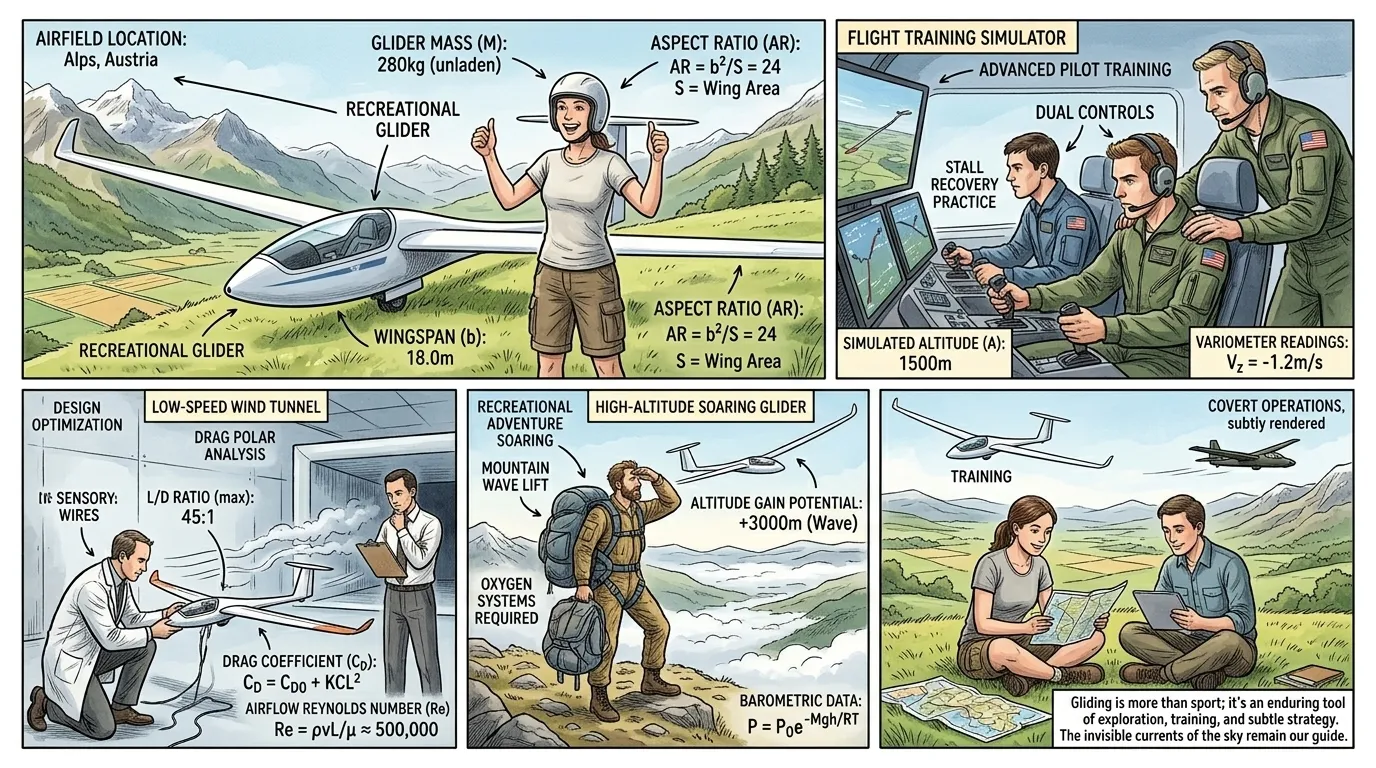
After the Wrights' ultimate success with powered flight, the glider's significance continued to evolve, transitioning from a mere experimental platform to a…
After the Wrights' ultimate success with powered flight, the glider's significance continued to evolve, transitioning from a mere experimental platform to a specialized aircraft with diverse applications. Its silent, efficient flight capabilities found purpose in recreational sport, advanced pilot training, and even covert military operations during wartime, demonstrating the enduring value of mastering unpowered flight.

After the Wrights' ultimate success with powered flight, the glider's significance continued to evolve, transitioning from a mere experimental platform to a specialized aircraft with diverse applications. Its silent, efficient flight capabilities found purpose in recreational sport, advanced pilot training, and even covert military operations during wartime, demonstrating the enduring value of mastering unpowered flight. The glider offered an intimate connection with the invisible currents of the sky.

Page 10
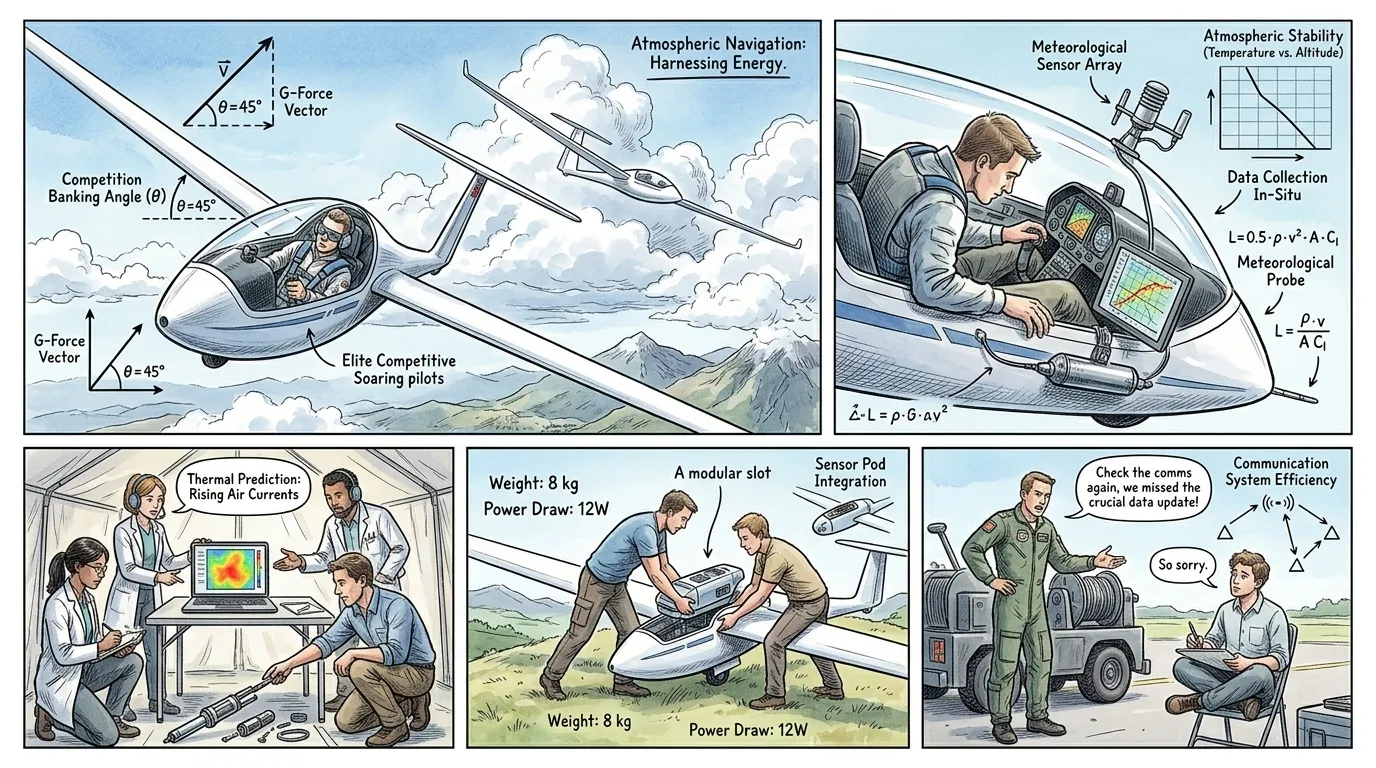
Today, gliders continue to captivate and serve humanity, from elite competitive soaring that pushes the boundaries of atmospheric navigation to critical roles…
Today, gliders continue to captivate and serve humanity, from elite competitive soaring that pushes the boundaries of atmospheric navigation to critical roles in meteorological research. They represent the purest form of flight, harnessing the energy of the atmosphere without combustion. The legacy of the glider is one of profound innovation, proving that understanding natural forces can lead to some of humanity's most elegant and enduring achievements in mobility.

Today, gliders continue to captivate and serve humanity, from elite competitive soaring that pushes the boundaries of atmospheric navigation to critical roles in meteorological research. They represent the purest form of flight, harnessing the energy of the atmosphere without combustion. The legacy of the glider is one of profound innovation, proving that understanding natural forces can lead to some of humanity's most elegant and enduring achievements in mobility.

About this story

  • Location: Global
  • Audience: general readers

Questions and answers

Questions and answers about Glider

Read Wonder Inventions on your phone

Wonder Inventions is available on Android. Get Wonder Inventions on Google Play.

More Wonder Inventions stories

All Wonder Inventions stories · Open the library