Glucose Meter
Glucose Meter — an illustrated inventions story, set in Global. 10 illustrated pages, free to read on Wonder Inventions.
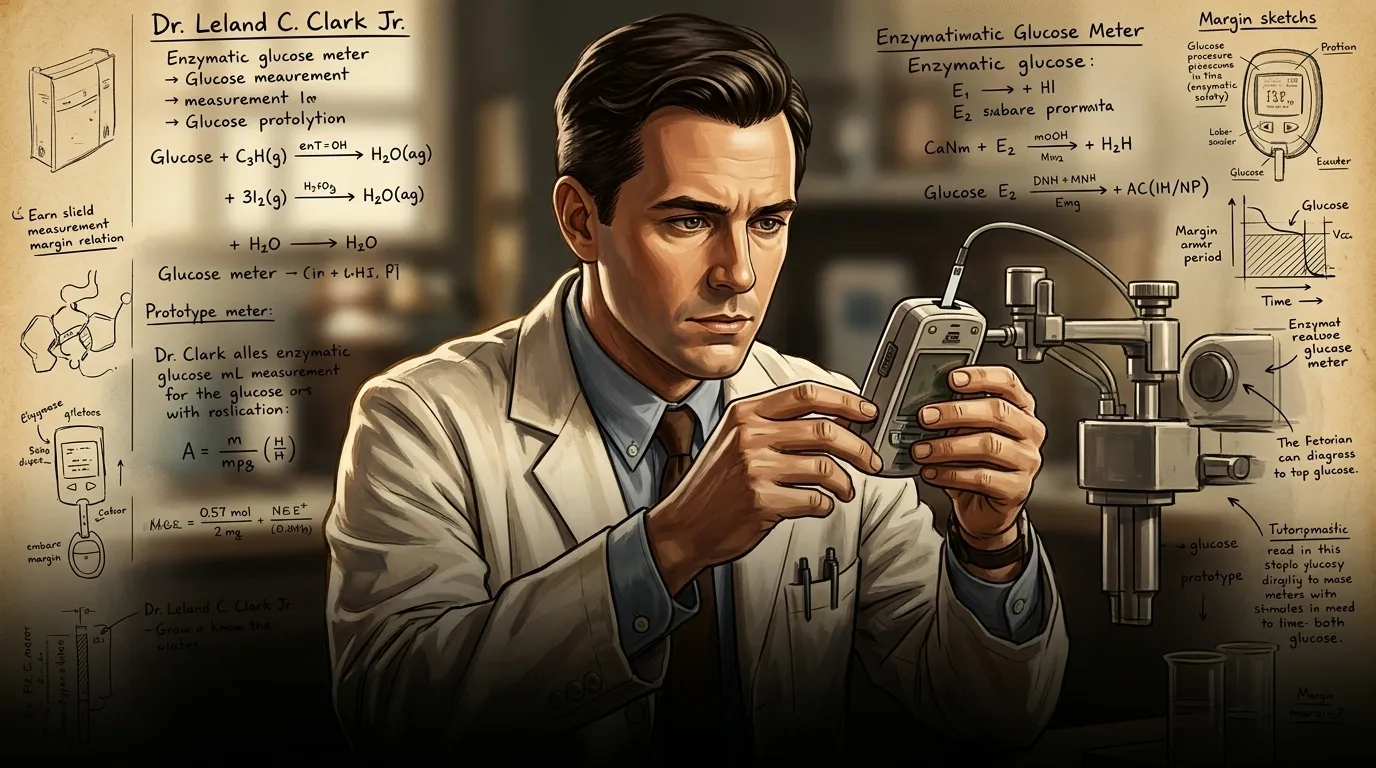
Page 1
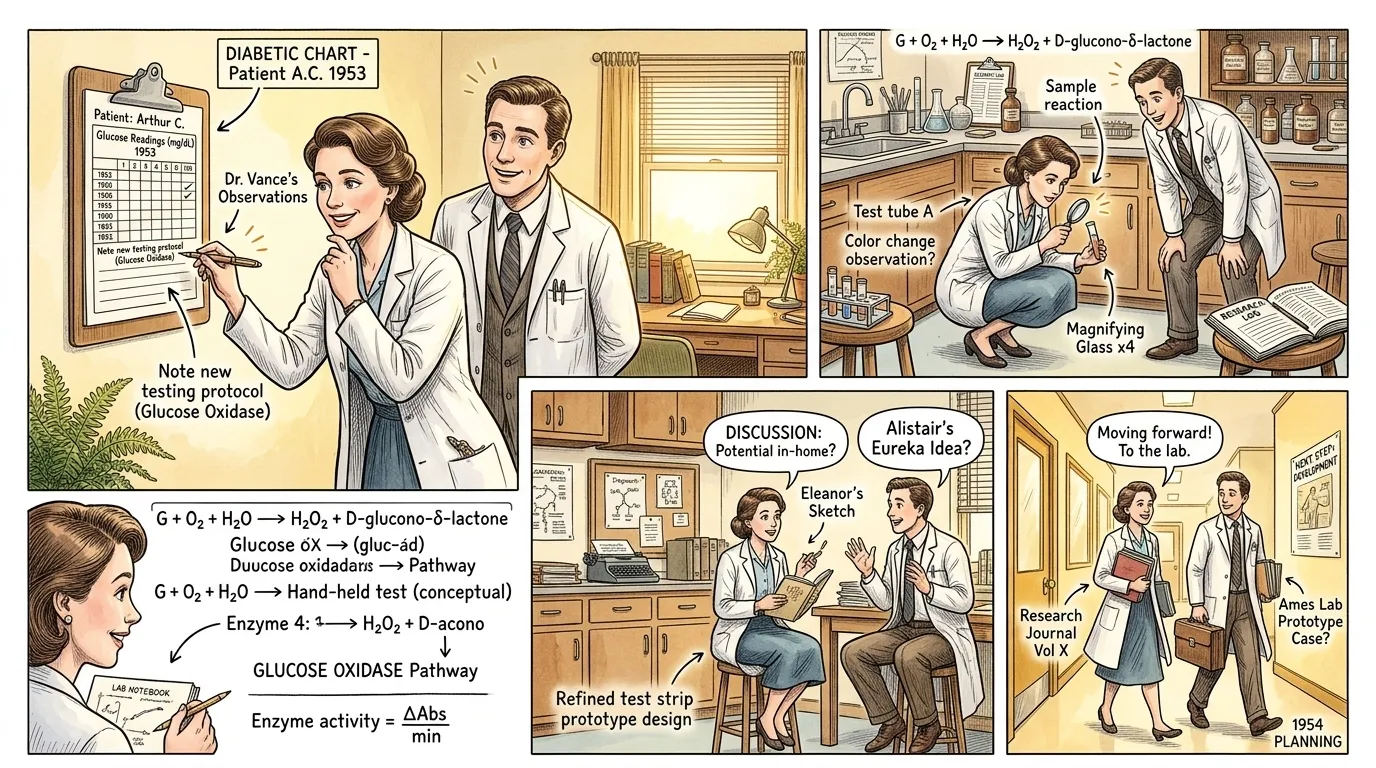
Before the advent of readily available glucose meters, individuals living with diabetes faced a precarious daily existence, navigating their condition with limited information. Managing insulin dosages was a constant gamble, a delicate balance between life-threatening hyperglycemia and debilitating hypoglycemia. Dr. Leland C. Clark Jr.'s pioneering work on the oxygen electrode in 1956 would lay an unexpected foundation for a transformative solution, fundamentally altering the trajectory of diabetes care.
"Dr. Eleanor Vance, a physician from the era, remarked to a colleague, 'The data we need for truly effective diabetes management remains frustratingly out of reach. We observe, we react, but we can't truly predict.' Her colleague, Dr. Alistair Finch, nodded gravely, 'Indeed, Dr. Vance. As the Roman philosopher Seneca once observed, 'To be everywhere is to be nowhere.' Our patients are everywhere, but the precise monitoring they desperately need is nowhere to be found, leaving them in constant peril.'"
Page 2
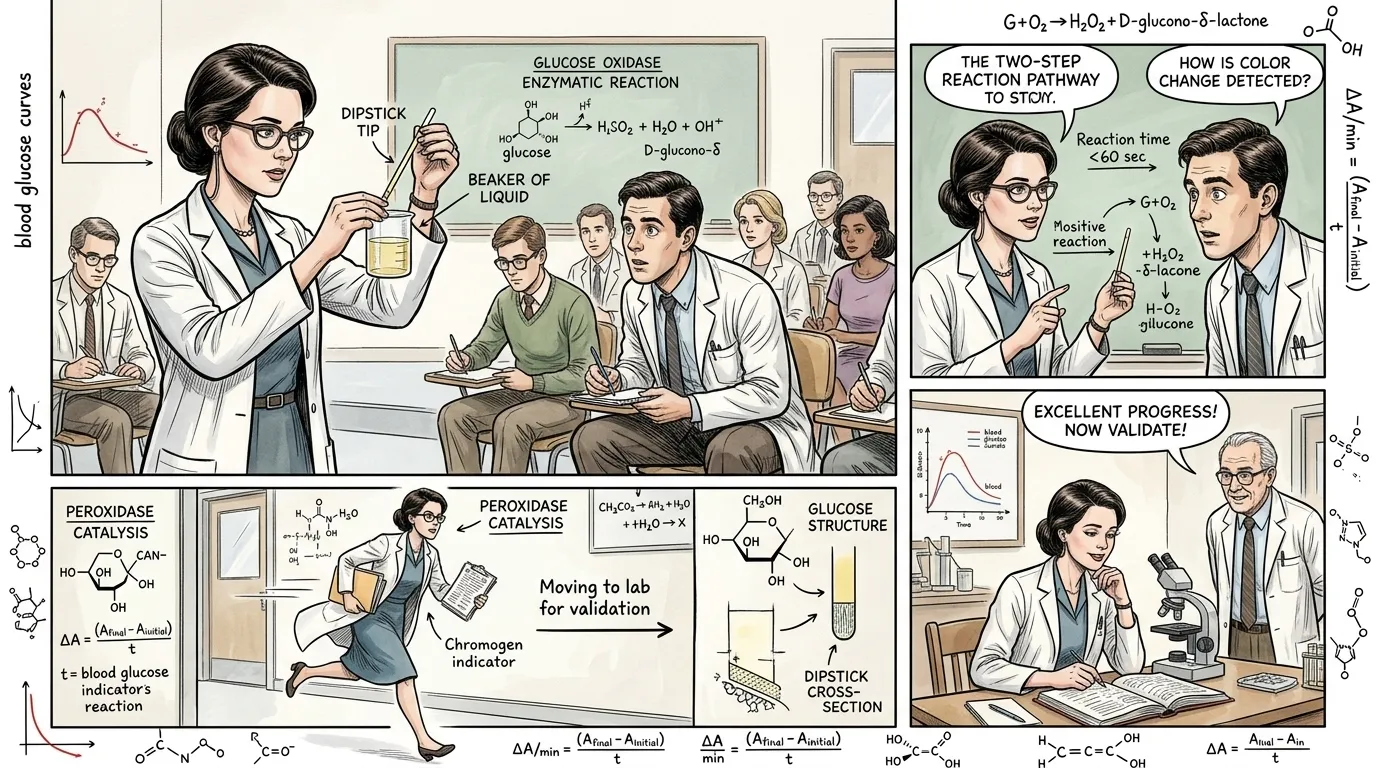
For decades, the primary method for diabetics to assess their glucose levels at home involved urine tests, a crude and indirect measure of blood sugar. These strips reacted to glucose in urine, providing only a historical snapshot of levels hours earlier, not real-time data essential for immediate insulin adjustments. Comprehensive blood glucose tests remained confined to clinical laboratories, requiring venous blood draws and days for results to return.
"A leading endocrinologist, Dr. Sophia Bennett, explained to a group of medical students in 1965, 'These urine dipsticks, while better than nothing, only tell us what was happening, not what is happening. It's like navigating a ship by looking at the wake it left an hour ago.' One student, Mr. Davies, asked, 'But what about blood tests, Doctor?' Dr. Bennett sighed, 'They are precise, yes, but laborious. Our patients need immediate feedback, not a retrospective analysis. The core problem is the enzymatic reaction: glucose oxidase. It consumes oxygen when it oxidizes glucose. If we could just measure that oxygen consumption precisely, in real-time, that would be the key.'"
Page 3
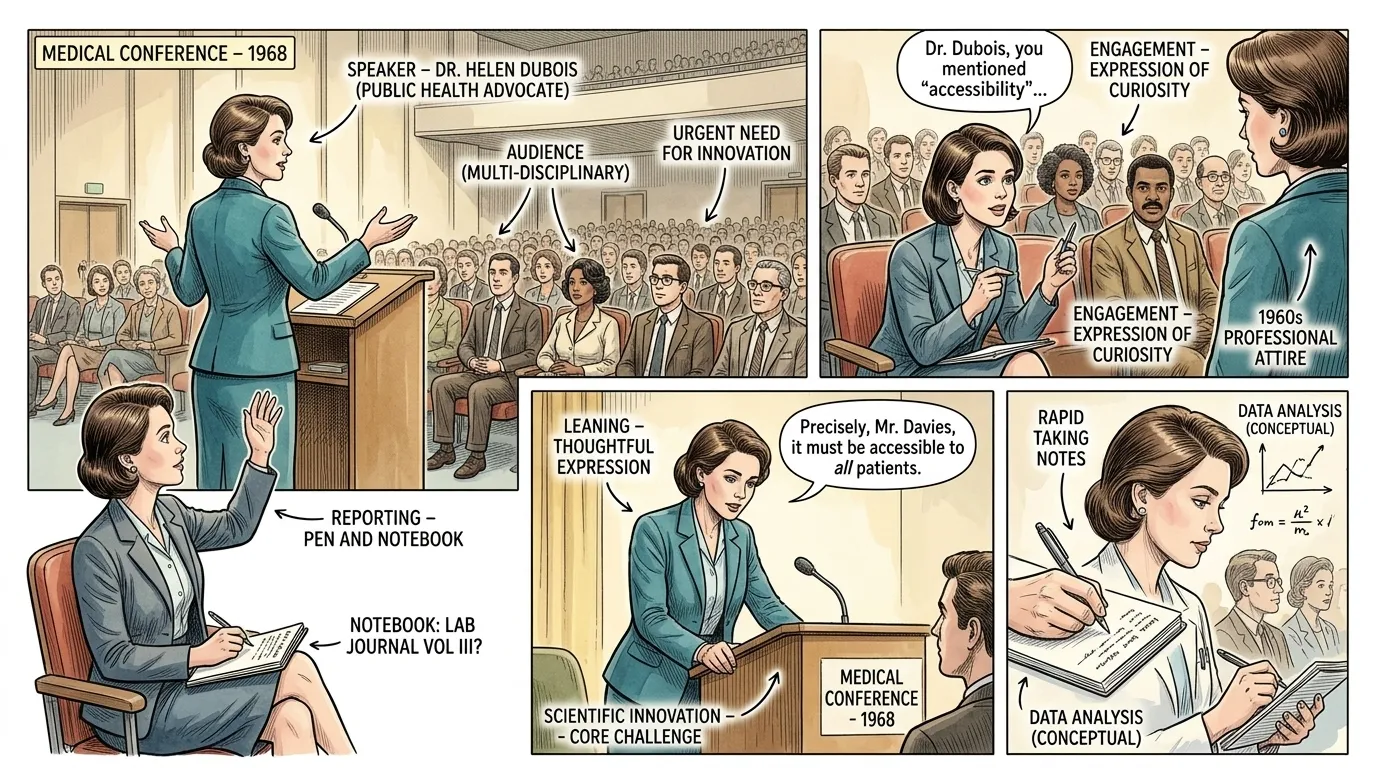
The limitations of existing glucose monitoring methods meant diabetics lived on a precarious tightrope, constantly risking acute crises. Hypoglycemia, a sudden drop in blood sugar, could lead to confusion, seizures, or coma, while prolonged hyperglycemia contributed to devastating long-term complications affecting the eyes, kidneys, and nerves. The medical community recognized the desperate need for a tool that could provide accurate, real-time blood glucose measurements, empowering patients to make informed decisions about their health moment by moment.
"At a medical conference in 1968, Dr. Helen Dubois, a public health advocate, passionately declared, 'We are failing our patients. Their lives are a constant guessing game with profound consequences. We need precision, immediacy, and accessibility!' A journalist in the audience raised her hand, 'Doctor, what is the greatest challenge to achieving this?' Dr. Dubois replied, 'The challenge, as Louis Pasteur once stated, is that 'Chance favors the prepared mind.' We need minds prepared to bridge complex biochemistry with practical engineering, to deliver a simple, reliable measurement device to every home. Without it, the burden of managing diabetes is crushing, and the risk of severe complications remains unacceptably high.'"
Page 4
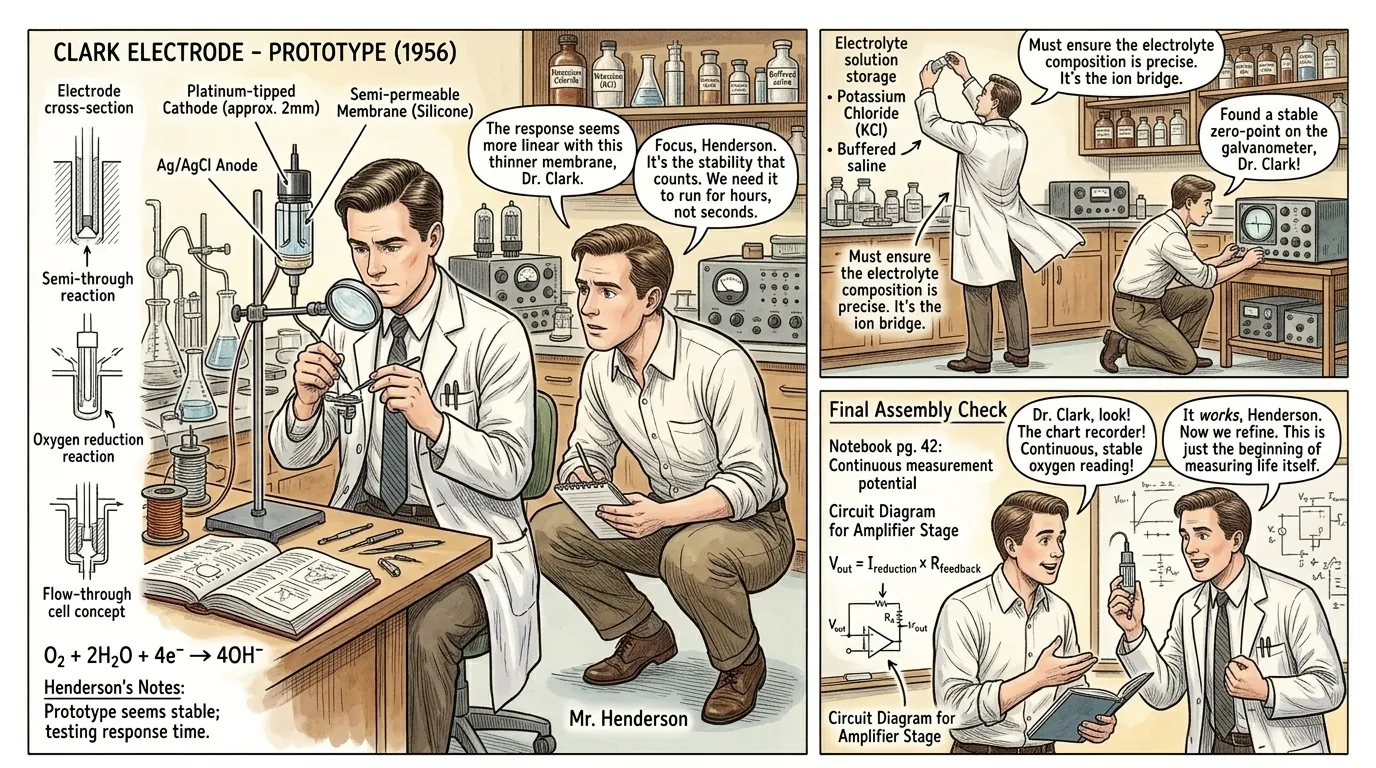
The path to the glucose meter took an unexpected turn in 1956, not directly from diabetes research, but from the visionary work of Dr. Leland C. Clark Jr., a bioengineer at Antioch College. Dr. Clark sought to develop a stable and accurate method for measuring oxygen levels in blood and tissue, a fundamental need in medical research and clinical care. His invention, the 'Clark electrode,' was a groundbreaking electrochemical sensor capable of precise oxygen quantification, a mechanism that would serendipitously become the cornerstone for a new generation of biosensors.
"In his cluttered lab in 1956, Dr. Clark, a man with neatly combed dark hair and a studious gaze, meticulously adjusted a prototype. He muttered to his assistant, 'This membrane is key. It allows oxygen to pass but shields the platinum from other interfering substances. We're directly measuring electron transfer as oxygen is consumed at the cathode. This isn't just about oxygen; it's about the fundamental principle of selective measurement.' His assistant, Mr. Henderson, inquired, 'And what do you foresee as its greatest application, Doctor?' Dr. Clark replied thoughtfully, 'To quote the ancient Greek philosopher Aristotle, 'The whole is greater than the sum of its parts.' We've built a part here, a precise oxygen sensor. Its true potential will emerge when it's combined with other elements to measure what we cannot yet imagine.'"
Page 5
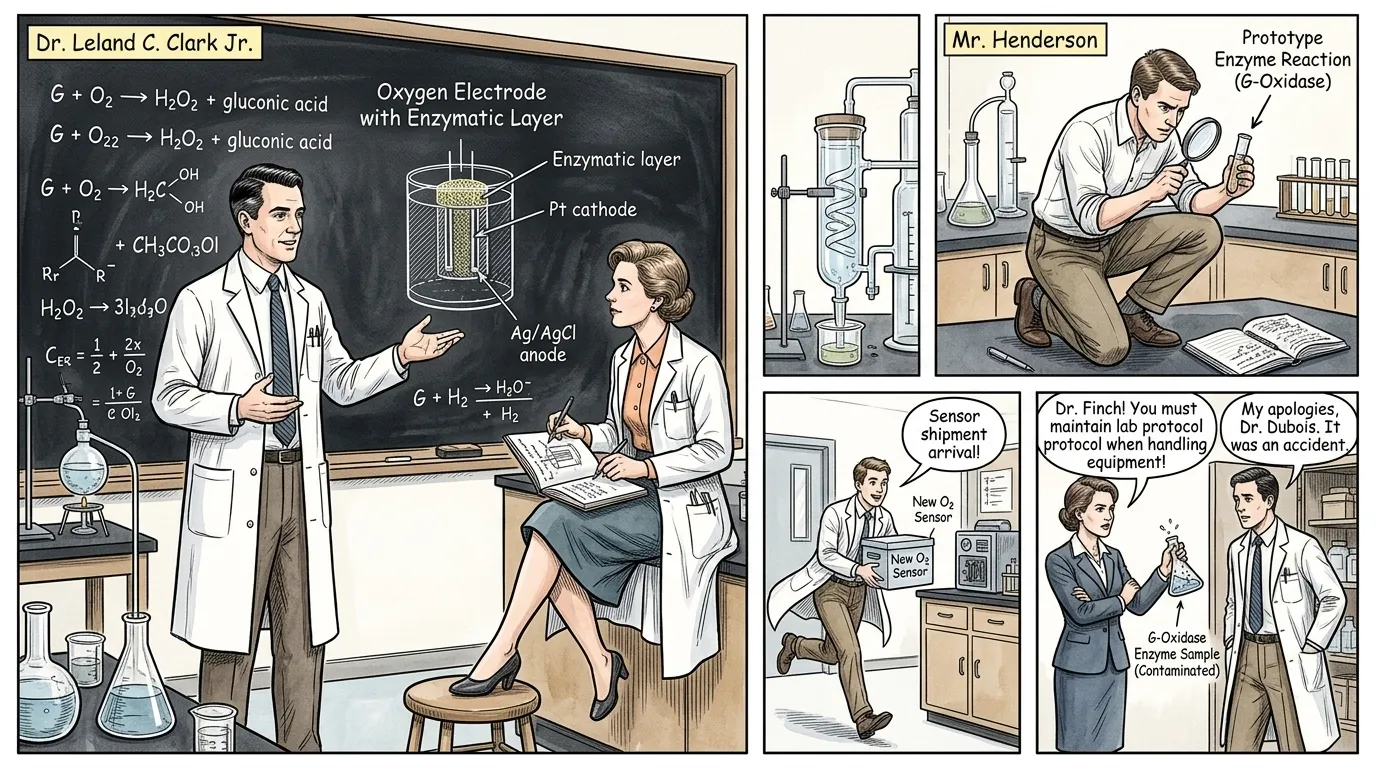
The true genius of Dr. Clark's work lay in its adaptability. He realized that if an enzyme, such as glucose oxidase, could be immobilized onto the surface of his oxygen electrode, the enzyme's reaction with its substrate (glucose) would consume oxygen. By measuring the subsequent decrease in oxygen concentration, the amount of glucose present could be indirectly but accurately quantified. This 'Clark Electrode' principle, combined with enzymatic reactions, marked the birth of the modern biosensor, opening the door for precise glucose measurement outside traditional laboratory settings.
"In a 1962 research seminar, Dr. Clark presented his findings. He explained, 'Imagine this: we take our sensitive oxygen electrode, and we cover it with a special membrane where the enzyme glucose oxidase is trapped. When glucose from a sample passes through, the enzyme reacts with it, consuming oxygen in the process. The less oxygen we measure, the more glucose was initially present. It's an elegant transduction method.' A colleague from the audience, Dr. Evelyn Reed, commented, 'So, the oxygen electrode becomes a 'glucose detector' through this enzymatic layer? This is profound, Dr. Clark. This principle could revolutionize diagnostics!'"
Page 6
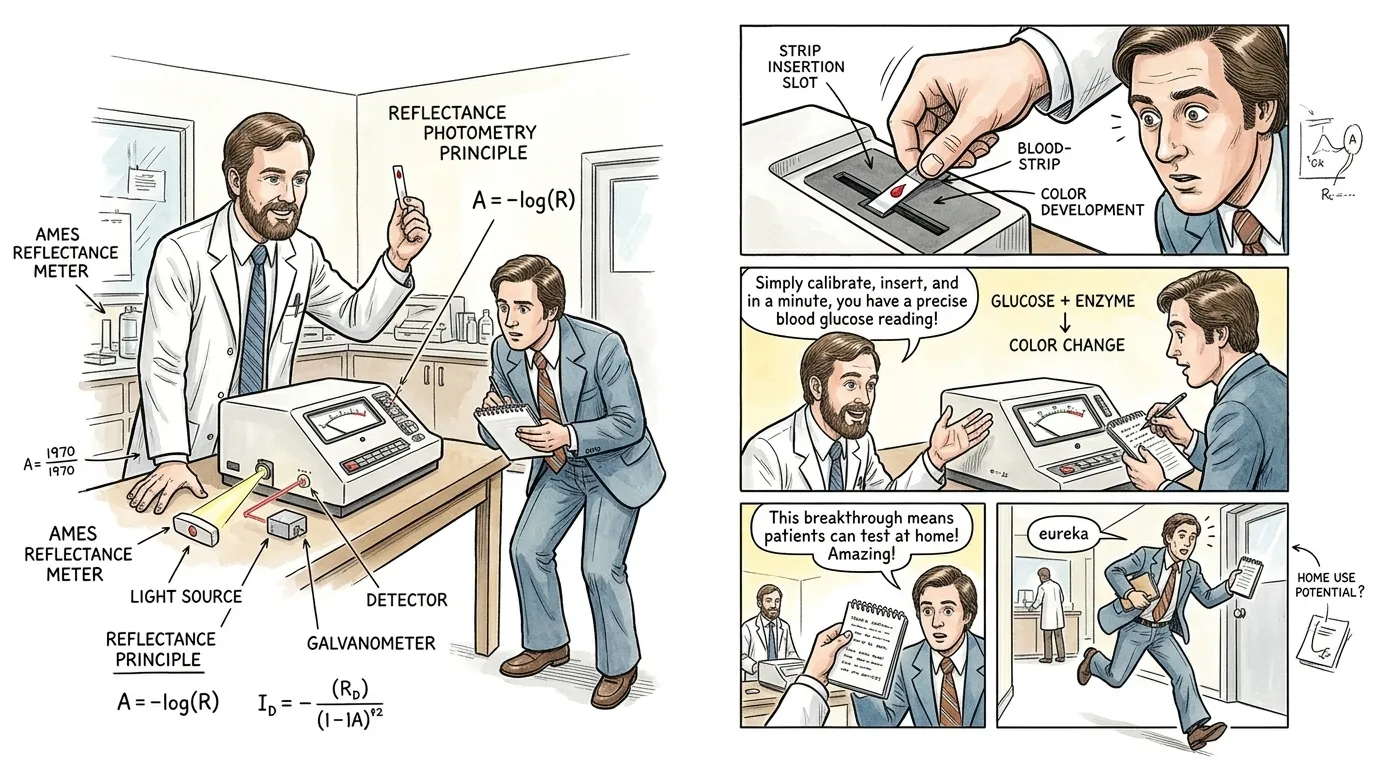
While Clark's work laid the electrochemical groundwork, the challenge of creating a truly portable device for home use remained. In 1970, Anton H. Clemens at the Ames Company (later Bayer Diagnostics) achieved a significant breakthrough with the introduction of the Ames Reflectance Meter. This device, initially designed for clinics and later adapted for home use, utilized test strips coated with glucose oxidase and other reagents. Blood was applied to the strip, reacting to produce a color change, and the meter measured the intensity of this reflected color, correlating it to glucose concentration.
"Anton H. Clemens, a determined engineer with a neatly trimmed beard, proudly demonstrated the Ames Reflectance Meter in 1970. He stated, 'We've brought the lab to the patient, albeit in a slightly larger format for now. The principle is elegant: a drop of blood on this reagent strip causes a color change proportional to glucose. Our meter then shines a light onto the strip and measures the light reflected back. It's essentially a miniature spectrophotometer for glucose.' A reporter asked, 'Mr. Clemens, how does this empower patients?' Clemens replied, 'It empowers them with knowledge. As Isaac Asimov famously said, 'The saddest aspect of life right now is that science gathers knowledge faster than society gathers wisdom.' We aim to give society the wisdom of immediate data, right at their fingertips.'"
Page 7
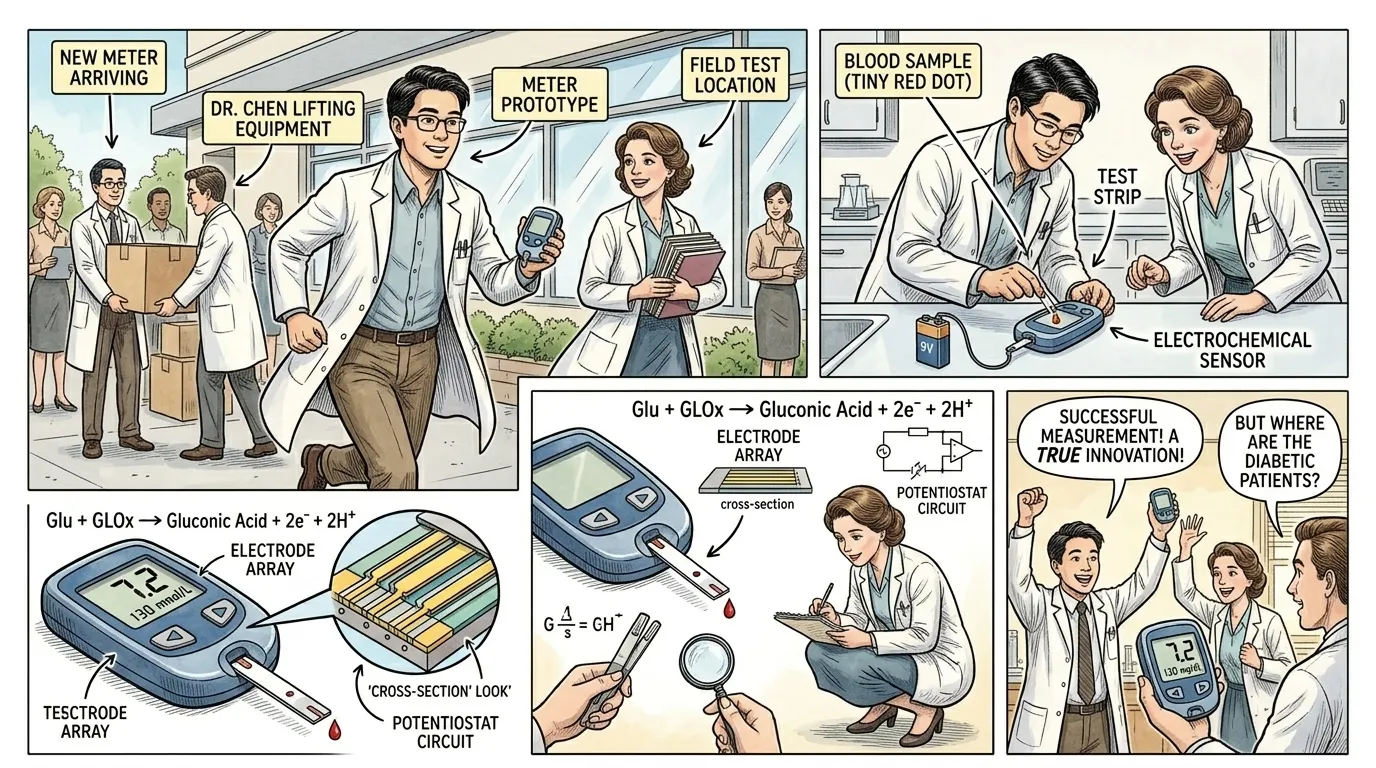
The subsequent evolution of the glucose meter moved from reflectance technology to electrochemical principles, building directly on Clark's biosensor foundation. Modern electrochemical meters apply a tiny blood sample to a test strip containing enzymes and electrodes. The reaction between glucose and the enzyme generates a small electrical current, which the meter precisely measures. The magnitude of this current is directly proportional to the glucose concentration, offering unparalleled accuracy, faster results, and enabling the significant miniaturization that defines today's compact devices.
"Dr. Kenji Tanaka, a biomedical engineer, explained the advancements in a 1990 documentary. He stated, 'The electrochemical meters are a game-changer. Instead of relying on subjective color changes, we're measuring a direct electrical signal generated by the glucose-enzyme reaction. This allows for far greater precision and faster readings.' His colleague, Dr. Lena Petrova, added, 'And the beauty is the minimal sample size. Just a tiny drop of blood, often less than a microliter, is enough. This drastically reduces the pain and inconvenience for patients, making daily monitoring truly feasible.'"
Page 8
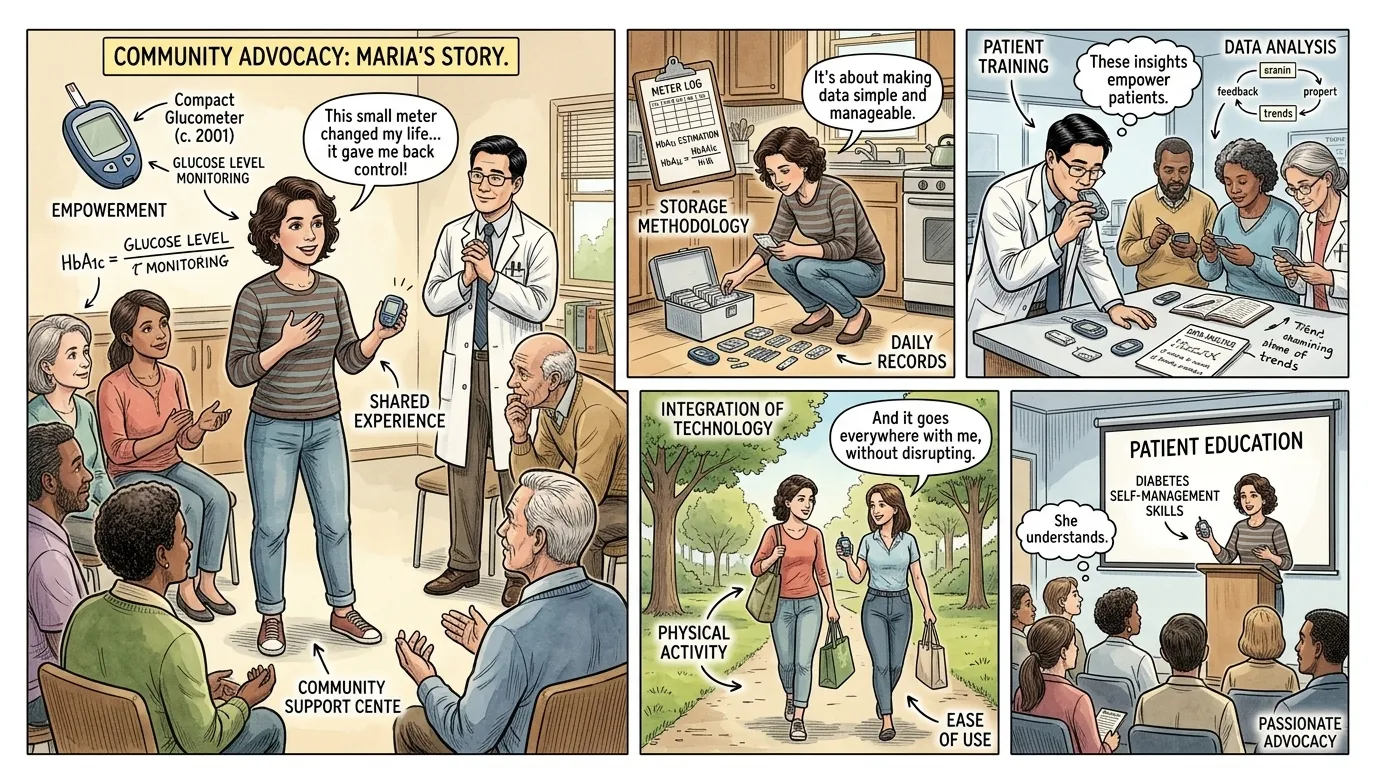
The widespread adoption of portable glucose meters fundamentally transformed diabetes management from a clinic-centric, reactive process to a patient-empowered, proactive regimen. Individuals with diabetes gained the unprecedented ability to monitor their blood sugar levels multiple times a day, at home, at work, or on the go. This immediate access to data allowed for precise, real-time adjustments to insulin dosages, dietary choices, and exercise routines, drastically improving daily control and enhancing quality of life.
"A patient advocate, Maria Rodriguez, spoke at a support group in the early 2000s. She shared, 'Before my meter, I felt like I was blindfolded, constantly guessing. Now, I have information. I feel empowered.' Dr. David Chen, a diabetes specialist, addressed the group, 'This isn't just about a number; it's about autonomy. It's about giving control back to the individual. As Benjamin Franklin wisely said, 'An investment in knowledge pays the best interest.' For diabetics, this investment in knowing their glucose levels pays dividends in health and independence every single day.'"
Page 9
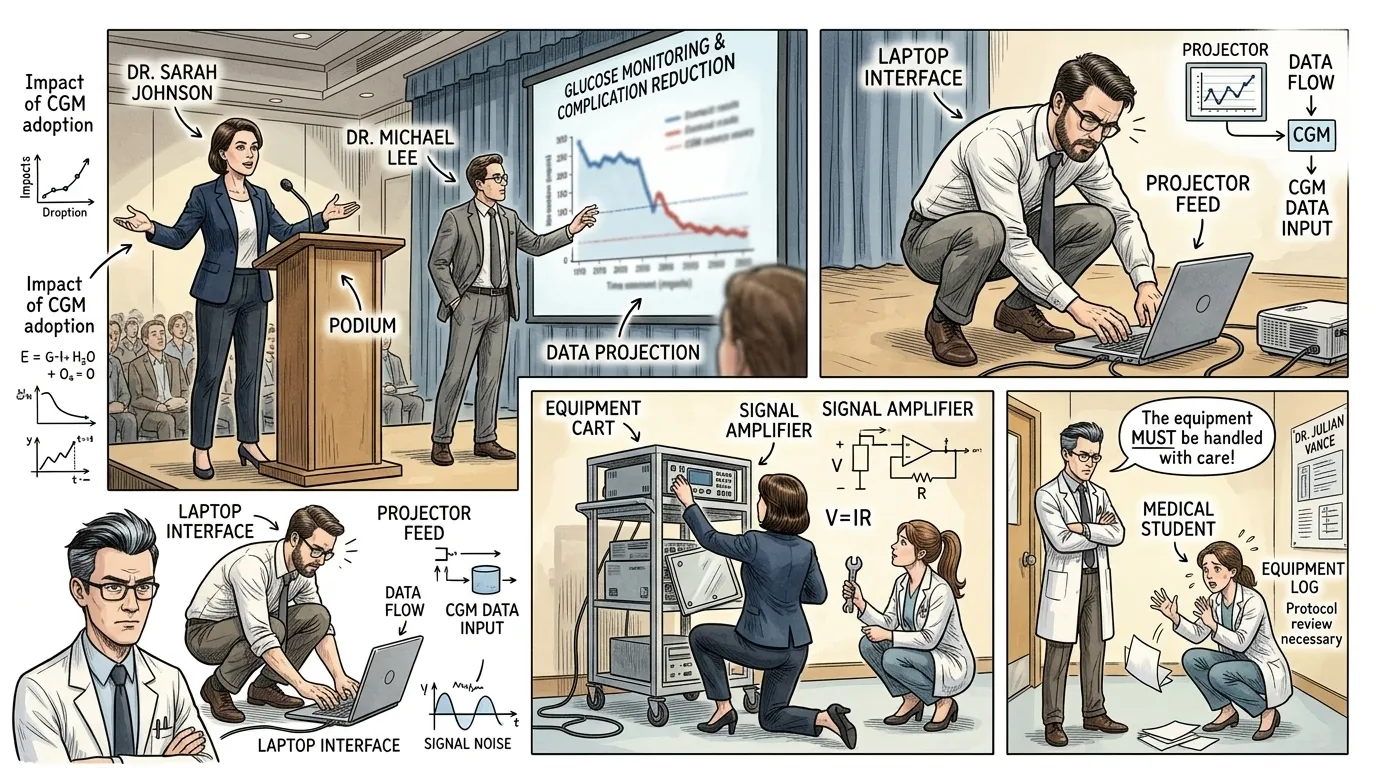
The widespread use of glucose meters proved to be a pivotal factor in significantly reducing the debilitating long-term complications associated with diabetes. Tighter glycemic control, made possible by frequent and accurate self-monitoring, drastically lowered the incidence of retinopathy (eye disease), nephropathy (kidney disease), and neuropathy (nerve damage). This seemingly simple device transitioned diabetes from a condition often leading to blindness, kidney failure, and amputations into a largely manageable chronic illness, profoundly extending and improving lives.
"Dr. Sarah Johnson, a leading researcher in diabetes outcomes, presented her findings in 2010. She stated, 'Our longitudinal studies show a dramatic reduction in serious complications. This didn't happen by chance; it happened because patients gained control.' Her co-presenter, Dr. Michael Lee, added, 'And it all traces back to those fundamental scientific principles, the precise enzymatic reactions we discussed decades ago. As the great scientist Marie Curie once remarked, 'Nothing in life is to be feared, it is only to be understood. Now is the time to understand more, so that we may fear less.' We understood the glucose oxidase reaction, harnessed it, and now patients fear less because they understand their bodies more.'"
Page 10
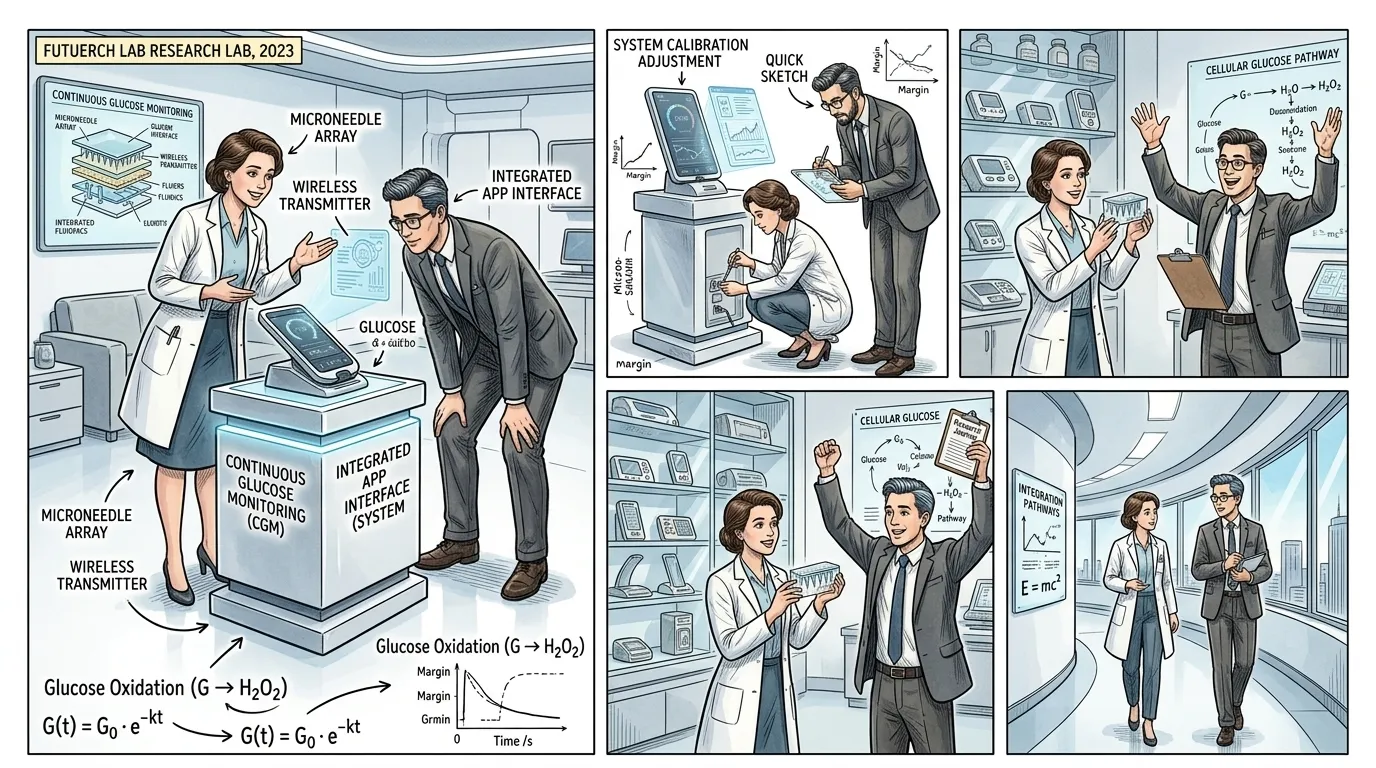
The legacy of the glucose meter continues to evolve, pushing the boundaries of diabetes management. From the initial, bulky reflectance meters to today's compact, electrochemical devices, the pursuit of precision and convenience has driven relentless innovation. The advent of Continuous Glucose Monitoring (CGM) systems, which provide real-time glucose readings every few minutes without finger pricks, represents the next frontier. The glucose meter, in all its forms, stands as a testament to scientific ingenuity, transforming diabetes from a life-threatening ordeal into a manageable condition, affording millions worldwide greater freedom, health, and peace of mind.
"A futurist and medical ethicist, Dr. Julian Vance, mused in a 2023 documentary, 'What began as a lab curiosity, then a clunky device, has become an invisible, constant guardian for many. The meter truly redefined chronic disease management.' Dr. Lena Petrova, now a senior researcher, added, 'And the future is even more integrated. Imagine predictive algorithms, closed-loop systems... the original goal was simply to know the number. Now, we aim to prevent the number from ever becoming a problem. It's an ongoing testament to human ingenuity. As the great inventor Thomas Edison once stated, 'There's a way to do it better - find it.' We are still finding it.'"
About this story
- Location: Global
- Audience: general readers
Questions and answers
Read Wonder Inventions on your phone
Wonder Inventions is available on Android. Get Wonder Inventions on Google Play.