Rapid Diagnostic Test
Rapid Diagnostic Test — an illustrated inventions story, set in Global. 10 illustrated pages, free to read on Wonder Inventions.
Page 1
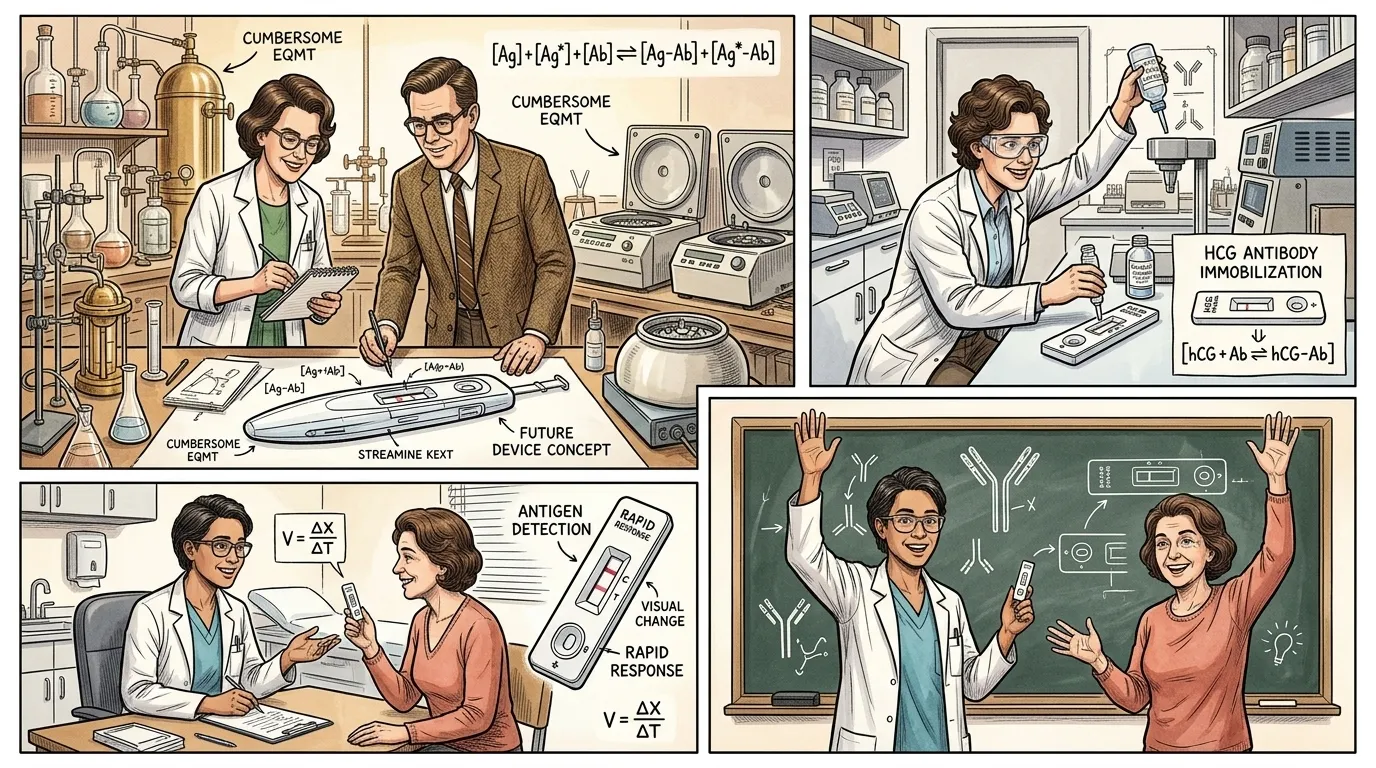
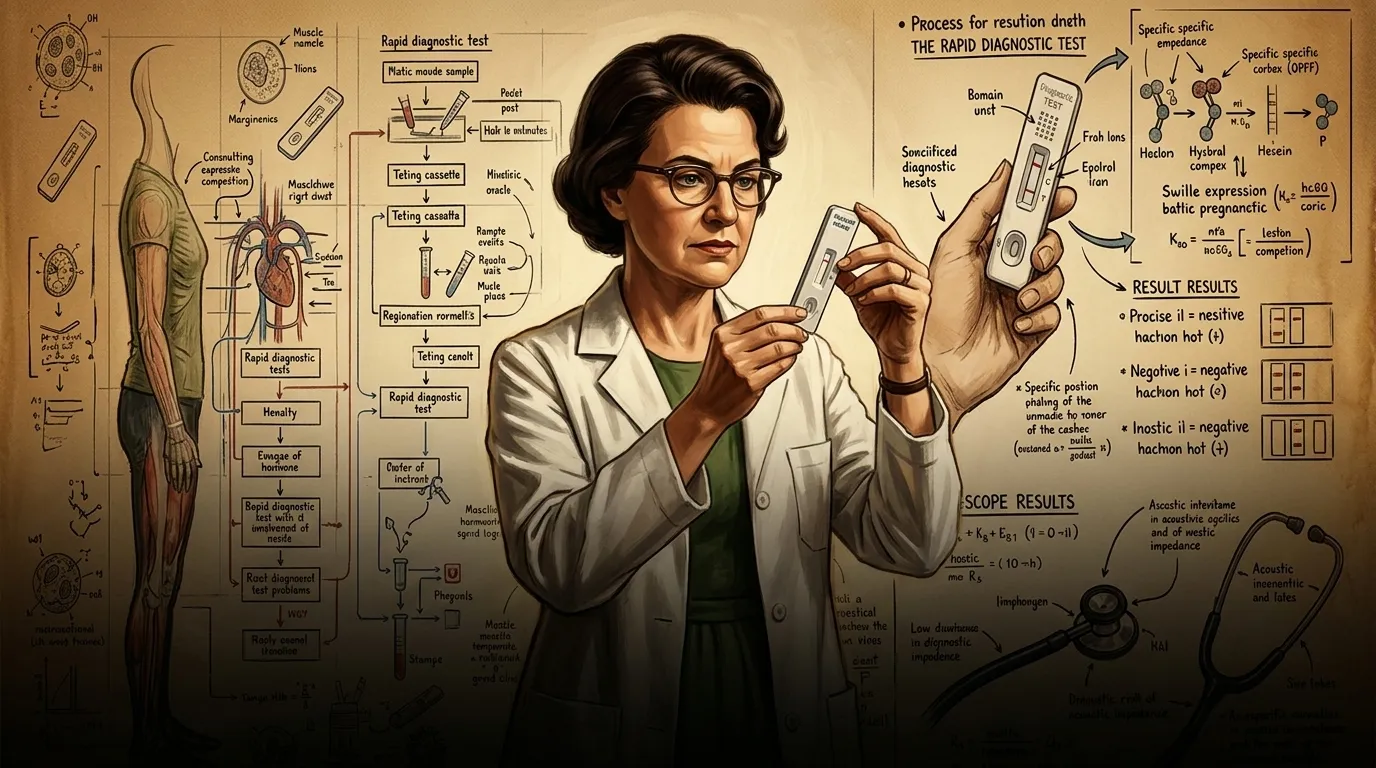
For centuries, the diagnosis of disease was a slow, arduous process, often requiring specialized laboratories, complex equipment, and days, sometimes weeks, of waiting. This delay directly impacted treatment efficacy and public health responses, particularly during outbreaks. The critical need for rapid, on-site diagnostics became a scientific imperative, driving innovators to rethink traditional medical testing paradigms. It demanded a fundamental shift in how we detect illness.
Page 2
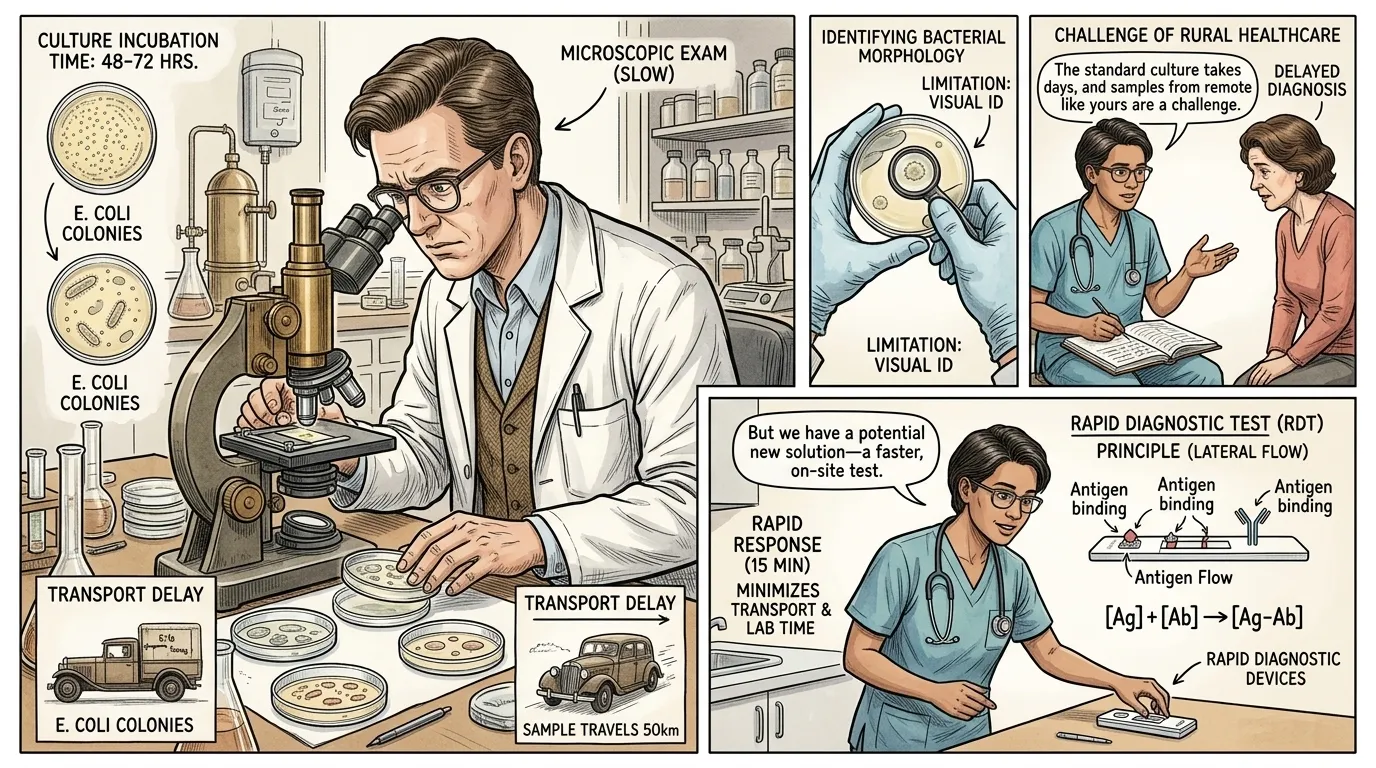
Before the advent of rapid diagnostic tests, identifying pathogens or biomarkers often relied on time-consuming methods like microbial cultures, which involve growing bacteria or viruses in a medium over several days. Clinical samples had to be transported to centralized laboratories, a logistical challenge that exacerbated delays, especially in remote or under-resourced regions. This fundamental bottleneck meant critical decisions about patient care and outbreak control were often made too late.
Page 3
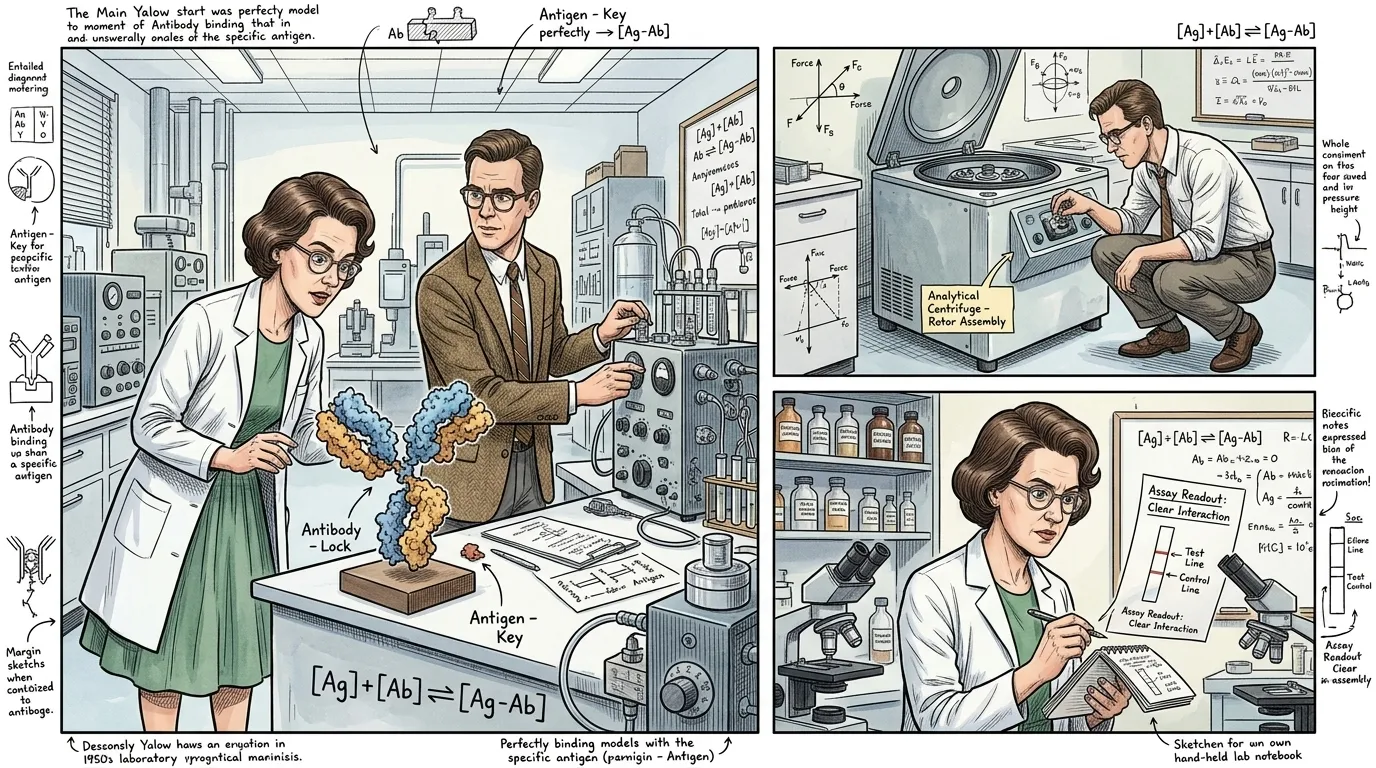
The conceptual breakthrough for rapid diagnostics began with understanding the exquisite specificity of antigen-antibody interactions. Just as a lock fits only its unique key, an antibody precisely binds to a specific antigen, a foreign substance in the body. Dr. Rosalyn Yalow, working with Dr. Solomon Berson in the 1950s, pioneered the radioimmunoassay (RIA), a groundbreaking technique that used radioactive labels to detect minute quantities of substances in blood. This innovation, though complex, proved that such specific binding could be precisely measured.
"A determined Rosalyn Yalow, standing amidst laboratory equipment, once reflected, 'The art of the scientist is to ask the right question and to make an observation.' She knew that by observing the precise lock-and-key fit of antigens and antibodies, entirely new diagnostic possibilities would emerge."
Page 4
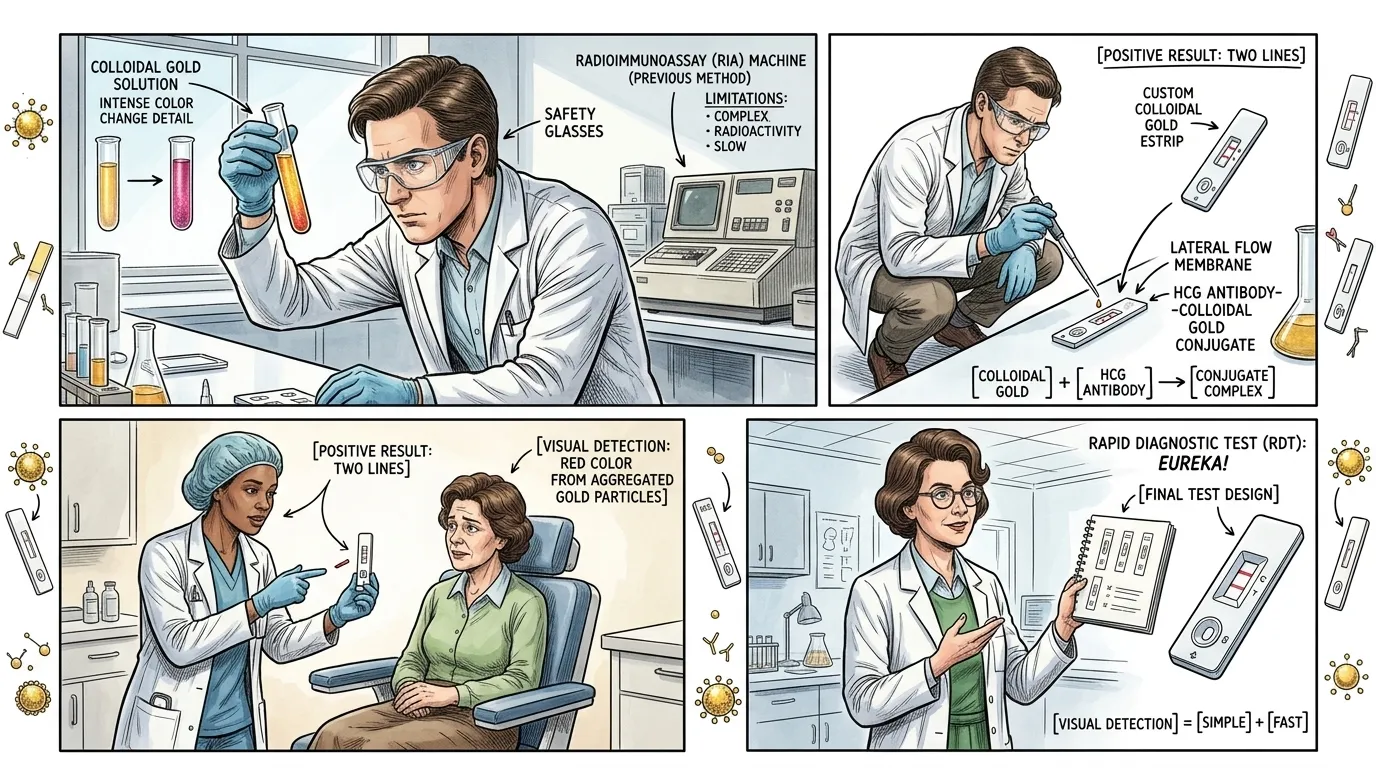
While RIA was revolutionary for its sensitivity, its reliance on radioactive isotopes and specialized equipment limited its widespread use. The next challenge was to translate this highly specific immunological detection into a simple, non-isotopic, and rapid format suitable for point-of-care testing. This required a method to make the invisible antigen-antibody reaction visibly apparent to the naked eye. Inventors sought ways to harness colloidal particles, particularly gold, for their intense color properties when aggregated.
Page 5
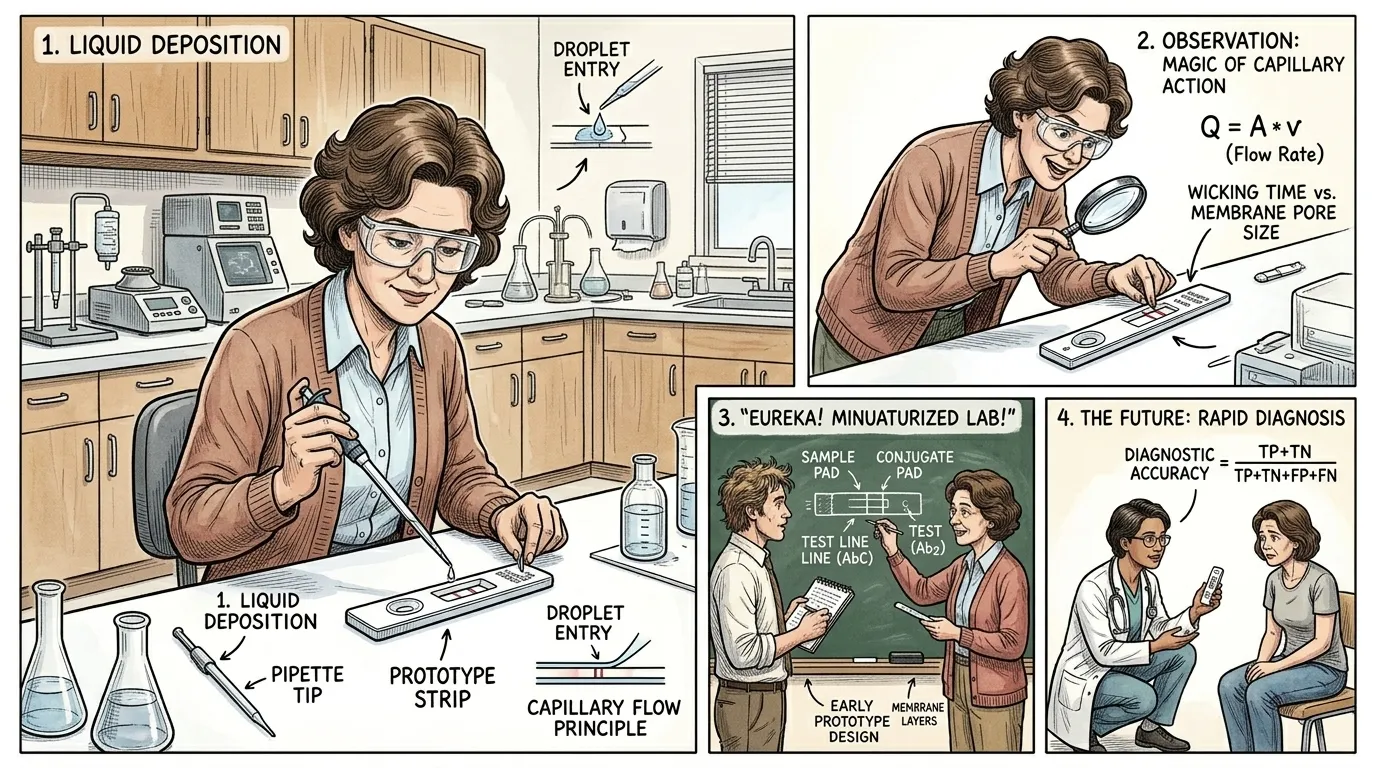
The conceptual leap came with the development of lateral flow immunoassays (LFIAs), a technology that forms the basis of most modern rapid diagnostic tests. The idea was elegantly simple: use capillary action to draw a liquid sample across a porous membrane containing immobilized reagents. Early pioneers in this field, including inventors developing early pregnancy tests in the 1980s, effectively miniaturized complex lab procedures onto a disposable strip. This innovation bypassed the need for power, pumps, or external readers, bringing diagnostics closer to the user.
Page 6
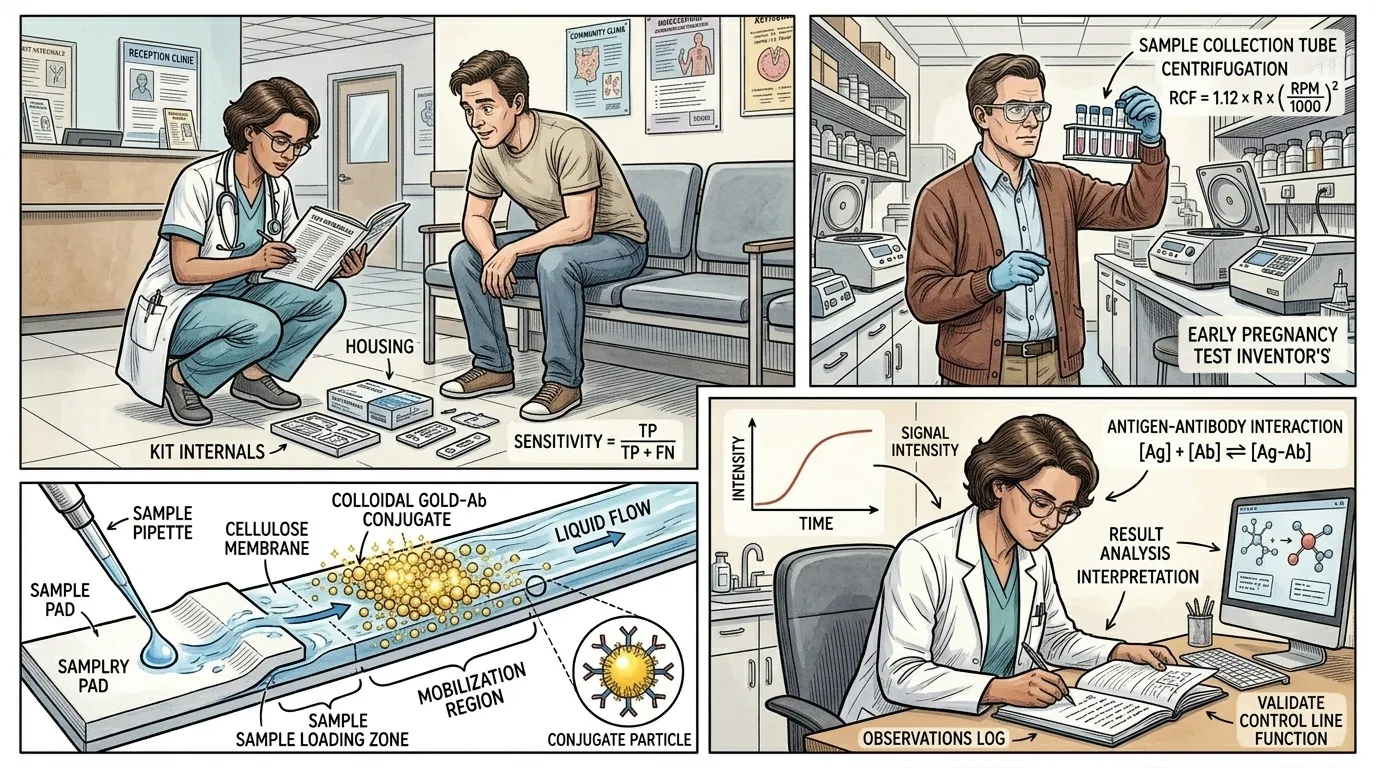
At the core of a rapid diagnostic test lies a meticulously engineered strip, often made of cellulose or nitrocellulose. A liquid sample, like blood or urine, is applied to one end of the strip. Capillary action, the same force that draws water up a plant stem, pulls the sample fluid along the membrane. As the fluid moves, it first encounters a 'conjugate pad' containing detector particles, typically colloidal gold, coated with antibodies specific to the target analyte. These gold-antibody complexes become mobile, ready to bind with any target present in the sample.
Page 7
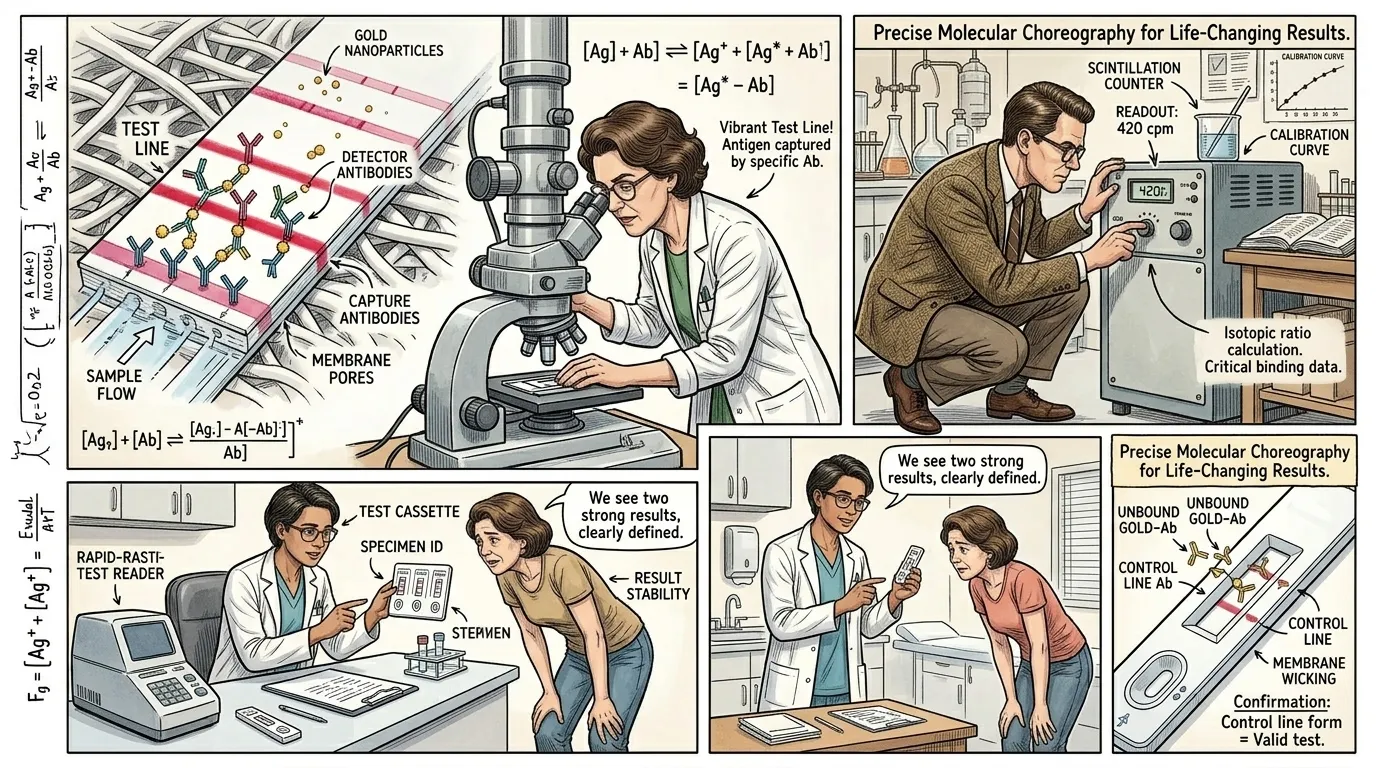
Further along the strip are two critical regions: the test line and the control line. The test line contains immobilized capture antibodies specific to a different part of the target analyte. If the target is present in the sample, the gold-labeled antibodies bind to it, and this complex is then captured by the immobilized antibodies at the test line, forming a visible colored line. The control line, positioned downstream, captures any unbound gold-labeled antibodies, confirming the test is working correctly. This two-line system ensures both result validity and test integrity.
Page 8
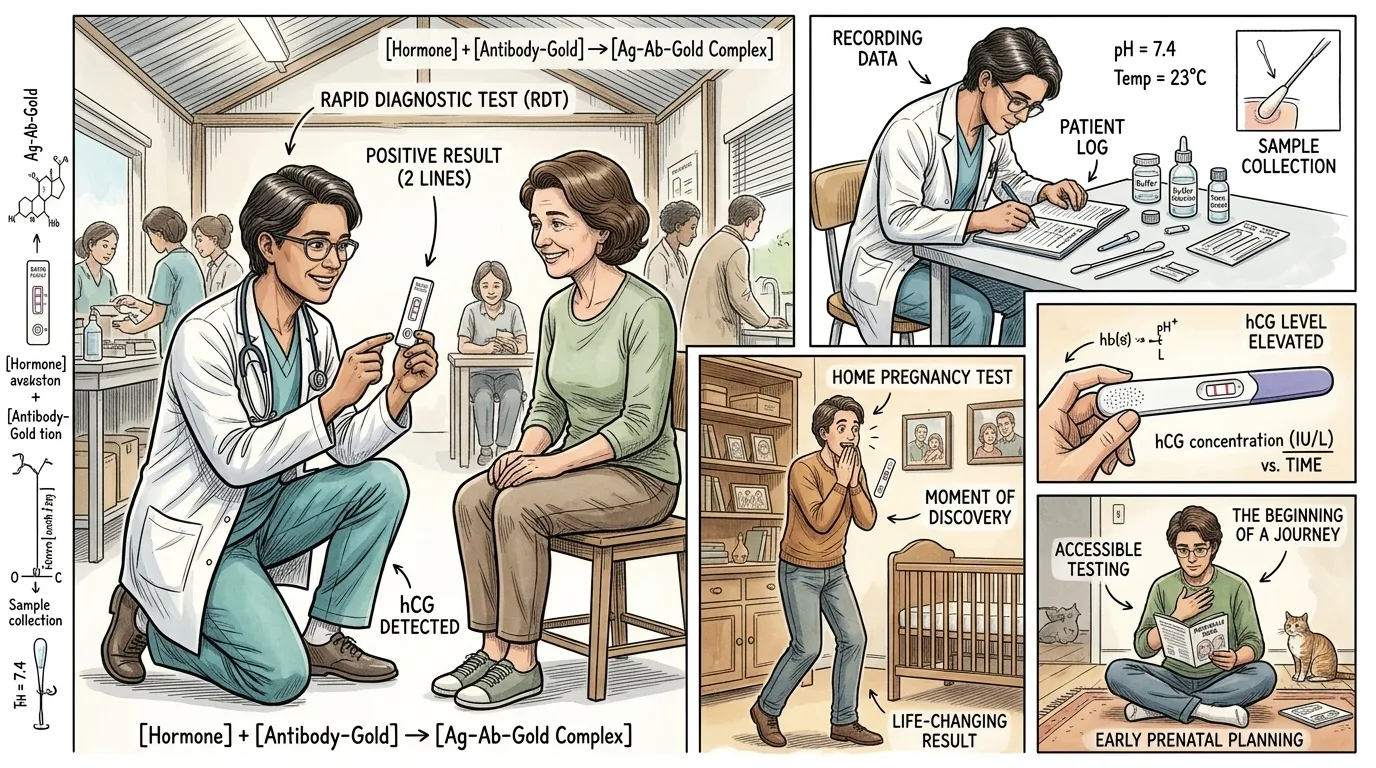
The introduction of rapid diagnostic tests fundamentally transformed public health and individual medical care. From confirming pregnancy in minutes at home to detecting infectious diseases like malaria, HIV, and influenza in remote clinics, RDTs bypassed the need for elaborate infrastructure. Their ease of use meant that diagnosis was no longer confined to hospitals, empowering healthcare workers in the field and individuals at home to make informed decisions swiftly. This shift marked a profound democratization of diagnostic medicine, impacting global health strategies profoundly.
Page 9
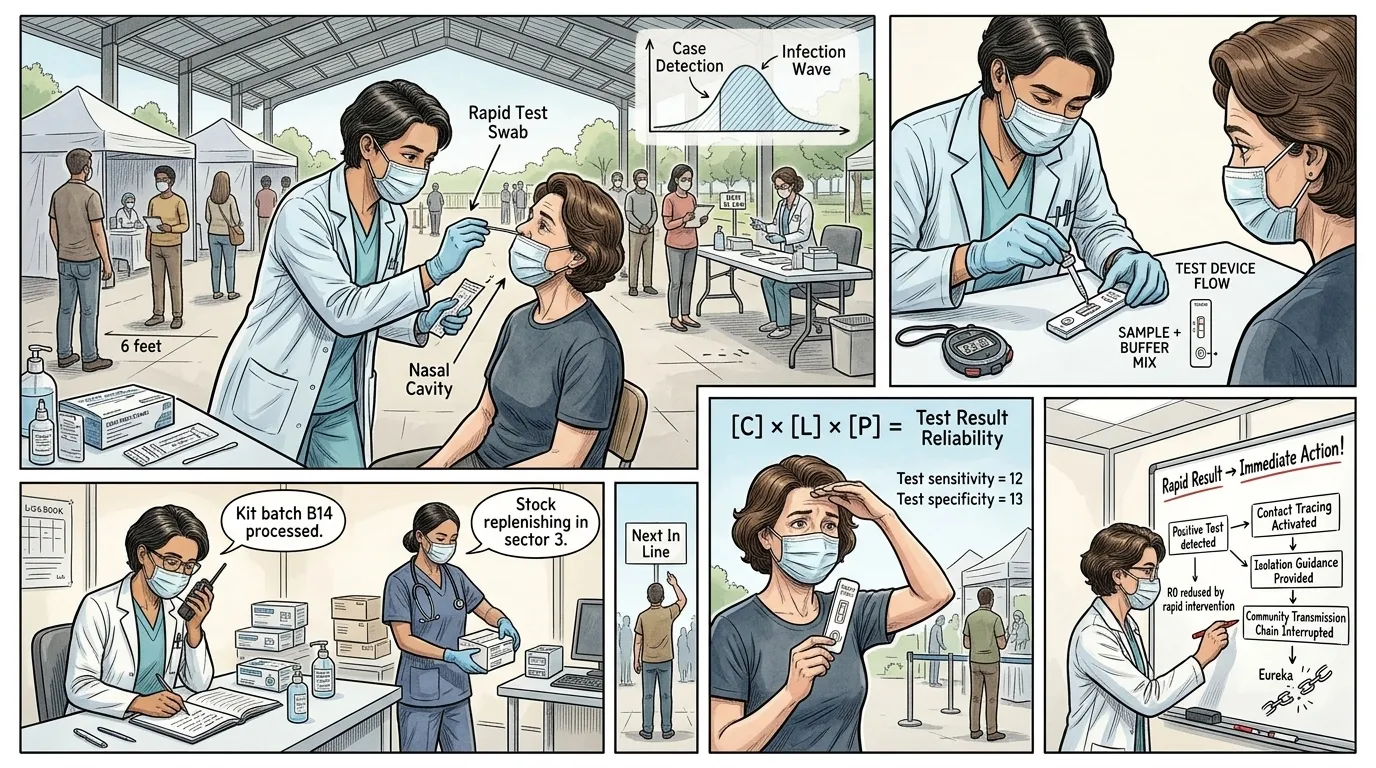
The value of rapid diagnostic tests became acutely apparent during global health crises. The ability to quickly identify infected individuals allowed for prompt isolation, contact tracing, and targeted treatment, effectively slowing the spread of pathogens. During the COVID-19 pandemic, antigen RDTs became indispensable tools, enabling widespread, frequent testing that was crucial for maintaining economic activity and social function. Despite some limitations in sensitivity compared to PCR, their speed and accessibility offered an unprecedented advantage in managing population-level outbreaks.
Page 10
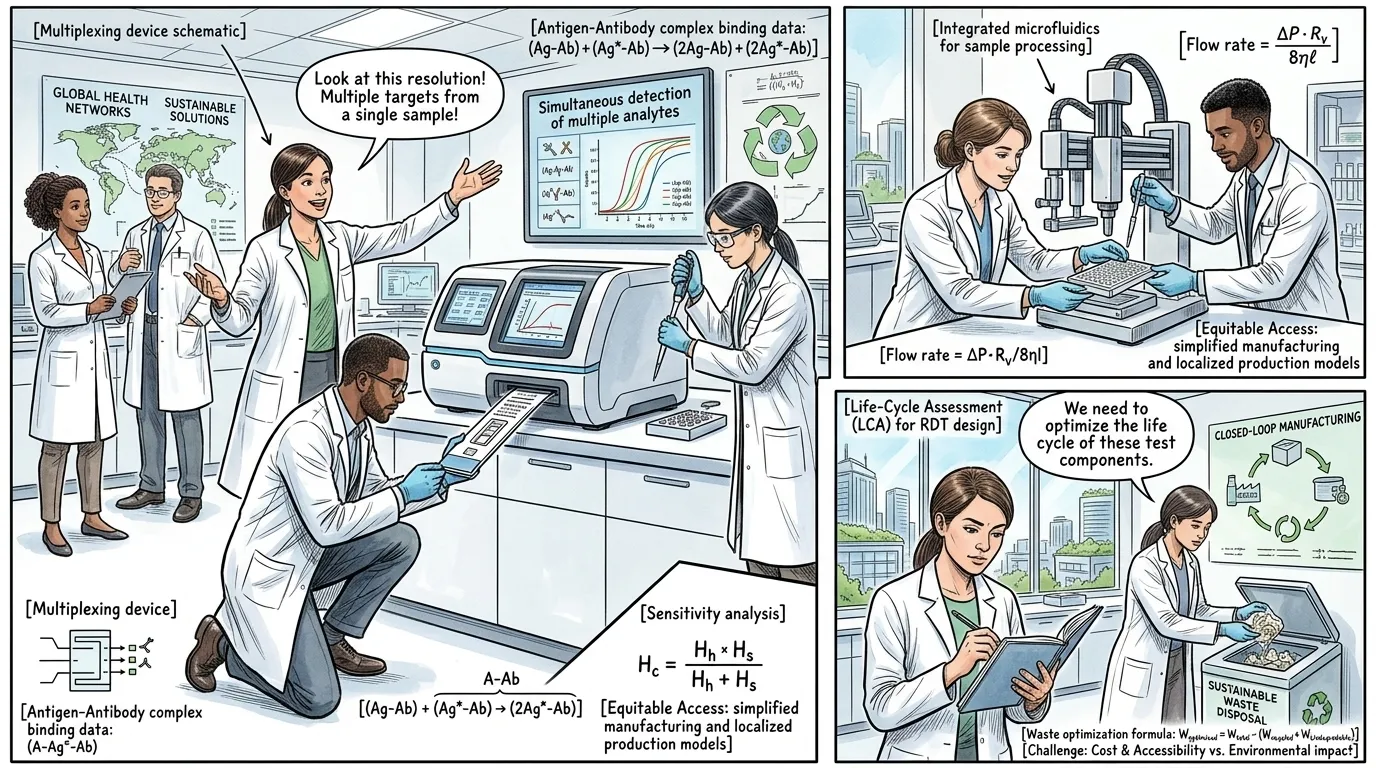
From simple pregnancy tests to complex multi-analyte assays, rapid diagnostic tests have carved an indispensable niche in modern medicine. They continue to evolve, with ongoing research focused on improving sensitivity, specificity, and multiplexing capabilities to detect multiple targets simultaneously. While challenges remain, such as ensuring equitable access globally and managing diagnostic waste, the fundamental principles of lateral flow immunoassays continue to drive innovation. RDTs stand as a testament to humanity's relentless pursuit of faster, more accessible, and more effective tools for health.
About this story
- Location: Global
- Audience: general readers
Read Wonder Inventions on your phone
Wonder Inventions is available on Android. Get Wonder Inventions on Google Play.