Billie Holiday
Billie Holiday — an illustrated biography story, set in Global. 10 illustrated pages, free to read on Wonder People.
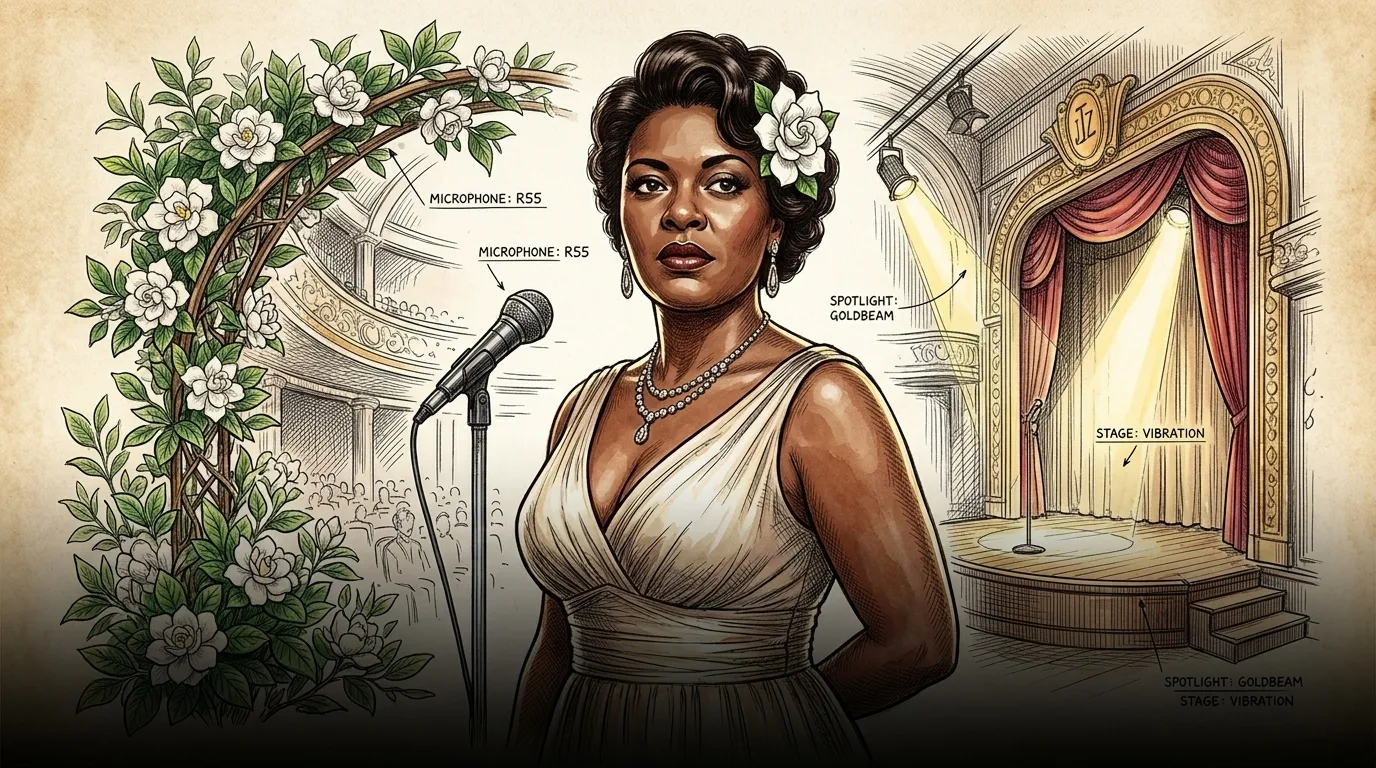
Page 1
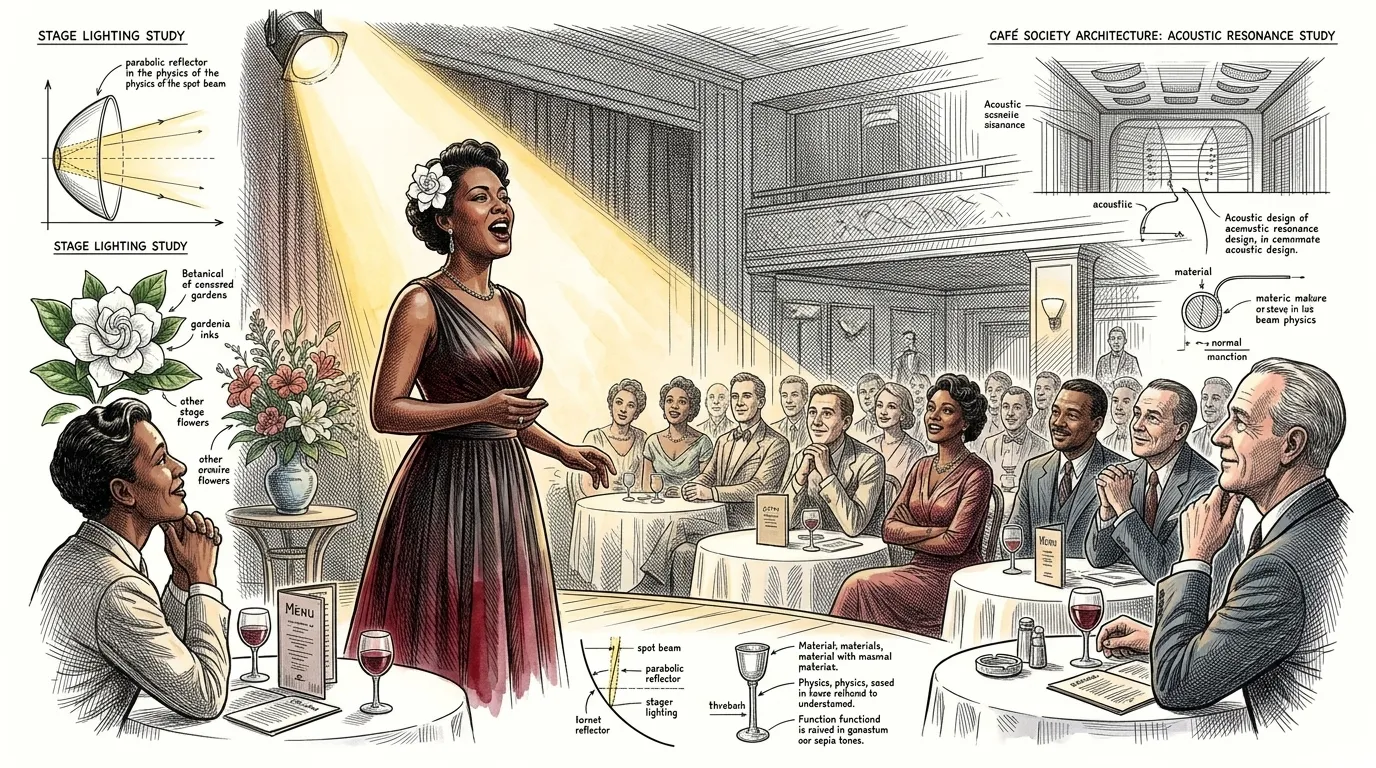
At Café Society, Greenwich Village, New York City, 1939, a single spotlight pierced the oppressive darkness. Billie Holiday stood, her voice a raw, defiant instrument, performing 'Strange Fruit' for the first time. This searing indictment of racial violence, delivered with an unparalleled emotional force, ripped through the room, silencing every patron.
Biographical Fact: The debut of 'Strange Fruit' marked a radical shift for Holiday, transforming her from a jazz singer into a protest icon. The song, originally a poem about lynching, challenged racial injustice head-on in an era of deep segregation and violence.
Page 2
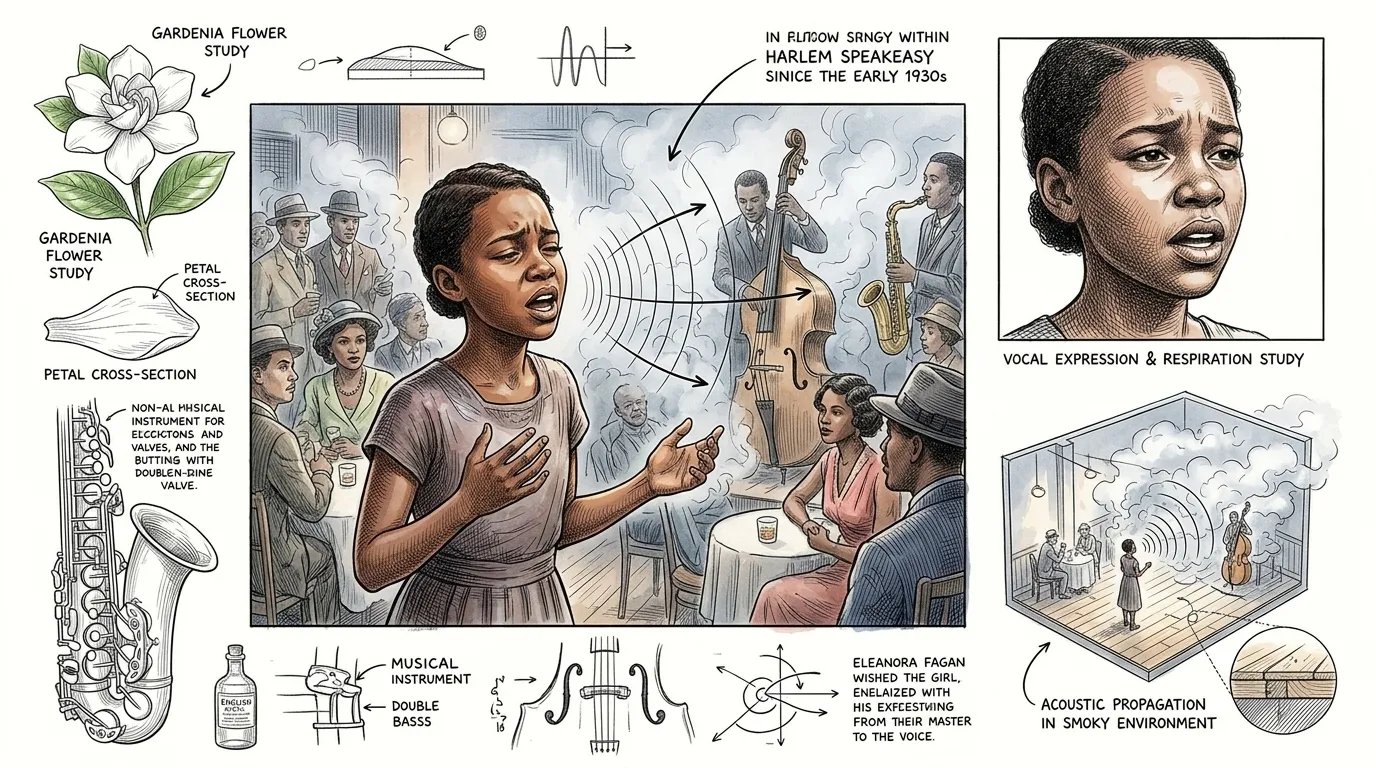
In the crowded, smoky backrooms of Harlem speakeasies during the early 1930s, Eleanora Fagan, soon to be Billie Holiday, found her voice amidst hardship. She learned to infuse every note with lived experience, transforming pain into an undeniable artistic truth. This profound understanding of emotional authenticity became the bedrock of her unique sound.
Biographical Fact: Eleanora Fagan's challenging early life in Baltimore and New York shaped her distinct vocal delivery, a raw, improvisational style that often lagged behind the beat, giving her singing a profound, conversational quality.
Page 3

John Hammond, a visionary producer, recognized the raw talent in the young singer and arranged her first recording session. In 1933, at Columbia Records, Holiday stepped into a professional studio, transforming her raw, club-honed delivery into recorded history. This moment solidified her entry into the music industry, setting her on a path of unprecedented influence.
Biographical Fact: Her first major session in 1933, featuring collaborations with legends like Benny Goodman, captured her unique sound early on, though her true artistic freedom wouldn't fully emerge until later recordings.
Page 4
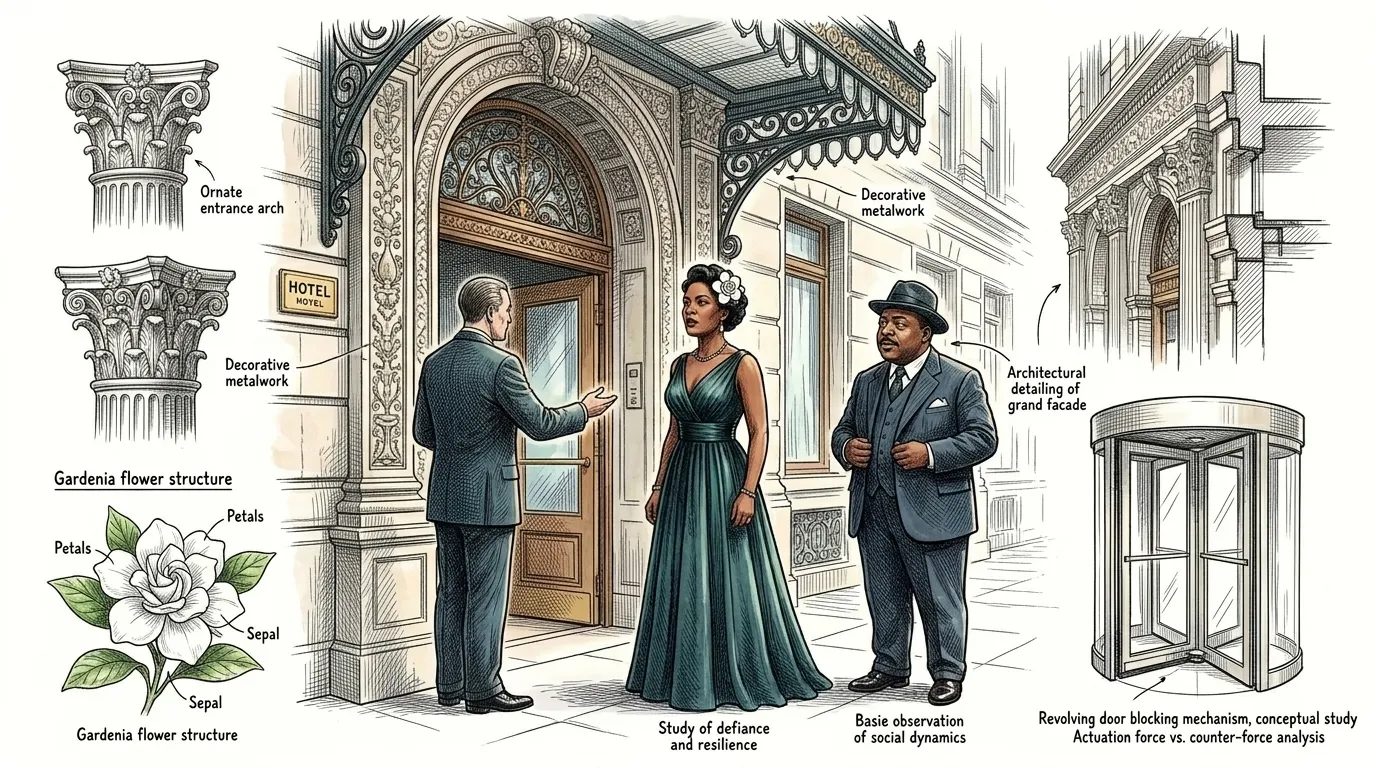
Touring with Count Basie's orchestra in 1937, Billie Holiday encountered the stark realities of segregation firsthand. Denied entry through front doors and forced to eat in kitchens, she faced constant indignity, yet her voice never wavered. 'Nothing can dim the light which shines from within,' she declared, recalling what American poet Maya Angelou once powerfully observed, believing her music was a light she had to keep burning, no matter the resistance.
"'Nothing can dim the light which shines from within,' she declared, recalling what American poet Maya Angelou once powerfully observed, believing her music was a light she had to keep burning, no matter the resistance."
Biographical Fact: Billie Holiday's tours with prominent white bands like Artie Shaw's, though groundbreaking, exposed her to relentless racial discrimination, fueling her resolve to use her art to confront injustice.
Page 5
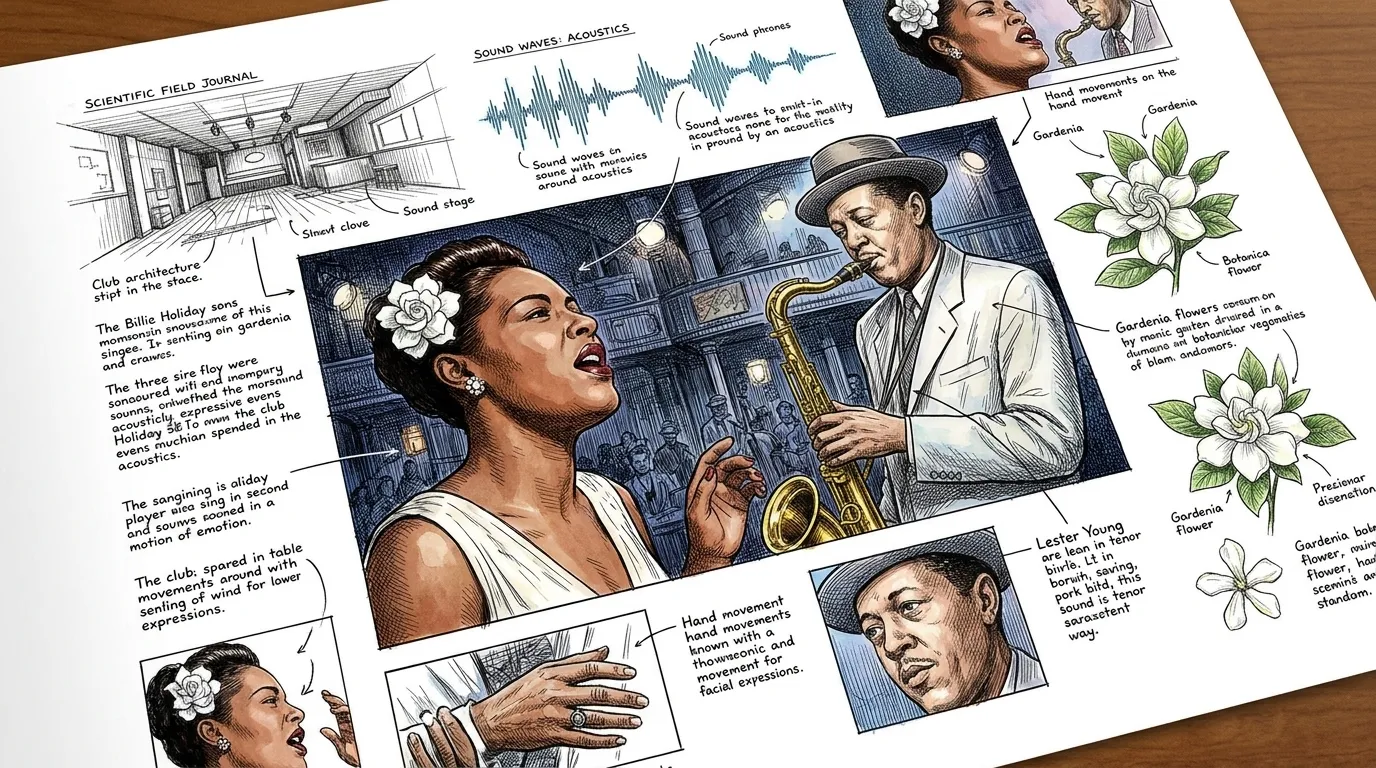
Through the late 1930s, Billie Holiday's artistic partnership with tenor saxophonist Lester Young blossomed, shaping her signature style. In countless sessions and club performances, they pushed boundaries, creating a unique conversational interplay between voice and instrument. It was in these shared moments that her iconic persona, 'Lady Day,' was truly forged.
Biographical Fact: Lester Young, whom Holiday affectionately nicknamed 'Prez,' became her most empathetic musical partner. Their unique improvisational dialogue deeply influenced her phrasing and emotional depth, defining a golden era of jazz.
Page 6

Weeks before the 'Strange Fruit' debut, Billie Holiday faced immense pressure to abandon the controversial song. Club owner Barney Josephson, while supportive, warned of the danger, and her manager Joe Glaser expressed deep concern for her career. Yet, she stood unyielding, recognizing the song's vital truth as paramount to her artistic integrity, refusing to compromise the message.
Biographical Fact: Recording 'Strange Fruit' was a defiant act against her record label, Columbia, which refused to release it. She eventually recorded it on the independent Commodore label, a testament to her artistic courage and conviction.
Page 7

Moments before her performance of 'Strange Fruit,' a profound silence descended upon Café Society. The usual bustling energy of the club dissolved into a focused anticipation. Billie Holiday, standing alone in the wings, felt the weight of the song and the expectant hush of the audience. The stage awaited her, a platform for a truth she would not soften.
Biographical Fact: The dramatic presentation of 'Strange Fruit' was meticulously planned, with the room going silent, lights dimming, and the final notes played in near darkness, ensuring the song's powerful message resonated deeply.
Page 8

Following her outspoken artistry, Billie Holiday became a primary target of Harry Anslinger, head of the Federal Bureau of Narcotics. Convinced her influence posed a threat, Anslinger launched a relentless federal campaign against her, dispatching agents to monitor her, seeking to silence her voice and control her life. She understood her unique, raw artistry was both her greatest strength and her greatest vulnerability, fueling his desire to destroy her.
Biographical Fact: Harry Anslinger believed jazz musicians promoted drug use and racial mixing. His personal vendetta against Holiday, fueled by her refusal to stop singing 'Strange Fruit,' led to her arrest and imprisonment.
Page 9
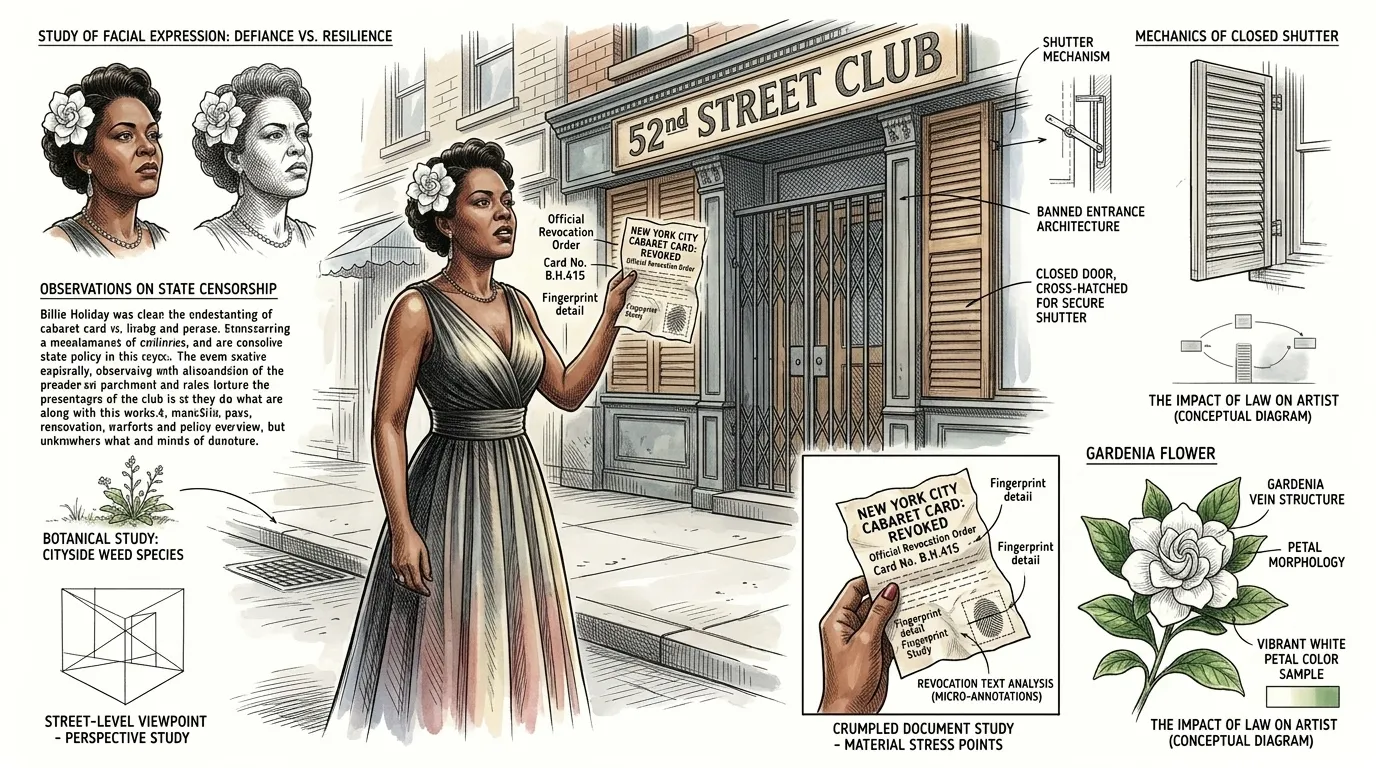
In 1947, a narcotics conviction led to the revocation of Billie Holiday's New York City cabaret card, effectively banning her from performing in clubs where alcohol was served. This decree decimated her ability to earn a living in her prime. Stripped of her primary stage, she confronted a world determined to silence her, but her spirit, though wounded, never fully broke, her internal knowledge of her artistic power still guiding her.
Biographical Fact: The loss of her cabaret card was a crippling blow, forcing her to perform only in concert halls or venues without liquor licenses, severely limiting her income and reach, yet she continued to tour internationally.
Page 10
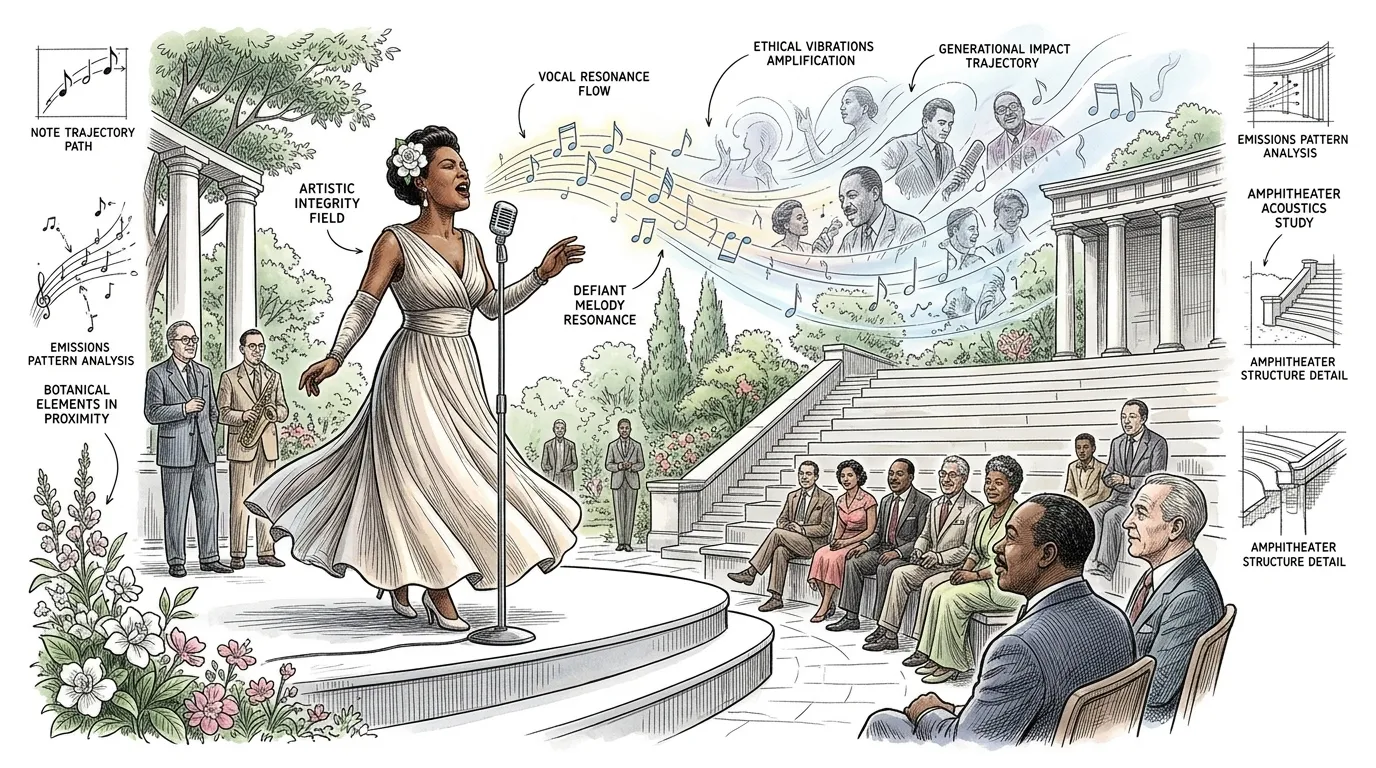
Billie Holiday passed in 1959, but her impact transcends her tragic personal story, echoing through generations of musicians and activists. Her voice, once silenced by systemic oppression, now stands as a timeless testament to artistic integrity and courage. She left a permanent mark on music and civil rights, her legacy a defiant melody that continues to inspire. Her truth, once lived in pain, now lives on as power.
Biographical Fact: Billie Holiday's discography remains essential, influencing artists across genres. Her story continues to be studied, a complex narrative of genius, resilience, and the devastating cost of challenging the status quo in a racially unjust society.
About this story
- Location: Global
- Audience: general readers
Questions and answers
Read Wonder People on your phone
Wonder People is available on Android. Get Wonder People on Google Play.