Charlemagne
Charlemagne — an illustrated biography story, set in Global. 10 illustrated pages, free to read on Wonder People.
Page 1
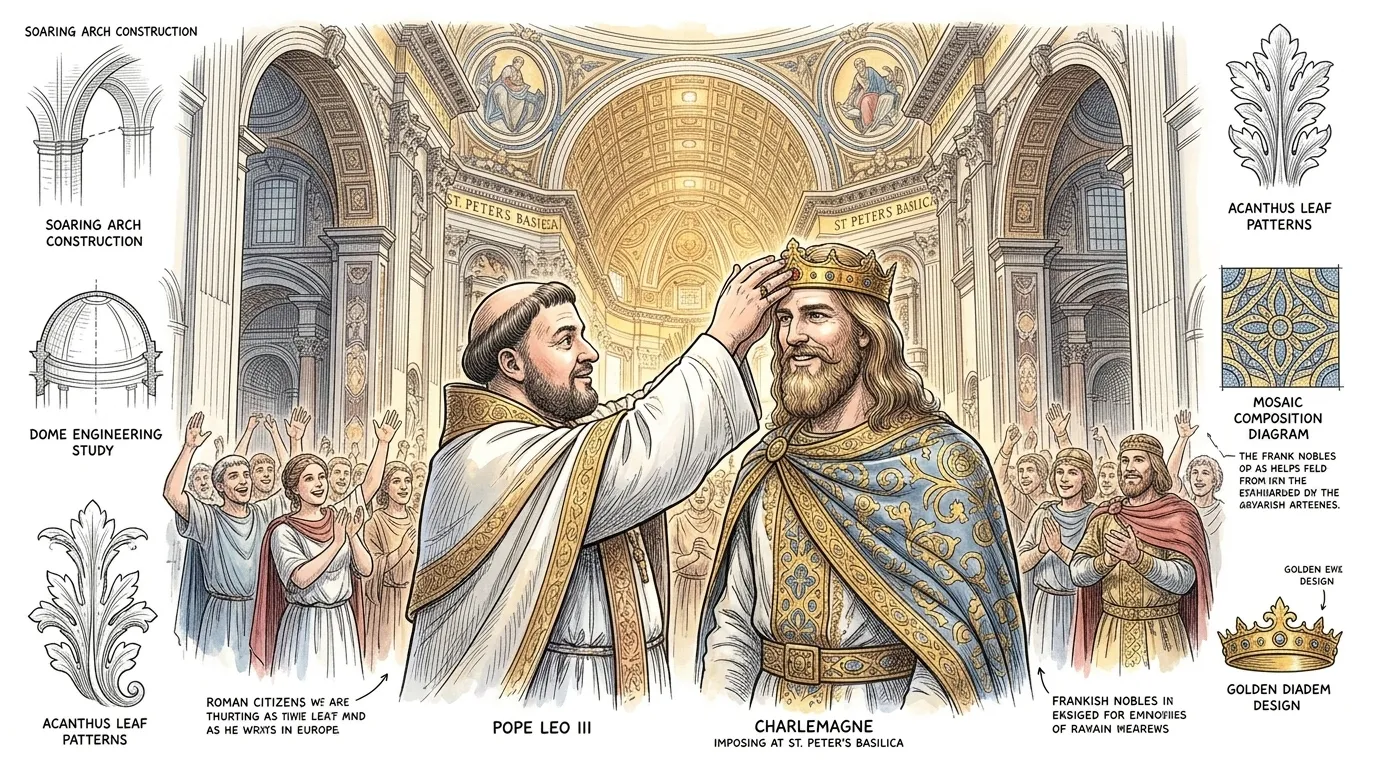
Charlemagne is crowned by Pope Leo III. "Charlemagne, Augustus, crowned by God, great and pacific Emperor of the Romans!" Pope Leo III proclaimed, placing the golden diadem upon his brow. In St. Peter's Basilica on Christmas Day, 800 AD, before a vast assembly of Roman citizens and Frankish nobles, Charles, King of the Franks, became the first Western Roman Emperor in over three centuries, presiding over an empire stretching from the Atlantic to the Elbe, a domain encompassing over 400,000 square miles and countless souls. The roar of acclamation filled the ancient edifice, marking an epochal shift in European power. Charlemagne, a formidable man of imposing stature and keen intellect, felt the immense weight of the crown, understanding that in this singular moment, he had redefined the course of Western civilization.
Page 2
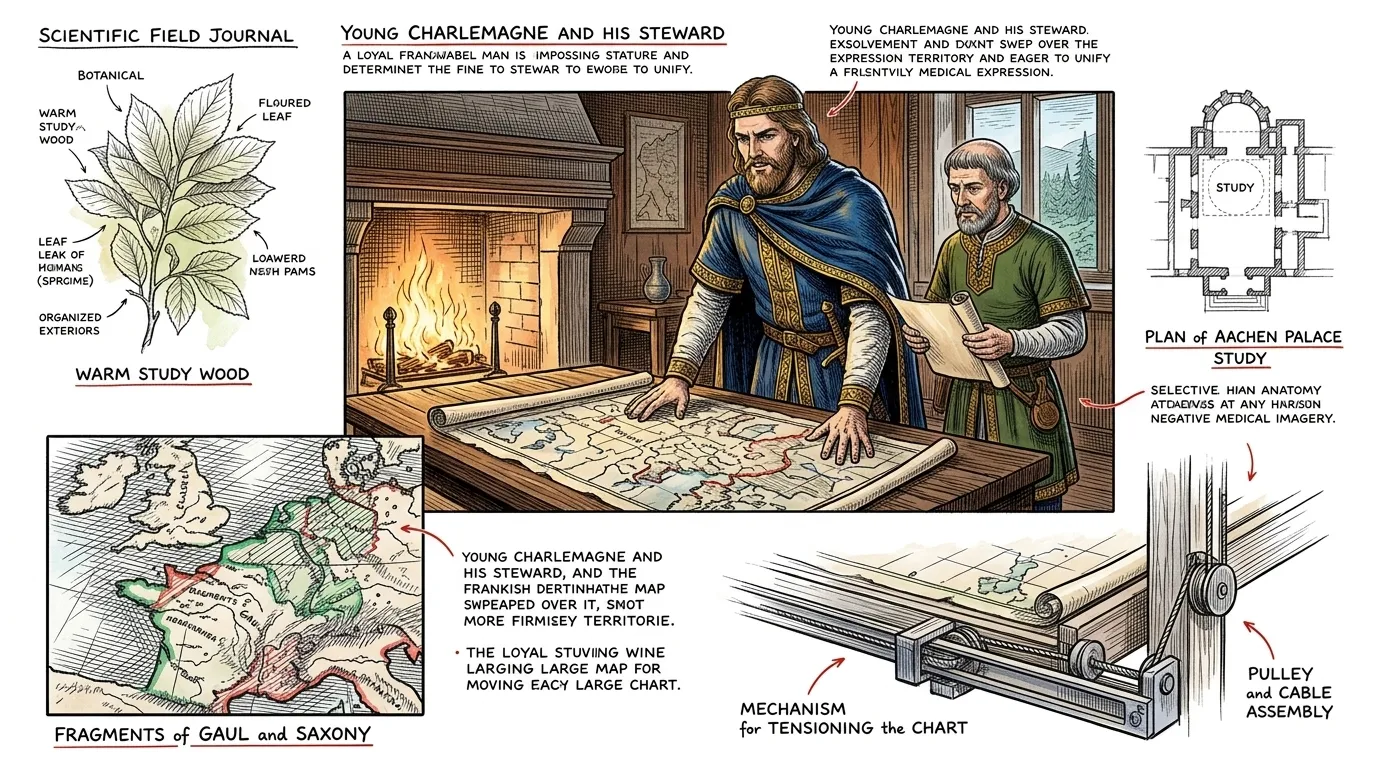
Charlemagne inherited a fractured kingdom in 768 AD. "The Frankish realm, father's legacy, it demands more than mere division," young Charlemagne declared to his loyal steward, his gaze sweeping over maps of fragmented territories. "We must forge unity where there is discord, strength where there is weakness." Born into the powerful Carolingian dynasty, his life was shaped by the constant struggle to consolidate power, first within his own family's inheritance and then across the wider European landscape. He understood that a realm divided would never stand against the myriad threats encroaching from all sides, a lesson learned from generations of his warrior ancestors.
Page 3
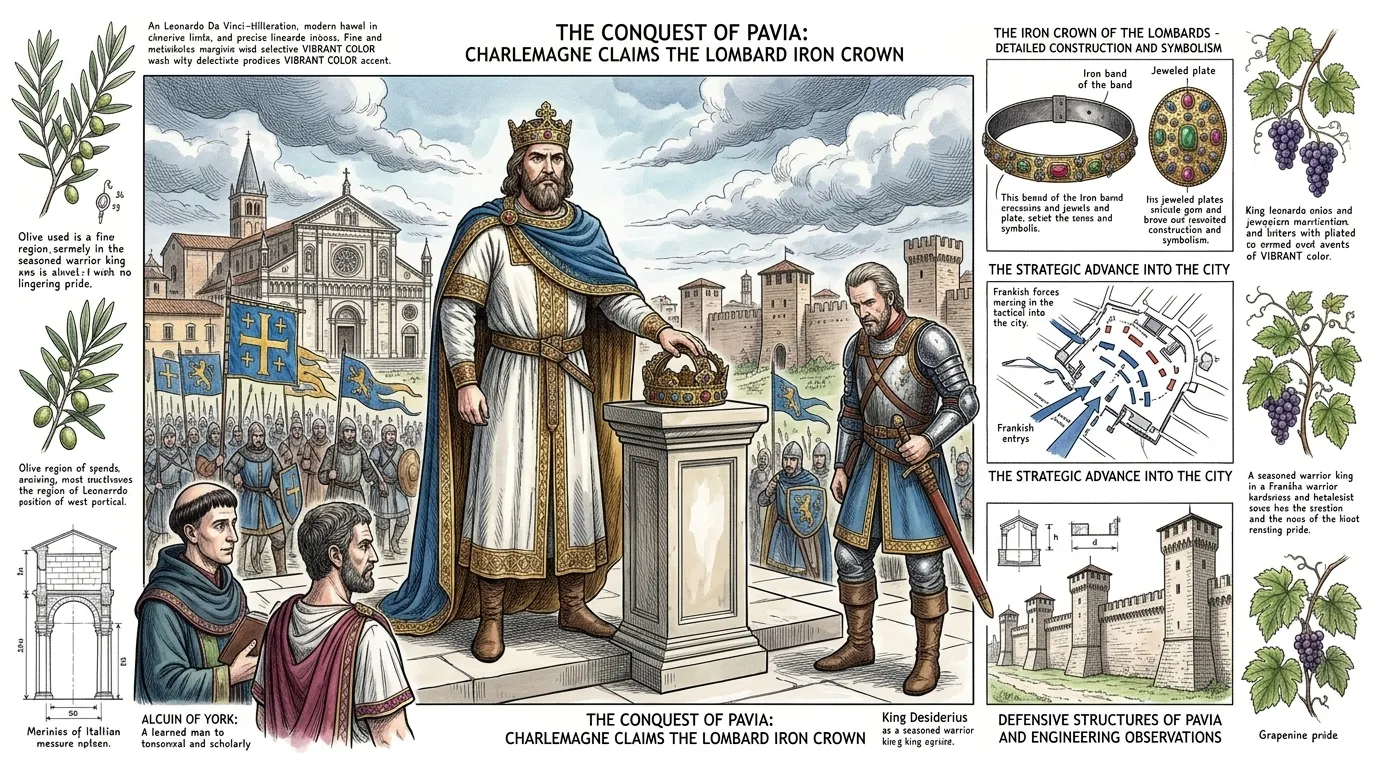
In 774 AD, Charlemagne moved to subjugate the Lombard Kingdom, a direct challenge to papal authority and Frankish influence in Italy. "This Iron Crown of the Lombards shall now belong to a Frank," Charlemagne proclaimed, standing victorious over the captured city of Pavia. His Frankish forces, disciplined and relentless, had besieged King Desiderius for months, a testament to Charlemagne's strategic patience and military prowess. By claiming the Lombard crown, he cemented his family's position as the foremost power in Western Europe, signaling his ambition to restore order and establish a unified Christian dominion.
Page 4
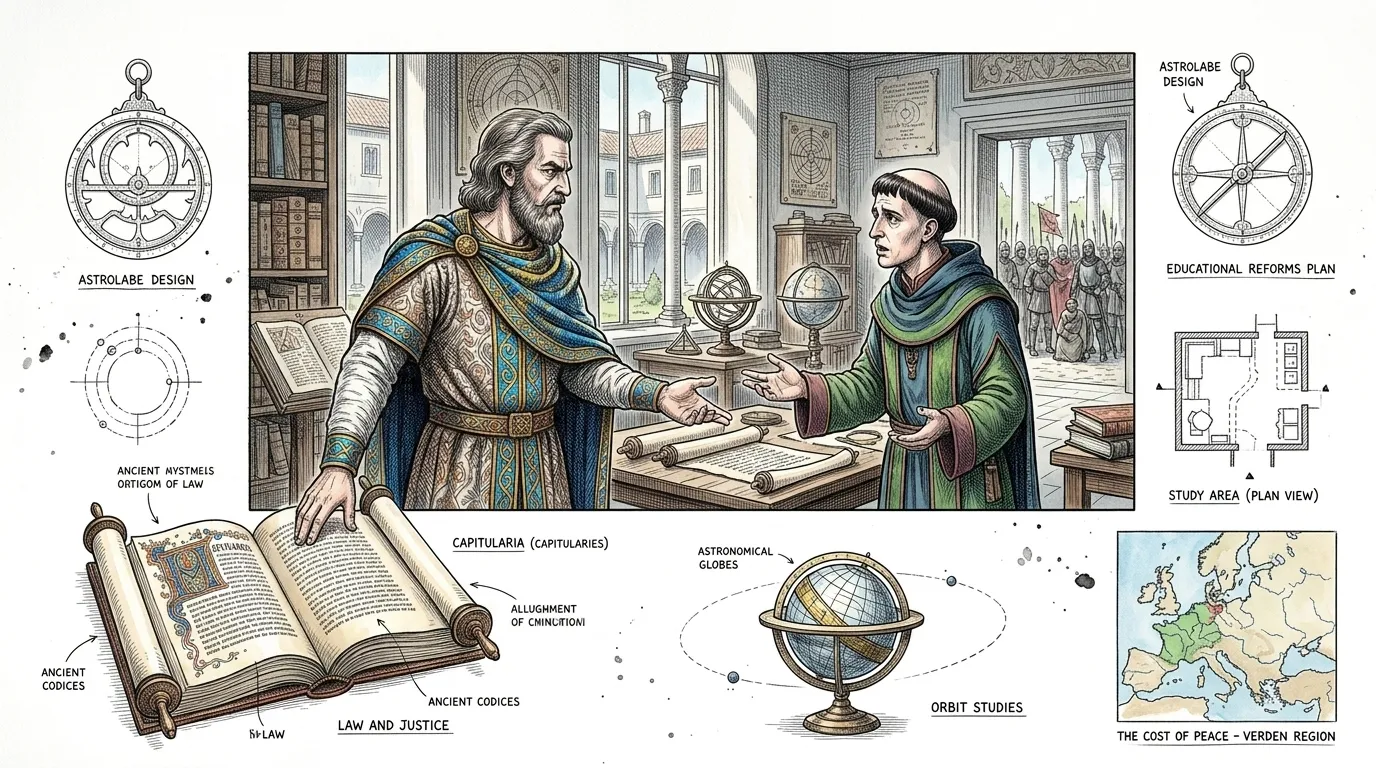
The Saxon Wars, spanning decades, tested Charlemagne's resolve to unify his vast domains under a single faith and law. "Unity is not merely forged by the sword, but by the shared understanding of law and knowledge," Charlemagne asserted to his trusted advisor, a learned scholar in his sixties. In 782 AD, following a major Saxon revolt, the 'Bloody Verdict of Verden' saw thousands executed, a brutal act intended to break resistance. The scholar, Alcuin of York, expressed deep concern, urging Charlemagne to consider a long-term strategy of intellectual and spiritual integration, beyond mere coercion, through standardized education and legal reform, laying the groundwork for imperial stability.
Page 5
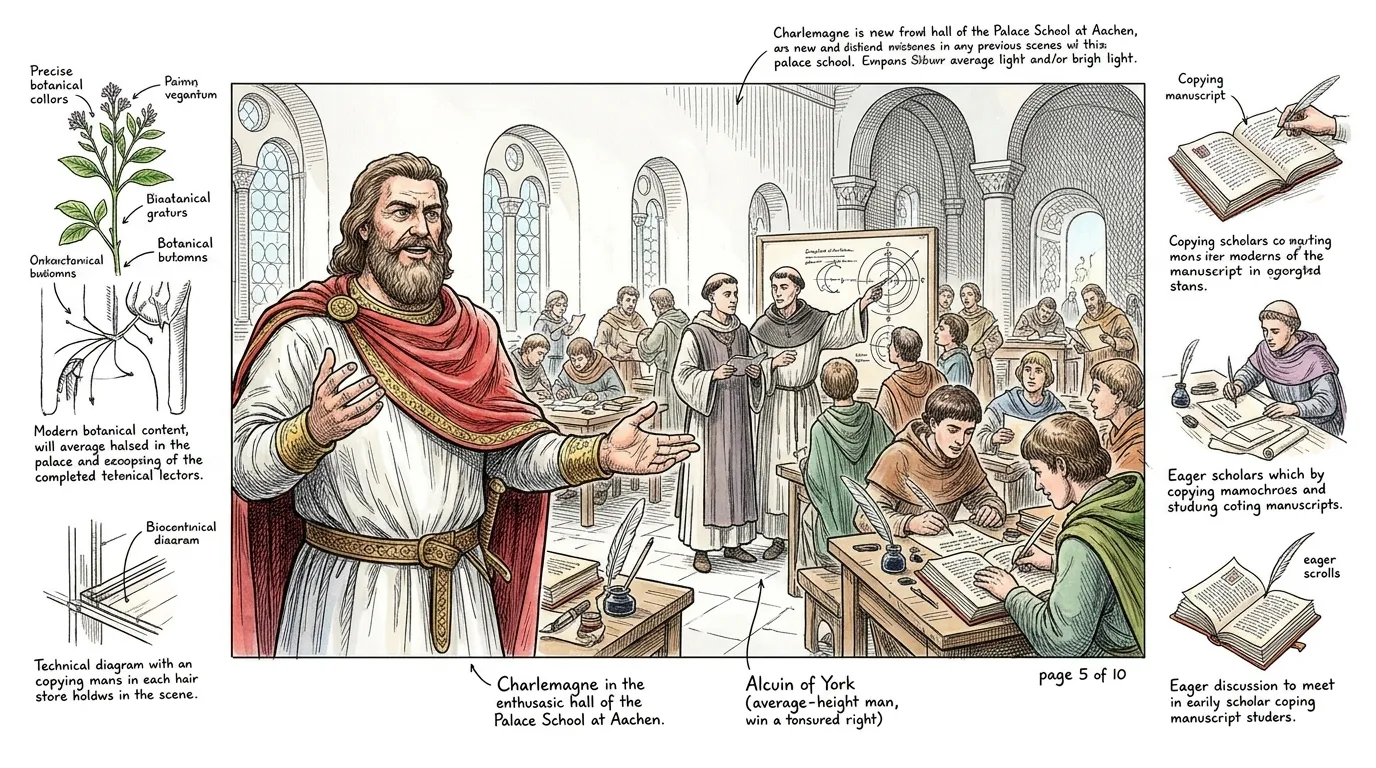
Charlemagne's vision extended beyond military conquest; he saw an empire built on intellect. "Let scholars from every corner of our lands gather at Aachen, that the light of learning may shine forth across our realm," Charlemagne commanded in 790 AD, establishing the Palace School. Under the guidance of Alcuin of York and other luminaries, this intellectual hub became the engine of the Carolingian Renaissance, reviving literacy, standardizing texts, and producing countless manuscripts. This deliberate cultivation of knowledge laid the cultural foundation for a new, unified European identity, bridging the classical past with a vibrant Christian future.
Page 6
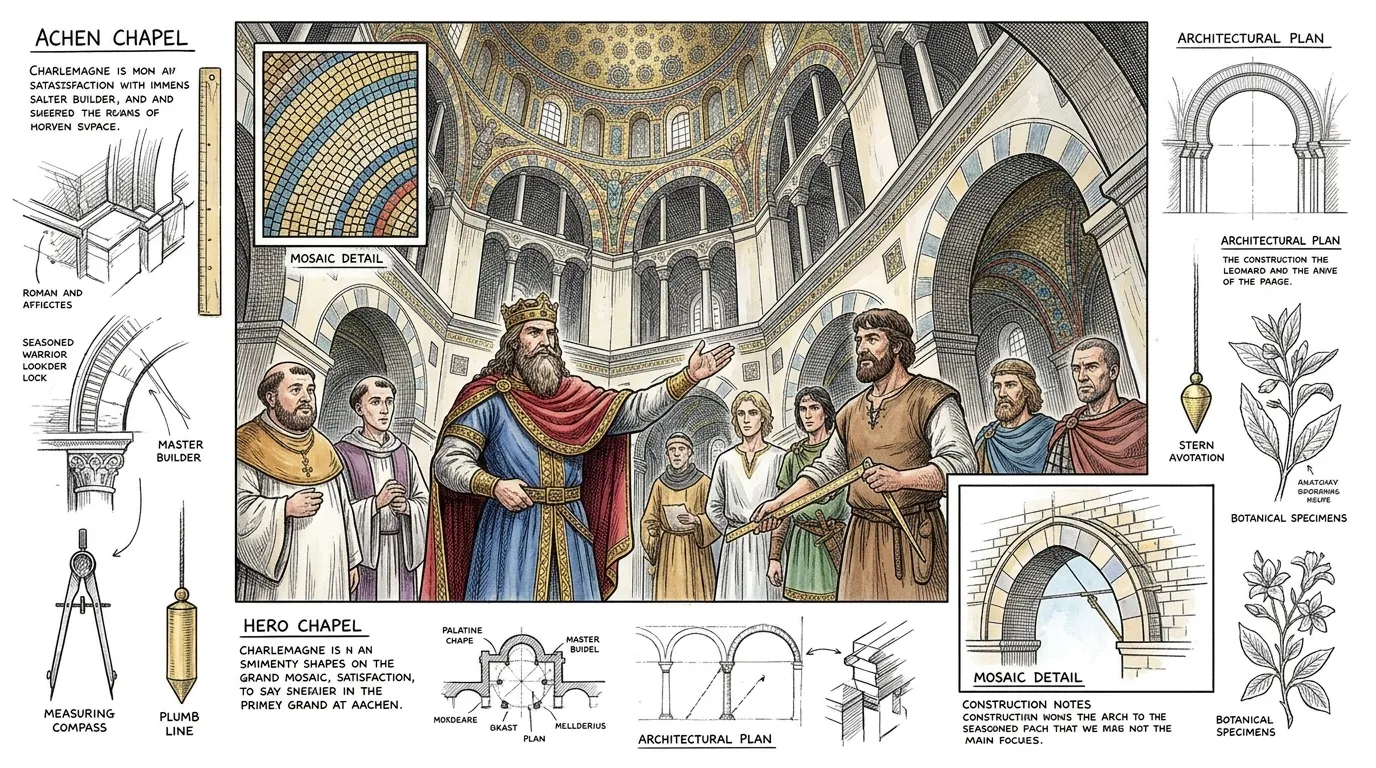
Aachen became the tangible symbol of Charlemagne's ambition, his 'New Rome'. "This Palatine Chapel, with its enduring stones and soaring arches, represents the eternal spirit of our empire," Charlemagne declared to his master builder and court in 805 AD, overseeing the final touches. He constructed a magnificent palace complex around a Palatine Chapel, drawing inspiration from Ravenna and Rome, transforming the rustic Frankish capital into an imperial center of governance and culture. From its halls, Charlemagne directed the complex administration of his vast empire, a testament to his enduring vision for a centralized, unified realm.
Page 7
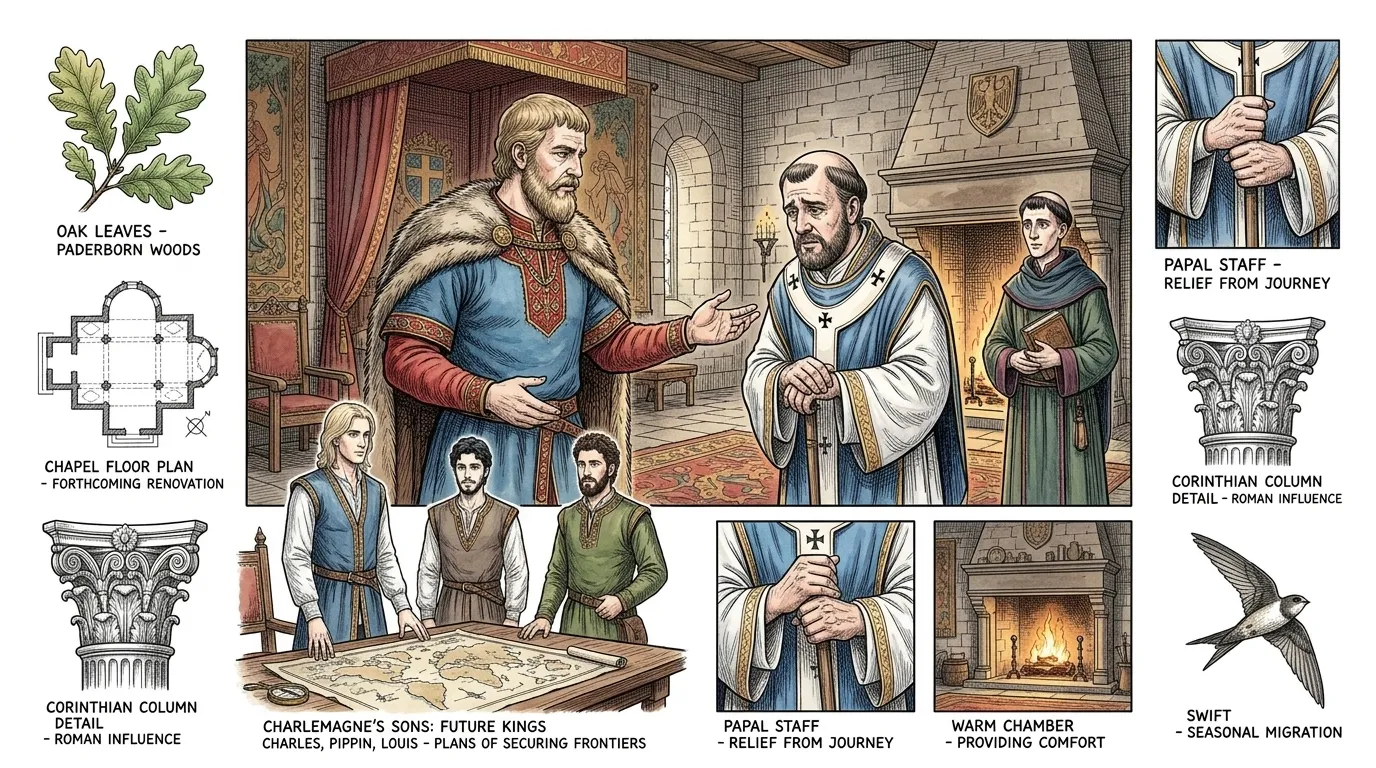
In 799 AD, the troubled Pope Leo III fled Rome and sought refuge with Charlemagne in Paderborn, marking a pivotal moment in their alliance. "Holy Father, your safety and the authority of St. Peter are paramount to the stability of Christendom," Charlemagne assured the pontiff, extending his protection. This dramatic plea for aid solidified Charlemagne's role as the protector of the Church, transforming the Frankish king into the ultimate arbiter of Western Christian affairs. The events at Paderborn irrevocably linked the spiritual power of the Papacy with the burgeoning temporal power of the Carolingian dynasty, setting the stage for future imperial recognition.
Page 8
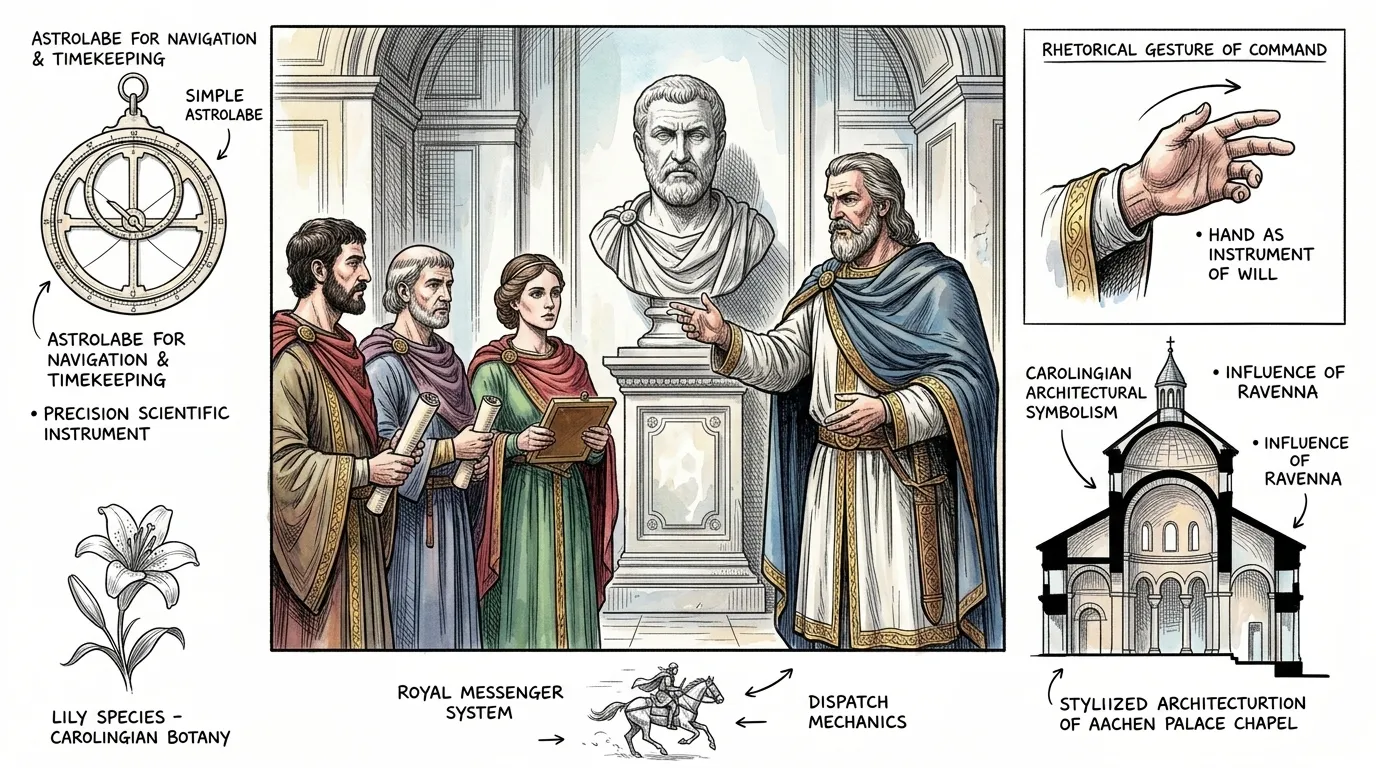
With an empire spanning vast and diverse lands, Charlemagne's greatest challenge was effective governance. "As the Roman jurist Ulpian stated, 'Justice is the constant and perpetual will to render to each his due.' My missi dominici, you will carry this principle to every corner of our realm," Charlemagne commanded, addressing his royal envoys in Aachen in 802 AD. He deployed these special representatives to oversee regional administration, enforce his capitularies – comprehensive legal codes – and ensure loyalty, thus building a structured government. This systematic approach, cultivated from early discussions on law and order, became the bedrock of his imperial control, a direct consequence of his vision for a unified and legally coherent realm.
Page 9
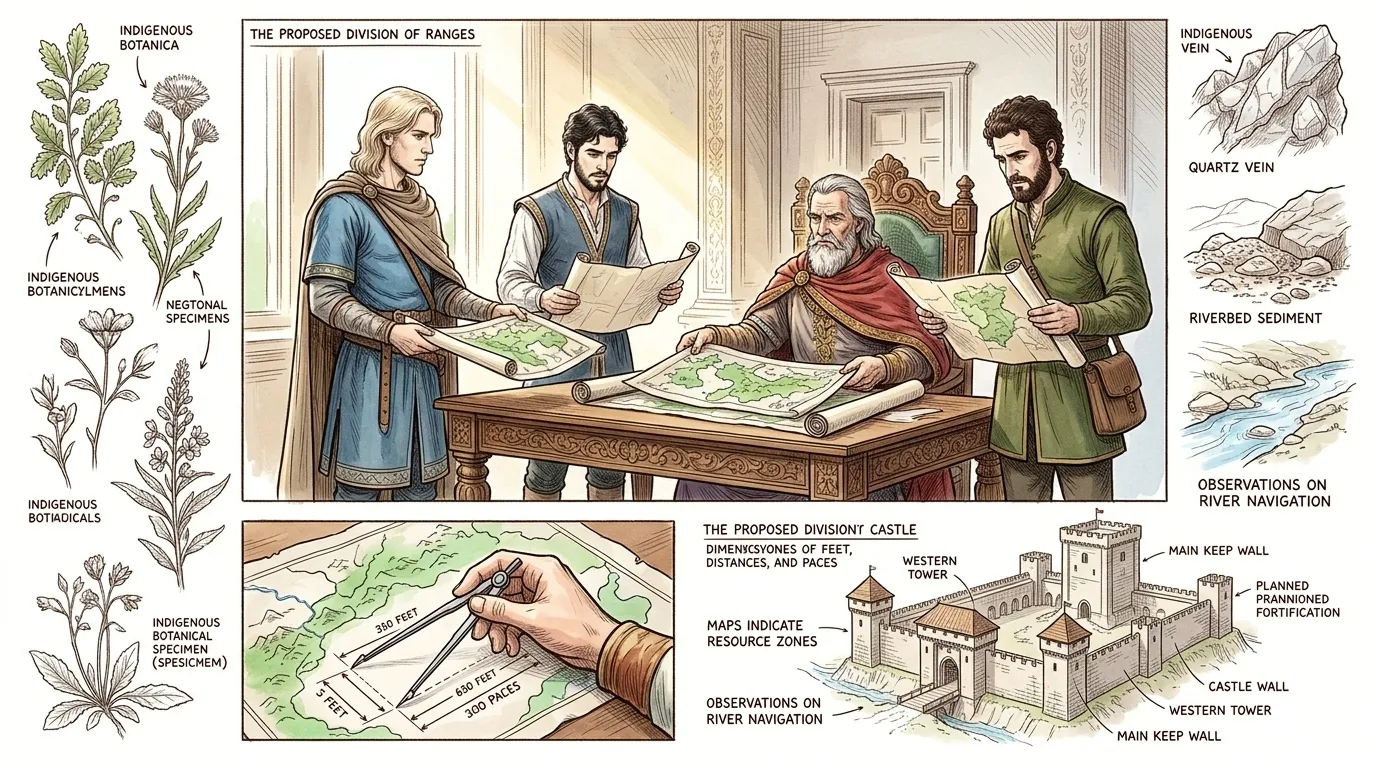
Despite his monumental efforts to unify, Charlemagne, guided by Frankish tradition, formally divided his empire among his three legitimate sons in 806 AD. "The bonds of family must hold our lands together, even if divided into realms," an aging Charlemagne stated, presenting maps to his sons Charles, Pippin, and Louis. This 'Divisio Regnorum' was an attempt to ensure peaceful succession, yet it sowed the seeds of future fragmentation and conflict, foreshadowing the eventual collapse of his unified vision. His sons received their portions, but the enduring concept of a single, overarching empire he had so carefully constructed would prove tragically fragile.
Page 10
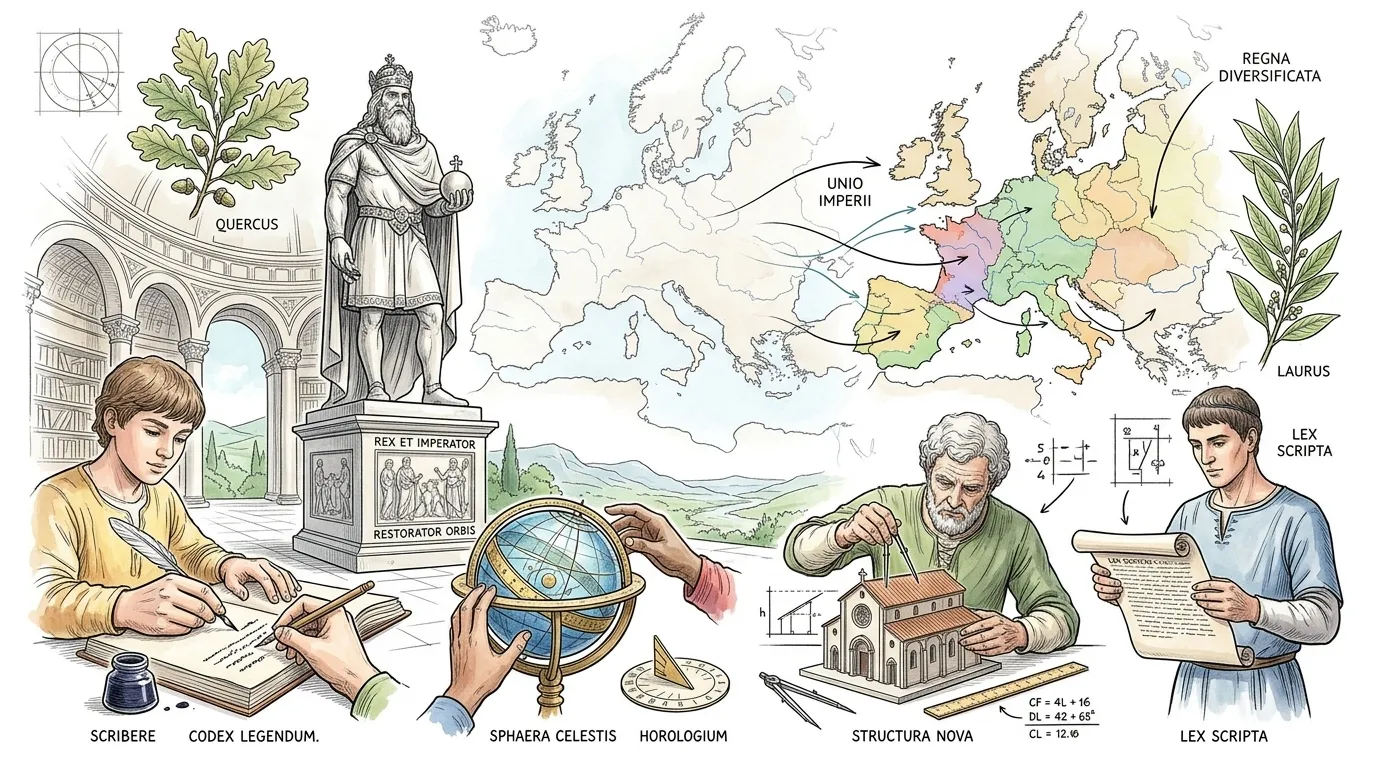
Charlemagne died in 814 AD, and his vast empire eventually fractured, yet his impact resonated for centuries. "He fashioned a rudimentary but coherent Europe, an achievement without which the subsequent history of the continent is inconceivable," historical analysis confirms. The Carolingian Renaissance rekindled learning, preserved classical texts, and set educational standards that shaped medieval Europe. His imperial coronation created a potent ideal of Christian European unity, a dream that would inspire emperors and kings for a thousand years. Charlemagne, 'Father of Europe', left an indelible mark, his vision of a unified, learned Christian civilization forever etched into the continent's identity.
About this story
- Location: Global
- Audience: general readers
Questions and answers
Read Wonder People on your phone
Wonder People is available on Android. Get Wonder People on Google Play.