Diego Rivera
Diego Rivera — an illustrated biography story, set in Global. 10 illustrated pages, free to read on Wonder People.
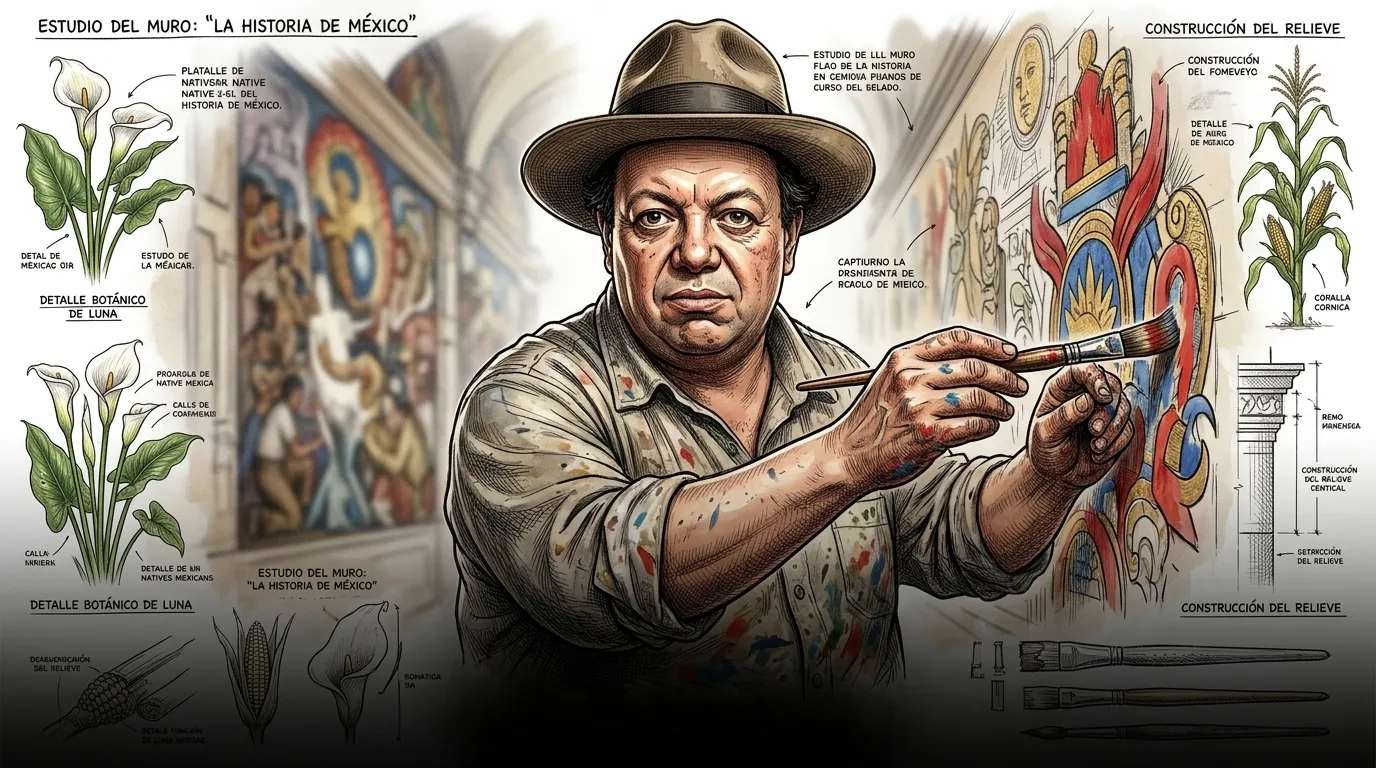
Page 1
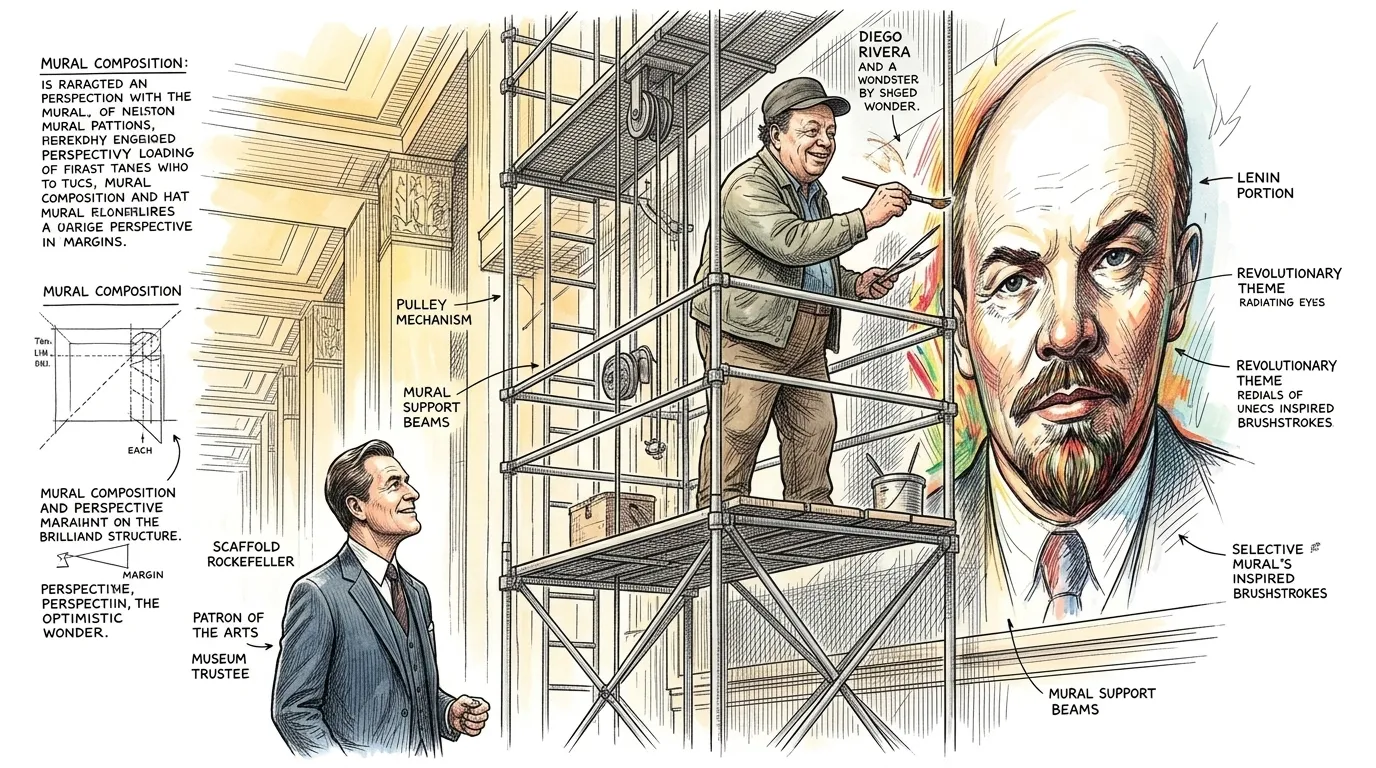
New York City, 1933. On the towering scaffolding within Rockefeller Center's RCA Building, Diego Rivera stood defiant, his brush poised. He had envisioned a grand mural, 'Man at the Crossroads,' depicting the convergence of capitalism and communism, a bold statement for a public space. But as the face of Vladimir Lenin emerged on the wall, industrialist Nelson Rockefeller demanded its removal, threatening the colossal work. Rivera, facing immense pressure, refused to compromise his artistic vision.
Page 2
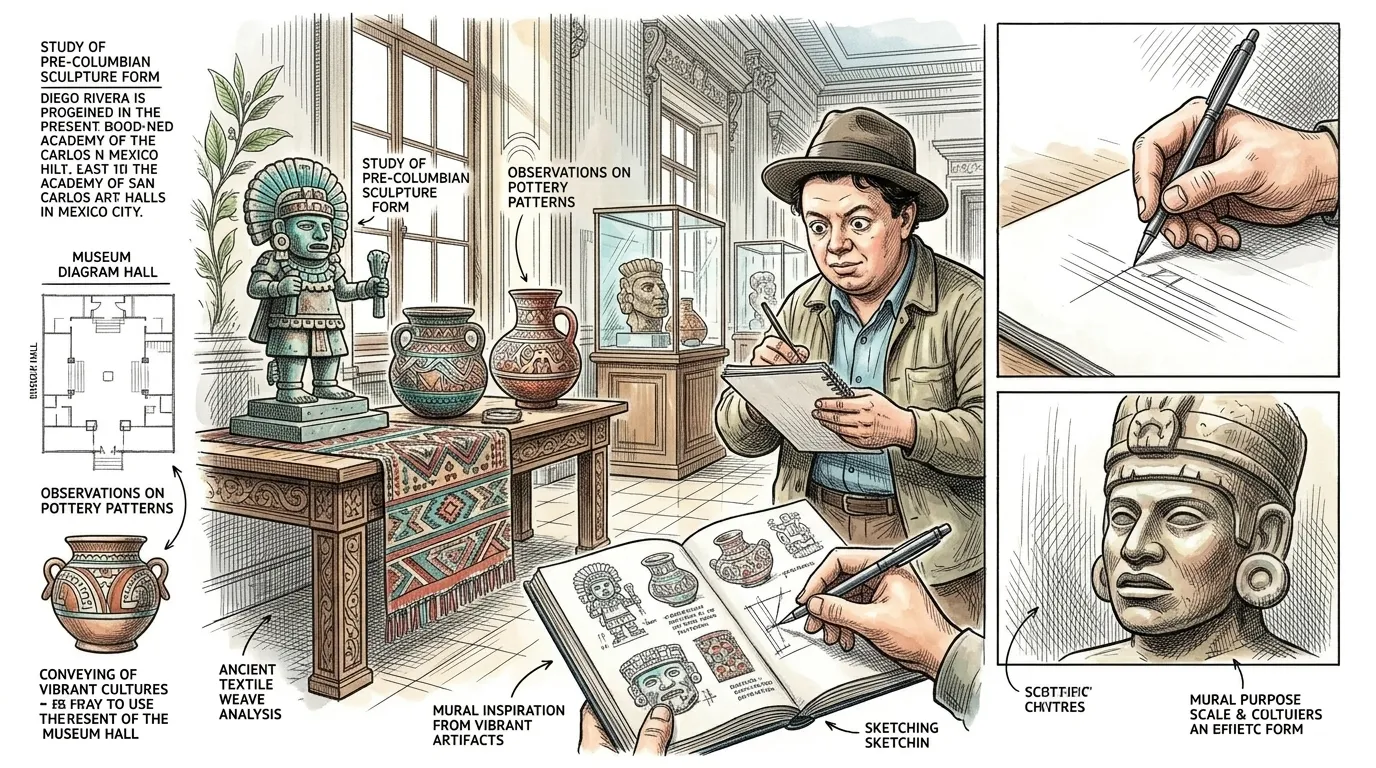
From his earliest days in Guanajuato, Mexico, Diego Rivera's hands craved expression, constantly sketching the world around him. He entered the Academy of San Carlos in Mexico City at age ten, rapidly absorbing classical techniques. Yet, it was the powerful, collective narratives of Mexico's ancient cultures, visible in every pre-Columbian artifact, that ignited his core belief: art must serve a greater social purpose, speaking to the masses, not just the elite. This profound understanding of art as public narrative became his foundational philosophy, an enduring principle often overlooked by those who saw only individual genius.
Page 3
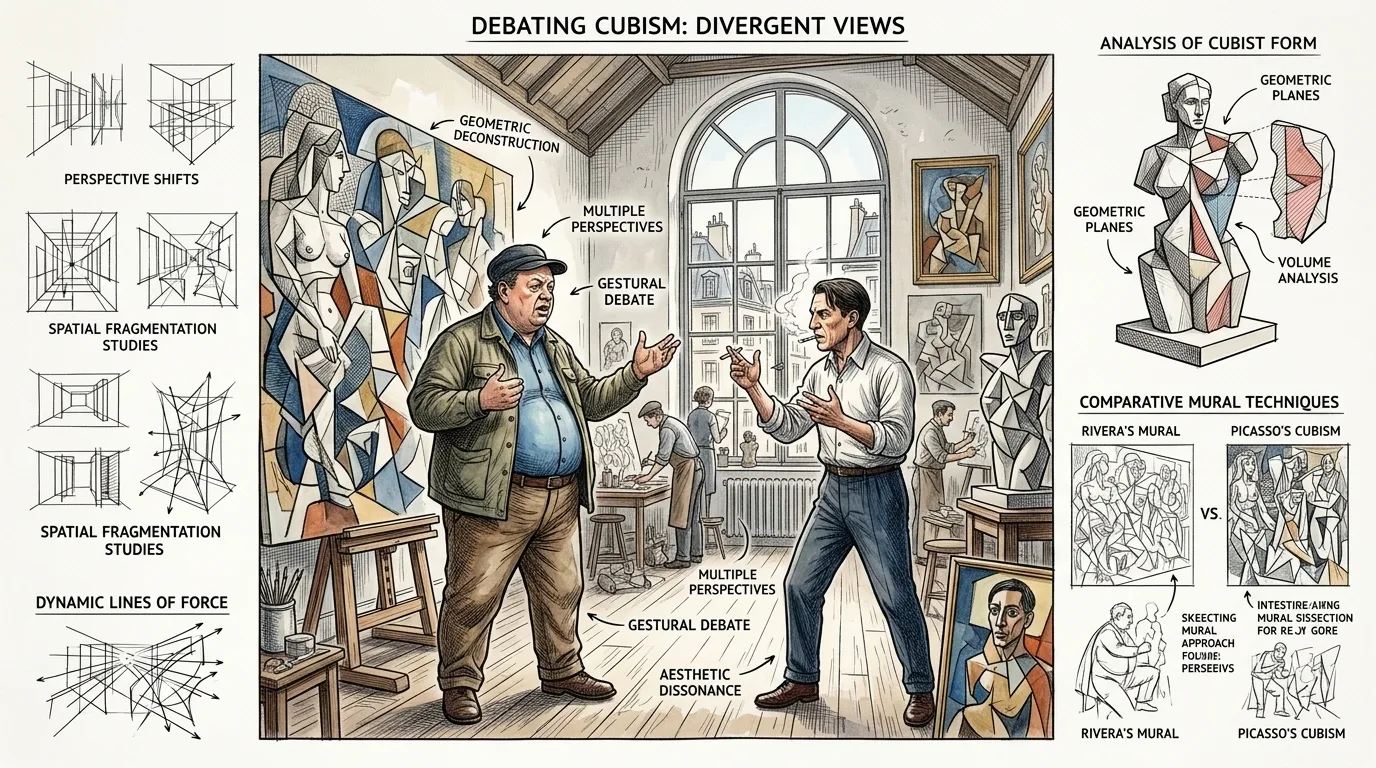
In 1907, Rivera traveled to Europe, drawn to the avant-garde movements reshaping art. In bustling Parisian studios, he immersed himself in Cubism, working alongside figures like Pablo Picasso. He engaged fiercely with the dismantling of perspective, stating to Picasso during a vibrant debate, 'As the French philosopher René Descartes once articulated, 'I think, therefore I am.' For us, it must be, 'I paint, therefore I question.' He mastered its principles, dissecting form and space, a crucial period of intellectual and artistic expansion before forging his own distinct style.
Page 4
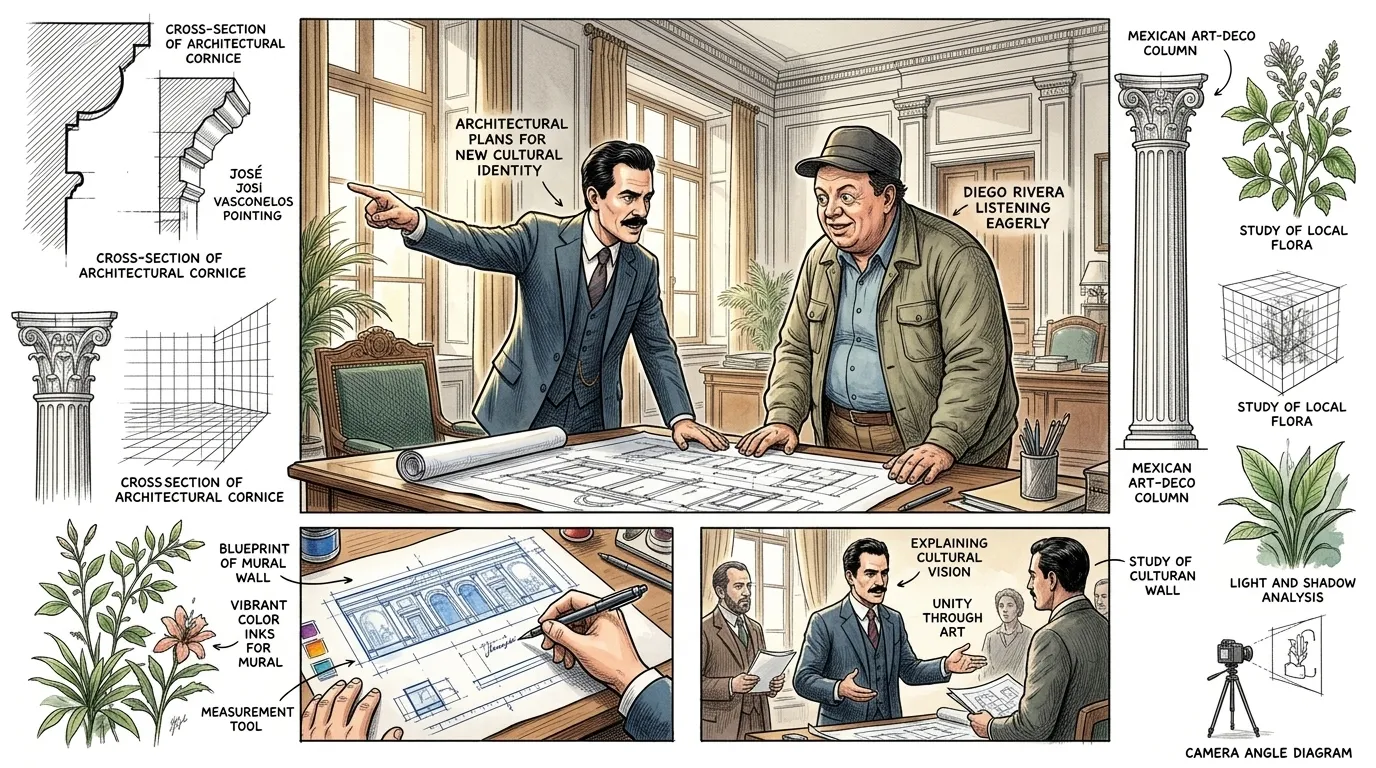
Returning to Mexico in 1921, Rivera found a nation transformed by revolution, seeking a new cultural identity. José Vasconcelos, the Minister of Public Education, championed a monumental project: public murals to educate and unify the populace. Vasconcelos approached Rivera, recognizing his unique blend of European technique and profound Mexican roots. Rivera embraced the challenge, understanding it as an unparalleled opportunity to realize his lifelong conviction: art as a communal force, reclaiming his ancient heritage for the modern Mexican spirit.
Page 5
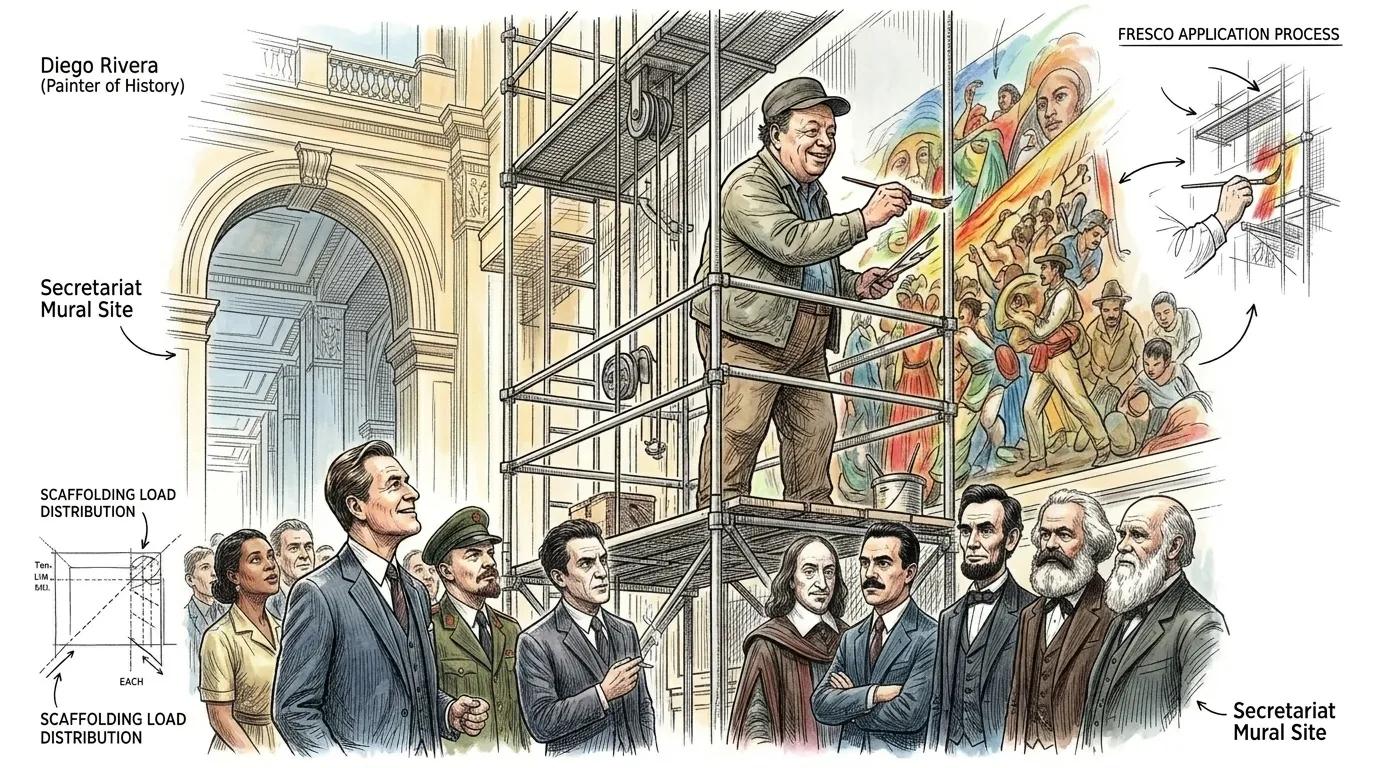
The vast walls of Mexico's public buildings became Rivera's canvas. At the Secretariat of Public Education, he embarked on his monumental mural cycle, depicting Mexican history, culture, and the lives of its working people. From scaffolding high above, he meticulously applied fresco to plaster, transforming blank surfaces into vivid chronicles. The murals, filled with vibrant colors and powerful narratives, drew crowds of common citizens and intellectuals alike, affirming Rivera's belief that art belonged to the people, serving as a visual education and a source of national pride.
Page 6
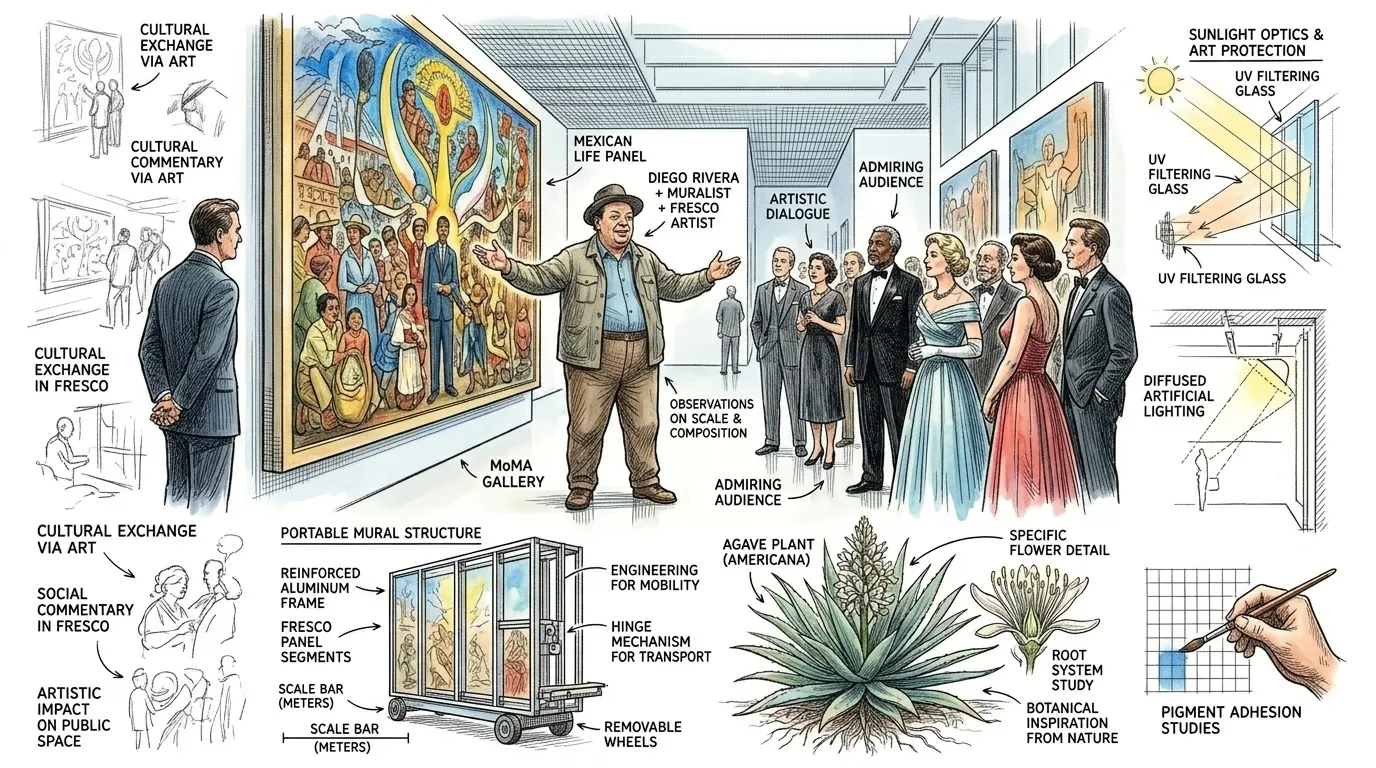
By the early 1930s, Diego Rivera's reputation soared internationally. In 1931, the Museum of Modern Art (MoMA) in New York City honored him with a major retrospective, only its second exhibition dedicated to a single artist. His portable frescoes, massive panels depicting Mexican life and revolutionary ideals, filled the museum's galleries. Rivera stood amidst his colossal works, captivating sophisticated American audiences who marveled at the scale and social commentary of his art. His impact extended beyond Mexico, firmly establishing him as a global artistic force.
Page 7
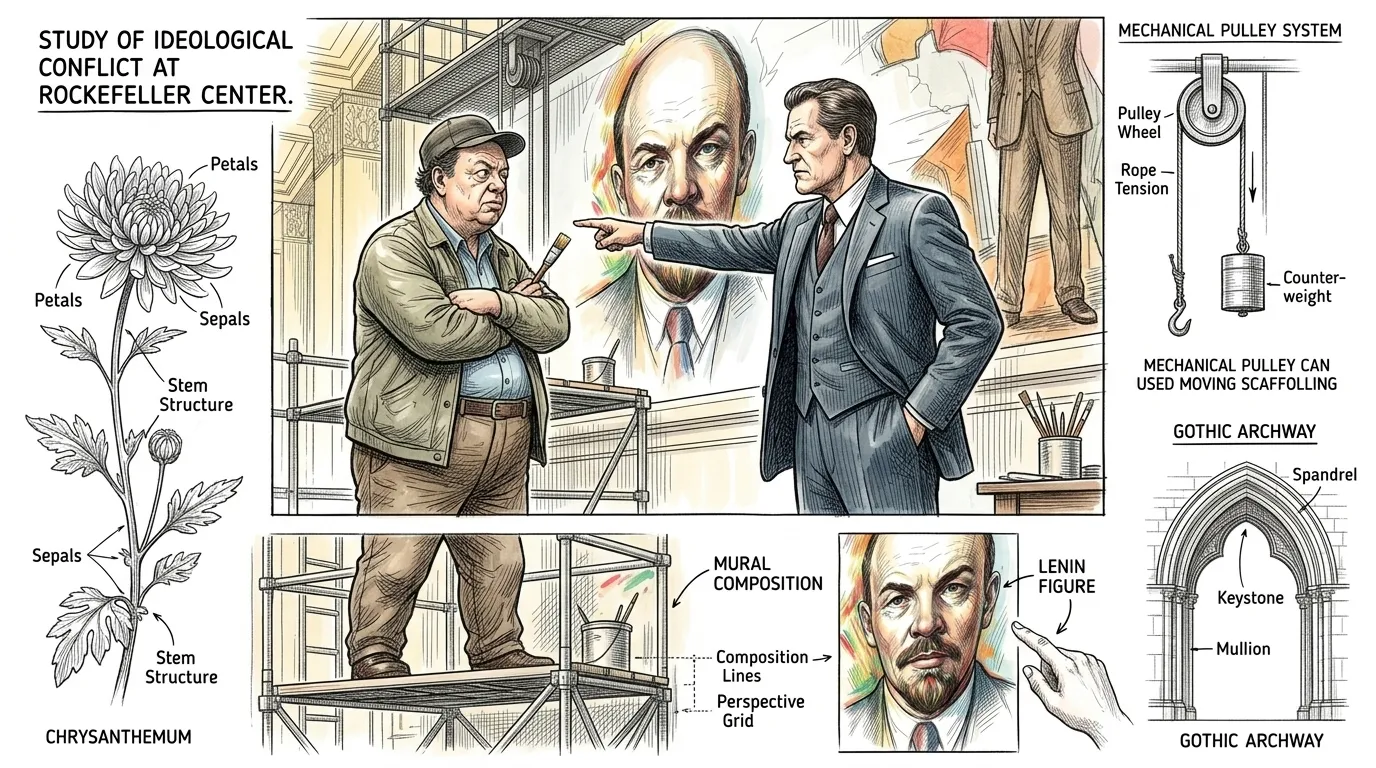
The confrontation at Rockefeller Center escalated. Nelson Rockefeller, upon seeing the portrait of Lenin, demanded its removal, offering to pay Rivera to paint over it. Rivera, resolute, refused. He firmly declared to Rockefeller, 'My work is my life, and I do not paint for dollars alone.' The clash was not merely artistic; it was a fundamental conflict of ideology, a test of artistic freedom against corporate control. Rivera offered to balance the composition with a portrait of Abraham Lincoln, but Rockefeller remained unyielding, sealing the mural's fate.
Page 8
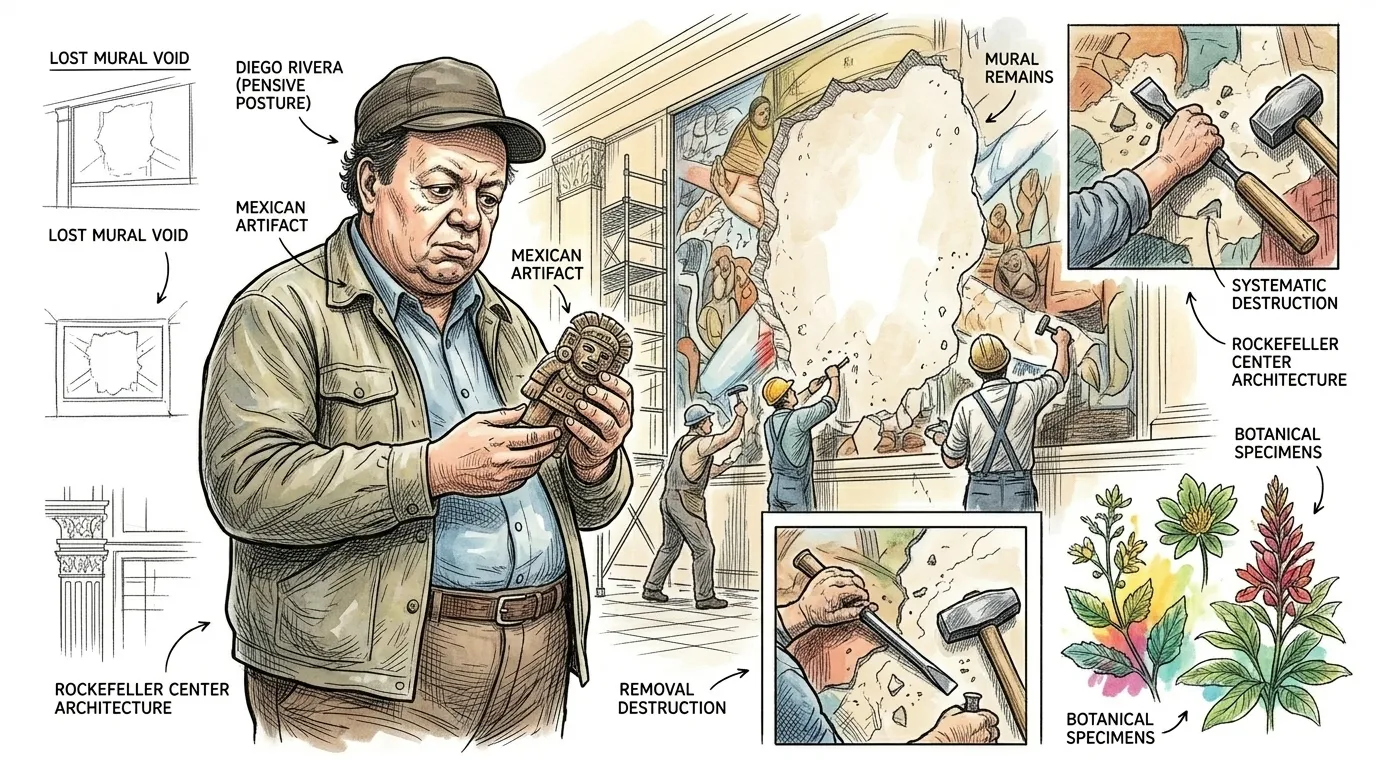
Despite fervent protests from artists and intellectuals, Nelson Rockefeller ordered the destruction of 'Man at the Crossroads.' The monumental fresco, barely six months after its unveiling, was systematically chipped away from the wall, erased from existence. For Rivera, this act was a brutal vindication of the power dynamic he often depicted in his art, yet it did not break his spirit. He reflected on the ancient Mexican art philosophy where art served the community, not the individual. The destruction proved that even an artwork's physical form could be removed, but the potent idea it embodied — the voice of the people — could never be truly silenced.
Page 9
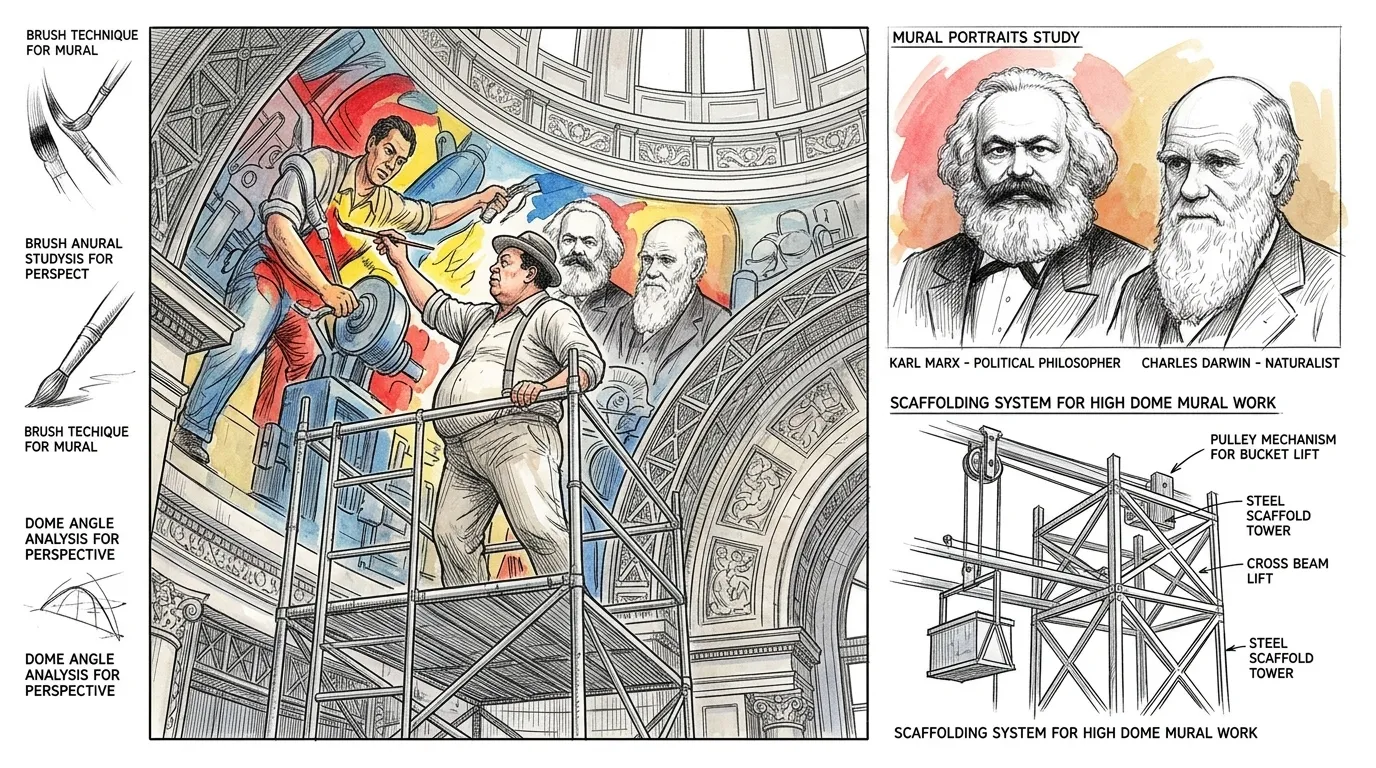
Unbowed by the destruction, Diego Rivera returned to Mexico, where his defiant stance had only cemented his legendary status. Within a year, he began recreating the destroyed Rockefeller Center mural at the Palacio de Bellas Artes in Mexico City. Renamed 'Man, Controller of the Universe,' this version was even bolder, including portraits of Karl Marx and Charles Darwin. This act was not merely restoration; it was an emphatic assertion of artistic and political conviction, proving that even monumental censorship could not extinguish an artist's message when it resonated with the aspirations of a nation. The mural, finally completed in 1934, became a permanent fixture of Mexico's cultural heritage.
Page 10
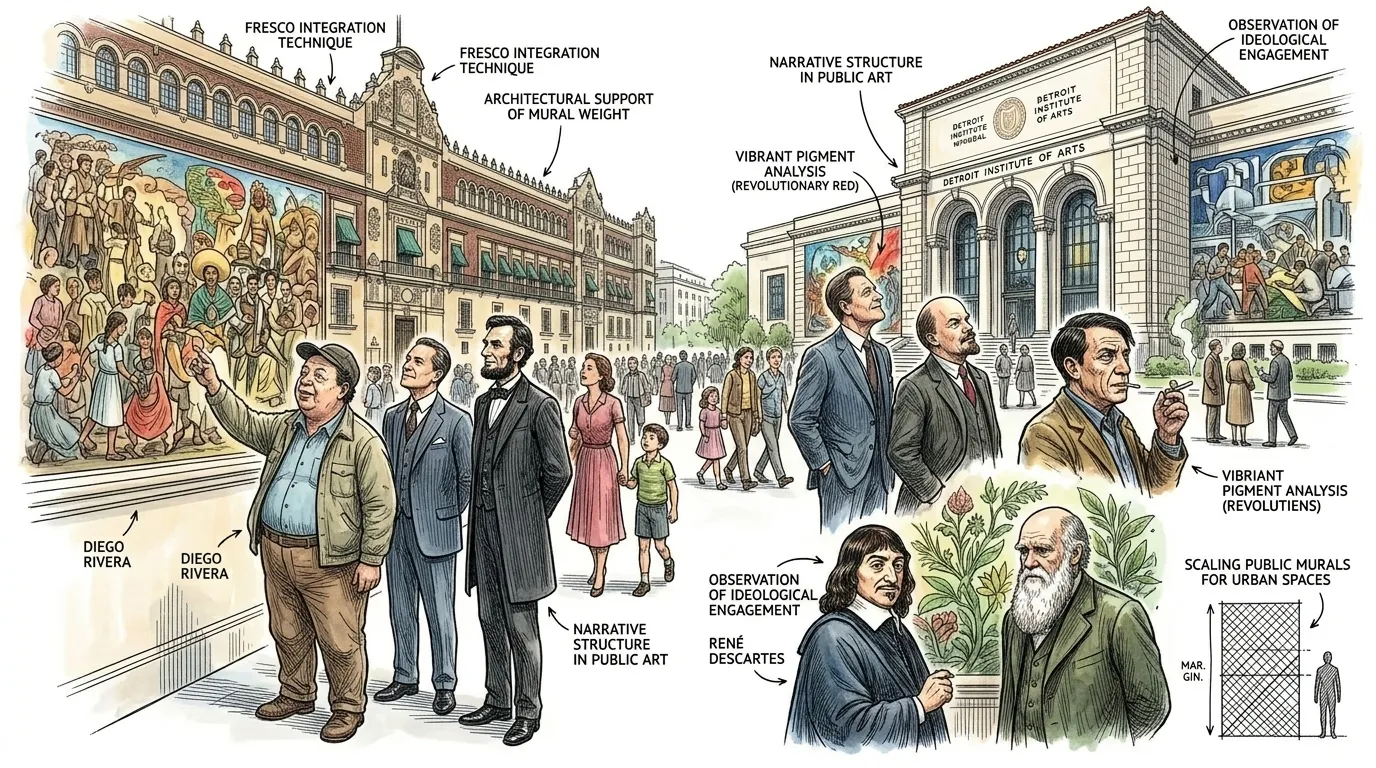
Diego Rivera's legacy endures across the walls of Mexico and beyond. His monumental frescoes, vibrant with color and social commentary, remain powerful statements of national identity, labor, and revolutionary ideals. From the Palacio Nacional to the Detroit Institute of Arts, his work continues to educate and provoke, embedding history and culture directly into the public consciousness. Rivera proved that art could transcend galleries, becoming a vital, accessible narrative for all, echoing his ancient vision of art as a collective voice that shapes and reflects a nation's soul. His impact fundamentally reshaped the role of public art in the 20th century.
About this story
- Location: Global
- Audience: general readers
Questions and answers
Read Wonder People on your phone
Wonder People is available on Android. Get Wonder People on Google Play.