Charles Dickens
Charles Dickens — an illustrated biography story, set in Global. 10 illustrated pages, free to read on Wonder People.
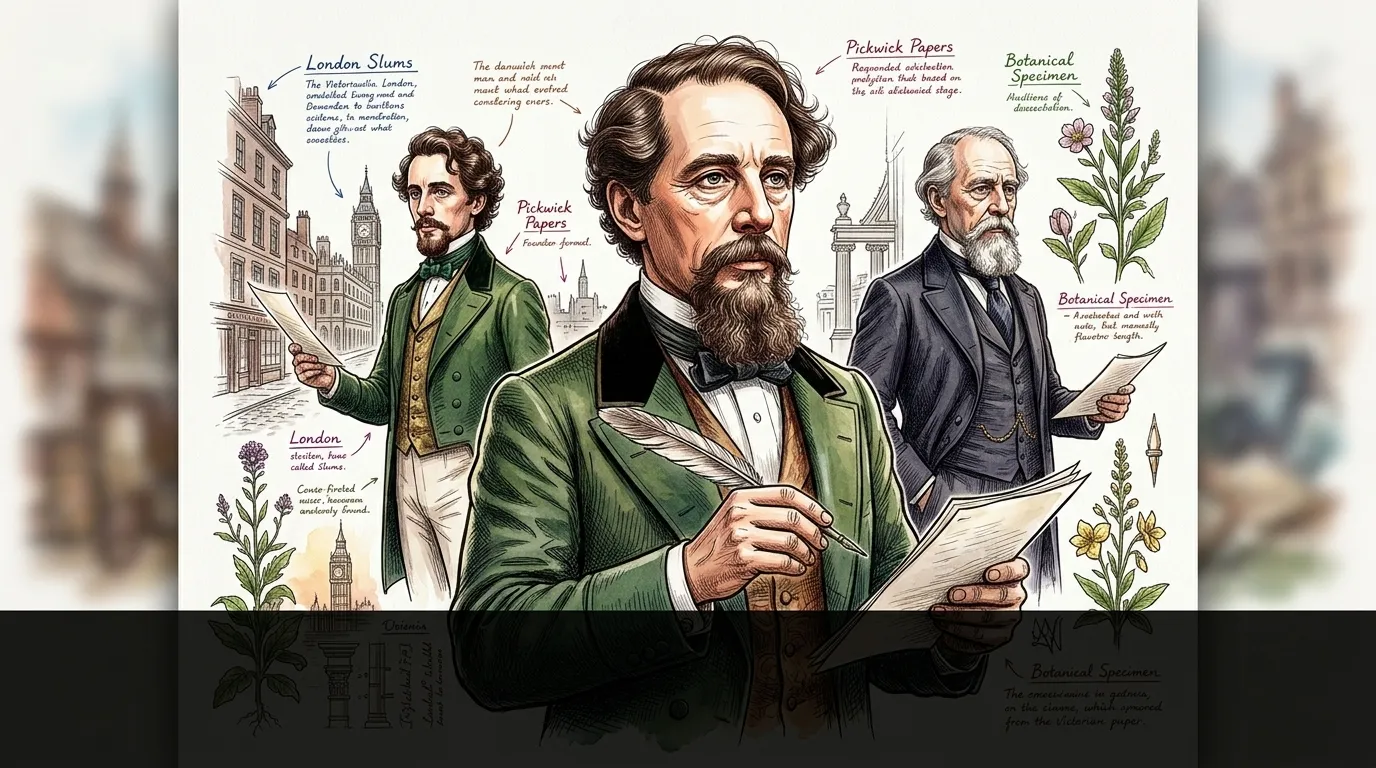
Page 1
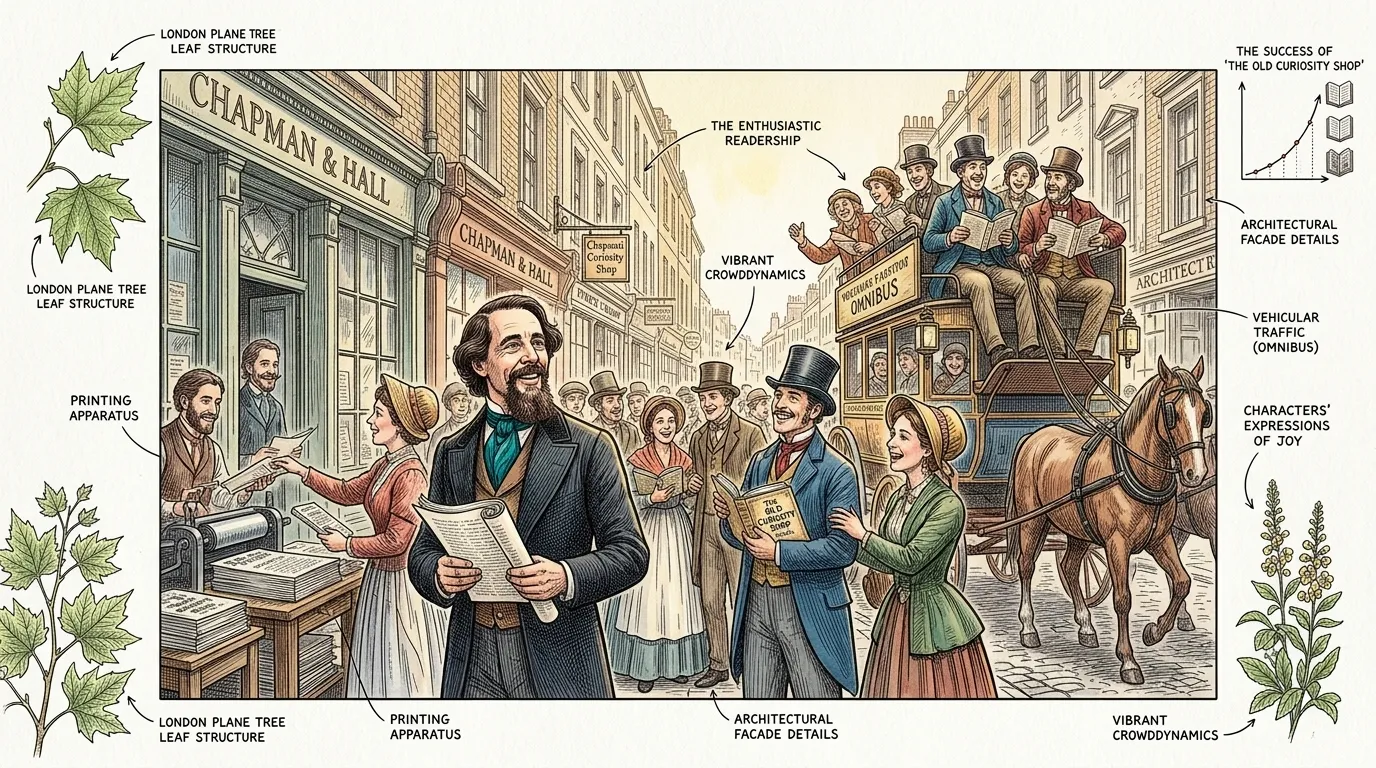
In the bustling streets of Fleet Street, London, in 1841, a nation held its breath. As the final installments of 'The Old Curiosity Shop' arrived from the printers, public anxiety over the fate of Little Nell reached a fever pitch, an unprecedented phenomenon in literary history. Thousands across Britain and America mourned openly, queuing for news and weeping on omnibus tops, signaling Charles Dickens's unparalleled command over the collective emotional landscape. In that moment, he transcended authorship, becoming the orchestrator of national grief.
Biographical Fact: Charles Dickens, at the peak of his early fame, observing the public's unprecedented emotional response to his serialized novel, a defining moment in popular literature.
Page 2
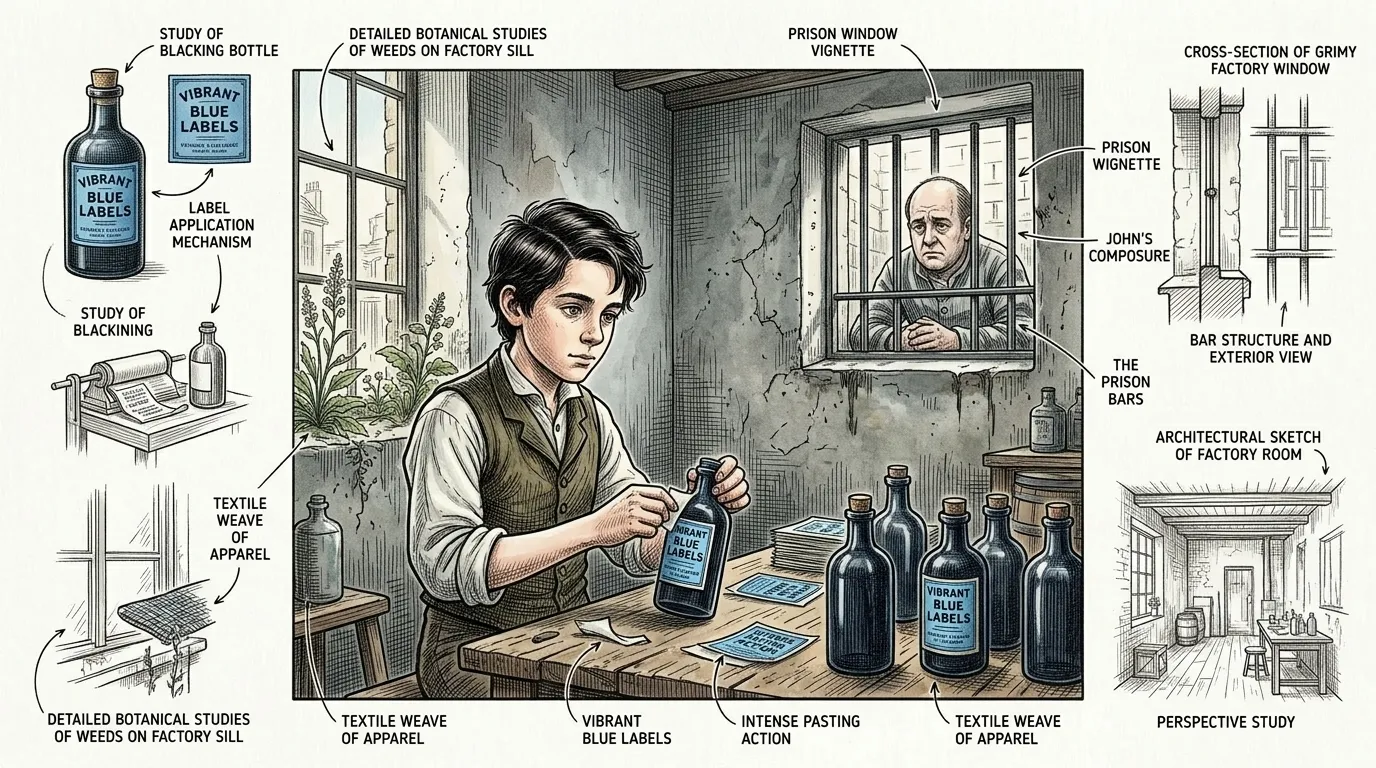
His formative years were not idyllic, but a crucible of stark realities that forged his worldview. At just twelve, Charles Dickens experienced the humiliation of his father, John Dickens, being imprisoned in Marshalsea Debtor's Prison. This personal tragedy thrust the young boy into the desperate world of child labor, pasting labels in Warren's Blacking Factory, forcing him to confront the profound injustices of London's underbelly firsthand.
Biographical Fact: The young Charles Dickens enduring the harsh realities of child labor in Warren's Blacking Factory, an experience that deeply influenced his future literary themes.
Page 3
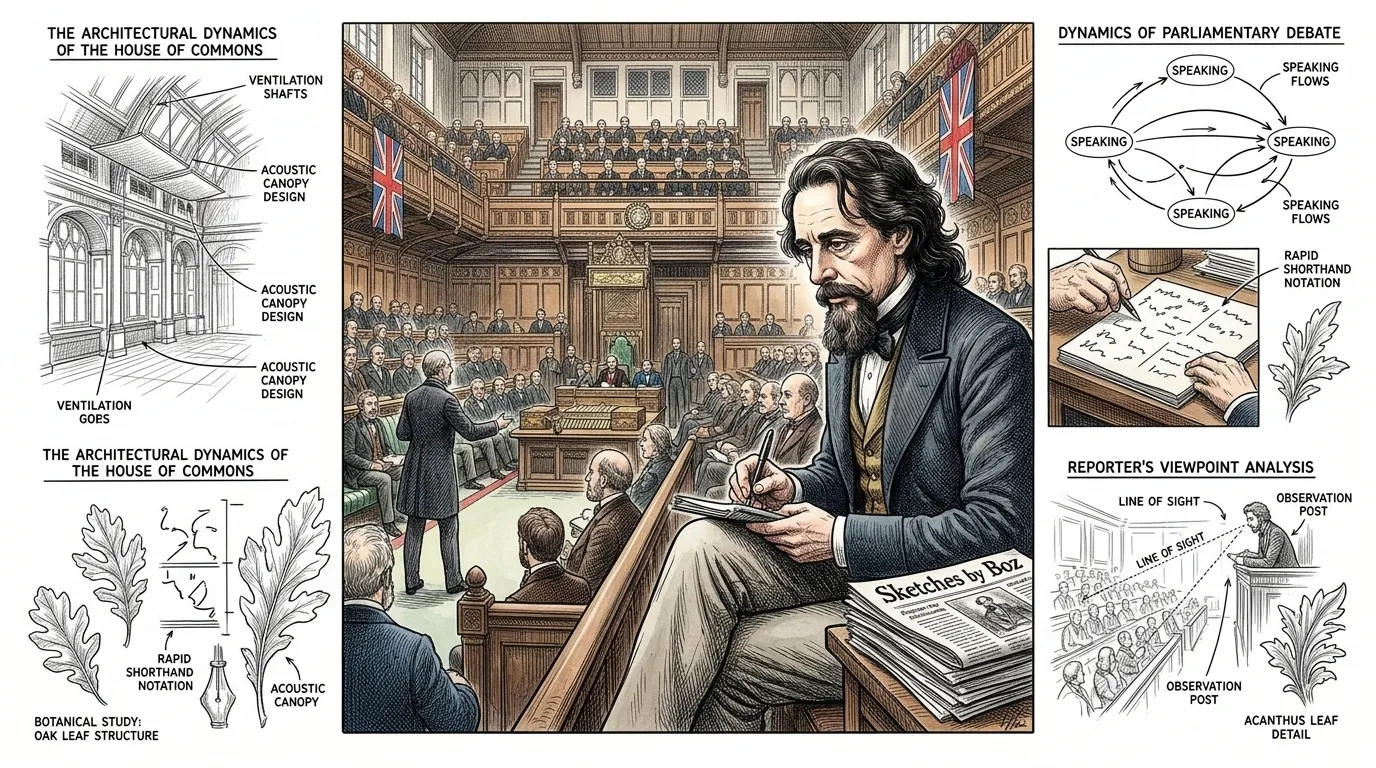
Driven by an insatiable ambition, Dickens taught himself Gurney's system of shorthand, becoming a remarkably swift and accurate parliamentary reporter. This rigorous training sharpened his observational skills and allowed him unprecedented access to the diverse characters and dramatic narratives of London life. Soon, his insightful observations began appearing in print as 'Sketches by Boz,' marking his emergence as a perceptive chronicler of urban existence.
Biographical Fact: Charles Dickens, known as 'Boz,' diligently working as a parliamentary reporter, capturing the essence of London's bustling life that would soon fill his early literary sketches.
Page 4
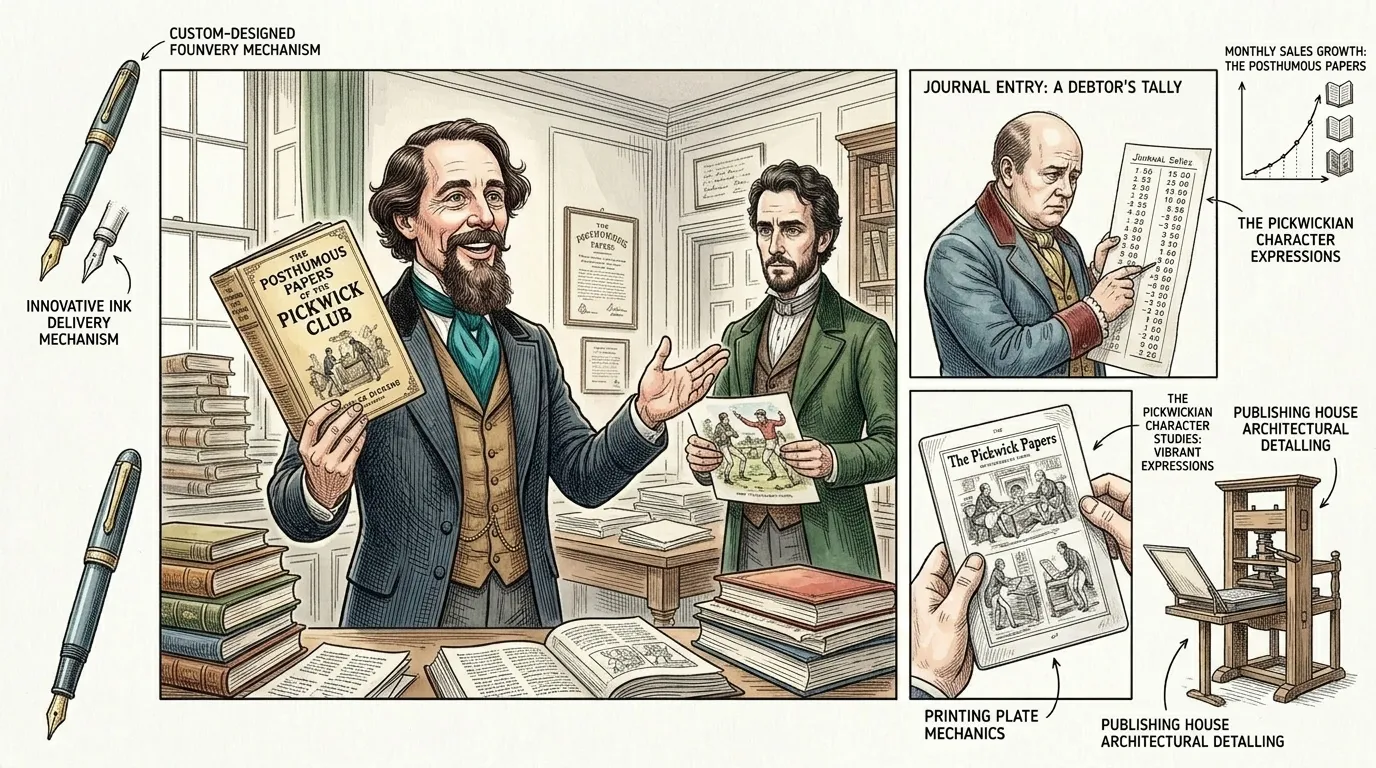
When publisher Chapman & Hall offered him a serialization project for a series of sporting illustrations, Dickens seized the opportunity, transforming the concept. What began as a mere narrative accompaniment to Robert Seymour's etchings swiftly evolved into 'The Posthumous Papers of the Pickwick Club,' a work driven by Dickens's own comedic genius. Its immediate and overwhelming success launched him from a promising young writer into a national literary sensation.
Biographical Fact: Charles Dickens, now a celebrated author, holding a copy of 'The Pickwick Papers,' the work that cemented his fame and established his unique narrative voice in 1836.
Page 5
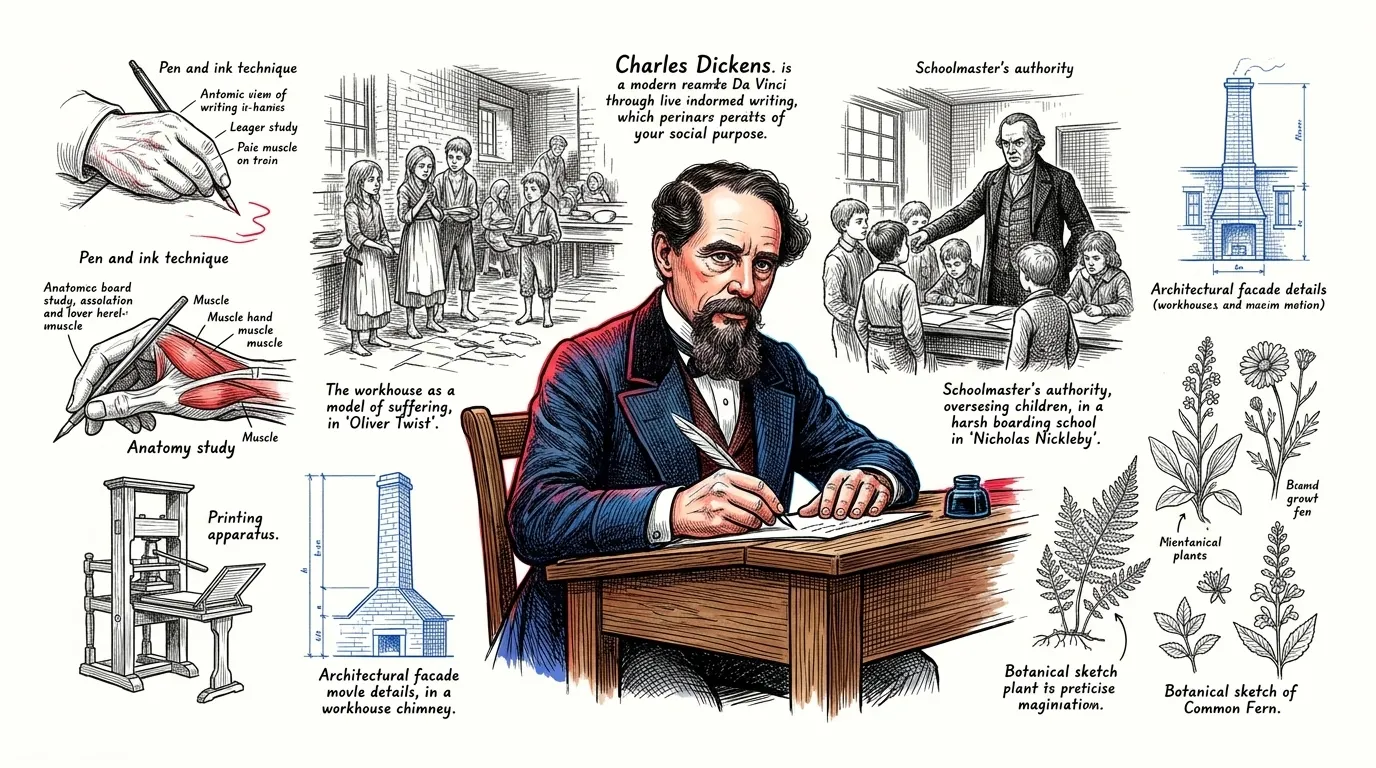
With his growing platform, Dickens deliberately turned his narrative gaze toward the social injustices he had witnessed in his youth. Works like 'Oliver Twist' exposed the brutal realities of the workhouse system and London's criminal underworld, while 'Nicholas Nickleby' attacked the cruelties of Yorkshire's boarding schools. His powerful storytelling galvanized public opinion, transforming literature into a potent instrument of social critique and reform.
Biographical Fact: Dickens using his pen to expose the social injustices of Victorian England, bringing the suffering of the poor and vulnerable to the forefront of public consciousness through works like 'Oliver Twist.'
Page 6
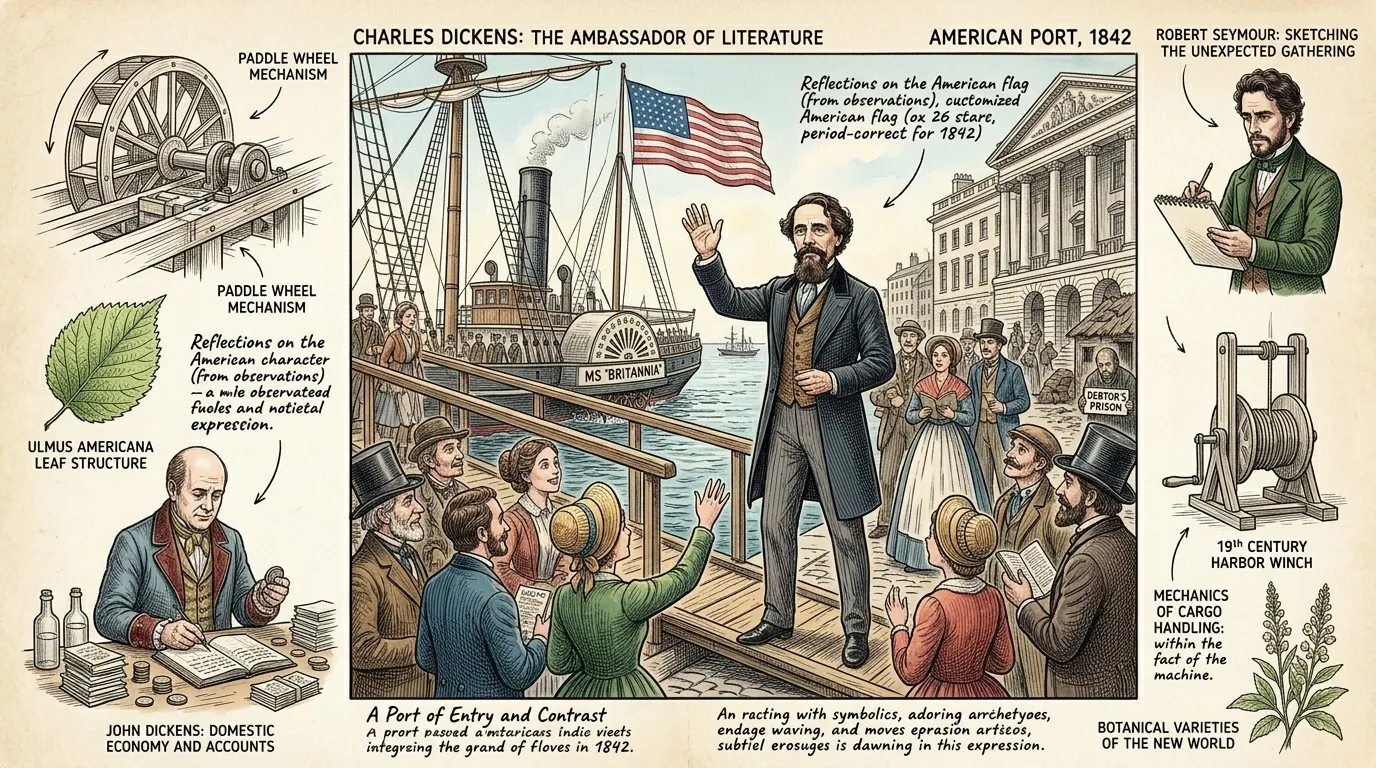
By 1842, Dickens's fame had crossed the Atlantic, prompting an invitation to tour America, where he was met with unprecedented adulation. Crowds mobbed him, eager for a glimpse of the literary titan whose words had captivated them. However, his initial enthusiasm soon waned as he confronted American societal flaws, particularly the widespread practice of slavery, which he openly denounced, risking alienation from his devoted readership.
Biographical Fact: Charles Dickens arrives in Boston in 1842 for his first American tour, where he was celebrated as a literary hero, before raising uncomfortable truths about American society.
Page 7
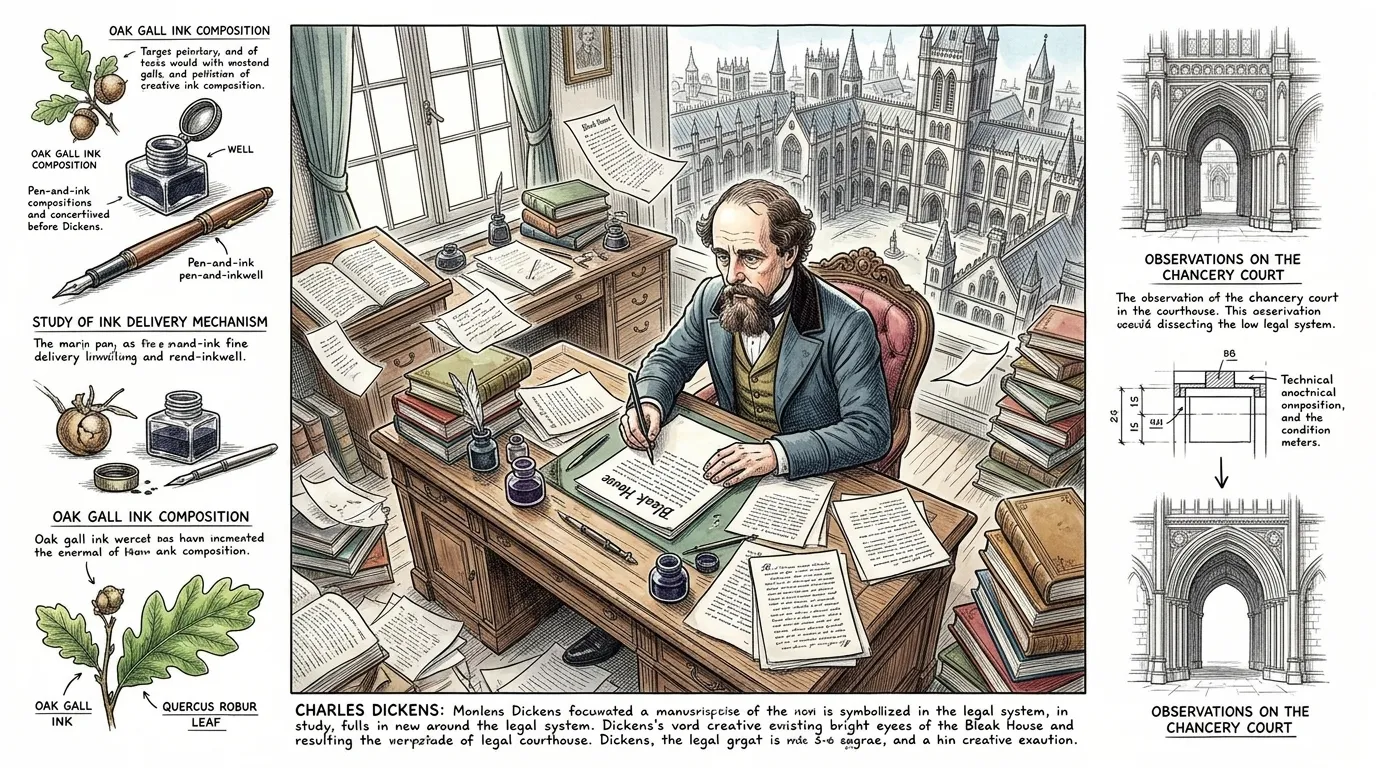
Returning to England, Dickens intensified his craft, embarking on some of his most ambitious and complex novels, including 'Bleak House.' This intricate work masterfully satirized the antiquated legal system and highlighted the suffocating effects of Chancery. The relentless pressure of serialized publication, combined with his burgeoning social activism, fueled an almost superhuman creative output that redefined the Victorian novel.
Biographical Fact: Charles Dickens deeply immersed in the demanding process of writing 'Bleak House,' a complex novel that dissected the injustices of the legal system and Victorian society.
Page 8
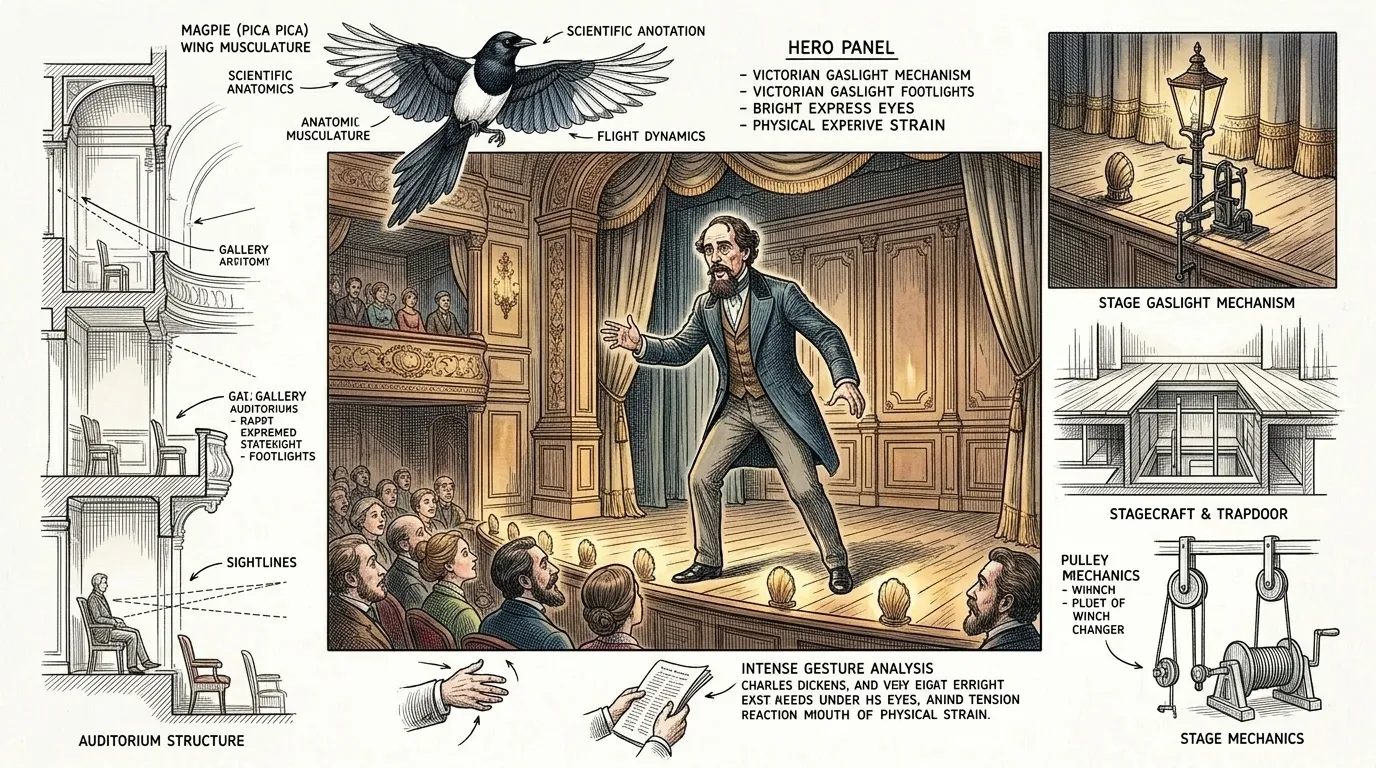
In his later career, Dickens transformed his public readings into electrifying theatrical performances, memorizing entire chapters and embodying his characters with astonishing vitality. These intense, dramatic readings captivated audiences, further cementing his direct connection with the public. While immensely popular and lucrative, these performances exacted a severe toll on his health, driving him to the brink of exhaustion.
Biographical Fact: Charles Dickens delivering one of his famously intense and theatrical public readings in London, a practice that both captivated audiences and severely strained his health.
Page 9
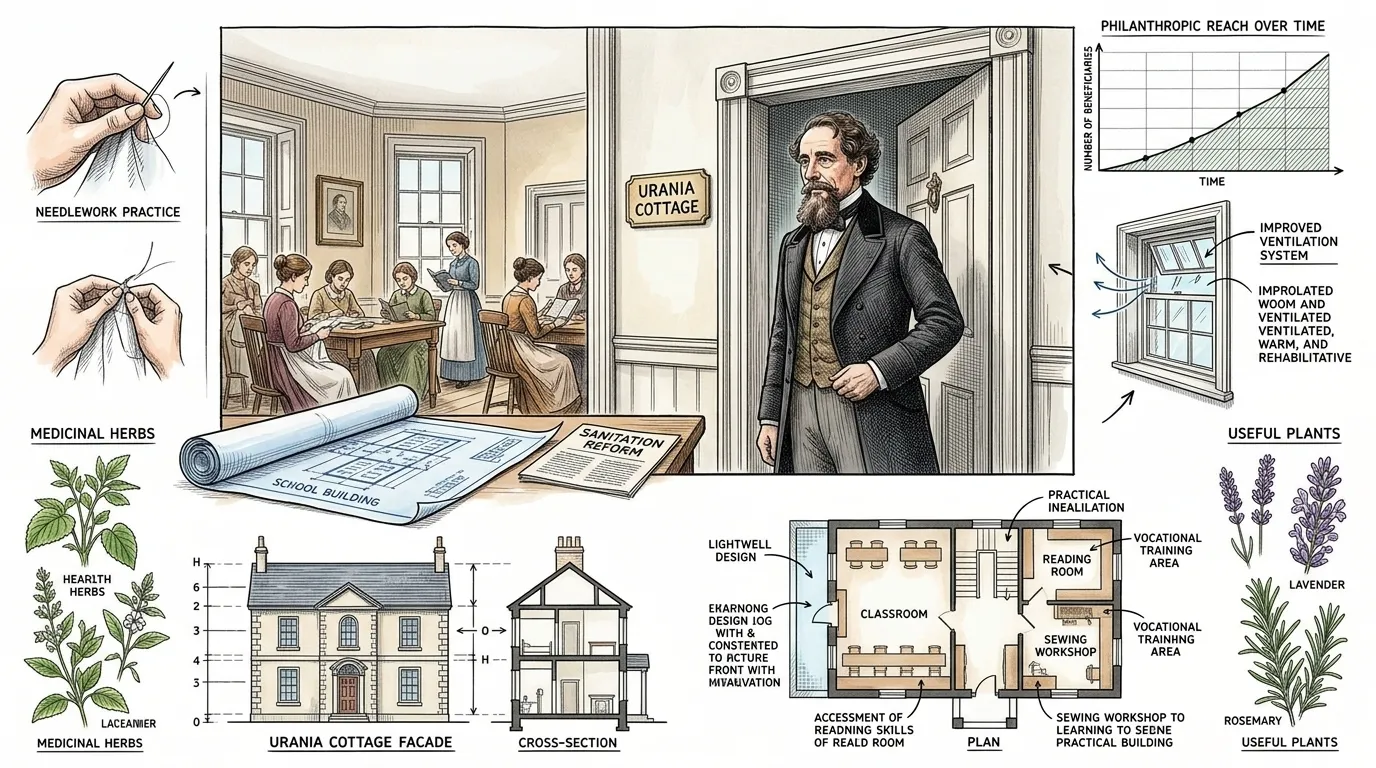
Dickens's commitment to social reform extended far beyond his published works; he actively engaged in philanthropic endeavors. He helped establish Urania Cottage, a home for 'fallen women' seeking rehabilitation, and relentlessly campaigned for educational reform and improved sanitation. His writings gave voice to the marginalized, but his actions provided tangible support, proving that true impact required both storytelling and direct intervention.
Biographical Fact: Charles Dickens actively involved in philanthropic work, such as establishing Urania Cottage, demonstrating his commitment to social reform beyond his literary contributions.
Page 10
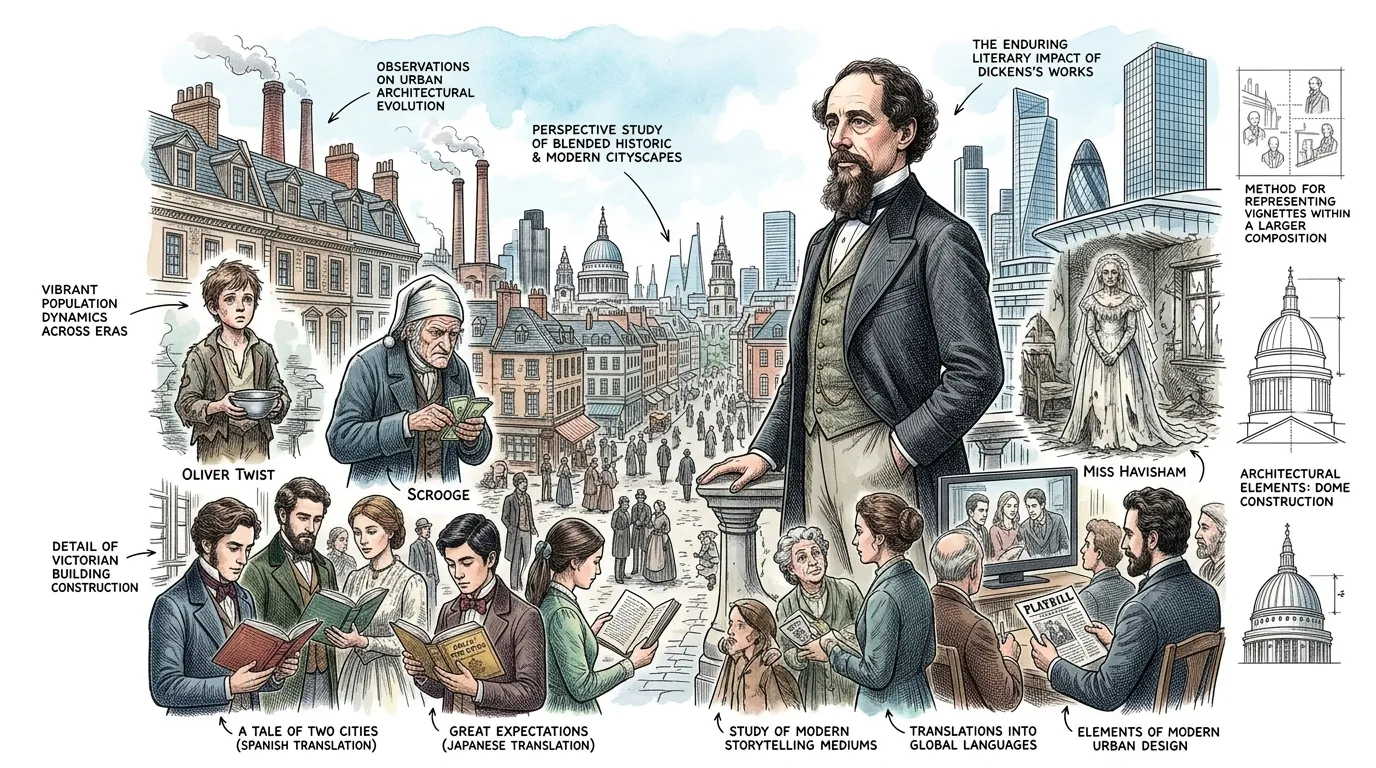
Charles Dickens's death in 1870 left an irreplaceable void, but his legacy only grew. His vivid characters and intricate plots continue to capture imaginations worldwide, translated into countless languages and adapted into every conceivable medium. More profoundly, his works remain a powerful mirror reflecting the complexities of human nature and society's persistent inequalities, ensuring his voice endures as a timeless advocate for empathy and justice.
Biographical Fact: The lasting legacy of Charles Dickens, whose iconic characters and profound social commentary continue to resonate and inspire empathy across generations.
About this story
- Location: Global
- Audience: general readers
Questions and answers
Read Wonder People on your phone
Wonder People is available on Android. Get Wonder People on Google Play.