George Washington
George Washington — an illustrated biography story, set in Global. 10 illustrated pages, free to read on Wonder People.
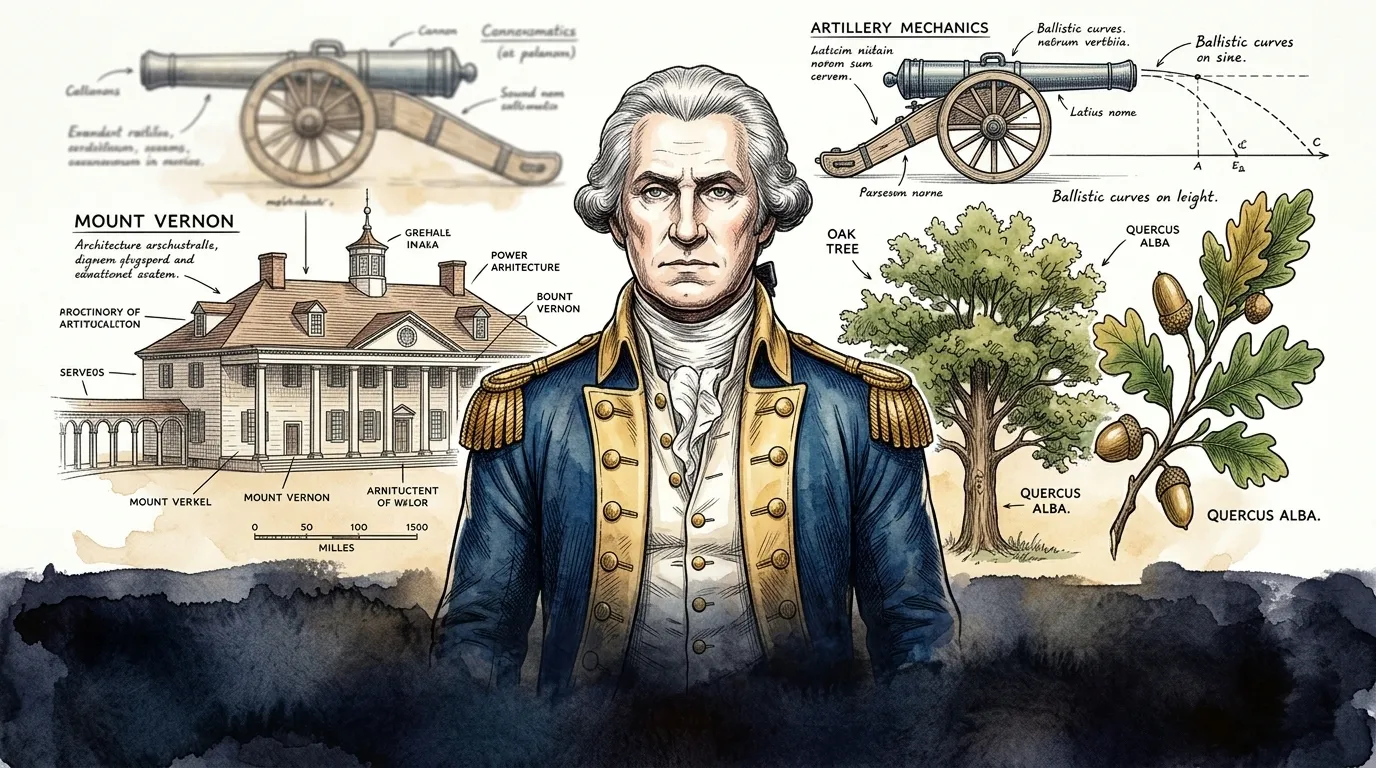
Page 1
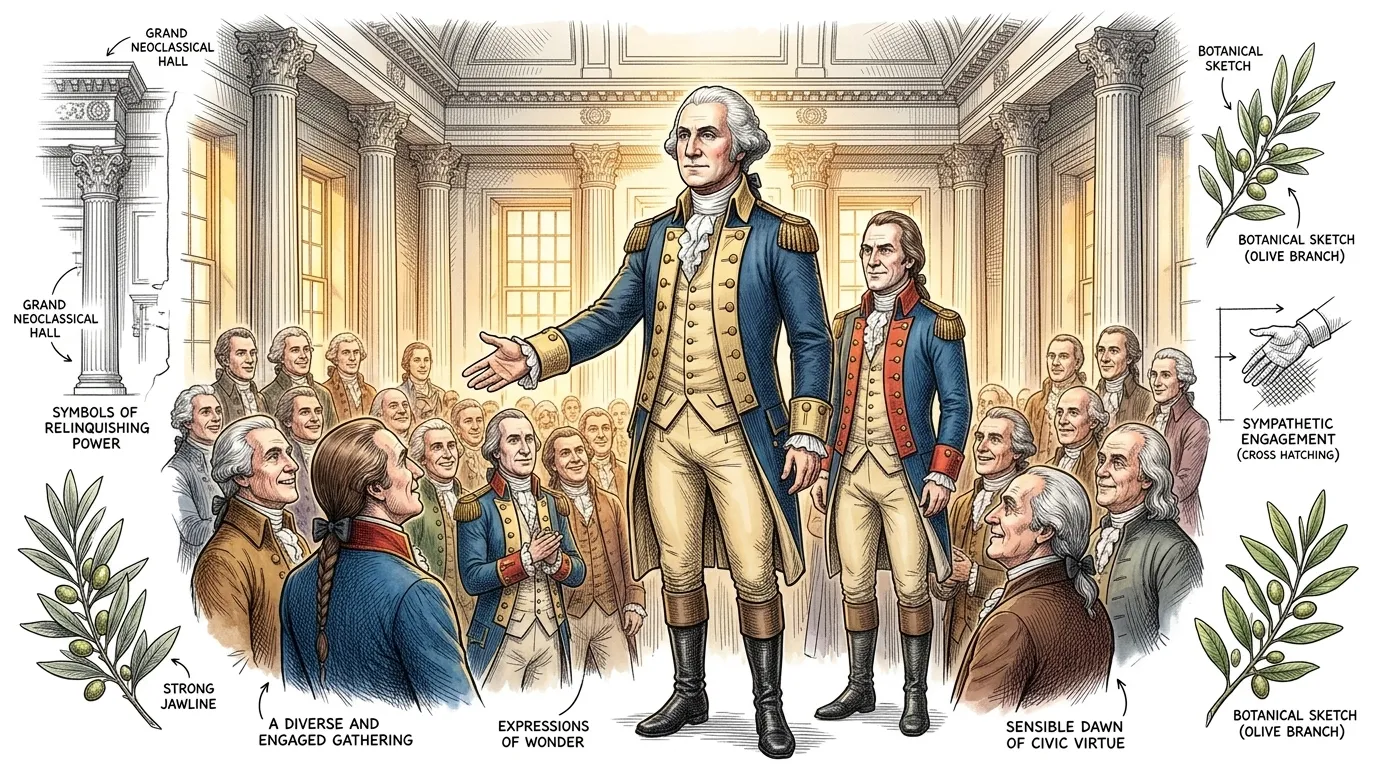
On September 17, 1796, in Philadelphia, Pennsylvania, a solemn gathering witnessed history. George Washington, after two terms, delivered his Farewell Address to the American people. This act of voluntary relinquishment of power, a profound departure from historical precedent, solidified the republic's future.
Biographical Fact: George Washington's Farewell Address, though never orally delivered to Congress, was published in newspapers. It served as a guiding principle for future American foreign policy and democratic transition. He voluntarily stepped down, a radical act in an era of monarchs and lifelong rulers.
Page 2
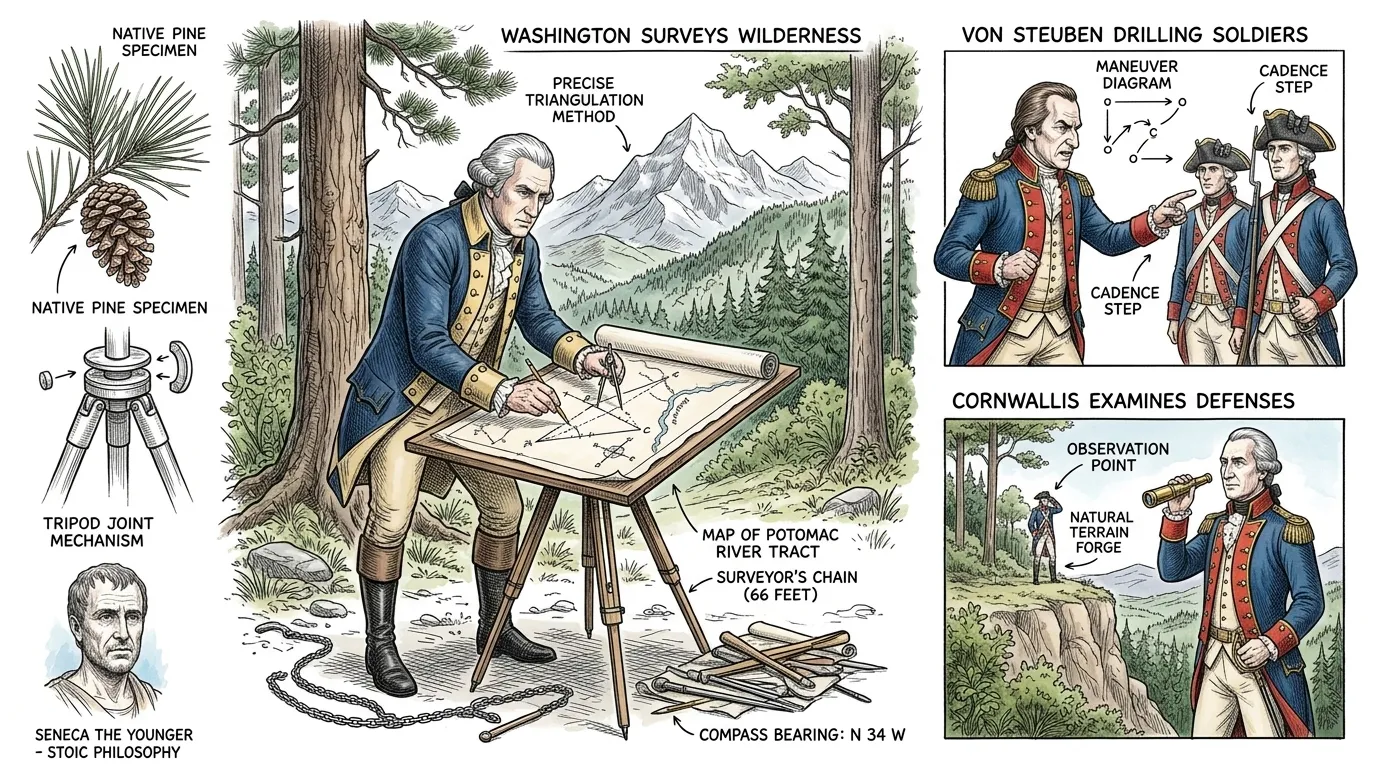
Decades earlier, in the untamed wilderness of the Virginia frontier, a young George Washington honed his discipline and practical acumen. As a surveyor in the mid-1740s, he meticulously mapped vast, rugged territories, learning to read the land and its challenges. This early exposure to hardship and precision work forged an unyielding resilience and a strategic mind, essential for future command.
Biographical Fact: Washington's early career as a surveyor taught him invaluable lessons in logistics, endurance, and understanding terrain—skills that would prove critical in military leadership and strategic planning.
Page 3
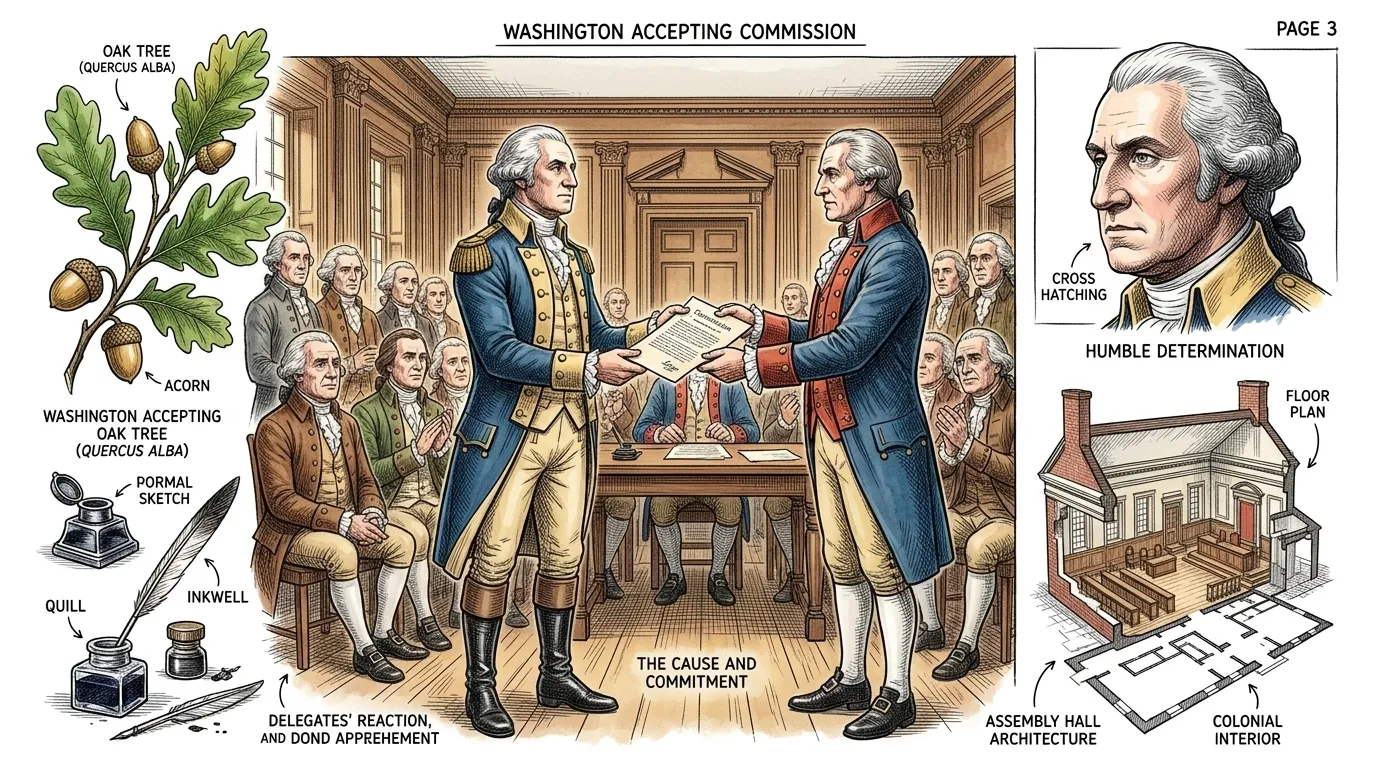
In June 1775, the Continental Congress convened in Philadelphia, grappling with the escalating conflict against Great Britain. As tensions mounted, a decision was reached that would define a nation. George Washington, a respected but not widely known Virginian delegate, accepted the commission as Commander-in-Chief of the Continental Army.
"'I do not think myself equal to the command I am honored with,' Washington stated with gravity, 'but I will exert every power I possess in their service.'"
Biographical Fact: Washington's acceptance of command was a pivotal moment, signaling a unified colonial resistance. His humility in the face of immense responsibility underscored his character, even as he committed entirely to the cause.
Page 4
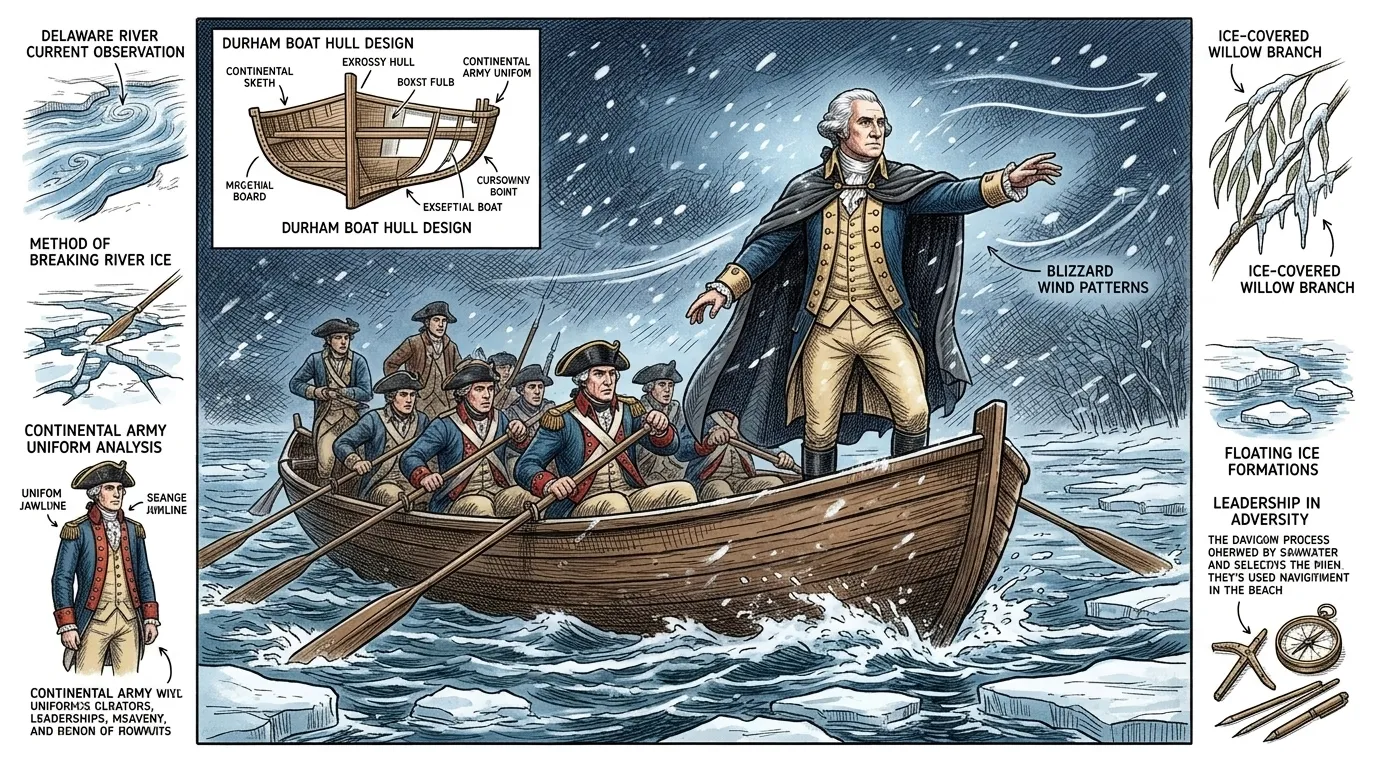
On Christmas night, 1776, with the Continental Army's morale at its lowest, George Washington ordered a desperate, high-risk offensive. He personally led 2,400 troops across the icy Delaware River into a blizzard, aiming for a surprise attack on Hessian forces in Trenton. The perilous crossing, fraught with danger, required extraordinary discipline and unwavering resolve from every man.
Biographical Fact: The Crossing of the Delaware and subsequent victory at Trenton dramatically boosted American morale and reaffirmed Washington's leadership, preventing the collapse of the Continental Army.
Page 5
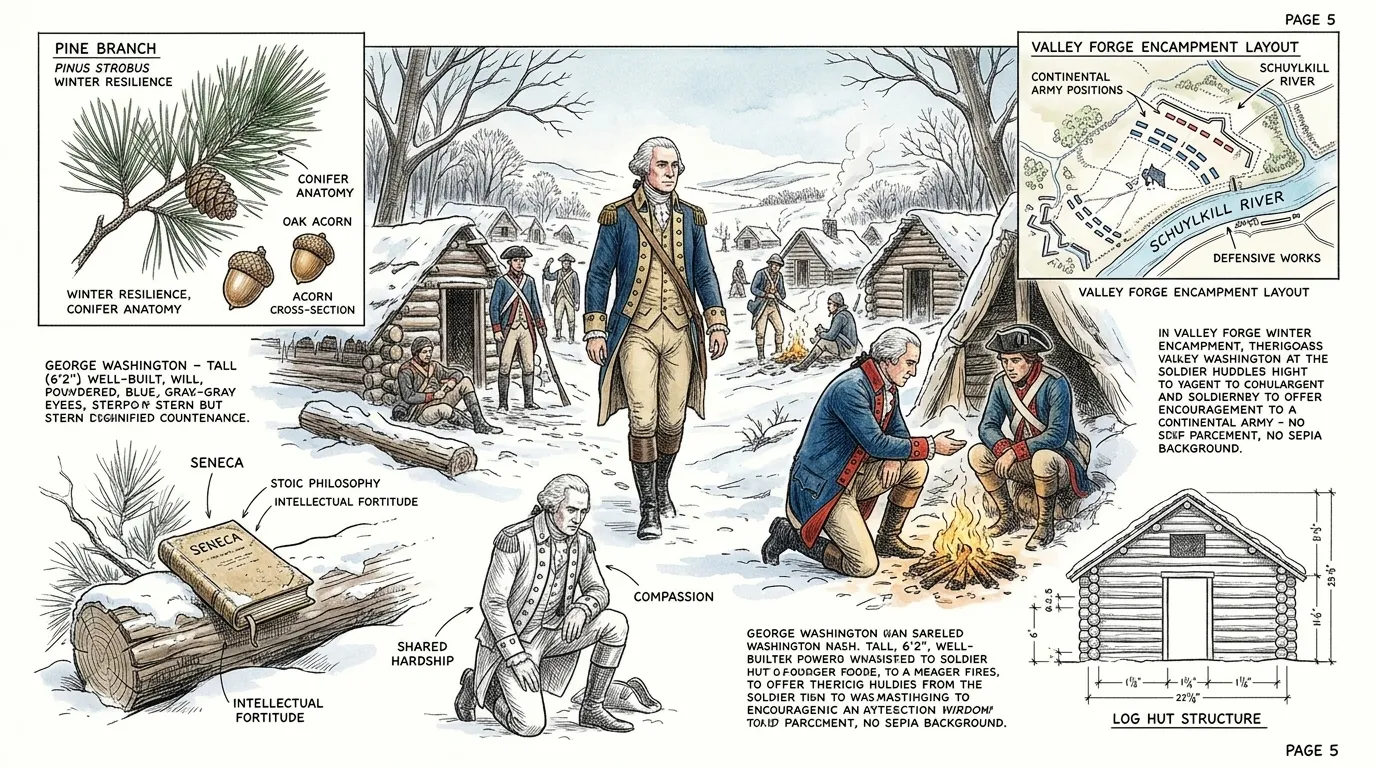
The brutal winter of 1777-1778 at Valley Forge tested the Continental Army to its breaking point. Starvation, disease, and freezing temperatures claimed thousands of lives, yet George Washington remained. He walked among his suffering troops, sharing their hardship and reinforcing their commitment to the cause, demonstrating an unyielding resilience and strategic patience. Observing the fortitude required, Washington reflected on the endurance of the human spirit.
"'It is by suffering that men become great,' Washington might have mused, drawing inspiration from thinkers like Seneca. 'This crucible will forge not just soldiers, but the very soul of a nation.'"
Biographical Fact: Valley Forge became a symbol of American perseverance. Washington's steadfast leadership, despite immense hardship, prevented the army's dissolution and prepared it for future victories through rigorous training overseen by Baron von Steuben.
Page 6
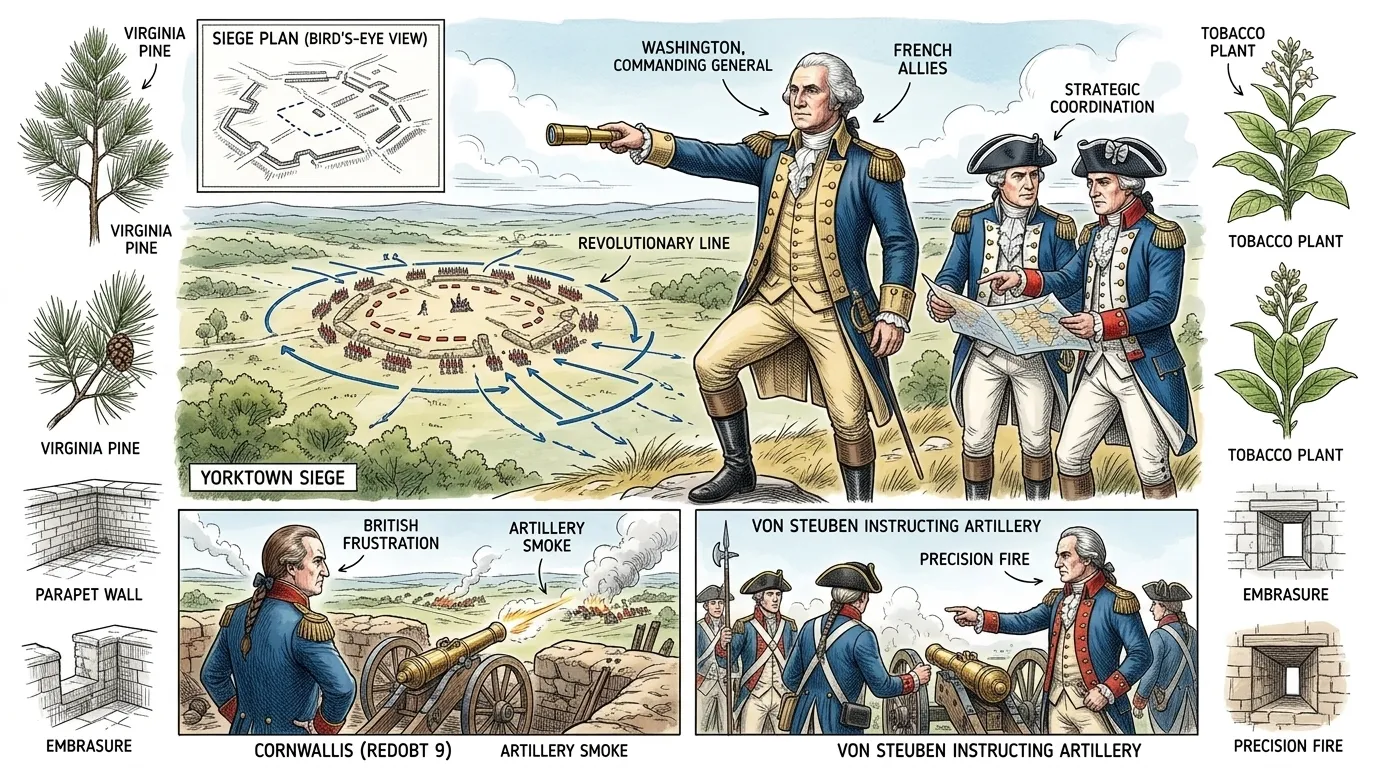
By October 1781, years of relentless campaigning culminated in the Siege of Yorktown. George Washington, leading a combined force of American and French troops, encircled General Lord Charles Cornwallis's British army. The decisive victory, secured through strategic coordination and persistent bombardment, marked the practical end of the Revolutionary War.
Biographical Fact: The Siege of Yorktown, a coordinated effort with French forces, was the final major battle of the Revolutionary War. Cornwallis's surrender effectively ended British military operations and secured American independence, cementing Washington's legacy as a wartime leader.
Page 7
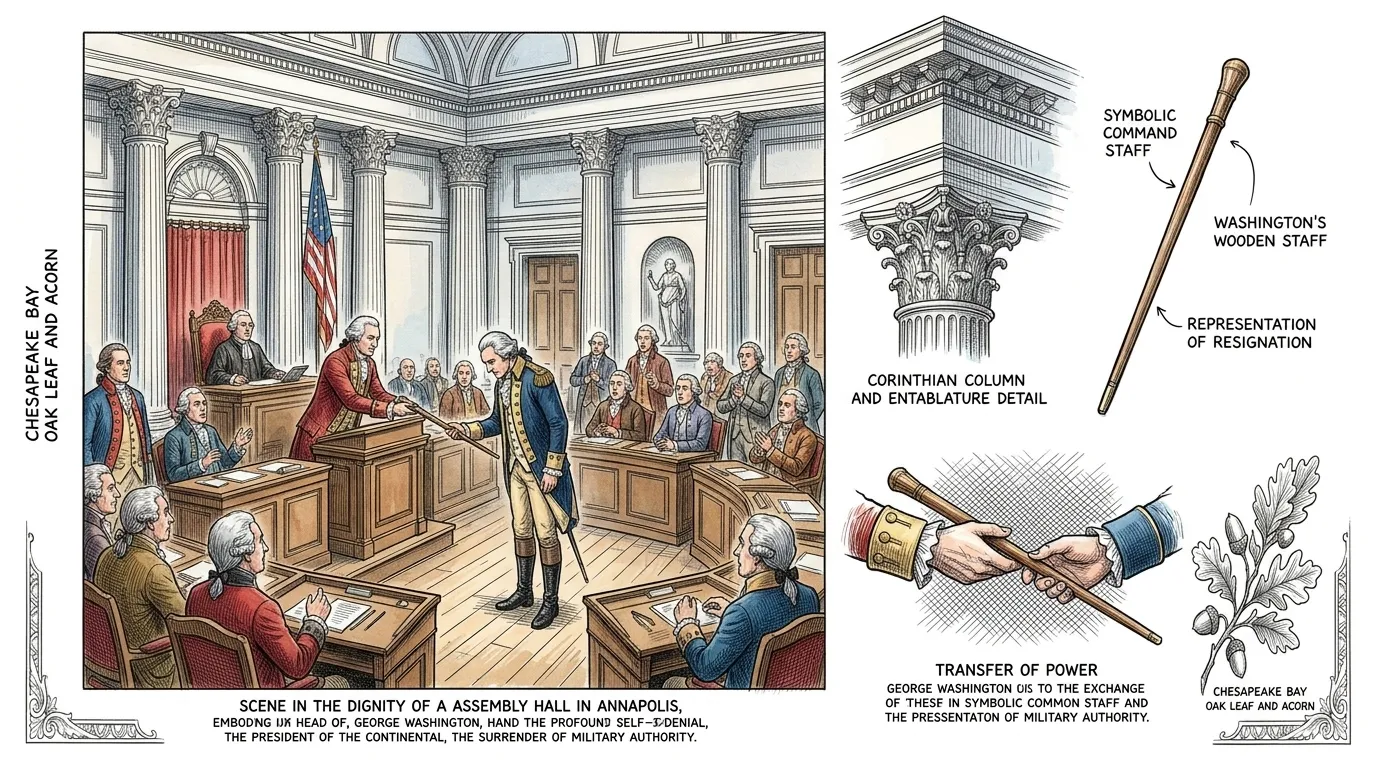
With independence secured, many expected George Washington to seize political power. Instead, in December 1783, he performed an act of profound self-denial. Before the Continental Congress in Annapolis, Maryland, Washington resigned his commission as Commander-in-Chief. This unprecedented voluntary surrender of military authority to civilian government astonished the world.
Biographical Fact: Washington's resignation of his commission was a revolutionary act that established a fundamental tenet of American democracy: the supremacy of civilian authority over the military, preventing the emergence of a military dictatorship.
Page 8
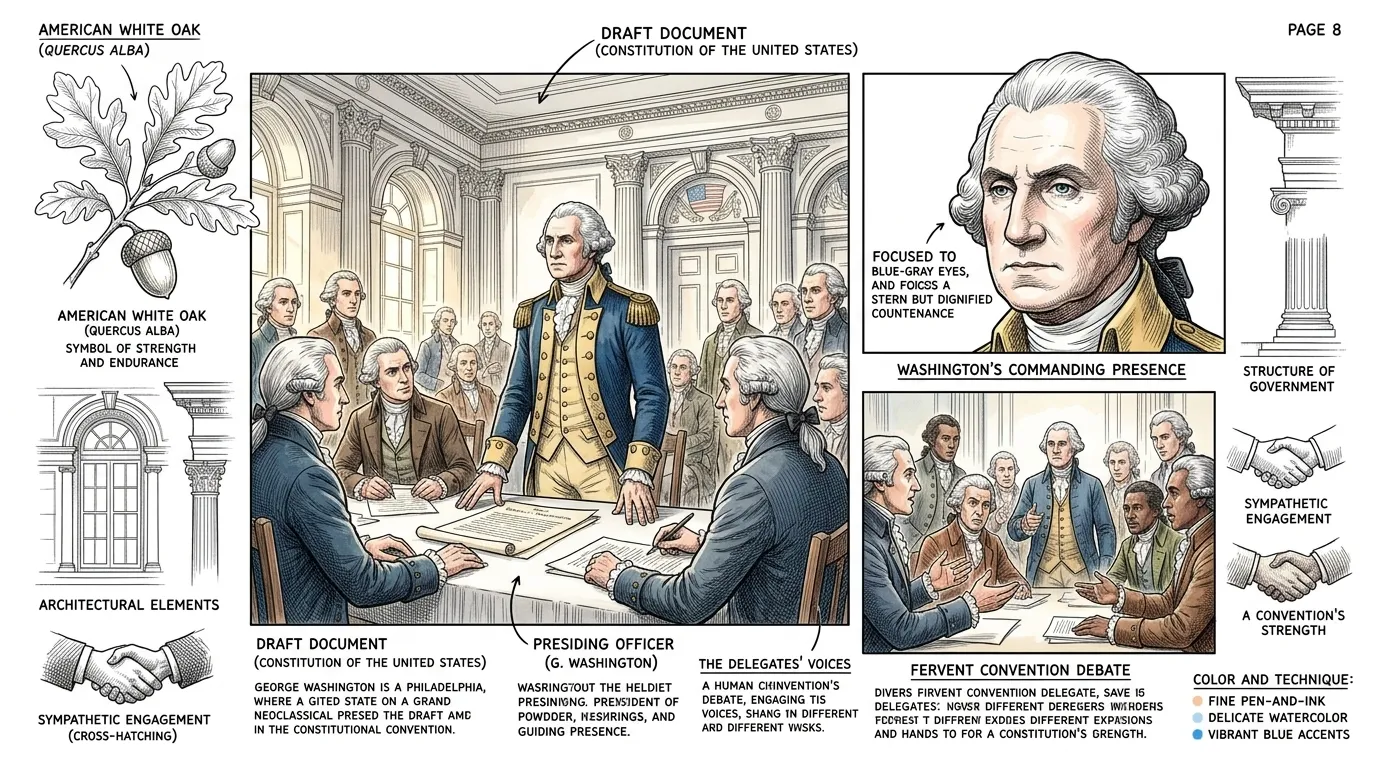
Four years after the war, the fledgling nation struggled under the Articles of Confederation. In May 1787, George Washington presided over the Constitutional Convention in Philadelphia. His presence lent immense legitimacy to the proceedings, as delegates debated the framework of a new government. Washington's steady guidance helped navigate contentious disagreements, shaping the enduring document that would govern the United States.
Biographical Fact: Washington's unanimous election as president of the Constitutional Convention was crucial. His leadership helped forge consensus among diverse factions, ensuring the creation of a robust federal government with a balance of powers.
Page 9
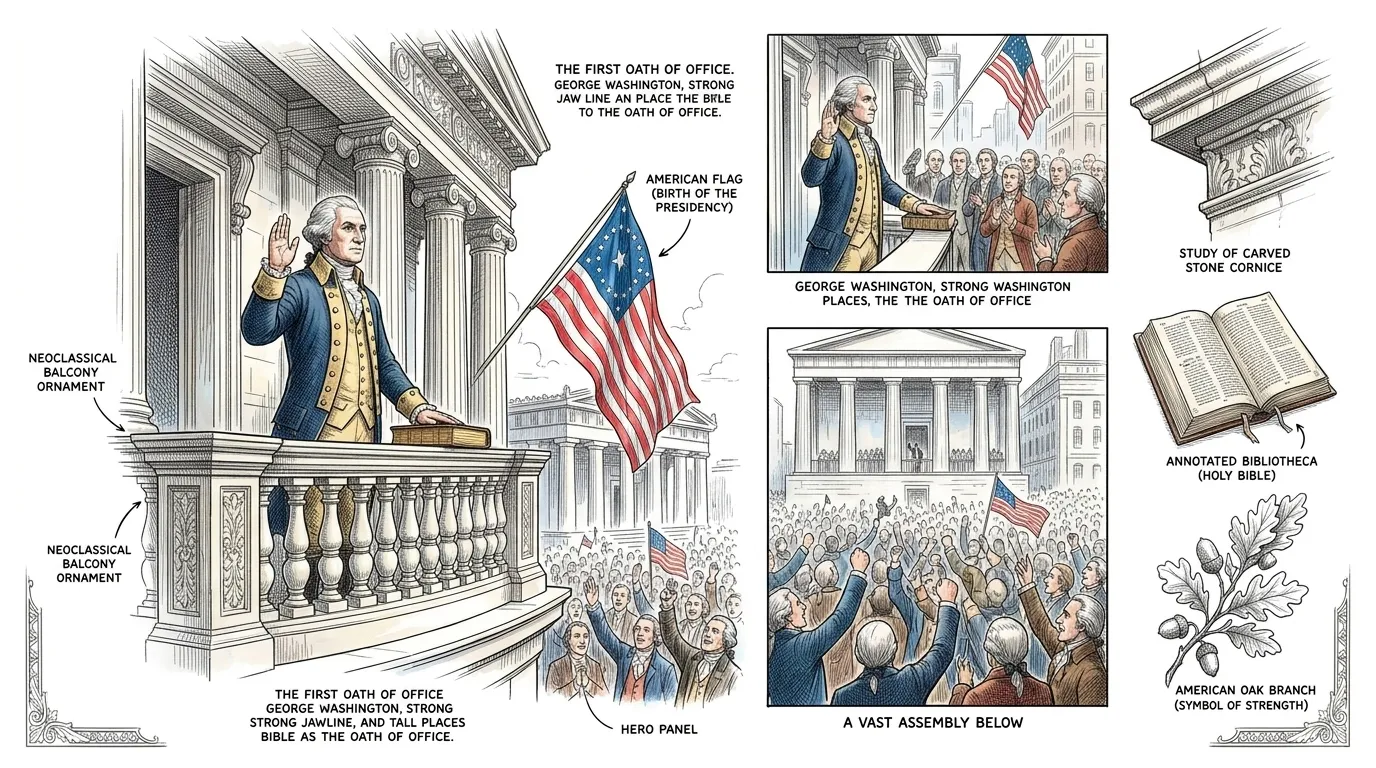
On April 30, 1789, the world watched as George Washington took the oath of office in New York City. On the balcony of Federal Hall, before a vast assembly, he was sworn in as the first President of the United States. This moment formalized the new republic's executive branch, transforming abstract ideals of governance into tangible reality under his pioneering leadership.
Biographical Fact: Washington's inauguration marked the official beginning of the American presidency. His actions and precedents as the first chief executive set the course for the office, shaping its powers and responsibilities for centuries to come.
Page 10
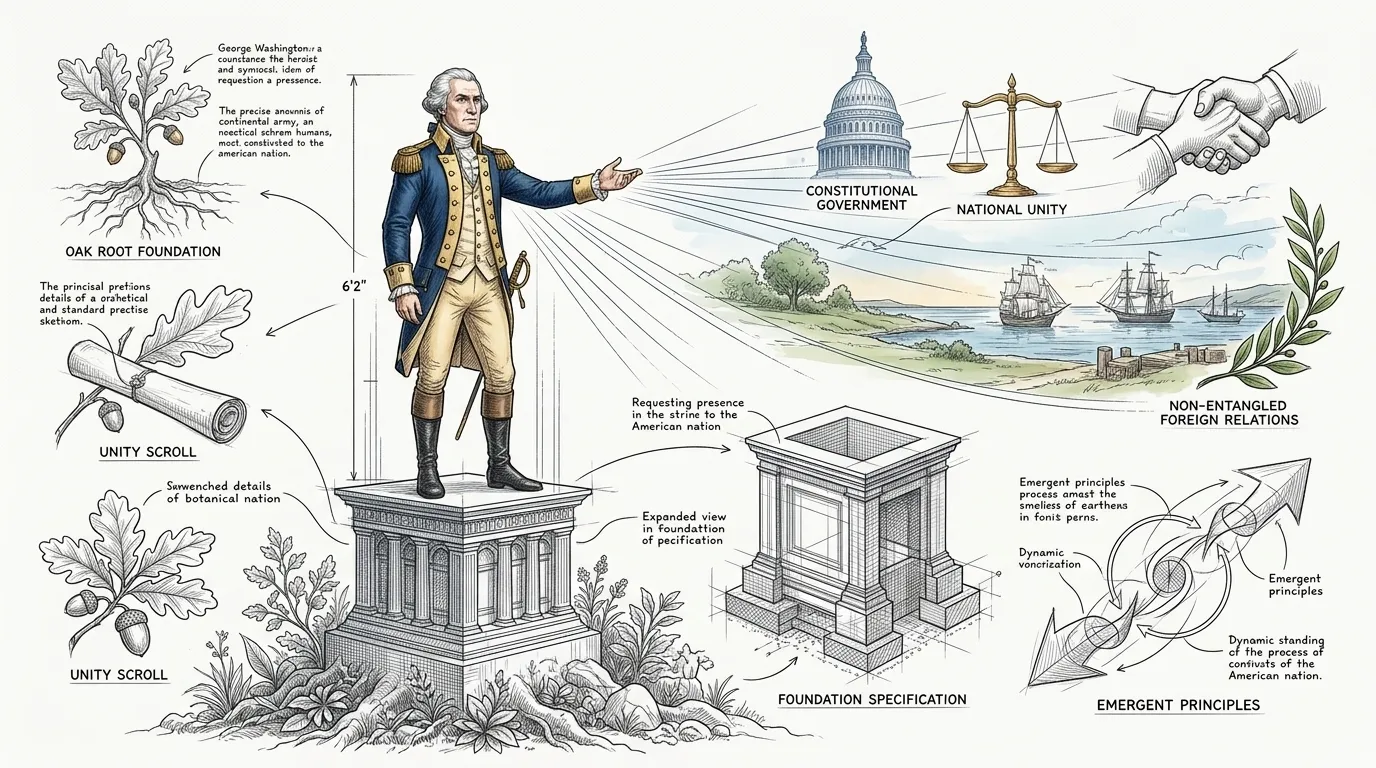
George Washington's impact transcended his lifetime, establishing an indelible blueprint for American leadership and democratic ideals. He secured independence, designed the presidency, and consciously relinquished power, embodying civic virtue. His principles of national unity, constitutional government, and non-entanglement in foreign affairs continue to resonate.
Biographical Fact: Washington's legacy is defined by his commitment to republican principles. He established the traditions of the presidency, warned against partisan divisions and foreign entanglements, and demonstrated that true leadership lay in serving the people, not seeking perpetual power.
About this story
- Location: Global
- Audience: general readers
Questions and answers
Read Wonder People on your phone
Wonder People is available on Android. Get Wonder People on Google Play.